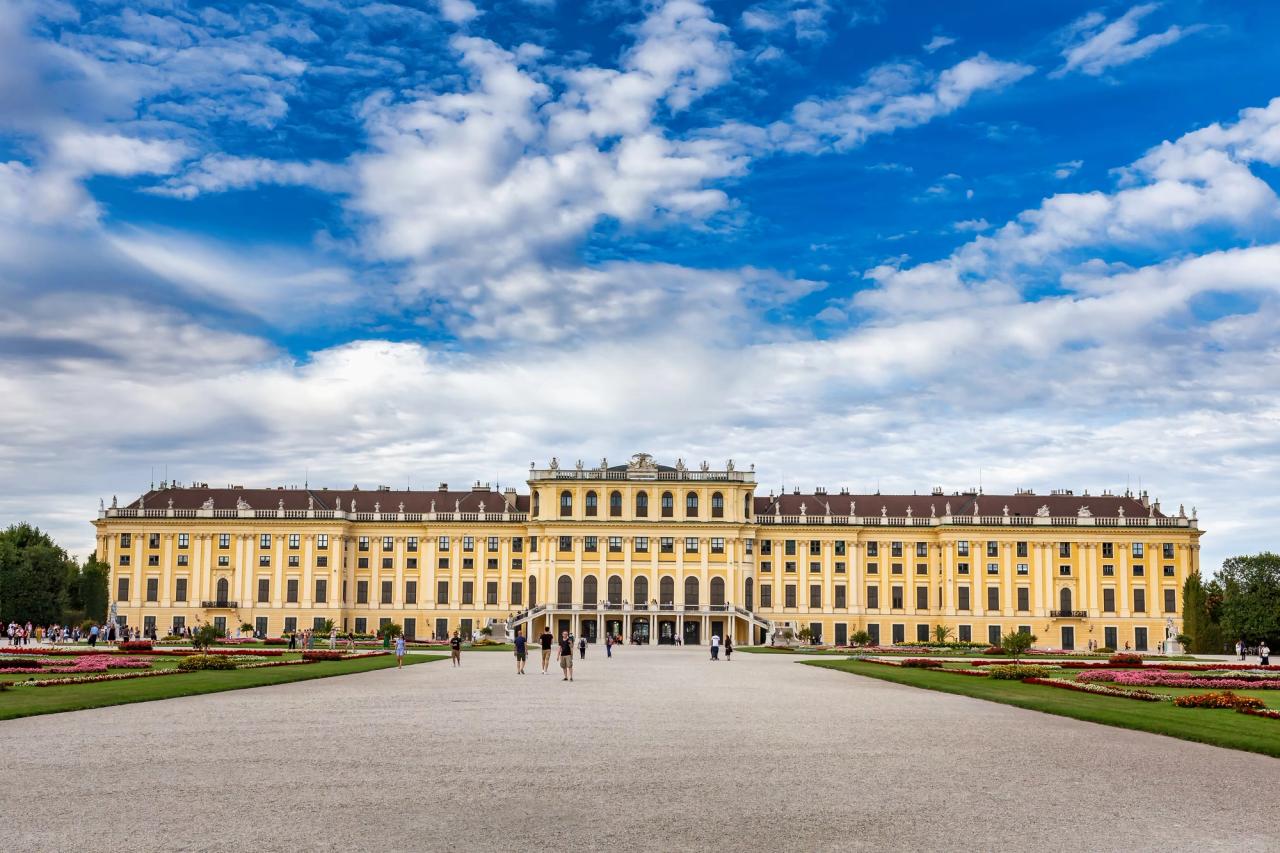

Denken Sie über einen Umzug nach Österreich nach? Wien wird regelmäßig als lebenswerteste Stadt der Welt eingestuft, und mit atemberaubender Alpenlandschaft, hervorragenden öffentlichen Dienstleistungen und einem reichen kulturellen Erbe bietet Österreich Expats eine außergewöhnliche Lebensqualität. Dieser Ratgeber deckt alles ab, was Sie für einen reibungslosen Umzug im Jahr 2026 benötigen.
Österreich auf einen Blick
- Bevölkerung
- Rund 9,2 Millionen
- Hauptstadt
- Wien
- Währung
- Euro (EUR)
- Durchschnittliches Gehalt
- Rund €2.630/Monat netto (€38.000–€48.000/Jahr brutto)
- Sprache
- Deutsch (Österreichischer Dialekt; Englisch in Städten weit verbreitet)
- Klima
- Kontinental ? kalte Winter, warme Sommer; Alpin im Westen
- Zeitzone
- MEZ (UTC+1) / MESZ (UTC+2)
Warum im Jahr 2026 nach Österreich ziehen?
- Lebenswerteste Stadt der Welt: Wien führt seit Jahren die Lebensqualitätsrankings von Mercer und dem Economist an ? hervorragender öffentlicher Nahverkehr, Sicherheit, Kultur und Infrastruktur.
- Hervorragende Gesundheitsversorgung: Österreichs Sozialversicherungssystem bietet umfassenden Schutz. Qualität und Zugänglichkeit der Gesundheitsversorgung gehören zu den besten in Europa.
- Atemberaubende Natur: Die Alpen bieten erstklassige Ski-, Wander- und Outdoor-Möglichkeiten. Seen, Berge und Weinberge sind von jeder Stadt aus leicht erreichbar.
- Starke Wirtschaft: Niedrige Arbeitslosigkeit, hohe Löhne und ein stabiler Arbeitsmarkt ? besonders stark in Technologie, Ingenieurwesen, Finanzen und Tourismus.
- Zentraleuropäische Lage: Wien ist ein Knotenpunkt zwischen West- und Osteuropa. Bratislava ist 1 Stunde, Budapest 2,5 Stunden und Prag 4 Stunden mit dem Zug entfernt.
- Reiches kulturelles Erbe: Mozart, Freud, Klimt ? Österreichs Beiträge zu Musik, Kunst, Philosophie und Wissenschaft sind legendär. Weltklasse-Oper, klassische Konzerte und Museen.
- Hervorragender öffentlicher Nahverkehr: Wiens U-Bahn, Straßenbahnen und Busse sind effizient und erschwinglich. Das jährliche Klimaticket deckt den gesamten öffentlichen Nahverkehr im ganzen Land ab.
Umzugskosten nach Österreich
Kosten nach Herkunftsregion
| Herkunft | Geschätzte Kostenspanne | Transportart |
|---|---|---|
| Deutschland nach Österreich | €500 – €1.500 | Teilladung / Sammelcontainer |
| Großbritannien nach Österreich | €1.200 – €2.500 | Teilladung / Sammelcontainer |
| USA nach Österreich | €3.500 – €7.000 | 20-Fuß-Container |
| Italien nach Österreich | €600 – €1.500 | Teilladung / Sammelcontainer |
| Innerhalb Österreichs | €300 – €1.000 | Umzugswagen |
Kostenkomponenten im Überblick
- Transport: €400 – €4.000, je nach Entfernung und Volumen
- Versicherung: €80 – €300
- Zollabfertigung: Kostenlos für EU-Umzüge; €100–€300 für Nicht-EU
- Verpackungsmaterial: €80 – €250
- Lagerung: €50 – €150/Monat
Erfahrungsbericht: „Ich bin im Februar 2025 mit rund 25 Kubikmetern von München nach Wien gezogen. Die Gesamtkosten lagen bei etwa €1.800. Es war unkompliziert, da beide Länder in der EU sind ? kein Zollärger.“ ? Stefan H., umgezogen im Februar 2025
Benötigen Sie ein individuelles Angebot?
Erhalten Sie innerhalb von 48 Stunden drei geprüfte Angebote von Umzugsunternehmen.
Visum- und Aufenthaltsanforderungen
Für EU/EWR-Bürger
EU-Bürger können ohne Visum in Österreich leben und arbeiten. Sie müssen:
- Sich innerhalb von 3 Tagen nach dem Einzug bei Ihrer zuständigen Meldebehörde (Einwohnermeldeamt) anmelden
- Einen Meldezettel (Anmeldebestätigung) erhalten
- Eine Anmeldebescheinigung (Registrierungsbescheinigung) innerhalb von 4 Monaten beantragen, wenn Sie länger als 3 Monate bleiben
Für Nicht-EU-Bürger: Wichtigste Visumkategorien
Rot-Weiß-Rot Karte
- Für wen: Fachkräfte in Mangelberufen, hochqualifizierte Arbeitskräfte, Schlüsselkräfte, Absolventen österreichischer Universitäten
- Voraussetzungen: Punktebasiertes System, das Qualifikationen, Berufserfahrung, Sprachkenntnisse und Alter berücksichtigt. Es gelten Mindestgehaltsgrenzen.
- Laufzeit: 24 Monate, danach kann die Rot-Weiß-Rot Karte Plus (uneingeschränkte Arbeitsbewilligung) beantragt werden
- Wichtiger Hinweis: Österreichs wichtigster Weg zur Arbeitsmigration ? das Punktesystem macht ihn strukturierter als in vielen anderen Ländern
EU-Blaue Karte
- Für wen: Hochqualifizierte Arbeitskräfte aus Nicht-EU-Ländern
- Voraussetzungen: Universitätsabschluss + Mindestbruttolohn von €51.500/Jahr (Schwellenwert 2025; Schwellenwert 2026: €55.678/Jahr)
- Laufzeit: 24 Monate
- Wichtiger Hinweis: Ermöglicht EU-Mobilität nach 18 Monaten
Studentenaufenthaltserlaubnis
- Für wen: An österreichischen Bildungseinrichtungen eingeschriebene Personen
- Voraussetzungen: Universitätszulassung, Nachweis ausreichender Finanzmittel, Krankenversicherung
- Laufzeit: Dauer des Studiums + 1 Jahr
- Wichtiger Hinweis: Bis zu 20 Stunden/Woche Arbeit erlaubt
Visum für Selbstständige
- Für wen: Unternehmer, Freiberufler
- Voraussetzungen: Businessplan, Investitionsnachweis, wirtschaftlicher Nutzen für Österreich
- Dauer: Zunächst 2 Jahre
- Wichtiger Hinweis: Höhere Anforderungen als bei Arbeitnehmervisa – wirtschaftlicher Beitrag muss nachgewiesen werden
Niederlassungsbewilligung
- Für wen: Verschiedene Kategorien, darunter Familienangehörige und finanziell unabhängige Personen
- Voraussetzungen: Je nach Kategorie unterschiedlich – ggf. Einkommensnachweis, Deutschkenntnisse (A1–A2) und Unterkunft erforderlich
- Dauer: Zunächst 1 Jahr, verlängerbar
- Gültiger Reisepass/Personalausweis
- Ausgefüllter Meldezettel (erhältlich im Amt oder online)
- Unterschrift des Vermieters auf dem Formular (Bestätigung des Wohnungsgebers)
Wohnungssuche in Österreich
Wien verfügt über einen der besten Wohnungsmärkte Europas – der umfangreiche Sozialbau hält die Preise für eine Hauptstadt erschwinglich. Salzburg und Innsbruck sind teurer.
Durchschnittliche Mieten nach Großstadt (2025–2026)
| Stadt | 1-Zimmer (Zentrum) | 1-Zimmer (Außenbezirke) | 3-Zimmer (Zentrum) | Marktniveau |
|---|---|---|---|---|
| Wien | €700 – €1.100 | €550 – €850 | €1.300 – €2.200 | Moderat (Sozialbau hilft) |
| Salzburg | €750 – €1.200 | €600 – €900 | €1.400 – €2.300 | Wettbewerbsintensiv |
| Innsbruck | €750 – €1.200 | €600 – €950 | €1.400 – €2.500 | Wettbewerbsintensiv |
| Graz | €500 – €800 | €400 – €650 | €900 – €1.500 | Entspannt |
| Linz | €500 – €750 | €400 – €600 | €900 – €1.400 | Entspannt |
Quelle: Numbeo, März 2026. Nationaler Durchschnitt 1-Zimmer Zentrum: €873.
Österreichische Mietbegriffe verstehen
- Mietzins (Miete): Monatlicher Mietbetrag
- Betriebskosten (Nebenkosten): Hausverwaltung, Müll, Wasser – typischerweise €100–€250/Monat zusätzlich
- Kaution (Depot): In der Regel 3 Monatsmieten
- Genossenschaftswohnung (Genossenschaftliches Wohnen): Günstige Option – Einmaleinlage (oft €5.000–€30.000) und niedrigere Monatsmiete
- Gemeindebau (Kommunaler Wohnbau): Wiens berühmter Sozialbau – sehr günstig, setzt jedoch Wiener Wohnsitz voraus
Wie man eine Wohnung findet
Online-Plattformen:
- Willhaben.at: Österreichs größte Kleinanzeigenseite – die meisten Mietangebote
- ImmobilienScout24.at: Großes Immobilienportal
- ImmoNet.at: Gute Auswahl
- Standard Wohnungssuche: Zeitungsinserate (Der Standard)
Erforderliche Unterlagen zur Anmietung
- Meldezettel (aktuelle Meldung)
- Gültiger Reisepass/Personalausweis
- Einkommensnachweis (Arbeitsvertrag, Gehaltsabrechnungen)
- SCHUFA/KSV-Bonitätsprüfung (manchmal erforderlich)
- Kontoauszüge
Tipps für Ausländer
- Wien ist dank des umfangreichen Sozialwohnungsbaus für eine Hauptstadt einzigartig erschwinglich
- Genossenschaftswohnungen bieten ein hervorragendes Preis-Leistungs-Verhältnis – erfordern jedoch eine Vorauszahlung
- Betriebskosten kommen immer hinzu – planen Sie €100–€250/Monat zusätzlich zur Miete ein
- Möblierte Wohnungen (möbliert) sind seltener – die meisten Wohnungen werden unmöbliert vermietet
- In Salzburg und Innsbruck ist der Wettbewerb hart – beginnen Sie frühzeitig mit der Suche
Gesundheitsversorgung & Versicherung
Österreich verfügt über ein hervorragendes obligatorisches Sozialversicherungssystem, das alle Arbeitnehmer und ihre Familien abdeckt.
So funktioniert es
Wenn Sie angestellt sind, sind Sie automatisch bei der ÖGK (Österreichische Gesundheitskasse) – der gesetzlichen Krankenversicherung – versichert. Ihr Arbeitgeber meldet Sie an und die Beiträge werden von Ihrem Gehalt abgezogen.
Gesetzliche Krankenversicherung (ÖGK)
- Kosten: ~7,65 % des Bruttogehalts (Arbeitnehmeranteil; Arbeitgeber zahlt zusätzlich ~3,78 %)
- Leistungen: Hausarztbesuche, Fachärzte, Krankenhausversorgung, Rezepte, Zahnbehandlung (Basis), Mutterschaftsversorgung
- E-Card: Ihre Versicherungskarte – bitte bei allen Arztbesuchen vorlegen
- Familienversicherung: Nicht erwerbstätige Ehepartner und Kinder sind kostenlos mitversichert
Private Krankenversicherung
Viele Österreicher und Expats haben zudem eine ergänzende private Krankenversicherung:
- Kosten: €30–€150/Monat
- Vorteile: Private Krankenzimmer, kürzere Wartezeiten, freie Arztwahl, Alternativmedizin
- Führende Anbieter: UNIQA, Generali, Wiener Städtische
Arztbesuche & Kosten
- Hausarztbesuch: Kostenlos mit E-Card (Rezeptgebühr: €7,55 pro Medikament, Stand Januar 2025)
- Facharzt: Kostenlos mit Überweisung vom Hausarzt; ohne Überweisung fällt eine geringe Zuzahlung an
- Krankenhaus: Kostenlos mit E-Card (€15,10/Tag Selbstbehalt)
- Zahnbehandlung: Grundlegende Leistungen abgedeckt; größere Behandlungen teilweise übernommen – private Versicherung ist hilfreich
- Notfall: Kostenlos
Holen Sie sich einen personalisierten Umzugsplan
Hinterlassen Sie Ihre E-Mail-Adresse und wir senden Ihnen eine maßgeschneiderte Checkliste sowie drei Angebote von geprüften Umzugsunternehmen.
Bankwesen & Finanzen
Eröffnung eines Bankkontos
Erforderliche Dokumente:
- Gültiger Reisepass/Personalausweis
- Meldezettel (Anmeldebestätigung)
- Visum oder Aufenthaltstitel (für Nicht-EU-Bürger)
- Manchmal Einkommensnachweis
Beste Banken fuer Expats
Erste Bank / Sparkasse
- Largest Austrian bank
- extensive network
Bank Austria (UniCredit)
- Second-largest
Raiffeisenbank
- Strong in rural areas
N26
- Popular online option
- quick to open
Bawag/PSK
- Post office bank
- good for basic accounts
Führende Banken:
- Erste Bank / Sparkasse: Größte österreichische Bank, weitreichendes Filialnetz
- Bank Austria (UniCredit): Zweitgrößte Bank
- Raiffeisenbank: Stark in ländlichen Gebieten
- N26: Beliebte Online-Option, schnell zu eröffnen
- Bawag/PSK: Postbank, gut für einfache Konten
- Steuersystem
- Einkommensteuer: Progressive Steuersätze von 0 % bis 55 % (Steuerstufen 2025)
- 0 % bis €13.308
- 20 % bis €21.617
- 30 % bis €35.836
40 % bis €69.166
48 % bis €103.072
- 50 % bis €1.000.000
- 55 % über €1.000.000
- Sozialversicherungsbeiträge: ca. 18,07 % des Bruttogehalts (Arbeitnehmeranteil)
- MwSt.: 20 % Normalsatz, 10 % ermäßigt, 13 % Sondersatz
- ORF-Beitrag (Rundfunkgebühr – Ersatz für die GIS)
Seit dem 1. Januar 2024 wurde die österreichische GIS-Gebühr durch den ORF-Beitrag (ORF-Haushaltsbeitrag) ersetzt, eine verpflichtende Abgabe pro Haushalt:
Festgelegt auf €15,30/Monat pro Haushalt (mindestens bis 2026)
| Stadt | Budget für eine Person | Budget für eine 3-köpfige Familie | Kostenniveau |
|---|---|---|---|
| Wien | €1.500 – €2.300 | €2.800 – €4.500 | Mittel-Hoch |
| Salzburg | €1.600 – €2.400 | €3.000 – €4.800 | Hoch |
| Innsbruck | €1.600 – €2.400 | €3.000 – €4.800 | Hoch |
| Graz | €1.100 – €1.700 | €2.200 – €3.500 | Mittel |
| Linz | €1.100 – €1.700 | €2.100 – €3.400 | Mittel |
Detaillierte Kostenaufschlüsselung
Wohnen:
- 1-Zimmer-Wohnung (Stadtzentrum): €610 – €1.350/Monat
- 1-Zimmer-Wohnung (außerhalb des Zentrums): €500 – €1.000/Monat
- Nebenkosten (85 m²): €218 – €500/Monat (Heizung ist im Winter teuer)
- Internet: €25 – €45/Monat
Lebensmittel & Essen:
- Monatliche Lebensmittelkosten (1 Person): €250 – €400
- Restaurantmahlzeit (günstig): €10 – €25
- Mittelklasse-Restaurant für 2: €50 – €110
- Kaffee (Melange in einem Kaffeehaus): €3,50 – €5,50
- Bier (0,5 l, in einer Bar): €3,50 – €6,00
Verkehr:
- Monatliche Fahrkarte (Wien): €36,50 (Jahreskarte: €365/Jahr!)
- Klimaticket (ganz Österreich): €1.095/Jahr (€950 für unter 26-Jährige)
- Taxi-Grundgebühr: €4,00 – €9,00
- Benzin (1 Liter): €1,48 – €1,89
Vergleich mit anderen Ländern
- vs. Deutschland: Österreich ist insgesamt 5–10 % teurer; die Gehälter sind leicht höher
- vs. Schweiz: Österreich ist deutlich günstiger (30–40 %), aber die Gehälter sind niedriger
- vs. Frankreich: Bei den meisten Ausgaben vergleichbar; Miete etwas höher, aber Verkehr günstiger
Sprach- und Kulturtipps
Benötigen Sie Deutsch?
Ja, für den Alltag, die Bürokratie und die soziale Integration. In Wiens internationalen Unternehmen funktioniert Englisch, aber Deutsch ist unerlässlich für den Umgang mit Vermietern, Ärzten, der Meldebehörde und für ein aktives Sozialleben. Österreichisches Deutsch unterscheidet sich vom Hochdeutschen – Aussprache, Wortschatz und einige Ausdrücke sind einzigartig.
Sprachressourcen
- Volkshochschule (VHS): Erwachsenenbildungszentren mit günstigen Deutschkursen (€200–€500/Semester)
- Integrationskurse (AMS): Staatlich geförderte Kurse für berechtigte Neuankömmlinge
- Privatschulen (Berlitz, Goethe): €300–€800/Monat
- Tandempartner: Verfügbar über Apps und Universitätsprogramme
Deutschniveaus (GER)
- A1 (Anfänger): Grundlegende Ausdrücke. Für einige Aufenthaltsgenehmigungen erforderlich. 2–3 Monate.
- A2 (Grundkenntnisse): Alltägliche Interaktionen. Minimum für die Integration. 4–6 Monate.
- B1 (Mittelstufe): Die meisten Alltagssituationen. Erforderlich für den dauerhaften Aufenthalt. 8–12 Monate.
- B2 (Gehobene Mittelstufe): Berufliches Niveau. Erforderlich für die Staatsbürgerschaft. 1–2 Jahre.
Kulturelle Normen
Kaffeehauskultur:
- Wiens Kaffeehauskultur ist UNESCO-gelistet – ausgiebig Kaffee zu trinken mit einer Zeitung ist die Tradition
- Eine Melange (Wiener Cappuccino) zu bestellen und stundenlang zu sitzen ist völlig normal
- Berühmte Kaffeehäuser: Café Central, Café Sacher, Café Hawelka
Gesellschaftliche Normen:
- Österreicher sind anfangs förmlich – verwenden Sie Herr/Frau + Nachname, bis Sie gebeten werden, Vornamen zu benutzen
- Pünktlichkeit ist sehr wichtig
- Begrüßung: Handschlag im Geschäftsleben; Wangenküsse (Bussi) unter Freunden
- Recycling wird ernst genommen – befolgen Sie die Mülltrennungsregeln
Outdoor-Kultur:
- Skifahren im Winter, Wandern im Sommer – das ist eine Lebensweise
- Heuriger (Weinschenken) in der Wiener Weinregion sind eine geliebte Tradition
- Das Donauinselfest ist das größte kostenlose Open-Air-Festival der Welt
Soziale Integration
- Treten Sie einem Verein bei – Sport-, Kultur- oder Hobbygruppen
- Besuchen Sie lokale Veranstaltungen und Märkte
- Expat-Gruppen sind in Wien aktiv (Internations, Facebook-Gruppen)
- Deutsch zu lernen ist der wichtigste Schritt zur Integration
Umzugs-Checkliste
- Informieren Sie sich über Visaanforderungen (Rot-Weiß-Rot Karte für Nicht-EU-Bürger)
- Beginnen Sie mit dem Deutschlernen (mindestens A1)
- Holen Sie Umzugsangebote ein
- Informieren Sie sich über Städte und Stadtteile
- Beantragen Sie das Visum bei der österreichischen Botschaft/dem Konsulat
- Beauftragen Sie ein Umzugsunternehmen
- Organisieren Sie eine vorübergehende Unterkunft
- Melden Sie sich innerhalb von 3 Tagen bei der Meldebehörde an (Meldezettel)
- Holen Sie sich eine österreichische SIM-Karte (A1, Magenta, Drei)
- Eröffnen Sie ein österreichisches Bankkonto
- Beantragen Sie die Anmeldebescheinigung (EU) oder eine Aufenthaltsgenehmigung (Nicht-EU)
- Beginnen Sie mit der Wohnungssuche
- Melden Sie sich bei der ÖGK an, wenn Sie beschäftigt sind
- Unterzeichnen Sie einen Mietvertrag und ziehen Sie in eine dauerhafte Unterkunft ein
- Melden Sie sich für den ORF-Beitrag (Rundfunkgebühr) an
- Holen Sie sich ein Klimaticket oder eine Jahreskarte für den Nahverkehr
- Beginnen Sie einen Deutschkurs
Wo Sie Werkzeuge und Ressourcen finden
ReloAdvisor-Tools:
- Volumenrechner
- Videobegutachtung
- Umzugskostenrechner
Offizielle österreichische Ressourcen:
- oesterreich.gv.at (Nachfolger von help.gv.at) ? Offizielles Regierungsportal
- ?GK ? Krankenversicherung
- Migration.gv.at ? Einwanderung und Aufenthalt
Expat-Communitys:
- Expat.com Österreich
- Internations Österreich
- Amerikaner in Wien (Facebook)
Verwandte Ratgeber:
- Umzug nach Deutschland
- Umzug in die Schweiz