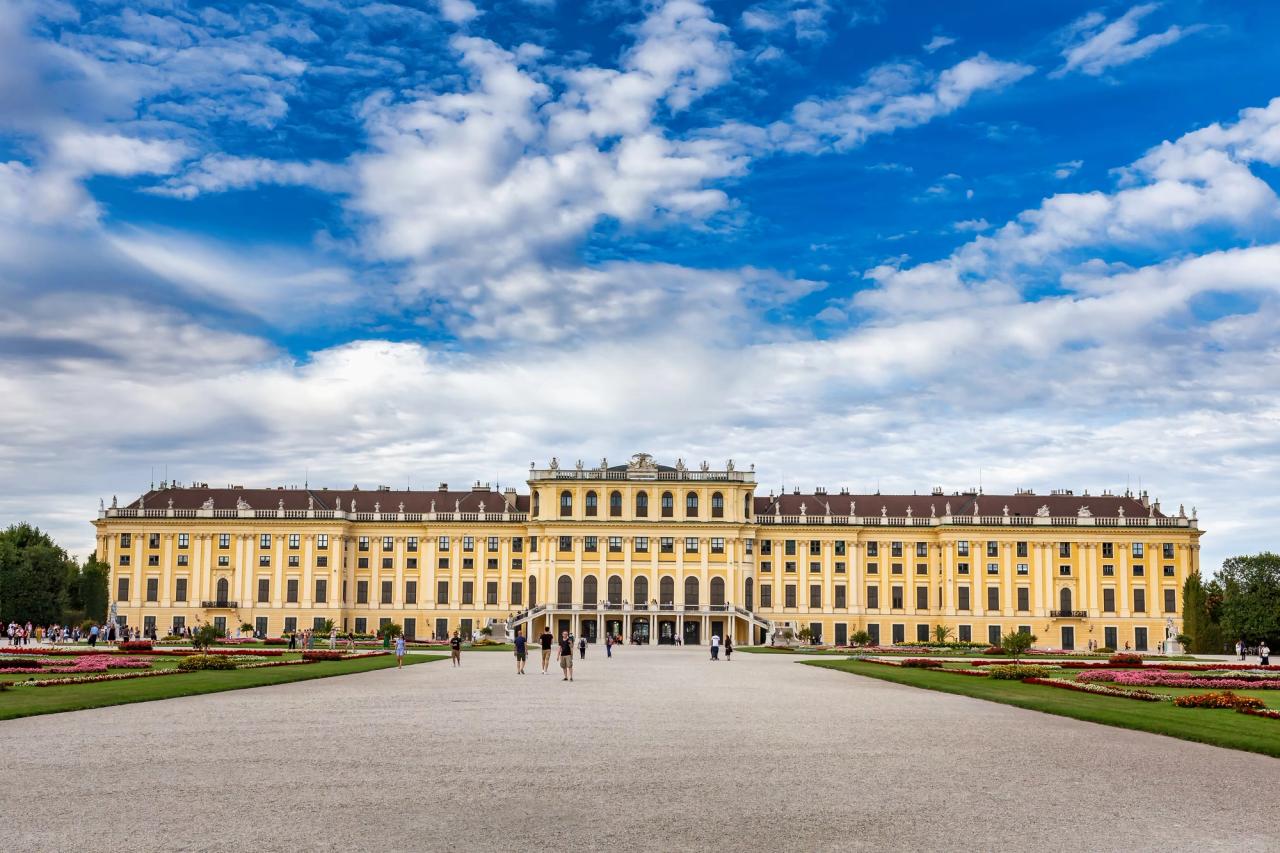

Stai pensando di trasferirti in Austria? Con Vienna che figura costantemente come la città più vivibile del mondo, paesaggi alpini mozzafiato, eccellenti servizi pubblici e un ricco patrimonio culturale, l'Austria offre agli expat una qualità della vita eccezionale. Questa guida copre tutto ciò di cui hai bisogno per un trasferimento senza intoppi nel 2026.
L'Austria in Breve

- Popolazione
- Circa 9,2 milioni
- Capitale
- Vienna
- Valuta
- Euro (EUR)
- Stipendio Medio
- Circa €2.630/mese netto (€38.000-€48.000/anno lordo)
- Lingua
- Tedesco (dialetto tedesco austriaco; l'inglese è ampiamente parlato nelle città)
- Clima
- Continentale ? inverni freddi, estati calde; alpino a ovest
- Fuso Orario
- CET (UTC+1) / CEST (UTC+2), ora dell'Europa centrale
Perché trasferirsi in Austria nel 2026
- La città più vivibile al mondo: Vienna si è classificata al primo posto nelle graduatorie sulla qualità della vita di Mercer e dell'Economist per anni ? trasporti pubblici eccellenti, sicurezza, cultura e infrastrutture.
- Assistenza sanitaria eccezionale: il sistema di assicurazione sociale austriaco garantisce una copertura completa. La qualità e l'accessibilità dell'assistenza sanitaria sono tra le migliori in Europa.
- Ambiente naturale straordinario: le Alpi offrono sci, escursioni e attività all'aperto di livello mondiale. Laghi, montagne e vigneti sono facilmente raggiungibili da ogni città.
- Economia solida: bassa disoccupazione, salari elevati e un mercato del lavoro stabile ? particolarmente forte in tecnologia, ingegneria, finanza e turismo.
- Posizione nel cuore dell'Europa: Vienna è un crocevia tra Europa occidentale e orientale. Bratislava è a 1 ora, Budapest a 2,5 ore e Praga a 4 ore in treno.
- Ricco patrimonio culturale: Mozart, Freud, Klimt ? i contributi dell'Austria alla musica, all'arte, alla filosofia e alla scienza sono leggendari. Opera, concerti classici e musei di livello mondiale.
- Eccellenti trasporti pubblici: la U-Bahn, i tram e gli autobus di Vienna sono efficienti e accessibili. Il Klimaticket annuale copre tutti i trasporti pubblici a livello nazionale.
Costi di Trasloco verso l'Austria
Costi per Regione di Provenienza
| Provenienza | Fascia di Costo Stimata | Tipo di Spedizione |
|---|---|---|
| Dalla Germania all'Austria | €500 - €1.500 | Carico parziale / container condiviso |
| Dal Regno Unito all'Austria | €1.200 - €2.500 | Carico parziale / container condiviso |
| Dagli USA all'Austria | €3.500 - €7.000 | Container da 20 piedi |
| Dall'Italia all'Austria | €600 - €1.500 | Carico parziale / container condiviso |
| All'interno dell'Austria | €300 - €1.000 | Furgone per traslochi |
Spiegazione dei Costi per Componente
- Trasporto: €400 - €4.000 in base alla distanza e al volume
- Assicurazione: €80 - €300
- Sdoganamento: gratuito per i trasferimenti nell'UE; €100-€300 per i paesi extra-UE
- Materiali da imballaggio: €80 - €250
- Magazzinaggio: €50 - €150/mese
Caso reale: "Mi sono trasferito da Monaco a Vienna nel febbraio 2025 con circa 25 metri cubi. Il costo totale è stato di circa €1.800. È stato semplice poiché entrambi i paesi sono nell'UE ? nessuna complicazione doganale." ? Stefan H., trasferito nel febbraio 2025
Hai bisogno di un preventivo personalizzato?
Ricevi tre preventivi da aziende di trasloco selezionate in meno di 48 ore.
Requisiti di Visto e Residenza
Per i Cittadini UE/SEE
I cittadini UE possono vivere e lavorare in Austria senza visto. È necessario:
- Registrarsi presso il proprio Meldebehörde locale (ufficio di registrazione) entro 3 giorni dal trasferimento
- Ottenere il Meldezettel (conferma di registrazione)
- Richiedere l'Anmeldebescheinigung (certificato di registrazione) entro 4 mesi se si prevede di soggiornare oltre 3 mesi
Per i Cittadini Extra-UE: Principali Categorie di Visto
Rot-Weiß-Rot Karte (Carta Rosso-Bianco-Rosso)
- A chi è destinata: lavoratori qualificati in professioni con carenza di personale, lavoratori altamente qualificati, lavoratori chiave, laureati nelle università austriache
- Requisiti: sistema a punti che considera qualifiche, esperienza lavorativa, competenze linguistiche ed età. Si applicano soglie salariali minime.
- Durata: 24 mesi, poi è possibile richiedere la Rot-Weiß-Rot Karte Plus (lavoro senza restrizioni)
- Dettaglio chiave: il principale percorso di immigrazione lavorativa dell'Austria ? il sistema a punti lo rende più strutturato rispetto a molti paesi
Carta Blu UE
- A chi è destinata: lavoratori extra-UE altamente qualificati
- Requisiti: laurea universitaria + stipendio lordo minimo di €51.500/anno (soglia 2025; soglia 2026: €55.678/anno)
- Durata: 24 mesi
- Dettaglio chiave: facilita la mobilità nell'UE dopo 18 mesi
Permesso di Soggiorno per Studenti
- A chi è destinato: iscritti a istituti scolastici austriaci
- Requisiti: accettazione universitaria, prova di disponibilità finanziaria, assicurazione sanitaria
- Durata: durata degli studi + 1 anno
- Dettaglio chiave: possibilità di lavorare fino a 20 ore/settimana
Visto per Lavoro Autonomo
- A chi è destinato: Imprenditori, liberi professionisti
- Requisiti: Piano aziendale, prova dell'investimento, beneficio economico per l'Austria
- Durata: Inizialmente 2 anni
- Dettaglio chiave: Requisiti più elevati rispetto ai visti per dipendenti — è necessario dimostrare il contributo economico
Permesso di stabilimento (Niederlassungsbewilligung)
- A chi è destinato: Varie categorie, tra cui familiari e persone finanziariamente indipendenti
- Requisiti: Varia in base alla categoria — potrebbe richiedere prova di reddito, conoscenza del tedesco (A1-A2), alloggio
- Durata: 1 anno inizialmente, rinnovabile
- Passaporto/documento d'identità valido
- Modulo Meldezettel compilato (disponibile in ufficio o online)
- Firma del proprietario sul modulo (Bestätigung des Wohnungsgebers)
Trovare casa in Austria
Vienna ha uno dei migliori mercati immobiliari d'Europa — l'ampio patrimonio di edilizia sociale mantiene i prezzi ragionevoli per una capitale. Salisburgo e Innsbruck sono più costose.
Affitti medi nelle principali città (2025-2026)
| Città | 1 camera da letto (centro) | 1 camera da letto (periferia) | 3 camere da letto (centro) | Livello di mercato |
|---|---|---|---|---|
| Vienna | €700 - €1.100 | €550 - €850 | €1.300 - €2.200 | Moderato (l'edilizia sociale aiuta) |
| Salzburg | €750 - €1.200 | €600 - €900 | €1.400 - €2.300 | Competitivo |
| Innsbruck | €750 - €1.200 | €600 - €950 | €1.400 - €2.500 | Competitivo |
| Graz | €500 - €800 | €400 - €650 | €900 - €1.500 | Tranquillo |
| Linz | €500 - €750 | €400 - €600 | €900 - €1.400 | Tranquillo |
Fonte: Numbeo, marzo 2026. Media nazionale (1 camera da letto, centro): €873.
Capire la terminologia degli affitti in Austria
- Mietzins (affitto): importo mensile dell'affitto
- Betriebskosten (spese condominiali): gestione dell'edificio, rifiuti, acqua — solitamente €100-€250/mese in più
- Kaution (caparra): di solito 3 mesi di affitto
- Genossenschaftswohnung (alloggio cooperativo): opzione conveniente — si paga una caparra (spesso €5.000-€30.000) e un affitto mensile più basso
- Gemeindebau (edilizia comunale): il famoso alloggio pubblico viennese — molto conveniente, ma richiede la residenza a Vienna
Come trovare casa
Piattaforme online:
- Willhaben.at: il più grande sito di annunci in Austria — la maggior parte degli annunci di affitto
- ImmobilienScout24.at: importante portale immobiliare
- ImmoNet.at: buona selezione
- Standard Wohnungssuche: annunci su giornale (Der Standard)
Documenti necessari per affittare
- Meldezettel (registrazione attuale)
- Passaporto/documento d'identità valido
- Prova di reddito (contratto di lavoro, buste paga)
- Verifica del credito SCHUFA/KSV (a volte richiesta)
- Estratti conto bancari
Consigli per gli stranieri
- Vienna è insolitamente conveniente per una capitale grazie all'ampio patrimonio di edilizia sociale
- Gli appartamenti Genossenschaftswohnung (cooperativi) offrono un ottimo rapporto qualità-prezzo — ma richiedono una caparra anticipata
- I Betriebskosten sono sempre aggiuntivi — prevedere €100-€250/mese in più rispetto all'affitto
- Gli appartamenti arredati (möbliert) sono meno comuni — la maggior parte degli appartamenti viene affittata non arredata
- A Salisburgo e Innsbruck la concorrenza è agguerrita — iniziare a cercare per tempo
Sanità e assicurazioni
L'Austria dispone di un eccellente sistema assicurativo sociale obbligatorio che copre tutti i lavoratori e le loro famiglie.
Come funziona
Se si è dipendenti, si è automaticamente coperti dall'ÖGK (Österreichische Gesundheitskasse) — l'assicurazione sanitaria pubblica. Il datore di lavoro provvede alla registrazione e i contributi vengono trattenuti dallo stipendio.
Assicurazione sanitaria pubblica (ÖGK)
- Costo: ~7,65% dello stipendio lordo (contributo del dipendente; il datore di lavoro paga un ulteriore ~3,78%)
- Copertura: visite dal medico di base, specialisti, cure ospedaliere, farmaci, cure dentistiche (base), assistenza maternità
- E-Card: la tessera assicurativa — presentarla a tutte le visite mediche
- Copertura familiare: coniuge non lavorante e figli sono coperti senza costi aggiuntivi
Assicurazione sanitaria privata
Molti austriaci ed expat sottoscrivono anche un'assicurazione privata integrativa:
- Costo: €30-€150/mese
- Vantaggi: camere d'ospedale private, tempi d'attesa ridotti, libera scelta del medico, medicina alternativa
- Principali fornitori: UNIQA, Generali, Wiener Städtische
Visite mediche e costi
- Visita dal medico di base: gratuita con E-Card (quota ricetta: €7,55 per farmaco, da gennaio 2025)
- Specialista: gratuito con impegnativa del medico di base; senza impegnativa, piccola tariffa aggiuntiva
- Ospedale: gratuito con E-Card (quota giornaliera di €15,10)
- Dentistico: cure di base coperte; interventi maggiori parzialmente coperti — l'assicurazione privata è d'aiuto
- Emergenza: gratuita
Ottieni un piano di trasferimento personalizzato
Inserisci la tua email e ti invieremo una checklist personalizzata più tre preventivi da traslochisti verificati.
Banca e finanza
Aprire un conto bancario
Documenti richiesti:
- Passaporto/documento d'identità valido
- Meldezettel (prova di registrazione)
- Visto o permesso di soggiorno (per non-EU)
- A volte prova del reddito
Migliori banche per expat
Erste Bank / Sparkasse
- Largest Austrian bank
- extensive network
Bank Austria (UniCredit)
- Second-largest
Raiffeisenbank
- Strong in rural areas
N26
- Popular online option
- quick to open
Bawag/PSK
- Post office bank
- good for basic accounts
Principali banche:
- Erste Bank / Sparkasse: la più grande banca austriaca, rete capillare
- Bank Austria (UniCredit): la seconda per dimensioni
- Raiffeisenbank: forte nelle aree rurali
- N26: opzione online molto diffusa, rapida da aprire
- Bawag/PSK: banca postale, ideale per conti base
- Sistema fiscale
- Imposta sul reddito: aliquote progressive dallo 0% al 55% (scaglioni 2025)
- 0% fino a €13.308
- 20% fino a €21.617
- 30% fino a €35.836
40% fino a €69.166
48% fino a €103.072
- 50% fino a €1.000.000
- 55% oltre €1.000.000
- Contributi sociali: ~18,07% del salario lordo (quota a carico del dipendente)
- IVA: 20% aliquota ordinaria, 10% ridotta, 13% aliquota speciale
- ORF-Beitrag (Canone radiotelevisivo — Ha sostituito il GIS)
Dal 1° gennaio 2024, il canone GIS austriaco è stato sostituito dall'ORF-Beitrag (contributo domestico ORF), un prelievo obbligatorio per nucleo familiare:
Fissato a €15,30/mese per nucleo familiare (almeno fino al 2026)
| Città | Budget per una persona | Budget per una famiglia di 3 persone | Livello di costo |
|---|---|---|---|
| Vienna | €1.500 - €2.300 | €2.800 - €4.500 | Medio-alto |
| Salisburgo | €1.600 - €2.400 | €3.000 - €4.800 | Alto |
| Innsbruck | €1.600 - €2.400 | €3.000 - €4.800 | Alto |
| Graz | €1.100 - €1.700 | €2.200 - €3.500 | Medio |
| Linz | €1.100 - €1.700 | €2.100 - €3.400 | Medio |
Analisi dettagliata dei costi
Alloggio:
- 1 camera da letto (centro città): €610 - €1.350/mese
- 1 camera da letto (fuori centro): €500 - €1.000/mese
- Utenze (85m²): €218 - €500/mese (il riscaldamento è costoso in inverno)
- Internet: €25 - €45/mese
Spesa e alimentari:
- Spesa mensile (1 persona): €250 - €400
- Pasto al ristorante (economico): €10 - €25
- Ristorante di fascia media per 2: €50 - €110
- Caffè (Melange in un Kaffeehaus): €3,50 - €5,50
- Birra (0,5l, al bar): €3,50 - €6,00
Trasporti:
- Abbonamento mensile ai trasporti (Vienna): €36,50 (Jahreskarte: €365/anno!)
- Klimaticket (tutta l'Austria): €1.095/anno (€950 per under-26)
- Partenza taxi: €4,00 - €9,00
- Benzina (1 litro): €1,48 - €1,89
Confronto con altri paesi
- vs Germania: l'Austria è complessivamente più cara del 5-10%; gli stipendi sono leggermente più alti
- vs Svizzera: l'Austria è notevolmente più economica (30-40%) ma gli stipendi sono più bassi
- vs Francia: paragonabile per la maggior parte delle spese; affitto leggermente più alto ma trasporti più economici
Consigli su lingua e cultura
È necessario il tedesco?
Sì, per la vita quotidiana, la burocrazia e l'integrazione sociale. Nelle aziende internazionali di Vienna si lavora in inglese, ma il tedesco è indispensabile per trattare con i proprietari di casa, i medici, la Meldebehörde e per costruire una vita sociale. Il tedesco austriaco differisce dal tedesco standard: pronuncia, vocabolario e alcune espressioni sono unici.
Risorse linguistiche
- Volkshochschule (VHS): centri di istruzione per adulti che offrono corsi di tedesco a prezzi accessibili (€200-€500/semestre)
- Corsi di integrazione (AMS): corsi finanziati dal governo per i nuovi arrivati aventi diritto
- Scuole private (Berlitz, Goethe): €300-€800/mese
- Partner in tandem: disponibili tramite app e programmi universitari
Livelli di tedesco (QCER)
- A1 (Principiante): Frasi di base. Richiesto per alcuni permessi di soggiorno. 2-3 mesi.
- A2 (Elementare): Interazioni quotidiane. Minimo per l'integrazione. 4-6 mesi.
- B1 (Intermedio): La maggior parte delle situazioni quotidiane. Richiesto per la residenza permanente. 8-12 mesi.
- B2 (Intermedio superiore): Livello professionale. Richiesto per la cittadinanza. 1-2 anni.
Norme culturali
Cultura del caffè:
- La Kaffeehauskultur di Vienna è patrimonio UNESCO — soffermarsi a bere un caffè con un giornale è la tradizione
- Ordinare un Melange (cappuccino viennese) e restare per ore è assolutamente normale
- Caffè famosi: Café Central, Café Sacher, Café Hawelka
Norme sociali:
- Gli austriaci sono inizialmente formali — usa Herr/Frau + cognome finché non ti viene proposto il nome
- La puntualità è molto importante
- Saluti: stretta di mano in ambito professionale; baci sulla guancia (Bussi) tra amici
- Il riciclaggio è preso sul serio — segui le regole della Mülltrennung (raccolta differenziata)
Cultura all'aperto:
- Sci in inverno, escursioni in estate — è uno stile di vita
- Gli Heuriger (osterie del vino) nella regione vinicola di Vienna sono una tradizione molto amata
- Il Donauinselfest (Festival dell'Isola del Danubio) è il più grande festival all'aperto gratuito del mondo
Integrazione sociale
- Iscriviti a un Verein (associazione) — gruppi sportivi, culturali o di hobby
- Partecipa a eventi locali e mercati
- I gruppi di expat sono attivi a Vienna (Internations, gruppi Facebook)
- Imparare il tedesco è il passo più importante per l'integrazione
Lista di controllo per il trasloco
- Informati sui requisiti per il visto (Rot-Weiß-Rot Karte se non sei dell'UE)
- Inizia a studiare il tedesco (almeno A1)
- Richiedi preventivi per il trasloco
- Informati sulle città e sui quartieri
- Fai domanda per il visto presso l'ambasciata/il consolato austriaco
- Prenota la ditta di traslochi
- Organizza un alloggio temporaneo
- Registrati alla Meldebehörde entro 3 giorni (Meldezettel)
- Procurati una SIM austriaca (A1, Magenta, Drei)
- Apri un conto bancario austriaco
- Fai domanda per l'Anmeldebescheinigung (UE) o il permesso di soggiorno (non UE)
- Inizia la ricerca di un alloggio
- Registrati con l'ÖGK se sei occupato
- Firma un contratto di locazione e trasferisciti in un alloggio definitivo
- Registrati per l'ORF-Beitrag (canone radiotelevisivo)
- Procurati un Klimaticket o una Jahreskarte per i trasporti
- Inizia un corso di lingua tedesca
Dove trovare strumenti e risorse
Strumenti ReloAdvisor:
- Calcolatore di volume
- Sopralluogo video
- Calcolatore dei costi di trasloco
Risorse ufficiali austriache:
- oesterreich.gv.at (successore di help.gv.at) ? Portale governativo ufficiale
- ?GK ? Assicurazione sanitaria
- Migration.gv.at ? Immigrazione e residenza
Comunità di expat:
- Expat.com Austria
- Internations Austria
- Americani a Vienna (Facebook)
Guide correlate:
- Trasferirsi in Germania
- Trasferirsi in Svizzera