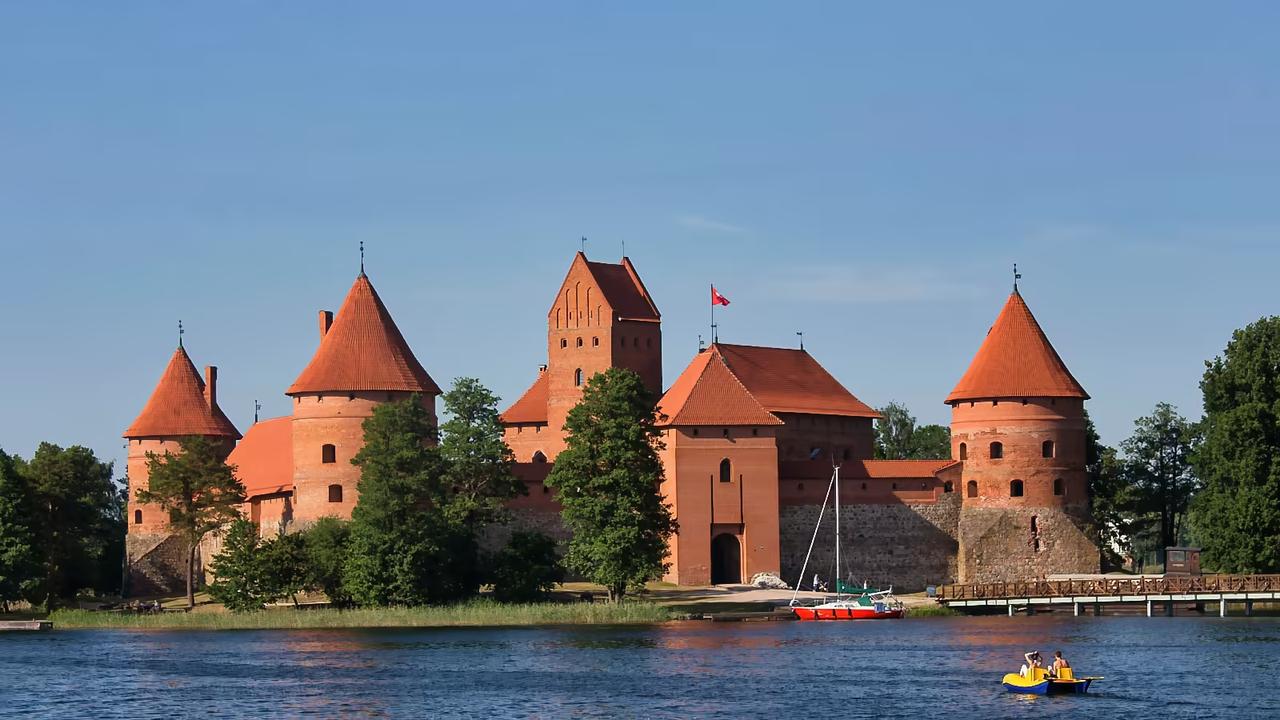

Litauen entwickelt sich still und leise zu einem der attraktivsten Ziele in Europa für Auswanderer – ein schnell wachsendes Fintech-Zentrum mit einem Startup-Visum, sehr günstigen Lebenshaltungskosten nach EU-Maßstäben, blitzschnellem Internet und einer Bevölkerung, die ihre Kultur und Natur ernst nimmt. Egal, ob Sie die boomende Tech-Szene in Vilnius reizt, die barocke Altstadt (ein UNESCO-Weltkulturerbe) oder die Chance, mit einem bescheidenen Budget gut zu leben – dieser Leitfaden behandelt jeden praktischen Schritt, den Sie brauchen, um mit Zuversicht nach Litauen umzuziehen.
Litauen auf einen Blick

- Einwohnerzahl
- ~2,8 Millionen (2025)
- Hauptstadt
- Vilnius
- Währung
- Euro (EUR) – eingeführt 2015
- Durchschnittsgehalt
- ~30.000 € pro Jahr (brutto, ~1.780 € netto monatlich)
- Sprache
- Litauisch (Englisch wird in Städten weit verbreitet gesprochen, besonders unter jüngeren Menschen)
- Klima
- Kontinental – warme Sommer (20–25 °C), kalte Winter (bis zu −10 °C oder darunter)
- Zeitzone
- EET (UTC+2) / EEST (UTC+3 im Sommer)
Warum 2026 nach Litauen ziehen?
- Sehr erschwinglich: Litauen bietet eine der niedrigsten Lebenshaltungskosten in der EU – Miete, Lebensmittel, Restaurantbesuche und Transport sind alle deutlich günstiger als in West- oder Nordeuropa.
- Wachsendes Fintech- und Tech-Zentrum: Vilnius hat sich zu einem bedeutenden europäischen Fintech-Standort entwickelt, beheimatet fast 250 Fintech-Unternehmen und bietet eine regulatorische Sandbox, die Startups aus aller Welt anzieht.
- Startup-Visum: Litauen bietet ein spezielles Startup-Visa-Programm für Nicht-EU-Unternehmer, die innovative Geschäftsmodelle aufbauen, mit einem vereinfachten Antrags- und Aufenthaltsweg.
- Schnelles Internet: Litauen rangiert weltweit konstant unter den Top-Ländern in puncto Internetgeschwindigkeit, mit flächendeckender Glasfaser-Abdeckung und erschwinglichen Gigabit-Tarifen.
- EU- und Eurozonen-Mitglied: Die volle EU-Mitgliedschaft bedeutet Freizügigkeit für EU-Bürger und Zugang zum Binnenmarkt; der Euro (€) ist seit 2015 die Landeswährung, wodurch das Wechselkursrisiko innerhalb der Eurozone entfällt.
- Sicheres Land: Litauen weist nach europäischen Maßstäben niedrige Kriminalitätsraten auf, und seine Städte – insbesondere Vilnius – gelten sowohl für Einwohner als auch für Besucher als sicher.
- Reiche Kultur und Natur: Von der Begeisterung für Basketball und den Mittsommerfeiern (Joninės) bis hin zu dichten Wäldern, unberührten Seen und einer rauen Ostseeküste bietet Litauen einen Lebensstil, der urbane Energie mit einfachem Zugang zur Natur verbindet.
Umzugskosten nach Litauen
Die Transportkosten variieren je nach Herkunftsort, Volumen und Transportart. Typische Marktpreise Anfang 2026:
| Herkunft | Geschätzte Kostenspanne | Container/Volumen |
|---|---|---|
| Innerhalb der EU (Westeuropa) | 1.500 €–3.000 € | 20-Fuß-Container (FCL) |
| Innerhalb der EU (Westeuropa) | 2.500 €–4.500 € | 40-Fuß-Container (FCL) |
| Nordamerika (USA/Kanada) | 2.000 €–2.800 € | 20-Fuß-Container (FCL) |
| Nordamerika (USA/Kanada) | 3.200 €–5.000 € | 40-Fuß-Container (FCL) |
| Luftfracht (~1 m³) | 3.000 €–6.000 €+ | Tür-zu-Tür, 5–10 Tage |
Erläuterung der Kostenbestandteile
- Transport: 800 €–2.500 € je nach Entfernung; Straßentransport innerhalb Europas ist am häufigsten, Seefracht für interkontinentale Umzüge.
- Versicherung: Typischerweise 1–3 % des deklarierten Warenwerts; empfohlen für alle internationalen Umzüge.
- Zollabfertigung: 150 €–400 € für Dokumentation und Bearbeitung; EU-Bürger, die innerhalb der EU umziehen, zahlen keine Zollabgaben auf persönliche Gegenstände.
- Verpackungsmaterial: 100 €–300 € für professionelles Verpacken; viele Umzugsunternehmen schließen dies in ihr Angebot ein.
- Lagerung (falls erforderlich): 50 €–150 € pro Monat in Vilnius; in kleineren Städten weniger.
- Verwaltungsgebühren: 50 €–150 € für beglaubigte Übersetzungen und die Vorbereitung von Dokumenten.
Brauchen Sie eine persönliche Schätzung?
Erhalten Sie in weniger als 48 Stunden drei Angebote von geprüften Umzugsunternehmen.
Visum- und Aufenthaltsbestimmungen
Das litauische Einwanderungssystem unterscheidet klar zwischen EU-/EWR-Bürgern und Drittstaatsangehörigen. Das Migrationsdepartement (Migracijos departamentas) ist für alle Aufenthaltsangelegenheiten zuständig.
Für EU-/EWR-Bürger
EU- und EWR-Bürger haben das Recht, ohne Visum in Litauen zu leben und zu arbeiten. Wichtige Schritte:
- Reisen Sie mit einem gültigen Reisepass oder nationalen Personalausweis nach Litauen ein.
- Melden Sie Ihren Wohnsitz bei der zuständigen Gemeinde (seniūnija) unter der angegebenen Adresse an.
- Beantragen Sie einen asmens kodas (Personenkennzeichen) – Litauens nationale Identifikationsnummer, die für Steuern, Gesundheitswesen, Bankgeschäfte und alle offiziellen Registrierungen verwendet wird.
- Wenn Sie länger als drei Monate bleiben, melden Sie sich beim Migrationsdepartement an und beantragen Sie eine Anmeldebescheinigung für EU-Bürger.
Für Nicht-EU-Bürger: Wichtigste Visumkategorien
Arbeitsvisum (Nationales Visum D oder befristete Aufenthaltserlaubnis)
- Voraussetzungen: Gültiger Arbeitsvertrag mit einem litauischen Arbeitgeber, Qualifikationsnachweise, Krankenversicherung und ein einwandfreies Führungszeugnis.
- Bearbeitungszeit: 2–4 Monate für eine befristete Aufenthaltserlaubnis; 15 Werktage für ein nationales Visum D.
- Dauer: Bis zu 2 Jahre (verlängerbar).
- Wichtige Details: Arbeitgeber müssen oft nachweisen, dass kein geeigneter EU-Kandidat für die Stelle verfügbar war, obwohl diese Anforderung bei Mangelberufen entfällt.
Startup-Visum
- Voraussetzungen: Innovative, technologiegetriebene Geschäftsidee, die von Startup Lithuania bewertet und genehmigt wurde; Nachweis ausreichender Eigenmittel (ca. 12.500 €/Jahr); Krankenversicherung mit einer Mindestdeckung von 30.000 €. Es ist kein Mindeststammkapital erforderlich.
- Bearbeitungszeit: 1–3 Monate.
- Dauer: Zunächst 1 Jahr, verlängerbar auf bis zu 2 Jahre; führt zu einer befristeten Aufenthaltserlaubnis.
- Wichtige Details: Konzipiert für Gründer von Technologie- und innovationsgetriebenen Startups; das Startup-Ökosystem Litauens gehört zu den am schnellsten wachsenden in Europa.
Studentenvisum
- Voraussetzungen: Zulassungsbescheid einer anerkannten litauischen Bildungseinrichtung, Nachweis ausreichender Mittel, Krankenversicherung.
- Bearbeitungszeit: 1–2 Monate.
- Dauer: Entspricht der Länge des Studiengangs.
- Wichtige Details: Studierende dürfen während des Semesters bis zu 20 Stunden pro Woche arbeiten und in den Ferien Vollzeit.
Visum zur Familienzusammenführung
- Voraussetzungen: Nachweis der familiären Beziehung (Ehepartner, minderjähriges Kind, unterhaltsberechtigter Elternteil), gültige Aufenthaltserlaubnis des Sponsors und ausreichendes Einkommen.
- Bearbeitungszeit: 2–4 Monate.
- Dauer: Entspricht der Aufenthaltsdauer des Sponsors.
Freiberufler-/Selbstständigen-Erlaubnis
- Voraussetzungen: Gewerbeanmeldung in Litauen (Bescheinigung über individuelle Tätigkeit oder Unternehmen), Nachweis von Verträgen oder Kundenstamm, Krankenversicherung.
- Bearbeitungszeit: 2–3 Monate.
- Dauer: Bis zu 2 Jahre (verlängerbar).
- Migrationsdepartement: https://www.migracija.lt/en/
- Startup-Visa-Programm: https://www.startuplithuania.com/
Wohnsitzanmeldung (Gyvenamosios vietos deklaravimas)
Die Anmeldung Ihres Wohnsitzes – auf Litauisch gyvenamosios vietos deklaravimas (Wohnsitzanmeldung) – ist einer der wichtigsten Schritte nach Ihrer Ankunft in Litauen. Sie ist verpflichtend und wirkt sich unmittelbar auf Ihren Zugang zu Gesundheitsversorgung, Bankgeschäften, Steuerpflichten und Sozialleistungen aus.
Erforderliche Unterlagen
- Gültiger Reisepass oder nationaler Personalausweis
- Adressnachweis (Mietvertrag, Eigentumsnachweis oder eine vom Eigentümer unterzeichnete Erklärung)
- Aufenthaltserlaubnis oder Anmeldebescheinigung für EU-Bürger (für Nicht-Bürger)
- Ausgefülltes Wohnsitzanmeldeformular (erhältlich bei der Gemeinde oder online)
Der Anmeldeprozess (Schritt für Schritt)
-
Schließen Sie einen Mietvertrag ab oder besorgen Sie sich einen Eigentumsnachweis für die Immobilie.
-
Suchen Sie das örtliche Gemeindeamt (seniūnija) auf oder nutzen Sie das Online-Portal unter epaslaugos.lt.
-
Legen Sie Ihre Unterlagen vor und füllen Sie das Wohnsitzanmeldeformular aus.
-
Sie erhalten eine Anmeldebestätigung – Ihre Adresse wird mit Ihrem asmens kodas im litauischen Bevölkerungsregister (Gyventojų registras) verknüpft.
-
Wenn Sie EU-Bürger sind und länger als 3 Monate bleiben, melden Sie sich zusätzlich beim Migrationsdepartement an, um eine Anmeldebescheinigung für EU-Bürger zu erhalten.
Zeitrahmen: Die Anmeldung erfolgt in der Regel noch am selben Tag, wenn Sie persönlich vorsprechen. Eine Online-Anmeldung dauert 1–3 Werktage.
Wohnungssuche in Litauen
Litauen hat in den großen Städten einen stark mietergeprägten Markt mit soliden Mieterschutzrechten nach dem Zivilgesetzbuch. Die meisten Wohnungen sind unmöbliert, möblierte Optionen existieren jedoch und kosten 20–40 % mehr.
Durchschnittliche Mieten in den größten Städten (2026)
| Stadt | 1-Zimmer-Wohnung (Stadtzentrum) | 1-Zimmer-Wohnung (außerhalb des Zentrums) | 3-Zimmer-Wohnung (Stadtzentrum) | Marktanspannung |
|---|---|---|---|---|
| Vilnius | 550 €–800 € | 380 €–550 € | 900 €–1.400 € | Hoch – starke Nachfrage |
| Kaunas | 350 €–550 € | 250 €–380 € | 600 €–950 € | Mittel |
| Klaipėda | 300 €–500 € | 220 €–350 € | 500 €–800 € | Mittel |
| Šiauliai | 200 €–350 € | 150 €–250 € | 350 €–550 € | Niedrig |
| Panevėžys | 180 €–300 € | 130 €–220 € | 300 €–500 € | Niedrig |
Wichtige Mietbegriffe vor Ort
- Nuoma: Litauisches Wort für „Miete“ – Sie werden es in jedem Inserat sehen.
- Šildymas: Heizkosten – ein wichtiger Posten im Winter, besonders in älteren Gebäuden. Fernwärme (centralinis šildymas) ist in Vilnius üblich und kann deutlich günstiger sein als individuelles Heizen mit Gas oder Strom.
- Komunaliniai mokesčiai: Nebenkosten – umfassen typischerweise Wasser, Müll, Hausverwaltung und manchmal Heizung. Werden häufig separat von der Grundmiete ausgewiesen.
- Depozitas: Kaution – in der Regel 1–2 Monatsmieten, die am Ende des Mietverhältnisses zurückerstattet werden, sofern keine Schäden vorliegen.
So finden Sie eine Wohnung
Online-Plattformen:
- Aruodas.lt: Die führende Immobilienplattform in Litauen – wird von praktisch allen Vermietern und Maklern genutzt.
- Domoplius.lt: Sekundärplattform mit guter Abdeckung, insbesondere außerhalb von Vilnius.
- Facebook-Gruppen: „Butų nuoma Vilniuje“ und ähnliche stadtbezogene Gruppen sind aktiv und listen Wohnungen oft, bevor sie auf den Portalen erscheinen.
Lokale Ressourcen:
- Immobilienmakler (nekilnojamojo turto agentūros) können die Suche gegen eine Gebühr übernehmen, in der Regel eine Monatsmiete.
- Wohnungsbüros der Universitäten können internationalen Studierenden behilflich sein.
Tipps für die Wohnungssuche als Ausländer
- Halten Sie Ihre Unterlagen (Reisepass, Visum, Einkommensnachweis) bereit – Vermieter in Vilnius reagieren schnell.
- Seien Sie darauf vorbereitet, die Kaution und die erste Monatsmiete im Voraus zu bezahlen.
- Erkundigen Sie sich vor Vertragsunterzeichnung nach der Heizungsart und den durchschnittlichen Nebenkosten im Winter – einige ältere Gebäude haben sehr hohe šildymas-Kosten.
- Inspizieren Sie die Wohnung sorgfältig und machen Sie vor dem Einzug datierte Fotos, um Ihren depozitas zu schützen.
Mietvertrag und Rechtsschutz
Das litauische Mietrecht bietet einen soliden Mieterschutz. Mietverträge müssen beim Registerzentrum (Registrų centras) registriert werden, um voll durchsetzbar zu sein. Vermieter müssen eine Kündigungsfrist von mindestens 3 Monaten einhalten, um einen unbefristeten Mietvertrag zu kündigen. Mieter müssen in der Regel eine Frist von 1 Monat einhalten.
Warnung: Mietbetrug
- Überweisen Sie niemals Geld, ohne die Wohnung persönlich oder per verifiziertem Videoanruf besichtigt zu haben.
- Seien Sie vorsichtig bei Preisen, die weit unter dem Marktniveau liegen – was zu gut klingt, um wahr zu sein, ist es meist auch nicht.
- Überprüfen Sie im Zweifelsfall das Eigentum des Vermieters beim Registerzentrum (Registrų centras).
Gesundheitsversorgung und Versicherung
Litauen hat ein verpflichtendes öffentliches Gesundheitssystem, das von der VLK (Valstybinė ligonių kasa) – der nationalen Krankenversicherungskasse – verwaltet wird. Wenn Sie in Litauen angestellt sind oder rechtmäßig dort wohnen, sind Sie in der Regel verpflichtet, eine Pflichtkrankenversicherung (privalomasis sveikatos draudimas, kurz PSD) abzuschließen.
Gesetzliche Krankenversicherung
VLK
- Kosten: Wird über Sozialversicherungsbeiträge finanziert – Arbeitnehmer zahlen im Rahmen ihrer Sozialabgaben rund 6,98 % des Bruttogehalts für die Krankenversicherung. Selbstständige zahlen einen festen monatlichen Betrag (ca. 50 €–70 € pro Monat im Jahr 2026).
- Leistungen: Besuche beim Hausarzt, Facharztüberweisungen, Krankenhausbehandlung, Notfallversorgung, Mutterschaftsleistungen und subventionierte Medikamente.
- Anspruchsberechtigung: Alle Arbeitnehmer, gemeldete Einwohner, Studierende und Rentner sind versichert. EU-Bürger können für vorübergehende Aufenthalte die Europäische Krankenversicherungskarte (EHIC) nutzen.
- Am besten geeignet für: Jeden, der in Litauen lebt und arbeitet – sie ist nicht optional.
Private Krankenversicherung
- Kosten: 30 €–100 € pro Monat, abhängig von Alter, Leistungsumfang und Anbieter.
- Leistungen: Kürzere Wartezeiten, größere Auswahl an Ärzten und Kliniken, Zahnbehandlung und internationaler Schutz.
- Anspruchsberechtigung: Für alle Einwohner verfügbar.
- Am besten geeignet für: Expats, die schnelleren Zugang zu Fachärzten, englischsprachigen Ärzten oder zahnärztlichen Leistungen wünschen (die in der gesetzlichen Versicherung nur eingeschränkt enthalten sind).
Top-Versicherungsanbieter
- Ergo Lietuva: Einer der größten Versicherer mit umfassenden Gesundheitstarifen für Einzelpersonen und Familien.
- If P&C Insurance: Bietet private Krankenversicherungen mit breit aufgestellten Kliniknetzen in Vilnius und Kaunas.
- Compensa Life: Beliebt für expat-orientierte Tarife mit Optionen für internationalen Versicherungsschutz.
So erhalten Sie Krankenversicherungsschutz (Zeitrahmen)
-
Melden Sie Ihren Wohnsitz an und beantragen Sie Ihren asmens kodas.
-
Wenn Sie angestellt sind, meldet Ihr Arbeitgeber Sie bei der VLK an – die Versicherung beginnt mit Beginn Ihres Arbeitsverhältnisses.
-
Wenn Sie selbstständig sind, melden Sie sich direkt bei der VLK an und beginnen Sie mit den monatlichen PSD-Beiträgen.
-
Wählen Sie einen Hausarzt (šeimos gydytojas) in einer Poliklinik (poliklinika) in der Nähe Ihrer gemeldeten Adresse.
Selbstbeteiligungen
- Hausarztbesuche: Kostenlos mit VLK-Versicherung (geringe Zuzahlung von 1 €–2 € für einige Leistungen).
- Verschreibungen: Subventioniert – Patienten zahlen typischerweise 20–50 % der Medikamentenkosten.
- Zahnärztliche Leistungen: Weitgehend nicht durch die gesetzliche Versicherung abgedeckt; privat rechnen Sie mit 30 €–150 € pro Behandlung.
- Krankenhaus: Durch die VLK abgedeckt; private Krankenhäuser berechnen 50 €–200 € pro Tag für ein Zimmer.
Erhalten Sie einen persönlichen Umzugsplan
Hinterlassen Sie Ihre E-Mail-Adresse und wir senden Ihnen eine maßgeschneiderte Checkliste sowie drei Angebote von geprüften Umzugsunternehmen.
Bankgeschäfte und Finanzen
Ein Bankkonto eröffnen
- Wann: Sobald Sie Ihre Wohnsitzanmeldung und Ihren asmens kodas haben. Bei den meisten Banken können Sie ein Konto noch am selben Tag eröffnen.
- Erforderliche Unterlagen: Reisepass oder Personalausweis, asmens kodas, Adressnachweis (Mietvertrag oder Nebenkostenabrechnung) und manchmal ein Arbeits- oder Einkommensnachweis.
- Top-Banken für Expats:
- SEB bankas: Größte Bank Litauens; umfangreiches Filial- und Geldautomatennetz; vollständiges Online-Banking auf Englisch.
- Swedbank: Starke digitale Plattform, weit verbreitet für alltägliche Bankgeschäfte und Hypotheken.
- Luminor: Drittgrößte Bank; gut für Geschäftskonten und Auslandsüberweisungen.
- Šiaulių bankas: Kleiner, aber konkurrenzfähig bei Sparprodukten und Privatkrediten.
Beantragung Ihres asmens kodas (Personenkennzeichens)
- Was es ist: Der asmens kodas ist Litauens 11-stellige nationale Identifikationsnummer, vergleichbar mit einer Sozialversicherungsnummer oder einer National Insurance Number. Er wird litauischen Staatsbürgern bei der Geburt und ausländischen Einwohnern bei der Anmeldung zugewiesen.
- Wann er ausgestellt wird: Bei der Wohnsitzanmeldung in der Gemeinde oder im Migrationsdepartement.
- Warum Sie ihn brauchen: Erforderlich für nahezu alles – Arbeitsverträge, Steuererklärungen, Anmeldung im Gesundheitssystem, Bankkonten, Mobilfunkverträge und Behördendienstleistungen.
Konto-Funktionen und Kosten
- Monatsgebühr: 0 €–3 € pro Monat, je nach Bank und Kontotyp.
- Debitkarte: Bei den meisten Banken kostenlos oder im Konto inbegriffen.
- Kreditkarte: 5 €–15 € pro Jahr; abhängig von Bank und Kartenstufe.
- Auslandsüberweisungen (SEPA): Innerhalb der Eurozone kostenlos.
- Auslandsüberweisungen (SWIFT): 15 €–30 € pro Überweisung.
Zahlungskultur
Litauen ist hochgradig digital. Kontaktloses Bezahlen mit Karte (Visa, Mastercard) wird fast überall akzeptiert, auch in kleinen Geschäften und im öffentlichen Nahverkehr. Mobile Bezahl-Apps wie Revolut und Paysera sind beliebt. Bargeld wird noch verwendet, in den Städten aber zunehmend selten. Apple Pay und Google Pay werden von den meisten großen Banken unterstützt.
Lebenshaltungskosten in Litauen
Monatliches Budget nach Stadt
| Stadt | Budget für eine Person | Budget für eine 3-köpfige Familie | Kostenniveau |
|---|---|---|---|
| Vilnius | 1.000 €–1.500 € | 2.200 €–3.200 € | Mittel-niedrig |
| Kaunas | 800 €–1.200 € | 1.800 €–2.600 € | Niedrig |
| Klaipėda | 750 €–1.100 € | 1.700 €–2.400 € | Niedrig |
| Šiauliai | 650 €–950 € | 1.500 €–2.100 € | Sehr niedrig |
Detaillierte Kostenaufschlüsselung
Wohnen:
- 1-Zimmer-Wohnung (Stadtzentrum): 380 €–800 €, je nach Stadt.
- 3-Zimmer-Wohnung (Stadtzentrum): 500 €–1.400 €, je nach Stadt.
- Nebenkosten (Strom, Wasser, Müll, Heizung): 100 €–250 € pro Monat; die Heizkosten im Winter können in schlecht isolierten älteren Gebäuden auf über 200 € steigen.
- Internet (100 Mbit/s Glasfaser): 10 €–15 € pro Monat – zu den günstigsten und schnellsten in Europa.
Lebensmittel und Essen:
- Wocheneinkauf (1 Person): 40 €–60 €.
- Restaurantbesuch (zwanglos, Mittagsmenü): 6 €–10 €.
- Restaurantbesuch (Mittelklasse, Abendessen für zwei): 30 €–50 €.
Transport:
- Monatsticket für den öffentlichen Nahverkehr (Vilnius): 30 € für eine einzelne Linie, 65 € für alle Linien.
- Taxi / Fahrdienste (Bolt, eTaksi): 3 €–6 € für eine typische Stadtfahrt.
- Benzin: ~1,50 €–1,70 € pro Liter.
Versicherung und Gesundheit:
- Krankenversicherung (privat, ergänzend): 30 €–100 € pro Monat.
- PSD (gesetzliche Versicherung, Selbstständige): ~50 €–70 € pro Monat.
Freizeit und Unterhaltung:
- Fitnessstudio-Mitgliedschaft: 25 €–50 € pro Monat.
- Kinoticket: 7 €–10 €.
- Streamingdienste (Netflix, Spotify): EU-Standardpreise.
Vergleich mit anderen Ländern
- vs. Deutschland: Litauen ist rund 40–50 % günstiger bei Wohnen, Restaurantbesuchen und Transport.
- vs. Vereinigtes Königreich: Litauen ist rund 50–60 % günstiger; die Miete in Vilnius ist nur ein Bruchteil der Londoner Preise.
- vs. Polen: Ähnliche Kostenniveaus, Litauen ist jedoch bei Miete und Lebensmitteln etwas günstiger.
Sprach- und Kulturtipps
Brauchen Sie Litauisch?
In Vilnius und Kaunas kommen Sie im Alltag mit Englisch zurecht – besonders in jüngeren, technologieaffinen Umfeldern. Litauisch ist jedoch wichtig für eine tiefere Integration, den Umgang mit Behörden, das Lesen offizieller Dokumente und das Knüpfen von Freundschaften außerhalb der Expat-Kreise. Schon das Erlernen von einfachem Litauisch ist sehr zu empfehlen und wird von den Einheimischen sehr geschätzt.
Niveaustufen der litauischen Sprache (GER)
- A1 (Anfänger): Grundlegende Begrüßungen, Essen bestellen, nach dem Weg fragen. Erreichbar in 3–6 Monaten Teilzeitstudium.
- A2 (Grundlegend): Einfache Gespräche, Verstehen alltäglicher Anweisungen. 6–12 Monate.
- B1 (Mittelstufe): Bewältigung der meisten Alltagssituationen, Folgen von Gesprächen am Arbeitsplatz. 12–24 Monate.
- B2 (Obere Mittelstufe): Berufliche Sprachgewandtheit, nuancierte Diskussionen. 24–36 Monate.
Litauisch ist eine der ältesten lebenden indogermanischen Sprachen und gilt für englische Muttersprachler aufgrund seiner komplexen Grammatik (sieben Fälle, ausgedehnte Deklination) als anspruchsvoll. Durchhalten lohnt sich – Einheimische respektieren jede Bemühung, ihre Sprache zu sprechen, sehr.
Ressourcen zum Sprachenlernen
- Renkuosi Lietuva: Vom Staat gefördertes Integrationsportal, das Litauischkurse für Neuankömmlinge anbietet.
- Sprachenzentrum der Universität Vilnius: Intensive Litauischkurse für internationale Studierende und Berufstätige.
- Italki / Preply: Online-Tutoren, die auf Litauisch spezialisiert sind – erschwingliche Optionen ab 10 €–20 € pro Stunde.
- Lithuanian Out Loud (Podcast): Praxisnaher Sprachunterricht für Alltagssituationen.
Kulturelle Normen und Etikette
Direktheit:
- Litauer neigen dazu, geradeheraus und ehrlich zu sein – das ist keine Unhöflichkeit, sondern eine kulturelle Norm. Erwarten Sie direkte Antworten auf direkte Fragen.
Basketball-Leidenschaft:
- Basketball ist praktisch eine Nationalreligion. Litauen hat eine stolze Geschichte bei Olympia und Europameisterschaften. Ein Spiel von Lietuvos rytas oder Žalgiris zu besuchen ist ein echtes kulturelles Erlebnis.
Mittsommer (Joninės):
- Joninės (auch bekannt als Rasos) wird am 23.–24. Juni gefeiert und ist einer der beliebtesten Feiertage Litauens – mit Lagerfeuern, Blumenkränzen, Gesang und Feiern zur Sommersonnenwende in der Natur. Es ist tief in vorchristlichen baltischen Traditionen verwurzelt.
Starkes Nationalbewusstsein:
- Litauer sind sehr stolz auf ihre Geschichte, Sprache und Unabhängigkeit. Respekt vor Flagge, Hymne und nationaler Erinnerung ist wichtig. Die Geschichte des Landes unter sowjetischer Besatzung (1940–1990) ist noch lebendige Erinnerung.
Natur und Outdoor:
- Litauen ist eines der grünsten Länder Europas – über 33 % Waldanteil, Tausende von Seen und die unberührte Kurische Nehrung (UNESCO-Weltkulturerbe). Wandern, Radfahren, Pilze- und Beerensammeln sind nationale Freizeitbeschäftigungen.
Soziale Integration
- Treten Sie Expat-Gruppen auf Facebook bei (z. B. „Expats in Vilnius“, „International Community Kaunas“).
- Besuchen Sie lokale Veranstaltungen – Vilnius bietet das ganze Jahr über zahlreiche Festivals, Märkte und Kulturveranstaltungen.
- Engagieren Sie sich ehrenamtlich bei Organisationen wie dem Litauischen Roten Kreuz oder Caritas Lithuania.
- Treten Sie einem Sportverein bei – Basketball-, Fußball- und Laufclubs sind beliebt und einladend.
Umzugs-Checkliste
- Informieren Sie sich über die Visa-/Aufenthaltsanforderungen und beginnen Sie mit Ihrem Antrag.
- Holen Sie Angebote von internationalen Umzugsunternehmen ein und buchen Sie Ihren Transport.
- Sammeln Sie wichtige Dokumente (Geburtsurkunde, Heiratsurkunde, Diplome) und lassen Sie sie mit einer Apostille versehen/übersetzen.
- Informieren Sie Ihren aktuellen Arbeitgeber, Vermieter und Versorgungsanbieter.
- Sichern Sie sich eine vorübergehende Unterkunft in Litauen (Airbnb, Serviced Apartment oder Hotel).
- Sorgen Sie für Krankenversicherungsschutz in Ihren ersten Wochen.
- Eröffnen Sie möglichst online ein litauisches Bankkonto (einige Banken erlauben ein Remote-Onboarding mit E-Residency oder Video-Identifikation).
- Beginnen Sie, grundlegende litauische Redewendungen zu lernen.
- Bestätigen Sie Ihren Umzugstermin und den Lieferzeitpunkt mit dem Umzugsunternehmen.
- Kündigen oder übertragen Sie Abonnements, Mitgliedschaften und richten Sie eine Nachsendung ein.
- Packen Sie ein Handgepäck mit den wichtigsten Dokumenten, Medikamenten und Wertsachen.
- Benachrichtigen Sie Ihre Botschaft oder Ihr Konsulat in Litauen über Ihre Ankunft.
- Schließen Sie das Packen und die Inventarliste für den Zoll ab.
- Bestätigen Sie die Buchung Ihrer Übergangsunterkunft.
- Laden Sie die wichtigsten Apps herunter (Bolt, Google Maps, Banking-App).
- Tauschen Sie etwas Euro, wenn Sie aus einem Land außerhalb der Eurozone anreisen.
- Erledigen Sie die Zollabfertigung, falls Sie mit versendetem Umzugsgut ankommen.
- Melden Sie Ihren Wohnsitz bei der zuständigen Gemeinde (seniūnija) an.
- Beantragen Sie Ihren asmens kodas.
- Melden Sie sich bei der VLK zur Krankenversicherung an (oder bestätigen Sie die Anmeldung durch den Arbeitgeber).
- Eröffnen Sie ein Bankkonto bei SEB, Swedbank oder einer anderen großen Bank.
- Wählen Sie einen Hausarzt (šeimos gydytojas) in der nächstgelegenen Poliklinik (poliklinika).
- Besorgen Sie sich eine lokale SIM-Karte (Telia, Bite oder Tele2 – Prepaid ab 5 €).
- Beginnen Sie Ihre Wohnungssuche auf Aruodas.lt.
- Melden Sie sich bei der Steuerbehörde (VMI) an, wenn Sie selbstständig sind.
- Unterzeichnen Sie einen langfristigen Mietvertrag.
- Lassen Sie die Versorgungsverträge auf Ihren Namen umschreiben.
- Registrieren Sie Ihren Mietvertrag beim Registerzentrum (Registrų centras).
- Erkunden Sie Ihr Viertel – finden Sie den nächsten Supermarkt, die Apotheke und die Haltestellen des öffentlichen Nahverkehrs.
- Besuchen Sie ein Expat-Treffen oder eine lokale Veranstaltung, um Ihr Netzwerk aufzubauen.
Wo Sie Tools und Ressourcen finden
ReloAdvisor-Tools:
- Volumenrechner
- Video-Besichtigung
- Umzugskostenrechner
Offizielle litauische Ressourcen:
- Migrationsdepartement: https://www.migracija.lt/en/
- Staatliche Steueraufsicht (VMI): https://www.vmi.lt/
- Nationale Krankenversicherungskasse (VLK): https://www.vlk.lt/
- Startup Lithuania (offizielle Plattform für Gründer): https://www.startuplithuania.com/
- Enterprise Lithuania (staatliche Wirtschaftsförderagentur): https://www.enterpriselithuania.com/
Expat-Communities:
- Expats in Vilnius (Facebook-Gruppe)
- Internations – Community in Litauen: https://www.internations.org/lithuania-expats
- Expat.com Litauen-Forum: https://www.expat.com/en/guide/europe/lithuania/
Verwandte Leitfäden:
- Auswandern nach Polen
- Auswandern nach Lettland
- Auswandern nach Estland