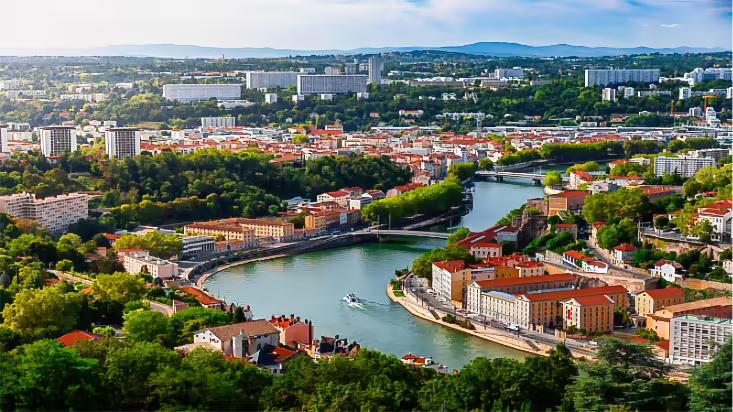

Graz ist Österreichs zweitgrößte Stadt und ein Geheimtipp für Expats, die eine hohe Lebensqualität ohne die Preise Wiens suchen. Die UNESCO-geschützte Altstadt, erstklassige Universitäten, eine florierende Tech-Branche und der entspannte steirische Charme machen Graz zu einem idealen Ziel für Studierende, junge Berufstätige und Familien. Wenn Sie Kultur, Grünflächen und eine fußgängerfreundliche Stadt mit starkem Gemeinschaftsgefühl schätzen, verdient Graz einen genauen Blick.
Mit rund 300.000 Einwohnern und einem Ballungsraum von etwa 450.000 Menschen wirkt Graz lebendig, ohne zu überwältigen. Die Stadt liegt an der Mur, eingebettet in die sanften grünen Hügel der Steiermark im Südosten Österreichs. Nach Einwohnerzahl ist sie die zweitgrößte Stadt des Landes, doch das kompakte Zentrum und das effiziente Straßenbahnnetz machen sie vom ersten Tag an zugänglich und überschaubar.
Graz auf einen Blick
- Einwohnerzahl
- ~300.000 (Ballungsraum ~450.000)
- Region (Gebiet)
- Steiermark, Südostösterreich
- Bekannt für
- UNESCO-Altstadt, Schlossberg, Murinsel, Universitätsstadt
- Durchschnittsmiete (1 Zimmer)
- €650–€950
- Durchschnittsgehalt
- €2.200–€2.600 netto/Monat
- Expat-Community
- Wachsend; starke Erasmus- und Tech-Präsenz
- Sprache
- Deutsch (lokal steirischer Dialekt; Englisch wird unter jüngeren Einwohnern weithin verstanden)
- Klima
- Kontinental — warme Sommer, kalte Winter
Warum nach Graz ziehen
- Bezahlbares Leben: Graz ist bei Miete, Essen und Alltagsausgaben spürbar günstiger als Wien oder Salzburg und bietet zugleich österreichische Standards bei Sicherheit und Infrastruktur.
- UNESCO-Altstadt: Einer der am besten erhaltenen mittelalterlichen Stadtkerne Europas, mit Renaissance-Innenhöfen, roten Dächern und dem ikonischen Uhrturm auf dem Schlossberg.
- Universitäts- und Forschungsstandort: Mit der Universität Graz, der TU Graz und der Medizinischen Universität Graz zieht die Stadt jedes Jahr Tausende internationale Studierende und Forschende an.
- Tech- und Innovationsszene: Graz gilt zunehmend als Österreichs Alternative zum Silicon Valley, mit Stärken in Fahrzeugtechnik, Cybersicherheit, KI und Halbleiterforschung.
- Kompakt und grün: Die meisten Alltagswege liegen in Fahrradnähe, und das steirische Umland bietet Weinberge, Hügel und Wanderwege innerhalb von 20 Minuten vom Zentrum.
- Lebensqualität: Graz landet in europäischen Umfragen zur Lebensqualität regelmäßig unter den Top Ten, dank sauberer Luft, niedriger Kriminalität, effizienter öffentlicher Dienste und vieler Grünflächen.
Wohnungssuche in Graz
Durchschnittliche Mieten
| Bezirk | 1-Zimmer-Wohnung | 3-Zimmer-Wohnung | Charakter |
|---|---|---|---|
| Lend | €650–€850 monatlich | €1.100–€1.500 monatlich | Trendbewusst, fußgängerfreundlich, nahe Murinsel und Kulturorten |
| Geidorf | €600–€800 monatlich | €1.000–€1.400 monatlich | Grün, wohnlich, nah am Universitätscampus |
| Jakomini | €550–€750 monatlich | €950–€1.300 monatlich | Zentral, lebendig, gute Verkehrsanbindung |
| St. Leonhard | €650–€900 monatlich | €1.100–€1.600 monatlich | Ruhig, gehoben, nahe Parks und Krankenhäusern |
| Gries | €500–€700 monatlich | €850–€1.200 monatlich | Multikulturell, budgetfreundlich, in schneller Entwicklung |
| St. Peter | €600–€800 monatlich | €1.000–€1.400 monatlich | Vorstädtisches Gefühl, familienfreundlich, gut angebunden |
So finden Sie eine Wohnung
- Willhaben.at: Österreichs größte Kleinanzeigenplattform; die erste Anlaufstelle für Mietangebote.
- Immowelt.at: Bündelt Angebote von Maklern und privaten Vermietern.
- Gebag und Buwog: Große kommunale und halböffentliche Wohnungsanbieter mit Mieten unter Marktniveau.
- Facebook-Gruppen: "WG Zimmer Graz" und "Wohnung Graz" für WGs und direkte Vermieterangebote.
- Genossenschaftswohnungen: Genossenschaftliches Wohnen ist in Graz beliebt. Sie erwerben einen Mitgliedsanteil (Genossenschaftsanteil, typischerweise €3.000–€15.000) und zahlen eine Miete unter Marktniveau. Wartelisten können lang sein, aber die Ersparnis über die Jahre ist erheblich.
Tipps für Expats
- Bereiten Sie eine "Mieterselbstauskunft" mit Einkommensnachweis, Ausweis und einem kurzen Vorstellungsschreiben vor — Vermieter erwarten das.
- Planen Sie vorab eine Kaution von zwei bis drei Monatsmieten ein.
- Zahlen Sie nichts vor einer Besichtigung; Mietbetrug gibt es auch in Österreich.
- Ziehen Sie kurzfristige möblierte Mietwohnungen (z. B. HousingAnywhere) in Betracht, während Sie vor Ort suchen.
- Die meisten Wohnungen in Österreich sind unmöbliert — oft ohne Lampen oder Küchengeräte. Klären Sie vor der Unterschrift, was enthalten ist.
- Mieterhöhungen sind reguliert. Machen Sie sich mit dem System der Richtwertmiete vertraut, um nicht zu viel zu zahlen.
Stadtteil-Guide
- Lend: Die coole Seite der Mur. Voll mit Galerien, unabhängigen Cafés und dem Kunsthaus (Graz Art Museum). Ideal für junge Berufstätige und Kreative, die Nachtleben und Kultur direkt vor der Tür möchten.
- Geidorf: Ein grüner Bezirk nördlich der Altstadt in der Nähe des Universitätscampus. Ruhige Straßen, Spielplätze und der Augarten machen ihn bei Studierenden und Familien beliebt.
- Jakomini: Der Verkehrsknotenpunkt von Graz mit dem Straßenbahnknoten Jakominiplatz. Bezahlbar, zentral und vielfältig — ideal für Neuankömmlinge, die überall schnell hinkommen möchten.
- St. Leonhard: Westlich des Zentrums zieht dieser Bezirk Berufstätige und ältere Expats an. Er bietet sehr gute Gesundheitseinrichtungen, gewachsene Alleen und hochwertigere Mietwohnungen.
- Gries: Früher oft übersehen, erlebt Gries heute einen schnellen Wandel. Der Bezirk bietet die günstigsten Mieten im zentralen Graz, eine multikulturelle Gastronomieszene und liegt fußläufig zur Altstadt.
- St. Peter: Am südöstlichen Rand bietet St. Peter eine vorstädtische Atmosphäre mit guten S-Bahn-Verbindungen. Große Wohnungen, grüne Umgebung und internationale Schulen befinden sich in der Nähe.
Lebenshaltungskosten in Graz
Graz ist eine der erschwinglichsten Großstädte Österreichs. Zwar sind die Preise in ganz Europa gestiegen, doch Graz bleibt bei Mieten, Essen und Alltagskäufen deutlich günstiger als Wien. Eine alleinstehende Person kann mit €1.500–€1.800 pro Monat komfortabel leben, was etwa 15–25% weniger ist als vergleichbare Budgets in der Hauptstadt. Paare, die sich eine Wohnung teilen, können die Kosten pro Person deutlich senken.
Monatliche Budgetaufstellung
| Kategorie | Budgetspanne |
|---|---|
| Miete (1 Zimmer, Zentrum) | €650–€850 monatlich |
| Nebenkosten | €150–€250 monatlich |
| Internet (Anschluss) | €25–€35 monatlich |
| Lebensmittel | €200–€300 monatlich |
| Verkehr | €50–€60 monatlich |
| Auswärts essen (4x/Monat) | €80–€120 monatlich |
| Freizeit/Fitnessstudio | €30–€60 monatlich |
| Gesamt | €1.185–€1.675 monatlich |
Für ein Zimmer in einer Wohngemeinschaft (WG) sollten Sie mit €350–€550 pro Monat inklusive Nebenkosten rechnen; das ist die beliebteste Option für Studierende und junge Berufstätige. Familien, die eine Wohnung mit 2–3 Schlafzimmern mieten, sollten allein für die Miete €1.000–€1.500 einplanen, plus Nebenkosten.
Alltagskosten
- Kaffee: €3,50–€4,50
- Mittagessen (einfach): €10–€14
- Monatskarte für den Nahverkehr: €51 (Semesterticket für Studierende: ~€70/Semester)
- Bier (Bar): €4–€5
- Kinokarte: €10–€12
- Fitnessstudio-Mitgliedschaft: €25–€50/Monat
- 1 Liter Milch: €1,20–€1,50
- Ein Dutzend Eier: €3,50–€4,50
- Ein Laib Brot: €1,80–€2,50
- Monatlicher Fitnesskurs oder Fitnessstudio: €25–€50
- Öffentliches Parken (pro Stunde, Zentrum): €2–€4
Unterwegs in Graz
- Öffentlicher Verkehr: Graz betreibt sechs Straßenbahnlinien und ein umfangreiches Busnetz der Holding Graz. Eine Monatskarte kostet €51 und gilt für alle Zonen. Das System ist zuverlässig, sauber und pünktlich. Nachtbusse (Weekend-Schnellbus) fahren freitags und samstags nachts, sodass Sie nach dem Ausgehen leicht nach Hause kommen.
- Radfahren: Graz ist im Zentrum flach und hat wachsende Radwege entlang der Mur. Citybike Graz bietet Kurzzeitmieten an; viele Einwohner pendeln das ganze Jahr mit dem Fahrrad. Die Stadt investiert stark in die Radinfrastruktur und ergänzt jährlich neue geschützte Radwege.
- Autofahren: Für den Alltag im zentralen Graz ist ein Auto nicht nötig. Parken in der Altstadt ist eingeschränkt, und öffentliche Garagen kosten €2–€4 pro Stunde. Carsharing-Dienste wie Sharetoo und ÖBB Rail&Drive stehen für gelegentliche Fahrten zur Verfügung.
- Flughafen: Der Flughafen Graz (GRZ) bietet Direktflüge nach München, Frankfurt, Wien und zu saisonalen Urlaubszielen. Der Flughafen Wien-Schwechat ist mit dem Railjet ebenfalls in 2,5 Stunden erreichbar und eröffnet Zugang zu einem deutlich größeren Streckennetz.
- Fernverkehr: ÖBB-Züge verbinden Graz mit Wien (2h 30m), Salzburg (3h), Klagenfurt (1h 30m) und Ljubljana (2h 45m). Der Hauptbahnhof wurde modernisiert und ist heute ein wichtiger Bahnknoten. Flixbus bietet günstige Verbindungen in ganz Mitteleuropa.
Gesundheitsversorgung in Graz
Österreich hat eines der besten Gesundheitssysteme Europas, und Graz profitiert vom dualen öffentlichen und privaten Modell des Landes. Als rechtmäßiger Einwohner sind Sie über Arbeitgeber- oder Sozialversicherungsbeiträge bei der Österreichischen Gesundheitskasse (ÖGK) versichert. Das deckt die meisten Arztbesuche, Krankenhausaufenthalte, Rezepte und Vorsorgeleistungen ab.
- Krankenhäuser/Kliniken: Das Universitätsklinikum Graz (LKH Graz) ist das wichtigste öffentliche Krankenhaus und eine Lehrklinik mit starkem internationalem Ruf. Daneben gibt es mehrere Privatkliniken, darunter das Krankenhaus der Barmherzigen Brüder sowie mehrere Fachzentren für Kardiologie, Orthopädie und Rehabilitation.
- Englischsprachige Ärzte: Sie sind verfügbar, besonders in universitätsnahen Praxen und Privatkliniken. Die Medizinische Universität bildet internationale Studierende aus, daher ist Englisch im klinischen Umfeld relativ verbreitet. Expat-Foren und das ÖGK-Verzeichnis helfen bei der Suche nach englischsprachigen Hausärzten. Viele Ärzte in Graz sprechen wegen der vielfältigen Bevölkerung der Stadt auch Italienisch oder Kroatisch.
- Apotheken: Während der Geschäftszeiten sind sie gut verfügbar; rotierende Nachtapotheken (Notfallapotheke) sind an Apothekentüren und online ausgeschildert. Rezeptfreie Medikamente werden nur in Apotheken verkauft, nicht in Supermärkten.
- Notrufnummer: 144 (Rettung), 112 (europäischer Notruf), 141 (Ärztefunkdienst für hausärztliche Beratung außerhalb der Ordinationszeiten).
- Zahnversorgung: Zahnärzte gibt es reichlich. Die öffentliche Versicherung deckt grundlegende Zahnbehandlungen ab; private Zahnärzte verlangen höhere Gebühren, bieten aber oft schnellere Termine und englischsprachiges Personal.
- Psychische Gesundheit: Beratung und Therapie sind über die Universität (für Studierende) und über von der ÖGK gedeckte Psychotherapeuten verfügbar. Die Wartezeiten für öffentliche Therapie können lang sein; private Sitzungen kosten €80–€120 pro Stunde.
- Versicherungsstufen: Selbstständige und Gutverdienende können sich für eine private Krankenversicherung entscheiden, die Zugang zu Privatspitälern und kürzere Wartezeiten ermöglicht. Die meisten Expats mit Arbeitsvertrag sind standardmäßig im öffentlichen System.
- Kindergesundheit: Pädiatrische Versorgung ist im öffentlichen System gut abgedeckt, einschließlich Impfungen, Entwicklungsuntersuchungen und Zahnversorgung für Kinder.
Erhalten Sie einen persoenlichen Umzugsplan
Hinterlassen Sie Ihre E-Mail, und wir senden Ihnen eine passende Checkliste plus drei Angebote gepruefter Umzugsunternehmen.
Kultur & Lebensstil
- UNESCO-Altstadt: Die gesamte Altstadt gehört zum UNESCO-Welterbe und verbindet gotische, Renaissance- und barocke Architektur. Durch die engen Gassen zu spazieren — vorbei am Landhaus, am Dom und am Mausoleum Kaiser Ferdinands II. — ist ein tägliches Vergnügen.
- Schlossberg: Der 473 Meter hohe Hügel im Stadtzentrum bietet Panoramablicke, den Uhrturm, einen gestalteten Park, eine Standseilbahn und einen Glaslift. Einheimische picknicken hier im Sommer, und die Kasemattenbühne veranstaltet in den warmen Monaten Open-Air-Konzerte und Theater.
- Murinsel: Eine schwimmende Stahlplattform auf der Mur, entworfen von Vito Acconci, die als Café, Veranstaltungsort und Fußgängerbrücke dient. Sie ist zu einem der meistfotografierten Wahrzeichen von Graz geworden.
- Kunsthaus Graz: Das "Friendly Alien" — ein markantes Museum für zeitgenössische Kunst, das die kreative Szene im Bezirk Lend prägt, zusammen mit dem Kunstverein und zahlreichen kleinen Galerien.
- Steirische Weinkultur: Die Südsteirische Weinstraße liegt weniger als eine Stunde vom Stadtzentrum entfernt. Einheimische nehmen Wein ernst — Heurige servieren Hausweine mit kalten Platten, und die Buschenschank-Tradition gehört fest zum Wochenende.
- Verbindung zu Arnold Schwarzenegger: Der weltbekannte Schauspieler und ehemalige Politiker wurde im nahe gelegenen Thal geboren. Sein Elternhaus ist heute ein Museum und für Besucher geöffnet.
- Festivals und Veranstaltungen: Graz richtet zahlreiche jährliche Events aus, darunter das Klassikfestival Styriarte, das Straßentheaterfestival La Strada und die Lange Nacht der Museen. Die Weihnachtsmärkte im November und Dezember verwandeln die Altstadt in eines der stimmungsvollsten Winterziele Österreichs.
- Freizeit im Freien: Der Schöckl (1.445m) liegt 20 Minuten nördlich der Stadt mit dem Bus und bietet Wandern, Paragliding und Mountainbiken. Das nahe Thermenland bietet Thermalbäder und Wellnesszentren innerhalb von 30 Minuten mit dem Auto.
Essen & Ausgehen
- Die steirische Küche dominiert: Kürbiskernöl, Backhendl, Käferbohnen und steirischer Wein sind lokale Klassiker, die Sie früh probieren sollten.
- Die Bauernmärkte am Lendplatz und am Kaiser-Josef-Markt sind die besten Orte für frische Produkte und regionale Spezialitäten. Der Samstagmorgen am Lendplatz ist ein soziales Ritual.
- Günstige Optionen: Kebabläden und Würstelstände servieren sättigende Mahlzeiten für €4–€7; Gasthäuser bieten Mittagsmenüs (Tagesteller) für €9–€13.
- Internationale Küche: Gries und Lend bieten vietnamesische, türkische, italienische und indische Restaurants zu vernünftigen Preisen.
- Billa, Spar, Hofer und Lidl sind die wichtigsten Supermarktketten. Hofer (Aldi) und Lidl sind am günstigsten; Spar und Billa haben eine größere Auswahl, auch an internationalen Produkten.
- Die steirische Buschenschank-Tradition — ein Landgasthaus eines Weinguts mit kalten Platten und Hauswein — ist ein Wochenendausflug, den Sie erlebt haben sollten. Viele sind von der Stadt aus mit Bus oder Fahrrad erreichbar.
Expat-Community
- Erasmus Student Network (ESN) Graz: Großes, aktives Netzwerk, das Veranstaltungen, Ausflüge und soziale Aktivitäten für internationale Studierende organisiert.
- InterNations Graz: Professionelle Expat-Treffen und Networking-Events, nützlich für Berufstätige außerhalb des Universitätsumfelds.
- Café International und Sprachcafé: Regelmäßige Sprachaustausch-Treffen an Universitäts- und Stadtorten — eine einfache Möglichkeit, Einheimische und andere Neuankömmlinge kennenzulernen.
- Facebook-Gruppen: "Expats in Graz" und "Internationals in Graz/Styria" sind aktive Communities für Beratung, Wohnungshinweise und soziale Events.
- Ehrenamt: Organisationen wie das Rote Kreuz Graz und die Diakonie heißen internationale Freiwillige willkommen und bieten einen praktischen Weg, sich in die Gemeinschaft zu integrieren.
- Sportvereine: Graz hat aktive Laufgruppen, Kletterhallen (die Kletterhalle Bloc ist beliebt) und Outdoor-Clubs, die Wander- und Skiausflüge in nahe Berge wie den Dachstein und nach Schladming organisieren.
- Coworking-Spaces: Für Remote-Arbeitende und Freelancer bietet Graz mehrere Optionen, darunter Impact Hub Graz, Science Park und Das Werk. Monatliche Hot-Desk-Tarife liegen bei €150–€250.
- Öffentliche Bibliotheken: Die Stadtbibliothek Graz bietet eine große Auswahl an Büchern, E-Books und Medien. Die Jahresmitgliedschaft kostet rund €20, und einige Zweigstellen haben englischsprachige Bestände.
Arbeitsmarkt in Graz
- Wichtigste Branchen: Fahrzeugtechnik, Informationstechnologie, Halbleiterfertigung, erneuerbare Energien, Life Sciences und Hochschulbildung.
- Wichtige Arbeitgeber: AVL List, Infineon Technologies, Magna Steyr, Andritz AG, Joanneum Research, TU Graz und die Medizinische Universität Graz.
- Durchschnittsgehälter nach Branche:
| Branche | Durchschnittlich netto pro Monat |
|---|---|
| IT / Software | €2.400–€3.200 |
| Ingenieurwesen | €2.300–€3.000 |
| Wissenschaft / Forschung | €2.000–€2.800 |
| Service / Gastgewerbe | €1.600–€2.000 |
| Gesundheitswesen | €2.100–€2.900 |
- Ressourcen für die Jobsuche: Karriere.at, StepStone Austria, AMS (Arbeitsmarktservice Österreich) sowie die Karriereportale der TU Graz und der Universität Graz für Forschungsstellen. LinkedIn wird für Fach- und Führungspositionen breit genutzt.
- Arbeitsgenehmigungen: Nicht-EU-Staatsangehörige benötigen für eine Beschäftigung eine Rot-Weiß-Rot-Karte oder eine Blaue Karte EU. Das Punktesystem berücksichtigt Qualifikationen, Berufserfahrung, Sprachkenntnisse und Alter.
- Freelancing: Selbstständigkeit (Gewerbeschein) lässt sich unkompliziert anmelden, erfordert aber Sozialversicherungsbeiträge und vierteljährliche MwSt.-Meldungen. Die WKO (Wirtschaftskammer) bietet Orientierung für neue Freelancer.
- Startup-Ökosystem: Graz hat mehrere Coworking-Spaces, darunter Science Park, Impact Hub Graz und Coworking Graz. Das Inkubatorprogramm der TU Graz unterstützt Tech-Startups in der Frühphase mit Mentoring und Zugang zu Finanzierung.
- Mindestlohn: Österreich hat keinen gesetzlichen Mindestlohn, aber Kollektivverträge legen branchenspezifische Untergrenzen fest. Die meisten Vollzeitstellen zahlen mindestens €1.800–€2.000 brutto pro Monat.
Bildung in Graz
- Internationale Schulen: Die Graz International Bilingual School (GIBS) bietet zweisprachigen englisch-deutschen Unterricht von der Primar- bis zur Sekundarstufe. Weitere private englischsprachige Optionen sollten direkt bei der Schule oder der Stadt geprüft werden.
- Universitäten: Universität Graz (Karl-Franzens-Universität), TU Graz (Technische Universität), Medizinische Universität Graz und FH Joanneum (Fachhochschule). Alle bieten Programme auf Englisch an, besonders auf Master- und Doktoratsebene. Die TU Graz ist international für Informatik und Ingenieurwesen anerkannt.
- Sprachschulen: Deutsch in Graz, Berlitz Graz und die Volkshochschule (VHS) Graz bieten Deutschkurse auf allen Niveaus an. VHS-Kurse sind oft gefördert und kostengünstig. Auch die Universität bietet intensive Deutschkurse für neu ankommende internationale Studierende an.
- Kindergärten und Kinderbetreuung: Öffentliche Kindergärten werden gefördert und sind über die Stadt Graz verfügbar. Wartelisten können an beliebten Standorten lang sein, daher ist eine frühe Anmeldung ratsam. Die Kosten sind einkommensabhängig und liegen typischerweise bei €70–€250 pro Monat.
- Studiengebühren: Studierende aus EU/EWR-Ländern zahlen an öffentlichen österreichischen Universitäten keine Studiengebühren, wenn sie ihr Studium innerhalb der Regelstudiendauer plus zwei Semester abschließen. Studierende aus Nicht-EU-Ländern zahlen etwa €1.500 pro Jahr. Alle Studierenden zahlen einen ÖH-Beitrag von rund €22 pro Semester.
- Forschungsmöglichkeiten: Joanneum Research und das Austrian Institute of Technology (AIT) sind in Graz stark vertreten und bieten Stellen für Doktoranden und Postdocs in angewandten Wissenschaften und Ingenieurwesen.
Umzugscheckliste für Graz
- Sichern Sie sich bei Bedarf ein Visum oder eine Aufenthaltsbewilligung (Nicht-EU/EWR-Staatsangehörige)
- Organisieren Sie einen in Österreich gültigen Krankenversicherungsschutz
- Sammeln Sie beglaubigte Übersetzungen wichtiger Dokumente (Geburtsurkunde, Abschlusszeugnis, Führerschein)
- Starten Sie die Wohnungssuche auf Willhaben.at und treten Sie Facebook-Gruppen bei
- Informieren Sie die Steuer- und Rentenbehörden Ihres Heimatlandes
- Recherchieren Sie Optionen für Deutschkurse (VHS, Berlitz oder Universitätsprogramme)
- Melden Sie Ihren Wohnsitz innerhalb von 3 Tagen bei der Meldebehörde an — das ist verpflichtend
- Eröffnen Sie ein österreichisches Bankkonto (Erste Bank, Bank Austria oder N26)
- Beantragen Sie Ihre e-card (Sozialversicherungskarte) bei der ÖGK
- Richten Sie einen lokalen Mobilfunktarif ein (A1, Magenta oder Drei)
- Besorgen Sie sich eine Jahreskarte für den öffentlichen Verkehr
- Registrieren Sie sich je nach Visumtyp bei der zuständigen Aufenthaltsbehörde (Magistrat Graz oder Bezirkshauptmannschaft), falls erforderlich
- Melden Sie sich für einen Deutschkurs an
- Melden Sie Ihr Fahrzeug an oder tauschen Sie Ihren Führerschein um, falls nötig
- Erkunden Sie Ihre Nachbarschaft und finden Sie die nächste Apotheke, Hausarztpraxis und den nächsten Supermarkt
- Treten Sie mindestens einer Expat- oder lokalen Meetup-Gruppe bei
- Prüfen Sie Ihren ORF-Beitrag (österreichischer Rundfunkbeitrag) — seit 2024 über die Stromversorgung eingehoben; Ausnahmen können gelten
- Machen Sie sich mit dem österreichischen Recyclingsystem vertraut (Biotonne, Altpapier, Altglas, Restmüll, Altstoffsammelzentrum)
- Richten Sie E-Banking ein und lernen Sie, wie österreichische Strom-, Gas- und sonstige Versorgungsrechnungen per EPS oder SEPA bezahlt werden
- Machen Sie sich mit den Feiertagen vertraut — Österreich hat 13 pro Jahr, und die Geschäfte sind an den meisten geschlossen
- Laden Sie die Holding Graz App für Echtzeit-Updates zum öffentlichen Verkehr herunter
Verwandte Guides
- [Umzug nach Österreich] — umfassender Länder-Guide
- [Umzug nach Wien] — Guide zur Hauptstadt Österreichs
- [Umzug nach Salzburg] — nahe gelegene Stadt in Westösterreich