
Få øjeblikkelig omkostningsberegning
I stedet for at gætte kan du sammenligne personlige tilbud fra pålidelige internationale flyttefirmaer og se, hvad din flytning reelt kan koste.
Få øjeblikkelig beregning af flytteomkostningerOmkostningerne ved international flytning af kæledyr kan variere fra $1.500 til $10.000+ afhængigt af din destination, kæledyrets størrelse, valg af flyselskab og landets regler.
Forståelse af omkostninger ved international flytning af kæledyr
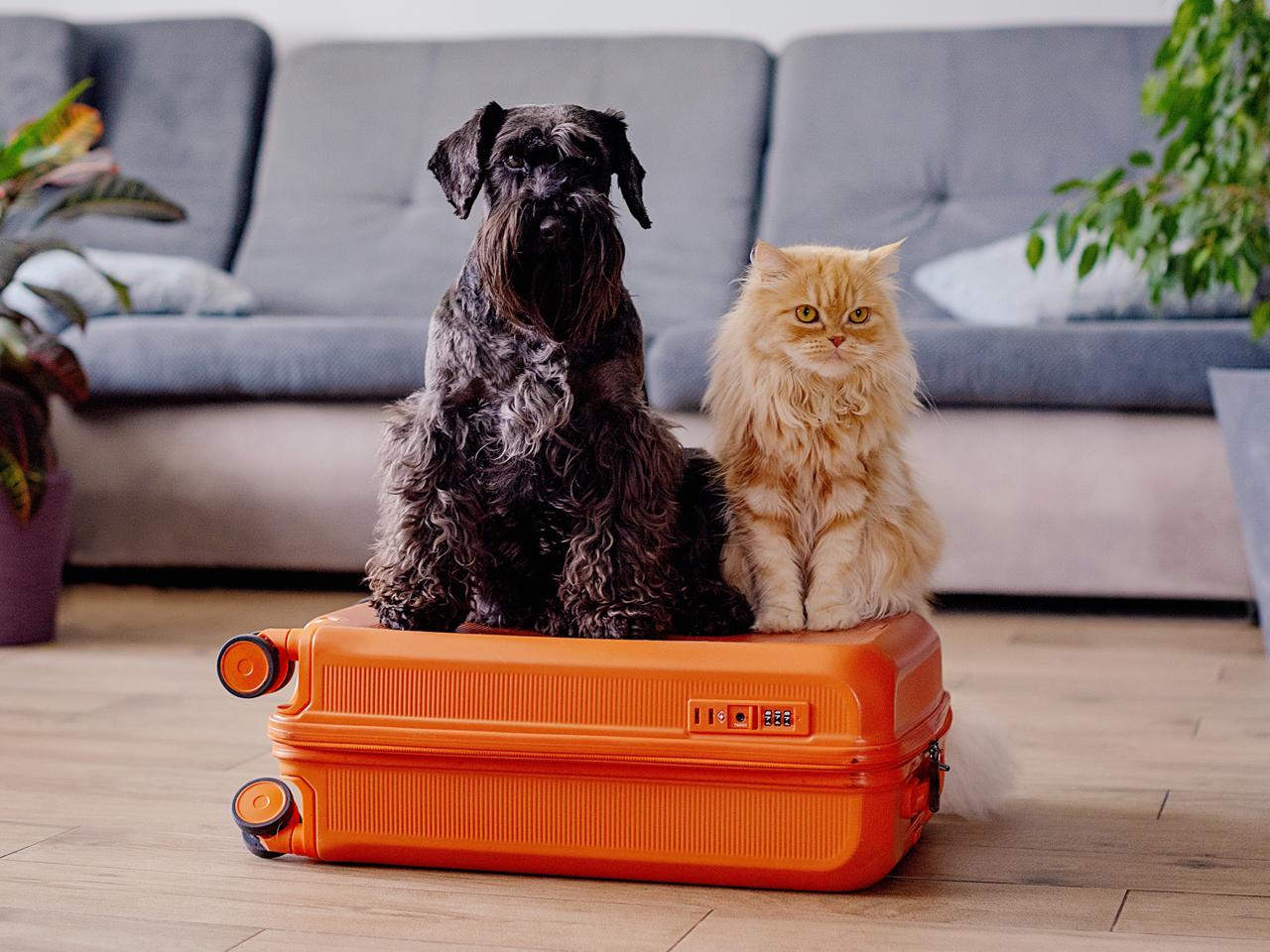
At sende et kæledyr til udlandet er ikke bare et spørgsmål om at købe en flybillet. De samlede omkostninger dækker flere lag: flyselskabets gebyrer for kæledyr, sundhedscertifikater, transportlogistik, karantæneudgifter og landsspecifikke importkrav. At forstå denne opdeling hjælper dig med at budgettere præcist og undgå uventede udgifter.
Variationen i omkostninger er betydelig. At flytte en lille kat fra USA til Storbritannien kan koste $2.000-3.500, mens at flytte en stor hund til Australien kan overstige $8.000. Disse forskelle skyldes faktorer som afstand, flyselskabssamarbejder, bestemmelseslandets regler og om dit kæledyr kræver karantæneperioder.
Vil du have et mere præcist estimat af internationale flytteomkostninger?
Gennemsnitlige prisintervaller kan kun give et generelt billede. Din faktiske omkostning afhænger af bestemmelseslandet, mængden af husholdningsgoder, fragtmetode og ekstra ydelser. Sammenlign gratis personlige flyttetilbud fra pålidelige internationale flyttefirmaer og forstå dine forventede omkostninger, før du træffer en beslutning.
Sammenlign gratis flyttetilbudVigtigste omkostningsfaktorer i korte træk
| Omkostningskomponent | Typisk interval | Typisk interval |
|---|---|---|
| Flyselskabsgebyr for kæledyr (kabin) | $100-$500 | Kun små kæledyr; afhængig af afstand |
| Flyselskabsgebyr for kæledyr (fragtgods) | $1.500-$5.000 | Store hunde; internationale ruter |
| Sundhedsundersøgelse og vaccination | $200-$500 | Dyrlægekonsultation, nødvendige vacciner |
| Sundhedscertifikat og eksportpapirer | $150-$300 | Kræves af de fleste bestemmelseslande |
| Mikrochip og registrering | $50-$150 | Engangsprocedure; løbende registrering |
| IATA-bur og fragttilbehør | $100-$400 | Flyselskabsgodkendt, komfort til kæledyr |
| Karantæne (hvis påkrævet) | $500-$3.000/uge | Kræves ikke af alle lande; kan vare 1-4 uger |
| Landtransport og logistik | $200-$800 | Afhentning, levering, lufthavnstransport |
| Gebyrer for flytning af kæledyr | $500-$2.000 | Valgfrit; håndterer alle arrangementer |
| SAMLET ESTIMERET INTERVAL | $1.500-$10.000+ | Varierer betydeligt efter destination |
Flyselskabets fragtomkostninger
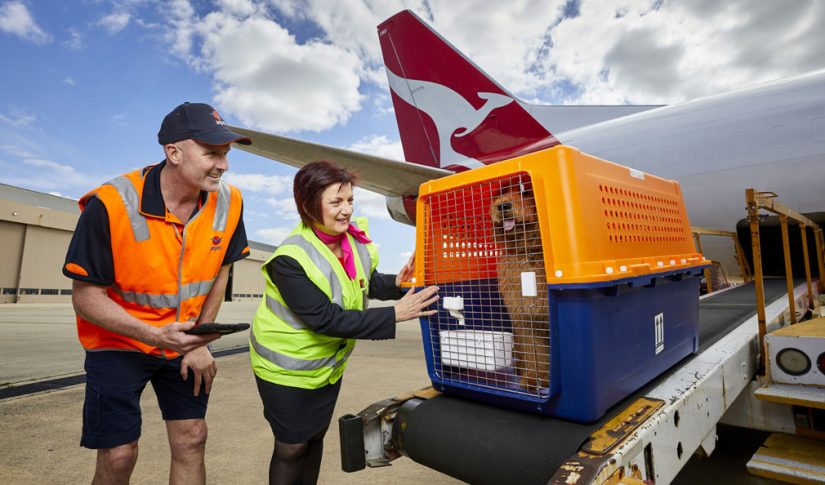
Den største udgift ved international flytning af kæledyr er typisk flytransporten. Omkostningerne afhænger af, om dit kæledyr rejser i kabinen eller som fragtgods, plus destinationen.
Kabin eller fragtgods: Hvad er bedst for dit kæledyr?
Rejse i kabinen
De fleste flyselskaber tillader små kæledyr (typisk under 4,5-7 kg) at rejse i kabinen med ejere eller som indchecket bagage. Dette er den sikreste og mindst stressende mulighed for kæledyr.
- Pris: $100-$500 (ofte opkrævet pr. flyvning, ikke pr. rute)
- Bedst til: Katte, små hunde, små kaniner
Fordele: Kæledyret bliver hos dig; minimal stress; sikrere miljø
Ulemper: Begrænsede flyselskabsmuligheder; ekstra gebyrer ved omlægning
Flyselskaber som British Airways, Air France, KLM og Lufthansa tillader kæledyr i kabinen på de fleste internationale ruter. Bekræft altid reglerne for kæledyr i kabinen ved booking, da restriktioner varierer efter flyselskab, flytype og destination.
Fragtgodstransport
Større hunde og eksotiske kæledyr rejser typisk som fragtgods i tryksatte, temperaturstyrede fragtrum. Dette er en specialiseret ydelse, der kræver korrekt transportbur og forberedelse.
- Pris: $1.500-$5.000+ (afhængig af vægt, afstand, flyselskab)
- Bedst til: Hunde over 9 kg, kaniner, fugle, eksotiske kæledyr
Fordele: Rummer større kæledyr; flere dyr pr. forsendelse
Ulemper: Højere stress for kæledyret; kræver sundhedscertifikater; længere transittider
Store flyselskaber som Lufthansa Cargo, Air Canada Cargo og United Cargo håndterer international fragt af kæledyr. Disse luftfartsselskaber er vant til at transportere kæledyr og har typisk bedre sikkerhedsregistre end mindre operatører.
Praktiske eksempler på flyselskabsomkostninger (2026)
- Lille hund/kat, USA til Storbritannien: $250-400 (kabin, med ejer) + $150-250 (kæledyrsspecifikt flyselskabsgebyr)
- Stor hund, USA til Australien: $3.000-4.500 (fragtgods; langdistance)
- Kat, Canada til Holland: $200-300 (kabin) + flyselskabsgebyr
- Hund, Storbritannien til Singapore: $2.500-3.800 (fragtgods; tropisk destination med strenge regler)
Usikker på, hvilken international flytteydelse du har brug for?
Uanset om du har brug for en fuld dør-til-dør-flytning, en delt container, luftfragt eller opbevaringsløsninger, hjælper Reloadvisor dig med at finde egnede internationale flyttefirmaer baseret på din forsendelsesstørrelse, destination og flyttekrav.
Sammenlign flyttefirmaers ydelserSundhedscertifikater og dyrlægeomkostninger

Hvert bestemmelsesland kræver sundhedsdokumentation, der beviser, at dit kæledyr er sygdomsfrit og har opdaterede vaccinationer. Disse certifikater er ufravigelige og er ofte lige så dyre som selve flyselskabsgebyrerne.
Essentiel sundhedsdokumentation
Dyrlægeundersøgelse før eksport
Pris: $100-250
Omfatter: Fysisk undersøgelse, gennemgang af sygehistorik, sundhedsvurdering Tidspunkt: Skal finde sted inden for 10 dage før afrejse (varierer efter land)
Vaccinationer & sygdomstest
Pris: $150-400
Kræves typisk: Rabies (obligatorisk næsten alle steder), DHPP/FVRCP (hunde/katte), mikrochipregistrering
Bemærk: Nogle lande kræver yderligere vacciner som leptospirose eller specifik sygdomstest
Sundhedscertifikat (eksport) Pris: $100-200 Hvad det er: Officielt regeringsdokument underskrevet af en USDA-godkendt dyrlæge (USA) eller tilsvarende Varighed: Gyldigt i 10 dage fra udstedelse (USA); varierer andre steder Bemærk: Kræves ved ALLE internationale flytninger af kæledyr
- Importtilladelse (bestemmelsesland) Pris: $0-150 Udstedes af: Bestemmelseslandets landbrugs- eller veterinærmyndighed Tidspunkt: Ansøg 4-8 uger før afrejse Eksempel: Australien kræver importtilladelse fra Department of Agriculture
Karantænekrav efter region
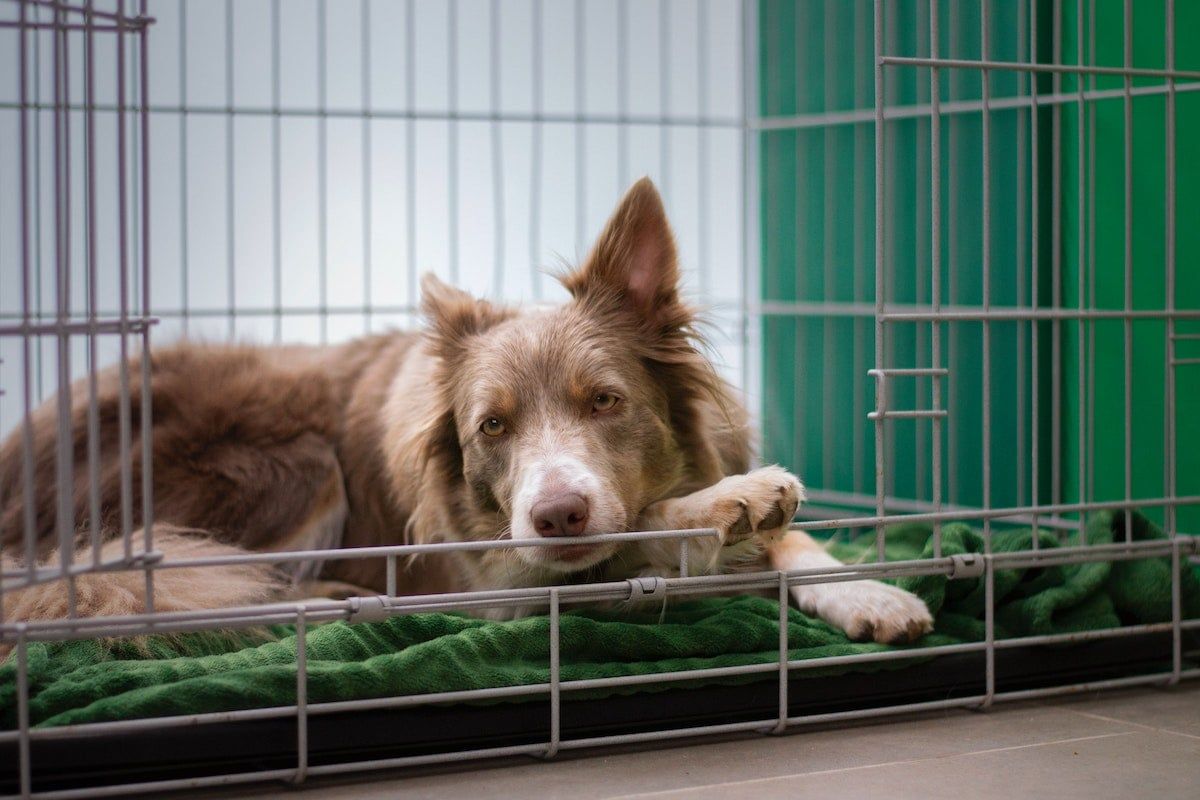
Karantæne er en af de mest variable omkostninger ved international flytning af kæledyr. Nogle lande kræver det ikke; andre kræver 4 uger eller mere. At forstå dit bestemmelseslands karantænepolitik er afgørende for budgetteringen.
Hvilke lande kræver karantæne?
Strenge karantænekrav (2-4+ uger)
- Australien: minimum 10 dage; op til 4 uger typisk
- New Zealand: minimum 10 dage (under visse betingelser)
- Japan: 0-180 dage (afhænger af vaccinationshistorik og oprindelsesland)
- Sydkorea: minimum 10 dage
- Storbritannien: 0 dage ved EU-kæledyrspas + rabiesvaccination; ellers varierende
- Hongkong: 0-4 uger (afhænger af betingelser)
Ingen karantæne (med korrekt dokumentation)
- De fleste EU-lande: Ingen karantæne påkrævet med gyldigt EU-kæledyrspas eller tilsvarende dokumentation
- Canada: Ingen karantæne, hvis sundhedscertifikat fremlægges
- USA: Generelt ingen karantæne for ankomne kæledyr med sundhedscertifikat
- Singapore: Ingen karantæne, hvis krav er opfyldt (selvom omkostningerne forbliver høje)
Standardkrav for at undgå karantæne
For destinationer, der ikke kræver obligatorisk karantæne, skal kæledyr, der overholder reglerne, typisk gennemføre følgende tjekliste:
- Mikrochip: ISO 11784/11785-overholdende, implanteret før enhver rabiesvaccine gives.
- Vaccinationer: En gyldig rabiesvaccination. Hvis du rejser til et land uden for EU, kan en rabies-titertest (blodprøve) også være nødvendig.
- Sundhedscertifikat: En officiel godkendelse fra en autoriseret dyrlæge og/eller offentlig myndighed i dit oprindelsesland inden for 10 dage før afrejse.
Opdeling af karantæneomkostninger
| Type | Pris | Varighed | Bemærkninger |
|---|---|---|---|
| Karantæne på regeringsfacilitet | $300-$500/uge | 2-4 uger | Mindre dyrt; minimalt miljø |
| Privat indkvarteringsfacilitet | $500-$1.200/uge | 2-4 uger | Bedre forhold; mere opsyn |
| Hjemmekarantæne | $200-$400/uge | 2-4 uger | Selvisolering; overvågning af symptomer; dyrlægebesøg inkluderet |
Eksempel på Australien: En stor hund, der flytter til Sydney, kan stå over for: $100-150 gebyr for importinspektion $3.000-5.000 omkostninger til karantænefacilitet (10-14 dage à $300-400/dag) Yderligere dyrlægekontroller under karantæne: $200-500
Landsspecifikke regler og importkrav
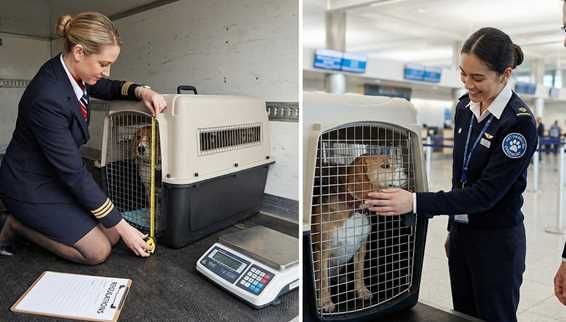
Reglerne for international flytning af kæledyr varierer markant efter destination. At forstå specifikke krav for dit bestemmelsesland forhindrer forsinkelser, afvisninger i tolden og ekstra omkostninger.
USA
Rabiesvaccination: Obligatorisk; skal være aktuel Sundhedscertifikat: Kræves for alle kæledyr Mikrochip: Påkrævet (ISO 11784/11785-standarden) Karantæne: Ikke påkrævet Almindeligt problem: Kæledyr fra lande med rabiesproblemer kan kræve udvidet observation Tidslinje: 2-4 ugers forberedelse
Ressourcer: USDA APHIS retningslinjer for kæledyrsrejse - https://www.aphis.usda.gov/aphis/pet-travel
Europæiske Union (inklusive Storbritannien efter Brexit)
Kæledyrspas: Påkrævet (EU-lande) eller tilsvarende sundhedscertifikat (ikke-EU-oprindelse) Rabiesvaccination: Obligatorisk; bevis for aktuel vaccination Mikrochip: Påkrævet (ISO-overholdende); registreret før rabiesvaccination Bændelormbehandling: Påkrævet 24-120 timer før afrejse (varierer efter destination) Karantæne: Ingen påkrævet, hvis dokumentationen er komplet Tidslinje: 4-6 uger (giver tid til papirarbejde og lovmæssige kontroller)
Bemærkning til flytning til Storbritannien: Efter Brexit skal kæledyr, der flyttes fra lande uden for EU, opfylde lidt strengere krav, herunder kæledyrsrejsedokumenter (ikke kun pas), blodprøver for rabiesantistoffer og specifikke krav til transportører.
Ressourcer: Britisk regering – Kæledyrsrejser - https://www.gov.uk/take-pet-abroad
Australien
Karantæne: Obligatorisk 10+ dage på Department of Agriculture-anlæg Importtilladelse: Skal indhentes før ankomst Rabiesvaccination: Påkrævet; bevis for aktuel status Sundhedscertifikat: Påkrævet; må ikke være ældre end 1 måned før ankomst Mikrochip: ISO-standard; registreret før vaccination Blodprøve: Rabies-serologisk test påkrævet; resultater vurderes 30+ dage før rejse Karantæneomkostning: $3.000-5.000 for 10-14 dage Tidslinje: 2-3 måneder (en af de længste i verden)
Australien er en af de strengeste destinationer for flytning af kæledyr. Planlæg derefter og afsæt et stort budget til karantæne.
Ressourcer: Australske Department of Agriculture - Importbetingelser - https://www.agriculture.gov.au/biosecurity/pets-animals
Canada
Sundhedscertifikat: Påkrævet; underskrevet af USDA/provinsdyrlæge Rabiesvaccination: Aktuel vaccination påkrævet Mikrochip: Påkrævet (ISO-standard) Karantæne: Ikke påkrævet (medmindre symptomer observeres) Tidslinje: 2-4 uger
Ressourcer: Canadian Food Inspection Agency (CFIA) – Kæledyrsimport - https://www.inspection.canada.ca/food-safety/animal-products/import/pets/eng/1297907598170/1297908222556
Asien-Stillehavsområdet (Singapore, Hongkong, Japan)
Disse regioner har varierende, ofte strenge krav:
Singapore Karantæne: Ingen påkrævet (med korrekt certificering) Rabiesvaccination: Påkrævet Sundhedscertifikat: Påkrævet; skal certificeres af USDA/tilsvarende Importtilladelse: Indhentes hos National Parks Board Omkostning: Typisk $2.500-4.500 Tidslinje: 4-6 uger
Hongkong Karantæne: Ingen (hvis krav er opfyldt); ellers op til 4 uger Rabiesvaccination: Påkrævet Mikrochip: Obligatorisk før vaccination Tidslinje: 4-8 uger
Japan Karantæne: Op til 180 dage fra visse lande; 0 dage fra godkendte regioner Rabiesvaccination: Påkrævet Mikrochip: Påkrævet før vaccination Blodprøve: Rabies-serologi påkrævet; skal overstå 180-dages periode hvis nødvendigt Tidslinje: Længst i verden—6-8 måneder for de fleste lande
Ressourcer: Japanske Plant Protection Station - https://www.maff.go.jp/aqs/english/index.html Singapore AVA Kæledyrsimport - https://www.nparks.gov.sg/avs
Kæledyrsflytningstjenester: Gør-det-selv vs. professionel hjælp
Mange kæledyrsejere hyrer professionelle kæledyrsflytningstjenester til at håndtere den komplekse logistik. At afveje gør-det-selv mod professionelle tjenester hjælper dig med at forstå de sande samlede omkostninger.
Omkostninger ved gør-det-selv-kæledyrsflytning
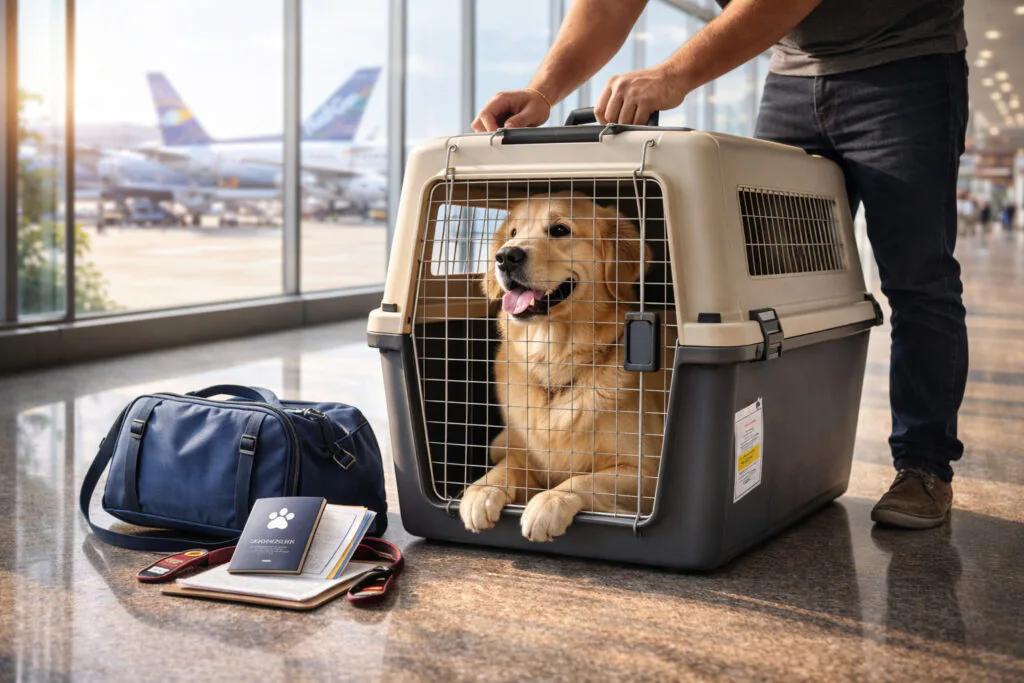
Hvis du selv håndterer alt:
- Dyrlægeydelse: $400-1.200
- Flyselskabsgebyrer: $1.500-5.000+
- Bur og udstyr: $100-400
- Landtransport: $200-800
- Karantæne (hvis relevant): $500-3.000+
I alt: $2.700-10.400+
- Maksimal kontrol
- Potentielt lavere omkostning
- Betydelig tidsindsats, højere stress
- Risiko for dokumentationsfejl, der forårsager forsinkelser/afvisninger
Omkostninger ved professionelle kæledyrsflytningstjenester
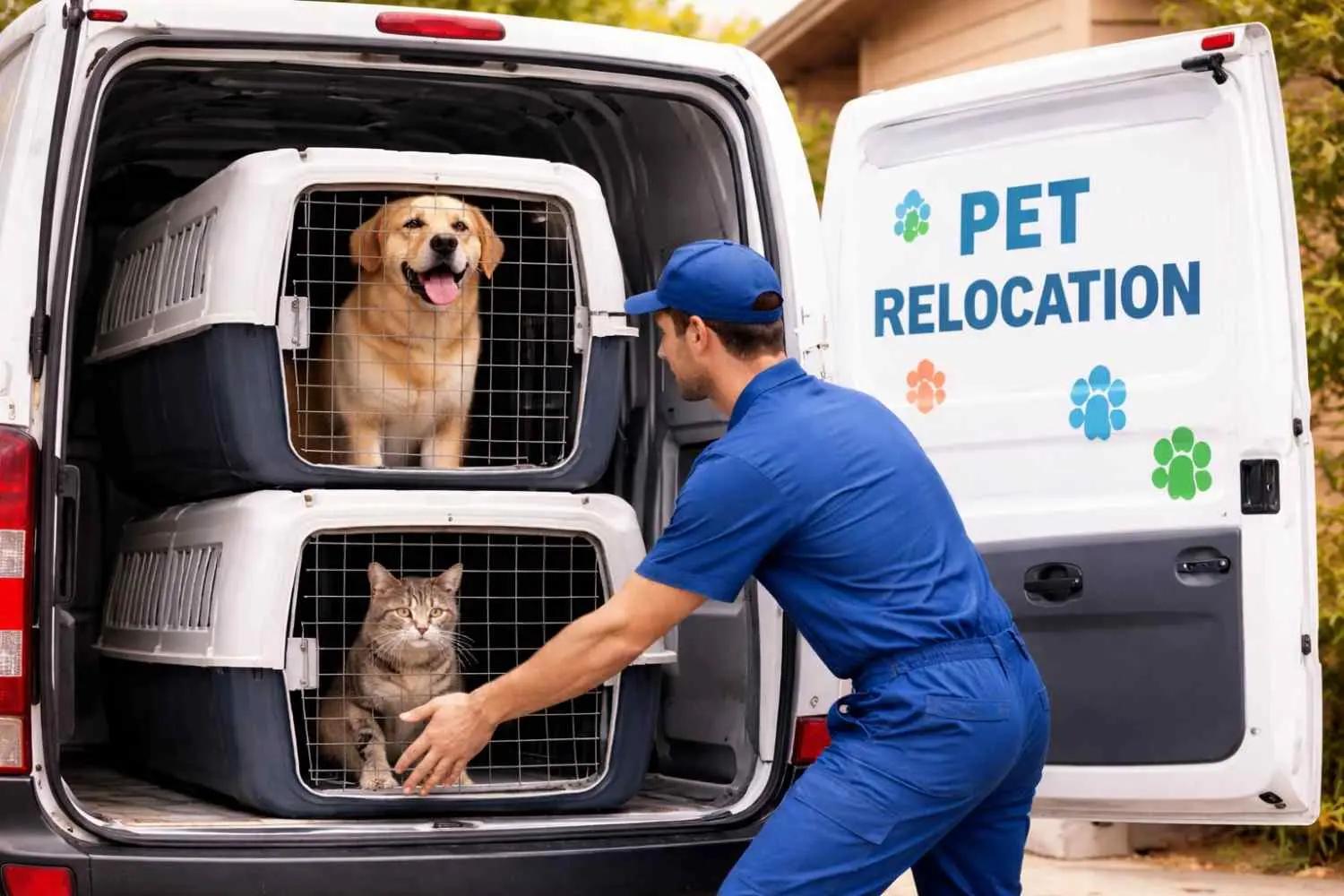
Fuldservice-flyttebureauer (håndterer alt):
Servicegebyr: $500-2.500 (dækker ofte hele processen) Dyrlægekoordination: Inkluderet Flyselskabsbooking og kæledyrshåndtering: Inkluderet Dokumentation: Inkluderet Landtransport: Inkluderet I alt: $3.200-12.000+ (flyselskaber + tjenester)
- Ekspertise, koordination, ro i sindet, færre fejl
- Højere omkostning; mindre personlig kontrol
Anbefalede flytningstjenester
Populære internationale kæledyrsflytningstjenester omfatter:
- Airpets: Specialiserer sig i langdistanceflytninger; fremragende sikkerhedsrekord
- PetRelocation: Fuldservice; håndterer 100+ lande
- PetSmart PetsHotel: Flytningstjenester for kortere afstande
- Lokale dyreklinikker med flyttesamarbejder: Ofte mere overkommelige for nærliggende destinationer
Praktiske strategier til omkostningsbesparelse

Selvom international flytning af kæledyr ikke er billigt, kan flere strategier reducere udgifterne uden at gå på kompromis med dit kæledyrs sikkerhed eller komfort.
1. Vælg kabine rejse, når det er muligt
Hvis dit kæledyr er lille nok til at rejse i kabinen sammen med dig, er dette markant billigere end fragtforsendelse:
- Besparelse: 1.000-4.000 $ sammenlignet med fragt
- Begrænsning: Vægtgrænse (typisk under 15 lbs)
2. Rejs uden for højsæsonen
Flyselskaber tilpasser gebyrer for kæledyr baseret på efterspørgsel:
- Vintermåneder (nov-feb): Lavere kæledyrsgebyrer
- Sommermåneder (jun-aug): Højere kæledyrsgebyrer
Besparelsespotentiale: 20-30% på flyselskabsgebyrer
3. Saml kæledyr i gruppeforsendelser
Nogle specialiserede transportører tilbyder delt fragtplads til flere kæledyr:
- Fungerer bedst til: Fragtforsendelser til populære destinationer
- Besparelse: 15-25% sammenlignet med individuel forsendelse
- Bedste kilde: Professionelle flytteservices koordinerer ofte gruppeforsendelser
4. Minimer karantæne gennem vaccinationsplanlægning
Korrekt vaccinationsplanlægning kan eliminere eller reducere karantæne:
- Forudgående vaccinationskoordinering:
- Planlæg vacciner 4-6 måneder i forvejen, hvis destinationen kræver længere perioder Antistoftitrering:
- Bevis på immunitet kan nogle gange reducere karantænevarigheden
Besparelse: 1.000-3.000 $ ved at undgå karantæne
5. Planlæg din flytning i takt med lovændringer
Nogle lande opdaterer periodisk krav til import af kæledyr – og gør dem nogle gange mere lempelige: Overvåg destinationslandets landbrugsministerium for opdateringer af regler EU's dokumentationsstandarder kan ændre sig; at holde sig informeret forhindrer forældede omkostninger
6. Overvej midlertidige pasningsmuligheder for kæledyr
Ved kortvarige flytninger eller virksomhedsflytninger kan midlertidige løsninger være omkostningseffektive:
- Kæledyrspension under flytningen
- Midlertidig plejefamilie i hjemlandet
- Forsinket flytning af kæledyr (efter du er flyttet til)
Besparelse: Kan spare tusindvis, hvis flytningstidspunktet er usikkert
Omkostningsforskelle efter kæledyrstype
Forskellige kæledyr har vidt forskellige flytteomkostninger. At forstå dit kæledyrs specifikke omkostningsprofil hjælper med en præcis budgettering.
Hunde

- Små hunde (under 20 lbs): 1.500-3.500 $ (kabine eller blandet)
- Mellemstore hunde (20-50 lbs): 3.500-6.500 $ (fragt påkrævet)
- Store hunde (over 50 lbs): 5.000-9.000+ $ (fragt; mulige racerestriktioner)
Særlig overvejelse: Kortsnudede racer (buldogs, mops) er ofte udelukket fra fragtforsendelse på grund af vejrtrækningsproblemer; skal rejse i kabinen
Katte

- Enkelt kat: 1.500-3.000 $ (normalt i kabinen)
- Flere katte: 2.000-4.000 $ (afhænger af flyselskabets politik; nogle tillader flere i kabinen)
Fordel: Typisk det billigste kæledyr at flytte
Fugle & eksotiske kæledyr
- Små fugle (papegøjer osv.): 2.000-4.000 $
- Kaniner/små gnavere: 1.500-3.500 $
- Krybdyr: 2.500-5.500 $ (meget specialiseret; begrænsede transportører)
Udfordring: Færre flyselskabsmuligheder; specialiserede dokumentationskrav
Tidslinje: Planlægning af din internationale flytning af kæledyr
Korrekt timing er afgørende for en vellykket flytning. Begynd planlægningen 3-4 måneder før din flytning.
6-8 uger før afrejse
- Undersøg destinationslandets krav til import af kæledyr Bestil en veterinæraftale til sundhedstjek Indhent importtilladelse fra destinationslandet (hvis påkrævet) Begynd at undersøge flyselskaber og flytteservices for kæledyr Bekræft at kæledyrets microchip er ISO-kompatibel og registreret
4-6 uger før afrejse
- Planlæg rabies- og påkrævede vacciner Bestil IATA-godkendt kæledyrsbur (hvis sendes som fragt) Book flyvetur og arranger transport af kæledyr Færdiggør flytteservice for kæledyr (hvis relevant) Begynd at arrangere karantænefacilitet (hvis påkrævet)
2 uger før afrejse
- Bestil undersøgelse for eksportsundhedscertifikat Bekræft at al dokumentation er komplet og korrekt Forbered komfortartikler til kæledyr (legetøj, sengetøj, foder til overgangen) Arranger landtransport til lufthavnen Gennemgå flyselskabets politikker for kæledyr én sidste gang
Rejseudgen
- Gennemfør endeligt veterinærtjek om nødvendigt Sikr at al dokumentation er hos kæledyret eller sendt til destinationen Underret destinationsveterinæren om dit kæledyrs sygdomshistorik Bekræft karantænefacilitetens arrangementer
Essentiel tjekliste: Hvad du får brug for
Denne tjekliste sikrer at du ikke overser kritisk dokumentation eller forberedelsestrin.
Sundheds- og medicinsk dokumentation
Gældende rabiesvaccinationscertifikat Sundhedstjekrapport (inden for 10 dage før afrejse) Sundhedscertifikat underskrevet af USDA-akkrediteret veterinær Microchip-registreringspapirer (bevis på ISO-registrering) Vaccinationsjournaler for alle påkrævede vacciner Importtilladelse fra destinationslandet (hvis relevant) Blodprøveresultater (rabies-serologi, hvis påkrævet af destinationen) EU-kæledyrspas (til EU-destinationer) eller tilsvarende
Rejse og logistik
IATA-godkendt kæledyrsbærer/bur (hvis sendes som fragt) Bekræftelse af flyselskabsbooking for kæledyr Kontrakt med flytteservice for kæledyr (hvis relevant) Bekræftelse af karantænefacilitet på destinationen (hvis relevant) Arrangementer for landtransport (afhentning/aflevering) Rejseplan og flyveinformation
Kæledyrspleje og komfort
Bekendt foder (nok til overgangsperioden) Medicin eller specialudstyr Komfortartikler (yndlingslegetøj, tæppe med duften hjemmefra) Opdaterede ID-tags med destinationsadresse/telefon Nyligt billede af kæledyr (til identifikation om nødvendigt)
Almindelige fejl at undgå
At lære af andres flytteerfaringer hjælper dig med at undgå kostbare fejl og forsinkelser.
| Fejl | Problem | Hvordan undgås |
|---|---|---|
| 1. Ufuldstændig eller forkert dokumentation | Manglende underskrifter, forkerte vaccindatoer eller ufuldstændige sundhedscertifikater forårsager toldforsinkelser eller afvisning. | Dobbelttjek alle dokumenter mod destinationslandets officielle krav. Få din veterinær til at bekræfte at papirarbejdet er komplet inden afrejse. |
| 2. Utilstrækkelig karantæneplanlægning | At undervurdere karantænekrav eller facilitetsomkostninger fører til budgetoverskridelser. | Book karantænefaciliteter 4-6 uger i forvejen. Bekræft varighedskrav direkte med destinationens landbrugsafdeling. |
| 3. Forkert valg af flyselskab eller transportør | At vælge et flyselskab uden gode rutiner for forsendelse af kæledyr resulterer i stress, forsinkelser eller værst tænkelige scenarier. | Brug specialiserede kæledyrstransportører og flyselskaber med etablerede resultater inden for flytning af kæledyr. Tjek anmeldelser fra expat-flytteforum specifikke for din destination. |
| 4. Dårlig timing af kæledyrs ankomst | Kæledyret ankommer, når du ikke er færdig med at bosætte dig, hvilket skaber bolig- eller pasningsproblemer. | Arranger flytning af kæledyr til at ankomme, efter du har sikret bolig og er klar til at modtage dem. Nogle forsinkere flytning af kæledyr med 1-2 uger efter deres egen ankomst. |
| 5. At overse racerestriktioner | Nogle lande begrænser visse racer; nogle flyselskaber vil ikke sende brachycefale (fladansigtede) hunde. | Bekræft racerestriktioner 4+ måneder i forvejen. Planlæg alternativ transport om nødvendigt (f.eks. rejse i kabinen i stedet for fragt). |
| 6. At undervurdere overgangsstress | Kæledyret ankommer desorienteret; utilstrækkelig hjemmeindretning forårsager adfærdsproblemer. | Forbered et dedikeret område med genstande, kæledyret kender. Arranger veterinærkonsultation i destinationslandet inden for den første uge. Vær tålmodig i 2-4 ugers tilvænningsperiode. |
Vurdering: Flytning af dit kæledyr vs. alternative muligheder
| Faktor/Muligheder | Flytning af dit kæledyr | Omplacering | Midlertidig pasning/plejefamilie |
|---|---|---|---|
| Omkostninger | 1.500-10.000+ $ | 0 $ (følelsesmæssig omkostning betydelig) | 2.000-6.000 $ for længere perioder |
| Kæledyrets velfærd | Kæledyret forbliver hos familien | Usikkert; afhænger af det nye hjem | Midlertidig adskillelsesstress |
| Tidslinje | 3-4 måneders planlægning | Dage til uger | Fleksibelt; varierer |
| Følelsesmæssig indvirkning | Holder familien samlet | Permanent adskillelse; savn | Midlertidigt; genforening forventet |
| Praktisk gennemførlighed | Kræver forberedelse; gennemførligt | Høj følelsesmæssig barriere for de fleste | Godt til midlertidige flytninger |
| Langsigtet tilknytning | Familien opretholder relationen | Mistet relation | Relationen bevares |
EKSPERTTIPS & VIGTIGE ADVARSLER
Virkeligt flytteeksempel
Scenarie: En amerikansk familie der flytter med en 25-lb hund til London, UK
| Udgifter | Omkostning |
|---|---|
| Veterinæreksamen & sundhedscertifikat | 300 $ |
| Rabiesvaccination (hvis nødvendigt) + DHPP-booster | 150 $ |
| Microchip-registrering | 75 $ |
| Importtilladelse for kæledyr (UK) | 100 $ |
| IATA kæledyrsbur | 200 $ |
| Fragtgebyr for kæledyr hos flyselskab (blandet service) | 500 $ |
| Koordinering af flytteservice for kæledyr | 600 $ |
| Landtransport (afhentning/levering) | 300 $ |
| Karantæne (ikke påkrævet med korrekte dokumenter) | 0 $ |
| IALT | 2.225 $ |
OFTE STILLEDE SPØRGSMÅL
Ofte stillede spørgsmål
Kan jeg tage mit kæledyr med i håndbagagen på internationale flyvninger?
Ikke på de fleste internationale flyvninger. Små kæledyr (under 10-15 lbs) kan rejse i kabinebagage på nogle flyselskabers indenrigsflyvninger, men internationale langdistanceflyvninger kræver typisk, at kæledyr flyver i separate kæledyrskabiner eller som fragt. Tjek dit flyselskabs specifikke regler inden booking.
Hvilket land er det letteste at flytte til med kæledyr?
De letteste lande at flytte til med kæledyr ligger inden for Europæiske Union eller Canad. Takket være standardiserede indrejsekrav — som mikrochip, rabiesvaccine og et EU-kæledyrspas — kan du undgå obligatoriske karantæner eller komplekse antistofprøver. [
Findes der lande, der slet ikke accepterer flytning af kæledyr?
De fleste lande accepterer kæledyr med korrekt dokumentation, men nogle har ekstremt strenge krav (Australien, New Zealand, Japan), som mange finder urealistiske. Et par ønationer har fuldstændige forbud af hensyn til biosikkerhed, men disse er sjældne. Undersøg din destinations importkrav grundigt mindst 4 måneder i forvejen.
Hvor længe varer en karantæne typisk?
Karantænelængden varierer betydeligt fra land til land: EU = 0 dage (med korrekt dokumentation); UK = 0 dage; Canada = 0 dage; Australien = 10-14 dage; Japan = 0-180 dage (afhængigt af destination); Hongkong = 0-28 dage. Bekræft altid den specifikke varighed hos dit destinationslands landbrugsministerium.
Kan jeg selv flyve med mit kæledyr, eller skal jeg bruge en flytteservice?
Du kan selv koordinere flytningen over kortere afstande (USA til Canada, inden for EU), men internationale langdistanceflytninger har gavn af professionel hjælp på grund af kompleksitet og dokumentationskrav. Gør-det-selv fungerer, hvis du flyver med dit kæledyr i kabinen; fragt og specialiseret forsendelse har gavn af professionel håndtering for at undgå fejl.
Findes der forsikring til flytning af kæledyr?
Nogle flytteservices for kæledyr og flyselskaber tilbyder dækning for tab, skade eller død under transport, selvom dækningen ofte er begrænset. De fleste expat-forsikringer dækker ikke omkostningerne til flytning af kæledyr. Spørg din forsikringsudbyder om dækningsmuligheder, og gennemlæs policens detaljer grundigt, inden du køber.
Hvad er forskellen på en sundhedsattest og et kæledyrspas?
En sundhedsattest er et engangsdokument udstedt af en dyrlæge til en bestemt rejse. Et kæledyrspas (EU/UK) er et statsligt udstedt rejsedokument, der er gyldigt til flere rejser inden for EU. Nogle lande accepterer det ene, nogle kræver det andet, og nogle kræver begge dele. Tjek din destinations specifikke krav i god tid.
Hvad gør jeg, hvis mit kæledyr har helbredsproblemer eller angst under rejsen?
Giv din dyrlæge og dit flyselskab besked i forvejen. Der kan udskrives medicin mod angst, selvom beroligelse ikke anbefales ved fragttransport. Nogle dyrlæger anbefaler »træning« før flyvningen ved at vænne kæledyret til transportbure og rejselyde. Professionelle flytteservices for kæledyr håndterer angste dyr mere forsigtigt og kan koordinere særlig pasning.
Hvordan kan jeg reducere den følelsesmæssige belastning på mit kæledyr under flytningen?
Gradvis burtræning uger før afrejse, fastholdelse af kendte rutiner, brug af beroligende feromonprodukter (Feliway til katte, Adaptil til hunde) og tidlig ankomst, så du kan forberede deres nye plads, hjælper alle en hel del. Efter ankomsten skal du hurtigt etablere en rutine og overveje et besøg hos dyrlægen inden for den første uge for at overvåge stressniveauet og sikre en tryg overgang.
Tag: Forsendelse af kæledyr til udlandet, Omkostninger til flytning af kæledyr, Flytning til udlandet med kæledyr, Flyselskabers transport af kæledyr, International transport af kæledyr, Karantæneregler for kæledyr, Flytning af kæledyr til udlandet, International flytning med dyr og Importkrav for kæledyr