
Obtenez un calcul instantané des coûts
Au lieu de deviner, comparez des devis personnalisés de sociétés de déménagement internationales fiables et découvrez ce que votre déménagement pourrait réellement coûter.
Obtenez un calcul instantané des coûts de déménagementLes coûts de transport international d’animaux de compagnie peuvent varier de 1 500 $ à plus de 10 000 $ selon votre destination, la taille de votre animal, le choix de la compagnie aérienne et les réglementations du pays.
Comprendre les coûts de transport international d’animaux de compagnie
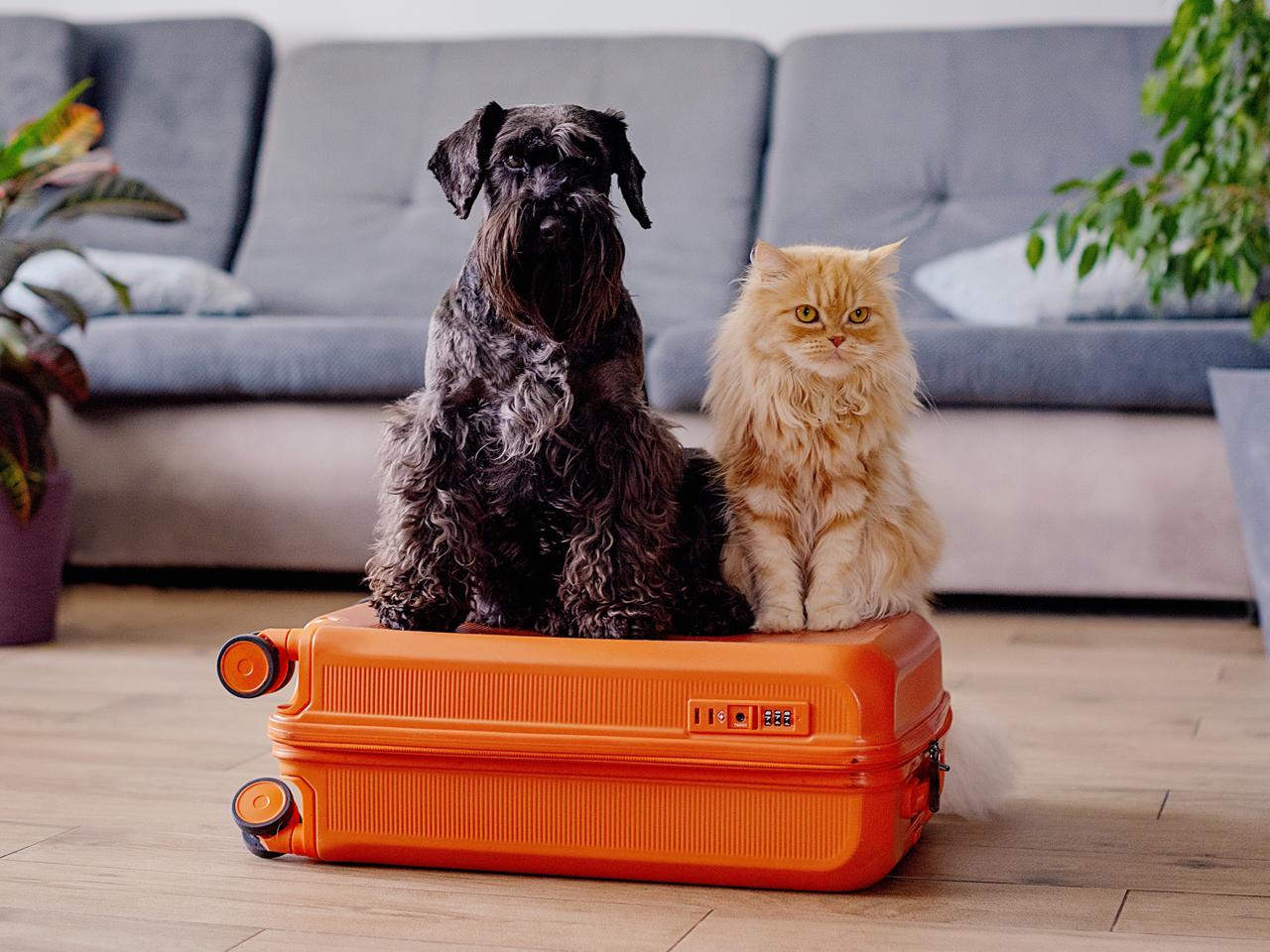
Expédier un animal à l’étranger ne se résume pas à acheter un billet d’avion. Le coût total comprend plusieurs volets : les frais animaliers de la compagnie aérienne, les certificats sanitaires, la logistique de transport, les frais de quarantaine et les exigences d’importation propres à chaque pays. Comprendre cette décomposition vous permet d’établir un budget précis et d’éviter les dépenses imprévues.
La variation des coûts est importante. Le transport d’un petit chat des États-Unis vers le Royaume-Uni peut coûter entre 2 000 et 3 500 $, tandis que le déplacement d’un grand chien vers l’Australie peut dépasser 8 000 $. Ces différences découlent de facteurs tels que la distance, les partenariats entre compagnies aériennes, les réglementations du pays de destination et la nécessité éventuelle d’une période de quarantaine pour votre animal.
Vous souhaitez une estimation plus précise de vos coûts de déménagement à l’international ?
Les fourchettes de prix moyennes ne donnent qu’une idée générale. Votre coût réel dépend du pays de destination, du volume de biens ménagers, du mode d’expédition et des services supplémentaires. Comparez des devis de déménagement personnalisés et gratuits proposés par des déménageurs internationaux fiables, et anticipez vos coûts attendus avant de prendre une décision.
Comparez des devis de déménagement gratuitsPrincipaux facteurs de coût en un coup d’œil
| Composante de coût | Fourchette habituelle | Fourchette habituelle |
|---|---|---|
| Frais animaliers de la compagnie aérienne (cabine) | 100-500 $ | Petits animaux uniquement ; dépend de la distance |
| Frais animaliers de la compagnie aérienne (fret) | 1 500-5 000 $ | Grands chiens ; liaisons internationales |
| Examen de santé et vaccination | 200-500 $ | Consultation vétérinaire, vaccins nécessaires |
| Certificat sanitaire et formalités d’exportation | 150-300 $ | Exigé par la plupart des pays de destination |
| Puce électronique et enregistrement | 50-150 $ | Intervention unique ; enregistrement continu |
| Caisse de transport IATA et accessoires d’expédition | 100-400 $ | Homologuée par les compagnies aériennes, articles de confort pour l’animal |
| Quarantaine (si nécessaire) | 500-3 000 $/semaine | Non exigée par tous les pays ; peut durer de 1 à 4 semaines |
| Transport terrestre et logistique | 200-800 $ | Enlèvement, livraison, transferts aéroportuaires |
| Frais de service de transport d’animaux | 500-2 000 $ | Facultatif ; gère l’ensemble des démarches |
| FOURCHETTE TOTALE ESTIMÉE | 1 500-10 000 $ et plus | Varie considérablement selon la destination |
Coûts d’expédition par voie aérienne
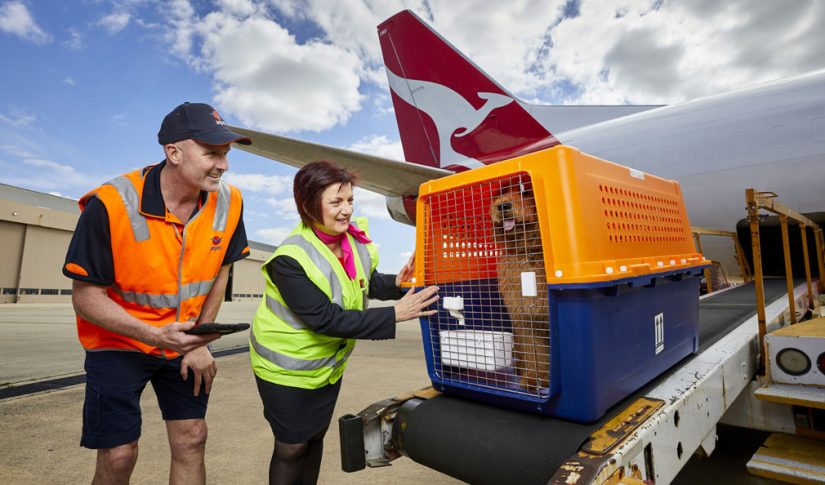
Le poste de dépense le plus important dans le transport international d’animaux de compagnie est généralement le transport aérien. Les coûts dépendent du fait que votre animal voyage en cabine ou en fret, ainsi que de la destination.
Cabine ou fret : quelle option convient à votre animal ?
Voyage en cabine
La plupart des compagnies aériennes autorisent les petits animaux (généralement moins de 4,5-7 kg) à voyager en cabine avec leurs propriétaires ou en tant que bagage enregistré. C’est l’option la plus sûre et la moins stressante pour les animaux.
- Coût : 100-500 $ (souvent facturé par vol, et non par trajet)
- Idéal pour : chats, petits chiens, petits lapins
Avantages : l’animal reste avec vous ; stress minimal ; environnement plus sûr
Inconvénients : choix de compagnies aériennes limité ; frais supplémentaires en cas de correspondance
Des compagnies aériennes telles que British Airways, Air France, KLM et Lufthansa autorisent les animaux en cabine sur la plupart des liaisons internationales. Confirmez toujours la politique animaux en cabine lors de la réservation, car les restrictions varient selon la compagnie, le type d’appareil et la destination.
Expédition par fret
Les chiens de grande taille et les animaux exotiques voyagent généralement en fret dans des soutes pressurisées et à température contrôlée. Il s’agit d’un service spécialisé qui nécessite une caisse de transport adaptée et une préparation adéquate.
- Coût : 1 500-5 000 $ et plus (selon le poids, la distance et la compagnie aérienne)
- Idéal pour : chiens de plus de 9 kg, lapins, oiseaux, animaux exotiques
Avantages : Adapté aux animaux de grande taille ; plus d’animaux par expédition
Inconvénients : stress plus élevé pour l’animal ; certificats sanitaires requis ; temps de transit plus long
Les grandes compagnies comme Lufthansa Cargo, Air Canada Cargo et United Cargo prennent en charge le transport d’animaux par fret à l’international. Ces transporteurs sont habitués à l’expédition d’animaux et affichent généralement de meilleurs antécédents en matière de sécurité que les petits opérateurs.
Exemples concrets de coûts aériens (2026)
- Petit chien/chat, États-Unis vers Royaume-Uni : 250-400 $ (en cabine, avec le propriétaire) + 150-250 $ (frais animaliers spécifiques à la compagnie)
- Grand chien, États-Unis vers Australie : 3 000-4 500 $ (fret ; long-courrier)
- Chat, Canada vers Pays-Bas : 200-300 $ (en cabine) + frais de la compagnie aérienne
- Chien, Royaume-Uni vers Singapour : 2 500-3 800 $ (fret ; destination tropicale aux réglementations strictes)
Vous ne savez pas quel service de déménagement à l’international vous convient ?
Que vous ayez besoin d’un déménagement complet de porte à porte, d’un conteneur partagé, de fret aérien ou de solutions de stockage, Reloadvisor vous aide à trouver des déménageurs internationaux adaptés en fonction du volume de votre expédition, de votre destination et de vos besoins en matière de déménagement.
Comparez les services de déménageursCertificats sanitaires et frais vétérinaires

Chaque pays de destination exige une documentation sanitaire prouvant que votre animal est exempt de maladie et que ses vaccins sont à jour. Ces certificats sont non négociables et s’avèrent souvent aussi coûteux que les frais de la compagnie aérienne eux-mêmes.
Documentation sanitaire essentielle
Examen vétérinaire avant exportation
Coût : 100-250 $
Inclus : examen clinique, examen du dossier médical, évaluation de l’état de santé. Délai : doit avoir lieu dans les 10 jours précédant le voyage (variable selon le pays)
Vaccinations et dépistage des maladies
Coût : 150-400 $
Généralement obligatoires : rage (obligatoire presque partout), DHPP/FVRCP (chiens/chats), enregistrement de la puce électronique
Remarque : Certains pays exigent des vaccins supplémentaires comme la leptospirose ou des dépistages spécifiques de maladies
Certificat sanitaire (exportation) Coût : 100-200 $ Ce que c'est : Document officiel du gouvernement signé par un vétérinaire agréé par l'USDA (États-Unis) ou équivalent Durée de validité : 10 jours à compter de la délivrance (États-Unis) ; variable ailleurs Remarque : Obligatoire pour TOUTES les relocalisations d'animaux de compagnie à l'international
- Permis d'importation (pays de destination) Coût : 0-150 $ Délivré par : Autorité agricole ou vétérinaire du pays de destination Délai : Faire la demande 4 à 8 semaines avant le voyage Exemple : L'Australie exige un permis d'importation du Département de l'Agriculture
Exigences de quarantaine par région
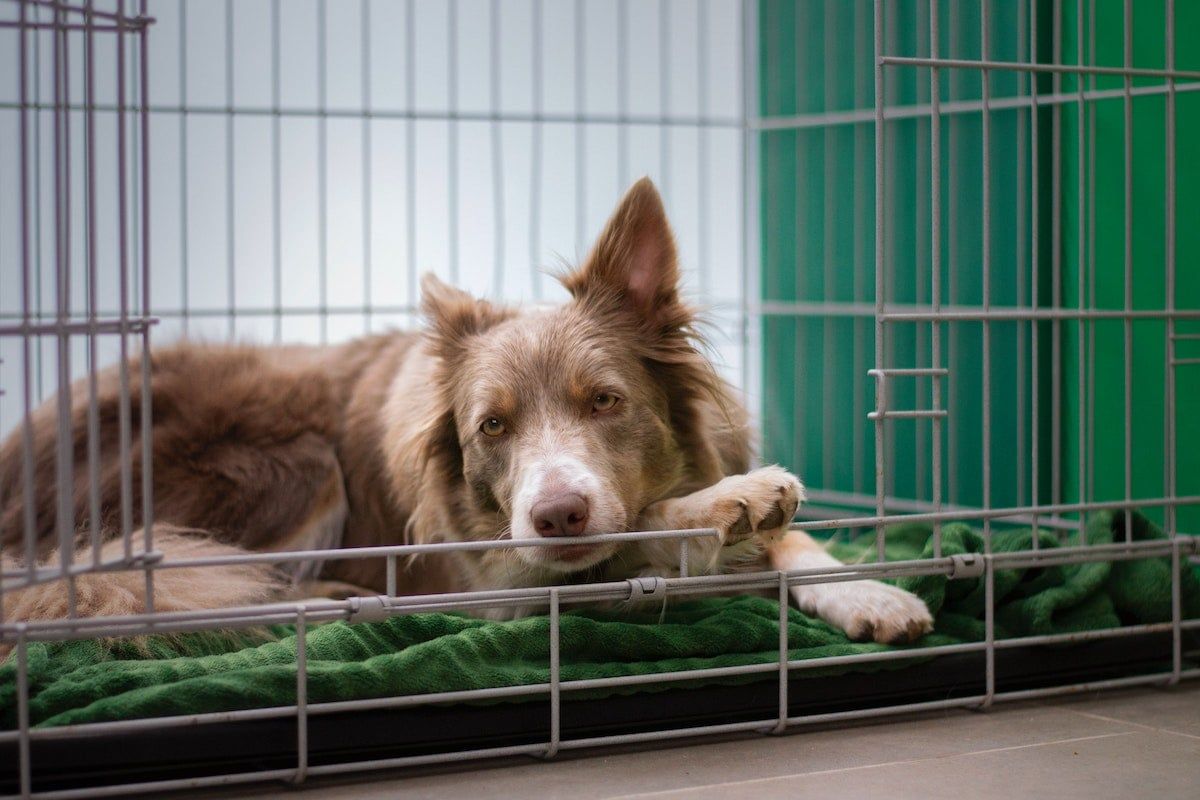
La quarantaine est l'un des coûts les plus variables dans la relocalisation internationale d'animaux de compagnie. Certains pays ne l'exigent pas ; d'autres l'imposent pendant 4 semaines ou plus. Comprendre la politique de quarantaine de votre destination est essentiel pour établir votre budget.
Quels pays exigent une quarantaine ?
Exigences strictes de quarantaine (2-4 semaines ou plus)
- Australie : 10 jours minimum ; jusqu'à 4 semaines en général
- Nouvelle-Zélande : 10 jours minimum (sous certaines conditions)
- Japon : 0-180 jours (selon l'historique vaccinal et le pays d'origine)
- Corée du Sud : 10 jours minimum
- Royaume-Uni : 0 jour avec passeport européen pour animal de compagnie + vaccination antirabique ; sinon variable
- Hong Kong : 0-4 semaines (selon les conditions)
Pas de quarantaine (avec une documentation appropriée)
- La plupart des pays de l'UE : Pas de quarantaine requise avec un passeport européen pour animal de compagnie valide ou une documentation équivalente
- Canada : Pas de quarantaine si un certificat sanitaire est fourni
- États-Unis : Généralement pas de quarantaine pour les animaux arrivant avec un certificat sanitaire
- Singapour : Pas de quarantaine si les exigences sont remplies (bien que les coûts restent élevés)
Exigences standard pour éviter la quarantaine
Pour les destinations qui n'imposent pas de quarantaine obligatoire, les animaux conformes doivent généralement remplir la liste de contrôle suivante :
- Puce électronique : conforme à la norme ISO 11784/11785, implantée avant l'administration de tout vaccin antirabique.
- Vaccinations : Une vaccination antirabique valide. En cas de voyage vers un pays non membre de l'UE, un test de titrage de la rage (analyse sanguine) peut également être nécessaire.
- Certificat sanitaire : Une validation officielle par un vétérinaire agréé et/ou un organisme gouvernemental de votre pays d'origine dans les 10 jours précédant le voyage.
Détail des coûts de quarantaine
| Type | Coût | Durée | Remarques |
|---|---|---|---|
| Quarantaine en établissement gouvernemental | 300-500 $/semaine | 2-4 semaines | Moins cher ; environnement minimal |
| Établissement d'hébergement privé | 500-1 200 $/semaine | 2-4 semaines | Meilleures conditions ; plus de surveillance |
| Quarantaine à domicile | 200-400 $/semaine | 2-4 semaines | Auto-isolement ; surveillance des symptômes ; visites vétérinaires incluses |
Exemple de l'Australie : Un grand chien déménageant à Sydney pourrait faire face à : Frais d'inspection à l'importation de 100-150 $ Coûts de quarantaine en établissement de 3 000-5 000 $ (10-14 jours à 300-400 $/jour) Examens vétérinaires supplémentaires pendant la quarantaine : 200-500 $
Réglementations et exigences d'importation spécifiques à chaque pays
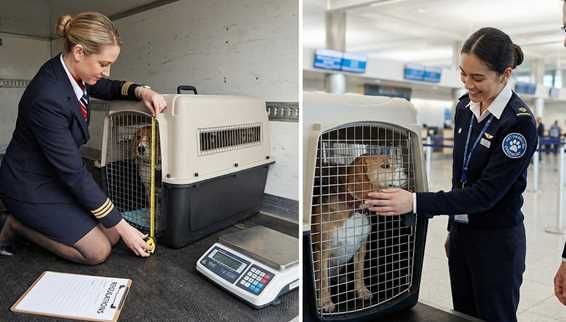
Les réglementations de relocalisation internationale d'animaux de compagnie varient considérablement selon la destination. Comprendre les exigences spécifiques de votre pays de destination permet d'éviter les retards, les refus à la douane et les coûts supplémentaires.
États-Unis
Vaccination antirabique : Obligatoire ; doit être à jour Certificat sanitaire : Requis pour tous les animaux de compagnie Puce électronique : Requise (norme ISO 11784/11785) Quarantaine : Non requise Problème fréquent : Les animaux provenant de pays où la rage est présente peuvent nécessiter une observation prolongée Délai : 2-4 semaines de préparation
Ressources : Directives de voyage pour animaux de compagnie de l'USDA APHIS - https://www.aphis.usda.gov/aphis/pet-travel
Union européenne (y compris le Royaume-Uni post-Brexit)
Passeport pour animal de compagnie : Requis (pays de l'UE) ou certificat sanitaire équivalent (origine hors UE) Vaccination antirabique : Obligatoire ; preuve d'une vaccination à jour Puce électronique : Requise (conforme ISO) ; enregistrée avant la vaccination antirabique Traitement contre le ténia : Requis 24-120 heures avant le voyage (variable selon la destination) Quarantaine : Aucune requise si la documentation est complète Délai : 4-6 semaines (temps pour les formalités administratives et les vérifications réglementaires)
Remarque pour la relocalisation au Royaume-Uni : Depuis le Brexit, les animaux en provenance de pays hors UE sont soumis à des exigences légèrement plus strictes, notamment des documents de voyage pour animal de compagnie (et non un simple passeport), des analyses sanguines de recherche d’anticorps contre la rage, ainsi que des exigences spécifiques concernant les transporteurs.
Ressources : Voyage avec un animal de compagnie — Gouvernement du Royaume-Uni - https://www.gov.uk/take-pet-abroad
Australie
Quarantaine : 10 jours minimum obligatoires dans une installation du Département de l’Agriculture Permis d’importation : Doit être obtenu avant l’arrivée Vaccination antirabique : Obligatoire ; preuve d’un statut à jour Certificat sanitaire : Obligatoire ; ne peut dater de plus d’un mois avant l’arrivée Puce électronique : Norme ISO ; enregistrée avant la vaccination Analyse de sang : Sérologie de la rage obligatoire ; résultats évalués 30 jours ou plus avant le voyage Coût de la quarantaine : 3 000-5 000 $ pour 10 à 14 jours Délai : 2 à 3 mois (l’un des plus longs au monde)
L’Australie est l’une des destinations les plus exigeantes en matière de relocalisation d’animaux de compagnie. Prévoyez en conséquence et budgétisez largement la quarantaine.
Ressources : Département australien de l’Agriculture - Conditions d’importation - https://www.agriculture.gov.au/biosecurity/pets-animals
Canada
Certificat sanitaire : Obligatoire ; signé par un vétérinaire de l’USDA ou provincial Vaccination antirabique : Vaccination à jour requise Puce électronique : Obligatoire (norme ISO) Quarantaine : Non requise (sauf symptômes observés) Délai : 2 à 4 semaines
Ressources : Agence canadienne d’inspection des aliments (ACIA) - Importation d’animaux de compagnie - https://www.inspection.canada.ca/food-safety/animal-products/import/pets/eng/1297907598170/1297908222556
Asie-Pacifique (Singapour, Hong Kong, Japon)
Ces régions appliquent des exigences variables, souvent strictes :
Singapour Quarantaine : Aucune requise (avec une certification appropriée) Vaccination antirabique : Obligatoire Certificat sanitaire : Obligatoire ; doit être certifié par l’USDA ou équivalent Permis d’importation : Délivré par le National Parks Board Coût : Généralement 2 500-4 500 $ Délai : 4 à 6 semaines
Hong Kong Quarantaine : Aucune (si les exigences sont remplies) ; sinon jusqu’à 4 semaines Vaccination antirabique : Obligatoire Puce électronique : Obligatoire avant la vaccination Délai : 4 à 8 semaines
Japon Quarantaine : Jusqu’à 180 jours en provenance de certains pays ; 0 jour en provenance des régions approuvées Vaccination antirabique : Obligatoire Puce électronique : Obligatoire avant la vaccination Analyse de sang : Sérologie de la rage obligatoire ; une période de 180 jours doit être respectée si nécessaire Délai : Le plus long au monde — 6 à 8 mois pour la plupart des pays
Ressources : Station de protection des végétaux du Japon - https://www.maff.go.jp/aqs/english/index.html Importation d’animaux de compagnie - AVA Singapour - https://www.nparks.gov.sg/avs
Services de relocalisation d’animaux : faire soi-même ou faire appel à un professionnel
De nombreux propriétaires d’animaux font appel à des services professionnels de relocalisation d’animaux pour gérer une logistique complexe. Comparer l’option du faire-soi-même à celle d’un service professionnel permet de mieux comprendre le coût réel, tout compris.
Coûts d’une relocalisation d’animal par soi-même
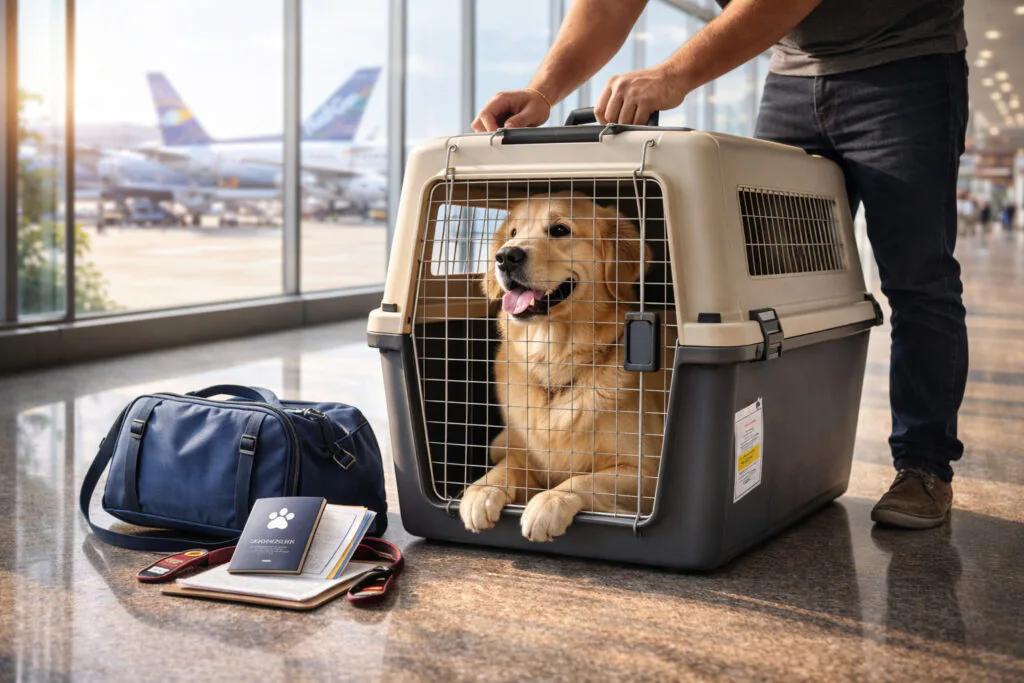
Si vous gérez tout vous-même :
- Services vétérinaires : 400-1 200 $
- Frais de la compagnie aérienne : 1 500-5 000 $ et plus
- Caisse de transport et accessoires : 100-400 $
- Transport terrestre : 200-800 $
- Quarantaine (si applicable) : 500-3 000 $ et plus
Total : 2 700-10 400 $ et plus
- Contrôle maximal
- Coût potentiellement inférieur
- Investissement de temps important, stress plus élevé
- Risque d’erreurs de documentation entraînant des retours ou des refus
Coûts des services professionnels de relocalisation d’animaux

Agences de relocalisation clés en main (gèrent tout) :
Frais de service : 500-2 500 $ (couvre souvent l’ensemble du processus) Coordination vétérinaire : Inclus Réservation et prise en charge de l’animal par la compagnie aérienne : Inclus Documentation : Inclus Transport terrestre : Inclus Total : 3 200-12 000 $ et plus (compagnies aériennes + services)
- Expertise, coordination, tranquillité d’esprit, moins d’erreurs
- Coût plus élevé ; moins de contrôle personnel
Services recommandés pour la relocalisation
Les services internationaux de relocalisation d’animaux les plus connus incluent :
- Airpets : Spécialisé dans les relocalisations long-courrier ; excellent bilan en matière de sécurité
- PetRelocation : Service complet ; couvre plus de 100 pays
- PetSmart PetsHotel : Services de relocalisation pour des distances plus courtes
- Cliniques vétérinaires locales avec partenariats de relocalisation : Souvent plus abordables pour les destinations proches
Stratégies pratiques pour réduire les coûts

Bien que la relocalisation internationale d’un animal de compagnie ne soit pas bon marché, plusieurs stratégies permettent de réduire les dépenses sans compromettre la sécurité ou le confort de votre animal.
1. Privilégier le voyage en cabine lorsque c’est possible
Si votre animal est suffisamment petit pour voyager en cabine avec vous, c’est nettement moins cher que l’expédition en fret :
- Économie : 1 000-4 000 $ par rapport au fret
- Limitation : limite de poids (généralement moins de 15 livres)
2. Voyager hors saison haute
Les compagnies aériennes ajustent les frais pour animaux selon la demande :
- Mois d’hiver (nov.-févr.) : frais pour animaux plus bas
- Mois d’été (juin-août) : frais pour animaux plus élevés
Économie potentielle : 20 à 30 % sur les frais aériens
3. Combiner les animaux avec des expéditions groupées
Certains transporteurs spécialisés proposent un espace de fret partagé pour plusieurs animaux :
- Idéal pour : les expéditions en fret vers des destinations populaires
- Économie : 15 à 25 % par rapport à une expédition individuelle
- Meilleure source : les services professionnels de relocalisation coordonnent souvent des expéditions groupées
4. Réduire la quarantaine grâce à une planification vaccinale
Un calendrier vaccinal approprié peut éliminer ou réduire la quarantaine :
- Coordination pré-vaccinale :
- Planifiez les vaccins 4 à 6 mois à l’avance si la destination exige des délais prolongés Test de titrage sanguin :
- Une preuve d’immunité peut parfois réduire la durée de la quarantaine
Économie : 1 000-3 000 $ en évitant la quarantaine
5. Planifier son déménagement en fonction des évolutions réglementaires
Certains pays mettent périodiquement à jour les exigences d’importation d’animaux — parfois pour les assouplir : Surveillez le ministère de l’Agriculture du pays de destination pour connaître les mises à jour réglementaires Les normes de documentation de l’UE peuvent évoluer ; rester informé permet d’éviter des coûts liés à des informations obsolètes
6. Envisager des solutions temporaires de garde d’animaux
Pour les relocalisations de courte durée ou les mutations professionnelles, des solutions temporaires peuvent être rentables :
- Pension pour animaux pendant la relocalisation
- Familles d’accueil temporaires dans le pays d’origine
- Relocalisation différée de l’animal (une fois installé)
Économie : peut faire économiser des milliers de dollars si le calendrier de relocalisation est incertain
Variations de coûts selon l’animal
Les différents animaux génèrent des coûts de relocalisation très variables. Comprendre le profil de coûts spécifique de votre animal aide à établir un budget précis.
Chiens

- Petits chiens (moins de 20 livres) : 1 500-3 500 $ (cabine ou mixte)
- Chiens moyens (20 à 50 livres) : 3 500-6 500 $ (fret obligatoire)
- Grands chiens (plus de 50 livres) : 5 000-9 000 $ et plus (fret ; restrictions de race possibles)
Remarque particulière : les races brachycéphales (bouledogues, carlins) sont souvent interdites d’expédition en fret en raison de problèmes respiratoires ; elles doivent voyager en cabine
Chats

- Chat unique : 1 500-3 000 $ (généralement en cabine)
- Plusieurs chats : 2 000-4 000 $ (selon la politique de la compagnie aérienne ; certaines en autorisent plusieurs en cabine)
Avantage : généralement l'animal le moins coûteux à relocaliser
Oiseaux et animaux exotiques
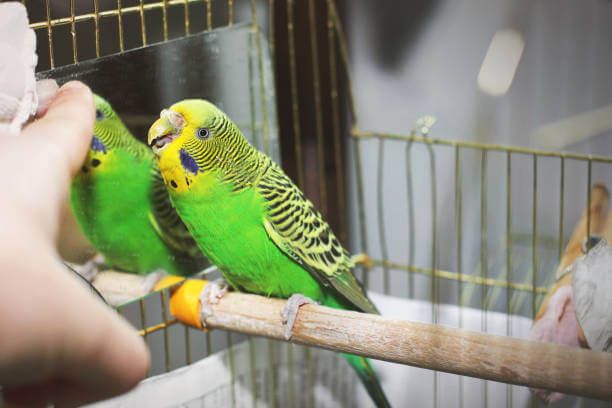
- Petits oiseaux (perroquets, etc.) : 2 000-4 000 $
- Lapins/petits rongeurs : 1 500-3 500 $
- Reptiles : 2 500-5 500 $ (très spécialisé ; transporteurs limités)
Défi : moins d'options de compagnie aérienne ; exigences de documentation spécialisées
Calendrier : planifier la relocalisation internationale de votre animal
Un bon calendrier est essentiel pour une relocalisation réussie. Commencez à planifier 3 à 4 mois avant votre déménagement.
6 à 8 semaines avant le voyage
- Rechercher les exigences d'importation d'animaux du pays de destination Prendre rendez-vous vétérinaire pour un examen de santé Obtenir un permis d'importation du pays de destination (si requis) Commencer à rechercher des compagnies aériennes et des services de relocalisation d'animaux Vérifier que la puce de l'animal est conforme à la norme ISO et enregistrée
4 à 6 semaines avant le voyage
- Organiser la vaccination antirabique et les vaccins requis Commander une cage de transport approuvée par l'IATA (si expédié en fret) Réserver le vol et organiser le transport de l'animal Finaliser le service de relocalisation d'animaux (si utilisé) Commencer à organiser l'installation de quarantaine (si requise)
2 semaines avant le voyage
- Planifier l'examen pour le certificat sanitaire d'exportation Confirmer que toute la documentation est complète et correcte Préparer les articles de confort de l'animal (jouets, litière, nourriture pour la transition) Organiser le transport terrestre vers l'aéroport Vérifier une dernière fois les politiques animales de la compagnie aérienne
Semaine du voyage
- Effectuer une dernière consultation vétérinaire si nécessaire S'assurer que toute la documentation accompagne l'animal ou est envoyée à destination Informer le vétérinaire de destination de l'historique de santé de votre animal Confirmer les arrangements de l'installation de quarantaine
Liste de contrôle essentielle : ce dont vous aurez besoin
Cette liste de contrôle garantit que vous n'omettez aucune documentation critique ni aucune étape de préparation.
Documentation sanitaire et médicale
Certificat de vaccination antirabique en cours Rapport d'examen de santé (dans les 10 jours précédant le voyage) Certificat sanitaire signé par un vétérinaire agréé par l'USDA Documents d'enregistrement de la puce (preuve d'enregistrement ISO) Dossiers de vaccination pour tous les vaccins requis Permis d'importation du pays de destination (le cas échéant) Résultats d'analyse sanguine (sérologie de la rage, si requis par la destination) Passeport européen pour animal de compagnie (pour les destinations UE) ou équivalent
Voyage et logistique
Cage ou caisse de transport approuvée par l'IATA (si expédié en fret) Confirmation de réservation de l'animal auprès de la compagnie aérienne Contrat de service de relocalisation d'animaux (si utilisé) Confirmation de l'installation de quarantaine à destination (le cas échéant) Arrangements de transport terrestre (enlèvement/livraison) Itinéraire de voyage et informations de vol
Soins et confort de l'animal
Nourriture habituelle (en quantité suffisante pour la période de transition) Médicaments ou fournitures spéciales Articles de confort (jouet préféré, couverture portant l'odeur de la maison) Étiquettes d'identification mises à jour avec l'adresse/téléphone de destination Photo récente de l'animal (pour identification si nécessaire)
Erreurs courantes à éviter
Apprendre des expériences de relocalisation des autres vous aide à éviter des erreurs coûteuses et des retards.
| Erreur | Problème | Comment éviter |
|---|---|---|
| 1. Documentation incomplète ou incorrecte | Des signatures manquantes, des dates de vaccination erronées ou des certificats de santé incomplets entraînent des retards douaniers ou un refus. | Vérifiez tous les documents avec les exigences officielles du pays de destination. Demandez à votre vétérinaire de confirmer que les documents sont complets avant le voyage. |
| 2. Planification de quarantaine insuffisante | Sous-estimer les exigences de quarantaine ou les coûts d'installation entraîne des dépassements de budget. | Réservez les installations de quarantaine 4 à 6 semaines à l'avance. Confirmez les exigences de durée directement auprès du département agricole de destination. |
| 3. Mauvais choix de compagnie aérienne ou de transporteur | Choisir une compagnie aérienne sans bonnes pratiques de transport d'animaux entraîne du stress, des retards ou des scénarios catastrophes. | Utilisez des transporteurs spécialisés et des compagnies aériennes ayant fait leurs preuves en relocalisation d'animaux. Consultez les avis des forums d'expatriés spécifiques à votre destination. |
| 4. Mauvaise planification de l'arrivée de l'animal | L'animal arrive alors que vous n'êtes pas encore installé, créant des problèmes de logement ou de garde. | Planifiez la relocalisation de l'animal pour qu'il arrive après que vous ayez trouvé un logement et soyez prêt à l'accueillir. Certaines personnes retardent la relocalisation de 1 à 2 semaines après leur propre arrivée. |
| 5. Négliger les restrictions liées à la race | Certains pays restreignent certaines races ; certaines compagnies aériennes refusent les chiens brachycéphales (à face plate). | Vérifiez les restrictions de race 4 mois ou plus à l'avance. Prévoyez un transport alternatif si nécessaire (par ex. voyage en cabine plutôt qu'en fret). |
| 6. Sous-estimer le stress de transition | L'animal arrive désorienté ; un aménagement domestique inadéquat provoque des problèmes de comportement. | Préparez un espace dédié avec des objets familiers. Organisez une consultation vétérinaire dans le pays de destination dès la première semaine. Soyez patient pendant la période d'adaptation de 2 à 4 semaines. |
Évaluation : relocaliser votre animal ou envisager d'autres options
| Facteur/Options | Relocaliser votre animal | Refamiliation | Garde/famille d'accueil temporaire |
|---|---|---|---|
| Coût | 1 500-10 000 $+ | 0 $ (coût émotionnel important) | 2 000-6 000 $ pour des périodes prolongées |
| Bien-être de l'animal | L'animal reste avec la famille | Incertain ; dépend du nouveau foyer | Stress de séparation temporaire |
| Calendrier | Planification sur 3-4 mois | De quelques jours à quelques semaines | Flexible ; variable |
| Impact émotionnel | Maintient la famille unie | Séparation permanente ; manque | Temporaire ; réunion prévue |
| Faisabilité pratique | Nécessite de la préparation ; réalisable | Forte barrière émotionnelle pour la plupart | Idéal pour les déménagements temporaires |
| Liens à long terme | La famille maintient la relation | Relation perdue | Relation préservée |
CONSEILS D'EXPERT ET AVERTISSEMENTS IMPORTANTS
Exemple réel de relocalisation
Scénario : Une famille américaine déménage avec un chien de 11 kg vers Londres, Royaume-Uni
| Dépense | Coût |
|---|---|
| Examen vétérinaire et certificat de santé | 300 $ |
| Vaccination antirabique (si nécessaire) + rappel DHPP | 150 $ |
| Enregistrement de la puce | 75 $ |
| Permis d'importation d'animal (Royaume-Uni) | 100 $ |
| Cage de transport IATA | 200 $ |
| Frais de fret animal en compagnie aérienne (service mixte) | 500 $ |
| Coordination du service de relocalisation d'animaux | 600 $ |
| Transport terrestre (enlèvement/livraison) | 300 $ |
| Quarantaine (non requise avec les documents appropriés) | 0 $ |
| TOTAL | 2 225 $ |
FOIRE AUX QUESTIONS
Foire aux questions
Puis-je emporter mon animal de compagnie dans mes bagages à main lors de vols internationaux ?
Pas sur la plupart des vols internationaux. Les petits animaux (moins de 10-15 lbs) peuvent voyager en bagage de cabine sur certains vols intérieurs de certaines compagnies aériennes, mais les long-courriers internationaux exigent généralement que les animaux voyagent dans des cabines séparées pour animaux ou en fret. Vérifiez la politique spécifique de votre compagnie aérienne avant la réservation.
Quel est le pays le plus facile pour déménager avec des animaux de compagnie ?
Les pays les plus faciles pour la relocalisation avec des animaux de compagnie se trouvent au sein de l'Union européenne ou Canad. Grâce à des exigences d'entrée standardisées — comme une puce électronique, un vaccin antirabique et un passeport européen pour animal de compagnie — vous pouvez éviter les quarantaines obligatoires ou les analyses de titrage complexes. [
Existe-t-il des pays qui n'acceptent pas du tout la relocalisation d'animaux de compagnie ?
La plupart des pays acceptent les animaux de compagnie avec une documentation appropriée, mais certains ont des exigences extrêmement strictes (Australie, Nouvelle-Zélande, Japon) que beaucoup jugent impraticables. Quelques nations insulaires imposent des interdictions totales pour des raisons de biosécurité, mais celles-ci sont rares. Renseignez-vous minutieusement sur les exigences d'importation de votre destination au moins 4 mois à l'avance.
Combien de temps dure généralement la quarantaine ?
La durée de la quarantaine varie considérablement selon le pays : UE = 0 jour (avec une documentation appropriée) ; UK = 0 jour ; Canada = 0 jour ; Australie = 10-14 jours ; Japon = 0-180 jours (selon la destination) ; Hong Kong = 0-28 jours. Confirmez toujours la durée spécifique auprès du ministère de l'Agriculture de votre pays de destination.
Puis-je voler moi-même avec mon animal de compagnie, ou dois-je utiliser un service de relocalisation ?
Vous pouvez coordonner vous-même la relocalisation sur de courtes distances (États-Unis vers Canada, au sein de l'UE), mais les relocalisations internationales long-courriers bénéficient de services professionnels en raison de la complexité et des exigences de documentation. Le faire soi-même fonctionne si vous voyagez avec votre animal en cabine ; le fret et l'expédition spécialisée bénéficient d'une prise en charge professionnelle pour éviter les erreurs.
Existe-t-il une assurance pour la relocalisation d'animaux de compagnie ?
Certains services de relocalisation d'animaux et certaines compagnies aériennes proposent une couverture en cas de perte, de blessure ou de décès pendant le transport, bien que la couverture soit souvent limitée. La plupart des assurances pour expatriés ne couvrent pas les frais de relocalisation d'animaux de compagnie. Renseignez-vous auprès de votre assureur sur les options de couverture et examinez attentivement les détails de la police avant tout achat.
Quelle est la différence entre un certificat sanitaire et un passeport pour animal de compagnie ?
Un certificat sanitaire est un document unique délivré par un vétérinaire pour un trajet spécifique. Un passeport pour animal de compagnie (UE/UK) est un document de voyage officiel délivré par les autorités, valable pour plusieurs trajets au sein de l'UE. Certains pays acceptent l'un, d'autres exigent l'autre, et certains exigent les deux. Vérifiez les exigences spécifiques de votre destination suffisamment tôt.
Que faire si mon animal de compagnie a des problèmes de santé ou de l'anxiété pendant le voyage ?
Informez votre vétérinaire et votre compagnie aérienne à l'avance. Des médicaments contre l'anxiété peuvent être prescrits, bien que la sédation ne soit pas recommandée pour le transport en fret. Certains vétérinaires conseillent un « entraînement » préalable au vol en habituant les animaux aux caisses de transport et aux bruits de voyage. Les services professionnels de relocalisation d'animaux gèrent les animaux anxieux avec plus de précaution et peuvent coordonner des soins particuliers.
Comment puis-je réduire le stress émotionnel de mon animal de compagnie pendant la relocalisation ?
Une habituation progressive à la cage plusieurs semaines avant le départ, le maintien des routines habituelles, l'utilisation de produits à base de phéromones apaisantes (Feliway pour les chats, Adaptil pour les chiens) et une arrivée anticipée pour préparer leur nouvel espace aident tous considérablement. Après l'arrivée, rétablissez rapidement une routine et envisagez une consultation vétérinaire au cours de la première semaine pour surveiller le niveau de stress et garantir une transition en toute sécurité.
Tag : Expédition d'animaux de compagnie à l'étranger, Coûts de relocalisation d'animaux de compagnie, Déménager à l'étranger avec des animaux de compagnie, Transport d'animaux de compagnie par voie aérienne, Transport international d'animaux de compagnie, Réglementations de quarantaine pour animaux de compagnie, Relocalisation d'animaux de compagnie à l'étranger, Déménagement international avec des animaux et Exigences d'importation d'animaux de compagnie