
Rumanía es uno de los destinos más infravalorados de Europa para expatriados: un país donde los antiguos paisajes cárpaticos conviven con un sector tecnológico en pleno auge, donde el coste de vida es una fracción del de Europa Occidental y donde una hospitalidad legendaria hace que los recién llegados se sientan bienvenidos desde el primer día. Tanto si le atraen las oportunidades profesionales en Bucarest o Cluj-Napoca, el encanto de las aldeas transilvanas o, simplemente, el atractivo de una conexión rápida a Internet y un nivel de vida asequible, esta guía cubre todos los pasos para mudarse a Rumanía en 2026. Desde visados y permisos de residencia hasta sanidad, banca, vivienda e integración cultural, encontrará información práctica y actualizada para planificar su mudanza con confianza.
Rumanía de un vistazo

- Población
- ~19 millones
- Capital
- Bucarest
- Moneda
- Leu rumano (RON) — Rumanía aún no ha adoptado el euro
- Salario medio
- ~9.000 RON brutos / ~6.000 RON netos al mes (~1.200 € netos)
- Idioma
- Rumano (de base latina, no eslava); el inglés está muy extendido en las ciudades y entre las generaciones más jóvenes
- Clima
- Continental templado — inviernos fríos, veranos cálidos; las regiones montañosas registran abundantes nevadas
- Huso horario
- EET (UTC+2), EEST (UTC+3 en verano)
- Miembro de la UE
- Sí (desde 2007); miembro pleno de Schengen desde el 1 de enero de 2025 (vía aérea/marítima desde el 31 de marzo de 2024)
- Internet
- Entre las más rápidas del mundo
Por qué mudarse a Rumanía en 2026
- Extremadamente asequible: Rumanía sigue siendo uno de los países de la UE menos costosos. El alquiler, la compra, comer fuera y el transporte cuestan significativamente menos que en Europa Occidental, lo que permite un nivel de vida cómodo con un salario moderado.
- Polo tecnológico en auge: Cluj-Napoca y Bucarest se han convertido en grandes centros tecnológicos europeos, atrayendo a empresas multinacionales y startups con salarios competitivos y un amplio talento disponible.
- Ventajas de ser miembro de la UE: Como Estado miembro de la UE, Rumanía ofrece libre circulación y residencia simplificada para todos los ciudadanos de la UE/EEE, además de acceso a la reciprocidad sanitaria en toda la UE a través del sistema EHIC.
- Internet de primer nivel: Rumanía se sitúa sistemáticamente entre los países con la conexión a Internet más rápida del mundo, con una amplia cobertura de fibra óptica incluso en ciudades más pequeñas, lo que la convierte en un gran atractivo para trabajadores remotos y nómadas digitales.
- Paisajes naturales impresionantes: Los Cárpatos, el delta del Danubio (Reserva de la Biosfera de la UNESCO), la costa del mar Negro y extensos bosques ofrecen experiencias al aire libre que rivalizan con cualquier destino europeo.
- Segura y acogedora: Rumanía tiene tasas de criminalidad bajas según los estándares europeos y una cultura de profunda hospitalidad. No es raro que inviten a los desconocidos a tomar un café o a comer, especialmente fuera de las grandes ciudades.
Costes de la mudanza a Rumanía
Los costes de reubicación varían según el lugar de origen, el volumen del envío y el medio de transporte. A continuación se indican las tarifas habituales del mercado a principios de 2026:
| Origen | Rango de coste estimado | Contenedor/Volumen |
|---|---|---|
| Europa Occidental (Reino Unido, Alemania, Francia) | 1.200 €–3.000 € | Contenedor de 20 pies (compartido o completo) |
| Norteamérica (EE. UU., Canadá) | 2.500 €–5.500 € | Contenedor de 20 a 40 pies |
| Asia (China, India) | 2.000 €–4.500 € | Contenedor de 20 a 40 pies |
| Dentro de Europa del Este | 500 €–1.500 € | Carga parcial o completa |
Desglose de costes
- Transporte: 600 €–2.500 € según la distancia y si se utiliza transporte por carretera, marítimo o aéreo.
- Seguro: 80 €–300 € de seguro de transporte que cubre pérdida o daños durante el envío.
- Despacho de aduanas: 100 €–400 € en concepto de documentación, intermediación y tasas de inspección. Se exonera en el caso de efectos personales libres de impuestos.
- Material de embalaje: 50 €–200 € para cajas, envoltorios y materiales de protección, si no están incluidos en el servicio de mudanzas.
- Almacenamiento (si es necesario): 50 €–150 € al mes por almacenamiento a corto plazo en un almacén en Rumanía.
- Gastos administrativos: 50 €–150 € por traducciones notariales, apostillas y tramitación de documentos.
¿Necesita un presupuesto personalizado?
Reciba tres presupuestos de empresas de mudanzas verificadas en menos de 48 horas.
Requisitos de visado y residencia
Las normas de inmigración de Rumanía varían significativamente según si usted es ciudadano de la UE/EEE o nacional de un tercer país. Como miembro de la UE, Rumanía concede una amplia libertad de circulación a los ciudadanos europeos, mientras que mantiene categorías de permisos estructuradas para el resto.
Para ciudadanos de la UE/EEE
Los ciudadanos de la UE y del EEE no necesitan visado para entrar, residir o trabajar en Rumanía. Pueden permanecer libremente hasta 90 días con un documento de identidad o pasaporte en vigor. Para estancias superiores a 90 días, deben registrarse en la Inspectoratul General pentru Imigrări (IGI) local — la Inspección General de Inmigración rumana — y obtener un certificado de registro (certificat de înregistrare).
Requisitos para el registro:
- Pasaporte o documento nacional de identidad en vigor
- Justificante de empleo, trabajo por cuenta propia, estudios o recursos económicos suficientes
- Justificante de seguro de enfermedad (EHIC o póliza rumana)
- Justificante de domicilio (contrato de alquiler o propiedad)
El certificado de registro se emite normalmente en un plazo de 30 días y es válido por un máximo de cinco años.
Para nacionales de terceros países: principales categorías de visado
Permiso de trabajo y visado de larga duración (D/AM)
- Requisitos: una oferta de trabajo de un empleador rumano que haya obtenido un permiso de trabajo de la IGI. El empleador debe demostrar que no había ningún candidato adecuado de la UE/EEE para el puesto.
- Plazo de tramitación: 30–60 días para el permiso de trabajo; 10–30 días para el visado tras la aprobación del permiso.
- Duración: hasta un año, renovable. Tras cinco años continuados, puede solicitar la condición de residente de larga duración.
- Datos clave: el permiso de trabajo está vinculado a un empleador y puesto concretos. Cambiar de trabajo requiere una nueva solicitud de permiso.
Visado de nómada digital (D/AS)
- Requisitos: Empleo o propiedad de una empresa registrada fuera de Rumanía. Ingresos mínimos de aproximadamente 3.700 €/mes (tres veces el salario medio bruto rumano). Seguro médico válido.
- Plazo de tramitación: 10–30 días.
- Duración: Hasta un año, renovable por un año adicional.
- Detalles clave: Diseñado para trabajadores remotos que no prestan servicios a clientes rumanos. Cada vez más popular gracias a la rápida conexión a internet y al bajo coste de vida de Rumanía.
Visado de estudiante (D/SD)
- Requisitos: Carta de aceptación de una institución educativa rumana, justificante del pago de la matrícula o beca, justificante de medios económicos (mínimo ~2.500 €/año) y seguro médico.
- Plazo de tramitación: 10–30 días.
- Duración: Corresponde a la duración del programa de estudios, renovable anualmente.
- Detalles clave: Los estudiantes pueden trabajar a tiempo parcial (hasta cuatro horas al día) sin necesidad de un permiso de trabajo independiente.
Visado de reagrupación familiar (D/VF)
- Requisitos: Justificante del vínculo familiar (cónyuge, hijo menor, padre dependiente) con un ciudadano rumano o residente legal. Vivienda adecuada y medios económicos suficientes.
- Plazo de tramitación: 30–60 días.
- Duración: Coincide con el período del permiso de residencia del patrocinador.
- Detalles clave: El familiar residente en Rumanía inicia la solicitud ante la IGI; el visado se expide luego en el consulado en el extranjero.
Visado de trabajo autónomo/empresarial (D/PF)
- Requisitos: Plan de negocio, justificante del capital de inversión, registro de una empresa rumana (SRL o PFA) y justificante de cualificaciones en el ámbito correspondiente.
- Plazo de tramitación: 30–60 días.
- Duración: Hasta un año, renovable.
- Detalles clave: Popular entre los autónomos que se registran como PFA (Persoană Fizică Autorizată) — empresario individual — o los emprendedores que constituyen una SRL (Societate cu Răspundere Limitată) — sociedad de responsabilidad limitada.
Obtención del CNP (Código Numérico Personal)
El CNP (Cod Numeric Personal) — Código Numérico Personal — es el número de identificación único de 13 dígitos que se asigna a cada residente en Rumanía. Es la columna vertebral de la burocracia rumana y resulta imprescindible para prácticamente todas las gestiones oficiales.
¿Qué es el CNP?
El CNP codifica su fecha de nacimiento, sexo y región de registro. Es similar al Número de la Seguridad Social en Estados Unidos o al National Insurance Number en el Reino Unido. Sin un CNP no puede trabajar legalmente, pagar impuestos, abrir una cuenta bancaria, inscribirse en el seguro médico ni firmar muchos contratos.
Cómo obtener un CNP
Ciudadanos de la UE: Se les asigna un CNP automáticamente al recibir el certificado de registro de la IGI.
Nacionales de fuera de la UE: Se les expide un CNP cuando su visado de larga duración o permiso de residencia es aprobado. La IGI lo asigna durante la fase de tramitación del permiso.
Documentos necesarios
- Pasaporte en vigor
- Visado de larga duración o permiso de residencia (para nacionales de fuera de la UE)
- Certificado de registro (para ciudadanos de la UE)
- Justificante de domicilio en Rumanía
Cuándo lo recibirá
- Ciudadanos de la UE: En el momento del registro, normalmente en un plazo de 1–2 semanas desde la solicitud.
- Nacionales de fuera de la UE: Impreso en la tarjeta de permiso de residencia, por lo general en un plazo de 30 días desde la llegada y el registro.
Buscar vivienda en Rumanía
El mercado de alquiler de Rumanía es dinámico y relativamente asequible según los estándares europeos, con una fuerte concentración en sus cinco ciudades principales: Bucarest, Cluj-Napoca, Timișoara, Iași y Brașov. La mayoría de los pisos se alquilan sin amueblar o semi-amueblados, aunque existen opciones amuebladas con un sobreprecio. Las protecciones para el inquilino son moderadas: los contratos son exigibles, pero el mercado está menos regulado que en Europa Occidental.
Alquileres medios por ciudad principal (2026)
| Ciudad | 1 dormitorio (centro de la ciudad) | 3 dormitorios (centro de la ciudad) | Competitividad del mercado |
|---|---|---|---|
| Bucarest | 2.500–3.200 RON (500–640 €) | 4.000–6.000 RON (800–1.200 €) | Alta |
| Cluj-Napoca | 2.200–3.000 RON (440–600 €) | 3.500–5.500 RON (700–1.100 €) | Alta |
| Timișoara | 1.800–2.500 RON (360–500 €) | 2.800–4.500 RON (560–900 €) | Moderada |
| Iași | 1.500–2.200 RON (300–440 €) | 2.500–4.000 RON (500–800 €) | Moderada |
| Brașov | 1.800–2.600 RON (360–520 €) | 3.000–4.500 RON (600–900 €) | Moderada |
Terminología del alquiler en Rumanía
- Chirie: término general para «alquiler».
- Utilități: Servicios — electricidad, gas, agua y gastos de mantenimiento del edificio. Normalmente se pagan aparte del alquiler y no están incluidos en el precio anunciado.
- Garantie: Depósito de garantía, generalmente de 1 a 2 meses de alquiler. Se devuelve al final del contrato menos los posibles daños.
- Contract de închiriere: El contrato de arrendamiento formal. Exija siempre un contrato por escrito: los acuerdos verbales ofrecen escasa protección legal.
Cómo buscar vivienda
Plataformas en línea:
- Imobiliare.ro: El mayor portal inmobiliario rumano, con amplios listados de alquiler en todas las ciudades.
- OLX.ro: Plataforma de anuncios clasificados con una amplia sección inmobiliaria; ideal para encontrar propietarios particulares.
- Storia.ro: Plataforma moderna de búsqueda de propiedades con filtros por mapa y anuncios verificados.
- Grupos de Facebook: Los grupos orientados a expatriados, como «Expats in Bucharest» y «Apartments for Rent in Cluj-Napoca», son muy activos.
Recursos locales:
- Agencias imobiliare (inmobiliarias): Agentes tradicionales que cobran una comisión del 50 al 100 % de una mensualidad de alquiler, a cargo del inquilino.
- Boca a boca: Especialmente en las ciudades más pequeñas, las recomendaciones personales de compañeros de trabajo o vecinos son una forma habitual de encontrar alquileres de calidad.
Consejos para extranjeros que buscan vivienda
- Visite siempre el piso en persona antes de firmar el contrato: las fotos pueden ser engañosas.
- Confirme si las utilități están incluidas en el alquiler o se pagan aparte.
- Solicite un contract de închiriere y compruebe que el propietario es el titular legal o un representante autorizado.
- Negocie: los alquileres publicados, especialmente en OLX, suelen tener margen para una reducción del 5–10%.
- Prevea presupuesto para la garantie (fianza) más el primer mes de alquiler por adelantado; necesitará ambos antes de mudarse.
Contrato de alquiler y protección legal
Los contratos de alquiler rumanos están regulados por el Código Civil. Los contratos estándar tienen una duración de 12 meses con renovación automática, salvo que alguna de las partes notifique por escrito con 30–60 días de antelación. Los propietarios deben devolver la fianza en un plazo de 30 días desde la finalización del contrato, menos las deducciones justificadas por daños. En caso de disputa, los inquilinos pueden recurrir a los tribunales locales (judecătorie).
Advertencia: estafas en el alquiler
Tenga cuidado con los anuncios que exigen pago antes de visitar la propiedad, propietarios que afirman estar en el extranjero y no pueden mostrar el piso, o precios significativamente inferiores al valor de mercado. Verifique siempre la identidad del propietario y los documentos de titularidad (un certificat de proprietate o extras de carte funciară — certificado registral) antes de transferir dinero.
Sanidad y seguros
El sistema sanitario de Rumanía es un modelo de doble nivel: un sistema público obligatorio financiado a través del CNAS (Casa Națională de Asigurări de Sănătate) — Caja Nacional de Seguros de Salud — y un sector privado en crecimiento. La sanidad pública es gratuita en el punto de uso para todos los residentes asegurados, pero los tiempos de espera pueden ser largos y la infraestructura varía. Muchos expatriados complementan la cobertura pública con un seguro privado para obtener un acceso más rápido y instalaciones de mayor calidad.
Seguro de salud público
CNAS
- Coste: 10% del salario bruto (aportación del empleado). Los empleadores lo deducen automáticamente. Los autónomos pagan el 10% de los ingresos declarados.
- Cobertura: consultas de medicina general, derivaciones a especialistas, estancias hospitalarias, urgencias, asistencia materno-infantil y medicamentos subvencionados.
- Elegibilidad: todos los empleados, pensionistas, estudiantes y residentes a largo plazo con un CNP válido. Los ciudadanos de la EU pueden utilizar la EHIC (Tarjeta Sanitaria Europea) para estancias temporales.
- Ideal para: cualquier persona que trabaje legalmente en Rumanía; es obligatorio, no opcional.
Seguro de salud privado
- Coste: 500–2.000 €/año según la edad, el nivel de cobertura y la aseguradora.
- Cobertura: acceso más rápido a especialistas, habitaciones individuales en hospitales privados, odontología y, en ocasiones, cobertura internacional.
- Elegibilidad: disponible para todos los residentes, independientemente de su situación laboral.
- Ideal para: expatriados que desean menores tiempos de espera, médicos de habla inglesa y acceso a clínicas privadas modernas.
Principales aseguradoras
- MedLife: una de las mayores redes sanitarias privadas de Rumanía, con clínicas y hospitales en las principales ciudades.
- Regina Maria: proveedor sanitario privado de alta gama, conocido por sus instalaciones modernas y personal de habla inglesa.
- Sanador: prestigiosa red de hospitales y clínicas privadas con paquetes de seguros competitivos.
Tramitación de la cobertura sanitaria (cronología)
-
Obtenga su CNP tras el registro o la aprobación del visado.
-
Si es empleado, su empleador lo registrará en el CNAS; las cotizaciones comienzan con su primer salario.
-
Si es autónomo, regístrese directamente en su Casa de Asigurări de Sănătate local (CAS — Caja Comarcal de Seguros de Salud) y abone las cotizaciones trimestrales.
-
Elija un médico de cabecera (medic de familie) en cualquier centro público; debe registrarse con uno para acceder a la asistencia no urgente.
-
Opcionalmente, contrate un seguro de salud privado con MedLife, Regina Maria o Sanador para obtener cobertura complementaria.
Gastos a cargo del paciente
- Consulta de medicina general (clínica privada): 150–300 RON (30–60 €)
- Consulta especializada (privada): 200–500 RON (40–100 €)
- Recetas: generalmente subvencionadas por el CNAS; los precios privados varían
- Limpieza dental (privada): 200–400 RON (40–80 €)
- Estancia hospitalaria (privada): 500–1.500 RON/día (100–300 €)
Obtenga un plan de reubicación personalizado
Introduzca su correo electrónico y le enviaremos una lista de verificación adaptada junto con tres presupuestos de empresas de mudanzas verificadas.
Banca y finanzas
El sector bancario de Rumanía es moderno y competitivo, con una amplia adopción de la banca digital. Abrir una cuenta es sencillo para los residentes, y la mayoría de los bancos ofrecen servicios en inglés. Tenga en cuenta que Rumanía utiliza el leu (RON), en plural lei, y aún no ha adoptado el euro; todas las transacciones y contratos se realizan en RON.
Apertura de una cuenta bancaria
- Cuándo: tan pronto como tenga su CNP y un comprobante de domicilio; idealmente, durante las dos primeras semanas tras su llegada.
- Documentos necesarios: pasaporte en vigor, CNP, comprobante de domicilio (contrato de alquiler) y permiso de residencia (para nacionales de países ajenos a la EU).
- Mejores bancos para expatriados:
- Banca Transilvania (BT): el mayor banco de Rumanía por activos, conocido por sus comisiones competitivas y una sólida aplicación de banca digital.
- BCR (Banca Comercială Română): parte del grupo Erste, con una extensa red de sucursales y servicio en inglés.
- BRD – Groupe Société Générale: muy popular entre profesionales, con buenos servicios de transferencias internacionales.
- ING Bank Romania: el favorito de los expatriados por su aplicación intuitiva, bajas comisiones y atención al cliente en inglés.
- Raiffeisen Bank: banco fiable de servicios completos con buena cobertura de sucursales y banca por internet.
El sistema crediticio rumano (BC / Biroul de Credit)
Rumanía cuenta con un sistema de información crediticia gestionado por el Biroul de Credit (BC) — Oficina de Crédito. Los bancos informan sobre el pago de préstamos, el uso de tarjetas de crédito y los impagos. Como recién llegado, comenzará con un historial en blanco. Para construir un historial positivo necesitará solicitar un pequeño préstamo o una tarjeta de crédito y realizar pagos puntuales de forma constante. La mayoría de los bancos consultarán su registro en el BC antes de aprobar hipotecas o préstamos importantes.
Obtención del número de identificación fiscal
- Qué es: su CNP funciona también como número de identificación fiscal en Rumanía. En determinados contextos empresariales, las empresas reciben un CUI independiente (Cod Unic de Identificare) — Código Único de Identificación.
- Cuándo se emite: en el momento del registro de residencia o la aprobación del visado.
- Por qué lo necesita: es obligatorio para los contratos laborales, la declaración de impuestos, la apertura de cuentas bancarias y la firma de contratos de suministros.
Características y costes de las cuentas bancarias
- Comisión mensual de mantenimiento: 0–15 RON (0–3 €) según el banco y el tipo de cuenta
- Tarjeta de débito: normalmente gratuita o incluida con la cuenta
- Tarjeta de crédito: disponible tras 3–6 meses de historial de la cuenta; comisión anual de 50–200 RON
- Transferencias internacionales (SEPA): gratuitas o con comisiones mínimas dentro de la EU
- Transferencias internacionales (fuera de la EU): 0,1–1% del importe transferido, varía según el banco
Cultura de pago
Los pagos con tarjeta están muy extendidos en las ciudades rumanas; Visa y Mastercard se aceptan en casi todos los establecimientos. Los pagos contactless y mediante móvil (Apple Pay, Google Pay) son cada vez más populares. Sin embargo, las tiendas pequeñas, los mercados rurales y algunos taxis pueden seguir aceptando solo efectivo. Los cajeros automáticos son abundantes en todas las ciudades. Es recomendable llevar algo de efectivo en lei, especialmente fuera de los principales núcleos urbanos.
Coste de vida en Rumanía
Rumanía es uno de los países más asequibles de la Unión Europea. Aunque los salarios son más bajos que en Europa Occidental, el bajo coste de la vivienda, la alimentación y el transporte permite que la renta disponible rinda mucho más, especialmente para los trabajadores remotos que cobran en euros o dólares.
Desglose del presupuesto mensual por ciudad
| Ciudad | Presupuesto individual | Presupuesto familiar (3 personas) | Nivel de coste |
|---|---|---|---|
| Bucarest | 4.500–6.500 RON (900–1.300 €) | 9.000–14.000 RON (1.800–2.800 €) | Moderado |
| Cluj-Napoca | 4.000–6.000 RON (800–1.200 €) | 8.000–13.000 RON (1.600–2.600 €) | Moderado |
| Timișoara | 3.500–5.500 RON (700–1.100 €) | 7.500–11.000 RON (1.500–2.200 €) | Bajo–Moderado |
| Iași | 3.200–5.000 RON (640–1.000 €) | 7.000–10.000 RON (1.400–2.000 €) | Bajo |
| Brașov | 3.500–5.500 RON (700–1.100 €) | 7.500–11.000 RON (1.500–2.200 €) | Bajo–Moderado |
Desglose detallado de costes
Vivienda:
- Apartamento de 1 dormitorio (centro de la ciudad): 2.200–3.200 RON (440–640 €)
- Apartamento de 3 dormitorios (centro de la ciudad): 3.500–6.000 RON (700–1.200 €)
- Servicios (electricidad, gas, agua, calefacción): 500–900 RON (100–180 €) al mes
- Internet (fibra, 1 Gbps): 40–80 RON (8–16 €) — de los más baratos y rápidos de Europa
Comestibles y alimentación:
- Compra semanal (1 persona): 250–450 RON (50–90 €)
- Comida en restaurante (informal): 40–80 RON (8–16 €)
- Comida en restaurante (gama media, dos platos): 80–160 RON (16–32 €)
- Café (expreso): 8–15 RON (1,60–3 €)
Transporte:
- Abono mensual de transporte público: 70–125 RON (14–25 €)
- Taxi / viaje en aplicación (10 km): 20–40 RON (4–8 €)
- Gasolina (1 litro): 7–9 RON (1,40–1,80 €)
- Seguro de coche (anual, básico): 600–1.200 RON (120–240 €)
Seguros y sanidad:
- Cotización al CNAS (empleado): 10 % del salario bruto — se descuenta automáticamente
- Seguro de salud privado: 2.500–10.000 RON/año (500–2.000 €)
Ocio y entretenimiento:
- Membresía de gimnasio: 100–250 RON/mes (20–50 €)
- Entrada de cine: 25–45 RON (5–9 €)
- Servicios de streaming (Netflix, HBO Max): 30–55 RON/mes (6–11 €)
Comparación con otros países
- vs Alemania: 40–55 % más barato en general, con alquileres aproximadamente un 60 % más bajos.
- vs Reino Unido: 50–65 % más barato, especialmente en vivienda y restauración.
- vs España: 20–35 % más barato, especialmente en alimentación y transporte.
- vs Polonia: Comparable; Rumanía es algo más barata en alquiler, pero los costes de alimentación son similares.
Consejos de idioma y cultura
¿Necesita saber rumano?
El rumano es imprescindible para los trámites burocráticos cotidianos, tratar con propietarios de vivienda en ciudades más pequeñas e integrarse plenamente en la vida social. En Bucarest, Cluj-Napoca y Timișoara, el inglés está muy extendido entre los jóvenes, en el sector tecnológico y en las empresas internacionales. Sin embargo, en las oficinas gubernamentales, los consultorios médicos y entre muchos residentes mayores se habla poco o nada de inglés. Aprender al menos un rumano conversacional mejorará enormemente su experiencia.
Idioma rumano: datos clave
El rumano es una lengua romance: evolucionó del latín, al igual que el francés, el italiano, el español y el portugués. A pesar de la situación geográfica de Rumanía en Europa del Este, el rumano no es una lengua eslava, aunque ha absorbido parte del vocabulario eslavo a lo largo de los siglos. Utiliza el alfabeto latino, lo que lo hace más accesible para los hablantes de Europa occidental que el búlgaro, el serbio o el ruso.
Niveles del idioma rumano (MCERL)
- A1 (Principiante): Saludos, pedir en restaurantes, preguntar por direcciones: se puede alcanzar en 2–3 meses de estudio a tiempo parcial.
- A2 (Elemental): Conversaciones sencillas, comprender carteles y formularios, llamadas básicas: 4–6 meses.
- B1 (Intermedio): Conversaciones cotidianas, comprender a los compañeros, leer artículos de prensa: 8–12 meses.
- B2 (Intermedio alto): Discusiones profesionales, interacciones sociales con matices, entender el humor y las expresiones idiomáticas: 18–24 meses.
Recursos para aprender el idioma
- Duolingo (curso de rumano): Aprendizaje gratuito a través de la aplicación, útil para vocabulario y gramática básica.
- Cursos de rumano en universidades locales: Universidades como la Universitatea din București y Babeș-Bolyai en Cluj ofrecen programas de idiomas asequibles para extranjeros.
- iTalki / Preply: Tutores en línea para clases particulares de rumano, normalmente 50–100 RON/hora.
- Pimsleur Rumano: Curso en formato audio centrado en habilidades conversacionales.
Normas culturales y etiqueta
Hospitalidad (Ospitalitate):
- Los rumanos son conocidos por su hospitalidad. Si le invitan a casa de alguien, lleve un pequeño regalo: flores (solo en número impar, excepto 13), vino o bombones.
- Rechazar la comida o bebida que ofrece el anfitrión puede considerarse descortés. Acepte al menos una pequeña porción aunque no tenga hambre.
Saludos:
- El apretón de manos es lo habitual en contextos formales. Los amigos íntimos y la familia se saludan con dos besos en las mejillas.
- Use «Domnule» (Sr.) y «Doamnă» (Sra.) seguidos del apellido hasta que le inviten a tutearse.
Drácula y Vlad el Empalador:
- La leyenda de Drácula tiene su origen en Vlad Țepeș (Vlad el Empalador), un príncipe de Valaquia del siglo XV conocido por su feroz resistencia contra el Imperio otomano. El Castillo de Bran, cerca de Brașov, se comercializa como el «Castillo de Drácula», aunque la conexión histórica es tenue. Los rumanos reconocen la leyenda, pero se enorgullecen de la verdadera historia de Vlad como defensor del reino.
Tradiciones ortodoxas:
- Rumanía es predominantemente cristiana ortodoxa oriental. Las principales festividades como la Navidad (celebrada el 25 de diciembre, aunque el calendario ortodoxo a veces varía) y la Pascua conllevan ricas tradiciones: huevos pintados, platos de cordero y misas de medianoche. Respete las costumbres religiosas, especialmente en las zonas rurales.
Legado del comunismo:
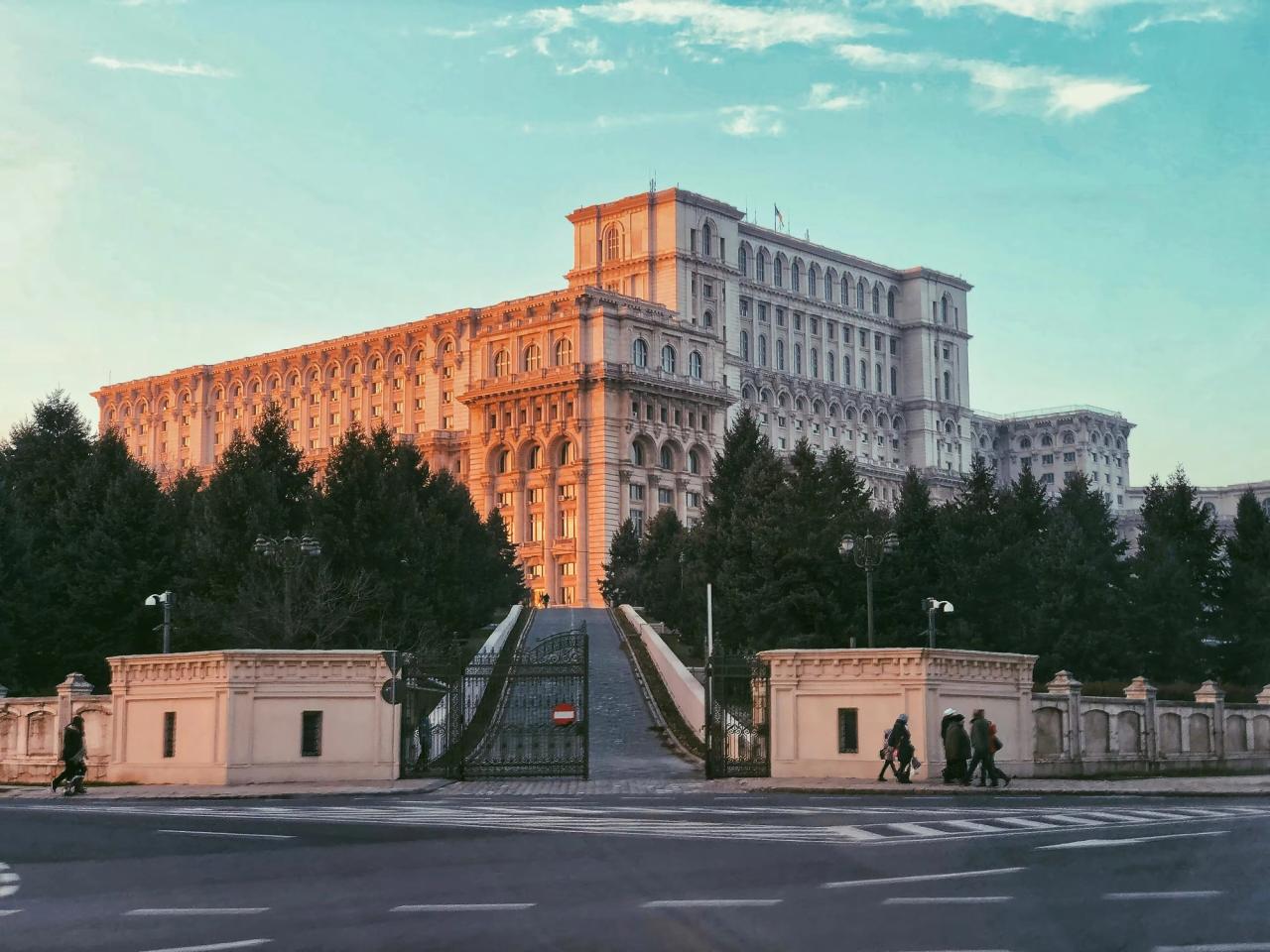
- Rumanía soportó décadas de régimen comunista bajo Nicolae Ceaușescu hasta la Revolución de 1989. El legado es visible en el imponente Palatul Parlamentului (Palacio del Parlamento) de Bucarest — el segundo edificio administrativo más grande del mundo — y en los bloques de pisos más antiguos de las ciudades. Las generaciones mayores guardan recuerdos de escasez y represión, lo que les hace valorar profundamente las libertades actuales y la pertenencia a la UE.
Integración social
- Únase a comunidades de expatriados en Facebook (p. ej., «Expats in Bucharest», «Foreigners in Cluj-Napoca») y a grupos de Meetup.com.
- Asista a eventos de intercambio de idiomas (schimb de limbi) que se celebran semanalmente en la mayoría de las grandes ciudades.
- Haga de voluntario con organizaciones como Habitat for Humanity Rumanía o grupos medioambientales locales.
- Participe en festivales culturales: el Festival George Enescu (música clásica), el Untold Festival (música electrónica en Cluj) y las sărbători locales (fiestas de los pueblos) son excelentes para conocer gente.
Lista de tareas para la mudanza
- Investigue los requisitos de visado o residencia y comience a reunir la documentación.
- Obtenga la apostilla o legalización de los documentos necesarios (certificado de nacimiento, certificado de matrimonio, títulos).
- Obtenga traducciones juradas al rumano de los documentos clave.
- Solicite presupuestos de empresas de mudanzas internacionales a través de ReloAdvisor.
- Comience a hacer limpieza: venda, done o guarde los objetos que no se va a llevar.
- Confirme la empresa de mudanzas y las fechas de envío.
- Gestione el seguro médico: solicite la EHIC (ciudadanos de la UE) o investigue pólizas privadas.
- Busque vivienda en su ciudad de destino; empiece a contactar con propietarios o inmobiliarias.
- Notifique a su actual empleador, propietario y proveedores de servicios su marcha.
- Empiece a estudiar rumano: incluso unas frases básicas son de gran ayuda.
- Cancele o transfiera suscripciones, membresías y servicios recurrentes.
- Gestione el reenvío de correo desde su dirección actual.
- Confirme la fecha de mudanza y el plazo de entrega con la empresa de mudanzas.
- Prepare una bolsa con "lo esencial para la primera semana": documentos, medicamentos, cargadores y ropa básica.
- Reserve alojamiento temporal (Airbnb, hotel) para sus primeras 1-2 semanas en Rumanía.
- Termine de hacer las maletas y el inventario de los objetos enviados.
- Confirme los detalles de llegada con la empresa de mudanzas.
- Asegúrese de llevar todos los documentos originales: pasaporte, visado, traducciones e historial médico.
- Retire efectivo en lei para los gastos inmediatos a su llegada.
- Notifique a su banco su mudanza para evitar bloqueos de tarjetas.
- Complete la entrega de su vivienda anterior.
- Llegue a Rumanía y instálese en el alojamiento temporal.
- Compre una tarjeta SIM local (Vodafone, Orange o Digi Mobil; disponibles en aeropuertos y tiendas).
- Localice la Direcția Generală de Evidență a Persoanelor (oficina del registro civil) más cercana para registrar su dirección.
- Familiarícese con su barrio: supermercados, farmacias y paradas de transporte.
- Registre su dirección en las autoridades locales (evidența populației).
- Obtenga su CNP si aún no se le ha asignado.
- Regístrese en el CNAS para el seguro médico público o compre una póliza privada.
- Elija y regístrese con un medic de familie (médico de cabecera).
- Abra una cuenta bancaria rumana (Banca Transilvania, ING, BCR, BRD o Raiffeisen).
- Si trabaja por cuenta ajena, proporcione su CNP y datos bancarios a su empleador para la configuración de la nómina.
- Formalice su vivienda permanente: firme el contract de închiriere.
- Dé de alta los suministros (electricidad, gas, agua, internet) a su nombre.
- Registre su vehículo o inicie el proceso de canje del permiso de conducir, si corresponde.
- Explore su ciudad: visite mercados locales, parques y lugares de interés cultural.
- Únase al menos a un grupo social de expatriados o local para empezar a crear su red de contactos.
Dónde encontrar herramientas y recursos
Herramientas de ReloAdvisor:
- Calculadora de volumen
- Encuesta por vídeo
- Calculadora de costes de mudanza
Recursos oficiales de Rumanía:
- Inspección General de Inmigración (IGI): https://igi.mai.gov.ro
- Casa Nacional del Seguro de Salud (CNAS): https://cnas.ro
- Agencia Tributaria Rumana (ANAF): https://anaf.ro
- Ministerio de Asuntos Exteriores — información de visados: https://mae.ro
Comunidades de expatriados:
- Expats in Bucharest (grupo de Facebook)
- Foreigners in Cluj-Napoca (grupo de Facebook)
- InterNations Rumanía: https://www.internations.org/romania-expats
- Meetup.com: busque "expats" en las ciudades rumanas
Guías relacionadas:
- Mudarse a Hungría
- Mudarse a Bulgaria
- Mudarse a Polonia