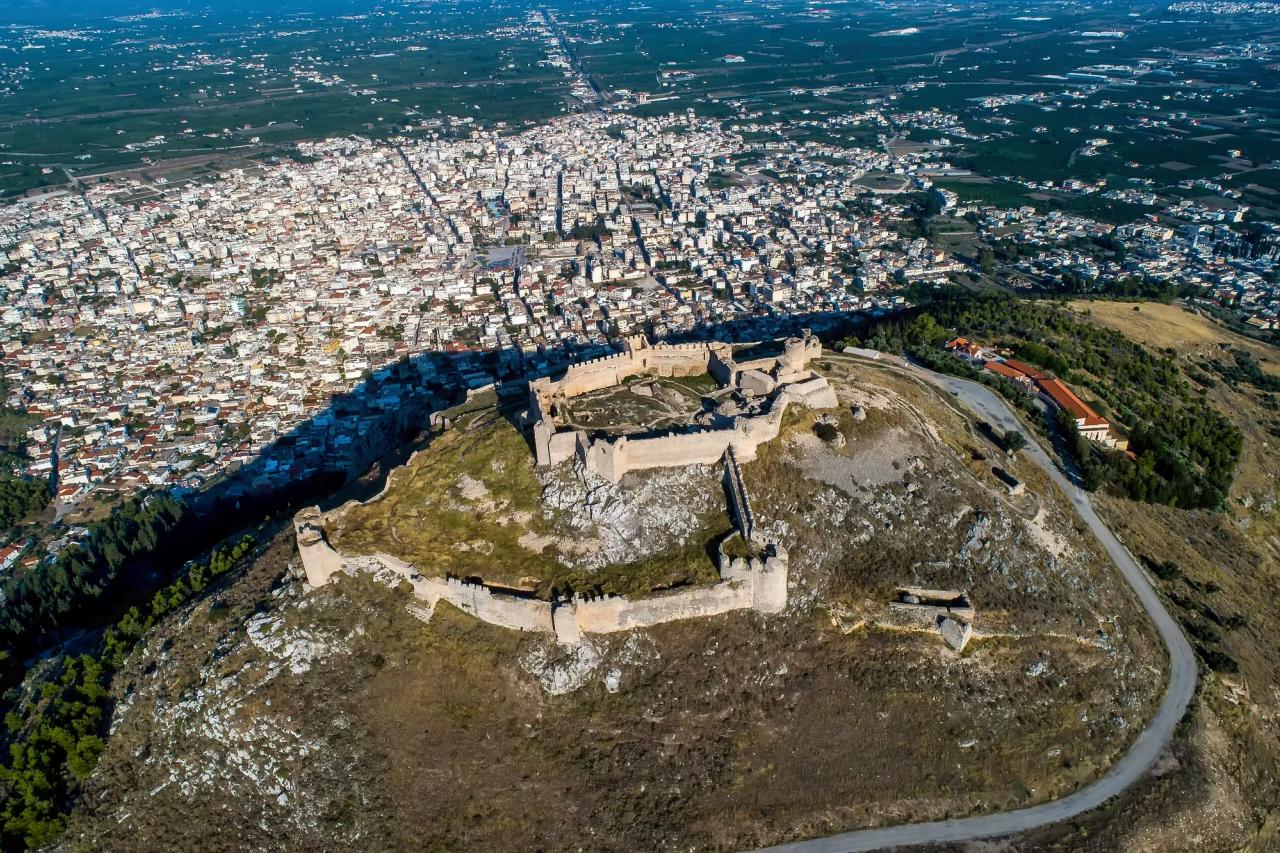
Larissa is the capital of the Thessaly region and one of Greece's most underrated cities. Situated in the heart of central Greece, surrounded by fertile plains and backed by Mount Olympus to the north, Larissa is a prosperous agricultural hub with a relaxed pace of life. It lacks the coastal glamour of Athens or the student buzz of Thessaloniki, but it compensates with very low costs, genuine Greek daily life, and excellent connections to the rest of the mainland. Larissa is ideal for expats who want affordability, authenticity, and easy access to both mountains and sea.
Larissa at a Glance
- Population
- ~163,000 (municipality)
- Region
- Thessaly
- Known For
- Agricultural heartland, Ancient Theatre of Larissa, Mount Olympus gateway
- Average Rent (1BR)
- €220–€400/month
- Average Salary
- €750–€1,000/month net
- Expat Community
- Small; mostly agricultural workers, some academics and retirees
Why Move to Larissa
- Extremely affordable: Among the cheapest cities in Greece for housing and daily expenses. Your money goes further here than almost anywhere else in the country.
- Central location: Larissa sits at the crossroads of Greece's main north-south and east-west routes. Athens is 3.5 hours by train, Thessaloniki 1.5 hours, and the beaches of the Pelion peninsula are 45 minutes away.
- Agricultural prosperity: The Thessalian plain is Greece's breadbasket. The local economy is stable, supported by farming, food processing, and trade.
- Authentic Greek life: Larissa is not a tourist city. Daily life follows Greek rhythms — long coffee breaks, late dinners, and strong neighborhood bonds.
- Gateway to natural wonders: Meteora, Mount Olympus, Lake Plastira, and the Pelion coast are all within 1–2 hours.
- Low-key lifestyle: No tourist crowds, no seasonal price spikes, no pretension. Just steady, affordable, Greek daily life.
Visa and Residency
EU/EEA citizens can live and work in Greece without restriction. Non-EU citizens need a residence permit. Relevant options:
- Digital Nomad Visa: Remote income proof ≥€3,500/month. One-year validity, renewable.
- Work Visa: Employer-sponsored. Opportunities mainly in agriculture, food processing, and healthcare.
- Student Visa: Through the University of Thessaly.
- Retirement Visa: Proof of passive income and health insurance. Larissa's low costs make it attractive for retirees on a budget.
EU citizens must register at the local municipality within 90 days (for stays over 3 months). Non-EU citizens should register with the local Aliens Bureau. Larissa's immigration office handles fewer cases than Athens, so processing can be smoother.
Residency Tips
- Get your AFM (tax number) first — required for banking, renting, and utilities.
- AMKA (social security number) is needed for healthcare and employment.
- Bring certified copies of all key documents.
- Start renewals 60 days before your permit expires.
Finding Housing in Larissa
Average Rents
| Neighborhood | 1-Bedroom | 3-Bedroom | Character |
|---|---|---|---|
| City Center | €250–€420 | €450–€750 | Commercial, walkable, near Alcazar Park |
| Neapoli | €220–€380 | €400–€680 | Residential, affordable, quiet |
| Agios Thomas | €200–€350 | €380–€650 | Working-class, very affordable |
| Koulouri | €230–€380 | €420–€700 | Mixed residential area |
| Anatoli | €250–€400 | €450–€720 | Southeastern, slightly upscale |
| Terpsithea | €220–€370 | €400–€670 | Southern suburb, family-friendly |
How to Find Housing
- Spitogatos.gr: The main portal, though listings in Larissa are fewer than in larger cities.
- XE.gr: Good for private landlord listings in Larissa and the wider Thessaly area.
- Facebook groups: "Larissa Expats" and Thessaly community groups.
- Walk the center and look for handwritten signs — many landlords in Larissa still advertise this way.
- Estate agents exist but many rentals are handled directly by landlords.
Tips for Expats
- Larissa's rental market is not competitive. Take your time and negotiate — landlords are flexible, especially for longer leases.
- Most rentals are unfurnished. Furnished options exist but command a premium.
- Heating costs matter here — Larissa has cold winters. Ask about natural gas connections (cheaper than oil or electric heating).
- The city is flat, making it easy to get around on foot or by bicycle.
- Insist on a written rental contract even though informal agreements are common.
Neighborhoods Guide
- City Center: Around Alcazar Park and the main commercial streets. Flat, walkable, and close to everything. Cafés, shops, and the central market are at your doorstep. Best for convenience and those without a car.
- Neapoli: A large residential neighborhood west of the center. Affordable, quiet, and well-served by buses. Popular with families and long-term residents.
- Agios Thomas: One of the most affordable areas. Working-class character with a strong local community. No-frills living at rock-bottom prices. Best for budget expats.
- Koulouri: A mixed residential area. Good value for money. Suitable for young professionals.
- Anatoli: Southeastern Larissa with a more suburban feel. Marginally higher rents but nicer streets and more greenery. A good compromise between center and suburbs.
- Terpsithea: A southern suburb near the Pinios River. Family-oriented with parks and schools. Quiet and spacious. Ideal for families settling long-term.
Cost of Living in Larissa
Monthly Budget Breakdown
| Category | Budget Range |
|---|---|
| Rent (1BR, center) | €220–€400 |
| Utilities | €80–€150 |
| Internet | €22–€30 |
| Groceries | €150–€230 |
| Transport | €15–€35 |
| Dining out (4x/month) | €45–€80 |
| Leisure/Gym | €20–€35 |
| Total | €552–€960 |
Day-to-Day Costs
- Coffee (freddo): €2.00–€3.00
- Lunch (casual taverna): €6–€9
- Monthly bus pass (city buses): €15
- Beer (bar): €3.00–€4.00
- Cinema ticket: €5–€7
- Loaf of bread: €0.80–€1.20
- 1 litre of milk: €1.00–€1.30
- Dozen eggs: €2.50–€3.20
Getting Around Larissa
- Public transport: Larissa's bus system covers the city and nearby towns. Service is basic but functional. A monthly pass is around €15. Buses are less frequent than in Athens or Thessaloniki.
- Cycling: Larissa is flat and compact — one of the most bikeable cities in Greece. Cycling infrastructure is limited but the terrain is forgiving.
- Driving: Traffic is manageable. Parking is easier than in coastal cities. A car is very useful for exploring Thessaly, Meteora, and the Pelion coast.
- Airport: Larissa does not have a commercial airport. The nearest is Thessaloniki Airport (SKG, 1.5 hours) or Volos Nea Anchialos Airport (seasonal, 45 minutes).
- Intercity: Larissa is a major rail hub on the Athens–Thessaloniki line (Athens: 3.5 hours, Thessaloniki: 1.5 hours). KTEL buses connect to Volos, Trikala, Karditsa, and Meteora.
- Taxis: Cheap by European standards. Flag fall is €1.80. Useful for short trips within the city.
Healthcare in Larissa
- Hospitals/Clinics: University General Hospital of Larissa is the main public facility. Private clinics like Chatzikosta Hospital offer faster service.
- English-speaking doctors: Available at private practices, though less common than in Athens. Younger doctors tend to speak English.
- Pharmacies: Plenty throughout the city. Green cross signs. Pharmacists provide basic medical advice.
- Emergency number: 112 (EU-wide) or 166 (EKAB ambulance).
- Health insurance: EU citizens use EHIC for emergencies. Long-term residents register with EFKA or carry private insurance.
- Dental care: Affordable. A check-up costs €20–€35 at private clinics.
Planning your move?
Tell us about your move to compare quotes from international moving companies.
Banking & Finances
- Opening a bank account: You need an AFM, passport, and proof of address. Alpha Bank, National Bank, and Eurobank operate in Larissa.
- Cash culture: Cash is widely used in Larissa — more so than in Athens. Small shops, markets, and many landlords prefer cash.
- Transfers: SEPA transfers within the EU are cheap. International transfers cost €10–€30.
- ATMs: Available throughout the city. Withdrawal limits €300–€600/day.
- Mobile banking: Greek bank apps have English interfaces available.
Language & Communication
- Official language: Greek.
- English proficiency: Limited compared to Athens or Thessaloniki. Younger people and university staff speak some English. Government offices and older residents generally do not.
- Learning Greek: Essential for daily life in Larissa. The University of Thessaly offers language courses. Private frontistiria are available.
- Useful phrases: Kalimera (good morning), efharisto (thank you), parakalo (please/you're welcome), signomi (excuse me), poso kani? (how much does it cost?).
- SIM cards: Cosmote, Vodafone, and Wind available. Prepaid from €8/month. Cosmote has the best rural coverage for day trips.
Culture & Lifestyle
- Ancient heritage: Larissa has two ancient theatres, including the well-preserved Ancient Theatre of Larissa (3rd century BC). The Archaeological Museum of Larissa covers Thessalian history from prehistory to the Roman era.
- Alcazar Park: The city's green lung along the Pinios River. Locals walk, jog, and socialize here daily. A central gathering point.
- Carnival and festivals: Larissa hosts a lively carnival and various open-air cultural events in summer. Local feasts (panigiria) in surrounding villages are a major part of the social calendar.
- Proximity to Meteora: The UNESCO-listed monasteries of Meteora are only 1.5 hours away — one of the most spectacular sights in Europe.
- Siesta culture: Small shops close 2–5 pm. Supermarkets and larger stores stay open.
Food & Dining
- Local specialties: Spetzofai (spicy sausage and pepper stew), tyropsouli (cheese pie), grilled meats, Thessalian lamb, local wines from Rapsani.
- Best areas for dining: The center for traditional tavernas, the riverside area for cafés, and surrounding villages for authentic rural cooking.
- Budget options: A souvlaki plate costs €5–€7. Bakeries are cheap and everywhere. A taverna dinner with drinks can be under €10 per person.
Expat Community
- Meetup groups: Small expat presence. Check Internations and Facebook for Larissa-specific or Thessaly-wide groups.
- Academic community: The University of Thessaly (based partly in Larissa and Volos) brings some international researchers.
- Agricultural workers: Seasonal agricultural labor brings workers from Albania, Bulgaria, and other countries — a different kind of multicultural community.
Job Market in Larissa
- Main industries: Agriculture, food processing, light manufacturing, retail, education, healthcare.
- Major employers: University of Thessaly, regional agricultural cooperatives, local food companies, public sector.
- Average salaries by sector:
| Sector | Monthly Net |
|---|---|
| Agriculture / Food | €700–€1,000 |
| Education / Research | €750–€1,200 |
| Healthcare | €800–€1,200 |
| Retail / Services | €650–€900 |
| IT / Tech | €800–€1,300 |
- Job search resources: Kariera.gr, Indeed Greece, LinkedIn, local newspaper classifieds, University of Thessaly career services.
Education in Larissa
- International schools: No major international schools in Larissa. Families seeking international curricula typically look at schools in Thessaloniki or Athens.
- Universities: University of Thessaly (Larissa and Volos campuses — strong in agriculture, engineering, and humanities).
- Language schools: Private frontistiria offer English and Greek courses. The University of Thessaly offers Greek language support for international students.
Moving Checklist for Larissa
- Confirm visa or residency requirements (EU citizens: register at local police)
- Research neighborhoods — Larissa is small and walkable
- Join Larissa or Thessaly Facebook groups for local advice
- Arrange health insurance
- Start learning basic Greek — more important here than in tourist cities
- Prepare certified copies of all key documents
- Get an AFM (tax number) from the local DOY
- Open a bank account (Alpha Bank, National Bank, or Eurobank)
- Get a local SIM card
- Sign rental contract and set up utilities (ask about natural gas connection)
- Familiarize yourself with bus routes
- Locate your nearest pharmacy, supermarket, and KEP office
- Register with a local doctor
- Apply for AMKA (social security number)
- Walk the city center and find your local market, bakery, and café
- Start Greek language lessons — essential here, as English is less widely spoken
- Register with your embassy if applicable
- Set up mobile banking
Larissa is excellent for expats who prioritize affordability, authentic Greek life, and a central location. It's not a tourist city, so you'll be immersed in genuine daily Greek culture. The trade-off is fewer English speakers, a small expat community, and limited nightlife compared to Athens or Thessaloniki.
Colder than most of Greece. Larissa sits in an inland plain, so winters are crisp: temperatures drop to 0–8°C from December to February, with occasional frost and fog. Summers are hot (33–38°C). The contrast between seasons is sharper than on the coast.
The ancient theatres, Alcazar Park, and the Archaeological Museum are the main cultural draws. The real appeal is the surrounding region — Meteora, Mount Olympus, the Pelion peninsula, and Lake Plastira are all within 1–2 hours. Day trips are a major part of the Larissa lifestyle.
It's harder than in Athens or tourist islands. English is spoken by younger people and some professionals, but government offices, landlords, and older locals mostly speak Greek. Learning the language is strongly recommended — and locals are patient and encouraging with learners.
Yes. Larissa is a quiet, safe city with low crime rates. The biggest safety concern is traffic — Greek driving habits can be aggressive. Petty crime is rare.
The Pelion peninsula (Aegean coast) is 45 minutes to 1 hour by car. Agiokampos and other beaches are popular day trips. The Sporades islands (Skiathos, Skopelos) are reachable via the port of Volos (1 hour from Larissa).
Yes. No restrictions for EU citizens. Non-EU citizens can buy with minor border-area exceptions. Property prices in Larissa are among the lowest in Greece, making it attractive for purchase or investment.
Yes, for retirees who prioritize low costs and authentic life over beach access and English-speaking communities. The cold winters are a drawback for some. Meteora and the Pelion coast provide excellent day-trip options.
Tap water is safe to drink. Larissa draws water from local sources in the Thessaly region.
Limited. There are a few small coworking spaces and many cafés with Wi-Fi. For a larger remote work community, Thessaloniki (1.5 hours) is a better base — but Larissa works fine for occasional remote work.
Yes, more than almost any other Greek city on this list. English is rare outside the university. Daily interactions — shops, government offices, neighbors — mostly happen in Greek. Learning the language is not optional here; it's essential.
Internet & Connectivity
- Speeds: Larissa has adequate broadband. Average download speeds are 20–50 Mbps. Fiber is available in some central areas and expanding.
- Providers: Cosmote, Vodafone, and Nova offer broadband from €22–€35/month.
- Mobile data: 4G covers the city. 5G coverage is still limited. Cosmote has the best coverage.
- Coworking spaces: Very limited. A few small spaces and cafés with Wi-Fi. For a larger coworking scene, Thessaloniki is 1.5 hours away.
Related Guides
- [Moving to Greece] — comprehensive country guide
- [Moving to Thessaloniki] — northern Greece's capital
- [Moving to Patras] — western Greece gateway