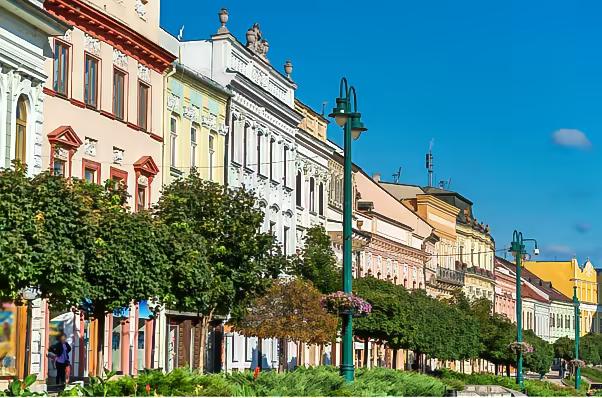
Košice, die zweitgrößte Stadt der Slowakei und unbestrittene Hauptstadt der Ostslowakei, liegt am Fluss Hornád etwa 50 km von der ungarischen Grenze entfernt. Es ist die größte historische Stadt östlich von Wien, mit einem wunderschön restaurierten gotischen Kern, dessen Mittelpunkt die St.-Elisabeth-Kathedrale (Dóm sv. Alžbety) bildet – die größte Kirche der Slowakei. Im Jahr 2013 zur Europäischen Kulturhauptstadt ernannt, verbindet Košice ein reiches multikulturelles Erbe, das durch ungarische, deutsche und slowakische Einflüsse geprägt wurde, mit einer wachsenden IT- und Dienstleistungswirtschaft, die von U.S. Steel Košice getragen wird. Für Expats, die eine erschwingliche, fußläufige Stadt mit echtem Charakter suchen – ohne den hohen Preis von Bratislava – ist Košice eine immer attraktivere Wahl.
Košice auf einen Blick
- Bevölkerung
- ~225.000 (Stadt), ~369.000 (Ballungsraum)
- Region
- Selbstverwaltungsregion Košice (Košický kraj)
- Bekannt für
- St.-Elisabeth-Kathedrale, Europäische Kulturhauptstadt 2013, U.S. Steel Košice
- Durchschnittliche Miete (1-Zimmer-Wohnung)
- €400–€600
- Durchschnittsgehalt
- €1.200–€1.400/Monat (netto)
- Expat-Gemeinschaft
- Klein, aber wachsend; konzentriert rund um TUKE, UPJŠ und den IT-Sektor
Warum nach Košice ziehen
- Deutlich günstiger als Bratislava: Die Mieten liegen 30–40 % unter denen der Hauptstadt, und die alltäglichen Kosten folgen diesem Muster – das macht Košice zu einer der besten Städte der EU, wenn es um das Preis-Leistungs-Verhältnis beim Lebensstandard geht.
- Beeindruckendes historisches Zentrum: Die Hlavná ulica (Hauptstraße) ist ein langer, vollständig verkehrsberuhigter Boulevard, gesäumt von pastellfarbenen Palais, Cafés und dem Singenden Brunnen (Spievajúca fontána), alles überragt von der gotischen Kathedrale.
- Wachsender, expatfreundlicher Arbeitsmarkt: T-Systems, Siemens und eine Reihe kleinerer IT-Unternehmen betreiben hier Lieferzentren und stellen englischsprachige Entwickler und Analysten zu wettbewerbsfähigen mitteleuropäischen Gehältern ein.
- Tor zur Natur der Ostslowakei: Der Nationalpark Slowakisches Paradies (Slovenský raj) ist in weniger als einer Autostunde erreichbar, und das Tokaj-Weingebiet jenseits der ungarischen Grenze ist nahe genug für einen Weinprobenausflug an einem Samstagnachmittag.
Vor- und Nachteile des Lebens in Košice
Vorteile
- Miete und Lebenshaltungskosten gehören zu den niedrigsten einer EU-Stadt mit einem historischen Kern dieser Qualität
- Die verkehrsberuhigte Altstadt ist wirklich schön und wird selten von Touristen überfüllt
- Schnelle Zug- und Straßenverbindungen nach Budapest, Wien und in die Hohe Tatra
- Eine wachsende Anzahl englischsprachiger Stellen in IT und Shared Services
- Sicher, sauber und familienfreundlich mit guten staatlichen Schulen in den meisten Stadtteilen
- Der Košice-Friedensmarathon und ganzjährige Kulturveranstaltungen verleihen der Stadt einen lebendigen Rhythmus
Nachteile
- Weit weniger internationale Stellenangebote als in Bratislava oder Prag
- Begrenzte Direktflüge ab dem Flughafen Košice – viele Reisen erfordern einen Zwischenstopp über Wien
- Winter sind kalt und grau; das Stahlwerk östlich der Stadt kann an windstillen Tagen die Luftqualität beeinträchtigen
- Die Expat-Gemeinschaft ist klein, was sich isolierend anfühlen kann, wenn man keine Anstrengungen unternimmt, um soziale Kontakte zu knüpfen
- Die Bürokratie beim Obvodný úrad wird fast ausschließlich auf Slowakisch abgewickelt
Wohnungssuche in Košice
Durchschnittliche Mietpreise
| Stadtviertel | 1-Zimmer-Wohnung | 3-Zimmer-Wohnung | Charakter |
|---|---|---|---|
| Staré Mesto (Altstadt) | €500–€650 | €800–€1.100 | Historische Gebäude, alles fußläufig erreichbar, begrenztes Parkangebot |
| Sever | €400–€520 | €650–€850 | Wohngebiet, familienfreundlich, in der Nähe des TUKE-Campus |
| Terasa | €380–€500 | €600–€800 | Ruhig, grün, bei Fachkräften beliebt |
| Dargovských Hrdinov | €300–€430 | €500–€700 | Dichte Plattenbausiedlung (Panelák), günstigste Mieten, gute DPMK-Straßenbahnverbindungen |
| Sídlisko KVP | €320–€450 | €500–€700 | Postsozialistisches Wohngebiet mit Schulen und Parks, erschwinglich, mit Busanbindung |
| Krásna | €350–€480 | €550–€750 | Vorstädtisches Flair, in der Nähe des Hornád-Flusses, Häuser mit Gärten verfügbar |
So finden Sie eine Wohnung
- Reality Košice / LVM reality: Lokale Immobilienmakler, die Wohnungen in allen Preisklassen anbieten; Makler sprechen in der Regel Slowakisch und einfaches Englisch.
- TopReality.sk und Nehnutelnosti.sk: Die beiden größten slowakischen Immobilienportale; filtern Sie nach „Košice“ und dem Bezirk (okres). Die meisten Anzeigen sind auf Slowakisch – nutzen Sie die Browser-Übersetzungsfunktion.
- Facebook-Gruppen: „Byty Košice“ und „Bývanie Košice“ bieten Inserate direkt von Eigentümern ohne Maklergebühren. Seien Sie bereit, schnell zu handeln – gute Wohnungen gehen schnell weg.
- Universitäts-Schwarzbretter: TUKE und UPJŠ betreiben beide Wohnungsanzeigen-Tafeln, die besonders für WG-Zimmer und Kurzzeitvermietungen nützlich sind – vor allem von Juni bis September, wenn Studierende ausziehen.
- Mundpropaganda: In Košices engem Mietmarkt schaffen es viele Wohnungen nie auf Online-Portale. Teilen Sie Kollegen, Kommilitonen und Nachbarn mit, dass Sie suchen – persönliche Empfehlungen machen nach wie vor einen erheblichen Teil der Vermietungen aus.
Tipps für Expats
- Vermieter verlangen eine nájomná zmluva (Mietvertrag) – holen Sie sich diese wenn möglich auf Slowakisch und Englisch, da der slowakische Text die rechtlich bindende Version ist.
- Rechnen Sie mit einer Kaution von 1–2 Monatsmieten zuzüglich der ersten Monatsmiete im Voraus. Maklergebühren, sofern zutreffend, betragen in der Regel eine Monatsmiete.
- Die Anmeldung Ihrer Adresse ist Pflicht; Ihr Vermieter muss die Anmeldung beim Obvodný úrad (Bezirksamt) mitunterzeichnen. Ohne diesen Schritt können Sie keinen trvalý pobyt (dauerhafte Adressregistrierung) erhalten, der für die Krankenversicherung, das Bankwesen und Aufenthaltsgenehmigungen erforderlich ist.
Stadtviertel-Ratgeber
- Staré Mesto (Altstadt): Das kulturelle und gesellschaftliche Herz von Košice. Hlavná ulica, die St.-Elisabeth-Kathedrale, das Staatstheater (Štátne divadlo) und Dutzende von Restaurants und Bars sind alle fußläufig erreichbar. Die Mieten sind die höchsten der Stadt, aber Sie sparen bei den Transportkosten. Am besten geeignet für Singles und Paare, die mitten im Geschehen sein möchten.
- Sever: Ein überwiegend wohngeprägter Stadtteil nördlich der Altstadt mit einer Mischung aus älteren Backsteingebäuden und neueren Bauten. In der Nähe der Technischen Universität (TUKE) und des Einkaufszentrums Loreley. Beliebt bei Familien und Universitätsmitarbeitern. Mittlere Mietpreise.
- Terasa: Ein grünes Viertel westlich des Zentrums auf erhöhtem Gelände, bekannt für seine Villen und ruhigen Straßen. Gut mit dem Oberleitungsbus verbunden. Zieht Fachkräfte und ältere Expats an, die eine ruhige Umgebung bevorzugen, ohne weit vom Zentrum entfernt zu sein. Mittlere bis leicht überdurchschnittliche Mietpreise.
- Dargovských Hrdinov (Dargo): Košices größte Plattenbausiedlung am östlichen Stadtrand, in der etwa 30.000 Menschen leben. Wohnungen sind günstig und in der Regel kleiner, aber die Straßenbahnlinie 1 bringt Sie in etwa 15 Minuten in die Altstadt. Am besten für budgetbewusste Mieter und Studierende.
- Sídlisko KVP: Ein großes Wohnviertel im Westen mit guter Infrastruktur — Schulen, ein Gesundheitszentrum, kleine Geschäfte und häufige Busverbindungen. Weniger atmosphärisch als Staré Mesto, aber praktisch, sicher und erschwinglich. Zieht Familien und Langzeitansiedler an.
- Krásna: Ein halburbanes Gebiet südlich der Stadt entlang des Hornád-Flusses, das eine Mischung aus Häusern mit Gärten und kleineren Wohnblöcken bietet. Bietet einen ruhigeren Lebensstil und leichten Zugang zum Umland. Autobesitz ist hier hilfreich.
Lebenshaltungskosten in Košice
Monatliches Budget
| Kategorie | Budgetbereich |
|---|---|
| Miete (1-Zimmer, Zentrum) | €500–€650 |
| Strom, Heizung, Wasser, Abfall | €150–€220 |
| Internet (Haushalt) | €15–€25 |
| Lebensmittel | €200–€300 |
| Öffentlicher Verkehr (DPMK-Monatskarte) | €30 |
| Auswärts essen (4x/Monat) | €60–€100 |
| Freizeit / Fitnessstudio | €30–€60 |
| Gesamt | €985–€1,390 |
Tageskosten
- Kaffee (Café an der Hlavná ulica): €1,80–€2,50
- Mittagessen (lokale reštauracja, Tagesmenü / denné menu): €4,50–€7,00
- Monatliche DPMK-Ticketkarte: €30,00
- Bier (0,5 L, Gasthaus): €1,80–€2,50
- Kinoticket: €5,00–€7,00
- Laib Brot (Bäckerei): €0,90–€1,40
- 1 L Milch: €0,90–€1,10
- Fitness-Mitgliedschaft (monatlich): €25–€45
Mobilität in Košice
- Öffentlicher Verkehr: Die Stadt wird von DPMK (Dopravný podnik mesta Košice — Verkehrsbetrieb der Stadt Košice) bedient, das Straßenbahnen, Busse und Oberleitbusse betreibt. Die Linie 1 ist das Rückgrat, sie verläuft von Dargovských Hrdinov durch das Zentrum bis Sever. Eine Monatskarte kostet €30,00 und deckt das gesamte DPMK-Netz ab. Tickets können über die DPmk-App oder an Straßenkiosken gekauft werden.
- Radfahren: Košice ist relativ flach und die Stadt hat ihre Radwege erweitert, insbesondere entlang des Hornád-Flusstals. Fahrradverleih über WhiteBikes (gemeinschaftsbasiert, fast kostenlos) ist an mehreren Stationen verfügbar.
- Auto fahren: Autobesitz ist im Zentrum nicht notwendig. Parken in Staré Mesto ist begrenzt und hauptsächlich in gebührenpflichtigen Zonen (modra zóna). Außerhalb des Zentrums sind kostenlose oder günstige Parkplätze leichter zu finden. Der Verkehr ist im Vergleich zu Bratislava gering.
- Flughafen: Flughafen Košice (KSC), etwa 6 km südlich des Zentrums, bietet regelmäßige Flüge nach Wien (Austrian Airlines), Warschau (LOT), Prag und London (Wizz Air saisonal). Wien ist der nächstgelegene große internationale Knotenpunkt — mit dem Zug in etwa 4,5 Stunden oder mit dem Auto in etwa 4 Stunden erreichbar.
- Fernverkehr: Bahnhof Košice (Železničná stanica Košice) ist der wichtigste Bahnhof im östlichen Slowakei. Direkte Züge verbinden mit Bratislava (über IC/EC, etwa 4 h 40 min), Budapest (~3 Stunden), Prag (über Nacht oder ~7 Stunden) und Wien (~5 Stunden über Budapest). FlixBus betreibt auch vom Hauptbusbahnhof (Autobusová stanica) aus mehrere internationale Routen.
Gesundheit in Košice
- Krankenhäuser / Kliniken: Die Einrichtung ist UNLP (Univerzitná nemocnica L. Pasteura Košice — Louis Pasteur Universitätskrankenhaus), ein großes Lehrkrankenhaus, das mit UPJŠ verbunden ist. Es deckt die meisten Fachgebiete einschließlich Notfallversorgung ab. Es gibt auch kleinere Polikliniken (poliklinika) in jedem großen Bezirk.
- Krankenversicherung: Alle Langzeitaufenthalter müssen sich bei einer öffentlichen Krankenkasse anmelden. VšZP (Všeobecná zdravotná poisťovňa — Allgemeine Krankenkasse) ist die größte staatliche Krankenkasse. Union zdravotná poisťovňa und Dôvera sind die wichtigsten privaten Alternativen. Ihr Arbeitgeber kümmert sich normalerweise um die Anmeldung; Selbstständige melden sich selbstständig an.
- Ärzte mit Englischkenntnissen: Die Verfügbarkeit ist außerhalb des Universitätskrankenhauses begrenzt. Mehrere Privatkliniken in Staré Mesto (z. B. Pro Care, Medicare) werben mit englischsprachigen Hausärzten und Zahnärzten. Rechnen Sie damit, diese services aus eigener Tasche oder über zusätzliche private Versicherungen zu bezahlen.
- Apotheken (lekáreň): In allen Bezirken reichlich vorhanden. Die 24-Stunden-Apotheke an der Hlavná ulica (Lekáreň u sv. Alžbety) ist jederzeit eine verlässliche Option.
- Notrufnummer: 112 (EU-weit). Für einen Krankenwagen speziell wählen Sie 155.
Erhalten Sie einen persoenlichen Umzugsplan
Hinterlassen Sie Ihre E-Mail, und wir senden Ihnen eine passende Checkliste plus drei Angebote gepruefter Umzugsunternehmen.
Kultur und Lebensstil
- Historisches Zentrum: Die ausgedehnte Hlavná ulica — eine der attraktivsten Fußgängerzonen Mitteleuropas — ist der Mittelpunkt des täglichen Lebens. Die singende Fontäne vor dem Staatstheater spielt jeden Abend in wärmeren Monaten Musik. Der Dom, der Stadtturm (Urbanova veža) und die St.-Michaels-Kapelle (Kaplnka sv. Michala) bilden einen kompakten gotischen Komplex, der östlich von Wien einzigartig ist.
- Museen und Kulturerbe: Das Ostslowakische Museum (Východoslovenské múzeum) an der Hlavná ulica behandelt Regionalgeschichte und Kunst. Das Mikluš-Gefängnis (Miklušova väznica) bietet einen Blick auf mittelalterliche Justiz, während das nahegelegene Henkerhaus (Katov dom) und die historische Unterwelt (Podzemie) unter dem Hauptplatz die vielschichtige Vergangenheit von Košice offenbaren.
- Darstellende Kunst: Das Staatstheater (Štátne divadlo) inszeniert Oper, Ballett und Drama in einem großen neubarocken Gebäude an der Hlavná ulica. Das Theaterensemble spielt auf Slowakisch, aber Orchester- und Ballettaufführungen sind sprachneutral.
- Sport: Eishockey ist eine lokale Leidenschaft. Die Heimmannschaft HC Košice spielt in der Steel Arena, einer modernen 7.800-Sitz-Arena nahe dem Stadtzentrum. Die Stadt veranstaltet auch den Košicer Friedensmarathon (Maraton mieru) — den ältesten Marathon Europas, der seit 1924 jährlich stattfindet.
Essen und Trinken
- Lokale Spezialitäten: Suchen Sie nach halušky (Kartoffelklöße mit bryndza Schafskäse und Speck), kapustnica (Krautsuppe mit Wurst, traditionell zu Weihnachten) und lokše (dünne Kartoffelpfannkuchen, Weihnachtsmärkte). Ungarischer Einfluss ist stark — Gulasch und lángos sind überall zu finden.
- Beste Essensbereiche: Hlavná ulica und die Seitenstraßen (Alžbetina, Kováčska, Hrnčiarska) haben die dichteste Konzentration an Restaurants, Cafés und Cocktailbars. Die Umgebung des Staatstheaters ist bis spät in den Abend lebhaft.
- Billigoptionen: Die meisten Restaurants bieten an Wochentagen ein denné menu (Tagesmittagmenü) für €4,50–€7,00 an, typischerens mit Suppe und Hauptgericht. Das ist die günstigste Möglichkeit, ein ordentliches slowakisches Mittagessen zu essen.
- Kaffee-Kultur: Third-Wave-Cafés haben sich entlang der Hlavná ulica und Alžbetina ulica etabliert — probieren Sie Cult Café oder Teplička für Spezialitätenröstungen. Ein Flat White kostet €2,20–€2,80.
- Nachtleben: Das kompakte Altstadtviertel bedeutet, dass Bars und Tavernen zu Fuß leicht erreichbar sind. Kováčska ulica und Hrnčiarska ulica sind die Hauptabendstraßen. Bierpreise bleiben unter €2,50 selbst in zentralen Lokalen.
- Märkte: Der Freiluftmarkt an der Moldavská cesta verkauft frisches Gemüse, Honig und saisonales Obst direkt von lokalen Landwirten. Die Preise sind deutlich niedriger als im Supermarkt.
Expatriate-Community
- Die Expatriate-Community ist kleiner als in Bratislava, aber aktiv. Košice International Meetup (finden Sie es auf Meetup.com und Facebook) veranstaltet regelmäßige Abende, normalerweise in Tavernen rund um die Altstadt.
- Einfacher Slowakisch-Treffen: Eine wöchentliche informelle Gruppe in verschiedenen Cafés, wo Ausländer Slowakisch mit lokalen Freiwilligen üben.
- Erasmus und Universitätsnetzwerke: Sowohl UPJŠ als auch TUKE beherbergen jedes Semester große Erasmus-Kohorten, und ihre Veranstaltungen sind für alle Ausländer allgemein offen.
- T-Systems und IT-Kreise: Die wachsende IT-Branche hat ein informelles englischsprachiges berufliches Netzwerk geschaffen; fragen Sie in Coworking Spaces wie ConnectKošice herum.
Arbeitsmarkt in Košice
- Hauptbranchen: Stahl und Metallindustrie (U.S. Steel Košice bleibt der größte Arbeitgeber), IT und Shared Services, Bildung und Forschung, Gesundheitswesen, Tourismus und Gastronomie.
- Großarbeitgeber: U.S. Steel Košice (Metallindustrie, ~11.000 Mitarbeiter), T-Systems Slovakia (IT-Services, Delivery Center), Siemens Healthineers (Softwareentwicklung), VSE Holding (Energieverteilung), TUKE und UPJŠ (akademische und Forschungspositionen).
- Durchschnittliche Gehälter nach Branche:
| Branche | Netto im Monat (ca.) |
|---|---|
| IT / Softwareentwicklung | €1.600–€2.500 |
| Ingenieurwesen / Metallurgie | €1.000–€1.500 |
| Bildung / Forschung | €900–€1.300 |
| Gesundheitswesen (Arzt, öffentlich) | €1.100–€1.600 |
| Gastgewerbe / Einzelhandel | €700–€950 |
- Arbeitssuchressourcen: Profesia.sk (die dominierende slowakische Jobbörse), LinkedIn (filtern Sie nach "Košice") und die Karriereseiten von T-Systems und Siemens direkt. Für englischsprachige Positionen suchen Sie nach "angličtina" (Englisch) als Schlüsselwort auf Profesia. EU Blue Card-Inhaber sollten das slowakische Arbeitsministeriumsregister für qualifizierende Positionen prüfen.
Visa und Aufenthaltsrecht
Die Slowakei gehört zum Schengen-Raum und verwendet den Euro. Ihre Verpflichtungen hängen von Ihrer Nationalität ab:
- EU/EEA/Schweizer Bürger: Kein Visum erforderlich. Sie müssen Ihren Aufenthalt beim zuständigen Obvodný úrad Košice (Bezirksamt) innerhalb von 10 Arbeitstagen anmelden, wenn Sie länger als 90 Tage bleiben. Nehmen Sie Ihren Reisepass oder Ausweis, Nachweis der Anschrift (nájomná zmluva) und Nachweis von Beschäftigung, Selbstständigkeit oder ausreichend Mitteln mit. Sie erhalten eine Anmeldebescheinigung (potvrdenie o prihlásení pobytu).
- Nicht-EU-Angehörige: Sie benötigen eine befristete Aufenthaltsgenehmigung (povolenie na prechodný pobyt), bevor Sie einreisen, beantragt bei einer slowakischen Botschaft. Häufige Gründe sind Beschäftigung (Arbeitserlaubnis erforderlich, vom Arbeitgeber beantragt), Studium, Familienzusammenführung oder Geschäftstätigkeit. Die Bearbeitung dauert 60–90 Tage. Nach 5 Jahren ununterbrochenen legalen Aufenthalts können Sie einen dauerhaften Wohnsitz (trvalý pobyt) beantragen.
- EU-Blaue Karte: Verfügbar für hochqualifizierte Nicht-EU-Arbeitnehmer mit einem Gehaltsgrenzwert, der jährlich von der slowakischen Regierung festgelegt wird. Die Blaue Karte ist an einen bestimmten Arbeitgeber und eine bestimmte Stelle gebunden.
- Steuer-ID (DIČ): Jede Person, die in der Slowakei Einkommen erzielt, muss eine DIČ (Daňové identifikačné číslo – Steueridentifikationsnummer) bei der Finančná správa (Finanzverwaltung) beantragen. Wenn Sie selbstständig tätig sind (živnostník), benötigen Sie außerdem eine IČO (Identifikačné číslo organizácie – Unternehmensidentifikationsnummer), die vom Gewerbeamt (Živnostenský úrad) ausgestellt wird.
Bankwesen
- Kontoeröffnung: Gehen Sie zu einer der großen Banken mit Ihrem Reisepass oder Personalausweis, einem Adressnachweis und (für Nicht-EU-Angehörige) Ihrer Aufenthaltsgenehmigung. Die wichtigsten Privatkundenbanken sind Slovenská sporiteľňa (Teil der Erste Group), VÚB (Teil von Intesa Sanpaolo), Tatra banka (Teil der Raiffeisen-Gruppe) und ČSOB. Konten werden in der Regel noch am selben Tag eröffnet.
- Karten und Zahlungen: Kontaktlose Debitkarten sind Standard. Die Kartenakzeptanz ist in Košice nahezu universell, auch in kleinen Läden und Taxis. Bargeld ist weiterhin nützlich auf Märkten und in manchen älteren Bäckereien.
- Überweisungen: SEPA-Überweisungen innerhalb der Eurozone sind kostenlos oder nahezu kostenlos. Für Überweisungen in Nicht-Euro-Länder vergleichen Sie die Kurse – Revolut und Wise sind bei Expats wegen der besseren Wechselkurse beliebt.
- Online-Banking: Alle großen Banken bieten mobile Apps an; Tatra banka und VÚB haben die ausgereiftesten englischsprachigen Benutzeroberflächen.
- Geldautomaten: Im gesamten Stadtgebiet verfügbar, besonders rund um die Hlavná ulica, in Einkaufszentren (Optima, Aupark) und am Bahnhof. Die meisten Geldautomaten akzeptieren internationale Visa- und Mastercard-Karten problemlos.
- Öffnungszeiten: Bankfilialen an der Hlavná ulica öffnen in der Regel um 8:00 Uhr und schließen um 17:00 Uhr an Werktagen. Erscheinen Sie früh zur Kontoeröffnung, da die Papierarbeit 30–45 Minuten in Anspruch nehmen kann.
Bildung in Košice
- Internationale Schulbildung: Die Möglichkeiten sind begrenzt. Die British International School of Košice (früher QSI Košice) bietet englischsprachigen Unterricht von der Grundschule bis zur Oberstufe nach einem internationalen Lehrplan. Park Academy ist eine Privatschule mit einigen englischsprachigen Klassen. Viele Expat-Familien entscheiden sich für slowakische staatliche Schulen, ergänzt durch Sprachunterricht.
- Universitäten: TUKE (Technische Universität Košice) ist stark in Ingenieurwesen, IT und Wirtschaft. UPJŠ (Pavol-Jozef-Šafárik-Universität) deckt Naturwissenschaften, Geisteswissenschaften, Rechtswissenschaften und Medizin ab. Die Veterinärmedizinische und Pharmazeutische Universität (UVLF) ist die einzige Veterinäruniversität der Slowakei. Alle drei bieten einige Programme auf Englisch an, insbesondere auf Master- und Doktoratsebene.
- Sprachschulen: International House Bratislava hat eine Filiale in Košice für Slowakisch- und Englischkurse. Stuart School und verschiedene Privatlehrer werben auf Facebook und über die Universitäten. Für Slowakisch als Fremdsprache können Sie mit €8–€15 pro Gruppenunterricht rechnen.
Umzugscheckliste für Košice
Vor der Ankunft
- [ ] Visa- oder Aufenthaltsgenehmigungsstatus bestätigen (Nicht-EU) oder Anmeldedokumente vorbereiten (EU)
- [ ] Vorübergehende Unterkunft für die ersten 2–4 Wochen buchen (Airbnb oder Booking.com in Staré Mesto ist am einfachsten)
- [ ] Internationale Krankenversicherung abschließen, um die Zeit bis zur Aufnahme in die slowakische öffentliche Krankenversicherung zu überbrücken
- [ ] Heimatbank über den Umzug informieren und Online-Zugang einrichten; Wise- oder Revolut-Konto eröffnen erwägen
- [ ] Dokumente vorbereiten: Reisepass, Geburtsurkunde, Heiratsurkunde (falls zutreffend), Diplome – alles mit Apostille oder von einem beeidigten Übersetzer (súdny tlmočník) ins Slowakische übersetzt
- [ ] Stadtteile recherchieren und Benachrichtigungen auf TopReality.sk für dauerhafte Unterkunft einrichten
- [ ] Falls Sie ein Haustier mitbringen, sicherstellen, dass Mikrochip, Tollwutimpfung und EU-Heimtierausweis oder Gesundheitszeugnis in Ordnung sind
- [ ] DPmk-Transport-App und ZSR-App (Slowakische Eisenbahn) für Zugfahrpläne vor der Ankunft herunterladen
Erste Woche
- [ ] Beim Obvodný úrad Košice (Bezirksamt) anmelden – Reisepass, nájomná zmluva (Mietvertrag) und Vermieter mitbringen. EU-Bürger: Anmeldung innerhalb von 10 Werktagen. Nicht-EU: Aufenthaltsgenehmigung aktivieren.
- [ ] Bankkonto bei Slovenská sporiteľňa, VÚB, Tatra banka oder ČSOB eröffnen
- [ ] Slowakische SIM-Karte besorgen – Orange, Slovak Telekom und O2 haben alle Geschäfte an der Hlavná ulica
- [ ] DIČ (Steuernummer) bei Finančná správa beantragen, wenn Sie selbstständig tätig sein werden; andernfalls erledigt dies Ihr Arbeitgeber
- [ ] DPMK-Monatskarte kaufen (erhältlich am DPmk-Kiosk am Hauptbahnhof oder über die DPmk-App)
- [ ] Bei einer Krankenkasse anmelden – VšZP ist die Standardoption; Ihr Arbeitgeber leitet dies in der Regel ein
Erster Monat
- [ ] Langfristige Unterkunft finden und nájomná zmluva unterzeichnen – Adresse beim Obvodný úrad innerhalb von 5 Werktagen nach dem Umzug aktualisieren
- [ ] Bei einem Hausarzt (všeobecný lekár) anmelden – Kollegen oder Expat-Gruppen nach englischsprachigen Empfehlungen fragen
- [ ] Falls Sie Kinder haben, diese in der Schule anmelden und verfügbaren Slowakisch-Förderunterricht beantragen
- [ ] Falls Sie Auto fahren, ausländischen Führerschein validieren (EU-Führerscheine können unbegrenzt verwendet werden; Nicht-EU-Führerscheine müssen innerhalb von 6 Monaten umgetauscht werden)
- [ ] Falls Sie ein Auto importieren, das Zulassungsverfahren bei der örtlichen Verkehrsbehörde (oddelenie dopravy) einleiten – Sie benötigen den Fahrzeugbrief, einen Versicherungsnachweis und eine technische Überprüfung (STK)
- [ ] Versorgungsleistungen auf Ihren Namen anmelden, sofern nicht in der Miete enthalten – Strom (Stredoslovenská energetika / VSE), Gas (SPP) und Internet (Slovak Telekom, Orange oder Antik)
- [ ] Parkgenehmigung (parkovací preukaz) beantragen, falls Sie in einem Blaue-Zone-Gebiet von Staré Mesto wohnen – erhältlich beim Stadtamt (Magistrát mesta Košice)
- [ ] Dem Košice International Meetup oder einem Sprachaustausch beitreten, um mit dem Aufbau eines sozialen Netzwerks zu beginnen
Verwandte Ratgeber
- [Umzug in die Slowakei] – umfassender Länderratgeber zu Visa, Steuern und dem nationalen Gesundheitssystem
- [Umzug nach Bratislava] – die Hauptstadt der Slowakei, zum Vergleich
- [Umzug nach Budapest] – die nächste große internationale Stadt, 3 Stunden mit dem Zug