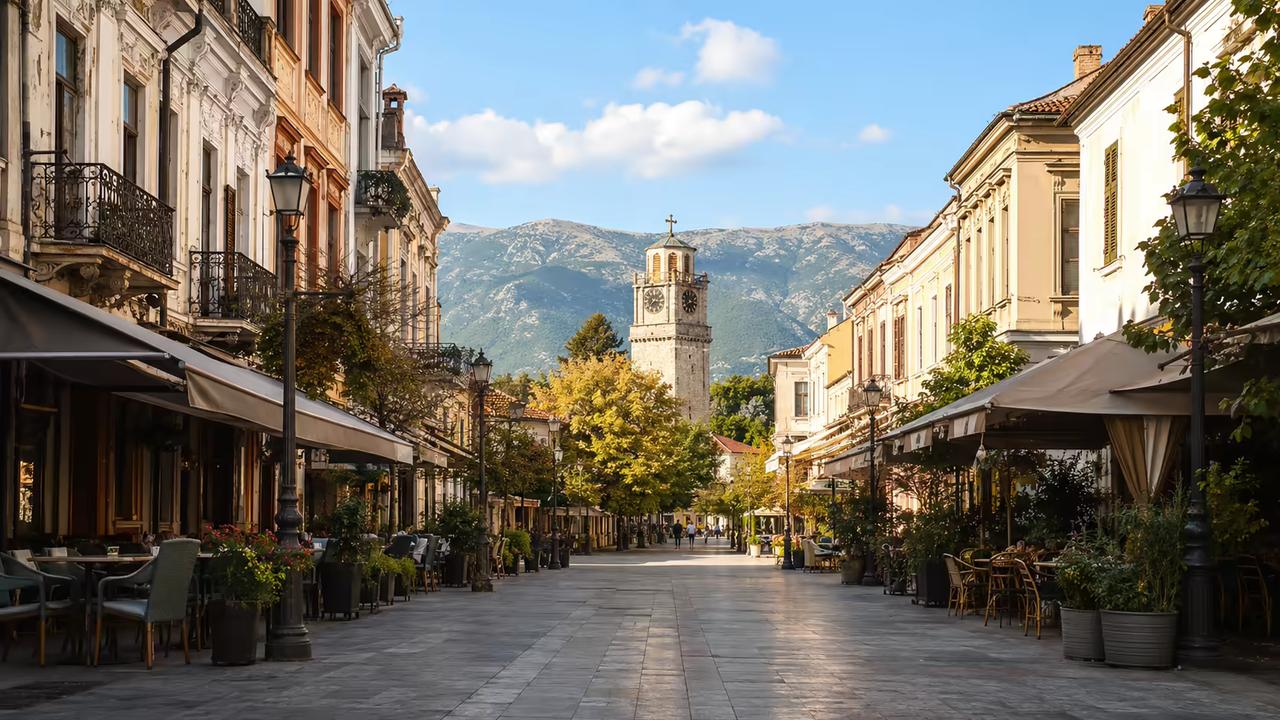
Bitola ist die zweitgrößte Stadt Nordmazedoniens und wohl auch die charmanteste. Als „Stadt der Konsuln“ für ihre historische diplomatische Präsenz bekannt, vereint Bitola osmanische Architektur, lebendige Fußgängerboulevards und antike Ruinen zu einem fußläufig erschlossenen, erschwinglichen Gesamtpaket. Die Stadt eignet sich für Remote-Worker, Rentner und Studierende, die ein ruhigeres Lebenstempo mit echter kultureller Tiefe suchen – alles nur Minuten von der griechischen Grenze entfernt. Ob Sie von der Universitätsatmosphäre, den bemerkenswert niedrigen Lebenshaltungskosten oder der Nähe zum Ohridsee und zur Ägäisküste angezogen werden – Bitola bietet eine Lebensqualität, die weit über seiner Größe liegt.
Bitola auf einen Blick
- Einwohnerzahl
- ~70,000–75,000
- Region
- Pelagonia, Südwest-Nordmazedonien
- Bekannt für
- Shirok-Sokak-Boulevard, Ruinen von Heraclea Lyncestis, Universität St. Clemens von Ohrid
- Durchschnittliche Miete (1-Zimmer)
- MKD 13.000–18.000 (€210–€300)
- Durchschnittsgehalt
- MKD 36.000–40.000 (€590–€650) netto/Monat
- Expat-Gemeinschaft
- Klein, aber wachsend – Studierende, Remote-Worker, Rentner und Grenzpendler
Warum nach Bitola umziehen?
- Äußerst erschwinglich: Mieten, Lebensmittel und Restaurantbesuche kosten nur einen Bruchteil der westeuropäischen Preise, sodass Sie mit einem bescheidenen Budget komfortabel leben können. Eine Einzelperson kann bequem von €560–€755 pro Monat auskommen.
- Reiche Geschichte und Kultur: Das antike Heraclea Lyncestis, osmanische Moscheen und die ikonische Fußgängerzone Shirok Sokak verleihen der Stadt einen Charakter, der den meisten Balkanstädten fehlt. Hellenistische, römische, osmanische und österreichisch-ungarische Einflüsse sind an jeder Ecke sichtbar.
- Universitätsstadtatmosphäre: Die Universität St. Clemens von Ohrid bringt das ganze Jahr über junge Menschen, Kulturveranstaltungen und ein lebendiges gesellschaftliches Leben in die Stadt. Der akademische Kalender hält die Straßen von Oktober bis Juni belebt.
- Strategische Lage: Der griechische Grenzübergang Medzhitlija liegt nur 14 km entfernt, und der Flughafen Thessaloniki ist etwa 2,5 Stunden mit dem Auto erreichbar – ideal für Wochenendreisen auf dem Balkan. Der Ohridsee liegt in der entgegengesetzten Richtung nur 1,5 Stunden entfernt.
Wohnungssuche in Bitola
Durchschnittliche Mieten
| Stadtviertel | 1-Schlafzimmer | 3-Schlafzimmer | Charakter |
|---|---|---|---|
| Stadtzentrum | MKD 15.000–18.000 (€250–€300) | MKD 25.000–35.000 (€410–€570) | Fußläufig, in der Nähe von Shirok Sokak, Cafés und Märkten |
| Nova Bitola | MKD 12.000–15.000 (€200–€250) | MKD 20.000–28.000 (€330–€460) | Moderne Wohnblocks, lokale Geschäfte, gute Busverbindungen |
| Bair | MKD 11.000–14.000 (€180–€230) | MKD 18.000–25.000 (€295–€410) | Ruhiger, in der Nähe des Dragor-Flusses, familienfreundlich |
| Oberes Bitola (Stara Čaršija) | MKD 10.000–14.000 (€165–€230) | MKD 17.000–24.000 (€280–€395) | Historisches Viertel, Kopfsteinpflasterstraßen, traditionelle Häuser |
| Außenbezirke | MKD 8.000–12.000 (€130–€200) | MKD 14.000–20.000 (€230–€330) | Grünflächen, ruhig, mehr Platz pro Denar |
So finden Sie eine Wohnung
- Pazar3.com und Reklama5.mk: Die beiden wichtigsten Kleinanzeigenplattformen in Nordmazedonien, auf denen Vermieter Mietobjekte direkt inserieren. Beide haben spezielle Bitola-Filter und werden täglich aktualisiert. Reklama5 hat tendenziell mehr Inserate, während Pazar3 eher auf Privatvermieter ausgerichtet ist.
- Facebook-Gruppen: Suchen Sie nach „Bitola stanovi“ oder „Bitola apartments“ – viele lokale Vermieter bevorzugen Social-Media-Inserate gegenüber traditionellen Plattformen. Die Reaktionszeiten liegen meist innerhalb weniger Stunden, und Sie können direkt verhandeln.
- Lokale Maklerbüros: In der Stadtmitte gibt es einige Immobilienagenturen. Sie verlangen eine einmalige Gebühr (in der Regel eine Monatsmiete), sparen aber Zeit, erledigen die Mietvertragsunterlagen und können für Nicht-Mazedonisch-Sprechende übersetzen.
- Mundpropaganda: Fragen Sie in Cafés, an Uni-Schwarzen Brettern oder bei lokalen Kontakten nach; private Deals sind üblich und oft günstiger als die ausgeschriebenen Preise. Dies ist nach wie vor die vertrauenswürdigste Methode in kleineren mazedonischen Städten.
Tipps für Expats
- Rechnen Sie damit, eine Monatsmiete als Kaution sowie den ersten Monat im Voraus zu zahlen. Manche Vermieter verlangen für möblierte Wohnungen zwei Monatsmieten als Kaution.
- Die meisten Mietverträge laufen 12 Monate; kürzere Laufzeiten sind möglich, kosten aber mehr pro Monat. Monatliche Kündigungsoptionen sind selten.
- Nebenkosten (Strom, Wasser, Heizung, Internet) werden in der Regel separat bezahlt – kalkulieren Sie MKD 3.000–5.000 (€50–€80) pro Monat, je nach Jahreszeit und Heizungsart.
- Prüfen Sie Heizsysteme vor Vertragsunterzeichnung sorgfältig. Ältere Gebäude haben möglicherweise Elektro- oder Zentralheizung, die im Winter zu hohen Kosten führen kann. Bitten Sie um die Nebenkostenabrechnungen des vergangenen Winters.
- Möblierte Wohnungen sind häufiger in der Nähe der Universität; unmöblierte Einheiten dominieren den Rest des Marktes.
- Bestehen Sie immer auf einem unterzeichneten Mietvertrag (договор за наем) – er schützt beide Parteien und wird häufig für Aufenthaltserlaubnisanträge benötigt.
Stadtviertel-Leitfaden
- Stadtzentrum: Das Herz von Bitola. Am besten für Neuzugänge, die Shirok Sokak, Restaurants und Kulturstätten in unmittelbarer Nähe haben möchten. Die Mieten sind die höchsten in der Stadt, bleiben aber im europäischen Vergleich sehr erschwinglich. An Wochenenden kann es durch die Außengastronomiekultur und das Nachtleben laut werden.
- Nova Bitola: Ein geplantes Wohngebiet mit mittelhohen Wohnblocks, Spielplätzen und lokalen Bäckereien. Ideal für Familien und alle, die eine ruhige Wohnbasis mit guter Anbindung an das Zentrum suchen. Busverbindungen sind zuverlässig, und das Parken ist einfacher als im Zentrum.
- Bair: Ein grünes Viertel am Dragor-Fluss mit einer Mischung aus Häusern und älteren Wohnungen. Beliebt bei Einheimischen und Expats, die Grünflächen und ein ruhigeres Lebenstempo bevorzugen. Der Flussweg eignet sich gut für Morgenspaziergänge. Die Mieten liegen im mittleren Bereich.
- Stara Čaršija (Alter Basar): Das historische osmanische Viertel mit engen Gassen, traditioneller Architektur und einigen umgebauten Gebäuden im Kulturgut-Stil. Günstigere Mieten, aber die Wohnungen können älter und kleiner sein. Ideal für alle, die Charakter über moderne Ausstattung stellen.
- Außenbezirke Bitola / Ländliche Randgebiete: Für alle, die einen Garten oder mehr Platz möchten. Die Mieten sinken deutlich, aber Sie benötigen wahrscheinlich ein Auto oder sind auf seltene Busse angewiesen. Dörfer wie Bukovo und Nišepole bieten naturnahes Wohnen in 10–15 Minuten Entfernung vom Zentrum.
Lebenshaltungskosten in Bitola
Monatliche Budgetaufstellung
| Kategorie | Budgetspanne |
|---|---|
| Miete (1-Zimmer, Zentrum) | MKD 15.000–18.000 (€250–€300) |
| Nebenkosten | MKD 3.000–5.000 (€50–€80) |
| Internet (50–100 Mbps) | MKD 800–1.200 (€13–€20) |
| Lebensmittel | MKD 10.000–14.000 (€165–€230) |
| Verkehr | MKD 900–1.100 (€15–€18) |
| Auswärts essen (4x/Monat) | MKD 3.000–5.000 (€50–€80) |
| Freizeit/Fitnessstudio | MKD 1.000–2.000 (€16–€33) |
| Gesamt | MKD 34.000–46.000 (€560–€755) |
Alltägliche Kosten
- Kaffee (Espresso): MKD 80–120 (€1,30–€2,00)
- Mittagessen (einfaches Restaurant): MKD 250–400 (€4–€6,50)
- Monatliche Busfahrkarte: MKD 900–1.100 (€15–€18)
- Bier (Bar): MKD 120–180 (€2–€3)
- Kinoticket: MKD 200–300 (€3,30–€5)
- Brot (500-g-Laib): MKD 30–50 (€0,50–€0,80)
- Milch (1 Liter): MKD 55–75 (€0,90–€1,20)
- Ein Dutzend Eier: MKD 80–120 (€1,30–€2,00)
- Fitnessstudio-Mitgliedschaft (monatlich): MKD 1.000–2.000 (€16–€33)
- Monatlicher Mobilfunktarif (5–10 GB): MKD 300–500 (€5–€8)
- Taxi (Fahrt innerhalb der Stadt): MKD 150–300 (€2,50–€5)
Mobilität in Bitola
- Öffentliche Verkehrsmittel: Ein kleines, aber funktionelles Busnetz verbindet die wichtigsten Stadtteile. Einzelfahrten kosten MKD 35–50; Monatskarten kosten rund MKD 900–1.100. Die Taktfolge nimmt abends und am Wochenende ab. Das System ist für den täglichen Pendelverkehr ausreichend, aber in den Nebenverkehrszeiten eingeschränkt.
- Zu Fuß und mit dem Fahrrad: Das Zentrum von Bitola ist kompakt und flach – die meisten Erledigungen sind zu Fuß in 15–20 Minuten erreichbar. Radfahren ist möglich, obwohl dedizierte Radwege begrenzt sind und Autofahrer nicht immer auf Radfahrer achten. Einige Fahrradverleihgeschäfte bedienen im Sommer Touristen.
- Autofahren: Leichter Verkehr nach europäischen Maßstäben. Das Parken im Zentrum kann zu Stoßzeiten eng sein, aber in den umliegenden Straßen gibt es kostenlose oder günstige Stellplätze. Die Kraftstoffpreise entsprechen dem regionalen Durchschnitt. Ein Auto ist vor allem nützlich für Ausfluüge in Dörfer, die Pelagonia-Ebene und Wochenendtrips nach Griechenland oder zum Ohridsee.
- Taxi: Erschwinglich und weit verbreitet. Taxis können auf der Straße angehalten, telefonisch bestellt oder über Apps gebucht werden. Taxameter-Fahrten innerhalb der Stadt überschreiten selten MKD 300 (€5).
- Flughafen: Bitola hat keinen kommerziellen Flughafen. Der nächste ist Thessaloniki (SKG), etwa 130 km südlich, mit Verbindungen in ganz Europa und darüber hinaus. Der Flughafen Skopje (SKP) liegt etwa 170 km nordöstlich. Beide sind per Bus oder privatem Transfer in 2,5–3,5 Stunden erreichbar.
- Überlandbusse: Häufige Verbindungen nach Skopje (3 Stunden), Ohrid (1,5 Stunden) und Thessaloniki (2,5 Stunden). Busse sind das primäre Fernverkehrsmittel; Schienenverbindungen existieren, sind aber langsam, eingeschränkt und für zeitkritische Reisen nicht empfehlenswert.
Gesundheitsversorgung in Bitola
- Krankenhäuser/Kliniken: Das Allgemeine Krankenhaus Bitola ist die wichtigste öffentliche Einrichtung und bietet Notfall- und Facharztversorgung. Mehrere Privatkliniken – darunter Medika und Sistina – bieten schnellere Terminvergabe, moderne Ausstattung und kürzere Wartezeiten. Zahnmedizinische Versorgung ist ebenfalls zu wettbewerbsfähigen Preisen verfügbar, oft nur ein Bruchteil der westeuropäischen Tarife.
- Englischsprachige Ärzte: In Privatkliniken verfügbar, insbesondere in solchen, die internationale Patienten betreuen oder in Universitätsnähe liegen. In öffentlichen Einrichtungen variieren die Englischkenntnisse, verbessern sich aber beim jüngeren medizinischen Personal.
- Apotheken: In der ganzen Stadt weit verbreitet, viele bis spät geöffnet oder am Wochenende. Die Rezeptpflicht richtet sich nach EU-Normen. Rezeptfreie Medikamente sind günstig und werden oft ohne die in Westeuropa üblichen bürokratischen Schritte verkauft.
- Notrufnummer: 194 (Krankenwagen), 192 (Polizei), 193 (Feuerwehr).
- Krankenversicherung: Einwohner mit langfristigen Aufenthaltsgenehmigungen müssen sich über den Krankenversicherungsfonds (Фонд за здравствено осигурување) im öffentlichen Gesundheitssystem anmelden. Eine private Krankenversicherung wird als Ergänzung empfohlen, insbesondere für schnelleren Zugang zu Fachärzten und englischsprachige Konsultationen. Monatliche Privatprämien sind nach westlichen Maßstäben erschwinglich – in der Regel MKD 2.000–4.000 (€33–€65), je nach Deckungsgrad.
Erhalten Sie einen persoenlichen Umzugsplan
Hinterlassen Sie Ihre E-Mail, und wir senden Ihnen eine passende Checkliste plus drei Angebote gepruefter Umzugsunternehmen.
Kultur & Lebensstil
- Shirok Sokak: Bitolas ikonische breite Fußgängerpromenade ist gesäumt von Cafés, Boutiquen und Gebäuden aus dem 19. Jahrhundert. Sie ist die soziale Achse der Stadt – der Ort, um zu sehen und gesehen zu werden, besonders an Wochenendabenden, wenn die gesamte Stadt scheinbar flaniert, schlürft und plaudert. Straßenmusiker, Maler und Händler sorgen in den wärmeren Monaten für Atmosphäre.
- Heraclea Lyncestis: Beeindruckende Ruinen aus dem 4. Jahrhundert v. Chr. mit gut erhaltenen römischen Mosaiken, einem Amphitheater und laufenden Ausgrabungen. Die von Philipp II. von Makedonien gegründete Stätte vereint hellenistische, römische und frühchristliche Überreste. Ein großer Anziehungspunkt für Geschichtsliebhaber und ein perfekter Sonntagsausflug. Der Eintritt kostet MKD 150–200.
- Konsuln und Diplomatie: Bitola beherbergte im 19. Jahrhundert mehr als ein Dutzend ausländische Konsulate und erhielt den Spitznamen „Stadt der Konsuln“. Dieses Erbe zeigt sich in der prächtigen Architektur im europäischen Stil und dem internationalen Blickwinkel, der bis heute fortbesteht. Mehrere Konsulatsgetäude sind heute Museen oder Kulturzentren.
- Festivals und Veranstaltungen: Das Bitola Shakespeare Festival, das Bitola Film Festival und das Internationale Kameramann-Filmfestival der Gebrüder Manaki bringen jedes Jahr internationale Kulturveranstaltungen. In der Sommersaison finden auch Freiluftkonzerte und Straßenaufführungen entlang des Shirok Sokak statt.
- Religiöse Vielfalt: Orthodoxe Kirchen, osmanische Moscheen und eine katholische Kirche spiegeln Bitolas multiethnische Geschichte wider. Die Stadt ist überwiegend mazedonisch-orthodox, wobei türkische, albanische und Roma-Minderheiten kulturelle Schichten hinzufügen, die in Städten ähnlicher Größe selten zu finden sind.
- Nachtleben: Bescheiden im Vergleich zu Skopje, aber Shirok Sokak und seine Seitenstraßen beherbergen einige lebhafte Bars, Weinbars und Spätcafés. Die Atmosphäre ist gesellig und gemächlich statt cluborientiert. Live-Musikveranstaltungen finden gelegentlich in Universitätsveranstaltungsorten und Kulturzentren statt. Craft-Beer-Bars und weinorientierte Lokale haben in den letzten Jahren an Beliebtheit gewonnen.
- Museen und Galerien: Das Museum Bitola deckt die Regionalgeschichte von der Antike bis zur Neuzeit ab. Das Institut und Museum – Bitola beherbergt archäologische Sammlungen und Wechselausstellungen. Kleinere Galerien am Shirok Sokak zeigen lokale Künstler, und die Universität veranstaltet während des gesamten Studienjahres Studentenkunstausstellungen.
- Sport und Fitness: Der Nationalpark Pelister zieht im Winter Wanderer, Trailrunner und Skifahrer an. Die Stadt verfügt über mehrere Fitnessstudios, ein öffentliches Schwimmbad und Fußballplätze. Basketball und Handball sind beliebte Zuschauersportarten, und lokale Spiele sind eine erschwingliche Möglichkeit, die mazedonische Sportkultur zu erleben.
- Outdoor-Aktivitäten: Der Berg Baba und der Nationalpark Pelister liegen nur 15 km südlich und bieten Wandern, Skifahren und unberührte Bergseen. Der Dragor-Flusswanderweg ist beliebt zum Spazierengehen und Joggen. Wochenendausfluüge zum Ohridsee oder an die griechische Küste sind einfach und preiswert.
Essen & Gastronomie
- Probieren Sie Tavče Gravče (gebackene Bohnen), Ajvar (Paprikarelish) und die lokale Variante von Kebapi in traditionellen Kafanas auf der Seite des Alten Basars. Shopska-Salat und gefüllte Paprika sind alltägliche Grundnahrungsmittel. Turli Tava (gemischter Gemüseeintopf) ist ein weiterer lokaler Favorit.
- Shirok Sokak und seine Seitenstraßen haben die dichteste Konzentration an Restaurants – von Pizza und Burgern bis hin zu feiner mazedonischer Küche und internationalen Optionen. Türkisch beeinflusste Gebäcke und Burek-Läden sind überall zu finden.
- Ein vollständiges Abendessen für zwei Personen mit Wein überschreitet selten MKD 1.500–2.500 (€25–€40). Günstige Mahlzeiten in lokalen Restaurants beginnen ab MKD 150–200 (€2,50–€3,30). Der Grüne Markt (Zelena Pijaca) ist der beste Ort für frische, saisonale Produkte zu günstigen Preisen – Einheimische kaufen hier Obst, Gemüse, Käse und Honig direkt von regionalen Bauern.
- Mazedonischer Wein ist unterschätzt und preiswert. Lokale Sorten wie Vranec und Temjanika harmonieren gut mit der regionalen Küche und kosten MKD 300–600 pro Flasche in Läden. Rakija (Obstbrand) ist der Nationalschnaps und wird bei den meisten gesellschaftlichen Zusammenkünften als Willkommensgetränk gereicht.
Expat-Gemeinschaft
- Eine kleine, aber aktive Expat-Szene, darunter Erasmus-Studierende, digitale Nomaden und Rentner, die von den niedrigen Lebenshaltungskosten und der Lebensqualität angezogen werden. Die Gemeinschaft ist eng verbunden, sodass es leicht ist, echte Kontakte zu knüpfen.
- Facebook-Gruppen wie „Expats in Bitola“ und „Foreigners in North Macedonia“ sind die besten Orte, um sich zu vernetzen und Fragen zu stellen. Regelmäßige Treffen finden während des Studienjahres statt.
- Sprachaustauschtreffen und universitär organisierte Veranstaltungen finden regelmäßig von Oktober bis Juni statt. Mazedonisch gemeinsam mit Einheimischen zu lernen, beschleunigt sowohl die Sprachkenntnisse als auch die soziale Integration.
- Das internationale Büro der Universität organisiert jedes Semester Willkommensveranstaltungen für Austauschstudierende, an denen Expats manchmal als Gäste oder Freiwillige teilnehmen können.
Arbeitsmarkt in Bitola
- Hauptbranchen: Bildung, leichte Fertigung (Textilien, Lebensmittelverarbeitung, Automobilteile), Einzelhandel, Tourismus und zunehmend Fernarbeit für ausländische Arbeitgeber.
- Wichtige Arbeitgeber: Die Universität St. Kliment von Ohrid, Kromberg & Schubert (Automobilkabelstränge), mehrere Krankenhäuser und Arbeitgeber aus dem öffentlichen Sektor sowie eine wachsende Zahl von IT-Freiberuflern, die für westliche Unternehmen remote arbeiten.
- Durchschnittliche Gehälter nach Branche:
| Branche | Monatliches Netto (MKD) | Monatliches Netto (EUR) |
|---|---|---|
| Bildung | 30.000–40.000 | €490–€650 |
| Fertigung | 28.000–38.000 | €460–€620 |
| Gesundheitswesen | 32.000–42.000 | €525–€690 |
| IT / Remote | 50.000–100.000+ | €820–€1.640+ |
| Einzelhandel / Dienstleistung | 22.000–30.000 | €360–€490 |
- Stellensuche-Ressourcen: Vrabotuvanje.com, Rabota.mk und LinkedIn sind die wichtigsten Plattformen. Lokale Einstellungen erfolgen auch über Stellenbörsen der Universität, Unternehmenswebsites und persönliche Empfehlungen – Netzwerken ist in einer kleineren Stadt wie Bitola wichtig. Für Remote-Stellen sind Plattformen wie We Work Remotely und Remote OK unter digitalen Nomaden, die hier ansässig sind, beliebt.
- Freiberuflichkeit und Selbstständigkeit: Der pauschale Einkommensteuersatz von 10 % in Nordmazedonien ist für Freiberufler und selbstständige Fachleute attraktiv. Die Registrierung als Einzelunternehmer ist unkompliziert und kann beim Zentralregister abgeschlossen werden. Viele digitale Nomaden wählen diesen Weg aus steuerlichen Effizienzgründen.
Bildung in Bitola
- Internationale Schulen: Bitola hat keine dedizierte internationale Schule nach IB- oder britischen/amerikanischen Lehrplänen. Private Grund- und weiterführende Schulen bieten jedoch starke Sprachprogramme (Englisch, Deutsch, Französisch) und moderne Lehrmethoden. Für vollständige internationale Lehrpläne wenden sich Familien manchmal an Skopje oder organisieren Online-Schulunterricht.
- Universitäten: Die Universität St. Kliment von Ohrid – Bitolas wichtigste Hochschuleinrichtung mit Fakultäten in Technologie, Wirtschaft, Recht, Medizin, Informatik, biotechnischen Wissenschaften und den Geisteswissenschaften. Sie zieht internationale Studierende durch Erasmus+ und bilaterale Austauschprogramme an und bietet einige Programme auf Englisch und Französisch an. Der Campus erstreckt sich über mehrere Standorte in der Stadt, wobei sich das Hauptverwaltungsgebäude in der Nähe des Stadtzentrums befindet.
- Sprachschulen: Mehrere private Sprachzentren bieten Mazedonisch-, Englisch-, Griechisch- und Türkischkurse an. Die Universität bietet auch Mazedonisch-Sprachkurse für ausländische Studierende an, die für die Integration und den Alltag hilfreich sein können. Abendkurse sind beliebt bei berufstätigen Expats, die ihre Kenntnisse verbessern möchten, ohne ihren Zeitplan zu beeinträchtigen.
- Vorschule und Kinderbetreuung: Kindergarten-Einrichtungen (детски градиња) sind in öffentlicher und privater Form verfügbar. Öffentliche Kindergarten-Einrichtungen sind erschwinglich, können aber Wartelisten haben. Private Kindertagesstätten bieten mehr Flexibilität und beinhalten manchmal frühe Englischsprachexposition.
- Nachhilfe: Privater Nachhilfeunterricht ist üblich und erschwinglich. Englisch-, Mathematik- und Mazedonisch-Nachhilfelehrer berechnen MKD 400–800 pro Stunde. Universitätsstudierende bieten häufig Nachhilfe zu günstigeren Preisen an.
Umzugs-Checkliste für Bitola
- Klären Sie die Visa- oder Aufenthaltserlaubnisanforderungen für Nordmazedonien basierend auf Ihrer Staatsangehörigkeit
- Organisieren Sie eine Unterkunft oder buchen Sie eine vorübergehende Unterkunft für die ersten zwei Wochen (Airbnb, Booking oder lokale Kontakte)
- Lassen Sie apostillierte Kopien wichtiger Dokumente anfertigen (Geburtsurkunde, Diplom, Heiratsurkunde)
- Informieren Sie sich über die Einfuhrbestimmungen für Haustiere, falls Sie Tiere mitbringen – Mikrochip, Tollwutimpfung und Gesundheitszeugnis sind Pflicht
- Benachrichtigen Sie Ihre Bank und prüfen Sie die internationale Kartenakzeptanz in Nordmazedonien (Visa und Mastercard werden weitgehend akzeptiert; Amex nicht)
- Laden Sie eine Übersetzungs-App herunter (Google Translate unterstützt Mazedonisch) für die ersten Tage, bevor Ihre Sprachkenntnisse besser werden
- Informieren Sie sich über die lokalen Lebenshaltungskosten und legen Sie einen Pufferfonds für die ersten 2–3 Monate beiseite
- Melden Sie Ihre Adresse bei der örtlichen Polizeidienststelle (MVR) innerhalb von 24–72 Stunden nach der Ankunft an
- Kaufen Sie eine lokale SIM-Karte (A1, T-Mobile oder Lyca Mobile) – erhältlich an Kiosken und in Supermärkten für MKD 200–500
- Eröffnen Sie ein Bankkonto (NLB Banka, Stopanska Banka oder Komercijalna Banka) mit Reisepass und Adressnachweis
- Machen Sie sich mit dem Shirok Sokak, dem Grünen Markt (Zelena Pijaca) und den Buslinien vertraut
- Richten Sie das Internet in Ihrer Wohnung ein, falls es nicht inklusive ist – Telekabel und A1 sind die wichtigsten Anbieter
- Finden Sie die nächstgelegene Apotheke, den nächstgelegenen Lebensmittelladen und das nächstgelegene Krankenhaus oder die nächste Klinik in der Nähe Ihrer Wohnung
- Kaufen Sie ein einfaches lokales Telefonbuch oder speichern Sie wichtige Nummern (Notfall, Vermieter, Botschaft) in Ihrem Telefon
- Beantragen Sie eine Steueridentifikationsnummer (даночен број / TIN) beim Amt für öffentliche Einnahmen
- Melden Sie sich bei einem Krankenversicherungsanbieter an, wenn Sie eine langfristige Aufenthaltserlaubnis besitzen
- Erkunden Sie Stadtteile, in die Sie langfristig ziehen möchten – besuchen Sie jedes Viertel zu verschiedenen Tageszeiten
- Treten Sie lokalen Expat- und Sozialgruppen auf Facebook bei, um Ihr Netzwerk aufzubauen
- Besuchen Sie Heraclea Lyncestis und spüren Sie der vielschichtigen Geschichte der Stadt nach
- Beginnen Sie mit Mazedonisch-Unterricht – schon grundlegende Phrasen verwandeln alltägliche Interaktionen
- Registrieren Sie sich bei der Botschaft oder dem Konsulat Ihres Landes, falls zutreffend
- Etablieren Sie eine regelmäßige Einkaufsroutine auf dem Grünen Markt für frische Produkte
Verwandte Leitfäden
- Umzug nach Nordmazedonien – umfassender Länderguide
- Umzug nach Skopje – der Hauptstadtguide
- Umzug nach Ohrid – Stadtguide für die Seestadt
- Umzug nach Tetovo – Stadtguide für den Nordwesten
- Umzug nach Kumanovo – Stadtguide für den Norden
Viele Menschen, die nach Nordmazedonien umziehen, entscheiden sich oft dafür, sich in beliebten Städten wie Skopje, Bitola, Ohrid, Tetovo und Kumanovo niederzulassen. Diese Städte bieten eine ausgewogene Mischung aus Karrieremöglichkeiten, zugänglichen Annehmlichkeiten, kulturellen Attraktionen und einladenden lokalen und internationalen Gemeinschaften. Ihre Kombination aus Sicherheit, erschwinglichen Lebenshaltungskosten und reicher Geschichte macht sie besonders attraktiv für Expats, die in Nordmazedonien ein neues Kapitel beginnen.