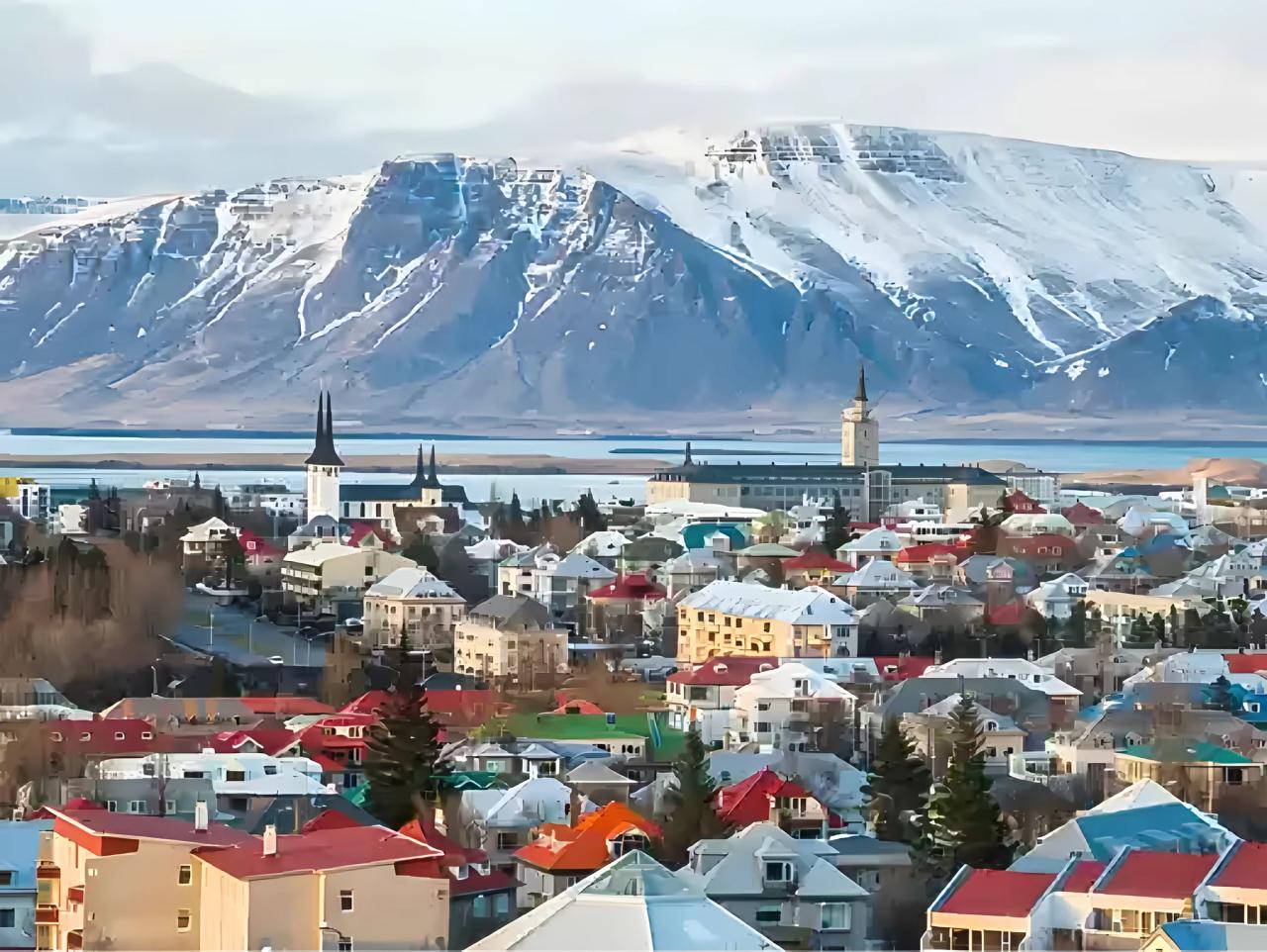

Kópavogur ist Islands zweitgrößte Gemeinde und liegt direkt südlich von Reykjavik als Teil der Hauptstadtregion. Es ist eine Wohngemeinde, die für Familien gebaut wurde — breite Straßen, neuere Wohnhäuser, gute Schulen und das größte Einkaufszentrum des Landes, Smáralind. Es gibt keine historische Altstadt und keine touristischen Sehenswürdigkeiten, aber genau das ist der Punkt. Kópavogur bietet mehr Platz und niedrigere Mieten als das Zentrum von Reykjavik, und Sie sind trotzdem in 10 Fahrminuten oder einer kurzen Busfahrt von allem entfernt, was die Hauptstadt zu bieten hat. Wenn Sie mit Kindern umziehen oder einfach eine ruhigere Basis mit gutem Stadtzugang bevorzugen, ist Kópavogur eine ausgezeichnete Wahl.
Kópavogur auf einen Blick
- Einwohnerzahl
- ~39,000
- Region
- Hauptstadtregion (Höfuðborgarsvæðið)
- Bekannt für
- Smáralind Einkaufszentrum, familienfreundliche Vororte, Gerðarsafn Kunstmuseum
- Durchschnittliche Miete (1 Zimmer)
- ISK 200.000–280.000/Monat
- Durchschnittliches Gehalt
- ISK 470.000–540.000/Monat (netto)
- Expat-Gemeinschaft
- Mäßig — viele Familien pendeln zur Arbeit nach Reykjavik
- Hauptsprache
- Isländisch (Englisch weit verbreitet)
- Klima
- Ähnlich wie in Reykjavik — kühle Sommer, milde Winter, häufiger Wind
Warum nach Kópavogur ziehen
- Günstigere Mieten: Sie können im Vergleich zur Innenstadt von Reykjavik 10–20 % bei der Miete sparen und bleiben dabei in der Hauptstadtregion. Die Ersparnisse summieren sich über ein Jahr erheblich.
- Familienorientierte Infrastruktur: Ausgezeichnete Grundschulen, Kindergärten, Sporteinrichtungen und Spielplätze sind über die gesamte Stadt verteilt. Die Kinderbetreuung ist gut organisiert.
- Einkaufen und Dienstleistungen: Smáralind ist das größte Einkaufszentrum Islands mit über 100 Geschäften, Restaurants, einem Kino und einem Supermarkt — vieles, was Sie brauchen, finden Sie unter einem Dach.
- Schnelle Verbindung nach Reykjavik: Häufige Strætó-Busse verbinden Kópavogur in 15–25 Minuten mit dem Zentrum von Reykjavik. Mit dem Auto dauert der Weg 10 Minuten.
- Grün und ruhig: Kópavogur hat mehr Parks, Wanderwege und Freiflächen pro Einwohner als die meisten Gemeinden der Hauptstadtregion.
Wohnungssuche in Kópavogur
Der Mietmarkt in Kópavogur ist weniger wettbewerbsintensiv als das Zentrum von Reykjavik, aber nach internationalen Maßstäben immer noch angespannt. Familien neigen dazu, jahrelang zu bleiben, daher ist die Fluktuation geringer. Wohnungen hier sind in der Regel neuer und größer als im Reykjaviker Bezirk 101. Viele Gebäude wurden in den 1990er- und 2000er-Jahren mit Familiengrundrissen errichtet — Zwei- oder Drei-Zimmer-Wohnungen sind häufiger als Studios.
Durchschnittliche Mieten
| Stadtviertel | 1 Schlafzimmer | 3 Schlafzimmer | Charakter |
|---|---|---|---|
| Kópavogur Zentrum | ISK 220.000–300.000 | ISK 380.000–490.000 | Ältere Wohnungen, in der Nähe von Einrichtungen |
| Smárahvammur | ISK 200.000–270.000 | ISK 350.000–460.000 | In der Nähe von Smáralind, neuere Gebäude |
| Lindir | ISK 210.000–280.000 | ISK 360.000–470.000 | Wohngebiet, nahe der Grenze zu Reykjavik |
| Salir | ISK 190.000–250.000 | ISK 330.000–430.000 | Ruhig, Einfamilienhäuser und Reihenhäuser |
| Kársnes | ISK 230.000–310.000 | ISK 400.000–520.000 | Küstenlage, neuere Bebauung, malerisch |
| Digranes | ISK 200.000–275.000 | ISK 350.000–460.000 | Hügelig, nahe der Grenze zu Garðabær |
So finden Sie eine Wohnung
- Mbl.is Kleinanzeigen: Die wichtigste Plattform für Mietangebote in der gesamten Hauptstadtregion. Filtern Sie nach Kópavogur für lokale Ergebnisse.
- Leigulistinn / Rental.is: Dedizierte Mietsuche mit Kópavogur-Filtern.
- Facebook-Gruppen: "Leiga á Íslandi" enthält regelmäßig Angebote aus Kópavogur.
- Lokale Tipps: Mietwohnungen in Kópavogur wechseln seltener den Mieter als in Reykjavik — Familien bleiben tendenziell länger. Beginnen Sie Ihre Suche frühzeitig und halten Sie Ihre Unterlagen bereit. Hausverwaltungsgesellschaften (fasteignafélag) inserieren manchmal direkt.
Tipps für Expats
- Die meisten Wohnungen in Kópavogur sind unmöbliert. Planen Sie ISK 100.000–300.000 für grundlegende Gebrauchtmöbel über Bland.is ein.
- Die Stadt ist gut mit dem Bus verbunden, aber ein Auto erleichtert das Leben mit Kindern erheblich.
- Melden Sie Ihre Adresse umgehend bei Registers Iceland an — davon hängen das Schuleinzugsgebiet und die Zuweisung des Gesundheitszentrums ab.
- Garðabær und Kópavogur gehen an manchen Stellen ineinander über. Vergleichen Sie die Mieten in beiden Gemeinden, wenn Sie flexibel sind.
- Prüfen Sie, ob Nebenkosten inklusive sind — einige Mietverhältnisse in Kópavogur schließen Warmwasser in der Miete ein.
Stadtteilführer
- Kópavogur Zentrum: Der ursprüngliche Kern mit älteren Wohngebäuden, dem Rathaus und einer Konzentration von Geschäften und Dienstleistungen. Gut zu Fuß erreichbar und praktisch. Gute Busanbindung nach Reykjavik.
- Smárahvammur: Rund um das Smáralind Einkaufszentrum erbaut. Moderne Wohnblöcke und Reihenhäuser. Sehr praktisch für Einkaufen und Essen gehen. Ein beliebter erster Anlaufpunkt für Neuankömmlinge.
- Lindir: Liegt an der Grenze zu Reykjavik. Gute Busverbindungen und ein Mix verschiedener Wohnungstypen. Beliebt bei Pendlern, die in der Hauptstadt arbeiten, aber ruhigere Straßen bevorzugen.
- Salir: Ein ruhigeres, grüneres Viertel mit Einfamilienhäusern und niedrigen Reihenhäusern. Bevorzugt von Familien, die mehr Außenfläche wünschen. Spielplätze und Schulen sind in der Nähe.
- Kársnes: Eine Küstenhalbinsel im rasanten Wandel. Neuere Wohnungen mit Meerblick. In der Nähe des Fossvogur-Tals und der Wanderwege. Das angesagteste Viertel in Kópavogur.
- Digranes: Hügeliges Gebiet nahe der Grenze zu Garðabær. Ruhige Straßen, gute Schulen und größere Grundstücke. Etwas ländlicher in der Atmosphäre.
Lebenshaltungskosten in Kópavogur
Die Kosten in Kópavogur spiegeln Reykjavik in den meisten Kategorien wider, außer bei der Miete. Die Restaurantoptionen sind außerhalb des Stadtzentrums etwas günstiger. Das Costco im nahen Garðabær ist ein großer Vorteil für den Einkauf in großen Mengen und kann die Lebensmittelkosten spürbar senken.
Monatliche Budgetaufstellung
| Kategorie | Budgetspanne |
|---|---|
| Miete (1 Zimmer, Zentrum) | ISK 210.000–280.000 |
| Nebenkosten (Strom, Wasser, Müll) | ISK 14.000–22.000 |
| Internet (Glasfaser) | ISK 6.000–8.000 |
| Lebensmittel | ISK 55.000–85.000 |
| Verkehr (Busticket oder Autokosten) | ISK 12.500–18.000 |
| Auswärts essen (4x/Monat) | ISK 25.000–45.000 |
| Freizeit/Fitnessstudio-Mitgliedschaft | ISK 7.000–11.000 |
| Handytarif | ISK 3.000–5.000 |
| Gesamt | ISK 332.500–474.000 |
Alltägliche Kosten
- Kaffee (Flat White): ISK 550–750
- Mittagessen (einfaches Restaurant): ISK 2.200–3.200
- Monatliche Fahrkarte (Strætó): ISK 12.500
- Bier (Bar): ISK 1.100–1.700
- Kinokarte (Smáralind): ISK 1.900–2.300
- Brotlaib: ISK 480–650
- 1 L Milch: ISK 170–210
Fortbewegung in Kópavogur
- Öffentliche Verkehrsmittel: Strætó-Busse fahren häufig auf der Linie 1 und anderen Verbindungen nach Reykjavik. Eine Monatskarte für ISK 12.500 gilt für die gesamte Hauptstadtregion. Busse fahren in den Stoßzeiten alle 10–15 Minuten.
- Fahrradfahren: Flaches Gelände und eigens ausgewiesene Wege machen das Radfahren für Kurzstrecken praktisch. Fahrradständer sind in der Nähe von Geschäften und Schulen üblich. Im Winter weniger praktisch.
- Autofahren: Die Straßen sind ausgezeichnet. Das Parken ist in den meisten Wohngebieten und bei Smáralind kostenlos. Der Berufsverkehr nach Reykjavik kann sich zwischen 8:00 und 8:45 Uhr verlangsamen. Kópavogur ist gut an die Reykjanesbraut-Autobahn angebunden.
- Flughafen: Der internationale Flughafen Keflavik ist etwa 55 km entfernt. Flybus-Abholungen können von größeren Hotels und Bushaltestellen in Kópavogur aus arrangiert werden. Die Fahrt dauert 40–50 Minuten.
- Fernbus: Fernbusse in andere Teile Islands fahren vom Mjódd-Busterminal in Reykjavik ab, der sich eine kurze Fahrt von Kópavogur entfernt befindet.
- Taxis: Hreyfill und BSR sind in der Hauptstadtregion tätig. Die Fahrt von Kópavogur in die Innenstadt von Reykjavik kostet ungefähr ISK 3.000–4.500.
Gesundheitsversorgung in Kópavogur
- Krankenhäuser/Kliniken: Heilsugæsla Kópavogs (Primärgesundheitszentrum) kümmert sich um Allgemeinmedizin, Impfungen und Überweisungen. Das Krankenhaus Landspítali in Reykjavik ist 10–15 Minuten mit dem Auto entfernt und bietet Notfallversorgung und Facharztkonsultationen.
- Englischsprachige Ärzte: Im Gesundheitszentrum und in Privatkliniken leicht verfügbar. Die Sprache ist in der isländischen Gesundheitsversorgung keine Barriere.
- Apotheken: Mehrere apótek-Standorte, darunter einer innerhalb von Smáralind. Die meisten sind an Werktagen von 9:00–18:00 Uhr geöffnet.
- Zahnpflege: Private Zahnkliniken sind in Kópavogur tätig. Für Erwachsene nicht durch die öffentliche Versicherung abgedeckt — planen Sie ISK 8.000–14.000 pro Besuch ein.
- Notrufnummer: 112
Erhalten Sie einen persoenlichen Umzugsplan
Hinterlassen Sie Ihre E-Mail, und wir senden Ihnen eine passende Checkliste plus drei Angebote gepruefter Umzugsunternehmen.
Kultur & Lebensstil
- Gerðarsafn Kunstmuseum: Kópavogurs herausragendes Kulturzentrum mit moderner und zeitgenössischer isländischer Kunst in einem markanten Gebäude nahe dem Stadtzentrum.
- Kópavogsvöllur und Sport: Die Stadt investiert stark in Sportanlagen — Schwimmbäder, Fußballplätze und ein Leichtathletikstadion sind alle öffentlich zugänglich. Jugendsportvereine sind beliebt und erschwinglich.
- Grünflächen: Kópavogur ist grüner als die meisten Städte der Hauptstadtregion, mit dem Kópogur-Hügel, der Panoramablicke und Wanderwege bietet. Das Fossvogur-Tal ist mit dem Wanderwegnetz von Reykjavik verbunden.
- Ruhige Abende: Das Nachtleben ist begrenzt. Die meisten Einwohner fahren für nächtliche Unterhaltung nach Reykjavik. Kópavogur ist ein Ort, an dem man spazieren geht, nicht an dem man eine Kneipentour macht.
- Schwimmbäder: Sundlaug Kópavogs ist das Hauptgeothermalfreibad mit Whirlpools, einer Wasserrutsche, Saunen und einem Kinderbereich. Der Eintritt beträgt ISK 1.000–1.200.
Essen & Gastronomie
- Smáralind und die Umgebung haben die größte Restaurantdichte — Pizza, Asiatisch, Burger-Lokale und ein Food Court zu erschwinglichen Preisen.
- Lokale Bäckereien und Cafés im Zentrum von Kópavogur servieren isländisches Gebäck (kleinur, snúður) und Suppenmenüs für ISK 2.000–2.500.
- Der Lebensmitteleinkauf ist hervorragend: Bónus, Krónan und Costco (im nahen Garðabær) decken alle Budgets ab. Die Costco-Mitgliedschaft amortisiert sich innerhalb eines Monats, wenn Sie in großen Mengen kaufen.
Expat-Gemeinschaft
- Kópavogur zieht viele Expat-Familien an, insbesondere aus Polen, Litauen und dem Vereinigten Königreich.
- Schulelterngruppen und Sportvereine sind die wichtigsten sozialen Einstiegspunkte für Familien.
- Das International House Reykjavik veranstaltet Events, die Bewohner Kópavogurs regelmäßig besuchen. Integrationsunterstützung ist auf Englisch verfügbar.
- Facebook-Gruppen für Eltern in Kópavogur sind aktiv und einladend.
Arbeitsmarkt in Kópavogur
- Hauptbranchen: Einzelhandel, Gesundheitswesen, Bildung und öffentliche Verwaltung. Die meisten Fachkräfte pendeln nach Reykjavik für besser bezahlte Stellen.
- Hauptarbeitgeber: Smáralind (Einzelhandel), lokale Gemeinde, Gesundheitskliniken, Schulen, Bau- und Konstruktionsunternehmen.
- Durchschnittliche Gehälter nach Sektor:
| Sektor | Durchschnittliches monatliches Nettoeinkommen (ISK) |
|---|---|
| Einzelhandel / Dienstleistung | 370.000–450.000 |
| Gesundheitswesen | 440.000–580.000 |
| Bildung | 410.000–510.000 |
| Öffentlicher Sektor | 420.000–530.000 |
| IT (Pendlertätigkeiten) | 530.000–720.000 |
- Stellensuche-Ressourcen: Vinnumálastofnun, Tvinna.is, LinkedIn. Die meisten Stellenangebote befinden sich in Reykjavik selbst — Bewohner Kópavogurs pendeln typischerweise 10–20 Minuten zur Arbeit.
Bildung in Kópavogur
- Internationale Schulen: Die International School of Iceland nimmt Schüler aus der gesamten Hauptstadtregion auf. In Reykjavik gelegen, aber leicht mit dem Bus erreichbar. Einige Schulen in Kópavogur bieten starke ESL-Unterstützung für Kinder, die kein Isländisch sprechen.
- Universitäten: Keine Universität in Kópavogur selbst. Die Reykjavik University und die Universität von Island sind beide innerhalb von 15 Minuten mit dem Bus erreichbar.
- Sprachschulen: Isländischkurse sind bei Mímir Símenntun in Reykjavik verfügbar, von Kópavogur aus leicht mit dem Bus erreichbar.
- Vorschulen: Öffentliche Kindergärten (leikskóli) sind gut verteilt und subventioniert. Bewerben Sie sich über die Website der Gemeinde Kópavogur. Wartelisten können mehrere Monate lang sein.
Umzugs-Checkliste für Kópavogur
Vor der Ankunft
- [ ] Kennitala-Berechtigung oder Status der Aufenthaltsgenehmigung klären
- [ ] Anmeldezeitraum für Schulen recherchieren (Bewerbungen öffnen oft im Februar)
- [ ] Mbl.is und Facebook-Gruppen nach Mietwohnungen in Kópavogur durchsuchen
- [ ] Elterngruppen auf Facebook für Stadtteilempfehlungen beitreten
Erste Woche
- [ ] Adresse bei Registers Iceland anmelden
- [ ] Isländisches Bankkonto eröffnen (Landsbankinn oder Íslandsbanki Filialen in Kópavogur)
- [ ] Bei Heilsugæsla Kópavogs (Gesundheitszentrum) anmelden
- [ ] Strætó-Monatskarte kaufen oder App herunterladen
Erster Monat
- [ ] Smáralind für Haushaltswaren besuchen und den Food Court erkunden
- [ ] Kinder für Nachmittagsaktivitäten oder Sportvereine anmelden
- [ ] Schwimmbadsitzung im Sundlaug Kópavogs besuchen
- [ ] Kópogur-Hügel und Fossvogur-Wanderwege erkunden
Visum und Aufenthaltsrecht
- EWR/Schengen-Staatsangehörige: Kein Visum erforderlich. Sie dürfen bis zu 3 Monate ohne Anmeldung bleiben, müssen sich jedoch bei Registers Iceland anmelden, wenn Sie länger bleiben. Nach der Anmeldung erhalten Sie eine Aufenthaltsgenehmigungskarte.
- Nicht-EWR-Staatsangehörige: Beantragen Sie eine Aufenthaltsgenehmigung beim Ausländeramt (Útlendingastofnun). Kategorien umfassen Arbeitserlaubnisse, Familienzusammenführung und Studentengenehmigungen. Die Bearbeitungszeiten liegen zwischen 2 und 6 Monaten.
- Arbeitserlaubnisse: Erfordern ein Stellenangebot von einem isländischen Arbeitgeber. Der Arbeitgeber muss nachweisen, dass kein geeigneter EWR-Kandidat verfügbar war. Genehmigungen sind an den spezifischen Arbeitgeber und die Stelle gebunden.
- Daueraufenthaltsrecht: Verfügbar nach 4 Jahren kontinuierlichem legalem Aufenthalt mit einer qualifizierenden Genehmigung. Erfordert grundlegende isländische Sprachkenntnisse und einen einwandfreien Leumund.
- Staatsbürgerschaft: Nach 7 Jahren Aufenthalt (oder 4 Jahren für nordische Staatsangehörige) können Sie die isländische Staatsbürgerschaft beantragen. Doppelte Staatsbürgerschaft ist seit 2020 erlaubt.
Steuern und Renten
- Island verwendet ein progressives Steuersystem, das Gemeinde- und Nationalsteuern kombiniert. Der effektive Steuersatz für die meisten Steuerzahler beträgt 35–45 %.
- Die Gemeindesteuer in Kópavogur beträgt ungefähr 14,44 %, ähnlich wie in Reykjavik.
- Rentenversicherungsbeiträge sind obligatorisch. Arbeitnehmer zahlen 4 % und Arbeitgeber 11,5 % des Bruttogehalts. Dies wird automatisch abgezogen.
- Doppelbesteuerungsabkommen bestehen mit den meisten westlichen Ländern und verhindern, dass Sie auf dasselbe Einkommen zweimal besteuert werden.
- Steuererklärungen werden jährlich über die Website der Ríkisskattstjóri eingereicht. Die meisten Erklärungen sind vorausgefüllt und können online bestätigt werden.
Umzug mit Haustieren nach Kópavogur
Das Mitbringen von Haustieren nach Island ist streng geregelt. Hunde und Katzen müssen:
- Einen ISO-konformen Mikrochip haben
- Gegen Tollwut geimpft sein (mindestens 30 Tage vor der Reise)
- Ein gültiges tierärztliches Gesundheitszeugnis haben, das innerhalb von 10 Tagen vor der Reise ausgestellt wurde
- Bei der Ankunft 2–4 Wochen Quarantäne in einer zugelassenen Einrichtung durchlaufen
- Nur über zugelassene Routen einreisen
Quarantäneplätze sind begrenzt — buchen Sie Monate im Voraus über die Isländische Lebensmittel- und Veterinärbehörde (MAST). Die Quarantänekosten betragen ISK 150.000–250.000.
Fahrzeugimport
Wenn Sie ein Auto nach Island bringen:
- Es muss bei der Ankunft beim Zoll angemeldet werden
- Der Einfuhrzoll liegt je nach Fahrzeugwert und Emissionen zwischen 10–45 %
- Fahrzeuge müssen vor der Zulassung eine technische Überprüfung bestehen
- EWR-Führerscheine können ohne Prüfung gegen isländische Führerscheine umgetauscht werden
- Inhaber von Nicht-EWR-Führerscheinen müssen möglicherweise nach 12 Monaten eine Fahrprüfung ablegen
Verwandte Leitfäden
- [Umzug nach Island] — umfassender Landesführer
- [Umzug nach Reykjavik] — Stadtführer der Hauptstadt
- [Umzug nach Hafnarfjörður] — Stadtführer der Nachbarstadt
- [Umzug nach Akureyri] — Leitfaden für Nordisland