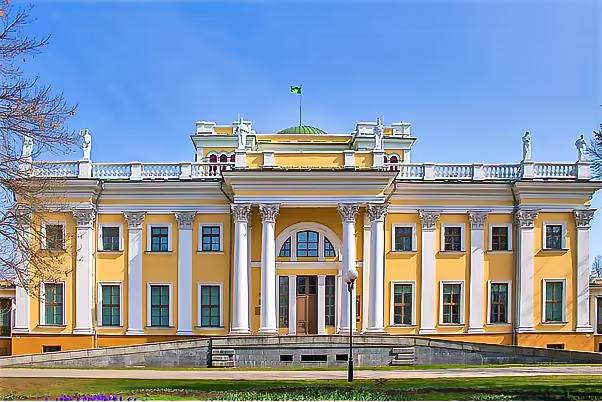
Gomel (Homiel) er Belarus' næststørste by og ligger ved floden Sozh kun 30 km fra grænsen til Ukraine. Byen er især kendt for det imponerende Rumyantsev-Paskevich-palads og park - et af de fineste paladskomplekser i Østeuropa - og Gomel er et roligere og mere prisvenligt alternativ til Minsk med en afslappet livsstil ved floden. Den passer godt til fjernarbejdere, pensionister og alle, der søger lave leveomkostninger i en historisk rig by.
Gomel i korte træk
- Befolkning
- ~501,000 (2025)
- Region/område
- Gomel oblast, det sydøstlige Belarus
- Kendt for
- Rumyantsev-Paskevich-paladset, floden Sozh, nærheden til Ukraine
- Gennemsnitlig husleje (1-værelses)
- 550-800 BYN/måned (~€155-€225)
- Gennemsnitsløn
- 1,200-1,500 BYN/måned netto
- Expat-miljø
- Lille, men voksende; primært ukrainske, russiske og centralasiatiske expats
- Sprog
- Russisk (dominerende), belarusisk (officielt)
- Klima
- Kontinentalt - kolde vintre (-6°C i gennemsnit i januar), varme somre (+20°C i gennemsnit i juli)
- Tidszone
- UTC+3 (Moskva-tid)
Hvorfor flytte til Gomel
- Prisniveau: Gomel er markant billigere end Minsk på husleje, dagligvarer og restaurantbesøg - en af de mest budgetvenlige byer i Europa.
- Paladspark og grønne områder: Rumyantsev-Paskevich-parkkomplekset strækker sig over mere end 20 hektar langs floden Sozh og er et dagligt fristed for beboerne.
- Liv ved floden: Floden Sozh præger byens karakter med promenader, strande og cafeer ved vandet i de varmere måneder.
- Grænsebeliggenhed: Kun 30 km fra Ukraine. Bemærk: alle landgrænseovergange mellem Belarus og Ukraine har været suspenderet siden 2022. Før krigen tog forbindelserne til Kyiv cirka 4-5 timer med tog.
- Mindre trængsel: Trafikken er minimal sammenlignet med Minsk; pendlingstiderne er korte, og tempoet i hverdagen er tydeligt roligere.
- Rig historie: Byen går tilbage til det 12. århundrede og har lag af litauisk, polsk, russisk og sovjetisk arv, som ses i arkitekturen og museerne.
- Kompakt by: De fleste daglige behov ligger inden for gåafstand eller en kort tur med offentlig transport. Byen er nem at finde rundt i, også uden bil.
Sådan finder du bolig i Gomel
Gennemsnitlige huslejer
| Kvarter | 1-værelses | 3-værelses | Karakter |
|---|---|---|---|
| Tsentralny (centrum) | 600-800 BYN | 800-1,200 BYN | Centralt, gåvenligt, tæt på paladsparken |
| Novobelitsky | 400-550 BYN | 500-750 BYN | Boligområde, roligt, familievenligt |
| Sovetsky | 500-650 BYN | 600-900 BYN | Blandet sovjetisk/nybyggeri, gode transportforbindelser |
| Zheleznodorozhny | 400-550 BYN | 500-800 BYN | Tæt på togstationen, praktisk transport |
Sådan finder du bolig
- Onliner.by: Den største belarusiske annonceportal - den vigtigste platform for lejlighedsopslag.
- Kufar.by: Populær markedsplads med en stærk boligsektion.
- Lokale mæglere: Ejendomsmæglere (riyeltor) er almindelige; forvent et engangsgebyr på 50% af en måneds husleje.
- Mund til mund: Mange lejeboliger findes gennem personlige netværk - spørg kolleger eller lokale kontakter.
Tips til expats
- Gennemgå lejligheder grundigt; mange bygninger er fra sovjettiden, og varme og VVS kan variere.
- Forhandl huslejen - udbudspriser har ofte 10-15% forhandlingsrum.
- Underskriv altid en lejekontrakt (dogovor) for at beskytte dig som lejer.
- Varmen er centraliseret; bekræft bygningens varmesæson før vinteren.
- Møblerede lejligheder er mindre almindelige; uden for centrum skal du forvente basale eller umøblerede boliger.
- Forsyningsudgifter varierer markant efter sæson - vinterens varmeregninger kan være dobbelt så høje som sommerens udgifter.
Guide til kvarterer
- Tsentralny (centrum): Bedst for nyankomne, der vil kunne gå til cafeer, paladsparken og offentlige kontorer. Huslejer i mellemklassen. Området omkring Lenina-pladsen og Sozh-promenaden er byens mest livlige del.
- Novobelitsky: Sydligt distrikt med en roligere, mere forstadsagtig stemning. Lavere huslejer, godt for familier og dem, der foretrækker mere plads. Flere parker og skoler gør det praktisk til længere ophold.
- Sovetsky: Det østlige Gomel med en blanding af sovjetiske boligblokke og nyere byggerier. Godt forbundet med sporvogn og bus. Et solidt mellemklassevalg med udmærkede lokale butikker og markeder.
- Zheleznodorozhny: Tæt på hovedbanegården. Praktisk for hyppige rejsende til Minsk eller Kyiv. Budgetvenlige huslejer, men mere støj på grund af togtrafik.
- Nepromyshlenny: Industrielt vestligt distrikt. Byens billigste huslejer, men mindre grønt og færre faciliteter. Bedst for dem, der prioriterer pris over alt andet.
- Voyenno: Nordligt område tæt på militære faciliteter. Mest boligområde med ældre boliger. Meget prisvenligt, men længere fra de centrale attraktioner.
Leveomkostninger i Gomel
Månedligt budgetoverblik
| Kategori | Budgetinterval (BYN) |
|---|---|
| Husleje (1-værelses, centrum) | 600-800 BYN |
| Forsyninger | 190-260 BYN |
| Internetforbindelse | 25-40 BYN |
| Dagligvarer | 300-450 BYN |
| Transportudgifter | 35-50 BYN |
| Restaurantbesøg (4x/måned) | 120-200 BYN |
| Fritid/fitnesscenter | 90-130 BYN |
| I alt | ~1,170-1,700+ BYN |
Daglige udgifter
- Kaffe (cafe): 5-8 BYN
- Frokost (uformel restaurant): 12-20 BYN
- Månedskort til transport: 30-40 BYN
- Øl (bar): 5-10 BYN
- Biografbillet: 8-15 BYN
- Et brød: 1.50-3 BYN
- 1 liter mælk: 1.80-2.50 BYN
- Et dusin æg: 3.50-5 BYN
- Fitnessmedlemskab (månedligt): 90-130 BYN
- Enkel ret på stolovaya (kantine): 8-15 BYN
- Flaskevand (1.5L): 1-2 BYN
- Taxa på tværs af byen: 5-12 BYN
Sådan kommer du rundt i Gomel
- Offentlig transport: Gomel har et omfattende net af busser, trolleybusser og en sporvognslinje. Enkeltrejser koster ~1.00 BYN; månedskort ligger omkring 35-45 BYN. Driften kører cirka fra 5:30 AM til 11 PM. Sporvognssystemet er den mest pålidelige og naturskønne måde at krydse byen på.
- Taxaer: Billige og meget brugte. Brug appsene Maxim eller Yandex for pålidelige priser. Korte ture i byen koster 5-12 BYN. Undgå umarkerede taxaer.
- Cykling: Det flade terræn gør cykling realistisk i de varmere måneder, selv om dedikeret cykelinfrastruktur er begrænset. Der findes få udlejningsmuligheder; de fleste cyklister ejer deres cykler.
- Bil: Trafikken er minimal sammenlignet med Minsk. Parkering er generelt gratis eller meget billig uden for centrum. Vejene er i varierende stand - hold øje med huller i sidegader. Udenlandske kørekort er gyldige i 90 dage; længere ophold kræver ombytning til et belarusisk kørekort.
- Lufthavn: Gomel Airport (GME) har meget begrænsede rutefly; de fleste expats flyver via Minsk (MSQ). Internationale forbindelser er i øjeblikket begrænsede på grund af regionale restriktioner.
- Intercitytog: Tog forbinder Gomel med Minsk (~4 timer) og Brest (~7 timer). Bemærk: togforbindelser til Kyiv og andre ukrainske byer har været suspenderet siden 2022. Komfortable sovevognsmuligheder findes på længere ruter.
- Intercitybusser: Billigere end tog, men langsommere. Gode til at nå mindre byer i Gomel oblast.
- Til Ukraine: Alle grænseoverskridende forbindelser til Ukraine (tog og busser) har været suspenderet siden 2022 på grund af krigen. Ingen landgrænseovergange mellem Belarus og Ukraine er i øjeblikket i drift.
Sundhedsvæsen i Gomel
- Hospitaler/klinikker: Gomel har flere offentlige hospitaler og poliklinikker, herunder Gomel Regional Clinical Hospital. Private klinikker som MedKlinik tilbyder hurtigere service og renere faciliteter.
- Engelsktalende læger: Begrænset - primært på private klinikker. Tag en tolk med, eller brug oversættelsesapps på offentlige behandlingssteder.
- Tandpleje: Private tandklinikker er prisvenlige og af god kvalitet. Mange expats bruger private tandlægetjenester, selv uden forsikring.
- Apoteker: Findes bredt (apteki, Farmatsevtika-kæder). De fleste lægemidler er prisvenlige, men medbring recepter til specialmedicin. Der findes døgnapoteker i centrum.
- Sundhedsforsikring: Expats med langtidsopholdstilladelse skal tilmelde sig det offentlige sygesikringssystem. Privat forsikring anbefales som supplement.
- Alarmnumre: 103 (ambulance), 101 (brand), 102 (politi).
Fa en personlig flytteplan
Skriv din e-mail, sa sender vi en skraeddersyet tjekliste plus tre tilbud fra godkendte flyttefirmaer.
Kultur og livsstil
- Rumyantsev-Paskevich-paladset: Byens kronjuvel - et paladskompleks fra det 18.-19. århundrede med anlagte haver i engelsk stil, et kapel, en vinterhave og panoramaudsigt over floden.
- Sozh-flodpromenaden: Et populært sted til gåture og møder, især om sommeren med udendørs cafeer og sæsonarrangementer. Lokale svømmer og holder picnic langs flodbredderne.
- Teatre og museer: Gomel Regional Drama Theater, dukketeatret og flere lokalhistoriske museer tilbyder kulturprogrammer året rundt.
- Sæsonfestivaler: Byens dag (september), Kupalle (midsommerfest med bål), ortodokse julefejringer og forskellige folke- og musikarrangementer.
- Parker og fritid: Ud over paladsparken har Gomel flere grønne områder, herunder parker langs Sozh, sportsfaciliteter og søer, der bruges til fiskeri og rekreation i de varmere måneder.
Mad og restauranter
- Prøv draniki (kartoffelpandekager), machanka (svinekød i sauce), salo (saltet spæk), borshch (rødbedesuppe) og syrniki (hytteostpandekager).
- Centrum har flere restauranter i mellemklassen; Sovetsky og Novobelitsky har budgetvenlige kantiner (stolovaya), hvor måltider koster 8-15 BYN.
- Markeder som Gomel Central Market tilbyder friske grøntsager og frugt, mejerivarer og kød til lave priser - ofte billigere end supermarkeder.
- Georgiske restauranter er populære og serverer khachapuri, khinkali og grillet kød til rimelige priser.
- Fastfoodmuligheder omfatter lokale kæder og nogle internationale brands i centrum.
- Nattelivet er begrænset; en håndfuld barer og klubber holder åbent i centrum, men Gomel er ikke en by med meget natteliv.
- Udvalget af international mad er sparsomt - forvent mest belarusiske, russiske, georgiske og enkle europæiske retter.
Klima og årstider
- Vinter (dec-feb): Kold og snefyldt med gennemsnit på -5 til -10°C. Centralvarme holder lejlighederne varme, men tørre. Klæd dig i lag, og invester i en vinterfrakke af god kvalitet.
- Forår (mar-maj): Gradvis tøbrud, mudrede forhold i marts. I maj når temperaturerne 15-20°C, og byen bliver hurtigt grøn.
- Sommer (jun-aug): Varm og behagelig, 20-27°C. Lange lyse dage. Den bedste sæson til aktiviteter ved floden, parkbesøg og udendørs cafeer.
- Efterår (sep-nov): Det tidlige efterår er mildt og farverigt. I november falder temperaturerne under frysepunktet, og dagene bliver markant kortere.
- Nedbør: Moderat hele året, med højdepunkt i juni og juli. En paraply er nyttig året rundt.
Expat-miljø
- Lille, men imødekommende - de fleste expats får kontakt gennem Telegram-grupper og lokale coworking-steder.
- Det ukrainske miljø er den største udenlandske gruppe på grund af nærheden og de seneste migrationstendenser.
- Sprogudvekslingsmøder arrangeres af og til gennem grupper på sociale medier.
- Flere internationale organisationer har små kontorer i Gomel, hvilket giver nogle muligheder for expat-netværk.
- Der findes frivillige muligheder gennem lokale NGO'er og kulturorganisationer, som kan være en vej ind i lokalsamfundet.
Bank og økonomi
- Oprettelse af konto: Medbring pas og dokumentation for bopæl til Belarusbank, Priorbank eller Belgazprombank. Konti kan som regel åbnes samme dag. Netbank er tilgængelig i de fleste banker.
- Valuta: Alle transaktioner bruger belarusiske rubler (BYN). Udenlandsk valuta kan veksles i banker og vekselkontorer (obmenny punkt). Kurserne er regulerede og ensartede.
- Kort: Visa og Mastercard accepteres bredt i butikker, restauranter og supermarkeder. Kontaktløse betalinger er almindelige.
- Kontanter: Stadig nødvendige på markeder, hos små sælgere og i nogle taxaer. Der er mange pengeautomater rundt omkring i byen.
- Internationale overførsler: Tilgængelige gennem banker og tjenester som Western Union. Behandlingstider og gebyrer varierer. Der gælder visse restriktioner på grund af internationale sanktioner - tjek de aktuelle regler, før du regner med grænseoverskridende overførsler.
- Drikkepenge: Forventes ikke, men værdsættes. At runde regningen op eller lægge 5-10% på restauranter betragtes som generøst.
Visum og ophold
- Visumfri indrejse: Borgere fra mange lande kan rejse ind i Belarus visumfrit i op til 30 dage via Minsk National Airport. Indrejse ved landgrænser fra EU-lande kan have andre regler.
- Korttidsvisa: Turistvisa, forretningsvisa og visa til private besøg fås gennem belarusiske ambassader og konsulater.
- Midlertidig opholdstilladelse: Kræves ved ophold over 90 dage. Udstedes til arbejde, studier eller familiesammenføring. Ansøg gennem det lokale migrationskontor (OVIR) i Gomel.
- Registrering: Alle udenlandske besøgende skal registrere sig hos migrationsmyndighederne inden for 5 arbejdsdage efter ankomst. Hoteller gør dette automatisk; private lejere skal registrere sig på det lokale OVIR-kontor.
- Langsigtet: Efter flere års midlertidigt ophold kan permanent opholdstilladelse være mulig, hvis du har stabil indkomst og ren straffeattest.
- Arbejdstilladelser: Arbejdsgivere håndterer typisk ansøgninger om arbejdstilladelse. Behandlingen tager 2-4 uger. Selvstændige expats møder yderligere krav.
Jobmarkedet i Gomel
- Vigtigste brancher: Maskiner og tungt udstyr, olieraffinering (Mozyr Oil Refinery ligger i nærheden), IT-outsourcing, landbrug, tekstiler.
- Større arbejdsgivere: Gomselmash (landbrugsmaskiner), Belorusneft, Gomeltransneft, flere IT-outsourcingvirksomheder.
- Gennemsnitslønninger efter sektor:
| Sektor | Gennemsnit pr. måned (BYN) |
|---|---|
| IT | 2,500-4,500 BYN |
| Ingeniørarbejde | 1,500-2,500 BYN |
| Sundhedsvæsen | 1,000-1,500 BYN |
| Uddannelse | 800-1,200 BYN |
| Detailhandel/service | 700-1,100 BYN |
- Jobsøgningsressourcer: Praca.by, Rabota.by, HH.by (HeadHunter Belarus), LinkedIn (begrænsede lokale opslag).
- Freelancearbejde: Fjernarbejde bliver stadig mere almindeligt blandt yngre beboere. Coworking-steder er begrænsede, men på vej frem.
Uddannelse i Gomel
- Internationale skoler: Begrænset - ingen fuld international skole pr. 2026. Nogle privatskoler tilbyder udvidet engelskundervisning.
- Universiteter: Gomel State University (Francisk Skorina), Gomel State Technical University, Gomel State Medical University - tilsammen med titusindvis af studerende.
- Sprogskoler: Flere private russisk-/belarusiskskoler henvender sig til expats. Engelskundervisning findes gennem privatundervisere og nogle universitetsprogrammer.
- Børns skolegang: Offentlige skoler er gratis og af rimelig kvalitet. Russisk er undervisningssproget; belarusisk undervises som et separat fag.
- Videregående uddannelse: Universiteterne i Gomel tiltrækker studerende fra hele CIS. Studieafgifter for internationale studerende er overkommelige sammenlignet med Vesteuropa.
Sikkerhed og praktiske tips
- Gomel er generelt sikker med lav voldskriminalitet. Småtyveri (lommetyveri) kan forekomme i tætpakkede områder - hold værdigenstande sikre.
- Bureaukratiet kan være langsomt og papirpræget. Medbring flere kopier af alle dokumenter, og forvent at skulle møde personligt op på kontorer.
- Engelske skilte er begrænsede uden for centrum. Lær grundlæggende russiske fraser, eller brug en oversættelsesapp.
- Wi-Fi er bredt tilgængeligt på cafeer og i offentlige bygninger. Mobildata er billigt - et lokalt SIM med 10 GB koster omkring 10-15 BYN.
- Belarus bruger Type C/F-stik (220V). Medbring adaptere, hvis du kommer fra uden for Europa.
- Posttjenester er pålidelige til indenlandsk post; international forsendelse tager længere tid. Brug DHL eller EMS til hastende internationale pakker.
Coworking og fjernarbejde
- Coworking-steder: Begrænset sammenlignet med Minsk, men der findes flere små steder og cafe-lignende muligheder i centrum. Månedlige hot-desk-priser ligger på 100-250 BYN.
- Cafeer med Wi-Fi: De fleste centrale cafeer tilbyder gratis Wi-Fi. Populære steder nær Lenina-pladsen og promenaden har stabile forbindelser.
- Internet hjemme: Fiberbredbånd er standard i de fleste lejligheder, så hjemmekontor er realistisk. Uploadhastigheder på 20-50 Mbps er typiske.
- VPN-overvejelser: Nogle internationale tjenester er begrænsede eller neddroslede. En pålidelig VPN anbefales til fjernarbejdere, der er afhængige af bestemte platforme.
- Tidszone: UTC+3 (Moskva-tid) overlapper godt med europæiske arbejdstider, men er mindre praktisk for teams baseret i USA.
Flyttecheckliste for Gomel
Før ankomst
- Få et visum, eller tjek om du er berettiget til visumfri indrejse
- Sikr midlertidig indkvartering (hotel eller korttidsleje)
- Klargør apostillepåtegnede dokumenter (eksamensbeviser, vielsesattest)
- Tegn en sundhedsforsikring, der er gyldig i Belarus
- Giv din bank besked om flytningen
- Download en offline russisk parlør eller oversættelsesapp
- Undersøg kvarterer for at indsnævre din boligsøgning
Første uge
- Registrer dig hos det lokale migrationskontor (OVIR) inden for 5 arbejdsdage
- Få et lokalt SIM-kort (A1, MTS eller life:))
- Åbn en bankkonto (Belarusbank, Priorbank eller Belgazprombank)
- Udforsk kvarterer personligt, før du underskriver en lejekontrakt
- Find nærmeste apotek, klinik og dagligvarebutik
Første måned
- Underskriv en langtidslejekontrakt
- Registrer din adresse hos de lokale myndigheder
- Opret internet og forsyninger i dit eget navn
- Registrer dig hos dit lands ambassade (hvis relevant)
- Deltag i lokale expat-Telegram-grupper og sociale netværk
- Bliv fortrolig med ruterne for offentlig transport
- Besøg Rumyantsev-Paskevich-paladset, og udforsk byen til fods
Ofte stillede spørgsmål
Relaterede guider
- [Flytning til Belarus] - omfattende landeguide
- [Flytning til Minsk] - guide til Belarus' hovedstad
- [Flytning til Brest] - guide til grænsebyen i det vestlige Belarus