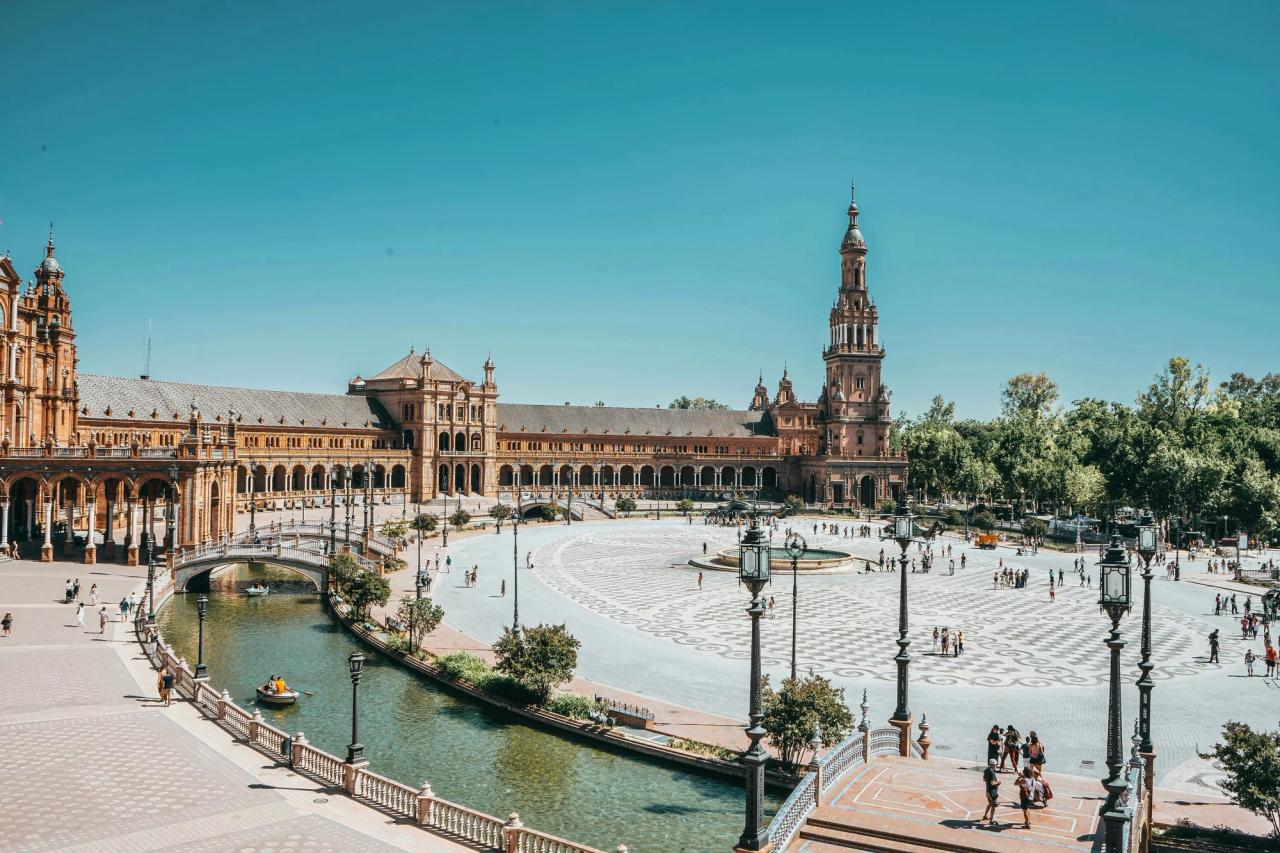

Sevilha é a capital da Andaluzia e uma das cidades mais cativantes do sul de Espanha — um lugar onde o flamenco ecoa por ruelas estreitas, laranjeiras ladeiam praças banhadas pelo sol e a cultura das tapas é um modo de vida. Se procura uma vivência espanhola autêntica, com um cenário cultural rico e um custo de vida inferior ao das grandes cidades, Sevilha merece séria consideração.
Sevilha em Resumo
- População
- 690.000 (cidade) / 1,5 milhão (área metropolitana)
- Região
- Andaluzia, sudoeste de Espanha
- Conhecida Por
- Flamenco, palácio de Alcázar, catedral gótica, Semana Santa
- Renda Média (T1)
- 600–900 € por mês
- Salário Médio
- 1.400–1.800 € líquidos por mês
- Comunidade de Expatriados
- Moderada — presença crescente de britânicos, americanos e latino-americanos
- Idioma
- Espanhol (dialeto andaluz com sotaque distinto)
- Clima
- Mediterrânico-continental — calor extremo no verão, invernos amenos
Por Que Mudar-se para Sevilha
- Cultura autêntica: Sevilha é o berço do flamenco, das tapas e das tradições andaluzas — uma cidade onde a cultura espanhola é vivida diariamente, não apenas encenada para turistas.
- Custo acessível: As rendas e os custos diários ficam bastante abaixo de Madrid, Barcelona ou Valência, tornando-a uma das grandes cidades mais económicas de Espanha.
- Clima: Mais de 3.000 horas de sol por ano — a grande cidade mais quente da Europa. Os verões ultrapassam regularmente os 40 °C; os invernos são amenos e agradáveis, com 10–17 °C.
- Pedonalidade: O centro histórico é compacto e melhor explorado a pé. A maioria das tarefas diárias não exige qualquer transporte.
- Cena gastronómica: Incontáveis bares de tapas, bodegas tradicionais e uma cena de gastronomia moderna em franca expansão. Sevilha é amplamente considerada a melhor cidade de tapas de Espanha.
- Qualidade de vida: Apesar do calor no verão, Sevilha oferece uma qualidade de vida excepcionalmente alta, com a sua cultura de rua vibrante, habitantes simpáticos e lazer acessível. A cidade figura regularmente entre as mais felizes de Espanha.
- Localização estratégica: Sevilha é a capital da Andaluzia, com ligações de AVE a Madrid (2,5 h), Córdoba (45 min) e Málaga (2 h), além de um aeroporto internacional em crescimento.
Encontrar Habitação em Sevilha
Rendas Médias
| Bairro | T1 | T3 | Carácter |
|---|---|---|---|
| Centro Histórico | 700–1.000 € | 1.200–1.800 € | Catedral, Alcázar, turístico, ruidoso |
| Triana | 550–800 € | 950–1.400 € | Tradicional, raízes do flamenco, junto ao rio |
| Alameda / Macarena | 500–750 € | 850–1.300 € | Boémio, vida noturna, acessível |
| Nervión | 550–800 € | 950–1.400 € | Moderno, comercial, estádio de futebol |
| Los Remedios | 650–900 € | 1.100–1.600 € | Nobre, tranquilo, recinto da Feria de Abril |
| Santa Justa / San Bernardo | 550–800 € | 900–1.350 € | Residencial, perto da estação de comboios, boa relação qualidade-preço |
Como Encontrar Habitação
- Idealista: Maior portal de arrendamento — forte cobertura em Sevilha com atualizações diárias.
- Fotocasa: Anúncios detalhados com filtros por bairro e histórico de preços.
- Milanuncios: Anúncios de senhorios privados — muitas vezes mais baratos, mas com acordos menos formais.
- Agências locais: Comuns para anúncios no Centro Histórico e Los Remedios. Conte com uma comissão de um mês.
- Passa-palavra: Em Sevilha, as ligações pessoais ainda importam — pergunte em bares locais, mercados e através de grupos de expatriados.
Dicas para Expatriados
- Os depósitos são normalmente de um mês. Alguns senhorios aceitam fiadores não espanhóis se conseguir demonstrar rendimentos.
- O ar condicionado é absolutamente essencial — verifique o equipamento e a sua capacidade antes de assinar. Edifícios mais antigos podem não ter isolamento adequado.
- O calor do verão leva muitos sevillanos a sair da cidade em agosto; a procura de arrendamento diminui ligeiramente — bom momento para negociar.
- Muitos apartamentos do centro histórico ficam em andares superiores sem elevador — confirme a acessibilidade antes de se comprometer.
Guia de Bairros
- Centro Histórico: O coração pulsante — a Catedral, o Alcázar e a Plaza de España ficam todos aqui. Ruas pedonais, tapas em cada esquina e uma animação constante. Os turistas tornam-no vibrante mas ruidoso, especialmente junto à Plaza de la Encarnación (Metropol Parasol).
- Triana: Do outro lado do Guadalquivir, Triana é a pátria espiritual do flamenco e da cerâmica. Comunidade unida, excelentes tapas e uma forte identidade local. Mais acessível do que o centro e cada vez mais popular entre expatriados.
- Alameda / Macarena: O bairro boémio de Sevilha. Acolhedor para a comunidade LGBTQ+, arte urbana, bares independentes e um público mais jovem. As rendas estão entre as mais baixas do centro. A praça Alameda de Hércules é o ponto de encontro.
- Nervión: Um distrito comercial moderno com a loja de departamentos El Corte Inglés, o estádio do Sevilla FC (Sánchez-Pizjuán) e boas ligações de metro e autocarro. Prático, residencial, com menos encanto mas muito funcional.
- Los Remedios: Um bairro nobre e arborizado a sul do rio. Avenidas largas, garagens privadas e o recinto da Feria de Abril. Popular entre famílias e profissionais que procuram ruas tranquilas e espaço.
- Santa Justa / San Bernardo: Sede da estação de AVE de Sevilha e bem servido de autocarro e metro. Ruas residenciais tranquilas com rendas de gama média — ideal para quem viaja diariamente e valoriza o acesso aos transportes.
Custo de Vida em Sevilha
Decomposição do Orçamento Mensal
| Categoria | Intervalo de Orçamento |
|---|---|
| Renda (T1, centro) | €650–€900 |
| Serviços (eletricidade, água, gás — incluindo uso intenso de ar condicionado) | €90–€130 |
| Internet (fibra 300 Mbps+) | €30–€40 |
| Supermercado | €180–€280 |
| Transportes (autocarro Tussam mensal) | €35–€45 |
| Refeições fora (4×/mês) | €50–€90 |
| Lazer/Ginásio | €25–€40 |
| Plano de telemóvel | €10–€20 |
| Total | €1.070–€1.545 |
Custos do Dia a Dia
- Café (solo ou cortado): €1,20–€1,60
- Almoço (tapas ou menú del día): €8–€12
- Passe mensal de transportes (autocarro ilimitado Tussam): €35
- Cerveja (bar, caña): €1,80–€2,50
- Bilhete de cinema: €7–€9
- Inscrição mensal de ginásio: €25–€40
- Pão (fôrma): €0,90–€1,30
Visto e Residência em Sevilha
Espanha oferece vários caminhos de visto para cidadãos não pertencentes à EU/EEE:
- Visto de Trabalho: Requer uma proposta de emprego de um empregador espanhol. O empregador inicia o processo. O processamento demora de 1 a 3 meses.
- Visto de Estudante: Para estudantes inscritos. Permite trabalho a tempo parcial até 20 horas/semana.
- Visto Não Lucrativo: Para reformados ou quem tenha poupanças suficientes. Não permite trabalhar. Exige comprovativo de rendimentos de ~€2.400+/mês.
- Visto de Nómada Digital (Ley de Startups): Para trabalhadores remotos. Oferece uma taxa fiscal fixa de 24% durante até cinco anos. O baixo custo de vida de Sevilha torna-a atrativa para nómadas digitais com este visto.
- Cartão Azul EU: Para profissionais altamente qualificados. Requer uma licenciatura e um salário acima da média.
Uma vez em Espanha, precisará de um NIE (Número de Identificación de Extranjero) para praticamente todas as transações oficiais. Candidate-se na esquadra de polícia local ou na Extranjería.
Obrigações Fiscais
Os residentes fiscais (183+ dias/ano) são tributados sobre o rendimento mundial. O IRPF varia entre 19% e 47%. A Andaluzia tem taxas fiscais regionais moderadas.
| Componente Fiscal | Descrição | Taxa |
|---|---|---|
| Imposto sobre o Rendimento (IRPF) | Sobre o rendimento mundial | 19%–47% progressivo |
| Segurança Social | Contribuições obrigatórias | ~6,35% empregado / ~30% empregador |
| IVA | Sobre bens e serviços | 21% padrão |
| Imposto sobre o Património | Sobre o património líquido acima de €700.000 | 0,2%–3,03% |
Deslocar-se em Sevilha
- Transportes públicos: Os autocarros urbanos (Tussam) cobrem a maior parte da cidade com mais de 40 rotas. O metro tem uma linha que atravessa o centro de norte a sul — útil, mas limitada. O passe mensal de autocarro de €35 oferece um bom valor para quem se desloca diariamente.
- Bicicleta: O sistema público de partilha de bicicletas Sevici tem mais de 250 estações. A cidade é maioritariamente plana e cada vez mais amiga dos ciclistas, embora o calor do verão limite as deslocações diurnas à manhã cedo e ao fim do dia.
- Automóvel: Desnecessário no centro. O estacionamento é difícil, muitas ruas são pedonalizadas e o núcleo histórico tem acesso restrito a veículos. Útil apenas para passeios de fim de semana até à costa ou aos pueblos blancos.
- Aeroporto: Aeroporto de Sevilha (SVQ), a 10 km a leste. O autocarro EA liga à Plaza de Armas (€4, 35 minutos). A rede de rotas europeias está em crescimento — a Ryanair e a Vueling são as principais companhias.
- Interurbano: AVE para Madrid (2,5 h), Córdoba (45 min) e Málaga (2 h). Os autocarros regionais ligam as pequenas cidades andaluzas — a estação de autocarros (Plaza de Armas) é bem organizada.
Saúde em Sevilha
- Hospitais/Clínicas: Hospital Universitario Virgen del Rocío (o maior hospital público da Andaluzia), Hospital Virgen Macarena, Hospital Quirónsalud Sagrado Corazón (privado).
- Médicos de língua inglesa: Disponíveis em clínicas e hospitais privados. O sistema público tem capacidade limitada em inglês — um amigo de língua espanhola ou tradutor é útil para as consultas.
- Farmácias: Abundantes por toda a cidade. Sinais de cruz verde em todo o lado. Os farmacêuticos podem aconselhar sobre questões menores e dispensar medicamentos básicos sem receita.
- Número de emergência: 112 (pan-europeu), 061 para emergências médicas.
- Seguro privado: Sanitas, Adeslas e MAPFRE são os mais utilizados. Custos a partir de €50–€120/mês. Muitos expatriados dependem do seguro privado para um acesso mais rápido a especialistas.
Receba um plano de mudanca personalizado
Deixe o seu e-mail e enviaremos uma checklist personalizada e tres orcamentos de empresas verificadas.
Cultura e Estilo de Vida
- Flamenco: Sevilha é a capital mundial do flamenco. Aprecie espetáculos nos tablaos intimistas de Triana e do Centro, ou assista à Bienal de Flamenco (festival bienal) — um dos eventos de flamenco mais prestigiados a nível mundial.
- Semana Santa: As procissões da Semana Santa (março/abril) estão entre as mais espetaculares do mundo — enormes andores (pasos) carregados por ruas repletas por penitentes encapuzados. A cidade transforma-se durante uma semana inteira.
- Feria de Abril: Uma feira de uma semana em Los Remedios com casetas (tendas decoradas), vestidos de flamenco (trajes de flamenca), xerez (rebujito) e desfiles equestres. O ponto alto social do calendário sevillano.
- Plaza de España: Uma das praças mais bonitas de Espanha — uma obra-prima semicircular do estilo Neorrenascimento construída para a Exposição Ibero-Americana de 1929, com nichos azulejados que representam cada província espanhola.
Gastronomia e Restaurantes
- Imprescindíveis: pescaíto frito (peixe frito misto), salmorejo (sopa fria de tomate e pão — mais espessa que o gazpacho), carrillada (bochechas de porco estufadas), coliflor sevillana (couve-flor à moda de Sevilha) e churros com chocolate ao pequeno-almoço.
- Melhores zonas para comer: Triana (Calle Betis para refeições junto ao rio e ruas interiores para tapas), Alameda para locais modernos e o bairro de Santa Cruz para bodegas tradicionais.
- Opções económicas: As tapas em Sevilha continuam entre as mais baratas de Espanha — muitos bares servem uma tapa e uma caña por menos de €4. O menú del día custa entre €8–€12.
Comunidade de Expatriados
- Grupos Meetup: Seville Expat Meetup, InterNations Seville, Couchsurfing Seville — comunidades ativas com eventos sociais regulares.
- Organizações internacionais: British Benevolent Fund of Seville, American Club of Andalucía.
- Tandems de línguas: Hablamos Seville, tandems linguísticos em pubs irlandeses e bares na zona da Alameda de Hércules realizam-se semanalmente — uma excelente forma de conhecer locais e praticar espanhol.
Passeios de Um Dia e Destinos Próximos
A Andaluzia é uma das regiões mais ricas de Espanha para passeios de um dia:
- Córdoba: A Mezquita (mesquita-catedral), o bairro judaico e os pátios repletos de flores. A 45 minutos de AVE a partir de Sevilha Santa Justa.
- Ronda: Uma cidade dramática no topo de uma montanha, dividida por um desfiladeiro. Famosa pela sua ponte (Puente Nuevo) e pela praça de touros mais antiga de Espanha. 1,5 horas de carro.
- Pueblos Blancos: Aldeias brancas como Zahara de la Sierra, Grazalema e Arcos de la Frontera pontilham as colinas a norte de Ronda. Perfeitas para uma viagem de carro panorâmica.
- Parque Nacional de Doñana: Uma das zonas húmidas mais importantes da Europa. Flamingos, linces e pântanos. 1 hora de carro. Visitas guiadas disponíveis.
- Itálica: Ruínas romanas a apenas 9 km de Sevilha — local de nascimento dos imperadores Trajano e Adriano. Acessível de autocarro em 30 minutos.
- Jerez de la Frontera: Adegas de xerez, flamenco e a Real Escola Andaluza de Arte Equestre. 1 hora de comboio.
Mercado de Trabalho em Sevilha
- Principais indústrias: Turismo, aeroespacial (a Airbus tem uma grande unidade), energias renováveis (líder europeu), agrotecnologia e administração pública (Junta de Andalucía, governo regional).
- Principais empregadores: Airbus Defence and Space, Abengoa (energias renováveis), Tecnalia, Universidad de Sevilla, Junta de Andalucía, Accenture.
- Salários médios por setor:
| Setor | Intervalo Salarial Anual |
|---|---|
| Aeroespacial / Engenharia | €28.000–€45.000 |
| Turismo / Hotelaria | €16.000–€22.000 |
| TI / Software | €22.000–€35.000 |
| Educação (ensino de línguas) | €16.000–€24.000 |
| Administração Pública | €20.000–€35.000 |
| Marketing / Comunicação | €20.000–€30.000 |
- Recursos de procura de emprego: InfoJobs.net, LinkedIn, Empléate (portal público de emprego), EURES (portal de mobilidade da UE), Welcome Talent Spain.
Educação em Sevilha
- Escolas internacionais: The British School of Seville, International School of Andalucía, St. George's School — oferecem currículos britânico, IB ou americano.
- Universidades: Universidad de Sevilla (fundada em 1505, uma das mais antigas de Espanha), Universidad Pablo de Olavide, Universidad Loyola Andalucía (jesuíta, forte em gestão).
- Escolas de línguas: CLIC IH Seville, Enforex, International House, Academia Hispánica — cursos de espanhol do nível iniciante ao avançado com preparação para o exame DELE.
Lista de Verificação para Mudança para Sevilha
- Reserve alojamento temporário para o primeiro mês (Airbnb, Spotahome ou apartamento com serviços)
- Candidate-se ao visto (cidadãos não comunitários) com bastante antecedência — preveja 2 a 3 meses
- Aposite a apostila e traduza todos os documentos importantes para espanhol através de um tradutor juramentado (traductor jurado)
- Contrate seguro de saúde privado para pelo menos o período inicial
- Comece a aprender espanhol — Sevilha tem menos falantes de inglês do que as cidades do norte
- Pesquise os bairros de Sevilha online — cada barrio tem um carácter muito diferente
- Registe-se no recenseamento municipal (empadronamiento) no balcão do seu distrito
- Candidate-se ao NIE na esquadra de polícia local ou na Extranjería (agende a cita previa online)
- Abra uma conta bancária (CaixaBank, Unicaja — banco local andaluz — ou bancos digitais como a Revolut)
- Compre um cartão SIM espanhol (Movistar, Vodafone, Orange ou Digi)
- Inscreva-se no sistema de saúde público (se elegível através de emprego ou residência)
- Ative os serviços — eletricidade (Endesa/Iberdrola), água (Emasesa), gás (Naturgy) e internet
- Adquira o passe mensal de autocarro Tussam em qualquer tabacaria (estanco)
- Explore os bairros a pé antes de se comprometer com um arrendamento de longa duração
- Registe-se na sua embaixada ou consulado
- Obtenha o cartão TIE (cartão de identificação de estrangeiro) se a duração do visto exceder 6 meses
- Inscreva-se no Sevici, o sistema de partilha de bicicletas, para as deslocações diárias de bicicleta
Guias Relacionados
- [Mudar-se para Espanha] — guia completo do país
- [Mudar-se para Málaga] — guia da vizinha Costa del Sol
- [Mudar-se para Madrid] — guia da capital de Espanha
- [Mudar-se para Barcelona] — guia da capital da Catalunha