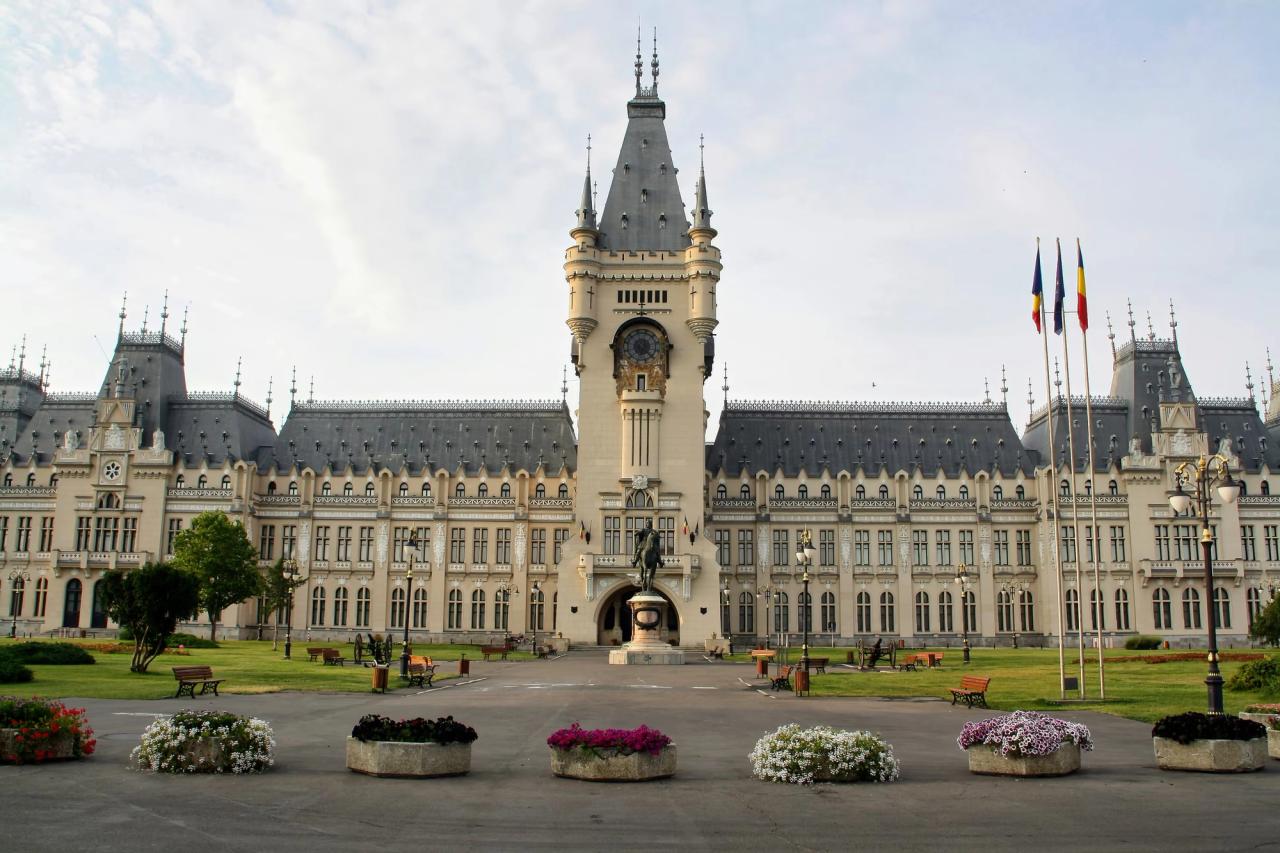

Iași fica no coração da região da Moldávia, na Roménia, e é a sua capital cultural e intelectual incontestada. Com o emblemático Palácio da Cultura, universidades de nível internacional e um setor de TI em rápida expansão, Iași atrai estudantes, trabalhadores remotos e famílias que procuram uma experiência romena autêntica por uma fração dos custos da Europa Ocidental. Se valoriza história, espaços verdes e um forte ambiente académico, Iași merece estar na sua lista.
Iași em resumo

- População
- ~290.000 (área metropolitana ~382.000)
- Região
- Moldávia (nordeste da Roménia)
- Conhecida por
- Palácio da Cultura, 12 universidades históricas, cena artística vibrante
- Renda média (T1)
- 2.500–2.900 RON (€500–€580)
- Salário médio
- ~5.000 RON/mês (€1.000 líquidos)
- Comunidade expatriada
- Em crescimento; estudantes, profissionais de TI e académicos
Porque mudar-se para Iași
- Custo de vida muito acessível: rendas, compras de supermercado e refeições fora custam bastante menos do que em Bucareste ou Cluj-Napoca, tornando Iași uma das cidades romenas com melhor relação qualidade-preço.
- Setor de TI em forte expansão: grandes empresas tecnológicas como a Amazon, a Continental e startups locais têm escritórios aqui, impulsionando o crescimento salarial e a criação de emprego.
- Potência académica: mais de 60.000 estudantes universitários criam um ambiente jovem e dinâmico, com eventos culturais constantes.
- Rico património cultural: Iași foi a antiga capital da Moldávia e está cheia de igrejas, palácios, teatros e museus — a maioria a curta distância a pé.
- Transportes públicos fortes: autocarros e elétricos ligam todos os bairros a preços acessíveis, reduzindo a necessidade de carro.
- Cena internacional em crescimento: todos os anos surgem mais serviços em inglês, encontros de expatriados e opções de restauração internacional.
Encontrar alojamento em Iași
Rendas médias
| Bairro | T1 (RON) | T3 (RON) | Ambiente |
|---|---|---|---|
| Copou | 2.800–3.200 | 4.500–6.000 | Arborizado, perto da universidade — popular entre estudantes e académicos |
| Centru | 2.600–3.100 | 4.200–5.800 | Centro histórico, fácil de percorrer a pé, vida noturna animada |
| Tătărași | 2.200–2.700 | 3.500–4.800 | Acessível, ruas residenciais tranquilas |
| Păcurari | 2.400–2.900 | 3.800–5.200 | Apartamentos modernos, famílias, bons transportes |
| Alexandru cel Bun (zona) | 2.500–3.000 | 4.000–5.500 | Em ascensão, empreendimentos de uso misto |
| Podu Roș | 2.100–2.600 | 3.200–4.500 | Económico, perto de zonas comerciais |
Como encontrar alojamento
- Imobiliare.ro — o maior portal imobiliário romeno; filtre por cidade, orçamento e se está mobilado
- OLX.ro — classificados com muitos anúncios de senhorios particulares
- Storia.ro — outro agregador popular com pesquisa por mapa
- Grupos de Facebook — os grupos "Chirie Iași" e "Apartamente Iași" têm publicações diárias
- Dica local: os apartamentos mobilados são comuns. Negocie diretamente com os senhorios para obter melhores preços em contratos mais longos.
Dicas para expatriados
- Reserve 1–3 meses de renda como caução, paga adiantadamente juntamente com o primeiro mês.
- Peça sempre um contract de închiriere (contrato de arrendamento) assinado para proteção legal e registo de residência.
- Confirme se os serviços (eletricidade, gás, internet) estão incluídos ou são extra — normalmente não estão.
- Pergunte sobre a idade do edifício e o isolamento — blocos mais antigos no centro podem ter custos de aquecimento mais altos no inverno.
- É altamente recomendável visitar pessoalmente antes de assinar um contrato de arrendamento; as fotografias dos anúncios podem estar desatualizadas.
Guia de bairros
- Copou: bairro clássico de estudantes e académicos em redor da Universidade Alexandru Ioan Cuza. Ruas tranquilas, árvores maduras e algumas das casas mais antigas de Iași. Rendas de gama média. Excelente para académicos e para quem gosta de espaços verdes.
- Centru: o centro histórico em redor da Praça da União (Piața Unirii). Restaurantes, museus e o Palácio da Cultura ficam todos por perto. Rendas mais altas, mas mobilidade a pé e vida noturna imbatíveis. Ideal para jovens profissionais que querem estar no centro da ação.
- Tătărași: a leste do rio Bahlui. Mais acessível, orientado para famílias, com parques e mercados locais. Boas ligações de autocarro ao centro. Uma escolha sólida para expatriados atentos ao orçamento e famílias com crianças.
- Păcurari: bairro ocidental com blocos residenciais mais recentes, supermercados e acesso rápido à circular. Popular entre jovens profissionais e famílias que procuram apartamentos modernos a preços moderados.
- Alexandru cel Bun: zona em rápido desenvolvimento, com condomínios modernos e infraestrutura comercial em crescimento. Rendas de gama média a alta. Atrai profissionais de TI e empreendedores interessados em edifícios mais novos e proximidade a escritórios tecnológicos.
- Podu Roș: zona económica perto de áreas industriais e comerciais. Adequada para quem dá prioridade à poupança em vez da estética. Serviços básicos a curta distância a pé.
Custo de vida em Iași
Resumo do orçamento mensal
| Categoria | Intervalo de orçamento (RON) |
|---|---|
| Renda (T1, centro) | 2.500–3.100 |
| Serviços | 500–750 |
| Internet | 40–70 |
| Supermercado | 1.200–1.600 |
| Transportes | 70–120 |
| Refeições fora (4x/mês) | 400–600 |
| Lazer/ginásio | 150–300 |
| Total | 4.860–6.540 (€970–€1.310) |
Custos do dia a dia
- Café (espresso): 8–12 RON
- Almoço (restaurante informal): 25–40 RON
- Passe mensal de transportes (autocarros e elétricos): ~70 RON
- Cerveja (bar, à pressão): 8–14 RON
- Bilhete de cinema: 25–35 RON
- Mensalidade de ginásio: 100–200 RON
- Compras mensais de supermercado (uma pessoa): 1.200–1.600 RON
Serviços explicados
As contas de serviços na Roménia incluem eletricidade (Enel ou E.ON), gás (Engie), água (ApăVital) e manutenção do edifício (em blocos de apartamentos). O aquecimento é normalmente a gás ou centralizado nos edifícios mais antigos. Os meses de inverno (novembro–março) podem aumentar as contas de serviços em 30–50% face às médias de verão. Ajuste o orçamento se arrendar um apartamento com fraco isolamento.
Como Iași se compara
| Despesa | Iași (RON) | Bucareste (RON) | Cluj-Napoca (RON) |
|---|---|---|---|
| Renda T1 (centro) | 2.700 | 3.800 | 3.500 |
| Transporte mensal | 70 | 100 | 90 |
| Almoço informal | 30 | 40 | 35 |
| Internet (mensal) | 50 | 50 | 50 |
Iași é consistentemente 20–35% mais barata do que Bucareste nas despesas quotidianas. Para um expatriado sozinho, é possível ter um estilo de vida confortável com 5.000–7.000 RON/mês (€1.000–€1.400), incluindo renda. As famílias devem prever 8.000–12.000 RON, dependendo das escolhas de escola e habitação.
Deslocar-se em Iași
- Transportes públicos: Iași opera uma rede extensa de autocarros e elétricos gerida pela CTP Iași. Um passe mensal custa cerca de 70 RON e cobre todas as rotas. Os serviços funcionam aproximadamente das 5:00 às 23:00.
- Bicicleta: terreno plano a suavemente ondulado na maioria das zonas; as ciclovias estão a aumentar, mas continuam limitadas. Andar de bicicleta é prático para deslocações curtas nos meses mais quentes.
- Condução: o trânsito é moderado para padrões europeus. Estacionar no centro pode ser difícil; muitos expatriados preferem usar transportes públicos. Os preços dos combustíveis acompanham a média nacional.
- Aeroporto: o Aeroporto Internacional de Iași (IAS) oferece voos diretos para Londres, Munique, Milão, Telavive, Bucareste e ligações sazonais pela Europa. O aeroporto expandiu-se significativamente nos últimos anos.
- Interurbano: ligações ferroviárias a Bucareste (~5–6 horas), Suceava (~2 horas) e Cluj-Napoca (~7 horas). Autocarros de longa distância ligam Iași a todas as principais cidades romenas e podem ser mais baratos do que os comboios.
- Transporte por aplicação: Bolt e Uber operam em Iași, oferecendo viagens acessíveis dentro da cidade.
Cuidados de saúde em Iași
- Hospitais/clínicas: o Hospital de Urgência Spiridon é a maior unidade pública. A MedLife e a Arcadia oferecem clínicas privadas com tempos de espera mais curtos e pessoal que fala inglês.
- Médicos que falam inglês: disponíveis em clínicas privadas como a MedLife e a Arcadia; são menos comuns no sistema público. Recomenda-se marcar com antecedência.
- Farmácias: amplamente disponíveis por toda a cidade; muitas no centro ficam abertas até tarde. Medicamentos sujeitos a receita exigem uma receita local ou da EU.
- Número de emergência: 112 (linha de emergência pan-europeia)
- Seguro privado: muitos expatriados escolhem seguro de saúde privado para acesso mais rápido. Apólices de prestadores locais (Signal Iduna, Metropolitan Life) ou seguradoras internacionais (Cigna, Allianz) são aceites em clínicas privadas.
- Cuidados dentários: alta qualidade e preços acessíveis. Iași atrai turismo dentário graças a preços competitivos — conte pagar 50–70% menos do que na Europa Ocidental.
Receba um plano de mudanca personalizado
Deixe o seu e-mail e enviaremos uma checklist personalizada e tres orcamentos de empresas verificadas.
Cultura e estilo de vida
- Palácio da Cultura: o marco mais famoso de Iași — um palácio neogótico que alberga quatro museus (Arte, História, Etnografia, Ciência e Tecnologia), situado num parque ajardinado. Visita obrigatória para recém-chegados.
- Teatro e artes: o Teatro Nacional e a Ópera Nacional Romena ocupam ambos um grandioso edifício do século XIX, um dos maiores da Europa. Há espetáculos regulares em romeno e ocasionalmente em inglês.
- Jardim Botânico: o mais antigo e maior da Roménia, com 100 hectares — um destino favorito de fim de semana, com jardins temáticos, estufas e caminhos junto ao lago.
- Festivais: eventos satélite do Festival George Enescu, SFR Film Festival, festival de música Rocanotherworld e numerosos festivais literários ao longo do ano.
- Património religioso: Iași é conhecida como a "Cidade das 100 Igrejas". A Igreja dos Três Hierarcas (1639) é uma joia arquitetónica, e a Catedral Metropolitana é a maior igreja ortodoxa da Roménia.
Comida e restaurantes
- Experimente moldovenești (cozinha ao estilo moldavo): mămăligă (polenta), sarmale (rolinhos de couve recheados), cozonac (pão doce) e vinhos locais das vinhas próximas de Cotnari.
- Melhores zonas para comer: Strada Lăpușneanu (rua pedonal), arredores da Piața Unirii e Bulevardul Ștefan cel Mare.
- Opções económicas: cantinas estudantis (cantina) servem refeições completas por 15–25 RON.
- Cozinha internacional: restaurantes italianos, asiáticos e do Médio Oriente estão a aumentar em número, sobretudo no centro da cidade e em Păcurari.
Comunidade expatriada
- Iași Expat Community no Facebook é o principal ponto de encontro para eventos e conselhos.
- Intercâmbios linguísticos em cafés e espaços de co-working acontecem semanalmente; os intercâmbios romeno-inglês são os mais comuns.
- Organizações internacionais: o American Corner Iași (na Biblioteca do Condado Gheorghe Asachi) organiza eventos culturais e disponibiliza recursos em inglês.
- Oportunidades de voluntariado: ONG locais acolhem voluntários que falam inglês, especialmente em projetos ambientais e educativos.
- Desporto e lazer: ginásios, piscinas e campos de ténis estão amplamente disponíveis. As atrações próximas incluem o Desfiladeiro de Bicaz e os mosteiros pintados da Bucovina, ambos acessíveis em viagens de fim de semana.
Mercado de trabalho em Iași
- Principais setores: TI e desenvolvimento de software, educação, saúde, indústria transformadora e serviços de BPO.
- Principais empregadores: Amazon, Continental, Bitdefender, Capgemini, Deloitte e universidades locais.
- Salários médios por setor:
| Setor | Média mensal líquida (RON) |
|---|---|
| TI / Software | 7.000–12.000 |
| Engenharia | 5.000–8.000 |
| Educação | 4.000–6.000 |
| Saúde | 4.500–7.500 |
| Retalho / Serviços | 3.000–4.500 |
- Recursos para procurar emprego: LinkedIn, eJobs.ro, BestJobs.ro e agências de recrutamento locais.
- Trabalho remoto: o custo de vida acessível e a internet rápida de Iași tornam a cidade cada vez mais popular entre nómadas digitais e trabalhadores remotos.
- Ecossistema de TI: a cidade tem uma cena de startups em crescimento, apoiada por polos de inovação e parcerias universitárias, atraindo capital de risco e talento internacional.
Educação em Iași
- Escolas internacionais: opções limitadas em comparação com Bucareste; existem secções internacionais em escolas privadas. A maioria das famílias expatriadas escolhe escolas privadas locais com programas de línguas reforçados.
- Universidades: Universidade Alexandru Ioan Cuza (fundada em 1860 — a mais antiga da Roménia), Universidade Técnica Gheorghe Asachi, Universidade de Medicina e Farmácia Grigore T. Popa e Universidade de Artes George Enescu.
- Escolas de línguas: várias academias privadas oferecem cursos de romeno para estrangeiros. Os programas universitários também disponibilizam apoio linguístico a estudantes internacionais.
- Investigação: as universidades de Iași são bem vistas em áreas como informática, medicina e engenharia, com parcerias de investigação ativas em toda a Europa.
- Erasmus e intercâmbios: Iași é um destino Erasmus+ popular. Estudantes de intercâmbio que chegam beneficiam de baixo custo de vida, uma cena social vibrante e cursos lecionados em inglês em várias faculdades.
Visto e residência na Roménia
Cidadãos da EU/EEE podem viver e trabalhar na Roménia sem visto. Cidadãos de fora da EU geralmente precisam de um visto de longa duração (visto D) para trabalho, estudo ou reagrupamento familiar, seguido de uma autorização de residência obtida após a chegada.
Passos principais para cidadãos de fora da EU:
- Obtenha um visto D na embaixada/consulado da Roménia no seu país de origem.
- Registe-se no Inspetorado-Geral para a Imigração (IGI) no prazo de 30 dias após a chegada.
- Candidate-se a uma autorização de residência temporária, renovável anualmente.
- Após cinco anos consecutivos de residência legal, pode candidatar-se à residência de longa duração ou permanente.
Documentos normalmente exigidos:
- Passaporte válido (com pelo menos 6 meses restantes)
- Comprovativo de alojamento (contrato de arrendamento)
- Comprovativo de rendimentos ou emprego
- Seguro de saúde
- Certificado de registo criminal (apostilado)
- Fotografias tipo passe
Os prazos de processamento dos vistos D variam por embaixada, mas geralmente demoram 10–30 dias úteis. Inicie o pedido pelo menos 2 meses antes da data prevista da mudança. As taxas são modestas — normalmente inferiores a €120 pelo visto em si.
Checklist de mudança para Iași
Antes de chegar
- [ ] Confirme os requisitos de visto ou autorização de residência para a sua nacionalidade
- [ ] Organize o seguro de saúde (público ou privado)
- [ ] Garanta alojamento de curta duração ou reserve um Airbnb para as primeiras 2 semanas
- [ ] Prepare documentos apostilados (certidão de nascimento, certidão de casamento, diplomas)
- [ ] Informe a autoridade fiscal do seu país de origem, se aplicável
- [ ] Pesquise a abertura remota de uma conta bancária romena, se possível
Primeira semana
- [ ] Registe a sua morada no serviço local de imigração
- [ ] Abra uma conta bancária (Banca Transilvania, BCR ou ING recomendados)
- [ ] Obtenha um cartão SIM local (Orange, Vodafone ou Digi Mobil)
- [ ] Registe-se com um médico de família (medic de familie) para acesso aos cuidados de saúde
- [ ] Obtenha um cartão de transportes CTP para autocarros e elétricos
Primeiro mês
- [ ] Candidate-se a um número de identificação fiscal (CNP) se for trabalhar
- [ ] Inscreva as crianças numa escola local, se aplicável
- [ ] Explore espaços de co-working se trabalhar remotamente
- [ ] Familiarize-se com as rotas de transporte público e a app CTP
- [ ] Crie contas em apps locais de entregas e supermercado (Glovo, Tazz)
Guias relacionados
- [Mudar-se para a Roménia] — guia completo do país
- [Mudar-se para Bucareste] — capital e maior cidade da Roménia
- [Mudar-se para Cluj-Napoca] — polo tecnológico da Transilvânia
- [Mudar-se para Timișoara] — centro de inovação do oeste da Roménia
*Última verificação factual: abril de 2026. Alguns valores de rendas e salários devem ser confirmados com fontes atuais para garantir precisão em 2026.