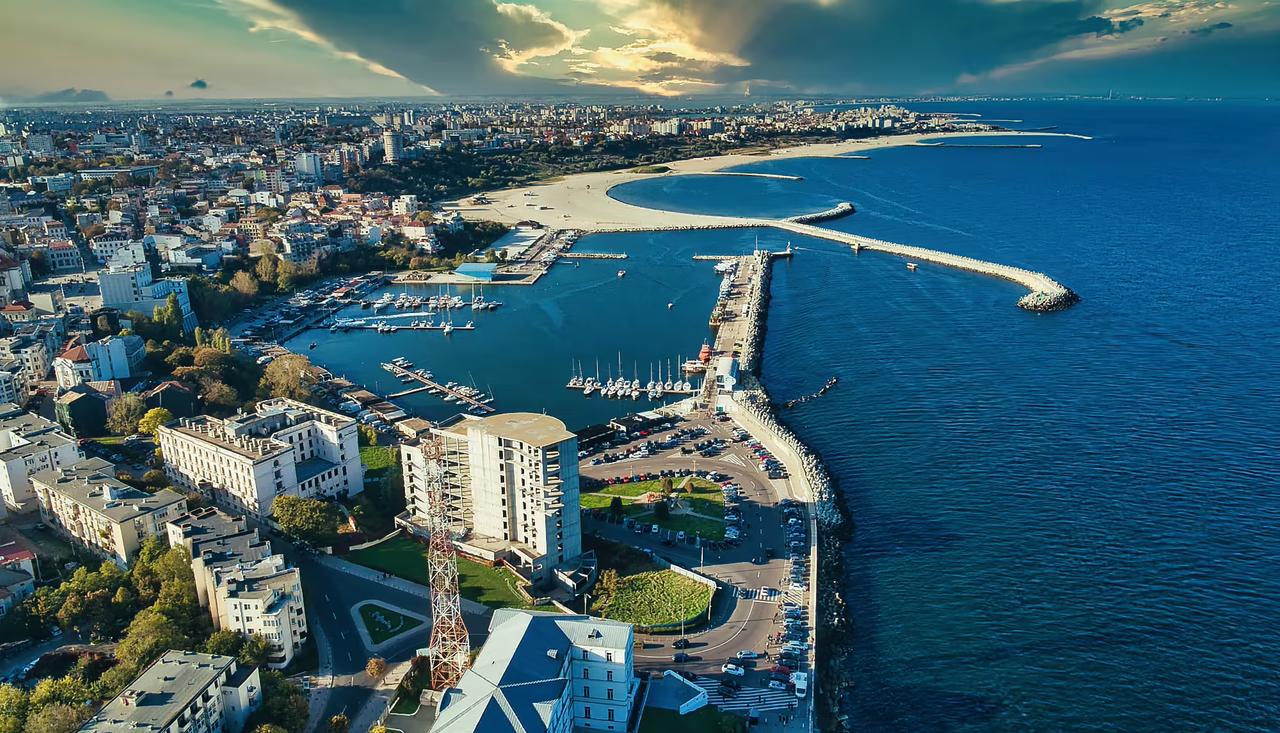

Constanța é a cidade mais antiga continuamente habitada da Roménia e o seu maior porto do Mar Negro, misturando história milenar com uma animada cena turística de verão ancorada pela famosa faixa de praia de Mamaia. Atrai expatriados que procuram vida costeira a uma fração dos preços da Europa Ocidental, nómadas digitais seduzidos por rendas acessíveis e vistas para o mar, e qualquer pessoa que prefira uma cidade portuária descontraída ao ritmo urbano de Bucareste. Os invernos são sossegados, mas de maio a setembro a cidade ganha vida com festivais, discotecas ao ar livre e um público internacional crescente. Esteja a mudar-se por razões profissionais, reforma ou mudança de cenário, Constanța oferece uma combinação única de acessibilidade, cultura e encanto do Mar Negro difícil de encontrar noutro local da UE. A história de mais de 2.500 anos da cidade, desde colónia grega a porto romano até cidade europeia moderna, confere-lhe um carácter invulgar em qualquer outro lugar da Roménia.
Constanța em Resumo

- População
- ~280.000 (área metropolitana ~400.000)
- Região
- Dobrogea (Distrito de Constanța)
- Conhecida por
- Porto do Mar Negro, praia de Mamaia, Casino de Constanța
- Renda Média (T1)
- 250–400 €/mês
- Salário Médio
- ~3.500–5.000 RON/mês líquido (~700–1.000 €)
- Moeda
- Leu Romeno (RON), 1 EUR ≈ 5 RON
- Comunidade de Expatriados
- Pequena mas crescente; presença turca, ucraniana e da Europa Ocidental
Porquê Mudar-se para Constanța
- Vida costeira acessível: As rendas e os custos diários estão entre os mais baixos da UE para uma cidade à beira-mar, com um T1 no centro raramente a ultrapassar os 400 €/mês.
- Estilo de vida no Mar Negro: Praias, desportos aquáticos e um longo passeio marítimo fazem parte do dia a dia do final da primavera ao início do outono. Só Mamaia estende-se por mais de 8 km de costa arenosa.
- História e cultura ricas: Como antiga colónia grega (antiga Tómis, fundada ~600 a.C.) e posteriormente um polo romano, Constanța possui sítios arqueológicos, museus e arquitetura que abrangem milénios.
- Economia em crescimento: O porto continua a ser um importante centro logístico e marítimo, movimentando mais de 60 milhões de toneladas anualmente, com oportunidades crescentes no turismo, outsourcing de TI e indústrias marítimas.
- Proximidade a Bucareste: A capital da Roménia fica a apenas 2–2,5 horas de carro, dando aos residentes acesso a embaixadas, hospitais internacionais e um mercado de trabalho mais amplo sem ter de viver numa grande cidade.
- Infraestrutura turística de verão: O investimento da cidade no turismo traduz-se em excelentes restaurantes, beach clubs e opções de entretenimento durante os meses mais quentes — benefícios de que os residentes permanentes desfrutam sem os preços turísticos.
Encontrar Habitação em Constanța
Rendas Médias
| Bairro | 1 Quarto | 3 Quartos | Carácter |
|---|---|---|---|
| Centro da Cidade (Península) | 280–400 € | 450–650 € | Centro histórico, pedonal, perto do porto e museus |
| Mamaia | 300–450 € | 500–750 € | Zona de resorts frente ao mar, aumentos sazonais de preços |
| Tomis Nord | €250–€350 | €400–€550 | Residencial, tranquilo, ideal para famílias |
| Bairro Km 4-5 | €220–€320 | €350–€500 | Económico, ambiente local, perto de mercados |
| Faleză Nord | €260–€380 | €420–€600 | Vista para o mar, edifícios mais recentes, ligeiramente superior |
| Boreal | €280–€400 | €450–€650 | Construção recente, acesso à autoestrada, mais tranquilo |
Como Encontrar Habitação
- OLX.ro: Maior plataforma de classificados romena; a maioria dos anúncios privados aparece aqui primeiro. Pesquise «inchiriere apartament Constanța» para arrendamentos.
- Imobiliare.ro: Portal imobiliário dedicado com filtros para mobilado/não mobilado, bairro e faixa de preço.
- Grupos do Facebook: Pesquise «Constanța chirii» (arrendamentos em Constanța) para anúncios diretos de senhorios. Muitos senhorios ignoram as plataformas e publicam apenas no Facebook.
- Anunțul.ro: Outro site de classificados popular na região da Dobrogea.
- Dicas locais: Muitos senhorios preferem pagamento em numerário em RON. Peça sempre um contrato assinado (contract de închiriere) para o registo de residência. Nos meses de verão, os preços de arrendamento de curta duração em Mamaia disparam — se ficar o ano todo, evite assinar contratos entre junho e agosto.
Dicas para Expatriados
- Negocie o valor do arrendamento para contratos de 12 meses — os senhorios preferem inquilinos de longa duração fora de época e costumam reduzir a renda mensal em 10–20%.
- Pergunte se as despesas estão incluídas ou separadas; os custos de aquecimento (normalmente aquecimento central do prédio) podem disparar no inverno para 200–400 RON/mês.
- Inspecione os edifícios antigos com cuidado — alguns apartamentos na Peninsula têm canalizações obsoletas ou isolamento deficiente, apesar do encanto.
- Confirme sempre que o senhorio é o proprietário legal. Peça a cartea funciară (certidão do registo predial) antes de assinar.
- Apartamentos mobilados são comuns e custam 30–50 € a mais por mês do que não mobilados, o que compensa para estadias de curto a médio prazo.
Guia de Bairros
- Peninsula (Centro da Cidade): Ideal para solteiros e casais que valorizam a acessibilidade a pé. Edifícios históricos, cafés e o passeio marginal junto ao Casino. Rendas médias. Algumas ruas parecem negligenciadas no inverno, mas a área está em renovação gradual.
- Mamaia: Ideal para quem prioriza o acesso à praia e à vida noturna. Sazonal — muito animado de maio a setembro, tranquilo o resto do ano. Rendas mais altas perto da costa. Não recomendado para viver o ano todo, a menos que aprecie a solitude e não se importe com serviços limitados no inverno.
- Tomis Nord: Área residencial favorável a famílias, com parques, escolas, supermercados e o centro comercial Tomis Mall. Mais acessível do que o centro. Bem servido de autocarros e perto da marina do Porto de Tomis.
- Km 4–5: Bairro económico popular entre os locais. Bom acesso a mercados, autêntica atmosfera romena. As rendas mais baixas da cidade. Menos polido mas muito habitável e perto da saída da autoestrada A2.
- Faleză Nord: Blocos de apartamentos modernos com vista para o mar. Popular entre jovens profissionais e romenos que regressam do estrangeiro. Bom equilíbrio entre preço e qualidade. Crescente oferta de restaurantes e cafés.
- Boreal: Conjunto residencial recente na zona norte. Tranquilo, apartamentos espaçosos e proximidade à autoestrada para Bucareste. As rendas estão a subir à medida que a área se desenvolve. Ideal para famílias que procuram habitação moderna.
- Inel II: Distrito residencial central entre a Peninsula e o Tomis Nord. Mistura de blocos da era comunista e apartamentos renovados. Muito acessível e perto de escolas e parques.
- Aurel Vlaicu: Bairro operário a sul do centro, com rendas baixas e mercados locais. Menos atraente esteticamente, mas prático para expatriados com orçamento limitado.
Custo de Vida em Constanța
Distribuição Mensal do Orçamento
| Categoria | Intervalo de orçamento |
|---|---|
| Renda (T1, centro) | €280–€400 |
| Serviços públicos | €60–€120 |
| Internet (fibra) | €8–€12 |
| Supermercado | €150–€250 |
| Transportes | €15–€30 |
| Refeições fora (4x/mês) | €40–€80 |
| Lazer/Ginásio | €20–€40 |
| Seguro de saúde (privado) | €30–€60 |
| Total | €603–€992 |
Um expat solteiro pode viver confortavelmente com 700–900 €/mês. Casais a partilhar um T1 conseguem gerir-se com 1.000–1.400 €/mês no total. Comparada com cidades costeiras da Europa Ocidental como Nice, Barcelona ou Split, Constanța é aproximadamente 50–70% mais barata na maioria das categorias.
Custos do dia a dia
- Café (expresso): 8–12 RON (~€1,60–€2,40)
- Almoço (restaurante informal): 30–50 RON (~€6–€10)
- Jantar para dois (gama média): 120–200 RON (~€24–€40)
- Passe mensal de transportes (autocarro): 70 RON (~€14)
- Cerveja (bar, de pressão): 8–14 RON (~€1,60–€2,80)
- Bilhete de cinema: 25–35 RON (~€5–€7)
- 1 kg de peito de frango: 25–35 RON (~€5–€7)
- Pão de forma: 4–6 RON (~€0,80–€1,20)
- Inscrição no ginásio (mensal): 100–200 RON (~€20–€40)
- Táxi pela cidade: 15–25 RON (~€3–€5)
Deslocar-se por Constanța
- Transportes públicos: A CT Bus opera uma rede de autocarros e tróleibus em toda a cidade. Bilhetes simples custam ~3 RON; passes mensais cerca de 70 RON. Os maxitaxis (miniautocarros partilhados) preenchem lacunas, mas podem confundir recém-chegados. A frequência do serviço diminui ao fim do dia e aos fins de semana.
- Transportes a pedido: O Bolt está amplamente disponível e é acessível para se deslocar pela cidade, especialmente à noite, quando o serviço de autocarros é limitado.
- Bicicleta: Terreno plano e um número crescente de ciclovias ao longo do passeio marítimo, embora a infraestrutura cicloviária ainda seja limitada no interior da cidade. Várias lojas de aluguer funcionam no verão. O passeio pela marginal de Mamaia até ao centro da cidade é panorâmico e popular.
- Condução: Trânsito moderado; o estacionamento é mais fácil do que em Bucareste. Útil para explorar as localidades vizinhas de Mamaia, Eforie e Mangalia. Os custos de combustível estão entre os mais baixos da UE. O estacionamento na rua no centro custa ~2 RON/hora.
- Aeroporto: Aeroporto Internacional Mihail Kogălniceanu (CND), ~25 km a norte da cidade. Voos diretos limitados — a maioria dos expats voa via Bucareste (2,5 horas de carro ou comboio até ao aeroporto da capital).
- Ligações interurbanas: A CFR Călători opera comboios regulares para Bucareste (~3–4 horas). A FlixBus e operadores privados oferecem rotas de autocarro para Sofia, Istambul e outras cidades regionais. Ferris para Istambul operam sazonalmente a partir do porto.
Saúde em Constanța
- Hospitais/Clinicas: O Hospital de Urgências do Concelho de Constanța é a principal instalação pública. Clínicas privadas como MedLife, Regina Maria e Arcadia oferecem consultas mais rápidas e instalações modernas com pessoal de língua inglesa.
- Médicos de língua inglesa: Disponíveis em clínicas privadas por toda a cidade; limitados nos hospitais públicos, onde o romeno é a língua principal.
- Farmácias: Amplamente disponíveis, incluindo cadeias como Catena, Sensiblu e HelpNet. Muitos medicamentos são vendidos sem receita médica.
- Número de emergência: 112 (cobertura de ambulância, polícia e bombeiros).
- Seguro de saúde: Os cidadãos da UE podem utilizar o Cartão Europeu de Seguro de Doença (CESD) para cuidados de emergência. Os expatriados não pertencentes à UE devem obter um seguro de saúde privado, que custa entre 30 € e 60 €/mês para cobertura básica. O seguro privado reduz significativamente os tempos de espera e garante atendimento em inglês.
- Cuidados dentários: As clínicas dentárias privadas são excelentes e muito acessíveis em comparação com a Europa Ocidental. Uma limpeza custa ~100–150 RON (~20 €–30 €).
Receba um plano de mudanca personalizado
Deixe o seu e-mail e enviaremos uma checklist personalizada e tres orcamentos de empresas verificadas.
Internet e Vida Digital
- Fornecedores: A RDS/RCS (Digi) é o principal fornecedor de internet, oferecendo ligações de fibra até 1 Gbps por ~40–50 RON/mês (~8 €–10 €). A Vodafone e a Orange também oferecem pacotes de internet doméstica.
- Velocidade e fiabilidade: A Roménia encontra-se consistentemente entre os países com a internet mais rápida da Europa. Constança beneficia desta infraestrutura, com fibra disponível na maioria dos bairros.
- Coworking: Espaços de coworking dedicados são limitados em comparação com Bucareste, mas vários cafés no centro oferecem Wi-Fi fiável adequado para trabalho remoto. A Biblioteca Tomis e alguns átrios de hotéis também funcionam como espaços de trabalho informais.
- Dados móveis: A cobertura 4G é forte em toda a cidade. O 5G está a ser implementado nas áreas centrais. A Digi oferece planos de dados móveis ilimitados por ~30–40 RON/mês (~6 €–8 €), sendo a opção mais económica para utilizadores com elevado consumo de dados.
- Adequação para nómadas digitais: Uma internet forte, baixo custo de vida e localização costeira tornam Constança cada vez mais atrativa para trabalhadores remotos, embora a cena de coworking e a comunidade de nómadas digitais ainda sejam reduzidas.
Banca e Dinheiro
- Principais bancos: BCR, BRD, ING e Raiffeisen são os mais populares entre os expatriados. O ING é frequentemente preferido pela sua aplicação em inglês e contas sem comissões.
- Abrir uma conta: É necessário um passaporte e comprovativo de morada (contrato de arrendamento ou fatura de serviços). Os cidadãos da UE podem abrir contas facilmente; os nacionais não pertencentes à UE podem necessitar de uma autorização de residência, dependendo do banco.
- Pagamentos com cartão: Os pagamentos contactless (Visa/Mastercard) são aceites na maioria das lojas, restaurantes e supermercados. O Apple Pay e o Google Pay funcionam com cartões bancários romenos.
- Numerário: Ainda preferido por alguns senhorios, vendedores de mercado e pequenos negócios. Tenha sempre alguns RON consigo, especialmente fora do centro da cidade.
- Wise e Revolut: Ambos funcionam bem na Roménia e oferecem taxas de câmbio competitivas. Muitos expatriados utilizam estes serviços para transferências internacionais antes de abrir uma conta bancária local.
- Gorjeta: 10 % é o padrão em restaurantes. Arredonde o valor nos táxis. Não é esperado em cafés, mas é apreciado.
Cultura e Estilo de Vida
- Património antigo: A cidade remonta a 600 a.C. como a colónia grega de Tomis. O Museu Nacional de História e Arqueologia alberga artefactos dos períodos grego, romano e medieval. As ruínas do mosaico romano perto da Praça Ovídio estão abertas a visitantes.
- Casino de Constança: O icónico edifício Art Nouveau na orla marítima, construído em 1910, está em fase de restauro e continua a ser uma das estruturas mais fotografadas da Roménia. É visível de quase todos os pontos ao longo do passeio.
- Vida noturna de verão: Mamaia acolhe grandes festivais de música, incluindo o Sunwaves Festival e o Neversea, atraindo DJs internacionais e público de toda a Europa. As discotecas ao ar livre na praia funcionam todas as noites de junho a setembro.
- Raízes multiculturais: Uma cidade historicamente diversa, com comunidades romenas, turcas, tártaras, gregas e arménias a influenciarem a gastronomia, a arquitetura e as tradições locais. A Mesquita Mahmudiye e a Igreja Grega da Santíssima Trindade ficam a poucos passos uma da outra.
- Porto de Tomis: Uma marina e porto em funcionamento onde pode observar barcos de pesca, jantar em restaurantes de marisco ou fazer passeios de barco ao longo da costa no verão.
Gastronomia e Restaurantes
- Experimente especialidades locais: saramură de pește (peixe grelhado em salmoura), plachie (guisado de peixe com tomate e pimentos), midii (mexilhões preparados de diversas formas) e pastéis de influência turca no bairro antigo.
- A zona do Porto de Tomis e o passeio da Península são os melhores locais para restaurantes de marisco fresco com vista para o mar.
- Opções económicas: as cantine (refeitórios de estilo cantina) servem refeições completas por 15–25 RON (~3 €–5 €). Os mercados locais, como a Piața Griviței, oferecem produtos frescos a preços muito baixos.
- Para cozinha internacional, a rua de restaurantes de Mamaia e o centro da cidade oferecem opções italianas, turcas e asiáticas. A cena gastronómica expande-se significativamente no verão com restaurantes de praia provisórios.
Comunidade de Expatriados
- Grupos do Facebook: "Expats in Constanța", "Foreigners in Romania" e "Constanța International" têm membros locais ativos disponíveis para responder a questões de recém-chegados.
- Encontros: Eventos ocasionais de intercâmbio de idiomas, jantares internacionais e encontros na praia, mais frequentes durante os meses de verão.
- Organizações internacionais: As comunidades turca, ucraniana e da Europa Ocidental possuem redes sociais informais. A secção local do AIESEC liga ocasionalmente estagiários internacionais à comunidade.
- Voluntariado: Iniciativas de limpeza das praias e abrigos de animais acolhem voluntários internacionais e são uma boa forma de conhecer pessoas locais.
- Desporto: Futebol (o FCV Farul Constança joga na Liga I), clubes de vela e ligas de voleibol de praia oferecem pontos de entrada social para expatriados desportivos.
O que Fazer em Constança
- Passeio pelo passeio do Casino de Constança: O troço à beira-mar desde o Casino até ao Porto de Tomis é o passeio emblemático da cidade, especialmente ao pôr do sol.
- Museu Nacional de História e Arqueologia: Alberga estátuas romanas, cerâmica grega e artefactos da antiga colónia de Tomis. Entrada ~15 RON.
- Delfinário e Micro Delta: Uma atração para famílias com espetáculos de golfinhos e uma pequena reserva natural com vida selvagem local.
- Dias de praia em Mamaia: De junho a setembro, a faixa de 8 km oferece nadar, jet ski, parapente e voleibol de praia.
- Festivais Neversea e Sunwaves: Grandes festivais de música electrónica realizados na orla de Mamaia. Os bilhetes esgotam meses antes.
- Passeios de um dia ao Delta do Danúbio: Uma Reserva da Biosfera da UNESCO a cerca de 2 horas para norte. Passeios de barco, observação de aves e aldeias de pescadores tornam-no uma visita obrigatória.
- Vama Veche: A vila boémia de praia a 30 km a sul é um favorito de fim-de-semana para acampar, música ao vivo e bares de praia descontraídos.
- Bem-estar Terme: Vários complexos de spa e termas funcionam perto de Eforie, logo a sul da cidade.
- Vela e passeios de barco: O Porto de Tomis oferece aulas de vela e passeios de barco ao longo da costa de maio a outubro. Há barcos de aluguer disponíveis para passeios de um dia ao longo do litoral.
- Comida de rua e mercados: Os mercados da Piața Griviței e da Piața Tomis III vendem produtos locais, queijo, mel e peixe fresco. Barracas de comida ao ar livre aparecem por todo o lado durante o verão.
- Aquário de Constanța: Localizado perto do Casino, o aquário apresenta a vida marinha do Mar Negro, incluindo esturjões, cavalos-marinhos e várias espécies de peixes. Entrada ~20 RON.
Vida Sazonal em Constanța
Constanța é uma cidade de duas estações. Compreender este ritmo é essencial antes de decidir mudar-se.
Verão (maio–setembro): A cidade transforma-se. Mamaia enche-se de turistas, os beach clubs abrem, os festivais sucedem-se todos os fins-de-semana e o passeio público fervilha de atividade. Os restaurantes ficam com lotação esgotada, o trânsito aumenta e os preços de arrendamento nas zonas junto à praia disparam 30–50%. É nesta altura que Constanța se sente mais vibrante e internacional. As temperaturas médias rondam os 25–30 °C, e o mar atinge uma temperatura agradável para nadar no final de junho.
Fora de época (outubro–abril): Um ritmo mais tranquilo e local toma conta. Muitos negócios em Mamaia fecham. A praia esvazia. Os restaurantes no centro mantêm-se abertos, mas a energia desloca-se para o interior. Os invernos são ventosos e frios, embora raramente extremos. É nesta altura que os residentes de longa duração aproveitam rendas mais baixas, menos multidões e uma experiência costeira romena mais autêntica. O mercado de Natal no centro da cidade e as celebrações de Ano Novo ao longo do passeio público são pontos altos locais.
Mercado de Trabalho em Constanța
- Principais setores: Logística portuária e transporte marítimo, turismo e hotelaria, construção naval, terceirização de TI, construção civil, retalho.
- Principais empregadores: DP World Constanța (operações portuárias), Șantierul Naval Constanța (estaleiro naval), Continental Hotels, City Park Mall e várias empresas de TI no setor tecnológico em crescimento.
- Salários médios por setor: Hotelaria ~3.000–4.000 RON; TI ~6.000–10.000 RON; Logística e transporte marítimo ~3.500–5.000 RON; Construção civil ~3.500–5.500 RON; Retalho ~2.500–3.500 RON.
- Recursos de procura de emprego: BestJobs.ro, eJobs.ro, LinkedIn e agências de recrutamento locais. Empregos sazonais na hotelaria são amplamente publicados em grupos do Facebook a partir de março.
- Trabalho remoto: Cada vez mais popular entre expatriados que trabalham para empregadores estrangeiros. A internet por fibra é fiável e barata, tornando Constanța uma opção viável para nómadas digitais que querem viver na costa sem o custo de cidades como Lisboa ou Split.
Educação em Constanța
- Escolas internacionais: Limitadas em comparação com Bucareste. As escolas bilingues romeno-finlandesa e romeno-turca são alternativas populares. Algumas famílias de expatriados optam por ensino doméstico ou currículos internacionais online.
- Escolas públicas: As escolas públicas de língua romena são gratuitas e amplamente disponíveis. A qualidade varia consoante o bairro — as escolas de Tomis Nord e da Península tendem a ter melhores classificações.
- Universidades: A Universidade Ovidius é a principal instituição da cidade, oferecendo cursos de medicina, engenharia, humanidades e direito. A Academia Naval Mircea cel Bătrân é reconhecida nacionalmente nos estudos marítimos e de engenharia.
- Escolas de línguas: Várias academias privadas ensinam inglês, francês, alemão e romeno como língua estrangeira. O British Council oferece ocasionalmente cursos. As plataformas de tutoria online são populares entre expatriados que aprendem romeno.
- Pré-escola e infantário: Infantários privados custam 800–1.500 RON/mês (~€160–€300). As opções públicas são gratuitas, mas apenas em romeno.
Lista de Verificação para Mudança para Constanța
Antes de Chegar
- [ ] Obtenha um contrato de arrendamento (necessário para o registo de residência)
- [ ] Obtenha seguro de saúde válido na Roménia (obrigatório para cidadãos não pertencentes à UE)
- [ ] Reúna documentos apostilados (certidão de nascimento, certidão de casamento, diploma)
- [ ] Informe-se sobre os requisitos de visto/permissão de residência (cidadãos da UE: registe-se no prazo de 90 dias)
- [ ] Abra uma conta Wise ou Revolut para transações iniciais em RON
- [ ] Descarregue o pacote de língua romena offline no Google Tradutor
Primeira Semana
- [ ] Registe a sua morada na esquadra local (Serviciul de Evidența Persoanelor)
- [ ] Abra uma conta bancária romena (recomendam-se BCR, BRD, ING ou Raiffeisen)
- [ ] Compre um cartão SIM local (Vodafone, Orange ou Digi — a Digi oferece os planos de dados mais baratos)
- [ ] Registe-se junto de um médico de família (medic de familie) numa clínica local
- [ ] Familiarize-se com as rotas de autocarro e descarregue a aplicação CT Bus
- [ ] Crie uma conta Bolt para pedir boleias
Primeiro Mês
- [ ] Solicite um número de identificação fiscal (CNP) se planeia trabalhar localmente
- [ ] Ative as utilidades e a internet em seu nome (RDS/RCS para internet é o fornecedor mais popular)
- [ ] Explore os bairros antes de se comprometer com um contrato de arrendamento de longo prazo
- [ ] Junte-se a grupos locais de expatriados e participe de um encontro ou de uma troca de idiomas
- [ ] Visite a praia de Mamaia pelo menos uma vez, mesmo fora de temporada
- [ ] Experimente pelo menos um restaurante de peixe local no Porto de Tomis
Guias Relacionados
- [Mudar-se para a Roménia] — guia abrangente do país
- [Mudar-se para Bucareste] — guia da capital