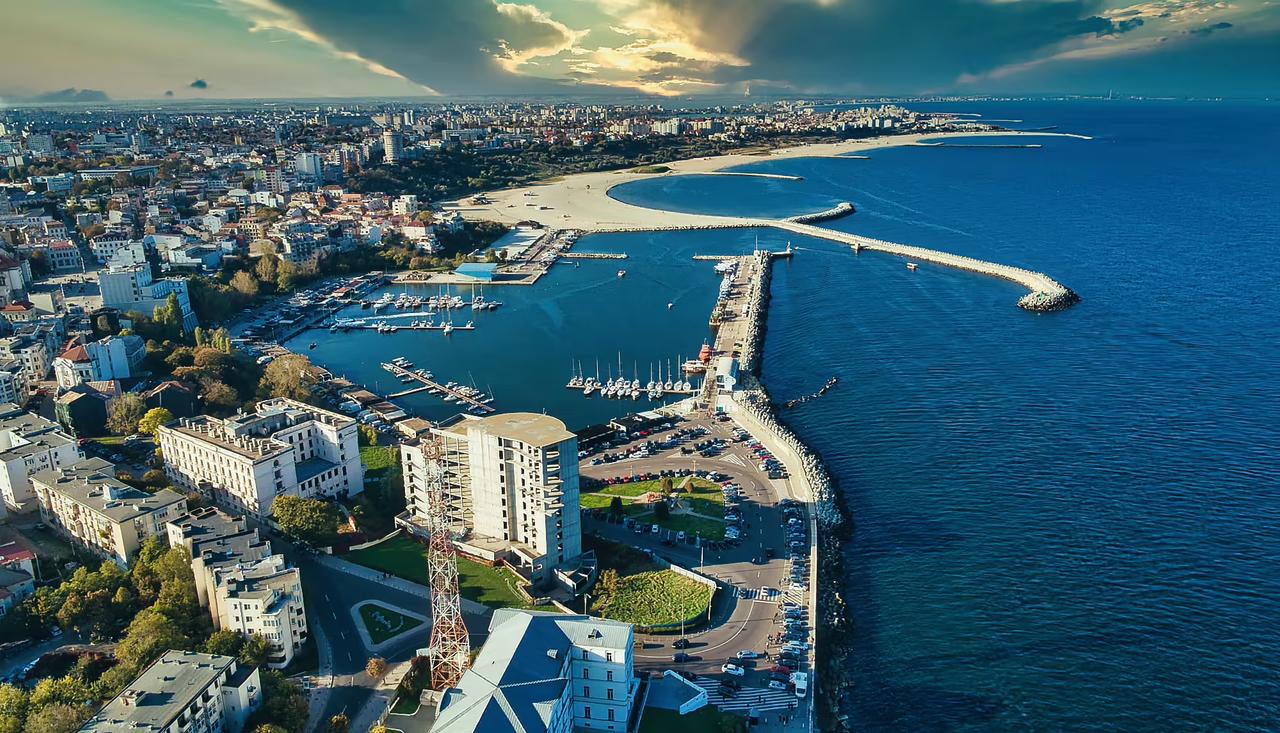

Constanța is Romania's oldest continuously inhabited city and its largest Black Sea port, blending ancient history with a buzzing summer tourism scene anchored by the famous Mamaia beach strip. It appeals to expats looking for coastal living at a fraction of Western European prices, digital nomads drawn by affordable rents and seaside views, and anyone who prefers a laid-back port city over Bucharest's urban pace. Winters are quiet, but from May through September the city comes alive with festivals, open-air clubs, and a growing international crowd. Whether you're relocating for work, retirement, or a change of scenery, Constanța offers a unique mix of affordability, culture, and Black Sea charm that's hard to find elsewhere in the EU. The city's 2,500+ year history, from Greek colony to Roman port to modern European city, gives it a character unlike anywhere else in Romania.
Constanța at a Glance

- Population
- ~280,000 (metro area ~400,000)
- Region
- Dobrogea (Constanța County)
- Known For
- Black Sea port, Mamaia beach, Constanța Casino
- Average Rent (1BR)
- €250–€400/month
- Average Salary
- ~3,500–5,000 RON/month net (~€700–€1,000)
- Currency
- Romanian Leu (RON), 1 EUR ≈ 5 RON
- Expat Community
- Small but growing; Turkish, Ukrainian, and Western European presence
Why Move to Constanța
- Affordable coastal living: Rent and daily costs are among the lowest in the EU for a seaside city, with a 1-bedroom in the center rarely exceeding €400/month.
- Black Sea lifestyle: Beaches, water sports, and a long promenade are part of daily life from late spring to early autumn. Mamaia alone stretches over 8 km of sandy shoreline.
- Rich history and culture: As a former Greek colony (ancient Tomis, founded ~600 BC) and later a Roman hub, Constanța has archaeological sites, museums, and architecture spanning millennia.
- Growing economy: The port remains a major logistics and shipping hub handling over 60 million tonnes annually, with expanding opportunities in tourism, IT outsourcing, and maritime industries.
- Proximity to Bucharest: Romania's capital is just 2–2.5 hours away by car, giving residents access to embassies, international hospitals, and a wider job market without living in a big city.
- Summer tourism infrastructure: The city's investment in tourism means excellent restaurants, beach clubs, and entertainment options during the warmer months — perks that year-round residents get to enjoy without the tourist prices.
Finding Housing in Constanța
Average Rents
| Neighborhood | 1-Bedroom | 3-Bedroom | Character |
|---|---|---|---|
| City Center (Peninsula) | €280–€400 | €450–€650 | Historic core, walkable, close to port and museums |
| Mamaia | €300–€450 | €500–€750 | Beachfront resort area, seasonal price spikes |
| Tomis Nord | €250–€350 | €400–€550 | Residential, quiet, good for families |
| Km 4–5 | €220–€320 | €350–€500 | Budget-friendly, local feel, near markets |
| Faleză Nord | €260–€380 | €420–€600 | Sea views, newer buildings, slightly upscale |
| Boreal | €280–€400 | €450–€650 | Newer development, highway access, quieter |
How to Find Housing
- OLX.ro: Largest Romanian classifieds platform; most private listings appear here first. Search "inchiriere apartament Constanța" for rental listings.
- Imobiliare.ro: Dedicated real estate portal with filters for furnished/unfurnished, neighborhood, and price range.
- Facebook groups: Search "Constanța chirii" (Constanța rentals) for direct landlord postings. Many landlords skip platforms entirely and post only on Facebook.
- Anunțul.ro: Another classifieds site popular in the Dobrogea region.
- Local tips: Many landlords prefer cash payment in RON. Always request a signed contract (contract de închiriere) for residency registration. Summer months bring inflated short-term rental prices in Mamaia — if you're staying year-round, avoid signing leases between June and August.
Tips for Expats
- Negotiate rent for 12-month leases — landlords prefer long-term tenants off-season and will often reduce monthly rates by 10–20%.
- Ask about utilities included vs. separate; heating costs (usually centralized building heating) can spike in winter to 200–400 RON/month.
- Inspect older buildings carefully — some Peninsula apartments have outdated plumbing or poor insulation despite their charm.
- Always confirm the landlord is the legal owner. Ask for the cartea funciară (land registry extract) before signing.
- Furnished apartments are common and cost €30–€50 more per month than unfurnished, which is worth it for short-to-medium stays.
Neighborhoods Guide
- Peninsula (City Center): Best for singles and couples who want walkability. Historic buildings, cafés, and the waterfront promenade near the Casino. Mid-range rents. Some streets feel neglected in winter, but the area is undergoing gradual renovation.
- Mamaia: Ideal for those who prioritize beach access and nightlife. Seasonal — very lively from May to September, quiet the rest of the year. Higher rents near the shore. Not recommended for year-round living unless you enjoy solitude and don't mind limited winter amenities.
- Tomis Nord: Family-friendly residential area with parks, schools, supermarkets, and the Tomis Mall shopping center. More affordable than the center. Well-connected by bus and close to the Tomis Harbor marina.
- Km 4–5: Budget neighborhood popular with locals. Good market access, authentic Romanian feel. Lowest rents in the city. Less polished but very livable and close to the A2 highway exit.
- Faleză Nord: Modern apartment blocks with sea views. Popular with young professionals and returning Romanians from abroad. A good balance of price and quality. Growing restaurant and café scene.
- Boreal: Newer residential development on the northern edge. Quiet, spacious apartments, and proximity to the highway toward Bucharest. Rents are rising as the area develops. Good for families wanting modern housing.
- Inel II: Central residential district between the Peninsula and Tomis Nord. Mix of older communist-era blocks and renovated apartments. Very affordable and close to schools and parks.
- Aurel Vlaicu: Working-class neighborhood south of the center with cheap rents and local markets. Less attractive aesthetically but practical for budget-conscious expats.
Cost of Living in Constanța
Monthly Budget Breakdown
| Category | Budget Range |
|---|---|
| Rent (1BR, center) | €280–€400 |
| Utilities | €60–€120 |
| Internet (fiber) | €8–€12 |
| Groceries | €150–€250 |
| Transport | €15–€30 |
| Dining out (4x/month) | €40–€80 |
| Leisure/Gym | €20–€40 |
| Health insurance (private) | €30–€60 |
| Total | €603–€992 |
A single expat can live comfortably on €700–€900/month. Couples sharing a 1-bedroom can get by on €1,000–€1,400/month combined. Compared to Western European coastal cities like Nice, Barcelona, or Split, Constanța is roughly 50–70% cheaper across most categories.
Day-to-Day Costs
- Coffee (espresso): 8–12 RON (~€1.60–€2.40)
- Lunch (casual restaurant): 30–50 RON (~€6–€10)
- Dinner for two (mid-range): 120–200 RON (~€24–€40)
- Monthly transport pass (bus): 70 RON (~€14)
- Beer (bar, draft): 8–14 RON (~€1.60–€2.80)
- Cinema ticket: 25–35 RON (~€5–€7)
- 1 kg chicken breast: 25–35 RON (~€5–€7)
- Loaf of bread: 4–6 RON (~€0.80–€1.20)
- Gym membership (monthly): 100–200 RON (~€20–€40)
- Taxi across town: 15–25 RON (~€3–€5)
Getting Around Constanța
- Public transport: CT Bus operates a network of buses and trolleybuses across the city. Single tickets cost ~3 RON; monthly passes around 70 RON. Maxitaxi (shared minibuses) fill gaps but can be confusing for newcomers. Service frequency drops in the evening and on weekends.
- Ride-hailing: Bolt is widely available and affordable for getting around town, especially at night when bus service is limited.
- Cycling: Flat terrain and a growing number of bike lanes along the seafront promenade, though cycling infrastructure is still limited inland. Several rental shops operate in summer. The promenade ride from Mamaia to the city center is scenic and popular.
- Driving: Moderate traffic; parking is easier than in Bucharest. Useful for exploring nearby Mamaia, Eforie, and Mangalia. Fuel costs are among the lowest in the EU. Street parking in the center costs ~2 RON/hour.
- Airport: Mihail Kogălniceanu International Airport (CND), ~25 km north of the city. Limited direct flights — most expats fly via Bucharest (2.5 hours by car or train to the capital's airport).
- Intercity: CFR Călători runs regular trains to Bucharest (~3–4 hours). FlixBus and private operators offer bus routes to Sofia, Istanbul, and other regional cities. Ferries to Istanbul operate seasonally from the port.
Healthcare in Constanța
- Hospitals/Clinics: Constanța County Emergency Hospital is the main public facility. Private clinics like MedLife, Regina Maria, and Arcadia offer faster appointments and modern facilities with English-speaking staff.
- English-speaking doctors: Available at private clinics across the city; limited in public hospitals where Romanian is the primary language.
- Pharmacies: Widely available, including chains like Catena, Sensiblu, and HelpNet. Many medications are sold over the counter without prescription.
- Emergency number: 112 (covers ambulance, police, and fire services).
- Health insurance: EU citizens can use the European Health Insurance Card (EHIC) for emergency care. Non-EU expats should obtain private health insurance, which runs €30–€60/month for basic coverage. Private insurance significantly shortens wait times and ensures English-speaking care.
- Dental care: Private dental clinics are excellent and very affordable compared to Western Europe. A cleaning costs ~100–150 RON (~€20–€30).
Planning your move?
Tell us about your move to compare quotes from international moving companies.
Internet & Digital Life
- Providers: RDS/RCS (Digi) is the dominant ISP, offering fiber connections up to 1 Gbps for ~40–50 RON/month (~€8–€10). Vodafone and Orange also offer home internet packages.
- Speed & reliability: Romania consistently ranks among the top countries in Europe for internet speed. Constanța benefits from this infrastructure, with fiber available in most neighborhoods.
- Coworking: Limited dedicated coworking spaces compared to Bucharest, but several cafés in the center offer reliable Wi-Fi suitable for remote work. The Tomis Library and some hotel lobbies also work as informal workspaces.
- Mobile data: 4G coverage is strong citywide. 5G is rolling out in central areas. Digi offers unlimited mobile data plans for ~30–40 RON/month (~€6–€8), making it the cheapest option for heavy data users.
- Digital nomad suitability: Strong internet, low cost of living, and coastal location make Constanța increasingly attractive for remote workers, though the coworking scene and digital nomad community are still small.
Banking & Money
- Major banks: BCR, BRD, ING, and Raiffeisen are the most popular for expats. ING is often preferred for its English-language app and no-fee accounts.
- Opening an account: Requires a passport and proof of address (rental contract or utility bill). EU citizens can open accounts easily; non-EU nationals may need a residence permit depending on the bank.
- Card payments: Contactless payments (Visa/Mastercard) are accepted at most shops, restaurants, and supermarkets. Apple Pay and Google Pay work with Romanian bank cards.
- Cash: Still preferred by some landlords, market vendors, and smaller businesses. Keep some RON on hand, especially outside the city center.
- Wise & Revolut: Both work well in Romania and offer competitive exchange rates. Many expats use these for international transfers before opening a local bank account.
- Tipping: 10% is standard at restaurants. Round up for taxis. Not expected at cafés but appreciated.
Culture & Lifestyle
- Ancient heritage: The city dates back to 600 BC as the Greek colony Tomis. The National History and Archaeology Museum houses artifacts from Greek, Roman, and medieval periods. The Roman mosaic pavement ruins near Ovid Square are open to visitors.
- Constanța Casino: The iconic Art Nouveau building on the waterfront, built in 1910, is undergoing restoration and remains one of Romania's most photographed structures. It's visible from nearly every point along the promenade.
- Summer nightlife: Mamaia hosts major music festivals including Sunwaves Festival and Neversea, drawing international DJs and crowds from across Europe. Open-air beach clubs operate nightly from June to September.
- Multicultural roots: A historically diverse city with Romanian, Turkish, Tatar, Greek, and Armenian communities influencing local cuisine, architecture, and traditions. The Mahmudiye Mosque and the Greek Church of the Holy Trinity stand within walking distance of each other.
- Tomis Harbor: A working marina and port where you can watch fishing boats, dine at seafood restaurants, or take boat tours along the coast in summer.
Food & Dining
- Try local specialties: saramură de pește (grilled fish in brine), plachie (fish stew with tomatoes and peppers), midii (mussels prepared various ways), and Turkish-influenced pastries from the old quarter.
- The Tomis Harbor area and the Peninsula promenade are best for fresh seafood restaurants with sea views.
- Budget options: cantine (canteen-style eateries) serve full meals for 15–25 RON (~€3–€5). Local markets like Piața Griviței offer fresh produce at very low prices.
- For international cuisine, Mamaia's restaurant row and the city center offer Italian, Turkish, and Asian options. The food scene expands significantly in summer with pop-up beach restaurants.
Expat Community
- Facebook groups: "Expats in Constanța," "Foreigners in Romania," and "Constanța International" have active local members willing to answer newcomer questions.
- Meetups: Occasional language exchange events, international dinners, and beach gatherings, more frequent during summer months.
- International organizations: The Turkish, Ukrainian, and Western European communities have informal social networks. The local AIESEC chapter occasionally connects international interns with the community.
- Volunteering: Beach cleanup initiatives and animal shelters welcome international volunteers and are a good way to meet locals.
- Sports: Football (FCV Farul Constanța plays in Liga I), sailing clubs, and beach volleyball leagues offer social entry points for sporty expats.
Things to Do in Constanța
- Constanța Casino promenade walk: The waterfront stretch from the Casino to Tomis Harbor is the city's defining walk, especially at sunset.
- National History and Archaeology Museum: Houses Roman statues, Greek pottery, and artifacts from the ancient colony of Tomis. Entry ~15 RON.
- Dolphinarium and Micro Delta: A family-friendly attraction with dolphin shows and a small nature reserve with local wildlife.
- Mamaia beach days: From June to September, the 8 km strip offers swimming, jet skiing, parasailing, and beach volleyball.
- Neversea and Sunwaves festivals: Major electronic music festivals held on the Mamaia beachfront. Tickets sell out months in advance.
- Day trips to the Danube Delta: A UNESCO Biosphere Reserve about 2 hours north. Boat tours, birdwatching, and fisherman villages make it a must-visit.
- Vama Veche: The bohemian beach town 30 km south is a weekend favorite for camping, live music, and barefoot beach bars.
- Therme wellness: Several spa and thermal bath complexes operate near Eforie, just south of the city.
- Sailing and boat tours: Tomis Harbor offers sailing lessons and coastal boat trips from May through October. Charter boats are available for day trips along the coast.
- Street food and markets: The Piața Griviței and Piața Tomis III markets sell local produce, cheese, honey, and fresh fish. Open-air food stalls appear throughout summer.
- Constanța Aquarium: Located near the Casino, the aquarium showcases Black Sea marine life including sturgeon, seahorses, and various fish species. Entry ~20 RON.
Seasonal Life in Constanța
Constanța is a city of two seasons. Understanding this rhythm is essential before committing to a move.
Summer (May–September): The city transforms. Mamaia fills with tourists, beach clubs open, festivals line up every weekend, and the promenade buzzes with activity. Restaurants are fully booked, traffic increases, and rental prices in beach-adjacent areas spike 30–50%. This is when Constanța feels most vibrant and international. Average temperatures hover around 25–30°C, with the sea warming to a comfortable swimming temperature by late June.
Off-Season (October–April): A quieter, more local pace takes over. Many Mamaia businesses close. The beach empties. Restaurants in the center remain open, but the energy shifts inland. Winters are windy and cold, though rarely extreme. This is when long-term residents enjoy lower rents, fewer crowds, and a more authentic Romanian coastal experience. The Christmas market in the city center and New Year's celebrations along the promenade are local highlights.
Job Market in Constanța
- Main industries: Port logistics and shipping, tourism and hospitality, shipbuilding, IT outsourcing, construction, retail.
- Major employers: DP World Constanța (port operations), Șantierul Naval Constanța (shipyard), Continental Hotels, City Park Mall, various IT firms in the growing tech sector.
- Average salaries by sector: Hospitality ~3,000–4,000 RON; IT ~6,000–10,000 RON; Logistics and shipping ~3,500–5,000 RON; Construction ~3,500–5,500 RON; Retail ~2,500–3,500 RON.
- Job search resources: BestJobs.ro, eJobs.ro, LinkedIn, and local recruitment agencies. Seasonal hospitality jobs are posted heavily on Facebook groups from March onward.
- Remote work: Increasingly popular among expats working for foreign employers. Fiber internet is reliable and cheap, making Constanța viable for digital nomads who want coastal living without the premium of cities like Lisbon or Split.
Education in Constanța
- International schools: Limited compared to Bucharest. The Romanian-Finnish and Romanian-Turkish bilingual schools are popular alternatives. Some expat families opt for homeschooling or online international curricula.
- Public schools: Romanian-language public schools are free and widely available. Quality varies by neighborhood — Tomis Nord and Peninsula schools tend to be better rated.
- Universities: Ovidius University is the city's main institution, offering programs in medicine, engineering, humanities, and law. Mircea cel Bătrân Naval Academy is nationally recognized for maritime studies and engineering.
- Language schools: Several private academies teach English, French, German, and Romanian as a foreign language. The British Council occasionally offers courses. Online tutoring platforms are popular among expats learning Romanian.
- Preschool & kindergarten: Private kindergartens cost 800–1,500 RON/month (~€160–€300). Public options are free but in Romanian only.
Moving Checklist for Constanța
Before Arriving
- [ ] Secure a rental contract (needed for residency registration)
- [ ] Obtain health insurance valid in Romania (mandatory for non-EU nationals)
- [ ] Gather apostilled documents (birth certificate, marriage certificate, degree)
- [ ] Research visa/residence permit requirements (EU citizens: register within 90 days)
- [ ] Open a Wise or Revolut account for initial RON transactions
- [ ] Download offline Romanian language pack on Google Translate
First Week
- [ ] Register your address at the local police station (Serviciul de Evidența Persoanelor)
- [ ] Open a Romanian bank account (BCR, BRD, ING, or Raiffeisen recommended)
- [ ] Get a local SIM card (Vodafone, Orange, or Digi — Digi offers cheapest data plans)
- [ ] Register with a family doctor (medic de familie) at a local clinic
- [ ] Familiarize yourself with bus routes and download the CT Bus app
- [ ] Set up a Bolt account for ride-hailing
First Month
- [ ] Apply for a tax identification number (CNP) if you plan to work locally
- [ ] Set up utilities and internet in your name (RDS/RCS for internet is the most popular provider)
- [ ] Explore neighborhoods before committing to a long-term lease
- [ ] Join local expat groups and attend a meetup or language exchange
- [ ] Visit the beach in Mamaia at least once, even off-season
- [ ] Try at least one local fish restaurant at Tomis Harbor
Constanța offers an affordable, relaxed coastal lifestyle with a lower cost of living than most EU seaside cities. It suits expats who enjoy beach access, historic surroundings, and a quieter pace outside peak summer season. The main drawbacks are limited international schooling options, a relatively small expat network, and colder winters than many expect from a coastal city.
English is spoken in tourist areas, hotels, and among younger residents, but Romanian is essential for government offices, healthcare, and day-to-day interactions outside tourist zones. Learning basic Romanian phrases goes a long way. Many expats also pick up some Turkish given the city's multicultural heritage. Language schools and apps like Duolingo can help with the basics.
Constanța uses the Romanian Leu (RON), plural Lei. As of 2026, 1 EUR ≈ 5 RON. Romania has not yet adopted the euro, though adoption is anticipated within the coming years. Card payments are widely accepted in supermarkets, malls, and restaurants, but smaller markets, some landlords, and rural areas prefer cash. ATMs are plentiful throughout the city.
Constanța is generally safe for residents and tourists. Petty crime like pickpocketing can occur in crowded summer areas like Mamaia beach and during major festivals. Violent crime is rare. Standard urban precautions apply: avoid poorly lit areas at night, watch belongings on the beach, and use registered taxis or ride-hailing apps like Bolt.
Constanța has a temperate-continental climate with Black Sea influences. Summers (June–September) are warm and sunny, averaging 26–30°C with sea breezes. Winters (December–February) are cold and windy, with temperatures around 0–5°C and occasional snowfall. The sea moderates extreme temperatures compared to inland Romania. Spring and autumn are mild and pleasant, making them ideal for exploring the city without summer crowds.
The job market centers on port logistics, tourism, and shipbuilding, with a growing IT outsourcing sector. Seasonal hospitality work is plentiful from May through September. For year-round professional roles, fluency in Romanian significantly improves prospects. Remote work for foreign employers is increasingly common among the expat community and is arguably the best option for English-only speakers.
The A2 motorway connects Bucharest to Constanța in about 2–2.5 hours by car. CFR trains run several times daily (3–4 hours, tickets ~50–80 RON). Private bus operators and FlixBus offer 3–4 hour rides. The closest airport (Mihail Kogălniceanu) has limited routes; most travelers fly into Bucharest's Henri Coandă Airport and drive or take the train to Constanța.
Mamaia is the most famous beach, stretching 8 km with bars, clubs, and water sports. For quieter options, visit Corbu Beach (north of Mamaia, popular with kitesurfers), Vadu Beach (wild and undeveloped, part of the Danube Delta biosphere reserve), or Eforie Nord and Eforie Sud (family-friendly resort towns 15 km south). Vama Veche, 30 km south near the Bulgarian border, is known for its bohemian, alternative vibe.
Constanța is slightly more expensive than inland Romanian cities like Cluj-Napoca or Iași during summer due to tourism demand, but remains significantly cheaper than Bucharest. Year-round, costs are comparable to other mid-sized Romanian cities. Groceries, utilities, and transport are all well below EU averages. A comfortable lifestyle is achievable on €700–€900/month.
EU citizens can buy property in Romania freely, including apartments and houses. Non-EU citizens can purchase buildings but not land directly — though they can own land through a Romanian-registered company. Constanța property prices range from €800–€1,200/sqm in residential areas to €1,500–€2,000/sqm for premium sea-view apartments in Faleză Nord or Mamaia.
Related Guides
- [Moving to Romania] — comprehensive country guide
- [Moving to Bucharest] — capital city guide