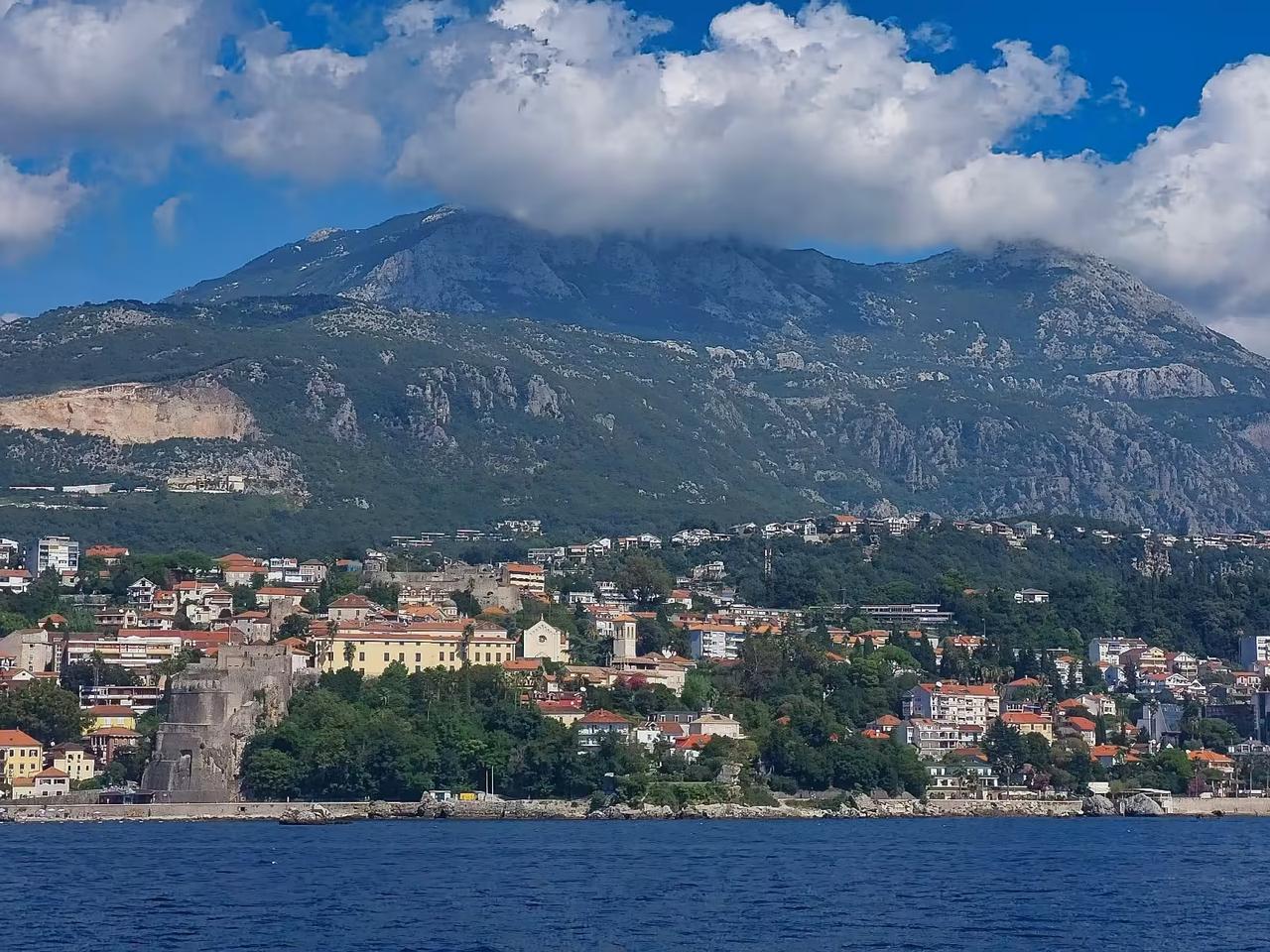
Podgorica é a capital e a maior cidade de Montenegro — uma capital balcânica compacta e em rápido crescimento, onde o rio Morača serpenteia entre blocos da era socialista, construções modernas e parques arborizados. Com cerca de 190.000 habitantes, é muito mais tranquila do que a maioria das capitais europeias, mas destaca-se pela acessibilidade, segurança e qualidade de vida. A cidade situa-se a apenas 50 km da costa adriática e a uma curta distância de carro do Lago Escútari, o maior lago dos Balcãs. Se procura uma base económica num país da zona euro com uma economia em crescimento, um clima ameno e uma perspetiva cada vez mais internacional, Podgorica merece séria consideração.
Podgorica em Resumo
- População
- ~190.000 (área metropolitana ~210.000)
- Região
- Montenegro Central, Planície de Zeta
- Conhecida Por
- Capital de Montenegro, rio Morača, proximidade ao Lago Escútari
- Renda Média (T1)
- 350–600 €/mês
- Salário Médio
- 800–1.000 €/mês líquido
- Comunidade de Expatriados
- Pequena, mas a crescer — trabalhadores remotos, diplomatas, profissionais balcânicos
- Idioma
- Montenegrino (sérvio, bósnio e croata amplamente compreendidos)
- Fuso Horário
- CET (UTC+1), verão CEST (UTC+2)
Razões para Mudar-se para Podgorica
- Custo de vida acessível: Podgorica é uma das capitais mais económicas da Europa. Uma pessoa solteira pode viver confortavelmente com 800–1.100 € por mês, incluindo renda.
- Moeda euro: Montenegro utiliza o euro (€) sem ser membro da EU, oferecendo aos expatriados estabilidade cambial e uma comparação fácil com os preços da zona euro.
- Compacta e pedonal: O centro da cidade é pequeno o suficiente para ser explorado a pé ou de bicicleta, e as tarefas diárias raramente exigem carro.
- Economia em crescimento: A construção, as tecnologias de informação, o turismo e o investimento estrangeiro impulsionam um crescimento económico estável e novas oportunidades de emprego.
- Natureza à porta: O Parque Nacional do Lago Escútari fica a 30 minutos a sul; trilhos de montanha e o cânion do Morača estão facilmente acessíveis para escapadinhas de fim de semana.
- Segurança: O crime violento é extremamente raro; Podgorica está consistentemente entre as capitais mais seguras da região.
Encontrar Habitação em Podgorica
Rendas Médias
| Bairro | T1 | T3 | Carácter |
|---|---|---|---|
| Centro da Cidade | 450–600 € | 700–1.000 € | Moderno, pedonal, restaurantes e cafés |
| Stara Varoš | 350–500 € | 550–800 € | Encanto da cidade antiga junto ao rio Morača |
| Bairro Blok 5/6/9 | 350–500 € | 550–850 € | Blocos residenciais modernistas, populares entre famílias |
| Zagorič | 300–420 € | 480–700 € | Mais tranquilo, mais verde, ligeiramente fora do centro |
| Golubovci | 250–380 € | 400–600 € | Suburbano, junto ao aeroporto, orientado para famílias |
Como Encontrar Habitação
- Nekretnine.me: O maior portal imobiliário montenegrino — a maioria dos anúncios locais aparece aqui primeiro.
- Oglasnici (classificados): Sites como o Volim Podgoricu e grupos de Facebook (p. ex., "Stanovi Podgorica") costumam ter ofertas diretas dos proprietários.
- Agentes locais: Os mediadores imobiliários cobram o valor de um mês de renda como comissão, mas poupam tempo e dificuldades linguísticas.
- Passear pelo bairro: Muitos proprietários ainda colocam cartazes com a inscrição "Izdaje se" (para arrendar) nas janelas e nas entradas dos edifícios.
Dicas para Expatriados
- Preveja 1 a 3 meses de renda para o depósito de garantia, além do pagamento do primeiro mês adiantado.
- Os contratos de arrendamento são tipicamente de 12 meses; as contas de serviços (eletricidade, água, aquecimento, internet) costumam ser pagas à parte e raramente ultrapassam 100 €/mês.
- Pergunte se o edifício tem aquecimento central ou unidades elétricas individuais — isto afeta significativamente as contas de serviços no inverno.
- Apartamentos mobilados têm um sobrepreço de 50 a 100 € em relação aos não mobilados. A maioria dos expatriados de longo prazo arrenda sem mobília e mobiliza economicamente em lojas locais.
- Obtenha sempre um contrato de arrendamento autenticado notarialmente ("ugovor o zakupu") — protege ambas as partes e é frequentemente exigido nos pedidos de autorização de residência.
Guia de Bairros
- Centro da Cidade: Ideal para solteiros, jovens profissionais e nómadas digitais que pretendem cafés, vida noturna e acessibilidade pedonal à sua porta. As rendas mais altas da cidade, mas ainda assim económicas para os padrões europeus.
- Stara Varoš: O bairro histórico junto ao rio Morača. Mais tranquilo do que o centro, com edifícios antigos em pedra, pequenas lojas e vista para o rio. Popular entre artistas e residentes de longo prazo.
- Blok 5/6/9: Grandes conjuntos residenciais construídos na era jugoslava — funcionais, bem servidos de transportes e rodeados de áreas verdes. Preferidos por famílias e expatriados preocupados com o orçamento.
- Zagorič: Uma zona residencial em encosta a sul do centro. Vistas panorâmicas, ruas calmas e apartamentos maiores a preços mais baixos. Ideal para reformados e para quem valoriza a tranquilidade.
- Golubovci: Um município separado a sul da cidade, perto do Aeroporto de Podgorica. Ambiente suburbano, mercados locais, escolas e fácil acesso à estrada para o Lago Escútari.
- Tuzi: Uma pequena cidade a leste de Podgorica com um carácter multicultural distinto (albanês e montenegrino). Muito acessível, rodeada de zona rural, mas com uma deslocação mais longa até à cidade.
Custo de Vida em Podgorica
Decomposição do Orçamento Mensal
| Categoria | Intervalo de Orçamento |
|---|---|
| Renda (T1, centro) | 450–600 € |
| Serviços | 80–120 € |
| Internet | €15–€25 |
| Alimentação | €150–€220 |
| Transportes | €30–€50 |
| Refeições fora (4×/mês) | €60–€100 |
| Lazer/Ginásio | €20–€40 |
| Total | €805–€1.155 |
Custos do Dia a Dia
- Café: €1,20–€1,80
- Almoço (restaurante informal): €5–€8
- Passe mensal de transportes: €30
- Cerveja (bar): €2–€3
- Bilhete de cinema: €3,50–€5
- Pão (uma unidade): €0,60–€0,90
- 1 litro de leite: €1,00–€1,30
- Refeição num restaurante de gama média: €12–€18
Comparar Podgorica com Outras Capitais Balcânicas
| Cidade | Renda T1 (centro) | Orçamento Mensal (individual) |
|---|---|---|
| Podgorica | €450–€600 | €805–€1.155 |
| Belgrado | €450–€700 | €850–€1.200 |
| Tirana | €350–€550 | €700–€1.000 |
| Sofia | €400–€650 | €800–€1.100 |
| Skopje | €300–€450 | €650–€900 |
Podgorica situa-se confortavelmente na faixa intermédia: ligeiramente mais económica do que Belgrado, comparável a Sofia e um pouco mais cara do que Tirana ou Skopje, mas com a vantagem de ter preços em euros e um ambiente urbano mais limpo e menos congestionado.
Deslocar-se em Podgorica
- Transportes públicos: Uma rede de autocarros urbanos cobre a maioria dos bairros. Um bilhete simples custa cerca de €0,90 e um passe mensal aproximadamente €30–€35.
- Bicicleta: O terreno plano e a crescente infraestrutura de ciclovias tornam a bicicleta uma opção viável para trajetos curtos, especialmente ao longo da margem do rio Morača.
- Automóvel: O trânsito é pouco intenso em comparação com cidades europeias maiores. O estacionamento no centro é pago (€0,50–€1/hora). Um carro é útil para passeios de fim de semana até à costa ou ao Lago Skadar.
- Aeroporto: O Aeroporto de Podgorica (TGD) fica a cerca de 5 km a sul da área urbana, com voos sazonais e regulares para os principais hubs europeus, incluindo Belgrado, Istambul, Viena e Londres.
- Ligações interurbanas: Serviços regulares de autocarro ligam Podgorica a Budva, Kotor, Bar e Nikšić. A ferrovia Belgrado–Bar passa por Podgorica e oferece uma rota panorâmica pela montanha.
Saúde em Podgorica
- Hospitais/Clinicas: O Centro Clinico de Montenegro (Klinički centar) é o hospital público principal. Várias clinicas privadas — Mediworks, Codra e Hipokrat — oferecem consultas mais rápidas e pessoal falante de inglês.
- Médicos falantes de inglês: Disponíveis em consultórios privados, especialmente em medicina geral, odontologia e ginecologia.
- Farmácias: Amplamente disponíveis por toda a cidade, com horários alargados. Os requisitos de receita médica seguem as normas da UE.
- Seguro de saúde: Os residentes com autorização de residência temporária devem inscrever-se no seguro de saúde obrigatório, que abrange consultas de clínica geral, referenciações a especialistas, tratamentos hospitalares e alguns medicamentos. Recomenda-se um seguro de saúde privado como complemento ou para quem ainda não é elegível para o sistema público.
- Número de emergência: 124 (ambulância), 122 (polícia), 123 (bombeiros).
Receba um plano de mudanca personalizado
Deixe o seu e-mail e enviaremos uma checklist personalizada e tres orcamentos de empresas verificadas.
Cultura e Estilo de Vida
Podgorica tem um caráter moldado pelos seus rios, pelo seu passado otomano e jugoslavo, e pela crescente confiança de um país jovem em busca da sua identidade. Não é uma cidade de grandes monumentos — é uma cidade de cafés demorados, passeios ribeirinhos e um calendário social que gira em torno de amigos, família e comida.
- Vida ribeirinha: O rio Morača e o menor rio Ribnica são centrais na vida quotidiana — os habitantes reúnem-se nas margens para passear, tomar café e nadar no verão. A zona onde os dois rios se encontram, perto da antiga Ponte da Ribnica, é um dos locais mais fotogênicos da cidade.
- Calendário de festivais: Podgorica acolhe festivais de cinema (UnderhillFest, Montenegro Film Festival nas proximidades, em Herceg Novi), a temporada teatral Grad Teatar e eventos musicais ao longo do ano. O verão traz concertos ao ar livre e noites culturais.
- Natureza acessível: O Parque Nacional do Lago Skadar (30 min), o Parque Nacional Biogradska Gora (90 min) e a costa adriática (50 min) oferecem caminhadas, caiaque, observação de aves e dias de praia. O cânion do Morača é um local popular para rafting.
- Ritmo descontraído: Espere que as lojas fechem cedo aos domingos e uma cultura que privilegia cafés demorados e convívio em vez de agitação. O jantar raramente começa antes das 20 h.
- Cultura desportiva: O futebol e o basquetebol são seguidos com paixão. O Budućnost Podgorica é o principal clube desportivo da cidade, competindo em ligas regionais de basquetebol e futebol.
Gastronomia e Restaurantes
- Carnes grelhadas (ćevapi, pljeskavica, ražnjići), peixe fresco de lago, Njeguški pršut (presunto fumado) e vinhos locais das regiões de Crmnica e do Lago Skadar definem o paladar local.
- O centro da cidade e Stara Varoš são as melhores zonas para variedade gastronómica.
- As "kafanas" económicas servem refeições fartas por €4–€6; os restaurantes de gama mais alta variam entre €15–€25 por pessoa.
- A cozinha internacional (italiana, asiática, turca) está disponível, mas é menos comum do que a comida tradicional balcânica.
- Os mercados de produtos frescos — especialmente o mercado verde perto da rodoviária — são o melhor local para comprar fruta, legumes, queijo e mel locais a bom preço.
Comunidade de Expatriados
- Grupos de Meetup e comunidades no Facebook ("Expats in Montenegro", "Digital Nomads Podgorica") organizam eventos sociais regulares e sessões de perguntas e respostas.
- Espaços de coworking como o Hub Podgorica e o Impact Hub atraem freelancers e trabalhadores remotos, oferecendo passes diários e mensais.
- Noites de intercâmbio de idiomas e clubes desportivos (futebol, basquetebol, caminhadas) oferecem pontos de entrada fáceis para recém-chegados.
- A comunidade de expatriados inclui trabalhadores remotos da Europa Ocidental, diplomatas, funcionários de ONGs e profissionais de países balcânicos vizinhos.
- A comunidade ainda é pequena o suficiente para que o contacto pessoal e as recomendações boca a boca importem — participar em alguns eventos pode rapidamente construir o seu círculo social.
Vida Noturna
- A vida noturna de Podgorica é modesta em comparação com Belgrado ou a costeira Budva, mas o centro da cidade tem uma boa seleção de bares, pubs e, ocasionalmente, espaços com música ao vivo ao longo da Rua Njegoševa e arredores da Trg Republike.
- Bares de cerveja artesanal têm surgido nos últimos anos, e os terraços nos telhados são populares no verão.
- As discotecas tendem a ser sazonais — muitas fecham durante os meses de inverno mais calmos.
Banca e Finanças
- Abrir uma conta bancária: Simples para residentes. Necessita de passaporte, comprovativo de morada e (se aplicável) a sua autorização de residência. Os principais bancos incluem CKB, NLB Banka, Hipotekarna Banka e Prva Banka Crne Gore. A maioria oferece banca online e aplicações em inglês.
- Multibancos e cartões: Os multibancos aceitam Visa, Mastercard e outras redes principais. Os pagamentos com cartão são aceites em lojas e restaurantes maiores, mas as kafanas mais pequenas e as bancas de mercado são apenas ao dinheiro.
- Transferências de dinheiro: As transferências internacionais são suportadas por todos os principais bancos. Serviços como o Wise e o Revolut funcionam bem para receber pagamentos do estrangeiro.
- Dica de custos: As comissões bancárias para transferências internacionais podem ser elevadas (10 €–30 € por transferência). Compare as taxas antes de escolher um provedor.
Vistos e Residência — Visão Geral
- Entrada sem visto: Cidadãos da UE, EUA, Reino Unido, Canadá, Austrália e de muitos outros países podem entrar em Montenegro sem visto por até 90 dias.
- Autorização de residência temporária: Disponível através de emprego, trabalho por conta própria, estudo, propriedade imobiliária ou comprovação de meios financeiros suficientes. As autorizações são normalmente emitidas por um ano e renováveis.
- Obrigatoriedade de registo: Todos os estrangeiros que permaneçam mais de 24 horas devem registar-se na polícia local (MUP) — os hotéis fazem-no automaticamente; se estiver a arrendar, o senhorio deve tratar do registo.
- Caminho para a residência permanente: Após cinco anos de residência temporária contínua, pode candidatar-se à residência permanente. A cidadania exige oito anos de residência legal, além de proficiência linguística.
- Portal do governo: gov.me/en/article/temporary-residence
Mercado de Trabalho em Podgorica
- Principais setores: Governo e administração pública, TI e outsourcing, construção, retalho, turismo, banca.
- Principais empregadores: Governo de Montenegro, Crnogorski Telekom, CKB Banka, Voli (cadeia de retalho), Hilton Podgorica.
- Salários médios por setor:
| Setor | Líquido Mensal Aproximado |
|---|---|
| TI / Software | 1.000 €–1.800 € |
| Finanças / Banca | 800 €–1.300 € |
| Hotelaria / Turismo | 500 €–800 € |
| Administração Pública | 700 €–1.000 € |
| Educação | 500 €–800 € |
- Recursos de procura de emprego: Zaposli.me, Prekoveze.me, LinkedIn e classificados locais.
- Trabalho freelancer e remoto: Montenegro oferece um ambiente favorável a nómadas digitais. As velocidades de internet são adequadas (30–100 Mbps na maioria das áreas), e os espaços de coworking disponibilizam locais de trabalho fiáveis. Ainda não existe um visto específico para nómadas digitais, mas a residência temporária por trabalho por conta própria é possível.
Educação em Podgorica
- Escolas internacionais: QSI International School of Podgorica (currículo americano), School of Knowledge (programa internacional).
- Universidades: Universidade de Montenegro (a principal universidade pública do país, com faculdades espalhadas pela cidade), Universidade de Donja Gorica (privada, com reputação crescente em negócios e TI).
- Escolas de línguas: Vários centros privados oferecem montenegrino, inglês e outras línguas europeias para expatriados. Os cursos de «Montenegrino para Estrangeiros» na universidade são populares.
- Escolas públicas: Gratuitas para residentes; o ensino é em montenegrino. A qualidade varia, mas o ensino básico é geralmente sólido.
Lista de Verificação para Mudança para Podgorica
- Obtenha um visto ou autorização de residência válidos para Montenegro
- Organize um seguro de saúde (privado ou fornecido pelo empregador)
- Inicie os trâmites de relocalização de animais de estimação (microchip, vacina antirrábica, certificado de saúde)
- Prepare um inventário detalhado dos seus pertences para desembaraço alfandegário
- Pesquise bairros e pré-selecione apartamentos online
- Reúna traduções certificadas de documentos importantes (certidão de nascimento, diplomas)
- Registe a sua morada na polícia local (MUP)
- Obtenha um Número de Identificação Fiscal (PIB / TIN) se pretender trabalhar
- Abra uma conta bancária no CKB, NLB ou Hipotekarna Banka
- Adquira um cartão SIM local (T-Mobile, One ou m:tel)
- Explore o seu bairro a pé
- Configure uma aplicação de banca móvel para pagamentos do dia a dia
- Assine um contrato de arrendamento de longa duração (autentique-o em notário)
- Inscreva-se num curso de montenegrino
- Registe-se junto de um médico local ou clínica privada
- Ligue os serviços públicos (eletricidade, água, internet)
- Junte-se a um grupo de expatriados ou social para construir a sua rede local
- Registe-se no seguro de saúde, se elegível
Guias Relacionados
- [Mudar-se para Montenegro] — guia completo do país
- [Mudar-se para Budva] — vida costeira para expatriados
- [Mudar-se para Kotor] — a cidade medieval da baía
- [Mudar-se para Tivat] — luxo e vida de marina na costa
- [Mudar-se para Herceg Novi] — a porta de entrada para a Baía de Kotor