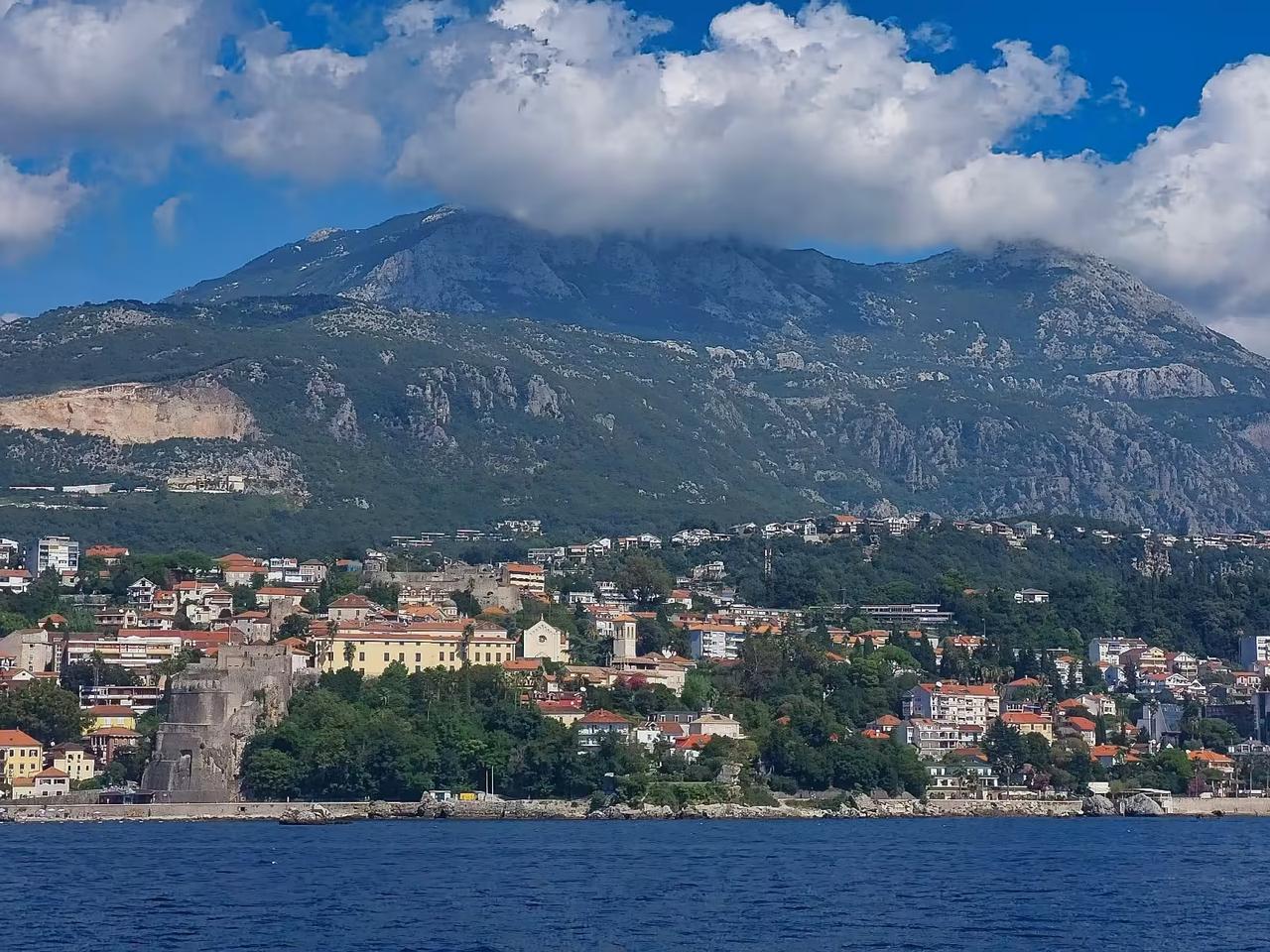
Podgorica is the capital and largest city of Montenegro — a compact, rapidly growing Balkan capital where the Morača River winds through a mix of socialist-era blocks, modern developments, and leafy parks. With around 190,000 residents, it is far quieter than most European capitals, yet it punches above its weight in affordability, safety, and quality of life. The city sits just 50 km from the Adriatic coast and a short drive from Lake Skadar, the largest lake in the Balkans. If you want a low-cost base in a eurozone country with a growing economy, a mild climate, and an increasingly international outlook, Podgorica deserves serious consideration.
Podgorica at a Glance
- Population
- ~190,000 (metro ~210,000)
- Region
- Central Montenegro, Zeta Plain
- Known For
- Capital of Montenegro, Morača River, proximity to Lake Skadar
- Average Rent (1BR)
- €350–€600/month
- Average Salary
- €800–€1,000/month net
- Expat Community
- Small but growing — remote workers, diplomats, Balkan professionals
- Language
- Montenegrin (Serbian, Bosnian, Croatian widely understood)
- Time Zone
- CET (UTC+1), summer CEST (UTC+2)
Why Move to Podgorica
- Affordability: Podgorica is one of the cheapest capitals in Europe. A single person can live comfortably on €800–€1,100 per month including rent.
- Euro currency: Montenegro uses the euro (€) without being an EU member, giving expats currency stability and easy comparison with eurozone prices.
- Compact and walkable: The city centre is small enough to navigate on foot or by bicycle, and daily errands rarely require a car.
- Growing economy: Construction, IT, tourism, and foreign investment are driving steady economic growth and new job opportunities.
- Nature at your doorstep: Lake Skadar National Park is 30 minutes south; mountain trails and the Morača canyon are within easy reach for weekend escapes.
- Safety: Violent crime is extremely rare; Podgorica consistently ranks among the safest capitals in the region.
Finding Housing in Podgorica
Average Rents
| Neighborhood | 1-Bedroom | 3-Bedroom | Character |
|---|---|---|---|
| City Centre | €450–€600 | €700–€1,000 | Trendy, walkable, restaurants and cafés |
| Stara Varoš | €350–€500 | €550–€800 | Old-town charm near the Morača River |
| Blok 5/6/9 | €350–€500 | €550–€850 | Modernist residential blocks, popular with families |
| Zagorič | €300–€420 | €480–€700 | Quieter, greener, slightly outside the centre |
| Golubovci | €250–€380 | €400–€600 | Suburban, airport-adjacent, family-oriented |
How to Find Housing
- Nekretnine.me: The largest Montenegrin property portal — most local listings appear here first.
- Oglasnici (classifieds): Sites like Volim Podgoricu and Facebook groups (e.g., "Stanovi Podgorica") often have direct-from-owner deals.
- Local agents: Real-estate agents charge one month's rent as commission but save time and language hassle.
- Walk the neighborhood: Many landlords still post "Izdaje se" (for rent) signs on windows and building entrances.
Tips for Expats
- Budget 1–3 months' rent for a security deposit plus the first month's payment up front.
- Leases are typically 12 months; utilities (electricity, water, heating, internet) are usually paid separately and rarely exceed €100/month.
- Ask whether the building uses central heating or individual electric units — this significantly affects winter utility costs.
- Furnished apartments command a €50–€100 premium over unfurnished ones. Most long-term expats rent unfurnished and furnish cheaply from local shops.
- Always get a notarized lease contract ("ugovor o zakupu") — it protects both sides and is often required for residence permit applications.
Neighborhoods Guide
- City Centre: Best for singles, young professionals, and digital nomads who want cafés, nightlife, and walkability within arm's reach. Highest rents in the city but still cheap by European standards.
- Stara Varoš: The historic quarter along the Morača River. Quieter than the centre, with older stone buildings, small shops, and river views. Popular with artists and long-term residents.
- Blok 5/6/9: Large residential estates built in the Yugoslav era — functional, well-connected, and surrounded by green areas. Favored by families and budget-conscious expats.
- Zagorič: A hillside residential area south of the centre. Panoramic views, calm streets, and larger apartments at lower prices. Good for retirees and anyone who values peace.
- Golubovci: A separate municipality south of the city, close to Podgorica Airport. Suburban feel, local markets, schools, and easy access to the road toward Lake Skadar.
- Tuzi: A small town east of Podgorica with a distinct multicultural character (Albanian and Montenegrin). Very affordable, surrounded by countryside, but a longer commute into the city.
Cost of Living in Podgorica
Monthly Budget Breakdown
| Category | Budget Range |
|---|---|
| Rent (1BR, centre) | €450–€600 |
| Utilities | €80–€120 |
| Internet | €15–€25 |
| Groceries | €150–€220 |
| Transport | €30–€50 |
| Dining out (4x/month) | €60–€100 |
| Leisure/Gym | €20–€40 |
| Total | €805–€1,155 |
Day-to-Day Costs
- Coffee: €1.20–€1.80
- Lunch (casual restaurant): €5–€8
- Monthly transport pass: €30
- Beer (bar): €2–€3
- Cinema ticket: €3.50–€5
- Loaf of bread: €0.60–€0.90
- 1 litre of milk: €1.00–€1.30
- Meal at a mid-range restaurant: €12–€18
Comparing Podgorica to Other Balkan Capitals
| City | 1BR Rent (centre) | Monthly Budget (single) |
|---|---|---|
| Podgorica | €450–€600 | €805–€1,155 |
| Belgrade | €450–€700 | €850–€1,200 |
| Tirana | €350–€550 | €700–€1,000 |
| Sofia | €400–€650 | €800–€1,100 |
| Skopje | €300–€450 | €650–€900 |
Podgorica sits comfortably in the mid-range: slightly cheaper than Belgrade, comparable to Sofia, and a bit more expensive than Tirana or Skopje, but with the advantage of euro pricing and a cleaner, less congested urban environment.
Getting Around Podgorica
- Public transport: A network of city buses covers most neighborhoods. A single ticket costs around €0.90 and a monthly pass about €30–€35.
- Cycling: Flat terrain and growing bike-lane infrastructure make cycling viable for short trips, especially along the Morača riverbank.
- Driving: Traffic is light compared to larger European cities. Parking in the centre is metered (€0.50–€1/hour). A car is useful for weekend trips to the coast or Lake Skadar.
- Airport: Podgorica Airport (TGD) is approximately 5 km south of the urban area, with seasonal and year-round flights to major European hubs including Belgrade, Istanbul, Vienna, and London.
- Intercity: Regular bus services connect Podgorica to Budva, Kotor, Bar, and Nikšić. The Belgrade–Bar railway passes through Podgorica and offers a scenic mountain route.
Healthcare in Podgorica
- Hospitals/Clinics: The Clinical Centre of Montenegro (Klinički centar) is the main public hospital. Several private clinics — Mediworks, Codra, and Hipokrat — offer faster appointments and English-speaking staff.
- English-speaking doctors: Available in private practices, especially in general medicine, dentistry, and gynecology.
- Pharmacies: Widely available throughout the city, open long hours. Prescription requirements follow EU norms.
- Health insurance: Residents with a temporary residence permit must enroll in mandatory health insurance, which covers GP visits, specialist referrals, hospital treatment, and some medications. Private health insurance is recommended as a supplement or for those not yet eligible for the public system.
- Emergency number: 124 (ambulance), 122 (police), 123 (fire).
Planning your move?
Tell us about your move to compare quotes from international moving companies.
Culture & Lifestyle
Podgorica has a character shaped by its rivers, its Ottoman and Yugoslav past, and the growing confidence of a young nation finding its identity. It is not a city of grand monuments — it is a city of long coffees, riverside walks, and a social calendar that revolves around friends, family, and food.
- River life: The Morača River and the smaller Ribnica River are central to daily life — locals gather along the banks for walks, coffee, and summer swimming. The area where the two rivers meet, near the old Ribnica Bridge, is one of the city's most photogenic spots.
- Festival calendar: Podgorica hosts film festivals (UnderhillFest, Montenegro Film Festival nearby in Herceg Novi), the Grad Teatar theatre season, and music events throughout the year. Summer brings open-air concerts and cultural nights.
- Outdoor access: Lake Skadar National Park (30 min), Biogradska Gora National Park (90 min), and the Adriatic coast (50 min) offer hiking, kayaking, bird-watching, and beach days. The Morača canyon is a popular spot for rafting.
- Relaxed pace: Expect shops to close early on Sundays and a culture that prioritizes long coffees and socializing over hustle. Dinner rarely starts before 8 PM.
- Sports culture: Football and basketball are followed passionately. Budućnost Podgorica is the city's main sports club, competing in regional basketball and football leagues.
Food & Dining
- Grilled meats (ćevapi, pljeskavica, ražnjići), fresh lake fish, Njeguški pršut (smoked ham), and local wines from the Crmnica and Lake Skadar regions define the local palate.
- The city centre and Stara Varoš are the best areas for dining variety.
- Budget-friendly "kafanas" serve filling meals for €4–€6; higher-end restaurants range from €15–€25 per person.
- International cuisine (Italian, Asian, Turkish) is available but less common than traditional Balkan food.
- Fresh produce markets — especially the green market near the bus station — are the best place for cheap fruit, vegetables, cheese, and local honey.
Expat Community
- Meetup groups and Facebook communities ("Expats in Montenegro," "Digital Nomads Podgorica") host regular social events and Q&A sessions.
- Co-working spaces like Hub Podgorica and Impact Hub attract freelancers and remote workers, offering daily and monthly passes.
- Language exchange evenings and sports clubs (football, basketball, hiking) provide easy entry points for newcomers.
- The expat mix includes remote workers from Western Europe, diplomats, NGO staff, and professionals from neighboring Balkan countries.
- The community is still small enough that word-of-mouth and personal connections matter — attending a few events can quickly build your social circle.
Nightlife
- Podgorica's nightlife is modest compared to Belgrade or coastal Budva, but the city centre has a solid selection of bars, pubs, and occasional live-music venues along Njegoševa Street and around Trg Republike.
- Craft beer bars have appeared in recent years, and rooftop terraces are popular in summer.
- Clubs tend to be seasonal — many close during quieter winter months.
Banking & Finances
- Opening a bank account: Straightforward for residents. You need a passport, proof of address, and (if applicable) your residence permit. Major banks include CKB, NLB Banka, Hipotekarna Banka, and Prva Banka Crne Gore. Most offer English-language online banking and apps.
- ATMs and cards: ATMs accept Visa, Mastercard, and other major networks. Card payments are accepted in larger shops and restaurants, but smaller kafanas and market stalls are cash-only.
- Money transfers: International transfers are supported by all major banks. Services like Wise and Revolut work well for receiving payments from abroad.
- Cost tip: Bank fees for international transfers can be high (€10–€30 per transfer). Compare rates before choosing a provider.
Visa & Residency Overview
- Visa-free entry: Citizens of the EU, US, UK, Canada, Australia, and many other countries can enter Montenegro visa-free for up to 90 days.
- Temporary residence permit: Available through employment, self-employment, study, property ownership, or demonstrating sufficient financial means. Permits are typically issued for one year and renewable.
- Registration requirement: All foreigners staying longer than 24 hours must register with the local police (MUP) — hotels do this automatically; if renting, your landlord should handle it.
- Path to permanent residence: After five years of continuous temporary residence, you may apply for permanent residence. Citizenship requires eight years of legal residence plus language proficiency.
- Government portal: gov.me/en/article/temporary-residence
Job Market in Podgorica
- Main industries: Government and public administration, IT and outsourcing, construction, retail, tourism, banking.
- Major employers: Government of Montenegro, Crnogorski Telekom, CKB Banka, Voli (retail chain), Hilton Podgorica.
- Average salaries by sector:
| Sector | Approximate Monthly Net |
|---|---|
| IT / Software | €1,000–€1,800 |
| Finance / Banking | €800–€1,300 |
| Hospitality / Tourism | €500–€800 |
| Public Administration | €700–€1,000 |
| Education | €500–€800 |
- Job search resources: Zaposli.me, Prekoveze.me, LinkedIn, and local classifieds.
- Freelance and remote work: Montenegro offers a digital nomad-friendly environment. Internet speeds are adequate (30–100 Mbps in most areas), and co-working spaces provide reliable workspaces. No specific digital nomad visa exists yet, but temporary residence through self-employment is possible.
Education in Podgorica
- International schools: QSI International School of Podgorica (American curriculum), School of Knowledge (international programme).
- Universities: University of Montenegro (the country's flagship public university, with faculties spread across the city), University of Donja Gorica (private, growing reputation for business and IT).
- Language schools: Several private centres offer Montenegrin, English, and other European languages for expats. The "Montenegrin for Foreigners" courses at the university are popular.
- Public schools: Free for residents; instruction is in Montenegrin. Quality varies, but primary education is generally solid.
Moving Checklist for Podgorica
- Secure a valid visa or residence permit for Montenegro
- Arrange health insurance (private or employer-provided)
- Begin pet relocation paperwork (microchip, rabies vaccination, health certificate)
- Prepare a detailed inventory of belongings for customs clearance
- Research neighborhoods and shortlist apartments online
- Gather certified translations of key documents (birth certificate, diplomas)
- Register your address with local police (MUP)
- Obtain a Tax Identification Number (PIB / TIN) if planning to work
- Open a bank account at CKB, NLB, or Hipotekarna Banka
- Get a local SIM card (T-Mobile, One, or m:tel)
- Explore your neighborhood on foot
- Set up a mobile banking app for everyday payments
- Sign a long-term rental lease (get it notarized)
- Enroll in a Montenegrin language course
- Register with a local doctor or private clinic
- Connect utilities (electricity, water, internet)
- Join an expat or social group to build your local network
- Register for health insurance if eligible
Yes. Podgorica has very low rates of violent crime, and petty crime is uncommon. The city feels safe to walk around at night, and expats generally report a secure living experience. Standard precautions apply — lock your car, avoid leaving valuables visible, and stay aware in crowded areas.
Not for daily life in the city — the centre is compact and bus routes cover most areas. However, a car is very useful for weekend trips to the coast, Lake Skadar, or the mountains, where public transport is limited. Ride-hailing apps are available for occasional trips.
English is widely spoken among younger residents and in international businesses, restaurants, and private healthcare. In government offices and older neighborhoods, some basic Montenegrin phrases go a long way. Learning a few words — "dobar dan" (good day), "hvala" (thank you), "molim" (please) — earns goodwill.
Podgorica has a Mediterranean-influenced continental climate. Summers are hot (35 °C+), winters are mild with occasional cold snaps. Annual rainfall is high, particularly in autumn. Spring and early autumn are the most pleasant seasons.
Common routes include employment-based permits, registering a business, enrolling in education, or proving sufficient financial means. Applications go through the Montenegrin Ministry of Interior. Full details are available on the government portal.
Yes. Montenegro unilaterally adopted the euro (€) as its currency in 2002, replacing the Deutsche Mark. It is not an official eurozone member, but euros are the sole currency used in everyday transactions. ATMs are widespread and accept international cards.
The Adriatic coast is approximately 50 km away. You can drive to the beaches of Bar or Sutomore in under an hour. Budva and Kotor are about 90 minutes by car. Weekend coastal trips are a way of life for Podgorica residents.
Most urban areas have access to fibre or high-speed cable connections offering 30–100 Mbps. Co-working spaces typically provide enterprise-grade connections. Mobile data is fast and affordable, with 4G coverage throughout the city.
Yes. Foreign nationals can purchase apartments and commercial property in Montenegro. Land purchase is restricted in some cases (military zones, agricultural land), but urban apartments and houses are freely available to foreigners. Property ownership does not automatically grant residency, but it can strengthen a residence permit application.
Late spring (May–June) and early autumn (September–October) are ideal. The weather is mild, rental demand is moderate, and you avoid the extreme summer heat and the wet autumn season. Moving companies are also more available outside the peak summer months.
If you reside in Montenegro for more than 183 days per year, you are considered a tax resident and taxed on worldwide income. Montenegro has a flat personal income tax rate of 9% on earnings above the exempt threshold. Social security contributions are additional. Double taxation agreements exist with many countries. Consult a local accountant for your specific situation.
Related Guides
- [Moving to Montenegro] — comprehensive country guide
- [Moving to Budva] — coastal living for expats
- [Moving to Kotor] — the medieval bay town
- [Moving to Tivat] — luxury and marina life on the coast
- [Moving to Herceg Novi] — the gateway to the Bay of Kotor