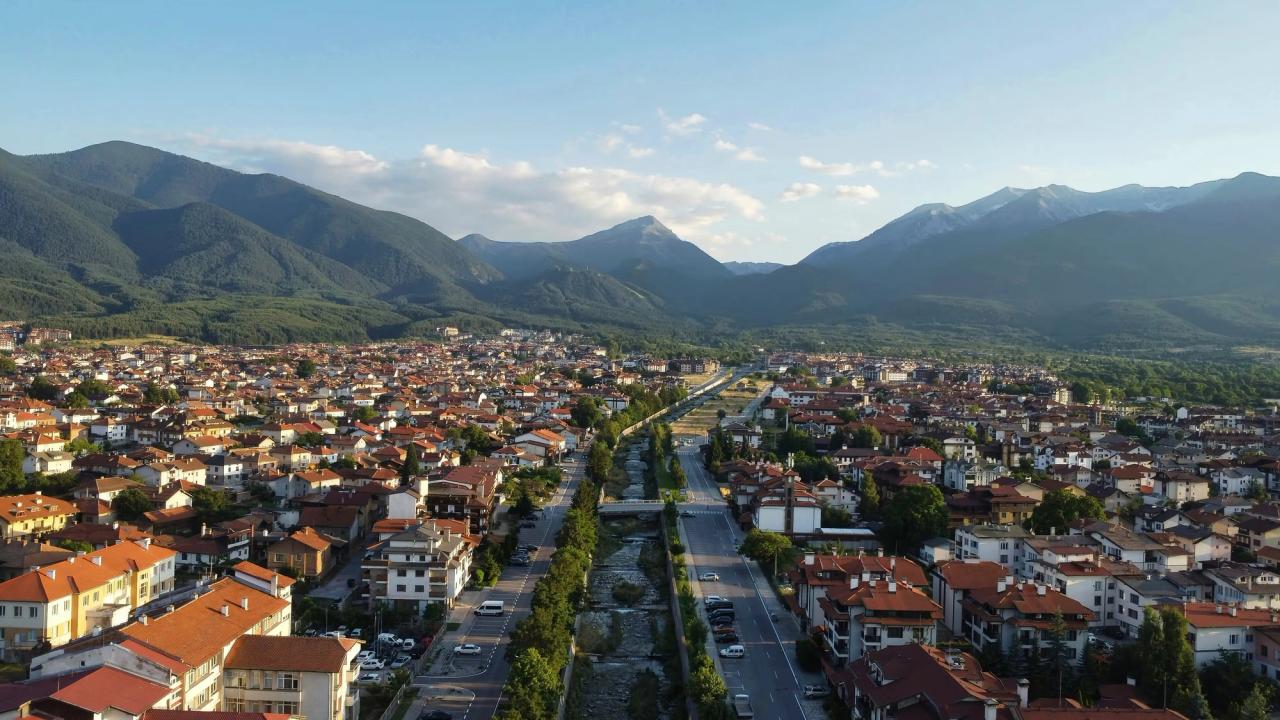

A Bulgária é um dos segredos mais bem guardados da Europa para expatriados — o Estado-membro da EU com o menor custo de vida, um imposto sobre o rendimento fixo de 10%, praias deslumbrantes no Mar Negro e estâncias de esqui no mesmo país. Quer seja atraído pelo baixo custo de vida, pelo crescente setor de TI ou pela oportunidade de viver onde nasceu o alfabeto cirílico, este guia abrange cada passo prático para se mudar para a Bulgária em 2026.
Das regras de visto e registo de residência aos cuidados de saúde, banca, habitação e dicas culturais, tudo o que precisa para se instalar sem problemas está explicado a seguir.
A Bulgária em Resumo
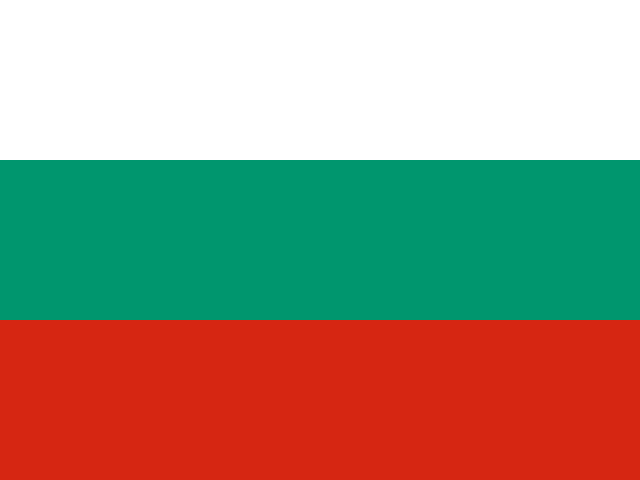
- População
- ~6,3 milhões (2025)
- Capital
- Sofia
- Moeda
- Euro (EUR). A Bulgária adotou o euro a 1 de janeiro de 2026, tornando-se o 21.º membro da zona euro.
- Salário Médio
- ~€11.200/ano
- Língua
- Búlgaro (escrita cirílica). O inglês é comum entre os mais jovens e no setor de TI, mas menos nas zonas rurais.
- Clima
- Continental — verões quentes (30–38 °C), invernos frios (−5 a 5 °C). A costa do Mar Negro é mais amena.
- Fuso Horário
- EET (UTC+2), EEST (UTC+3) no verão
Porquê Mudar para a Bulgária em 2026
- Custo de vida mais baixo da EU: Alimentação, renda, restaurantes e transportes custam uma fração dos preços da Europa Ocidental — frequentemente 50–70% menos do que na Alemanha ou em França.
- Imposto sobre o rendimento fixo de 10%: Uma das taxas de imposto pessoal mais baixas da Europa, que cobre tanto o imposto estatal como o municipal, sem escalões progressivos.
- Vantagens da adesão à EU: Livre circulação, reconhecimento mútuo de qualificações e acesso a melhorias de infraestrutura financiadas pela EU em todo o país.
- Setor de TI e outsourcing em crescimento: Sófia, Plovdiv e Varna acolhem centenas de empresas tecnológicas e operações de BPO internacionais, com salários competitivos pelos padrões locais.
- Beleza natural e estilo de vida: Estâncias de esqui (Bansko, Pamporovo, Borovets), praias do Mar Negro e parques naturais ficam a poucas horas de viagem de automóvel.
- Segura e acolhedora: A Bulgária figura consistentemente entre os países da EU mais seguros, e a hospitalidade búlgara (gostopriemstvo) é um valor cultural profundamente enraizado.
Custos de Mudança para a Bulgária
Compreender os aspetos financeiros da sua mudança é essencial para um planeamento adequado. A posição da Bulgária no Sudeste Europeu torna-a acessível por estrada a partir da maior parte da Europa, e os seus portos no Mar Negro (Varna e Burgas) oferecem opções de transporte marítimo para mudanças intercontinentais.
| Origem | Intervalo de Custo Estimado | Contentor/Volume |
|---|---|---|
| Europa Ocidental (Reino Unido, Alemanha, França) | €1.850–3.600 | 20-30 m3 (CBM) |
| América do Norte (EUA, Canadá) | €5.000–7.500 | 20-30 m3 (CBM) |
| Médio Oriente / Ásia | €3.000–6.000 | 20-30 m3 (CBM) |
| Nos Balcãs (Grécia, Roménia, Sérvia) | €800–2.000 | 10-20 m3 (CBM) |
Custos Detalhados por Componente
- Transporte: €1.300–5.000 consoante a distância e a opção de transporte marítimo (mais barato, mais lento — normalmente via porto de Varna ou Burgas) ou rodoviário (mais rápido dentro da Europa, frequentemente a melhor escolha a partir da Europa Ocidental).
- Seguro: Tipicamente 1–3% do valor declarado da carga. Recomenda-se cobertura de substituição total para objetos de valor. Verifique se a sua transportadora oferece cobertura a todo o risco ou apenas em caso de perda total.
- Desalfandegamento: €100–300 em documentação e serviços de despachante. Os cidadãos da EU que importem bens de outro Estado-membro não pagam direitos aduaneiros sobre bens pessoais. Importações de fora da EU podem estar sujeitas a direitos de 0–12% sobre o valor CIF, acrescidos de 20% de IVA.
- Materiais de embalagem: €150–400 para a embalagem profissional de uma habitação típica de 2 quartos. A embalagem profissional é fortemente recomendada em mudanças internacionais para evitar reclamações por danos.
- Armazenamento (se necessário): €50–150/mês em Sófia; mais barato em cidades menores como Plovdiv ou Veliko Tarnovo. Os espaços com controlo de temperatura custam 20–40% mais.
- Taxas administrativas: €50–200 para traduções notarizadas, apostilas de documentos e formalidades de registo. Preveja um valor adicional caso necessite de traduções certificadas para búlgaro de documentos legais.
Precisa de um orçamento personalizado?
Obtenha três orçamentos de empresas de mudanças verificadas em menos de 48 horas.
Requisitos de Visto e Residência
As regras de imigração da Bulgária dependem da sua nacionalidade. Como membro da EU, a Bulgária aplica as regras de livre circulação da EU a todos os cidadãos da EU/EEE, enquanto os nacionais de países terceiros devem seguir os procedimentos nacionais de visto.
Para Cidadãos da EU/EEE
Os cidadãos da EU e do EEE podem entrar na Bulgária com passaporte válido ou cartão de identidade nacional e permanecer até três meses sem registo. Para ficar mais tempo, deve registar a sua residência na Direção de Migração local e obter um Certificado de Registo (Удостоверение за регистрация).
Documentos necessários para o registo:
- Passaporte válido ou cartão de identidade nacional
- Comprovativo de seguro de saúde (Cartão Europeu de Seguro de Doença ou apólice búlgara)
- Comprovativo de meios financeiros suficientes ou de emprego
- Comprovativo de morada (contrato de arrendamento ou escritura de propriedade)
Após cinco anos consecutivos de residência legal, os cidadãos da EU podem requerer o Estatuto de Residência Permanente (Постоянно пребиваване).
Para Nacionais de Países Terceiros: Principais Categorias de Visto
Visto de Longa Duração Tipo D (Trabalho)
- Requisitos: Contrato de trabalho com um empregador búlgaro, autorização de trabalho aprovada pela Agência de Emprego, registo criminal limpo, comprovativo de alojamento.
- Prazo de processamento: 30–45 dias úteis numa embaixada ou consulado búlgaro.
- Duração/validade: Até 12 meses, renovável. Dá acesso a uma autorização de residência.
- Detalhes importantes: O empregador deve provar que o posto de trabalho não pôde ser preenchido por um cidadão búlgaro ou da EU. Os trabalhadores altamente qualificados podem candidatar-se ao Cartão Azul da EU.
Visto de Longa Duração Tipo D (Trabalho Independente / Negócio)
- Requisitos: Registo de uma empresa búlgara (OOD ou EOOD), comprovativo de capital de investimento, plano de negócios, comprovativo de alojamento.
- Prazo de processamento: 30–45 dias úteis.
- Duração/validade: Até 12 meses, renovável anualmente.
- Detalhes importantes: O capital social mínimo de uma OOD (Sociedade por Quotas) é apenas €1, mas demonstrar atividade económica genuína é essencial para a renovação.
Visto de Longa Duração Tipo D (Estudo)
- Requisitos: Carta de aceitação de uma universidade búlgara reconhecida, comprovativo de meios financeiros, seguro de saúde, comprovativo de alojamento.
- Prazo de processamento: 30–45 dias úteis.
- Duração/validade: Coincide com a duração do programa académico.
- Detalhes importantes: A Bulgária tem várias universidades com acreditação internacional, incluindo a Universidade de Sófia, a Universidade Médica de Sófia e a Universidade de Plovdiv. As propinas para estudantes internacionais são baixas em comparação com a Europa Ocidental.
Visto de Longa Duração Tipo D (Reagrupamento Familiar)
- Requisitos: Comprovativo de relação familiar (certidão de casamento, certidão de nascimento), o patrocinador deve ter residência búlgara válida, comprovativo de habitação adequada e rendimentos.
- Prazo de processamento: 30–60 dias úteis.
- Duração/validade: Coincide com a duração da autorização de residência do patrocinador.
Regras Aduaneiras para Bens Pessoais
Se se mudar para a Bulgária de fora da EU, pode ter direito à importação isenta de direitos aduaneiros de bens domésticos usados ao abrigo da regulamentação aduaneira búlgara. Para ser elegível:
- Os artigos devem ter sido propriedade do requerente e utilizados durante, pelo menos, 6 meses antes do envio.
- Os bens devem chegar no prazo de 12 meses após a sua chegada à Bulgária.
- Não pode vender, emprestar ou alienar os artigos importados isentos de direitos durante 12 meses após a importação.
Na alfândega, apresente:
- Lista de inventário detalhada (por artigo, em búlgaro ou com tradução certificada)
- Passaporte e visto válido ou autorização de residência
- Comprovativo de residência anterior no estrangeiro (contrato de arrendamento, faturas de serviços, carta de emprego)
- Conhecimento de embarque ou carta de porte aéreo
Artigos novos, veículos, álcool, tabaco ou mercadorias comerciais não beneficiam de isenção de direitos e estão sujeitos às taxas de importação búlgaras (0–12% sobre o valor CIF) acrescidas de 20% de IVA, aplicado sobre o valor aduaneiro incluindo frete e seguro.
Os cidadãos da EU que transfiram bens pessoais de outro Estado-membro da EU não pagam direitos aduaneiros nem IVA sobre bens domésticos usados — esta é uma das principais vantagens da relocalização intra-EU.
Importar um Veículo para a Bulgária
Se levar um automóvel para a Bulgária, deve declará-lo na alfândega à chegada. Podem aplicar-se direitos de importação e 20% de IVA, salvo se tiver direito às isenções para mudança de residência ou residente regressado. Requisitos principais:
- O veículo deve cumprir as normas de segurança e emissões da EU (Euro 6 para veículos mais recentes).
- Após o desalfandegamento, registe o veículo através da Agência Executiva "Administração Automóvel" (ИА "Автомобилна администрация", EAAA).
- O registo do veículo requer uma inspeção técnica, comprovativo de seguro (mínimo de responsabilidade civil) e pagamento de uma taxa de registo (€25–75 consoante o veículo).
- A taxa rodoviária anual (винетка, vinheta) é obrigatória para todos os veículos que utilizem as autoestradas búlgaras. Uma vinheta anual custa aproximadamente €50 para automóveis de passageiros e pode ser adquirida em bgtoll.bg.
- Pode aplicar-se um imposto ecológico com base na classe de emissões e na cilindrada do veículo, em especial para veículos mais antigos ou de elevadas emissões.
Os cidadãos da EU podem importar veículos temporariamente (até 6 meses) sem registo, mas para residência permanente, o registo búlgaro é obrigatório.
Conduzir na Bulgária
Na Bulgária, conduz-se pela direita. A qualidade das estradas varia consideravelmente — as autoestradas ligam Sófia a Plovdiv, Burgas e Varna, mas as estradas secundárias em zonas rurais podem estar em mau estado de conservação.
Principais regras e considerações de condução:
- Limites de velocidade: 50 km/h em zonas urbanas, 90 km/h em estradas abertas, 130 km/h em autoestradas.
- Limite de álcool no sangue: 0,05% (mais restritivo do que em muitos países; tolerância zero para condutores com menos de 2 anos de experiência).
- Os pneus de inverno são obrigatórios de 15 de novembro a 1 de março.
- O uso de cinto de segurança é obrigatório para todos os passageiros.
- Os faróis devem estar sempre ligados enquanto conduz (é obrigatória a utilização de luzes de circulação diurna).
- As câmaras de bordo são cada vez mais populares e recomendadas para documentar acidentes.
- O estacionamento em Sófia é regulado por zonas de cores (azul e verde) com tarifas horárias pagas por SMS.
Troca de carta de condução: As cartas de condução da EU/EEE são válidas e podem ser trocadas sem necessidade de exame. Os titulares de cartas de condução de fora da EU (EUA, Canadá, Austrália, Japão, etc.) podem conduzir durante até 12 meses após o estabelecimento de residência, após os quais é necessária a troca. Dependendo do país emissor, pode ser necessário realizar exame teórico e/ou prático. As trocas são processadas pela Polícia de Trânsito (КАТ, KAT).
Levar Animais de Estimação para a Bulgária
Levar animais de estimação (cães, gatos, furões) para a Bulgária é simples se planear com antecedência. Os requisitos seguem os regulamentos da EU sobre viagem com animais:
- Microchip: O microchip compatível com a norma ISO 11784/11785 deve ser implantado antes da vacinação contra a raiva.
- Vacinação antirrábica: Válida e administrada pelo menos 21 dias antes da viagem.
- Teste de titulação de anticorpos antirrábicos: Obrigatório para animais provenientes de países terceiros não listados (fora da EU, EUA, Canadá, Austrália, etc.). Deve ser realizado pelo menos 3 meses antes da viagem num laboratório aprovado pela EU.
- Passaporte de animal da EU (para chegadas da EU) ou certificado veterinário de país terceiro (para chegadas de fora da EU), emitido por um veterinário oficial do governo no país de origem.
- Tratamento contra a ténia: Recomendado mas nem sempre obrigatório — verifique os requisitos atuais antes de viajar.
Todos os animais devem entrar na Bulgária por postos de inspeção fronteiriços da EU aprovados. O Aeroporto de Sófia (SOF) é o principal ponto de entrada para chegadas por via aérea. Contacte a Agência de Segurança Alimentar Búlgara (Българска агенция по безопасност на храните, BABH) para obter os regulamentos mais recentes.
Cão Pastor Búlgaro (Българско овчарско куче): Se se apaixonar pela raça local — um cão guardião grande e leal, originalmente criado para proteger o gado — tenha em conta que necessita de muito espaço e de um dono experiente. Não é adequado para viver em apartamento.
Escolas e Educação para Famílias Expatriadas
A Bulgária oferece opções de ensino público, privado e internacional. As escolas públicas lecionam em búlgaro, o que pode ser desafiante para crianças que não falam a língua, mas é a forma mais rápida de a aprender.
Escolas Internacionais (principalmente em Sófia):
- Anglo-American School of Sofia: Currículo em língua inglesa, acreditado pela CIS e NEASC. Propinas: €15.000–25.000/ano.
- The American College of Sofia: Programa bilingue com forte reputação académica.
- Zlatarski International School: Ensino em língua inglesa seguindo o programa do Baccalauréat Internacional (BI).
- First English Language School (Sófia): Escola pública com ensino intensivo em língua inglesa.
Pré-escolar e Jardim de Infância:
- Os jardins de infância municipais (детска градина, detska gradina) são fortemente subsidiados ou gratuitos para os residentes, embora as listas de espera em Sófia possam ser longas.
- As creches e jardins de infância privados custam €200–460/mês e frequentemente oferecem programas bilingues (búlgaro-inglês).
Ensino Universitário: As universidades búlgaras atraem milhares de estudantes internacionais, em especial nas áreas da medicina e odontologia. A Universidade Médica de Sófia, a Universidade Médica de Plovdiv e a Universidade Médica de Varna oferecem cursos de medicina em inglês com propinas de €5.000–9.000/ano — significativamente mais baratas do que as alternativas da Europa Ocidental ou da América do Norte.
Registo de Residência na Bulgária (Адресна Регистрация)
Todos os estrangeiros que permaneçam mais de 90 dias devem registar a sua morada na Câmara Municipal local (Община) e na Direção de Migração. Este é o equivalente búlgaro do Anmeldung alemão e é essencial para obter o EGN, abrir contas bancárias e aceder aos cuidados de saúde.
Documentos Necessários
- Passaporte válido com visto ou autorização de residência
- Contrato de arrendamento ou escritura de propriedade
- Duas fotografias tipo passe
- Formulário de pedido de registo preenchido (disponível na Direção de Migração)
- Comprovativo de seguro de saúde
O Processo de Registo (Passo a Passo)
-
Assine um contrato de arrendamento ou conclua uma compra de propriedade.
-
Dirija-se à Câmara Municipal local para registar a sua morada.
-
Solicite uma autorização de residência na Direção de Migração do Ministério do Interior (МВР).
-
Receba o seu EGN (Número Civil Unificado — consulte a secção Banca abaixo) após a aprovação da sua residência.
-
Registe-se na Agência Nacional de Receitas (Национална агенция за приходите, NRA) para efeitos fiscais.
-
Se for trabalhador por conta de outrem, o seu empregador regista-o no Instituto Nacional de Segurança Social (Национален осигурителен институт, NSSI).
Encontrar Habitação na Bulgária
O mercado de arrendamento na Bulgária é acessível e maioritariamente privado — a maioria dos anúncios vem diretamente de proprietários e não de agências. As proteções dos inquilinos existem ao abrigo da Lei de Obrigações e Contratos búlgara, mas são menos abrangentes do que na Europa Ocidental. A maioria dos arrendamentos é sem mobiliário, embora as opções mobiladas estejam cada vez mais disponíveis em Sófia e nas principais cidades.
Rendas Médias por Principais Cidades (2026)
| Cidade | T1 (centro) | T3 (centro) | Competitividade do Mercado |
|---|---|---|---|
| Sofia | €400–700 | €750–1.400 | Alta — procura forte, baixa desocupação |
| Plovdiv | €230–400 | €400–700 | Moderada |
| Varna | €250–450 | €450–800 | Moderada — variação sazonal |
| Burgas | €200–350 | €350–600 | Baixa–moderada |
| Ruse | €150–280 | €280–500 | Baixa — maior disponibilidade |
Terminologia de Arrendamento Búlgara
- Наем (Naem): Renda — o pagamento mensal base.
- Консумативни разходи (Potrebitelski razkhodi): Custos de serviços — eletricidade, água, aquecimento e recolha de resíduos, habitualmente pagos em separado pelo arrendatário.
- Гаранционен депозит (Garantsionen depozit): Depósito de garantia — normalmente equivalente a um a dois meses de renda, devolvido no final do contrato com dedução de eventuais danos.
- Нотариален акт (Notarialen akt): Escritura notarial — o documento oficial de propriedade, obrigatório para compras.
Como Encontrar Habitação
Plataformas Online:
- Imoti.bg: O maior portal imobiliário búlgaro, com uma vasta oferta de anúncios de arrendamento e venda.
- OLX.bg: Site de classificados gerais com uma secção de habitação robusta, muitas vezes com anúncios diretamente dos proprietários.
- Flatmate.bg: Útil para habitação partilhada e para encontrar colegas de casa em Sofia e Plovdiv.
Recursos Locais:
- Grupos do Facebook como "Apartments for Rent in Sofia" e grupos de expatriados específicos de cada cidade.
- Agentes imobiliários locais (брокери, brokeri) — normalmente cobram 50% de um mês de renda a título de comissão.
Dicas para Estrangeiros na Procura de Habitação
- Visite pessoalmente antes de tomar uma decisão. As fotografias podem ser enganosas e muitos proprietários preferem reuniões presenciais.
- Tenha o seu EGN ou certificado de residência temporária disponível — os senhorios costumam solicitá-lo.
- Negoceie. Os preços anunciados, especialmente em contratos de maior duração, têm frequentemente margem para uma redução de 5–10%.
- Verifique o sistema de aquecimento. Os edifícios mais antigos podem ter aquecimento centralizado (Топлофикация, Toplofikatsiya) faturado trimestralmente, o que pode ser surpreendentemente dispendioso.
Contrato de Arrendamento e Proteção Legal
Os contratos de arrendamento padrão são regulados pela Lei das Obrigações e Contratos. Pontos-chave:
- Recomenda-se vivamente a celebração de contratos escritos (os acordos verbais têm validade legal, mas são difíceis de fazer cumprir).
- Os prazos de aviso prévio são geralmente de um a três meses, conforme estipulado no contrato.
- Os senhorios não podem aumentar a renda durante um contrato de prazo fixo, salvo se o contrato o permitir.
- Os litígios são resolvidos nos tribunais distritais; a mediação é pouco frequente.
Atenção: Burlas em Arrendamentos
- Nunca transfira dinheiro antes de visitar o imóvel pessoalmente ou através de um contacto de confiança.
- Desconfie de preços muito abaixo da média do mercado — se parece bom demais para ser verdade, é porque é.
- Verifique a titularidade através do Registo Predial (Имотен регистър) em caso de compra; os senhorios devem apresentar uma escritura notarial.
- Utilize métodos de pagamento rastreáveis (transferência bancária) em vez de dinheiro para os depósitos.
Saúde e Seguros
A Bulgária tem um sistema de seguro de saúde obrigatório gerido pelo Fundo Nacional de Seguro de Saúde (NHIF), conhecido localmente como НЗОК (Национална здравноосигурителна каса). Todos os residentes são obrigados a contribuir. O sistema público oferece cobertura básica, mas muitos expatriados complementam-no com um seguro privado para acesso mais rápido e médicos com domínio do inglês.
Seguro de Saúde Público
NHIF / НЗОК
- Custo: ~8% do salário bruto (partilhado entre trabalhador e entidade patronal). Os trabalhadores independentes pagam a totalidade dos 8% sobre o rendimento declarado, com uma contribuição mensal mínima de aproximadamente €15–18.
- Cobertura: Consultas de medicina geral e familiar, referenciação para especialistas (com encaminhamento do médico de família), tratamento hospitalar, cuidados dentários básicos para crianças, medicamentos comparticipados, cuidados de maternidade.
- Elegibilidade: Todos os residentes com morada registada e EGN que efetuem contribuições. Os cidadãos da UE podem utilizar o EHIC em estadias temporárias.
- Ideal para: Trabalhadores com contratos búlgaros (dedução automática), residentes de longa duração que procuram cobertura básica.
Seguro de Saúde Privado
- Custo: €25–100/mês por pessoa, consoante a idade e o nível de cobertura.
- Cobertura: Quartos em hospitais privados, acesso mais rápido a especialistas, médicos com domínio do inglês, cuidados dentários, cobertura de medicamentos mais abrangente.
- Elegibilidade: Disponível para qualquer pessoa; os planos básicos não exigem residência.
- Ideal para: Expatriados que pretendem um serviço mais rápido, maior escolha de prestadores e pessoal médico com domínio do inglês.
Principais Seguradoras
- Doverie (Доверие): Um dos maiores grupos hospitalares e de seguros privados da Bulgária, com várias unidades em Sofia.
- Bulstrad Life: Oferece planos de saúde abrangentes, populares junto de empregadores de expatriados.
- Uniqa Bulgaria: Seguradora internacional com apoio em inglês e uma vasta rede de clínicas parceiras.
Obtenção de Cobertura de Saúde (Cronograma)
-
Obtenha o seu EGN através do registo de residência.
-
Registe-se no NHIF — através do seu empregador (automático) ou no escritório local do NHIF se for trabalhador independente.
-
Escolha um médico de família (общопрактикуващ лекар) da lista aprovada pelo NHIF e registe-se junto dele.
-
Receba o seu cartão de seguro de saúde (Здравноосигурителна книжка).
-
Complemente opcionalmente com um seguro privado — pode ser tratado em poucos dias.
Custos a Pagar Diretamente (Sem Seguro)
- Consulta de medicina geral: €15–25
- Consulta de especialista: €25–60
- Receitas médicas (medicamentos comuns): €2,50–15
- Limpeza dentária: €30–60
- Internamento hospitalar (por dia, setor público): €25–50 (comparticipado pelo NHIF)
Receba um plano de relocalização personalizado
Introduza o seu email e enviaremos uma lista de verificação personalizada, além de três orçamentos de empresas de mudanças verificadas.
Banca e Finanças
Abrir uma Conta Bancária
- Quando: Assim que tiver o seu registo de residência e o EGN. Alguns bancos permitem a abertura de conta apenas com o passaporte, mas o EGN é necessário para a funcionalidade completa (depósitos de salário, pagamento de impostos).
- Documentos necessários:
- Passaporte válido ou cartão de identificação nacional
- EGN (Número Civil Unificado) ou certificado de residência temporária
- Comprovativo de morada (contrato de arrendamento ou fatura de serviços)
- Comprovativo de emprego ou fonte de rendimentos (por vezes exigido)
- Principais bancos para expatriados:
- UniCredit Bulbank: O maior banco da Bulgária, parte do grupo italiano UniCredit. Ampla rede de balcões e multibanco, banca online em inglês.
- DSK Bank (ДСК Банка): Pertencente ao OTP Group da Hungria. Forte presença na banca de retalho, boa opção para contas do dia a dia.
- Postbank (Пощенска банка): Parte do Eurobank Group. Produtos de poupança competitivos e banca digital sólida.
- First Investment Bank (Първа инвестиционна банка, Fibank): de capital búlgaro, forte na banca de negócios e serviços de investimento.
O EGN — Número de Identificação Nacional da Bulgária
O Единен граждански номер (EGN) é o Número Civil Unificado da Bulgária — um número de identificação único de 10 dígitos atribuído a todos os residentes (cidadãos e estrangeiros). Funciona como o seu NIF, número de segurança social e identificador de saúde, tudo em um. Recebe o seu EGN após concluir o registo de residência na Administração Municipal e na Direção de Migração.
Porque precisa dele: abrir contas bancárias, assinar contratos de trabalho, registar-se no NHIF, pagar impostos, aceder a serviços públicos — praticamente todas as interações oficiais na Bulgária exigem o seu EGN.
Características e Custos da Conta Bancária
- Taxa de manutenção mensal: €0–2,50 (muitas contas básicas são gratuitas)
- Cartão de débito: geralmente gratuito com a conta; Visa ou Mastercard standard
- Cartão de crédito: taxa anual de €10–25, sujeita a comprovação de rendimentos
- Transferências internacionais (SEPA): €0–2,50 dentro da UE; €8–20 para transferências SWIFT fora da UE
- Levantamentos em multibanco: gratuitos em caixas do próprio banco; €0,50–1,50 em caixas de outros bancos
Cultura de Pagamento
A Bulgária continua a ser uma sociedade onde o dinheiro tem grande peso, especialmente fora de Sofia. A aceitação de cartões está a crescer rapidamente e os pagamentos contactless são norma em supermercados, restaurantes e lojas das zonas urbanas. As aplicações de pagamento móvel como Phyre e Pay by Vivacom estão a ganhar terreno. Leve sempre algum dinheiro (EUR) para pequenos comerciantes, mercados e zonas rurais.
Custo de Vida na Bulgária
A Bulgária é sistematicamente considerada o país mais económico da União Europeia. O seu dinheiro rende muito mais em comparação com a Europa Ocidental.
Distribuição do Orçamento Mensal por Cidade
| Cidade | Orçamento Individual | Orçamento Familiar (3 Pessoas) | Nível de Custo |
|---|---|---|---|
| Sofia | €900–1.500 | €1.750–2.800 | Baixo–moderado pelos padrões da UE |
| Plovdiv | €700–1.200 | €1.400–2.100 | Baixo |
| Varna | €750–1.250 | €1.500–2.300 | Baixo |
| Burgas | €650–1.100 | €1.300–2.000 | Baixo |
| Ruse | €600–1.000 | €1.200–1.800 | Muito baixo |
Desagregação Detalhada dos Custos
Habitação:
- Apartamento de 1 quarto (centro de Sofia): €400–700/mês
- Apartamento de 3 quartos (centro de Sofia): €750–1.400/mês
- Serviços públicos (eletricidade, água, aquecimento, resíduos — apartamento de 85 m²): €75–180/mês consoante a estação
- Internet (fibra de 100+ Mbps): €10–18/mês
Supermercado e Alimentação:
- Compras semanais (1 pessoa): €30–50
- Refeição em restaurante (económico, p. ex., механа, taberna tradicional): €6–13 por pessoa
- Refeição em restaurante (gama média, 3 pratos): €15–28 por pessoa
- Café (expresso): €1–2
Transportes:
- Passe mensal de transportes públicos (Sofia): €25
- Bilhete único (metro/autocarro/elétrico de Sofia): €0,80
- Táxi (por km): €0,35–0,50
- Gasolina (1 litro, 95 octanas): €1,25–1,50
Seguros e Saúde:
- Contribuição NHIF (mínimo para trabalhadores independentes): ~€15–18/mês
- Seguro de saúde privado (individual): €25–100/mês
Lazer e Entretenimento:
- Mensalidade de ginásio: €20–40/mês
- Bilhete de cinema: €6–9
- Serviços de streaming (Netflix, HBO Max): €8–13/mês (preços locais)
Comparação com Outros Países
- vs. Alemanha: 50–65% mais barato no geral, com poupanças no arrendamento de até 75%.
- vs. Reino Unido: 55–70% mais barato no geral. O arrendamento em Sófia é aproximadamente um terço dos preços de Londres.
- vs. Espanha: 30–45% mais barato, com custos de alimentação e transportes significativamente mais baixos.
- vs. Roménia: Semelhante em muitas categorias, embora a Bulgária seja ligeiramente mais barata no arrendamento e na restauração.
Dicas de Língua e Cultura
Precisa de Aprender Búlgaro?
Em Sófia e no setor das TI, o inglês é amplamente falado por pessoas com menos de 40 anos. Em repartições públicas, bancos e estabelecimentos de saúde fora das grandes cidades, o búlgaro é frequentemente indispensável. Aprender apenas o alfabeto cirílico faz uma enorme diferença na vida quotidiana — as placas de rua, os menus e os transportes públicos utilizam exclusivamente o cirílico.
Noções Básicas da Língua Búlgara
O búlgaro é uma língua eslava meridional escrita no alfabeto cirílico — que foi, de facto, criado na Bulgária medieval e posteriormente adotado pela Rússia e outras nações eslavas. A língua não possui casos nominais (ao contrário do russo ou do alemão), o que simplifica significativamente a gramática.
Expressões úteis:
- Здравейте (Zdraveyte): Olá (formal/plural)
- Благодаря (Blagodariya): Obrigado/a
- Моля (Molya): Por favor / De nada
- Да (Da): Sim
- Не (Ne): Não
- Колко струва? (Kolko struva?): Quanto custa?
- Говорите ли английски? (Govorite li angliyski?): Fala inglês?
Recursos para Aprender a Língua
- BulgarianPod101: Lições em áudio e vídeo para todos os níveis, com notas culturais.
- iTalki / Preply: Tutores online a preços acessíveis — aulas de búlgaro com um custo médio de €8–15/hora.
- Escolas de línguas locais em Sófia: Escolas como o Intellect Language Centre e a LinguaMond oferecem cursos em grupo e individuais.
Normas Culturais e Etiqueta
O Aceno e o Movimento de Cabeça (Ao Contrário da Maioria dos Países):
- Esta é a característica cultural mais confusa para os recém-chegados. Na Bulgária, abanar a cabeça de um lado para o outro significa "sim" e acenar de cima para baixo significa "não". É o inverso de praticamente todos os outros países. Na prática, muitos búlgaros, especialmente os mais jovens, adaptaram-se à convenção internacional quando falam com estrangeiros — mas não se surpreenda se encontrar a versão tradicional, sobretudo com pessoas mais velhas.
Hospitalidade Búlgara (Гостоприемство):
- Os búlgaros são anfitriões excecionalmente hospitaleiros. Se for convidado para a casa de alguém, leve flores (apenas em número ímpar — os números pares são para funerais) ou uma pequena prenda. Espere que lhe ofereçam muito mais comida do que consegue comer. Recusar comida ou bebida pode ser visto como descortesia — pelo menos prove um pouco de tudo.
A Rakia e o Brinde:
- A Ракия (Rakiya) é a bebida espirituosa nacional da Bulgária, uma aguardente de fruta tipicamente feita de ameixas, uvas ou damascos. É central nas reuniões sociais. Ao brindar, olhe a outra pessoa diretamente nos olhos e diga "Наздраве!" (Nazdrave!) — que significa "Saúde!" ou "À sua saúde!"
Iogurte Búlgaro e Óleo de Rosa:
- A Bulgária é o berço do iogurte — a singular bactéria Lactobacillus bulgaricus, responsável pelo sabor ácido característico do iogurte búlgaro, é nativa da região. O óleo de rosa (розово масло, rozovo maslo), extraído do Vale das Rosas perto de Kazanlak, é utilizado em perfumes e cosméticos em todo o mundo e é uma das exportações mais famosas da Bulgária.
Integração Social
- Junte-se a comunidades de expatriados: "Expats in Sofia" (Facebook, mais de 20.000 membros), InterNations Bulgaria e encontros de Couchsurfing.
- Participe em festivais locais: Кукери (Kukeri) — rituais com fantasias para afastar os maus espíritos; Festival da Rosa em Kazanlak (junho); Survakane — tradições de Ano Novo.
- Experimente desportos locais: caminhadas nas montanhas Rila e Pirin, esqui em Bansko, windsurf na costa do Mar Negro.
- Faça voluntariado: organizações como a Cruz Vermelha Búlgara e os abrigos de animais locais acolhem voluntários internacionais.
Lista de Verificação da Mudança
- Pesquise os requisitos de visto e inicie o pedido de visto Tipo D (cidadãos não pertencentes à EU)
- Obtenha traduções certificadas e apostilas para os documentos principais (certidão de nascimento, certidão de casamento, diplomas)
- Solicite orçamentos a empresas de mudanças internacionais
- Comece a fazer uma seleção — decida o que transportar e o que substituir na Bulgária
- Informe o seu atual senhorio e entidade patronal da data da mudança
- Reserve a sua empresa de mudanças internacional e confirme as datas de envio
- Providencie um seguro de saúde — solicite o EHIC (cidadãos da EU) ou uma apólice privada
- Prepare uma lista de inventário detalhada para a alfândega
- Pesquise opções de habitação na cidade de destino (entre em grupos do Facebook, consulte o Imoti.bg)
- Abra uma conta bancária búlgara à distância, se possível, ou planeie fazê-lo à chegada
- Confirme o alojamento para as primeiras semanas (hotel, Airbnb ou arrendamento de curta duração)
- Cancele ou transfira os serviços de utilidade pública, subscrições e serviços postais na morada atual
- Reúna todos os documentos originais essenciais: passaporte, visto, certidão de nascimento, diplomas, carta de condução, registos médicos
- Embale e envie os seus pertences (se utilizar transporte marítimo, conte com tempo de trânsito adicional)
- Notifique a autoridade fiscal do seu país de origem sobre a mudança, se aplicável
- Confirme os detalhes de chegada com a empresa de mudanças
- Leve os documentos essenciais, objetos de valor e dinheiro suficiente (EUR) para a primeira semana na bagagem de mão
- Descarregue mapas offline da cidade de destino
- Guarde expressões-chave em búlgaro no seu telemóvel
- Confirme a reserva do alojamento de curta duração
- Desalfandegue os bens enviados, se for o caso (apresente a lista de inventário, passaporte e visto)
- Registe a sua morada nos Serviços Municipais locais
- Solicite a autorização de residência na Direção de Migração
- Obtenha o seu EGN (emitido após o registo de residência)
- Adquira um cartão SIM local (A1, Yettel e Vivacom são as principais operadoras)
- Inscreva-se no NHIF para obter cobertura pública de saúde
- Escolha e inscreva-se com um médico de família
- Abra ou ative a sua conta bancária búlgara
- Registe-se na Agência Nacional de Receitas (NRA) para efeitos fiscais
- Configure a internet doméstica e os serviços de utilidade pública
- Explore o bairro — identifique o supermercado, a farmácia, a clínica e as paragens de transportes públicos mais próximos
- Comece aulas de búlgaro (mesmo um curso básico facilita muito o dia a dia)
- Junte-se a grupos locais de expatriados e participe num encontro
- Registe o seu veículo, caso o importe (inspeção e matrícula na EAAA)
- Troque a carta de condução, se necessário (as cartas da EU são válidas; as cartas de países fora da EU podem ter de ser trocadas no prazo de 12 meses)
- Familiarize-se com os costumes locais, sobretudo com a convenção dos gestos de cabeça para sim e não
Onde Encontrar Ferramentas e Recursos
Ferramentas ReloAdvisor:
- Calculadora de Volume — estime o tamanho do seu envio
- Vistoria por Vídeo — avaliação remota dos seus pertences
- Calculadora de Custos da Mudança — obtenha estimativas de custo imediatas
Recursos Oficiais da Bulgária:
- Ministério do Interior — Direção de Migração: https://www.mvr.bg/en/migration
- Ministério dos Negócios Estrangeiros (informações sobre vistos): https://www.mfa.bg/en
- Agência Nacional de Receitas (NRA): https://nra.bg
- Fundo Nacional de Seguro de Saúde (NHIF): https://nhif.bg
- Agência de Investimento da Bulgária: https://www.investbg.government.bg
Comunidades de Expatriados:
- Expats in Sofia (grupo do Facebook)
- InterNations Bulgaria: https://www.internations.org/bulgaria-expats (rede de expatriados)
- Bulgarian Expats Forum: https://www.bulgarianexpats.com (forum de expatriados)
Guias Relacionados:
- Mudar para a Roménia
- Mudar para a Grécia
- Mudar para a Turquia