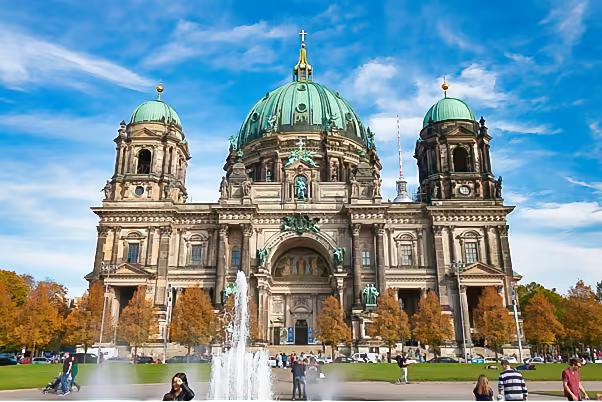
Berlijn is een van de meest dynamische hoofdsteden van Europa — een stad waar geschiedenis, creativiteit en startup-energie samenkomen. Bekend om de multiculturele bevolking, het nachtleven van wereldklasse en de verrassend betaalbare huren voor een hoofdstad, trekt Berlijn kunstenaars, techwerkers, freelancers en jonge gezinnen uit de hele wereld aan. Ben je op zoek naar een stad die individualiteit waardeert en een hoge levenskwaliteit biedt zonder het prijskaartje van Londen of Parijs, dan verdient Berlijn een serieuze overweging.
Berlijn in een oogopslag

- Bevolking
- 3,85 miljoen (metropoolgebied: ~6 miljoen)
- Regio
- Berlijn (stadstaat)
- Bekend om
- Startuphub, streetart, multiculturalisme
- Gemiddelde huur (1 slaapkamer)
- €800–€1.300
- Gemiddeld salaris
- €42.000–€52.000/jaar bruto
- Expatgemeenschap
- Een van de grootste in Europa — meer dan 500.000 internationale inwoners
Waarom verhuizen naar Berlijn
- Startup- en techhub: Berlijn is de thuisbasis van duizenden startups en grote techbedrijven, met een sterke vraag naar ontwikkelaars, designers en marketeers
- Betaalbaar voor een hoofdstad: huren en dagelijkse kosten liggen aanzienlijk lager dan in München, Frankfurt of andere grote Europese hoofdsteden
- Multicultureel en Engelsvriendelijk: meer dan 190 nationaliteiten zijn vertegenwoordigd; Engels wordt veel gesproken, vooral in jongere kringen
- Culturele rijkdom: musea van wereldklasse, galerieën, livemuziek en een nachtleven dat nooit stilvalt
- Centraal-Europese ligging: uitstekende vervoersverbindingen met de rest van Duitsland en Europa
- Creatieve vrijheid: de ruimdenkende cultuur van Berlijn trekt kunstenaars, muzikanten en filmmakers van overal aan
Verhuiskosten naar Berlijn
De verzendkosten hangen af van de omvang van de zending en het transportmiddel. Typische markttarieven begin 2026:
| Type verhuizing | Tijd | Kosten (EUR) |
|---|---|---|
| 20-voets container | 2–4 weken | €2.100–€3.250 |
| 40-voets container | 2–4 weken | €3.800–€5.300 |
| Luchtvracht (1 m³) | 4–7 dagen | €1.100–€1.800 |
| Douanekosten | — | €150–€400 |
Verhuiskosten per herkomst
| Herkomst | Geschatte kosten | Volume |
|---|---|---|
| VK naar Berlijn | €1.200–€2.800 | 1–2 m³ |
| VS naar Berlijn | €2.500–€5.500 | 20-voets container |
| Frankrijk naar Berlijn | €800–€2.000 | 1–2 m³ |
| Australië naar Berlijn | €3.500–€7.000 | 40-voets container |
Tips om geld te besparen
- Vraag offertes op bij minstens 3 verschillende verhuisbedrijven
- Overweeg gedeelde containers als je minder dan een volle lading hebt
- Boek in de daluren (oktober–maart) voor scherpere tarieven
- Ruim op voor de verhuizing — verkoop of doneer spullen die je niet meer nodig hebt
Praktijkvoorbeeld: "Begin 2026 ben ik vanuit Londen naar Berlijn verhuisd voor ongeveer €2.800 inclusief douane. Al mijn meubels kwamen na ongeveer drie weken zonder schade aan en de verhuizers hebben me goed geholpen met de papieren." — Thomas M.
Een persoonlijke offerte nodig?
Krijg binnen 48 uur drie offertes van gecontroleerde verhuisbedrijven.
Een woning vinden in Berlijn
Gemiddelde huurprijzen
| Wijk | 1 slaapkamer | 3 slaapkamers | Karakter |
|---|---|---|---|
| Mitte | €1.100–€1.500 | €2.200–€3.200 | Centraal, toeristisch, moderne appartementen |
| Kreuzberg | €900–€1.300 | €1.800–€2.600 | Alternatief, multicultureel, bruisend nachtleven |
| Prenzlauer Berg | €950–€1.400 | €2.000–€2.800 | Gezinsvriendelijk, groen, cafécultuur |
| Neukölln | €750–€1.100 | €1.500–€2.200 | Opkomend, divers, betaalbaar |
| Charlottenburg | €950–€1.350 | €1.900–€2.700 | Elegant, klassieke architectuur, exclusief winkelen |
Hoe vind je een woning
- Immobilienscout24: het grootste woningportaal van Duitsland — onmisbaar bij het zoeken naar een appartement
- WG-Gesucht: het beste platform voor gedeelde woningen en kortetermijnopties
- ImmoWelt: een goed alternatief met een overzichtelijke interface
- Lokale tip: de concurrentie is hevig — leg een mapje klaar met je documenten (inkomensbewijs, SCHUFA, ID) voordat je naar bezichtigingen gaat
Belangrijke huurbegrippen
- Kaltmiete: kale huur zonder bijkomende kosten
- Warmmiete: kale huur plus bijkomende kosten (verwarming, water, afval)
- Nebenkosten: bijkomende kosten bovenop de kale huur
- Kaution: borgsom — meestal 3 maanden kale huur
Tips voor expats
- Begin op tijd met zoeken — reken op 4–8 weken om een woning te vinden
- Overweeg tijdelijke huisvesting (Wunderflats, HousingAnywhere) terwijl je zoekt
- Pas op voor oplichting — maak nooit geld over voordat je een woning persoonlijk hebt bezichtigd
- De Berlijnse huurmarkt gaat snel; reageer binnen enkele minuten op advertenties
- Leer wat Duitse zinnen voor bezichtigingen — verhuurders geven vaak de voorkeur aan Duitstalige huurders
Wijkengids
- Kreuzberg: het hart van de alternatieve scene van Berlijn — streetart, Turkse markten en een bruisend uitgaansleven. De huren stijgen, maar zijn nog gematigd. Het beste voor creatievelingen en jonge professionals.
- Mitte: het stadscentrum met overheidsgebouwen, musea en moderne appartementen. Duur naar Berlijnse maatstaven, maar uitstekend bereikbaar. Het beste voor professionals die midden in de actie willen zitten.
- Prenzlauer Berg: lommerrijke straten, brunchadresjes en overal speeltuinen. Een van de meest gezinsvriendelijke wijken met een sterk gemeenschapsgevoel. De huren liggen boven het gemiddelde.
- Neukölln: snel aan het gentrificeren, vol internationale restaurants, buurtkroegen en creatieve plekken. Nog altijd een van de goedkoopste centrale wijken. Het beste voor budgetbewuste expats en studenten.
- Charlottenburg: klassieke elegantie met brede lanen, de winkelstraat Kurfürstendamm en typische Berlijnse architectuur. Geliefd bij oudere professionals en gezinnen die een rustigere sfeer waarderen.
Kosten van levensonderhoud in Berlijn
Maandelijkse budgetverdeling
| Categorie | Budgetbereik |
|---|---|
| Huur (1 slaapkamer, centrum) | €900–€1.300 |
| Nutsvoorzieningen | €200–€280 |
| Internet | €30–€40 |
| Boodschappen | €220–€320 |
| Vervoer (Deutschlandticket) | €49 |
| Uit eten (4x per maand) | €120–€200 |
| Vrije tijd/sportschool | €30–€60 |
| Totaal | €1.650–€2.400 |
Dagelijkse uitgaven
- Koffie: €3,50–€4,50
- Lunch (informeel): €10–€14
- Maandelijks vervoersabonnement: €49 (Deutschlandticket)
- Bier (in een café): €4–€5,50
- Bioscoopkaartje: €10–€13
Vervoer in Berlijn
- Openbaar vervoer: een uitgebreid netwerk van U-Bahn, S-Bahn, tram en bus, beheerd door BVG. Met het Deutschlandticket (€49 per maand) kun je gebruikmaken van al het regionale en lokale vervoer in heel Duitsland
- Fietsen: Berlijn is heel vlak en heeft aparte fietspaden; veel inwoners fietsen het hele jaar door
- Autorijden: in het stadscentrum meestal niet nodig; parkeerplekken zijn schaars en duur
- Luchthaven: Berlin Brandenburg (BER) — verbonden met de belangrijkste Europese en internationale bestemmingen
- Intercity: ICE-treinen verbinden Berlijn met Hamburg (1u 45m), München (4u) en Frankfurt (4u)
Gezondheidszorg in Berlijn
- Ziekenhuizen/klinieken: Charité is een van de grootste universitaire ziekenhuizen van Europa; daarnaast zijn er talloze particuliere en openbare klinieken in de hele stad
- Engelstalige artsen: ruim aanwezig, vooral in Mitte en Prenzlauer Berg
- Apotheken (Apotheken): te vinden in elke grote straat; veel zijn 's avonds laat of 24 uur per dag open
- Alarmnummer: 112 voor ambulance en brandweer
Krijg een persoonlijk verhuisplan
Laat je e-mailadres achter, dan sturen we een checklist op maat plus drie offertes van gescreende verhuizers.
Visum en verblijf
Inwoners van buiten de EU/EER hebben een visum nodig voordat ze verhuizen. De meest gangbare routes zijn:
- EU Blue Card: voor hooggekwalificeerde werknemers met een brutosalaris van minstens ~€45.300 per jaar (of ~€41.042 in tekortberoepen zoals STEM, IT en zorg)
- Werkvisum: voor gekwalificeerde professionals met een vaste baanaanbieding
- Visum voor werkzoekenden: hiermee kun je tot 6 maanden naar werk zoeken
- Freelance-visum: populair in Berlijn onder zelfstandige creatievelingen en techwerkers
Na aankomst moet je je binnen 14 dagen inschrijven op je adres en een verblijfsvergunning aanvragen als je visum dat vereist.
Cultuur & levensstijl
- Nachtleven: Wereldberoemde clubscene met onder andere Berghain, Sisyphos en Watergate — de stad slaapt nauwelijks in het weekend
- Kunst en musea: Museumeiland herbergt vijf UNESCO-erkende musea; honderden onafhankelijke galerijen verspreid over de stad
- Groene ruimtes: Tiergarten, Tempelhofer Feld (een voormalige luchthaven omgetoverd tot park) en de vlooienmarkt van Mauerpark
- Geschiedenis: Resten van de Berlijnse Muur, Holocaust Memorial, Brandenburger Tor en Checkpoint Charlie
Eten & drinken
- Currywurst en Döner: Berlijns iconisch straatvoedsel, overal verkrijgbaar voor €3–€6
- Beste gebieden om te eten: Kreuzberg voor Turks en Midden-Oosters, Neukölln voor internationaal straatvoedsel, Mitte voor luxe opties
- Budgetopties: Straatvoedselmarkten, Vietnamese restaurants en kantineachtige lunchplekken bieden maaltijden vanaf €6–€9
Expatgemeenschap
- InterNations Berlijn: Regelmatige netwerkevenementen en sociale bijeenkomsten
- Toytown Germany: Engelstalig forum voor expats in Duitsland
- Facebook-groepen: "Berlin Expats", "New in Berlin" en buurtspecifieke groepen
- Taaluitwisseling: Tandempartnerschap breed beschikbaar via apps en meetups
Arbeidsmarkt in Berlijn
- Belangrijkste sectoren: Techstartups, creatieve industrie, media, e-commerce, toerisme, overheid
- Grote werkgevers: Zalando, HelloFresh, Delivery Hero, Siemens, Deutsche Bahn, diverse overheidsinstellingen
- Gemiddelde salarissen per sector:
| Sector | Gemiddeld jaarsalaris |
|---|---|
| Softwareontwikkeling | €55.000–€75.000 |
| Marketing | €40.000–€55.000 |
| Design/Creatief | €38.000–€52.000 |
| Financiën | €50.000–€70.000 |
| Horeca | €28.000–€38.000 |
- Vacatureplatforms: StepStone, LinkedIn, Xing, Berlin Startup Jobs, Honeypot (voor ontwikkelaars)
Onderwijs in Berlijn
- Internationale scholen: Berlin British School, Berlin Metropolitan School, John F. Kennedy School (tweetalig Duits-Amerikaans)
- Universiteiten: Humboldt University, TU Berlin, Freie Universität Berlin — openbare universiteiten zonder collegegeld
- Taalscholen: Goethe-Institut, VHS Berlin (betaalbare integratiecursussen), speakeasy Berlin
Douane en huisdieren meeverhuizen
Douane voor persoonlijke bezittingen
Gebruikte persoonlijke goederen kunnen douanevrij worden ingevoerd onder de regeling overbrenging van woonplaats, mits de items al ten minste 6 maanden eigendom zijn. Je hebt Formulier 0350, je inschrijfbewijs en een volledige inventarislijst nodig. Nieuwe of commerciële artikelen kunnen 19% BTW verschuldigd zijn.
Huisdieren meenemen
Honden, katten en fretten moeten voorzien zijn van een microchip (ISO-conform), minimaal 21 dagen voor vertrek zijn gevaccineerd tegen hondsdolheid en beschikken over een EU-huisdierenpaspoort of een officieel gezondheidscertificaat. Bepaalde rassen (Pit Bull, American Staffordshire, Staffordshire Bull Terrier, Bull Terrier) zijn onderhevig aan invoerbeperkingen. Begin de voorbereidingen 3–4 maanden van tevoren.
Rijbewijs en auto invoeren
- EU-rijbewijzen: Geldig in Duitsland zonder omwisseling
- Niet-EU-rijbewijzen: Geldig gedurende 6 maanden na inschrijving van verblijf, daarna verplicht omwisselen; sommige landen vereisen een theorie- of praktijkexamen
- Auto invoeren: Aangeven bij de douane binnen 10 dagen; moet slagen voor de TÜV-keuring; BTW en invoerrechten zijn van toepassing tenzij de vrijstelling overbrenging van woonplaats van toepassing is
Bankrekening en belastingnummer
Om een bankrekening te openen heb je een geldig paspoort, adresbewijs (Anmeldung) en vaak een verblijfsvergunning nodig. Populaire opties voor expats zijn N26 (snelle registratie), ING en Deutsche Bank.
Na je Anmeldung ontvang je binnen 2–3 weken per post een belastingidentificatienummer (Steueridentifikationsnummer). Dit is vereist voor werk, belastingaangiften en bankzaken.
Verhuischecklist voor Berlijn
- Visum regelen of EU-vrij verkeer bevestigen
- Tijdelijke accommodatie boeken voor minimaal 4–6 weken
- Alle benodigde documenten verzamelen (paspoort, geboorteakte, huwelijksakte, diploma's)
- Documenten indien nodig laten vertalen naar het Duits
- Anmeldung voltooien bij het dichtstbijzijnde Bürgeramt binnen 14 dagen
- Een bankrekening openen
- Inschrijven voor zorgverzekering of dekking via werkgever bevestigen
- Een Duitse simkaart aanschaffen
- Beginnen met zoeken naar een appartement met alle documenten gereed
- Verblijfsvergunning aanvragen indien van toepassing
- Inschrijven voor een Duitse taalcursus
- Je buurt verkennen en de openbaar-vervoerroutes leren kennen
- Inschrijven bij een huisarts in de buurt
Waar je tools en bronnen kunt vinden
- ReloAdvisor: Volumecalculator, video-inspectie en verhuiskostencalculator op reloadvisor.org
- Make it in Germany: Officieel portaal voor gekwalificeerde werknemers op make-it-in-germany.com
- InterNations: Wereldwijd expatnetwerk op internations.org
- Toytown Germany: Engelstalig forum op toytowngermany.com
Gerelateerde gidsen
- [Verhuizen naar Duitsland] — uitgebreide landengids
- [Verhuizen naar München] — het economische hart van Beieren
- [Verhuizen naar Hamburg] — gids voor de noordelijke havenstad