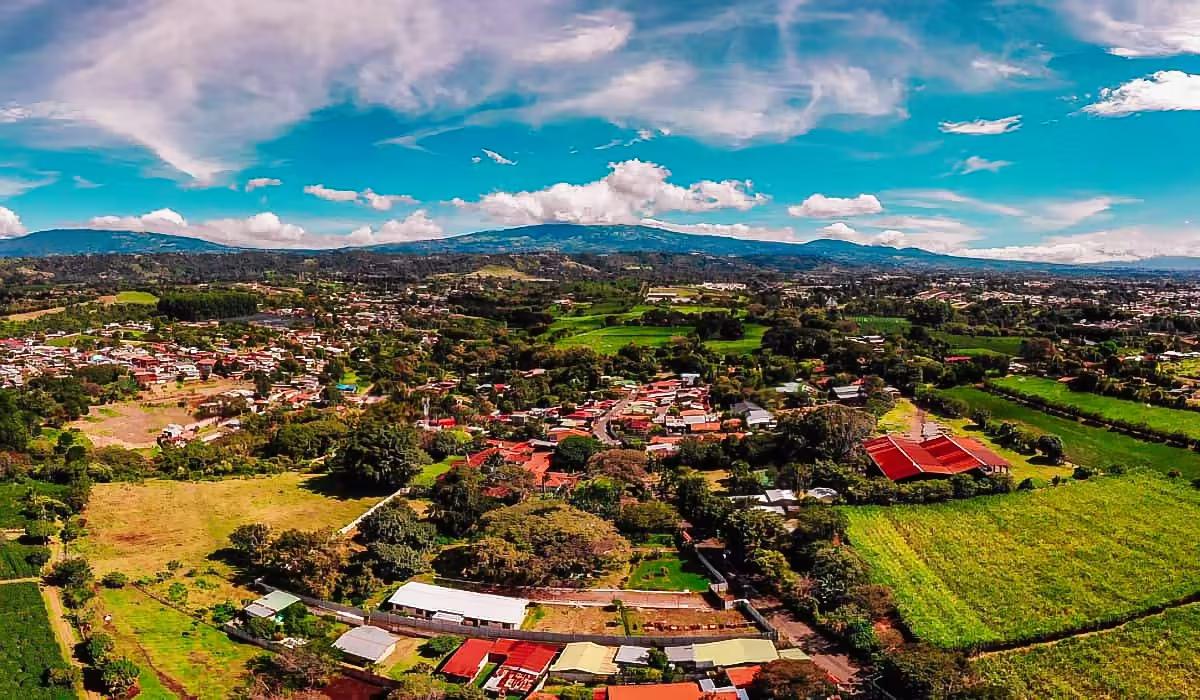

Alajuela is de hoofdstad van de provincie Alajuela en de tweede grootste stad van Costa Rica, gelegen in de Centrale Vallei op ongeveer 19 km ten noordwesten van San José. Het is de thuisbasis van de Internationale Luchthaven Juan Santamaría (SJO) — Costa Rica's belangrijkste internationale gateway, die ondanks zijn 'San José'-naam eigenlijk is gelegen in het district Río Segundo van Alajuela. De stad ligt op ongeveer 950 m hoogte, waardoor het merkbaar warmer en zonniger is dan de hoofdstad, met een meer traditioneel Tico-karakter en aanzienlijk lagere woonkosten dan San José of Escazú.
Alajuela is de geboorteplaats van nationale held Juan Santamaría, algemeen bekend als de 'Mangohoofstad' vanwege zijn overvloedige mangoboomgaarden en het jaarlijkse Mangofestival, en het is de thuisbasis van een van de twee grootste voetbalclubs van Costa Rica, LD Alajuelense, wiens rood-zwarte kleuren de stad op wedstrijddagen domineren. De omliggende provincie strekt zich uit van de Poás-vulkaan in het noorden tot de Pacifische kust bij Orotina in het zuiden, waardoor Alajuela op een strategisch kruispunt ligt tussen bergen, stranden en de grotere metropolitane regio San José.
Voor expats biedt Alajuela een betaalbare, authentieke uitvalsbasis met uitstekende luchthaventoegang, een groeiende internationale gemeenschap en een gemakkelijke bereikbaarheid van vulkanen, wolkenbossen, koffieplantages en het ambachtsstadje Sarchí. Het trekt met name telewerkers, gepensioneerden en gezinnen aan die de infrastructuur van de Centrale Vallei willen zonder de prijzen van Escazú — en iedereen die het waardeert om op 15 minuten van de incheckbalie op SJO te wonen.
Alajuela in een oogopslag

- Bevolking
- ~44.400 (stad, volkstelling 2022); ~322.000 (kanton Alajuela schatting); ~950.000 (provincie Alajuela schatting)
- Regio
- Centrale Vallei, provincie Alajuela, Costa Rica
- Bekend om
- Internationale Luchthaven Juan Santamaría (SJO), Poás-vulkaan, mangoproductie, LD Alajuelense voetbal
- Gemiddelde huur (1 slaapkamer)
- ₡250.000–₡450.000/maand (stadscentrum)
- Gemiddeld salaris
- ₡600.000–₡900.000/maand (netto)
- Expatgemeenschap
- Groeiend; kleiner en meer geïntegreerd dan San José/Escazú, mix van gepensioneerden en thuiswerkers
Waarom verhuizen naar Alajuela
- Luchthaven voor de deur: De Internationale Luchthaven Juan Santamaría (SJO) bevindt zich in Río Segundo, binnen het stedelijk gebied van Alajuela — de meeste wijken liggen op 10–20 minuten van de terminal, waardoor internationaal reizen en het ontvangen van bezoekers veel eenvoudiger is dan vanuit San José zelf, waar de rit in het verkeer 45–60 minuten kan duren.
- Lagere kosten van levensonderhoud: De huur in Alajuela is 20–35% goedkoper dan in vergelijkbare gebieden in San José, Escazú of Santa Ana, waarbij ook boodschappen, uit eten gaan en diensten lager geprijsd zijn, terwijl er toch infrastructuurkwaliteit van de Centrale Vallei en toegang tot ziekenhuizen zijn.
- Warmer, zonniger klimaat: Op ~952 m hoogte (ongeveer 200 m lager dan San José) is Alajuela merkbaar warmer en krijgt het meer zonne-uren, wat veel expats prefereren — overdag liggen de maxima gemiddeld op 27–30°C het hele jaar door (jaarlijks gemiddelde 23–26°C) met een droog seizoen dat duidelijk droger en voorspelbaarder aanvoelt dan in de hoofdstad.
- Authentieke Tico-cultuur: Alajuela behoudt een meer traditioneel Costa Ricaans karakter dan de steeds internationaler wordende westelijke voorsteden van San José — de Mercado Central, het jaarlijkse Mangofestival en de buurt-sodas (kleine lokale eetgelegenheden die traditioneel eten serveren) weerspiegelen een levenstempo dat echt lokaal aanvoelt in plaats van op expats afgestemd.
- Toegangspoort tot de natuur: Nationaal Park Poás Vulkaan ligt op 30 minuten rijden naar het noorden, La Paz Waterfall Gardens bevindt zich in de buurt in Vara Blanca, en de koffieteelt-hooglanden rond Doka Estate en het ambachtsstadje Sarchí zijn binnen een gemakkelijke dagtrip bereikbaar, terwijl de Arenal-vulkaan en de noordkust via Route 1 bereikbaar zijn in ongeveer 3,5–4 uur.
- Groeiende maar niet overvolle expatscene: De internationale gemeenschap in Alajuela is groot genoeg om ondersteuning en sociale contacten te bieden, maar klein genoeg zodat je dagelijks met Tico-buren omgaat, op lokale markten winkelt en echte Spaanse taalvaardigheden ontwikkelt in plaats van terug te trekken in een Engelstalige enclave.
Woonruimte vinden in Alajuela
De woningmarkt in Alajuela is minder geformaliseerd dan die van de westelijke voorsteden van San José — meer aanbiedingen verschijnen als handgeschilderde borden op hekken dan op strakke websites, en persoonlijke relaties met verhuurders zijn belangrijk. Het residentiële aanbod van de stad varieert van betonblokwoningen uit de jaren zestig in het centrum tot moderne afgesloten condominiumios in San Rafael, met semi-landelijke fincas (boerderijen/landgoederen) aan de rand. Buitenlandse huurders komen steeds vaker voor maar zijn nog steeds een minderheid op de markt, dus verwacht dat je het grootste deel van je zoektocht in het Spaans voert.
Gemiddelde huurprijzen
| Wijk | 1 slaapkamer | 3 slaapkamers | Karakter |
|---|---|---|---|
| Alajuela Centro | ₡250.000–₡400.000 | ₡450.000–₡700.000 | Traditionele stratenraster, te voet bereikbaar, oudere bebouwing, dichtbij de Kathedraal en Mercado Central |
| San Rafael | ₡300.000–₡500.000 | ₡550.000–₡850.000 | Voorstedelijk, nieuwere appartementen en afgesloten woonwijken, populair bij middenklasse Tico-gezinnen |
| Río Segundo | ₡280.000–₡450.000 | ₡500.000–₡780.000 | Vlakbij luchthaven SJO, mix van woningen en luchthavengerelateerde bedrijven, handig voor veelreizigers |
| Carrizal | ₡220.000–₡380.000 | ₡400.000–₡650.000 | Rustiger, groener, meer landelijk gevoel aan de noordelijke rand van Alajuela richting Poás |
| Turrúcares | ₡200.000–₡350.000 | ₡380.000–₡600.000 | Semi-landelijke buitenwijken, grotere percelen, populair bij expats die ruimte en rust zoeken |
| San José de Alajuela | ₡260.000–₡420.000 | ₡480.000–₡720.000 | Woonwijk ten zuiden van het centrum, gezinsgericht, goede lokale voorzieningen |
Hoe vind je woonruimte
- Encuentra24 en Craigslist Costa Rica: De twee meest gebruikte online platforms voor huurwoningen in de Centrale Vallei; filter op provincie 'Alajuela' en controleer de wijknamen om verwarring met San José te voorkomen.
- Facebook-groepen: 'Alajuela Costa Rica Real Estate' en 'Costa Rica Expats Housing' zijn actieve groepen waar verhuurders rechtstreeks berichten plaatsen — reactietijden zijn sneller dan bij formele platforms en onderhandelen wordt verwacht, maar controleer aanbiedingen zorgvuldig, want oplichting komt voor.
- Lokale makelaars: REMAX en Coldwell Banker hebben kantoren in Alajuela; makelaars rekenen doorgaans de verhuurder (niet de huurder) één maand huur als commissie, maar ze kunnen Spaanstalige contracten doorlopen, de legitimiteit van het eigendom verifiëren en problemen identificeren zoals onduidelijke grondeigendomstitels.
- De wijk verkennen: In Alajuela Centro en omliggende barrios zijn 'Se Alquila' (te huur) borden in ramen en op hekken gebruikelijk — veel verhuurders, vooral oudere Ticos, adverteren nooit online en geven de voorkeur aan lokale huurders die persoonlijk komen informeren.
- Mond-tot-mondreclame: Als je eenmaal in Alajuela bent, vertel dan aan iedereen dat je op zoek bent — je taxichauffeur, de persoon in de pulpería (buurtwinkel) en buurtbewoners kennen allemaal wel iemand met een woning te huur. Persoonlijke aanbevelingen sturen nog steeds een aanzienlijk deel van de woningtransacties in Alajuela aan.
Tips voor expats
- Costa Ricaanse verhuurders vereisen bijna altijd een fiador (borg) — een Costa Ricaans staatsburger of permanent ingezetene die eigendom bezit en het huurcontract mede-ondertekent. Als je geen fiador kunt vinden, accepteren sommige verhuurders in plaats daarvan een depósito en garantía van 2–3 maanden huur op een escrow-rekening, maar onderhandel hierover voordat je iets tekent.
- Huurcontracten zijn doorgaans 12 maanden, schriftelijk in het Spaans, en vereisen 1 maand borg plus de eerste maand vooruit; laat een lokale advocaat het contract nakijken — het standaardtarief is ₡50.000–₡100.000 en kan je behoeden voor ongunstige clausules.
- Nutsvoorzieningen zijn bijna nooit inbegrepen: reken apart voor elektriciteit (ICE, ₡15.000–₡45.000/maand afhankelijk van gebruik van airconditioning), water (AyA of lokale ASADA, ₡5.000–₡12.000), en internet (₡18.000–₡35.000 voor glasvezel via ICE of privéaanbieders zoals Tigo en Claro).
- Oudere gebouwen in het stadscentrum van Alajuela hebben in sommige woningen mogelijk geen warm water of gebruiken inline gasgeisers (calentadores de paso) — controleer dit specifiek bij het bezichtigen, want verbouwen kan duur zijn.
- Huurfraudeurs die buitenlanders aanpakken bestaan — stuur nooit borg voordat je een woning persoonlijk hebt bezichtigd, en verifieer de identiteit van de verhuurder aan de hand van zijn cédula (nationaal ID) of de catastro-inschrijving (grondregister) van het eigendom.
- Gemeubileerde appartementen kosten in Alajuela 20–40% meer dan ongemeubileerde woningen. Als je van plan bent lang te blijven, kan het kopen van basismeubilair bij lokale winkels (Gollo, Almacenes El Rey) of de tweedehands meubelmarkt in Barrio San José al na een paar maanden goedkoper uitkomen.
Wijkengids
- Alajuela Centro: Het best voor expats die autovrij stedelijk leven willen. Straten in rasterpatroon vertrekken vanuit de Kathedraal en het Centraal Park, met de Mercado Central, tientallen sodas, banken en het Juan Santamaría Cultureel Historisch Museum allemaal op loopafstand. De huren zijn de laagste in de stad, maar gebouwen zijn doorgaans ouder, en geluidsoverlast van de centrale bushalte en de marktomgeving kan aanzienlijk zijn, vooral in het weekend.
- San Rafael: Het best voor gezinnen en mensen die modern appartementsleven willen. Dit gebied ten oosten en zuidoosten van het centrum heeft de meeste recente woningontwikkeling gezien, met afgesloten woonwijken (condominios), kleine winkelcentra en nieuwere bebouwing. Iets duurder, maar biedt voorzieningen zoals zwembaden, 24-uurs beveiliging en overdekte parkeerplaatsen. Goede toegang tot Route 1 en een rit van 15 minuten naar de luchthaven.
- Río Segundo: Het best voor veelreizigers en luchthavenpersoneel. Dit district, direct ten zuiden van SJO, zit vol luchthavenhotels, autoverhuurbedrijven en logistieke bedrijven. Residentiële buurten bestaan tussen de commerciële straten en de huren zijn gematigd. Vliegtuiglawaai is het grootste nadeel — breng op verschillende tijdstippen tijd door in het gebied voordat je je vastlegt aan een huurcontract.
- Carrizal: Het best voor op natuur gerichte expats en mensen die rust zoeken. Op de noordelijke hellingen richting de Poás-vulkaan is Carrizal koeler en groener dan centraal Alajuela, met grotere eigendommen, tuinen en uitzicht over de Centrale Vallei. De reistijd naar het centrum is 15–20 minuten per auto. Beperkt openbaar vervoer betekent dat een voertuig hier vrijwel noodzakelijk is.
- Turrúcares: Het best voor budgetbewuste expats die ruimte zoeken. Dit semi-landelijke gebied ten westen van de stad biedt de goedkoopste huren en grootste percelen in de metropolitane regio Alajuela. Het ligt langs Route 27, waardoor je snel toegang hebt tot San José (30 min) en de Pacifische kust (90 min naar Jacó). De infrastructuur is meer basaal — verwacht af en toe waterdrukproblemen, minder geasfalteerde zijwegen en beperkte straatverlichting 's nachts.
- San Miguel: Het best voor een middenweg tussen stedelijk en voorstedelijk. Gelegen in het noordoosten van het centrum heeft San Miguel een mix van oudere Tico-woningen en nieuwere gebouwen, met goede busverbindingen naar zowel Alajuela Centro als het nabijgelegen Heredia. Het ligt iets hoger, waardoor de temperaturen een graad of twee lager zijn dan in het centrum. Lokale winkels en kleine restaurants geven het een zelfstandig buurtgevoel.
Kosten van levensonderhoud in Alajuela
Alajuela is een van de meest betaalbare steden voor expats in de Centrale Vallei van Costa Rica en biedt lagere prijzen dan San José, Escazú, Santa Ana en zelfs het naburige Heredia op veel gebieden. De afweging is iets minder internationale eet- en entertainmentmogelijkheden, maar dagelijkse basisbehoeften — wonen, voeding, vervoer, gezondheidszorg — kosten merkbaar minder.
Maandelijkse budgetverdeling
| Categorie | Budgetbereik |
|---|---|
| Huur (1 slaapkamer, centrum) | ₡250,000–₡400,000 |
| Huur (1 slaapkamer, buitenwijken) | ₡200,000–₡320,000 |
| Nutsvoorzieningen (elektriciteit, water, gas) | ₡25,000–₡55,000 |
| Internet | ₡18,000–₡35,000 |
| Boodschappen | ₡150,000–₡250,000 |
| Vervoer | ₡20,000–₡40,000 |
| Uit eten (8x/maand) | ₡48,000–₡96,000 |
| Vrije tijd/Sportschool | ₡25,000–₡65,000 |
| CCSS ziektekostenverzekeringsbijdrage | ₡30,000–₡120,000 (inkomensafhankelijk) |
| Totaal (alleenstaande, centrum) | ₡566,000–₡1,061,000 |
Dagelijkse kosten
- Koffie (soda of lokaal café): ₡800–₡2,000
- Casado (traditioneel lunchbord met rijst, bonen, salade, bakbanaan en proteïne): ₡2,500–₡4,500
- Maandelijks busabonnement (route Alajuela–San José): ₡30,000–₡35,000
- Imperial of Pilsen bier in een bar: ₡1,500–₡3,000
- Bioscoopkaartje (CitiCinemas Alajuela in City Mall): ₡3,500–₡5,000
- Mango in het seizoen (per kg, Mercado Central): ₡500–₡1,200
- Taxi binnen de stadsgrenzen: ₡2,000–₡5,000
- Uber/InDriver binnen Alajuela: ₡1,500–₡4,000 (vaak goedkoper dan taxi's)
- Gallon gewone benzine: ₡3,300–₡3,800
- Sportschoolabonnement (middenprijsklasse): ₡20,000–₡45,000/maand
- Filmavond bij CitiCinemas City Mall: ₡3,500 (kaartje) + ₡2,500 (popcorn + drankje)
Vervoer in Alajuela
- Openbaar vervoer: Alajuela vertrouwt op een netwerk van particulier geëxploiteerde buslijnen in plaats van spoorvervoer. Het centrale busterminal bij het Mercado Central verbindt alle lokale barrios, met bussen die elke 10–30 minuten rijden op de hoofdroutes. De route Alajuela–San José (geëxploiteerd door TUASA en Station Wagon-bussen) rijdt elke 5–10 minuten van 4:30 tot 23:00 uur, duurt ongeveer 40 minuten bij normaal verkeer en kost ₡650–₡770 enkele reis. De tarieven binnen de stad bedragen ₡350–₡500.
- Fietsen: Alajuela is redelijk fietsvriendelijk in het vlakke centrum, maar er zijn weinig aparte fietspaden en bestuurders zijn niet gewend om de weg te delen. De wegen richting Carrizal en door Turrúcares zijn populair bij recreatieve wegwielrenners op zondagochtenden. Fietsdiefstal is een reële zorg — gebruik altijd een zwaar U-slot en laat je fiets 's nachts niet onbeheerd achter in het centrum.
- Deelritten: Uber is actief in heel Alajuela en is over het algemeen goedkoper dan traditionele rode taxi's. InDriver wordt ook veel gebruikt en stelt je in staat om de prijs te onderhandelen. Beide zijn betrouwbaar voor ritten binnen de stad en naar het vliegveld. Traditionele taxi's zijn rood met een geel driehoekje op de deur; gebruik altijd gelicenseerde taxi's of app-diensten in plaats van informele piratas (ongelicenseerde taxi's).
- Autorijden: Route 1 (Interamericana Norte) loopt door Alajuela en verbindt het met San José in het oosten en Guanacaste, Arenal en Noord-Costa Rica in het noorden. Route 27 biedt snellere toegang tot San José en de Pacifische kust via tolweg (₡710–₡1,200 per tolplaza). Het verkeer op Route 1 tussen Alajuela en San José kan zwaar zijn tijdens de spitsuren (6:30–8:30 en 16:30–18:30 uur), waardoor het traject van 20 km kan oplopen tot 60–90 minuten rijden. Parkeren in het centrum is voornamelijk langs de straat; nieuwere winkelcentra zoals City Mall (naast SJO) bieden gratis parkeren.
- Luchthaven: De internationale luchthaven Juan Santamaría (SJO) bevindt zich in Río Segundo binnen Alajuela — 10–20 minuten van de meeste wijken met de auto of taxi. Het is de drukste luchthaven van Costa Rica, met rechtstreekse vluchten naar Miami, New York (JFK en EWR), Los Angeles, Madrid, Panama-Stad, Mexico-Stad, Toronto, Fort Lauderdale, Houston, Atlanta en tientallen andere steden in Amerika en Europa. Een taxi van het stadscentrum naar SJO kost ₡5,000–₡10,000; de TUASA-bus vanuit het centrale terminal kost ₡650.
- Intercity: Rechtstreekse bussen vanuit het terminal van Alajuela rijden naar Grecia (45 min), Sarchí (1 uur), Naranjo (45 min), Atenas (40 min), Palmares (30 min), San Ramón (50 min) en verder naar Arenal/La Fortuna (~4 uur) en de stranden van Guanacaste (~5 uur naar Tamarindo). Er is geen passagierstreinverbinding vanuit Alajuela. Voor de Pacifische kust verbindt Route 27 met Route 34 bij Orotina richting Jacó (1,5 uur), Quepos (3 uur) en Manuel Antonio (3,5 uur). Het Tuasa-busterminal op Calle 6 en het Terminal de Buses Colectivos aan de oostkant van de stad zijn de twee belangrijkste vertrekpunten — controleer welk terminal jouw bestemming bedient voordat je vertrekt, want ze liggen 15 minuten lopen van elkaar.
Gezondheidszorg in Alajuela
Het gezondheidssysteem van Costa Rica wordt consistent tot de beste in Latijns-Amerika gerekend, en inwoners van Alajuela profiteren van de nabijheid van zowel openbare CCSS-ziekenhuizen als de particuliere zorgcorridor van San José. Het publieke systeem (CCSS) dekt alle legale inwoners voor een maandelijkse bijdrage op basis van inkomen, terwijl particuliere zorg beschikbaar is voor een fractie van de Amerikaanse of Europese prijzen.
- Ziekenhuizen en klinieken: Hospital México, een van de vlaggenschipziekenhuizen van de CCSS (Caja Costarricense de Seguro Social — Costa Rica's openbare ziektekostenverzekering en ziekenhuissysteem), bevindt zich in La Uruca aan de weg richting San José en fungeert als het primaire verwijzingsziekenhuis voor inwoners van Alajuela. In Alajuela zelf exploiteert de CCSS het Hospital San Rafael de Alajuela en meerdere EBAIS (Equipo Básico de Atención Integral en Salud — eerstelijns gemeenschapszorgklinieken) in elk district. Particuliere opties zijn onder meer Clínica San Rafael en diverse specialistenpraktijken bij het centrum.
- Engelssprekende artsen: Meer beschikbaar bij particuliere klinieken dan bij openbare CCSS-voorzieningen. Verschillende artsen bij Clínica San Rafael en in de wijk San Rafael spreken Engels, en diverse tandartsen in het centrum richten zich specifiek op internationale patiënten. De privéziekenhuizen van San José (Hospital CIMA in Escazú, Clínica Bíblica) liggen 30–45 minuten weg en beschikken over uitgebreid Engelssprekend personeel; veel expats in Alajuela gebruiken deze voor specialistische zorg, operaties en spoedeisende gevallen waarbij duidelijke communicatie in het Engels vereist is. Tandtoerisme is gebruikelijk — een kroon die in de VS $1.500₡$2.000 kost, bedraagt $400₡$700 bij een goede kliniek in Alajuela.
- Apotheken: Overvloedig aanwezig in heel Alajuela. In het Mercado Central-gebied zijn er meerdere, en elke grote wijk heeft minimaal één farmacia. Veel medicijnen waarvoor in Noord-Amerika of Europa een recept vereist is (inclusief sommige antibiotica) zijn in Costa Rica zonder recept verkrijgbaar, hoewel de regelgeving de afgelopen jaren is aangescherpt en voor gecontroleerde stoffen altijd een recept vereist is.
- Alarmnummer: 911 (landelijk). CCSS-spoedlijn: 111. De Cruz Roja (Rode Kruis)-post in Alajuela Centro reageert op lokale noodsituaties en verkeersongevallen.
Krijg een persoonlijk verhuisplan
Laat je e-mailadres achter en we sturen een checklist op maat plus drie offertes van gecontroleerde verhuizers.
Cultuur en levensstijl
De culturele identiteit van Alajuela is diep verbonden met haar geschiedenis als provinciale hoofdstad, haar agrarische wortels en haar rol in het bepalende 19e-eeuwse conflict van Costa Rica. De stad voelt minder kosmopolitisch aan dan San José en minder resort-georiënteerd dan de kust — het is een werkende stad waar traditie zichtbaar is in het dagelijks leven, van de marktverkopers die al decennialang dezelfde kramen bezetten tot de voetbalfans die elke andere zondag het Morera Soto-stadion vullen.
- Juan Santamaría-erfgoed: Alajuela is de geboorteplaats van Juan Santamaría, de nationale held die stierf in de Slag bij Rivas in 1856, tijdens de strijd tegen de Amerikaanse filibuster William Walker. Het Juan Santamaría Cultureel-Historisch Museum op Calle 2 bij Central Park bewaart zijn verhaal met artefacten, schilderijen en wisselende culturele tentoonstellingen. De stad viert Juan Santamaría Dag op 11 april met een parade door het centrum, openluchtconcerten in Central Park en burgerlijke ceremonies — het is de grootste niet-religieuze feestdag op de lokale kalender.
- Mangofestival (Festival del Mango): Jaarlijks gehouden in juni of juli, vult deze viering van de bijnaam van Alajuela 'Mangohoofstad' Central Park met mangoproefsessies, kookwedstrijden, livemuziek, ambachtelijke verkopers en een mangoparade. Het trekt bezoekers uit heel het Centrale Dal en is het kenmerkende culturele evenement van de stad. Tientallen mangowariëteiten worden tentoongesteld en te koop aangeboden, waarvan vele uniek zijn voor de regio Alajuela.
- Voetbalcultuur: LD Alajuelense (La Liga), een van de twee dominante voetbalclubs van Costa Rica naast Deportivo Saprissa, speelt in het Alejandro Morera Soto-stadion in Barrio Trinidad. De rivaliteit met Saprissa (gevestigd in Tibás, San José) verdeelt het hele land — wedstrijddagen tegen Saprissa transformeren de stad, met rood-zwarte vlaggen op elk balkon en elke auto. Een thuiswedstrijd bijwonen kost ₡3,000–₡15,000 afhankelijk van het vak, en de sfeer is intens en gezinsvriendelijk.
- Mercado Central de Alajuela: Kleiner en minder toeristisch dan het Mercado Central van San José, is deze overdekte markt op Calle 4 de plek waar inwoners van Alajuela al generaties lang verse groenten en fruit, vlees, kazen, kruiden en bereid voedsel kopen. Het is de beste plek om lokale seizoensfruit te vinden — mango's, carambola, cas, jocotes en mamón chino — tegen de laagste prijzen in de stad. De comedores (kleine eetgelegenheden) binnen serveren een van de beste traditionele gerechten van Alajuela. Kom voor 10:00 uur op zaterdagen voor de versste selectie, want veel verkopers zijn uitverkocht voor de vroege middag.
- Nabijgelegen attracties als onderdeel van het dagelijks leven: Vulkaan Poás, Zoo Ave en de koffieplantages zijn niet alleen toeristische bestemmingen — veel inwoners van Alajuela bezoeken Poás op zondagochtenden zoals stedelingen elders een park bezoeken. De toegangsprijs tot het Nationaal Park Vulkaan Poás bedraagt ₡1,100 voor inwoners (versus ₡15,000 voor buitenlandse toeristen), een aanzienlijke korting die je krijgt zodra je je DIMEX-kaart hebt. La Garita en Atenas, beide binnen 30 minuten, zijn populaire zondagse lunchbestemmingen met wegrestaurants die traditionele gerechten serveren te midden van sierplantenkwekerijen.
Eten en uit eten
- Lokale specialiteiten draaien om casados (₡2,500–₡4,500 bij buurt-sodas), olla de carne (rundvlees- en wortelgroentestoofpot, bijzonder populair tijdens het regenseizoen), gallo pinto (rijst en bonen, het standaard ontbijt), en op mango gebaseerde gerechten, conserven en verse sappen die overal in de stad worden verkocht en in het bijzonder tijdens het Festival del Mango.
- De straten rondom Central Park en de kathedraal hebben de hoogste concentratie sodas en kleine restaurants in de stad, met alles van traditionele Costaricaanse gerechten tot Chinees-Costaricaanse fusion (chifas). Calle Central is de belangrijkste restaurantstraat.
- Voor duurdere restaurants biedt de wijk San Rafael sushi, Argentijnse grillgerechten, Italiaans eten en ambachtelijk bier voor prijzen die 20–40% lager liggen dan vergelijkbare restaurants in Escazú of Santa Ana.
- Goedkoop eten bij de comedores van het Mercado Central is onverslaanbaar — een volledig casado-lunch met een verse fruitdrank kost ₡2,500–₡3,500, en verse vruchten-batidos (smoothies gemaakt met water of melk) kosten ₡1,000–₡1,800.
- De koffiecultuur is sterk gezien de ligging van Alajuela in de koffieteelt-hooglanden van Costa Rica. Verschillende cafés in het centrum serveren lokaal geteelde bonen van nabijgelegen plantages, en de Doka Estate-koffietour (20 minuten naar het noorden) is een van de populairste halve-daguitstapjes vanuit de stad.
Expat-gemeenschap
- De expat-gemeenschap van Alajuela is kleiner en meer verspreid dan in Escazú of Santa Ana, maar groeit gestaag naarmate thuiswerkers en gepensioneerden de kostenvoordelen ten opzichte van de westelijke buitenwijken van San José ontdekken. Facebook-groepen zoals 'Expats in Alajuela Costa Rica' en 'Costa Rica Alajuela Expats' zijn de primaire ontmoetingspunten online, met regelmatige berichten over huisvesting, diensten en sociale evenementen.
- Taaluitwisselingsbijeenkomsten vinden informeel plaats in cafés bij de campus van de Universidad Técnica Nacional en bij sommige ambachtelijke brouwerijen die zijn geopend aan de oostkant van de stad. De groep Intercambio de Idiomas Alajuela komt wekelijks bijeen.
- Veel expats in Alajuela komen in contact via vrijwilligerswerk bij Zoo Ave (een wildopvangcentrum en botanische tuin in La Garita, 15 minuten ten westen van het centrum), bij lokale dierenwelzijnsorganisaties of via kerkgroepen. De gemeenschap bestaat voornamelijk uit mensen die een diepere integratie met Tico-buren wensen in plaats van een geïsoleerde expat-bubbel.
- Jaarlijkse expat-bijeenkomsten vallen samen met het Mangofestival en Juan Santamaría Dag, waarbij de internationale gemeenschap vrij omgaat met lokale bewoners bij de openbare vieringen in Central Park.
Arbeidsmarkt in Alajuela
- Belangrijkste sectoren: Luchtvaart en luchthavenslogistiek (SJO ondersteunt duizenden banen in luchtvaartmaatschappijen, grondafhandeling, vracht, douane en belastingvrije detailhandel), toerisme en horeca, landbouw (koffie, mango's, suikerriet en sierplanten in de omliggende provincie), productie (diverse industrieterreinen en vrijhandelszones in het grootstedelijk gebied van Alajuela), callcenter- en BPO-activiteiten, en detailhandel.
- Grote werkgevers: Copa Airlines, Alaska Airlines, Spirit en andere luchtvaartmaatschappijen met bemannings- en operatiebases op SJO; DHL- en FedEx-logistiekcentra bij het vliegveld; Doka Estate en andere koffieproducenten; Walmart México y Centroamérica (meerdere vestigingen); Florida Bebidas (het grootste drankenbedrijf van Costa Rica); Sykes en andere callcenter-exploitanten; en talrijke CCSS- en overheidskantorendiensten die de provinciale hoofdstad bedienen.
- Gemiddelde salarissen per sector:
| Sector | Maandelijks netto (ca.) |
|---|---|
| Luchtvaart/luchthavendiensten | ₡650,000–₡1,200,000 |
| Toerisme/horeca | ₡400,000–₡700,000 |
| Lesgeven (tweetalige school) | ₡700,000–₡1,300,000 |
| IT/thuiswerk (buitenlandse werkgever) | ₡1,500,000–₡4,000,000+ |
| Callcenter/BPO (tweetalig) | ₡550.000–₡900.000 |
| Detailhandel/diensten | ₡350.000–₡550.000 |
- Vacaturebronnen: LinkedIn en Computrabajo zijn de belangrijkste online platforms voor professionele functies. De Engelstalige advertenties in de Tico Times vermelden af en toe vacatures bij tweetalige scholen en toerismebedrijven. Banen in de omgeving van de luchthaven worden vaak rechtstreeks geplaatst op de carrièrepagina's van luchtvaartmaatschappijen en op het SJO-vacaturebord bij de terminal. Veel expats in Alajuela werken op afstand voor buitenlandse werkgevers ₡ de glasvezelinfrastructuur van de stad en de nabijheid van de luchthaven maken dit praktisch, en coworkingruimtes beginnen te openen in het San Rafael-gebied. Als je op zoek bent naar lokaal werk, houd er dan rekening mee dat de meeste functies ten minste basiskennis van het Spaans vereisen en dat salarissen voor vergelijkbare functies aanzienlijk lager liggen dan in Noord-Amerika of Europa.
Onderwijs in Alajuela
- Internationale en tweetalige scholen: Green Valley School in het nabijgelegen Atenas (30 minuten naar het westen) biedt een Amerikaans-geaccrediteerd tweetalig programma en is populair bij expat-gezinnen in Alajuela. Binnen Alajuela zelf biedt Colegio Bilingüe de Alajuela tweetalig onderwijs van kleuterschool tot en met de middelbare school. Verschillende kleinere tweetalige kleuterscholen en basisschoolprogramma's zijn actief in het San Rafael-gebied, waaronder opties gebaseerd op Montessori. Voor gezinnen die een langdurige verhuizing overwegen, is de beschikbaarheid van tweetalig onderwijs tot aan de middelbare school een belangrijk voordeel van Alajuela ten opzichte van kleinere steden in de Centrale Vallei zoals Grecia of Atenas, waar de opties beperkter zijn.
- Universiteiten: Universidad Técnica Nacional (UTN) heeft haar hoofdcampus in Alajuela en biedt programma's aan in engineering, toerisme, informatietechnologie en bedrijfskunde. De Universidad de Costa Rica (UCR) in San Pedro en de Universidad Nacional (UNA) in Heredia, beide toonaangevende openbare universiteiten, zijn per bus bereikbaar in 30–45 minuten. Universidad Latina en Universidad Hispanoamericana hebben ook satellietcampussen in het Alajuela-gebied, voornamelijk voor bedrijfskunde en rechtenstudies.
- Taalscholen: Verschillende particuliere Spaansescholen in het centrum bieden intensieve cursussen aan voor ₡80.000–₡200.000 per week, inclusief homestay-opties bij lokale gezinnen die het leerproces versnellen. Gespreksoefeningen met universiteitsstudenten van de UTN zijn een gratis alternatief. Het Centro Cultural Costarricense-Norteamericano in Barrio México, San José (30 min met de bus) biedt formele Engels- en Spaans-programma's met gecertificeerde docenten. Voor zelfstudie heeft de Biblioteca Municipal de Alajuela (gemeentelijke bibliotheek) bij Central Park een kleine sectie voor het leren van het Spaans en gratis wifi.
- Buitenschoolse activiteiten voor kinderen: Het gebied rond het Alejandro Morera Soto-stadion heeft jeugdvoetbalprogramma's, en de Municipalidad de Alajuela biedt betaalbare kunst- en zwemprogramma's aan (₡5.000–₡15.000/maand). Verschillende particuliere dansacademies in het centrum geven ballet- en Latijnse danslessen aan kinderen. De nabijheid van natuurreservaten en Zoo Ave maakt milieu-educatieprogramma's gemakkelijk beschikbaar voor kinderen op schoolleeftijd.
Verhuischecklist voor Alajuela
- Onderzoek en dien een aanvraag in voor de juiste verblijfsrechtcategorie via de Dirección General de Migración y Extranjería (Costa Ricaanse immigratiedienst) ₡ opties zijn onder meer Pensionado (gepensioneerde met een geverifieerd maandpensioen van ₡1.000.000+), Rentista (gegarandeerd maandinkomen van ₡2.500.000+ voor 2 jaar), Investor (minimale investering van ₡150.000.000), of tijdelijk verblijf op basis van een werkvergunning. De verwerking duurt 6–18 maanden; je toeristenvisum (90 dagen voor de meeste nationaliteiten) geldt als dekking in de tussentijd.
- Verzamel gelegaliseerde documenten (met apostille): geboorteakte, verklaring omtrent gedrag (uit elk land waar je de afgelopen 10 jaar 3+ jaar hebt gewoond), huwelijksakte indien van toepassing. Costa Rica vereist Haagse apostilles (geen notarisaties), en documenten moeten worden vertaald in het Spaans door een officiële vertaler als ze niet al in het Spaans zijn opgesteld. Alle documenten mogen bij indiening bij Migración niet ouder zijn dan 6 maanden.
- Boek tijdelijke accommodatie in de buurt van Alajuela Centro of San Rafael voor je eerste 2–4 weken ₡ hotels bij SJO in Río Segundo kosten ₡35.000–₡75.000 per nacht, of gebruik Airbnb voor wekelijkse tarieven van ₡200.000–₡400.000.
- Controleer of je paspoort minstens 6 maanden geldig is na je geplande aankomstdatum en ten minste één blanco pagina heeft.
- Als je huisdieren meeneemt, zorg dan voor een gezondheidscertificaat (APHIS Form 7001 of gelijkwaardig) van een door de USDA erkende dierenarts, zorg ervoor dat de hondsdolheidsvaccinatie actueel is (toegediend tussen 30 dagen en 12 maanden vóór de reis) en bevestig de microchip ₡ Costa Rica vereist geen quarantaine voor honden en katten met de juiste documentatie uit goedgekeurde landen.
- Informeer je bank dat je transacties gaat doen in Costa Rica, en neem genoeg USD of CRC mee als contant geld voor je eerste week (₡200.000–₡500.000), want je kunt geen Costa Ricaanse bankrekening openen zonder verblijfsdocumentatie.
- Sluit een reisverzekering met ziektekosten af die je eerste 90 dagen dekt ₡ World Nomads, IMG en SafetyWing bieden allemaal plannen aan die werken in Costa Rica. Je stapt over op CCSS-dekking zodra je verblijfsstatus is verwerkt.
- Als je huisraad wilt verzenden, begin dan vroeg met het proces ₡ zeevracht vanuit Noord-Amerika duurt 3–6 weken om Puerto Limón of Puerto Caldera te bereiken, en de inklaring via de Dirección General de Aduanas voegt nog 1–2 weken toe. Gebruikte persoonlijke goederen die 6+ maanden in je bezit zijn, kunnen belastingvrij worden ingevoerd met de juiste documentatie.
- Registreer je ingangsdatum bij Migración ₡ je 90-daagse toeristeperiode begint vanaf de stempel in je paspoort, en je hebt deze gedocumenteerde ingangsdatum nodig voor toekomstige verblijfsaanvragen en DIMEX-verwerking.
- Schaf een lokale simkaart aan: Kölbi (ICE, het staatsbedrijf voor telecommunicatie) heeft de beste dekking in Alajuela en landelijke gebieden; verkrijgbaar bij ICE-kantoren, supermarkten en de luchthaven. Een prepaid abonnement met 2–4 GB data kost ₡5.000–₡15.000 per maand. Claro en Movistar zijn alternatieven met concurrerende datapakketten.
- Open indien mogelijk een bankrekening ₡ Banco Nacional en Banco de Costa Rica laten toeristen soms toe een basisspaarrekening (cuenta de ahorro) te openen met alleen een paspoort en een minimale storting (₡25.000–₡50.000), hoewel het beleid per filiaal en manager verschilt. Voor volledige betaalrekeningen en online overboekingen is verblijfsstatus vereist.
- Loop door de wijken die je overweegt voor langdurig wonen ₡ bezoek ze op verschillende tijdstippen van de dag om een beeld te krijgen van geluidsniveaus, verkeerspatronen en de nabijheid van bushaltes, supermarkten en EBAIS-klinieken.
- Zoek de dichtstbijzijnde EBAIS-kliniek op in de buurt van waar je van plan bent te wonen ₡ je hebt deze nodig voor inschrijving bij CCSS zodra je verblijfsstatus in behandeling is.
- Koop een prepaid internethotspot van Tigo of Claro (₡15.000–₡25.000 voor het apparaat, ₡5.000–₡15.000 per week voor data) als je tijdelijke accommodatie niet direct een glasvezelaansluiting heeft.
- Zorg voor langdurige huisvesting met een ondertekend huurcontract ₡ regel een fiador (borg) of onderhandel over een hogere depósito en garantía (2–3 maanden huur) als alternatief.
- Begin het inschrijvingsproces voor CCSS (Caja Costarricense de Seguro Social) bij je lokale EBAIS ₡ alle inwoners moeten bijdragen aan het publieke gezondheidssysteem, en het maandbedrag is gebaseerd op je opgegeven inkomen (ongeveer 10–14%). Deze inschrijving is vereist voor de goedkeuring van je verblijfsstatus en geeft je toegang tot Hospital San Rafael de Alajuela en alle CCSS-faciliteiten in het hele land.
- Dien je verblijfsaanvraag in bij Migración als je dat nog niet hebt gedaan ₡ schakel een Costa Ricaanse immigratieadvocaat in (₡300.000–₡800.000 voor het volledige proces) tenzij je je comfortabel voelt om de Spaanstalige bureaucratie en documentvereisten zelfstandig te navigeren.
- Vraag je DIMEX aan (Documento de Identidad Migratorio para Extranjeros ₡ de officiële Costa Ricaanse identiteitskaart voor buitenlandse inwoners) zodra je verblijfsstatus voorlopig is goedgekeurd; deze kaart is je primaire identificatie in Costa Rica en is nodig voor bankzaken, contracten, telefoonabonnementen en elke overheidstransactie.
- Registreer je bij de Dirección General de Tributación (de Costa Ricaanse belastingdienst, vaak 'Tributación Directa' genoemd) om je NIT (Número de Identificación Tributaria ₡ belastingidentificatienummer) te verkrijgen, vereist voor formeel werk, vastgoedtransacties, voertuigregistratie en jaarlijkse belastingaangiften.
- Als je van plan bent te rijden, is je buitenlands rijbewijs 90 dagen geldig vanaf je ingangsdatum. Voordat het verloopt, begin je met het proces om het om te wisselen voor een Costa Ricaans rijbewijs bij COSEVI (Consejo de Seguridad Vial) ₡ je hebt een medisch certificaat nodig (₡25.000 bij elke door CCSS-goedgekeurde arts, 6 maanden geldig), je DIMEX of paspoort, en de verwerkingskosten van ₡5.800.
- Stel terugkerende nutsbetalingen in ₡ ICE-elektriciteit, AyA of ASADA-water en internet kunnen allemaal worden betaald via online bankieren bij Banco Nacional of bij betaalkiosken van Grupo Monge, Musmanni of Banco de Costa Rica die door heel Alajuela te vinden zijn.
- Zoek een lokale tandarts en huisarts ₡ privéconsultaties in Alajuela kosten ₡25.000–₡50.000 per bezoek, veel goedkoper dan vergelijkbare zorg bij CIMA of Clínica Bíblica in San José, en de kwaliteit is hoog.
Gerelateerde gidsen
- Verhuizen naar Costa Rica ₡ uitgebreide landengids over visa's, verblijfsstatus, gezondheidszorg en nationale systemen
- Verhuizen naar San José ₡ de hoofdstad, 40 minuten naar het oosten per bus, ter vergelijking van kosten en levensstijl
- Verhuizen naar Heredia ₡ naburige stad in de Centrale Vallei met een eigen uniek karakter en universiteitssfeer