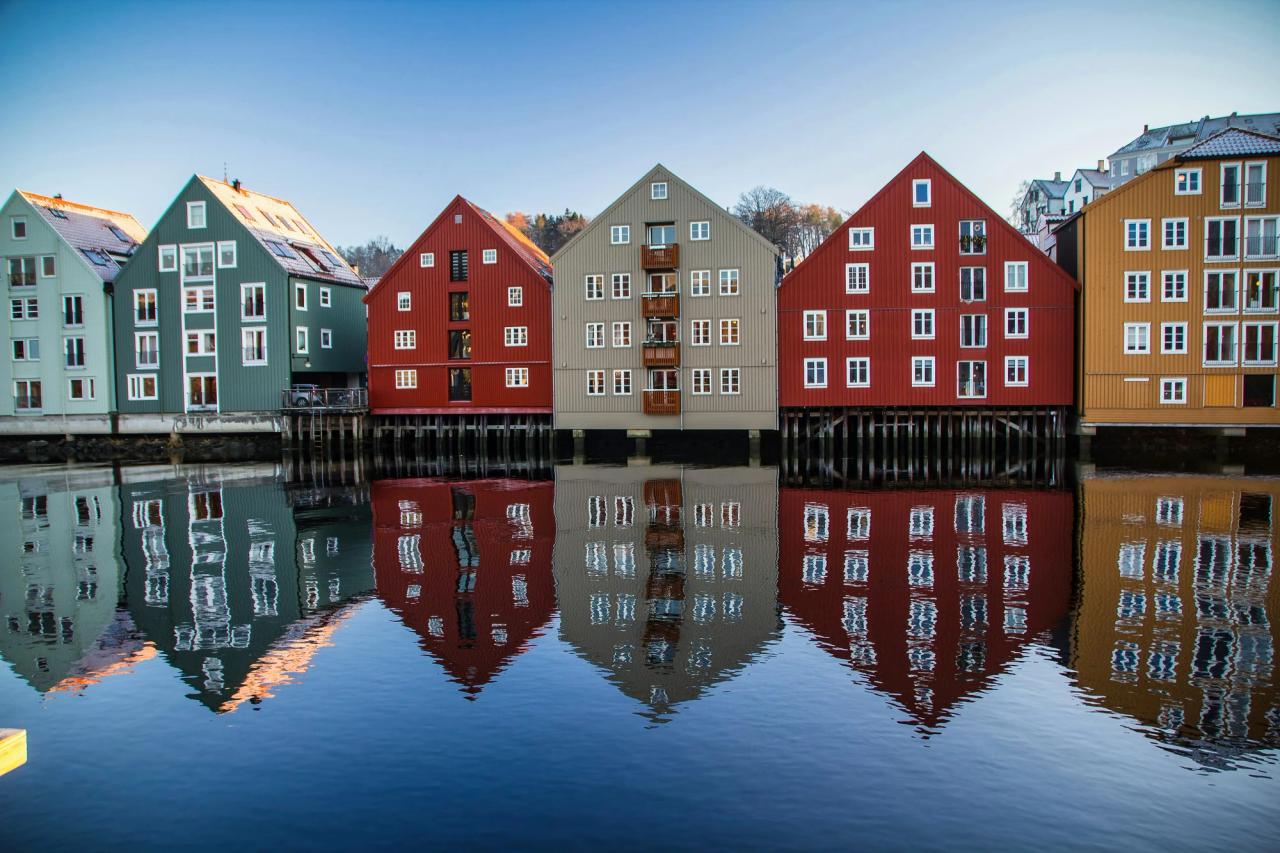

La Norvegia si colloca costantemente tra i migliori paesi al mondo per qualità della vita, offrendo agli espatriati una miscela unica di straordinaria bellezza naturale, solido welfare sociale e un’economia dinamica alimentata dalla ricchezza di petrolio e gas. Che tu sia attratto dalle opportunità di carriera, dalla famosa cultura friluftsliv (vita all'aria aperta) o dalla promessa di stipendi elevati che compensino il notoriamente elevato costo della vita del paese, questa guida copre tutto ciò che devi sapere su come rendere la Norvegia la tua casa nel 2026.
La Norvegia in breve
- Popolazione
- 5,5 milioni
- Capitale
- Oslo (it)
- Valuta
- Corona norvegese (NOK)
- Stipendio medio
- 600.000-700.000 NOK/anno (≈€52.000-€61.000)
- Lingua
- norvegese (Bokmål, Nynorsk); Inglese ampiamente parlato
- Clima
- Temperato costiero nel sud; Artico nel nord; inverni lunghi, estati brevi
- Fuso orario
- CET (UTC+1); CEST in estate
Perché trasferirsi in Norvegia nel 2026
- Stipendi più alti d’Europa: la Norvegia offre alcuni degli stipendi medi più alti a livello globale, con pacchetti retributivi competitivi che spesso compensano ampiamente l’alto costo della vita.
- Previdenza sociale di livello mondiale: il Folketrygden (sistema di previdenza nazionale) fornisce assistenza sanitaria universale, generosi congedi parentali, indennità di disoccupazione e un solido sistema pensionistico finanziato dalla ricchezza petrolifera.
- Splendido ambiente naturale: dai fiordi al sole di mezzanotte, la Norvegia offre un accesso all'aria aperta senza pari. La cultura friluftsliv incoraggia l'escursionismo, lo sci e le attività all'aperto tutto l'anno.
- Economia e mercato del lavoro forti: nonostante sia un paese piccolo, la Norvegia ha un’economia diversificata con una forte domanda di lavoratori qualificati nei settori tecnologico, sanitario, ingegneristico ed energetico.
- Società egualitaria: la Norvegia si classifica costantemente come uno dei paesi più egualitari del mondo, con una bassa corruzione, forti tutele dei lavoratori e una struttura sociale piatta in cui janteloven promuove l'umiltà rispetto all'individualismo.
- Qualità della vita: il concetto danese di koselig (intimità) si estende alla Norvegia, creando comunità calde e accoglienti nonostante le lunghe notti invernali. Eccellenti servizi pubblici, bassa criminalità e infrastrutture ben mantenute rendono la Norvegia ideale per le famiglie.
Costi di trasloco in Norvegia
Comprendere gli aspetti finanziari del tuo trasloco è fondamentale per una corretta pianificazione. I costi di trasloco in Norvegia variano in modo significativo in base al paese di origine e al volume dei beni domestici.
| Origine | Intervallo di costo stimato | Contenitore/Volume |
|---|---|---|
| UE/SEE | circa 2,000-8,000 NOK | 1-3 m³ (it) |
| Regno Unito | circa 8,000-15,000 NOK | 1-3 m³ (it) |
| Stati Uniti (costa orientale) | circa 25,000-45,000 NOK | Contenitore da 20 piedi |
| Stati Uniti (costa occidentale) | circa 30,000-55,000 NOK | Contenitore da 20 piedi |
| Canada (it) | circa 25,000-50,000 NOK | Contenitore da 20 piedi |
| Australia (it) | circa 40,000-70,000 NOK | Contenitore da 20 piedi |
Spiegazione dei costi dei componenti
- Trasporti: il trasporto marittimo dall'UE richiede 3-7 giorni (5.000-15.000 NOK); dal Nord America 2-4 settimane (20.000-40.000 NOK). Il trasporto aereo costa 80-150 NOK al kg ma arriva in 2-5 giorni.
- Assicurazione: assicurazione marittima per beni domestici in genere pari all'1-2% del valore dichiarato. Garantisci che la copertura includa lo sdoganamento norvegese e la consegna porta a porta.
- Sdoganamento: la Norvegia NON fa parte dell'UE. Il dazio all'importazione varia dallo 0 al 10% a seconda della categoria della merce, più il 25% di IVA sul valore CIF. Gli agenti di liquidazione professionisti fanno pagare 2.000-5.000 NOK.
- Materiali di imballaggio: scatole di cartone (150-250 NOK ciascuna), pluriball, nastro adesivo e servizi di imballaggio professionali (3.000-8.000 NOK per il pacco completo).
- Stoccaggio (se necessario): lo stoccaggio a clima controllato in Norvegia costa 800-1.500 NOK per metro cubo al mese.
- Spese amministrative: la dogana norvegese richiede dichiarazioni di inventario in norvegese o inglese. Le richieste di visto e permesso di soggiorno tramite UDI (Utlendingsdirektoratet) comportano tariffe separate.
Hai bisogno di un preventivo personalizzato?
Ottieni tre preventivi controllati di società di traslochi in meno di 48 ore.
Requisiti di visto e residenza
La Norvegia opera secondo le norme sulla libertà di movimento dell’UE/SEE pur mantenendo il proprio sistema di immigrazione al di fuori dell’UE. Tutti i visti devono essere richiesti tramite UDI (Utlendingsdirektoratet), con tempi di elaborazione che variano in modo significativo in base alla nazionalità e al tipo di permesso.
Per i cittadini UE/SEE
I cittadini dei paesi UE/SEE (tra cui UE-27, Islanda, Liechtenstein e Svizzera) hanno ampi diritti ai sensi dell'accordo SEE. Puoi vivere e lavorare in Norvegia senza visto o permesso di soggiorno. Tuttavia, se il soggiorno supera i tre mesi, è necessario registrarsi presso la polizia (anagrafe nazionale) utilizzando il modulo RB1.
- Registrazione richiesta: entro tre mesi dall'arrivo
- Documenti necessari: passaporto/carta d'identità validi, contratto di lavoro o prova di lavoro autonomo, prova di fondi sufficienti, contratto di affitto o proprietà dell'immobile
- Certificato di registrazione UE/SEE: concesso immediatamente dopo aver fornito la documentazione; nessuna tassa
Se provieni da un paese dell'UE/SEE e hai intenzione di lavorare, sei automaticamente coperto dal sistema di previdenza nazionale norvegese al momento della registrazione.
Per i cittadini non UE/SEE: principali categorie di visti
Permesso di lavoratore specializzato (Eget arbeidstaker)
- Requisiti: offerta di lavoro da parte di un datore di lavoro norvegese che soddisfa la soglia salariale minima (attualmente minimo 500.000 NOK/anno per la maggior parte delle occupazioni), qualifiche pertinenti. Il datore di lavoro deve dimostrare che non era disponibile alcun candidato qualificato UE/SEE.
- Tempo di elaborazione: 4-8 settimane (prioritario) o 3-6 mesi (normale)
- Durata: Valido fino a 2 anni; rinnovabile; porta alla residenza permanente dopo 3-4 anni
- Dettagli chiave: Percorso più comune per i professionisti. Richiede una decisione positiva da parte del NAV (Arbeids- og velferdsetaten) che confermi che la posizione non può essere ricoperta a livello nazionale.
Carta Blu UE
- Requisiti: offerta di lavoro che rispetti la soglia salariale (attualmente minimo 509.052 NOK/anno), titolo universitario di almeno 3 anni, contratto di lavoro valido.
- Tempo di elaborazione: 4-8 settimane
- Durata: validità 2 anni, rinnovabile
- Dettagli chiave: Fornisce mobilità all'interno dell'UE dopo il periodo iniziale. La famiglia può accompagnare. Richiede la prova dell'assicurazione sanitaria.
Permesso di soggiorno per studenti
- Requisiti: ammissione ad un istituto scolastico norvegese riconosciuto, prova di fondi sufficienti (minimo 131.000 NOK/anno), assicurazione sanitaria.
- Tempo di elaborazione: 2-4 settimane
- Durata: durata del programma di studio
- Dettagli chiave: lavoro part-time consentito (20 ore settimanali). Il periodo post-laurea prevede un periodo di ricerca di lavoro di 6 mesi.
Permesso di immigrazione familiare
- Requisiti: familiare stretto in Norvegia (coniuge, partner registrato, partner convivente, figli sotto i 18 anni). lo sponsor deve avere un reddito adeguato e un alloggio adeguato.
- Tempo di elaborazione: 3-6 mesi
- Durata: Rinnovabile; porta alla residenza permanente dopo un periodo specificato
- Dettagli chiave: è richiesta la convivenza congiunta. I requisiti finanziari si applicano allo sponsor.
Permesso di lavoro autonomo
- Requisiti: business plan, prova di capitale sufficiente, qualifiche professionali pertinenti.
- Tempo di elaborazione: 4-8 settimane
- Durata: basata sulla fattibilità del piano aziendale
- Dettagli chiave: raramente concesso; deve dimostrare un’autentica attività economica a vantaggio della Norvegia.
Registrazione: il numero D e il Fødselsnummer
Ogni residente legale in Norvegia deve registrarsi presso le autorità fiscali. A differenza della Germania, la registrazione è unificata tramite Skateetaten (l'amministrazione fiscale).
Il numero D (numero D)
I cittadini non UE/SEE senza un numero di carta d'identità nazionale norvegese ricevono un numero D temporaneo al momento della registrazione iniziale. Questo numero di 11 cifre inizia con "4" e ti consente di:
- Apri un conto bancario
- Lavora legalmente
- Accedi all'assistenza sanitaria
- Firmare contratti di noleggio
- Pagare le tasse e i contributi sociali
Il numero D viene rilasciato presso l'ufficio delle imposte locale (Skattekontoret) dopo aver registrato la tua residenza. Avrai bisogno di:
- Passaporto valido
- Permesso di soggiorno (se applicabile)
- Prova dell'indirizzo (contratto di affitto o conferma del proprietario)
- Contratto di lavoro o prova di studi
Il Fødselsnummer (numero di nascita)
Se rimani in Norvegia per più di sei mesi e diventi residente fiscale, riceverai un fødselsnummer permanente (numero di identificazione personale di 11 cifre). Questo numero è essenziale per:
- Accesso bancario completo
- Iscrizione sanitaria
- Vantaggi del NAV
- Scambio patente di guida norvegese
- Qualsiasi interazione con il governo
Procedura: recarsi all'ufficio delle imposte locale con il passaporto e la documentazione di residenza. La registrazione fiscale è automatica quando registri la tua residenza presso la polizia (per UE/SEE) o con UDI (per cittadini non UE/SEE).
Trovare un alloggio in Norvegia
Il mercato immobiliare norvegese è competitivo, soprattutto nelle principali città. Il mercato è caratterizzato da forti tutele per gli inquilini ma da un’offerta limitata nelle aree desiderabili. La maggior parte degli affitti non sono ammobiliati e la cultura dell'affitto differisce notevolmente da quella dell'Europa continentale.
Affitti medi per le principali città (2026)
| Città | Centro città con 1 camera da letto | 1 camera da letto periferia/fuori centro | Centro città con 3 camere da letto | Competitività del mercato |
|---|---|---|---|---|
| Oslo (it) | circa 16,000-22,000 NOK | circa 12,000-16,000 NOK | circa 28,000-40,000 NOK | Molto alto |
| Bergen (it) | circa 12,000-18,000 NOK | circa 9,000-13,000 NOK | circa 20,000-28,000 NOK | Alto |
| Trondheim (it) | circa 10,000-15,000 NOK | circa 8,000-12,000 NOK | circa 16,000-24,000 NOK | Moderato-Alto |
| Stavanger (it) | circa 13,000-18,000 NOK | circa 10,000-14,000 NOK | circa 22,000-30,000 NOK | Alto |
| Tromsø (it) | circa 10,000-14,000 NOK | circa 8,000-11,000 NOK | circa 16,000-22,000 NOK | Moderare |
Terminologia in affitto
- Leie: parola norvegese per "affitto"
- Partecipazione a Kall: alcuni affitti escludono il riscaldamento (kall = freddo), quindi conferma cosa è incluso: gli inverni norvegesi richiedono un riscaldamento robusto.
- Deposito (Depositum): Sempre 2-3 mesi di affitto, depositati su un conto di deposito presso la banca.
- Precondizioni: precondizioni, come referenze, requisiti di reddito o verifica dell'occupazione.
- Fellesutgifter: costi comuni (manutenzione, assicurazione edilizia, spalatura dell'erba) nelle borettslag (cooperative di edilizia abitativa).
Come trovare alloggio
Piattaforme online:
- Finn.no: il mercato più grande della Norvegia; la sezione dedicata agli alloggi è la più completa. Richiede una risposta rapida: gli annunci validi scompaiono nel giro di poche ore.
- Hybel.no: popolare per alloggi condivisi e appartamenti più piccoli. Interfaccia user-friendly con messaggistica diretta.
- Utleiemegleren: Gestione immobiliare professionale; qualità più elevata ma anche affitti più elevati.
- Gruppi Facebook: cerca i gruppi "Utleie [Città]"; i proprietari spesso pubblicano direttamente e puoi evitare le spese di agenzia.
Risorse locali:
- Alloggi per studenti: SiO (Studentsamskipnaden Oslo) e agenzie locali equivalenti gestiscono opzioni convenienti nella maggior parte delle città universitarie.
- Aziende: alcuni datori di lavoro (in particolare nel settore petrolifero/gas e tecnologico) collaborano con fornitori di alloggi per il personale in entrata.
- Agenzie immobiliari (Megler): utilizzate per gli acquisti, meno comuni per gli affitti; addebitare commissioni agli acquirenti.
Suggerimenti per gli stranieri che trovano alloggio
- Inizia presto: inizia la ricerca dell'appartamento 2-3 mesi prima dell'arrivo; il mercato si muove velocemente e le visualizzazioni avvengono rapidamente.
- Preparati a pagare: tieni pronto l'affitto e il deposito del primo mese (3-4 mesi in totale); i proprietari spesso selezionano gli inquilini che possono pagare velocemente.
- Crea un CV norvegese: usa il formato norvegese (non Europass). Includi il tuo numero D/fødselsnummer una volta ottenuto.
- La conoscenza del norvegese aiuta: sebbene l'inglese sia ampiamente parlato, i proprietari spesso preferiscono gli inquilini norvegesi: impara le frasi di base.
- Usa una referenza: la referenza di un datore di lavoro norvegese o un contatto locale migliora significativamente le tue possibilità.
- Considera la periferia: le aree a 20-30 minuti dai centri città offrono affitti inferiori del 20-40% e più stock disponibile.
- Partecipare alle visite (visninger): sii fisicamente presente, fai domande e mostra un interesse genuino: i proprietari norvegesi apprezzano il coinvolgimento degli inquilini.
Contratto di noleggio e tutela legale
La legge norvegese sugli inquilini (husleieloven) prevede forti tutele:
- Durata minima del contratto di locazione: spesso 1-3 anni; si accettano locazioni periodiche mese per mese successivo al periodo iniziale con congruo preavviso.
- Periodi di preavviso: minimo 1 mese per locazioni periodiche; più lunghi per i contratti a tempo determinato.
- Aumenti degli affitti: limitati all’indice dei prezzi al consumo più 1%; non può essere aumentato durante il primo anno.
- Tutela della risoluzione: i proprietari devono avere motivi documentati per recedere; i diritti degli inquilini sono fortemente tutelati.
- Restituzione dei depositi: i proprietari devono restituire i depositi entro 14 giorni dalla risoluzione del contratto, al netto di eventuali danni documentati.
Attenzione: truffe sugli affitti
Le truffe sugli affitti norvegesi sono prevalenti, soprattutto su Finn.no:
- Non pagare mai prima della visione: i segnali d'allarme includono scuse per la mancata visione o l'insistenza sul pagamento anticipato.
- Verificare la proprietà: richiedere la documentazione dell'immobile; i veri proprietari lo forniscono.
- Diffidare del "troppo economico": se l'affitto sembra significativamente inferiore al mercato, è probabile che si tratti di una truffa.
- Nessuna commissione per i proprietari stranieri: gli affitti norvegesi legittimi non richiedono mai pagamenti su conti esteri.
- Utilizzare estrHvite (scrittura): ottenere sempre contratti di noleggio per iscritto con termini chiari; gli accordi verbali sono giuridicamente vincolanti ma più difficili da applicare.
Sanità e assicurazioni
La Norvegia gestisce uno dei sistemi sanitari pubblici più completi al mondo, finanziato attraverso il Folketrygden (programma di previdenza nazionale) e la tassazione generale. La qualità dell'assistenza è eccellente, anche se i tempi di attesa per le situazioni non urgenti possono essere più lunghi rispetto ai sistemi privati.
Sanità pubblica
Folketrygden (it)
- Costo: finanziato tramite tasse e contributi previdenziali (circa l'8% del reddito). Nessun pagamento diretto al punto di utilizzo per i servizi coperti.
- Copertura: comprende visite mediche, cure ospedaliere, prescrizione di farmaci (con sussidio), salute mentale, cure odontoiatriche (per i minori di 18 anni, in parte per gli adulti) e fisioterapia.
- Idoneità: tutti i residenti registrati con un fødselsnummer sono automaticamente coperti. I cittadini UE/SEE che utilizzano la TEAM mantengono temporaneamente la copertura dal proprio paese d'origine.
- Ideale per: tutti: costituisce la base dell'assistenza sanitaria in Norvegia. Tutti i residenti legali devono registrarsi immediatamente dopo aver ricevuto il loro fødselsnummer.
Assicurazione sanitaria privata
- Costo: 3.000-12.000 NOK/mese a seconda della copertura e dell'età
- Copertura: l'assicurazione privata riduce significativamente i tempi di attesa, fornisce una copertura più ampia per cure odontoiatriche e fisioterapiche e offre camere ospedaliere private.
- Idoneità: aperto a tutti i residenti; nessuna visita medica richiesta per le polizze di base.
- Ideale per: coloro che possono permettersi un accesso più rapido agli specialisti, coloro che hanno esigenze sanitarie specifiche o coloro che preferiscono professionisti di lingua inglese (più comuni nel settore privato).
I migliori fornitori di assicurazioni
- DNB Forsikring: grande assicuratore norvegese che offre un'assicurazione sanitaria e di viaggio completa; buon servizio in lingua inglese.
- Fremtind Forsikring: parte del gruppo DNB; prezzi competitivi.
- Se Forsikring: assicuratore nordico noto per i sinistri semplici; forte presenza in Norvegia.
- Blue Cross Norge: opzioni convenienti, in particolare per l'assicurazione di viaggio.
Ottenere la copertura sanitaria (Cronologia)
-
All'arrivo
Registrati per il tuo numero D presso l'ufficio delle imposte locale
-
Entro la prima settimana
Richiedi il tuo fødselsnummer (se soggiorni a lungo termine)
-
Entro il primo mese
Visita il tuo legevakt locale (clinica di emergenza) o fastlege (medico regolare) per registrarti con un medico di famiglia
-
Ricevi la tua "helsekort" (tessera sanitaria)
Inviato automaticamente una volta registrato nel sistema
-
Scarica l'app HelseNorge
Accedi a cartelle cliniche, cronologia delle prescrizioni e prenota appuntamenti
Costi vivi
- Visite mediche: 200-350 NOK (con sussidio di Folketrygden)
- Farmaci da prescrizione: sovvenzionati; tipicamente 0-500 NOK a seconda del tipo di farmaco
- Odontoiatria (adulti): Costo intero; controllo di routine 500-1.500 NOK
- Ospedale: Gratuito per le prestazioni coperte; piccola tariffa giornaliera per le cure ospedaliere (circa 150 NOK/giorno)
- Cure di emergenza: coperte da Folketrygden; visite urgenti 200-350 NOK
Ottieni un piano di trasloco personalizzato
Lascia la tua email e ti invieremo una lista di controllo personalizzata più tre preventivi di traslocatori selezionati.
Bancario e finanziario
Il sistema bancario norvegese è sofisticato, moderno e altamente regolamentato. I servizi in lingua inglese sono ampiamente disponibili, ma comprendere la terminologia locale aiuta notevolmente.
Apertura di un conto bancario
- Quando: non appena ricevi il tuo numero D o fødselsnummer; non puoi aprire un conto bancario norvegese senza la prova della residenza norvegese
- Documenti richiesti: passaporto valido, numero D/fødselsnummer, prova di indirizzo (contratto di affitto o lettera del proprietario), contratto di lavoro o prova di iscrizione
- Tempo di elaborazione: 1-3 giorni lavorativi per l'account base; alcune banche offrono l'apertura immediata di conti dalla Norvegia
Migliori banche per expat
DNB
- Norway's largest bank
- excellent English-language support
- user-friendly app
- comprehensive services.
Nordea
- Pan-Scandinavian bank
- strong corporate services
- good for those with Nordic connections.
Sparebank 1
- Cooperative of regional savings banks
- often better interest rates on savings and more personalized service.
Handelsbanken
- Premium banking focused on personal relationships
- higher fees but dedicated advisors.
Sbanken
- Digital-first bank
- attractive interest rates
- fully English online platform
- no branch network.
Le migliori banche per gli espatriati:
DNB: la più grande banca norvegese; eccellente supporto in lingua inglese, app intuitiva, servizi completi.
- Nordea: banca pan-scandinava; servizi aziendali forti, buoni per chi ha collegamenti nordici.
- Sparebank 1: cooperativa delle casse di risparmio regionali; tassi di interesse sui risparmi spesso migliori e un servizio più personalizzato.
- Handelsbanken: servizi bancari premium focalizzati sulle relazioni personali; commissioni più alte ma consulenti dedicati.
Sbanken: prima banca digitale; tassi di interesse interessanti, piattaforma online completamente in inglese, nessuna rete di filiali.
Credito e storia finanziaria
- La Norvegia non ha un'agenzia centrale di rating del credito simile alla tedesca SCHUFA. Invece, la strategia finanziaria è costruita attraverso:
- Agenzia Innkreving: raccoglie dati su debiti non pagati e inadempienze; le voci negative restano per anni
- Valutazione della solvibilità gratuita: chiunque può richiedere il proprio rapporto di solvibilità a Bisnode o ad agenzie simili
Credito edilizio: la verifica bancaria del reddito e dell'occupazione stabile è l'indicatore primario; nessun punteggio di credito influisce sulla maggior parte delle banche norvegesi
| Caratteristica | Costo tipico |
|---|---|
| Commissione mensile sul conto | 0-150 NOK (molte banche offrono conti gratuiti) |
| Carta di debito | Gratuito con la maggior parte degli account |
| Carta di credito | 300-700 NOK/anno (molte carte premium includono un'assicurazione di viaggio) |
| Bonifici internazionali (SWIFT) | 50-150 NOK per trasferimento; usa Revolut/Wise per tariffe migliori |
| Prelievi bancomat | Gratuito presso gli sportelli ATM della propria banca; 10-20 NOK negli altri |
Cultura del pagamento
La Norvegia è una delle società al mondo con il minor numero di contanti:
- Dominanza delle carte: quasi tutte le transazioni avvengono tramite carta; i contanti vengono usati raramente
- Senza contatto: accettazione quasi universale; Il servizio tap-to-pay funziona per tutti gli importi inferiori a 1.000 NOK
- Pagamento mobile: domina Vipps (app norvegese); praticamente tutti i pagamenti da persona a persona utilizzano Vipps
- BankID: il sistema di accesso sicuro utilizzato per qualsiasi cosa, dai servizi bancari ai servizi governativi; essenziali per la vita quotidiana
Costo della vita in Norvegia
La Norvegia è costantemente classificata tra i paesi più costosi del mondo. Sebbene gli stipendi siano ben compensati, la pianificazione accurata del budget è essenziale. Tutti i dati sono espressi in corona norvegese (NOK).
Ripartizione del budget mensile per città
| Città | Persona singola (moderata) | Famiglia di 3 persone (moderato) | Livello di costo |
|---|---|---|---|
| Oslo (it) | circa 20,000-28,000 NOK | circa 40,000-55,000 NOK | Molto alto |
| Bergen (it) | circa 16,000-22,000 NOK | circa 32,000-45,000 NOK | Alto |
| Trondheim (it) | circa 14,000-20,000 NOK | circa 28,000-38,000 NOK | Alto |
| Stavanger (it) | circa 16,000-22,000 NOK | circa 32,000-44,000 NOK | Alto |
| Tromsø (it) | circa 14,000-19,000 NOK | circa 28,000-36,000 NOK | Alto |
Ripartizione dettagliata dei costi
Alloggiamento:
- Appartamento con 1 camera da letto (centro città): 12.000-22.000 NOK
- Appartamento con 3 camere da letto (centro città): 22.000-40.000 NOK
- Utenze (elettricità, riscaldamento, acqua): 1.500-2.500 NOK/mese (spesso non incluse)
- Internet/TV: 400-700 NOK/mese
Generi alimentari e cibo:
- Spesa settimanale (persona singola): 600-900 NOK
- Caffè al bar: 40-60 NOK
- Pasto al ristorante (informale): 200-350 NOK
- Pasto al ristorante (di fascia media, tre portate): 600-1.000 NOK
Trasporti:
- Trasporto pubblico mensile (città): 700-1.100 NOK
- Taxi (inizio): 120-180 NOK
- Assicurazione auto (casco): 4.000-8.000 NOK/anno
- Carburante (per litro): 18-20 NOK
Tempo libero e intrattenimento:
- Abbonamento in palestra: 400-800 NOK/mese
- Biglietto del cinema: 180-260 NOK
- Servizi di streaming (Netflix, ecc.): 70-150 NOK/mese
- Alcol (birra al bar): 80-120 NOK; bicchiere di vino: 120-180 NOK; liquore: 150-250 NOK
Confronto con altri paesi
- rispetto alla Svezia: la Norvegia è complessivamente più cara di circa il 15-25%.
- vs. Danimarca: costo della vita simile; Copenaghen paragonabile a Oslo
- vs. Germania: la Norvegia è circa il 40-60% più cara, in particolare per l'alloggio e l'alcol
- vs. Regno Unito: misto: alloggio e alcolici più costosi in Norvegia; generi alimentari e servizi di pubblica utilità comparabili
Suggerimenti per risparmiare denaro
- Acquista da Rema 1000, Kiwi o Prix
- Queste catene di sconti offrono prezzi significativamente più bassi rispetto ai supermercati di fascia alta
- Acquista alcol da Vinmonopolet
- I negozi di liquori gestiti dallo Stato offrono prezzi migliori rispetto ai bar (sebbene siano ancora costosi per gli standard internazionali); Systembolaget in Svezia è più economico
- Utilizza le offerte "helg" (fine settimana).
- Molti supermercati offrono sconti dal venerdì alla domenica sui prodotti in scadenza
- Trasporto pubblico su auto
- Le automobili sono pesantemente tassate; Gli abbonamenti per i trasporti pubblici sono molto più economici rispetto al possesso di un’auto nelle città
- Attività ricreative all'aperto GRATUITE
- Le più grandi risorse della Norvegia (escursionismo, sci, fiordi) sono gratuite: approfitta della cultura friluftsliv
- Supermercati internazionali a Oslo
- I negozi asiatici e mediorientali a Grünerløkka offrono un eccellente rapporto qualità-prezzo per prodotti e beni di prima necessità
- Acquisto in blocco di club
- Costco e altri club all'ingrosso offrono risparmi significativi sui beni di prima necessità per le famiglie
Suggerimenti su lingua e cultura
Le competenze linguistiche in norvegese sono importanti per l’integrazione a lungo termine, ma l’inglese è notevolmente diffuso, soprattutto in contesti professionali e tra i norvegesi più giovani.
Hai bisogno del norvegese?
Nella vita quotidiana: in genere no. La capacità di parlare inglese è tra le più alte a livello globale; supermercati, trasporti pubblici e la maggior parte dei servizi operano in inglese senza problemi.
In contesti professionali: i lavori di livello superiore richiedono sempre più il norvegese, soprattutto nei ruoli nel settore sanitario, dell'istruzione e nel settore pubblico. Impara la terminologia professionale specifica se lavori in settori specializzati.
Nell'integrazione sociale: sì, fondamentalmente. Le amicizie profonde, il coinvolgimento della comunità e la comprensione della cultura e dei media norvegesi richiedono il linguaggio. I norvegesi generalmente passano all'inglese quando si rivolgono agli stranieri, anche quando preferiresti praticare il norvegese.
Livelli di lingua norvegese (QCER)
- A1 (Principiante): Sa presentarsi, porre domande di base, comprendere frasi molto comuni. Cronologia: 1-3 mesi di apprendimento casuale.
- A2 (Elementare): Può gestire transazioni semplici, descrivere il proprio background, discutere attività di routine. Tempistica: 3-6 mesi.
- B1 (Intermedio): Può gestire la maggior parte delle situazioni di viaggio, esprimere opinioni su argomenti familiari, descrivere sogni e ambizioni. Cronologia: 6-12 mesi di studio mirato.
- B2 (Intermedio superiore): Può interagire con un certo grado di fluidità, comprendere la maggior parte delle conversazioni, discutere argomenti complessi. Cronologia: immersione minima di 1-2 anni.
Note sulla lingua: il norvegese ha due standard scritti: Bokmål (il più comune, derivato dal danese) e Nynorsk (usato in contesti amministrativi). Sono entrambi considerati "norvegesi" e gli oratori li capiscono entrambi. I dialetti variano notevolmente in base alla regione: se impari il Bokmål, capirai il materiale scritto ma potresti avere difficoltà con i dialetti parlati.
Risorse per l'apprendimento delle lingue
- Duolingo/Babbel: utile per il vocabolario e la struttura di base; non è sufficiente da solo per la fluidità.
- Folkeuniversitetet: istruzione per adulti sovvenzionata dal governo norvegese; lezioni serali a prezzi accessibili a livello nazionale.
- Kurs Norwegian: corsi intensivi specifici per espatriati; disponibile nelle principali città.
- Canali YouTube: "Impara il norvegese con Odd", "Norsk med Sandra" offrono lezioni strutturate gratuite.
- Incontri di scambio linguistico: trova partner di conversazione agli eventi per espatriati; la maggior parte dei norvegesi è desiderosa di praticare il proprio inglese.
Norme culturali ed etichetta
Janteloven (La legge di Jante):
- Principio fondamentale: nessuno dovrebbe credere di essere speciale o migliore degli altri
- Si manifesta in: modestia riguardo ai risultati ottenuti, riluttanza a discutere del successo personale, processo decisionale collettivo
- Non sorprenderti se: i colleghi evitano i complimenti, le persone evitano di mostrare apertamente lo stato, la gerarchia rimane piatta nonostante i titoli
Friluftsliv (Vita all'aria aperta):
- I norvegesi danno priorità alle attività all'aperto indipendentemente dal tempo: vestirsi in modo appropriato per tutte le condizioni
- "Going for a tur" (escursione) è un passatempo nazionale; offrirsi di unirsi ai colleghi nelle escursioni del fine settimana
- Il diritto di accesso norvegese (allemannsretten) consente l'accesso escursionistico alla maggior parte del territorio, rispettando la natura e non lasciando tracce
Koselig (Intimità):
- Crea atmosfere calde e accoglienti: candele, luci soffuse, riunioni confortevoli
- Include il concetto di "hygge" dalle radici danesi; fondamentale del comfort sociale norvegese
- Gli inviti a casa segnalano un'accettazione genuina; portare un piccolo regalo (fiori, vino, dolci)
Egualitarismo e uguaglianza:
- La Norvegia è considerata una delle società al mondo con la maggiore parità di genere e socialmente piatta
- Usa "du" ("tu" informale) anziché titoli formali: riflette la struttura sociale piatta
- Gli stili di comunicazione diretta sono normali; il feedback viene fornito chiaramente senza offesa implicita
- Il congedo parentale condiviso (46 settimane a retribuzione intera) riflette la politica ufficiale che dà priorità all’uguaglianza familiare
Cultura dell'alcol:
- Regolamentazioni severe: Vinmonopolet (monopolio di stato) controlla tutte le vendite di vino e liquori; birra disponibile nei negozi di alimentari
- Bere sociale: i norvegesi spesso bevono ("forbrenning") prima di uscire a causa dei prezzi elevati dei bar
- Cultura "Skål": i brindisi sono sinceri; Il contatto visivo durante i brindisi è essenziale
- Non guidare mai in stato di ebbrezza: limiti severi e sanzioni elevate; sono previsti autisti designati o mezzi pubblici
Integrazione sociale
- Unisciti a un "turgrouppe": i club escursionistici accolgono i nuovi arrivati; DNT (Den Norske Turistforeninging) offre attività all'aperto organizzate.
- Tutto funziona attraverso le associazioni: club sportivi (idrettslag), gruppi culturali (kor, korps), organizzazioni di volontariato costituiscono la spina dorsale della vita sociale norvegese.
- Il posto di lavoro è l’arena sociale primaria: i colleghi spesso diventano amici; accettare inviti dopo il lavoro.
- Comunità di espatriati: grandi popolazioni di espatriati a Oslo, Bergen e Stavanger; International Female Network, vari gruppi Facebook e Meetup organizzano eventi regolari.
- Usa Vipps: unisciti ai gruppi sociali tramite l'app Vipps: ne avrai bisogno per ogni attività della comunità, dalle quote sportive ai regali di compleanno.
- Impara la lingua, anche se lentamente: i norvegesi sono pazienti con gli studenti di lingue: il tuo impegno è apprezzato più della perfezione.
Lista di controllo in movimento
- Ricercare i requisiti per il visto e preparare la documentazione
- Richiedere il permesso di soggiorno (se richiesto)
- Contatta i datori di lavoro per informazioni su pacchetti di trasferimento o assistenza
- Ricerca opzioni di assicurazione sanitaria (pubblica vs privata)
- Inizia la ricerca di appartamenti tramite Finn.no, Hybel
- Ottieni il certificato di registrazione UE/SEE o preparati per la richiesta UDI
- Ricerca le opzioni di assistenza all'infanzia/scuola, se applicabile
- Prenota il trasloco internazionale e conferma l'inventario
- Spedire oggetti personali o organizzare un deposito temporaneo
- Organizzare un alloggio temporaneo in Norvegia
- Apri un conto di cambio valuta per NOK
- Registrarsi presso le autorità fiscali del paese d'origine, se applicabile
- Ottieni il permesso di guida internazionale se necessario (valido per 12 mesi)
- Trasferimento vaccinazioni e cartelle cliniche
- Avvisa la banca e aggiorna gli indirizzi di fatturazione
- Ricevere il permesso di soggiorno (se applicabile)
- Prepara documenti importanti: passaporto, visto, contratto di lavoro, credenziali accademiche
- Imposta un piano mobile internazionale o cerca fornitori norvegesi
- Scarica le app essenziali: Vipps, BankID (una volta registrato), HelseNorge, Ruter/Kolla/Bergen Billetjer
- Preparare la lettera di referenza del datore di lavoro (per le domande di alloggio)
- Organizzare i documenti di importazione degli animali domestici (se applicabile)
- Annulla utenze, abbonamenti e abbonamenti nel paese d'origine
- Inoltra la posta o imposta il reindirizzamento della posta
- Confezione con scatola degli elementi essenziali: abbigliamento, articoli da toeletta, oggetti di valore, elettronica
- Garantire che tutti i documenti siano accessibili e tradotti se necessario
- Confermare le modalità di conservazione o smaltimento degli oggetti che non si muovono
- Arrivo in Norvegia con tutti i documenti di identificazione
- Procedi all'alloggio: controlla le condizioni e segnala eventuali problemi
- Visita l'ufficio delle imposte locale (Skatteetaten) per registrarti e ottenere il numero D
- Iniziare/eseguire la registrazione del trasferimento aeroportuale (se UE/SEE)
- Visita Skatteetaten per la registrazione fiscale e zurigo/zürich
- Aprire un conto bancario con passaporto e prova di indirizzo/alloggio
- Registrarsi presso l'assistenza sanitaria (elenco pazienti con fastlege)
- Ricevere il fødselsnummer e confermare per iscritto
- Completa la registrazione UE/SEE (se applicabile)
- Iscrivere i bambini a scuola/barnehage (scuola materna), se applicabile
- Richiedi la patente di guida norvegese (se idoneo allo scambio)
- Configura un account Vipps (richiede un conto bancario e un numero di telefono norvegesi)
- Abbonarsi ai trasporti pubblici (abbonamento mensile)
- Confermare l'impostazione dei conti carburante ed elettricità
- Completa la registrazione fiscale e comprendi gli obblighi fiscali
- Partecipare alle riunioni di configurazione del datore di lavoro (attrezzatura personale, contabilità)
- Visita l'ufficio NAV per comprendere i contributi previdenziali
- Esplora il quartiere locale: negozio di alimentari più vicino, farmacia, trasporti pubblici
- Unisciti a DNT o al club escursionistico locale per l'integrazione delle attività all'aperto
- Richiedi la carta con numero di identità norvegese (è richiesta la foto del passaporto)
- Prendi in considerazione l'iscrizione a un corso di lingua presso Folkeuniversitetet
Dove trovare strumenti e risorse
Strumenti ReloAdvisor:
- Calcolatore del volume
- Videoindagine
- Calcolatore dei costi di trasloco
Risorse ufficiali norvegesi:
- UDI (Immigrazione): udi.no
- Skatteetaten (Amministrazione fiscale): skatteetaten.no
- NAV (Lavoro e Welfare): nav.no
- Helsenorge (Sanità): helsenorge.no
- DNT (Associazione escursionistica norvegese): dntsidene.no
- Informazioni sulla patente di guida: vegvesen.no
Comunità di espatriati:
- Gruppo Facebook di espatriati in Norvegia
- Rete femminile internazionale - Norvegia
- Guida Norvegia ReloAdvisor
Guide correlate:
- Trasferirsi in Svezia
- Trasferirsi in Danimarca
- Trasferirsi in Germania