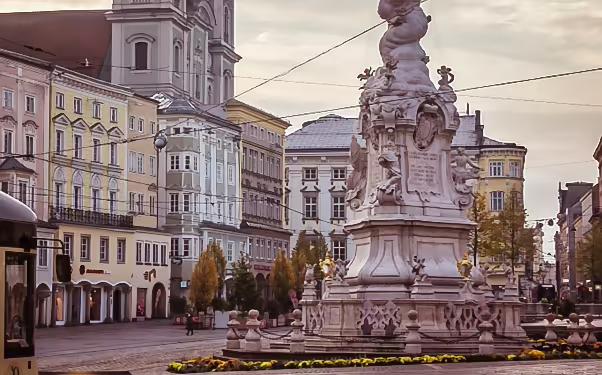

Linz si affaccia sul Danubio nel cuore dell'Alta Austria (Oberösterreich) e unisce una solida vocazione industriale a una scena culturale e tecnologica sorprendentemente vivace. Sede di Voestalpine, uno dei maggiori produttori di acciaio in Europa, e del festival Ars Electronica di fama internazionale, Linz attira in egual misura ingegneri, professionisti IT, ricercatori e creativi. Gli affitti sono inferiori del 20-30% rispetto a Vienna, le rive del Danubio fanno da scenografia quotidiana e l'Università Johannes Kepler ancora un corridoio tecnologico in crescita. Se cerchi una città austriaca di medie dimensioni con concrete opportunità di carriera e costi gestibili, Linz merita un'attenta valutazione.
Linz in sintesi

- Popolazione
- ~212.000 (città); ~290.000 (area metropolitana)
- Regione
- Alta Austria (Oberösterreich), Austria settentrionale
- Famosa per
- Industria siderurgica, Ars Electronica, lungofiume del Danubio, Capitale europea della cultura 2009
- Affitto medio (bilocale)
- €700–€1,000
- Stipendio medio
- ~2.900 €/mese netti
- Comunità di expat
- In crescita; concentrata attorno al campus della JKU, alle aziende tech e alla zona dell'OK Haus
Perché trasferirsi a Linz
- Costo della vita più basso rispetto a Vienna o Salisburgo: affitto, spesa e ristoranti sono sensibilmente più convenienti senza rinunciare alla qualità delle infrastrutture austriache.
- Mercato del lavoro industriale e tech solido: Voestalpine, Dynatrace, KEBA e numerosi fornitori garantiscono una domanda costante di ingegneri, sviluppatori e operai specializzati.
- Compatta e vivibile: si attraversa la città in tram in meno di 25 minuti; la maggior parte dei quartieri dista 15 minuti di bici dal centro.
- Forte impronta culturale: il Lentos Kunstmuseum, l'Ars Electronica Center, la sala da concerto Brucknerhaus e un calendario ricco di eventi rendono Linz tutt'altro che una grigia città industriale.
Aspetti da considerare
- Comunità di expat più piccola: a Linz vive solo una frazione della comunità internazionale di Vienna. Se per te conta una cerchia anglofona ampia, dovrai impegnarti tramite Meetup ed eventi universitari.
- Vita notturna limitata: i bar e i club si concentrano lungo la Landstraße e nell'Altstadt, ma la serata finisce presto e l'offerta resta modesta rispetto a Vienna o Graz.
- Carattere industriale: lo stabilimento Voestalpine alle porte sud della città è un richiamo visivo (e a volte olfattivo) al fatto che Linz è anzitutto una città industriale in attività.
- Collegamenti aerei: l'aeroporto Blue Danube offre solo poche rotte. Per i voli intercontinentali dovrai fare scalo a Vienna o Monaco.
Visti e permessi di soggiorno per l'Austria
Tutti i cittadini extra UE/SEE devono ottenere un visto o un permesso di soggiorno per vivere e lavorare a Linz. Le vie più comuni:
- Carta Rosso-Bianco-Rossa (Rot-Weiss-Rot-Karte): permesso di lavoro a punti per professionisti qualificati. Il datore di lavoro avvia la pratica tramite il servizio pubblico per l'impiego austriaco (AMS). I punti vengono assegnati per istruzione, esperienza lavorativa, età e conoscenza del tedesco.
- Carta blu UE (EU Blue Card): disponibile se hai una laurea e un'offerta di lavoro con uno stipendio pari ad almeno 1,5 volte la media austriaca (63.672 € lordi/anno nel 2026).
- Visto nazionale D: per soggiorni superiori a 90 giorni per lavoro, studio o ricongiungimento familiare.
- Permesso di soggiorno (Aufenthaltsbewilligung): obbligatorio se intendi rimanere oltre sei mesi.
I cittadini UE/SEE devono soltanto registrare la residenza entro quattro mesi dall'arrivo. La registrazione avviene presso il Meldeamt (anagrafe), all'interno del Magistrat Linz (municipio) in Hauptstraße. Riceverai un Meldezettel (certificato di registrazione), indispensabile per quasi tutto ciò che seguirà — aprire un conto, firmare un contratto di affitto, iscriversi al sistema sanitario.
Risorse utili:
- Tipologie di visto e requisiti: https://www.migration.gv.at/en/types-of-immigration/visa/
- Rappresentanze austriache all'estero: https://www.bmeia.gv.at/en/embassies-consulates/search-for-austrian-representation/
Trovare casa a Linz
Affitti medi
| Quartiere | Bilocale | Quadrilocale | Carattere |
|---|---|---|---|
| Innere Stadt (centro storico) | 800–1.000 € | 1.200–1.700 € | Centro storico, percorribile a piedi, prezzi premium |
| Urfahr | 650–850 € | 950–1.400 € | Sull'altra sponda del Danubio, a misura di studente, vivace |
| Ebelsberg | 600–750 € | 900–1.250 € | A misura di famiglia, tranquillo, buon rapporto qualità-prezzo |
| Dornach-Auhof | 600–750 € | 850–1.150 € | Residenziale, vicino alla JKU, prezzi accessibili |
| Pöstlingberg | 850–1.200 € | 1.300–1.800 € | Panorami collinari, fascia alta, immerso nel verde |
Come cercare casa
- Willhaben.at: il portale immobiliare dominante in Austria. Filtra per CAP di Linz (4010–4030) e imposta gli avvisi — i buoni appartamenti vanno via in fretta.
- Housing.at: gestito da GWG, il principale operatore di edilizia popolare di Linz. Unità con tetto di reddito a canoni inferiori al mercato; vale la pena verificare anche da expat.
- ImmobilienScout24.at: portale nazionale con un'offerta dignitosa a Linz, utile per confrontare i prezzi.
- Bacheche e gruppi Facebook della JKU: le reti di expat e studenti dell'università pubblicano spesso subaffitti e stanze in condivisione. Cerca "Wohnung Linz" o "Expat Linz" su Facebook.
- Agenzie immobiliari (Immobilienmakler): RE/MAX e agenzie locali come Schtelnik & Partner gestiscono affitti, ma aspettati una mensilità come commissione.
Consigli per gli expat
- I proprietari chiedono in genere una Kaution (cauzione) di due o tre mensilità di canone freddo (al netto delle spese). La legge fissa il tetto massimo a sei mensilità.
- Se possibile, presenta una prova del reddito o un contratto di lavoro in tedesco; molti proprietari privati lo preferiscono.
- La Wohnbeihilfe (sussidio per l'affitto) è erogata dal governo provinciale dell'Alta Austria alle famiglie con reddito basso. Controlla i limiti di reddito su ooe.gv.at.
- Gli appartamenti vengono pubblicizzati con "Kaltmiete" (canone freddo) più "Betriebskosten" (spese condominiali) più riscaldamento — chiedi sempre la "Warmmiete" (costo totale mensile) per evitare sorprese.
Guida ai quartieri
- Innere Stadt (centro storico): il cuore storico con architettura barocca e medievale intorno a Hauptplatz e alla via dello shopping Landstraße. Ideale per single e coppie che vogliono fare tutto a piedi. Vicino al Lentos, al Brucknerhaus e al Donauufer. Gli affitti sono i più alti della città, ma risparmi sul trasporto.
- Urfahr: a nord del Danubio, collegato dai ponti Nibelungenbrücke e Vöestbrücke. Popolato da studenti grazie alla vicinanza alla JKU, con tante WG (case condivise), locali economici e vita notturna intorno all'OK Haus. Il mercato settimanale Urfahrmarkt del sabato mattina è un'istituzione locale. Affitti nella media.
- Ebelsberg: a sud-est del centro, apprezzato dalle famiglie per i parchi (compresa la grande area ricreativa Ebelsberg), le buone scuole primarie e le strade residenziali più tranquille. Servito dalla linea 3 del tram. Uno dei quartieri più accessibili di Linz.
- Dornach-Auhof: a sud-ovest, accanto al campus JKU. Mix di alloggi universitari, palazzine del dopoguerra e nuove costruzioni. Ideale per studenti, giovani ricercatori e per chi lavora nel polo tecnologico. Qui ha sede la scuola internazionale LISA. Affitti contenuti.
- Pöstlingberg: il quartiere collinare al margine nord di Linz, noto per le viste panoramiche, il tram storico Pöstlingbergbahn (linea 50) e le grandi ville unifamiliari. Attira famiglie agiate e professionisti che cercano verde. Affitti e prezzi di acquisto i più alti di Linz.
- Franckviertel: a est della Hauptbahnhof, una zona emergente con edifici industriali riconvertiti, atelier d'artista e una crescente scena di caffetterie. Più conveniente dell'Innere Stadt. Buoni collegamenti ferroviari e in autobus.
Costo della vita a Linz
Budget mensile in dettaglio
| Categoria | Fascia di budget |
|---|---|
| Affitto (bilocale, centro) | 750–1.000 € |
| Utenze (elettricità, riscaldamento, acqua, rifiuti) | 180–280 € |
| Internet | 30–45 € |
| Spesa alimentare | 300–400 € |
| Trasporti (abbonamento mensile) | 55 € |
| Cene fuori (4 volte/mese) | 90–160 € |
| Tempo libero / palestra | 50–100 € |
| Totale | 1.530–2.160 € |
Costi quotidiani
- Caffè (Melange al bar): 3,20–4,00 €
- Pranzo (informale, piatto del giorno / Mittagsmenü): 8–12 €
- Abbonamento mensile ai mezzi (Linz AG): 55 €
- Birra (0,5 L, Hofer o Wirtshaus): 3,80–4,50 €
- Biglietto del cinema: 9–12 €
- Leberkäse semmel (panino con polpettone, snack tipico): 2,50–3,50 €
Muoversi a Linz
- Trasporti pubblici: Linz AG Linien gestisce quattro linee tranviarie e una fitta rete di autobus. Il biglietto singolo costa 2,20 €; l'abbonamento mensile costa 55 € e copre tutti i tram e gli autobus all'interno della zona urbana. Con l'app Linz Linien puoi acquistare e convalidare i biglietti dal telefono.
- Bicicletta: il terreno pianeggiante lungo il Danubio rende la bici una scelta pratica. La città dispone di oltre 120 km di piste ciclabili. Le stazioni di noleggio Nextbike sono diffuse in città; i primi 30 minuti sono gratuiti con abbonamento.
- Auto: il parcheggio nell'Innere Stadt è regolato da zone a sosta breve (Kurzparkzone) — massimo 1,5 o 3 ore dal lunedì al venerdì. Se vivi in centro è indispensabile un permesso per residenti (Parkpickerl). Il traffico è in genere scorrevole rispetto a Vienna.
- Aeroporto: l'aeroporto di Linz (Blue Danube Airport, LNZ) si trova circa 14 km a sud-ovest della città e offre voli di linea limitati (soprattutto verso Francoforte e rotte stagionali). La maggior parte dei viaggiatori internazionali usa Vienna (2 ore con il Railjet) o Monaco (2,5–3 ore in treno).
- Treni a lunga percorrenza: la Hauptbahnhof di Linz è un grande snodo ÖBB sulla Weststrecke (linea ferroviaria occidentale). I Railjet raggiungono Vienna in 1h20, Salisburgo in 1h10 e Monaco in 2h30. Anche WESTbahn, operatore privato, propone collegamenti concorrenti sulla tratta Vienna–Linz–Salisburgo.
Sanità a Linz
- Ospedali: l'AKh Linz (Allgemeines Krankenhaus der Stadt Linz), in Krankenhausstraße, è il principale ospedale della città e uno dei più grandi dell'Alta Austria. L'Unfallkrankenhaus Linz (AUVA) si occupa di infortuni sul lavoro e traumi urgenti. L'ospedale Barmherzige Brüder (Fatebenefratelli) in Seilerstätte è una rinomata alternativa privata.
- Assicurazione pubblica: una volta assunto, vieni automaticamente iscritto alla ÖGK (Österreichische Gesundheitskasse — Cassa malattia austriaca) tramite trattenute in busta paga. Il Sozialversicherungsnummer (codice di previdenza sociale) viene assegnato al momento della registrazione dell'impiego. La e-card che riceverai funge da prova di copertura presso qualunque medico o farmacia.
- Medici di lingua inglese: la disponibilità è discreta ma non abbondante. La maggior concentrazione si trova nei pressi del campus JKU e nell'Innere Stadt. La ricerca online dei medici della ÖGK (gesundheitskasse.at) consente di filtrare per lingua. Molti specialisti dell'AKh Linz parlano inglese.
- Farmacie (Apotheken): presenti in ogni quartiere; quella di Hauptplatz osserva orari prolungati. Le farmacie di turno notturno (Notdienst) ruotano — controlla linz.ag o gli avvisi affissi a ogni farmacia.
- Numero di emergenza: 112 (numero unico europeo); 144 (ambulanza austriaca diretta).
Ricevi un piano di trasloco personalizzato
Lascia la tua e-mail e ti invieremo una checklist su misura piu tre preventivi da traslocatori verificati.
Banche e fisco
Aprire un conto in banca
Ti serviranno passaporto o documento d'identità validi, il Meldezettel (certificato di residenza) e idealmente il Sozialversicherungsnummer. Principali banche con filiali a Linz:
- Raiffeisenlandesbank OÖ: presenza regionale più forte; la filiale in Landstraße è abituata agli expat.
- Erste Bank: filiali in tutta la città; offre un'interfaccia di home banking in inglese.
- Bank Austria (UniCredit): buoni servizi digitali; la filiale di Hauptplatz gestisce regolarmente clientela internazionale.
- Flatex / DADAT: opzioni a vocazione online da valutare se vai di rado in filiale.
La maggior parte dei conti costa 2–5 €/mese di spese di gestione. Un Girokonto (conto corrente) con carta di debito (Bankomatkarte) è lo standard ed è sufficiente per la vita quotidiana.
Tasse
Se trascorri più di 183 giorni all'anno in Austria sei residente fiscale e tassato sul reddito mondiale. L'imposta sul reddito (Einkommensteuer) è progressiva, dallo 0% al 55%. Lo Steuernummer (codice fiscale) ti viene assegnato dal Finanzamt Linz (ufficio delle imposte in Mozartstraße). Ai dipendenti l'IRPEF e i contributi previdenziali vengono trattenuti automaticamente dal datore di lavoro tramite la Lohnversteuerung (ritenuta in busta paga). L'Austria ha convenzioni contro le doppie imposizioni con oltre 90 paesi: verifica se l'accordo con il tuo paese di origine evita la doppia tassazione.
Patente di guida e importazione dell'auto
Le patenti UE/SEE possono essere convertite presso il Magistrat di Linz senza esami. I titolari di patenti extra UE devono convertirle entro sei mesi dall'assunzione della residenza — la maggior parte dei paesi extra UE richiede sia l'esame teorico sia quello pratico in tedesco. Se importi un'auto da fuori UE devi dichiararla al Zollamt Österreich (dogana austriaca), pagare dazi e IVA dovuti, superare la revisione tecnica e immatricolarla presso la Bezirkshauptmannschaft locale (autorità distrettuale) o il Magistrat. Le auto possedute e utilizzate all'estero per almeno sei mesi prima del trasferimento possono beneficiare dell'importazione esente da dazi per trasferimento di residenza.
Istruzione a Linz
- LISA — Linz International School Auhof: scuola pubblica internazionale che offre il diploma del Baccalaureato Internazionale (IB), nel quartiere Dornach-Auhof vicino alla JKU. Le rette sono gratuite (è una scuola pubblica), ma i posti sono contesi.
- Europaschule Linz: un'altra opzione pubblica con indirizzi bilingue, in centro città.
- Johannes Kepler Universität (JKU): l'università di punta di Linz, forte in informatica, meccatronica, economia e diritto. Molti corsi magistrali sono in inglese. Le tasse universitarie sono di circa 750 €/semestre per i cittadini UE/SEE; gli studenti extra UE pagano circa 1.500 €/semestre.
- Kunstuniversität Linz (Università di Arte e Design): focalizzata su arti visive, design industriale e media. Ideale per i professionisti creativi.
- Anton Bruckner Privatuniversität: rinomata per i corsi di musica, danza e arte drammatica.
- Scuole di lingua: Alpha Sprachenschule in Landstraße e Berlitz Linz offrono corsi di tedesco a tutti i livelli. Deutschkurs Linz alla Volkshochschule (centro di formazione per adulti) propone corsi intensivi accessibili da 200–400 € al mese.
Mercato del lavoro a Linz
- Settori principali: acciaio e metalli (Voestalpine), chimica (Borealis, ex Chemie Linz), IT e software (Dynatrace, KEBA, Fabasoft), automazione industriale, logistica e amministrazione pubblica del governo provinciale dell'Alta Austria.
- Principali datori di lavoro: Voestalpine (acciaio/tecnologia, ~5.000 dipendenti nel sito di Linz), Siemens (tecnologia industriale), Dynatrace (software intelligence, sede a Linz), KEBA (automazione industriale e bancaria), Linz AG (utility cittadine e trasporti), Borealis (poliolefine) e il Landesregierung dell'Alta Austria (governo provinciale).
- Stipendi medi per settore:
| Settore | Lordo mensile | Netto mensile (circa) |
|---|---|---|
| Software/IT | 4.200–5.800 € | 2.800–3.600 € |
| Ingegneria | 3.800–5.200 € | 2.500–3.300 € |
| Manifattura/mestieri specializzati | 3.000–4.000 € | 2.100–2.700 € |
| Istruzione/ricerca | 3.200–4.600 € | 2.200–3.000 € |
| Pubblica amministrazione | 3.000–4.200 € | 2.100–2.800 € |
- Risorse per la ricerca di lavoro: la banca dati dell'AMS (Arbeitsmarktservice) su jobs.ams.at, LinkedIn (filtra per Linz), Karriere.at (il principale portale di lavoro austriaco) e il Career Service della JKU per le posizioni collegate all'università. La conoscenza del tedesco è un vantaggio significativo, anche se le posizioni IT da Dynatrace e in aziende analoghe spesso lavorano in inglese.
Cultura e stile di vita
- Ars Electronica Center: il Museo del Futuro di Linz sulla riva sud del Danubio, con mostre interattive su intelligenza artificiale, robotica e media art. L'Ars Electronica Festival annuale di settembre attira oltre 100.000 visitatori.
- Lentos Kunstmuseum: un edificio dalle vetrate spettacolari sul Donauufer che ospita arte moderna e contemporanea. La sua illuminazione a LED notturna è un punto di riferimento della città.
- Brucknerhaus: la principale sala da concerto sulla Untere Donaulände, sede dell'orchestra Bruckner e tappa di tournée internazionali.
- Pöstlingberg: collina di 539 metri sulla riva nord, con vista panoramica su Linz e sul Danubio. Raggiungibile con la storica tranvia Pöstlingbergbahn (linea 50). La chiesa di pellegrinaggio in cima e la Grottenbahn (un trenino fiabesco all'interno delle fortificazioni) la rendono una meta molto amata per il weekend.
- Donauufer e Donaupark: le rive sistemate che si estendono dal Nibelungenbrücke verso est sono il salotto all'aperto di Linz — runner, ciclisti e biergarten estivi condividono lo stesso percorso.
Cibo e ristorazione
- Specialità locali: la Linzer Torte (la più antica ricetta di torta conosciuta al mondo, con crostata a griglia e marmellata di ribes, disponibile alla pasticceria Jindrak in Landstraße). Il Leberkäse (un polpettone finemente macinato) è cibo quotidiano, meglio in versione semmel (panino) da Hofer o dal Metzger (macellaio) di quartiere.
- Migliori zone gastronomiche: Landstraße (la principale via dello shopping) per caffetterie e cucina informale; l'Altstadt intorno a Hauptplatz per i tradizionali Wirtshäuser (osterie) austriaci; la zona dell'OK Haus e della JKU per proposte internazionali e a misura di studente.
- Mangiare con budget contenuto: il Mittagsmenü (menu di pranzo) nei Wirtshäuser costa 7–10 € per un menu di due portate. La mensa universitaria della JKU offre pasti da 4–6 €. Le Bäckerei (panetterie) come Ströck e Turbrot vendono panini farciti e pasticceria a 3–5 €.
Comunità di expat
- Gruppi di expat: "Expats in Linz" su Facebook e Meetup.com è la community più attiva e organizza regolarmente eventi sociali e serate di networking.
- Organizzazioni internazionali: la Austria-Ireland Society of Upper Austria e diverse associazioni culturali organizzano eventi in inglese. Il Linz International Business Club mette in contatto i professionisti delle multinazionali.
- Scambi linguistici: gli incontri Sprachcafé si tengono ogni settimana al Café Museum e alla Volkshochschule di Linz. È facile trovare un partner per il tandem linguistico tramite il centro linguistico della JKU.
- Zona dell'OK Haus: il polo di studenti ed expat attorno a Julius-Raab-Straße, vicino alla JKU, funziona come quartiere internazionale ufficioso di Linz, con pub, negozi internazionali e un'atmosfera multiculturale e rilassata.
Checklist per il trasferimento a Linz
- Verifica che il tuo visto o permesso di soggiorno sia stato approvato (Carta Rosso-Bianco-Rossa, EU Blue Card o visto nazionale D)
- Prenota una sistemazione temporanea per le prime 2–4 settimane (hotel, Airbnb o appartamento arredato su Wunderflats)
- Raccogli i documenti: passaporto, certificato di nascita, certificato di matrimonio (se applicabile), diplomi universitari — tutti apostillati o legalizzati secondo necessità
- Sottoscrivi un'assicurazione sanitaria internazionale per le prime settimane (assicurazione viaggio o polizza privata) fino all'attivazione dell'assicurazione pubblica austriaca
- Organizza la spedizione degli effetti personali; prepara un inventario dettagliato voce per voce in tedesco o inglese per la dogana (Zoll)
- Se porti un'auto da un paese extra UE, tieni pronti il Certificate of Conformity (CoC), il titolo originale e la prova di possesso da almeno sei mesi
- Scarica l'app Linz AG Linien e l'app ÖBB Scotty per il trasporto pubblico
- Registra la tua residenza al Meldeamt (Magistrat Linz, Hauptstraße 1–5) e ritira il Meldezettel — fallo prima di qualsiasi altra cosa
- Apri un Girokonto (conto corrente) presso Raiffeisen, Erste Bank o Bank Austria con il Meldezettel e il passaporto
- Iscriviti al Finanzamt Linz (Mozartstraße) per ottenere il tuo Steuernummer se sei lavoratore autonomo; i dipendenti lo ricevono automaticamente tramite la busta paga
- Iscriviti all'assicurazione sanitaria austriaca (ÖGK) tramite il datore di lavoro o, se sei autonomo, autonomamente all'ufficio ÖGK in Gruberstraße
- Attiva la tua e-card (tessera sanitaria) — arriva per posta entro 2–3 settimane dall'iscrizione
- Procurati una SIM locale: A1, Magenta (ex T-Mobile Austria) e Drei hanno tutti negozi in Landstraße; le offerte prepagate partono da 10 €/mese
- Trova una casa stabile; firma il Mietvertrag (contratto di affitto) e versa la Kaution (cauzione)
- Registra nuovamente il nuovo indirizzo se ti sei spostato dalla tua sistemazione temporanea iniziale
- Richiedi la Wohnbeihilfe (sussidio per l'affitto) all'ufficio provinciale dell'Alta Austria se il tuo reddito rientra nei limiti
- Iscriviti a un corso di tedesco presso Alpha Sprachenschule, Berlitz o Volkshochschule per puntare al certificato A2 o B1 — indispensabile per la residenza permanente
- Iscrivi i bambini a scuola: contatta presto la LISA (Linz International School Auhof), perché i posti IB si esauriscono in fretta
- Se sei arrivato in Austria in auto, avvia la conversione della patente extra UE presso la Bezirkshauptmannschaft locale o il Magistrat entro sei mesi
- Attiva le utenze: elettricità con Linz AG (il fornitore comunale predefinito), internet con A1 o Magenta
- Richiedi il Klimaticket Österreich se prevedi viaggi in treno tra le città — l'abbonamento annuale copre tutti i mezzi pubblici a livello nazionale, comprese le Linz AG Linien
Guide correlate
- [Trasferirsi in Austria] — guida nazionale completa su visti, fisco e sanità nazionale
- [Trasferirsi a Vienna] — la capitale austriaca, città più grande e principale destinazione per expat
- [Trasferirsi a Salisburgo] — un'altra grande città austriaca, a 1 ora di treno a ovest
- [Trasferirsi a Graz] — la seconda città austriaca, con un proprio carattere industriale e universitario