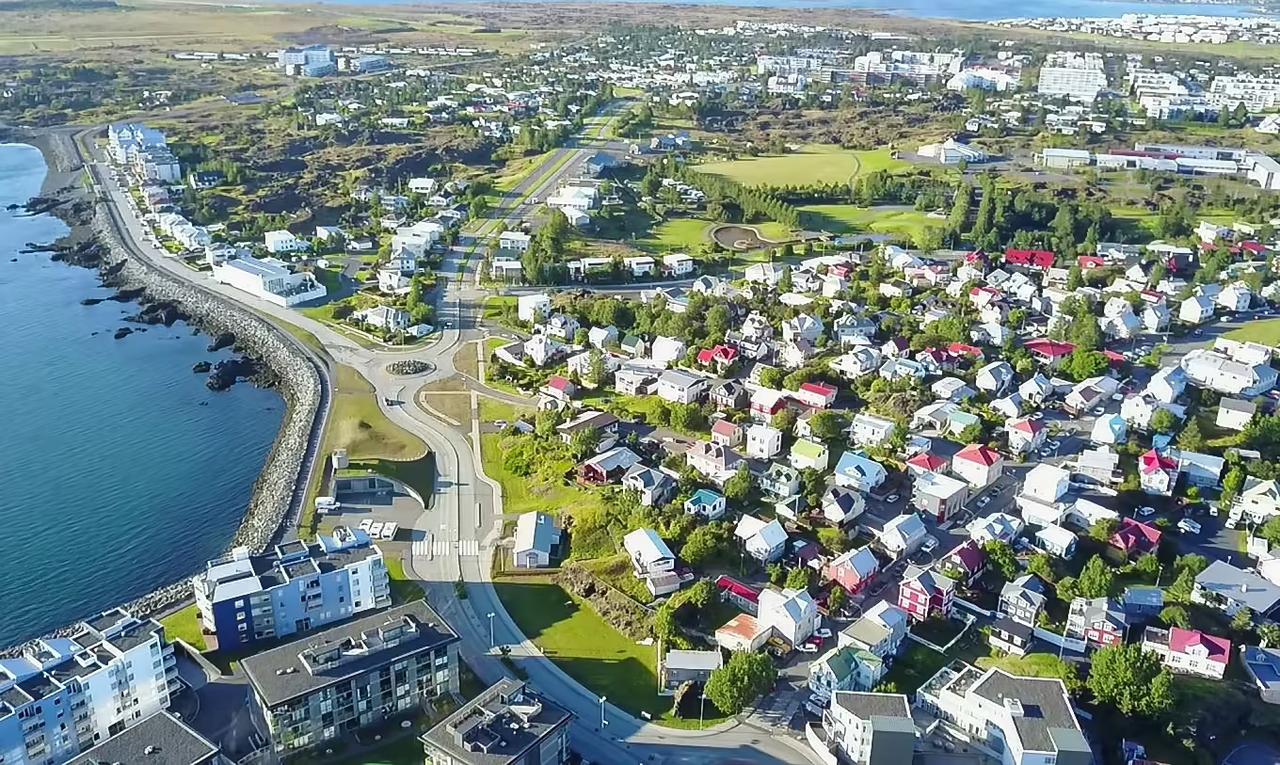
Hafnarfjörður is a harbor town built on old lava flows just south of Reykjavik in the Capital Region. Historically a fishing port, it has grown into a municipality of around 31,500 people while keeping a distinct identity — one shaped by its Viking heritage, its annual medieval festival, and a deep local belief in huldufólk (hidden people or elves) who are said to inhabit the lava fields. The town center is compact and walkable, with colorful houses, a scenic harbor, and a slower rhythm than Reykjavik. Rent is noticeably cheaper. For expats who want authentic small-town Icelandic life without giving up proximity to the capital, Hafnarfjörður is hard to beat.
Hafnarfjörður at a Glance
- Population
- ~31,500
- Region
- Capital Region (Höfuðborgarsvæðið)
- Known For
- Lava fields, huldufólk (elf) culture, Viking festival, harbor
- Average Rent (1BR)
- ISK 190,000–270,000/month
- Average Salary
- ISK 460,000–530,000/month (net)
- Expat Community
- Moderate — strong Polish and Eastern European presence
- Primary Language
- Icelandic (English widely spoken)
- Climate
- Similar to Reykjavik — cool summers, mild but wet winters, frequent wind
Why Move to Hafnarfjörður
- Lower rents: Hafnarfjörður is among the most affordable towns in the Capital Region, often 15–25% cheaper than central Reykjavik.
- Unique culture: The town takes its elf folklore seriously — local guides offer huldufólk walking tours, and construction projects have been rerouted to avoid disturbing elf habitats.
- Harbor and nature: A working fishing harbor, coastal walking paths, and lava-field trails are all within the town center. Hellisgerði park, built among lava formations, is a local favorite.
- Easy commute: Strætó buses and a short drive (15 minutes) connect you to Reykjavik. The town feels separate but is functionally part of the capital's orbit.
- Closer to Keflavik Airport: At 40 km from KEF, Hafnarfjörður is the closest Capital Region town to the international airport — handy for frequent travelers.
Finding Housing in Hafnarfjörður
Hafnarfjörður has more detached houses and townhouses per capita than central Reykjavik. If you need a garden, parking spot, or more living space, this is one of the best places to look in the Capital Region. The rental market is less competitive than Reykjavik, but demand rises in spring and early summer.
Average Rents
| Neighborhood | 1-Bedroom | 3-Bedroom | Character |
|---|---|---|---|
| Hafnarfjörður Center | ISK 210,000–290,000 | ISK 360,000–470,000 | Historic, walkable, near harbor |
| Ásland | ISK 190,000–260,000 | ISK 330,000–430,000 | Residential, newer homes |
| Norðurbær | ISK 180,000–250,000 | ISK 320,000–420,000 | Quiet, established families |
| Vellir | ISK 200,000–270,000 | ISK 340,000–450,000 | Near lava fields, detached houses |
| Straumsvík | ISK 195,000–265,000 | ISK 340,000–440,000 | Industrial edge, affordable |
| Hamrar | ISK 200,000–275,000 | ISK 350,000–450,000 | Hilly, newer builds, views |
How to Find Housing
- Mbl.is classifieds: The dominant rental platform. Filter by Hafnarfjörður to see local listings.
- Leigulistinn / Rental.is: Dedicated rental search with area filters.
- Facebook groups: "Leiga á Íslandi" and Hafnarfjörður community groups post rentals regularly. Community groups are particularly useful here.
- Local tips: Hafnarfjörður has more detached houses and townhouses than central Reykjavik. If you need a garden or parking spot, this is a good place to look. Competition is lower than in Reykjavik.
Tips for Expats
- Many rentals include private parking — a welcome perk that is rare in downtown Reykjavik.
- Lava rock landscapes are everywhere. Some properties sit directly on or beside lava fields, which is scenic but can limit garden space.
- The town has a strong community feel. Introduce yourself to neighbors — word of mouth is powerful for finding deals and services.
- Register your address promptly. Hafnarfjörður has its own municipality services separate from Reykjavik.
- Check whether the property is connected to municipal hot water (cheaper) or uses electricity for heating.
Neighborhoods Guide
- Hafnarfjörður Center: The old town around the harbor. Cafés, restaurants, the library, and the local museum are all here. Apartments are older but full of character. Best for singles and couples who want walkability. Viking Festival activities are centered here in June.
- Ásland: A newer residential area with modern apartments and townhouses. Good for families and professionals seeking newer construction and quieter streets. Playground and school nearby.
- Norðurbær: Established residential neighborhood north of the center. Mix of single-family homes and low-rise apartments. Schools and playgrounds nearby. Well-maintained streets and gardens.
- Vellir: Located near the edge of town, bordering the Hellisgerði lava park. Spacious detached homes and townhouses. Popular with families who want nature access. Walking trails into the lava fields start from here.
- Straumsvík: Southwest of the center, closer to the industrial zone and the aluminum smelter. More affordable rents. Practical choice for workers in the area. Less scenic but functional.
- Hamrar: Hilly area with newer developments and views over the town. Growing in popularity with younger families. Good access to the Reykjanesbraut highway.
Cost of Living in Hafnarfjörður
Costs in Hafnarfjörður are slightly lower than Reykjavik across most categories. Rent is the biggest difference. Dining and groceries are comparable, though local bakeries and smaller restaurants sometimes charge less than their Reykjavik counterparts. The town's proximity to the airport also saves on Flybus or taxi costs for frequent travelers.
Monthly Budget Breakdown
| Category | Budget Range |
|---|---|
| Rent (1BR, center) | ISK 200,000–270,000 |
| Utilities (electricity, water, waste) | ISK 14,000–22,000 |
| Internet (fiber) | ISK 6,000–8,000 |
| Groceries | ISK 55,000–80,000 |
| Transport (bus pass or car costs) | ISK 12,500–18,000 |
| Dining out (4x/month) | ISK 22,000–40,000 |
| Leisure/Gym membership | ISK 7,000–10,000 |
| Mobile phone plan | ISK 3,000–5,000 |
| Total | ISK 319,500–453,000 |
Day-to-Day Costs
- Coffee (flat white): ISK 500–700
- Lunch (casual restaurant): ISK 2,000–3,000
- Monthly transport pass (Strætó): ISK 12,500
- Beer (bar): ISK 1,000–1,600
- Cinema ticket: ISK 1,800–2,200
- Loaf of bread: ISK 470–650
- 1L milk: ISK 170–210
Getting Around Hafnarfjörður
- Public transport: Strætó buses connect Hafnarfjörður to Reykjavik via Routes 1, 21, and others. Frequency is good during peak hours (every 10–15 minutes), thinner on evenings and weekends. A monthly pass covers the entire Capital Region.
- Cycling: Flat to gently hilly terrain. Bike paths connect to the broader Capital Region cycling network. Weather is the main barrier — wind and rain can be intense.
- Driving: Easy access to Reykjanesbraut (Route 41) toward Reykjavik and Keflavik. Free parking in most of town. Rush-hour congestion on Route 41 between 8:00 and 9:00 AM heading toward Reykjavik.
- Airport: Keflavik International Airport is 40 km southwest — closer here than from Reykjavik center. The drive takes about 30 minutes. Flybus service is available.
- Intercity: Mjódd bus terminal in Reykjavik (15 minutes by bus) is the main hub for long-distance routes to other parts of Iceland.
- Taxis: Hreyfill and BSR operate in the area. A taxi from Hafnarfjörður to downtown Reykjavik costs approximately ISK 3,000–4,000.
Healthcare in Hafnarfjörður
- Hospitals/Clinics: Heilsugæsla Hafnarfjörður (health center) provides primary care, vaccinations, and referrals. Landspítali in Reykjavik handles specialist and emergency care, about 15 minutes away by car.
- English-speaking doctors: Available at the health center. Most Icelandic medical professionals speak fluent English. No language barrier in practice.
- Pharmacies: Multiple locations in the town center and near shopping areas. Most open weekdays 9:00–18:00.
- Dental care: Private clinics available locally. Not covered by public insurance for adults.
- Emergency number: 112
Planning your move?
Tell us about your move to compare quotes from international moving companies.
Culture & Lifestyle
- Huldufólk and elves: Hafnarfjörður is Iceland's elf capital. The town offers guided tours of elf rocks and hidden-people dwellings in Hellisgerði park. Whether you believe or not, the folklore is part of daily life here. Some residents leave small offerings at elf stones.
- Viking Festival: Held every June, the Viking Festival in Víðistaðatún park features longships, blacksmithing, traditional food, and combat re-enactments. It draws visitors from across Iceland and is the town's biggest annual event.
- Harbor culture: The working harbor is a focal point. Fresh fish is sold directly from boats, and the waterfront has several restaurants specializing in seafood. Watching the fishing boats come in at dawn is a local ritual.
- Hellisgerði Park: A landscaped park built among dramatic lava formations. Trolls, elves, and hidden people are said to live in the rocks. Children love it. A favorite walking spot year-round.
- Bíó Paradís Hafnarfjörður: Local cinema showing mainstream and Icelandic films.
Food & Dining
- The harbor area has the best restaurants — Pakkhús is known for lobster soup and fresh catch. The seafood here is as fresh as it gets in Iceland.
- Hafnarfjörður's bakeries are excellent. Try kleinur (twisted doughnuts) and rúgbrauð (dark rye bread) baked using geothermal heat. Local cafés serve hearty soup lunches for ISK 2,000–2,500.
- Grocery options include Bónus, Krónan, and Netto. Prices are similar to Reykjavik. A small farmers' market occasionally operates near the harbor in summer.
Expat Community
- A significant Polish community lives in Hafnarfjörður, along with Lithuanians, Filipinos, and other nationalities. Polish grocery stores and cultural events are easy to find.
- Community events at the town library and cultural center are good places to meet people. The library hosts language exchange sessions.
- The Hafnarfjörður municipality offers integration support and Icelandic language classes for residents. Staff at the town hall are accustomed to helping international residents.
Job Market in Hafnarfjörður
- Main industries: Fishing and seafood processing, retail, tourism, light industry, logistics.
- Major employers: Local municipality, Straumsvík aluminum smelter (Rio Tinto Alcan), fishing companies, retail stores, tourism operators.
- Average salaries by sector:
| Sector | Average Monthly Net (ISK) |
|---|---|
| Fishing / Processing | 400,000–520,000 |
| Retail / Service | 360,000–440,000 |
| Tourism / Hospitality | 370,000–470,000 |
| Industry / Manufacturing | 450,000–580,000 |
| Public sector | 410,000–520,000 |
- Job search resources: Vinnumálastofnun, Tvinna.is, LinkedIn. Many residents commute to Reykjavik for higher-paying roles. Seasonal tourism work is available in summer.
Education in Hafnarfjörður
- International schools: No international school in Hafnarfjörður itself, but the International School of Iceland in Reykjavik accepts students from the entire Capital Region. Bus connections make this feasible.
- Universities: None in town. University of Iceland and Reykjavik University are 15–20 minutes away by bus or car.
- Language schools: Icelandic courses are available through Mímir Símenntun in Reykjavik. Some community classes are offered locally through the municipality.
- Preschools: Public kindergartens are well-distributed and subsidized. Apply through the Hafnarfjörður municipality website.
Moving Checklist for Hafnarfjörður
Before Arriving
- [ ] Confirm residence permit or EU/EEA registration status
- [ ] Research school enrollment deadlines if you have children (February for fall start)
- [ ] Search Mbl.is and Facebook for Hafnarfjörður rental listings
- [ ] Join Hafnarfjörður community groups on Facebook
First Week
- [ ] Register your address with Registers Iceland (Þjóðskrá)
- [ ] Open an Icelandic bank account (branches in town center)
- [ ] Enroll at Heilsugæsla Hafnarfjörður (health center)
- [ ] Purchase a Strætó monthly bus pass
First Month
- [ ] Visit the harbor and explore Hellisgerði park
- [ ] Attend a local community event or language exchange
- [ ] Try the local bakeries and seafood restaurants
- [ ] Walk the coastal paths along the lava fields
Yes. Rent is typically 15–25% lower than in downtown Reykjavik. A 1-bedroom apartment in Hafnarfjörður center runs ISK 210,000–290,000 compared to ISK 260,000–350,000 in Reykjavik's 101 district. Groceries and dining are slightly cheaper as well. Utilities are comparable — both towns benefit from geothermal heating.
Hafnarfjörður is the center of Iceland's elf folklore. Many locals genuinely believe in huldufólk — hidden people who live in rocks and lava formations. The town offers elf-walking tours, and construction projects have been delayed or rerouted to avoid disturbing suspected elf habitats. Whether you take it literally or as cultural heritage, it is part of what makes Hafnarfjörður unique. Books on the subject are available at the local library.
Easily. The drive is about 15 minutes. Strætó buses run frequently during peak hours, and the commute is straightforward. Many Hafnarfjörður residents work in Reykjavik and enjoy the lower cost of living at home. The Route 41 corridor makes the drive fast outside rush hour.
Yes, as safe as anywhere in Iceland. The town has virtually no violent crime. Like the rest of the country, it is among the safest places in the world to live. You can walk anywhere at any time without concern.
Yes. The town has well-regarded primary and secondary schools with good teacher-to-student ratios. For international schooling, families typically send children to the International School of Iceland in Reykjavik. Local schools offer Icelandic-language education with ESL support for non-native speakers. School quality is consistently high across all districts.
The Viking Festival is held annually in June at Víðistaðatún park. It features traditional crafts, longship displays, period food, music, and combat re-enactments. It is one of the largest Viking festivals in Europe and a major event for the town. Visitors come from across Iceland and abroad. Entry is free for most activities.
Not essential, but helpful. Buses cover the main routes to Reykjavik, and the town center is walkable. However, a car makes weekend trips to Reykjanes, grocery runs, and school pickups more convenient. Free street parking is available in most areas. Winter driving is manageable but requires snow tires from November through April.
About 40 km or 30 minutes by car via Route 41. This is the closest any Capital Region town is to the international airport. Flybus services connect to KEF, though driving or a taxi is faster. If you travel frequently, Hafnarfjörður's airport proximity is a real advantage.
Nearly identical to Reykjavik — the two towns share the same coastal climate. Winters are mild for Iceland at around 0°C with frequent rain, sleet, and wind. Summers are cool at 10–15°C. The town sits slightly closer to the Reykjanes peninsula, so wind can be marginally stronger. Always dress in layers and carry waterproof outerwear.
Yes, especially for the south and west. The Golden Circle, Reykjanes peninsula, and the Blue Lagoon are all closer from Hafnarfjörður than from Reykjavik. The airport proximity also makes weekend trips to Akureyri or Europe more convenient. For day-to-day life, it offers the same Capital Region access as Reykjavik at a lower cost.
Visa and Residency
- EEA/Schengen nationals: No visa required. You may stay up to 3 months without registering, but must register with Registers Iceland if staying longer. After registration, you receive a residence permit card.
- Non-EEA nationals: Apply for a residence permit through the Directorate of Immigration (Útlendingastofnun). Categories include work permits, family reunification, and student permits. Processing times range from 2 to 6 months.
- Work permits: Require a job offer from an Icelandic employer. The employer must demonstrate that no suitable EEA candidate was available. Permits are tied to the specific employer and role.
- Permanent residency: Available after 4 years of continuous legal residence on a qualifying permit. Requires basic Icelandic language proficiency and a clean record.
- Citizenship: After 7 years of residence (or 4 years for Nordic citizens), you may apply for Icelandic citizenship. Dual citizenship has been permitted since 2020.
Taxes and Pensions
- Iceland uses a progressive tax system combining municipal and national taxes. The effective rate for most earners is 35–45%.
- Municipal tax in Hafnarfjörður is approximately 14.44%, similar to other Capital Region municipalities.
- Pension contributions are mandatory. Employees contribute 4% and employers contribute 11.5% of gross salary. This is deducted automatically.
- Double taxation treaties exist with most Western countries, preventing you from being taxed twice on the same income.
- Tax returns are filed annually through the Ríkisskattstjóri website. Most returns are pre-filled and can be confirmed online.
Moving with Pets to Hafnarfjörður
Bringing pets to Iceland is strictly regulated. Dogs and cats must:
- Have an ISO-compliant microchip
- Be vaccinated against rabies (at least 30 days before travel)
- Have a valid veterinary health certificate issued within 10 days of travel
- Undergo 2–4 weeks of quarantine at an approved facility upon arrival
- Enter via approved routes only
Quarantine slots are limited — book months in advance through MAST. Costs run ISK 150,000–250,000. Some dog breeds are restricted or prohibited.
Importing a Vehicle
If you bring a car to Iceland:
- It must be declared at customs upon arrival
- Import duty ranges from 10–45% depending on vehicle value and emissions
- Vehicles must pass a technical inspection before registration
- EEA driving licences can be exchanged for Icelandic licences without a test
- Non-EEA licence holders may need to take a driving test after 12 months
Related Guides
- [Moving to Iceland] — comprehensive country guide
- [Moving to Reykjavik] — capital city guide
- [Moving to Kópavogur] — neighboring city guide
- [Moving to Akureyri] — northern Iceland guide