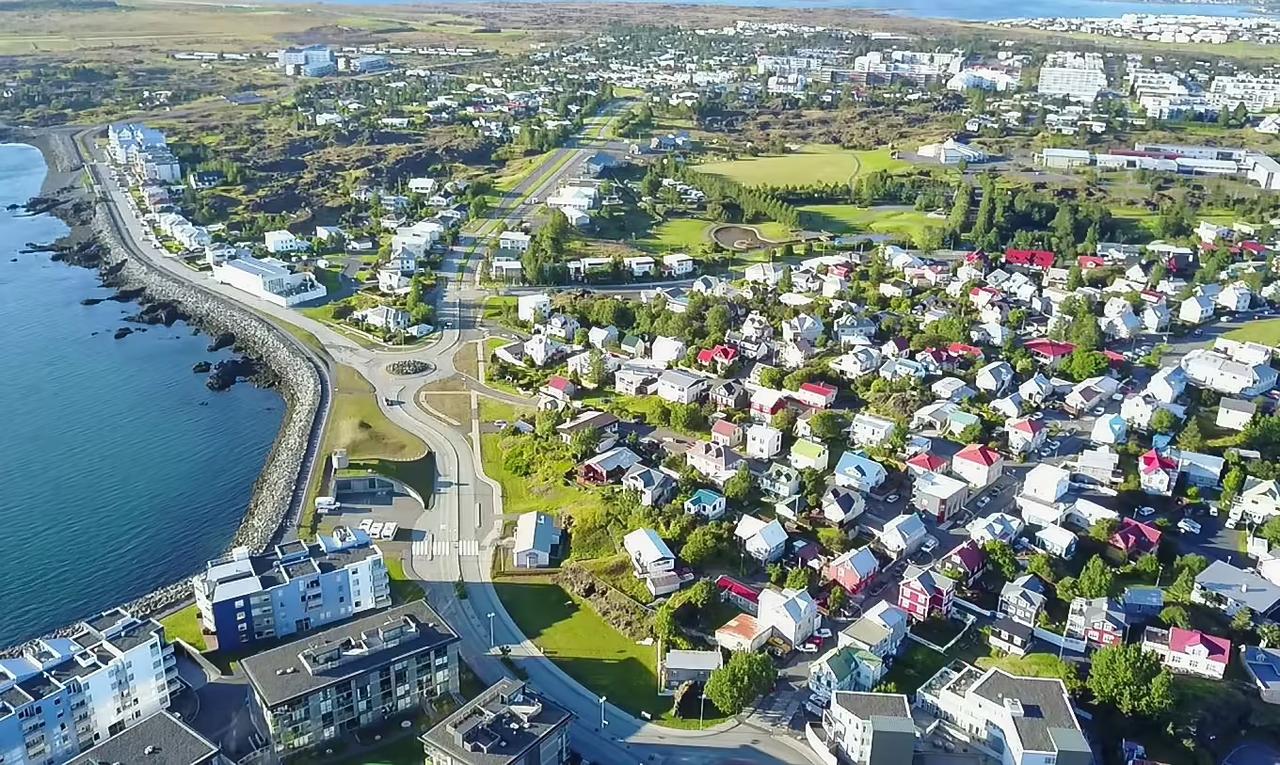

Hafnarfjörður è una cittadina portuale costruita su antiche colate laviche a sud di Reykjavik, nella Regione Capitale. Storicamente un porto di pesca, è cresciuta fino a diventare un comune di circa 31.500 abitanti mantenendo un'identità ben definita — forgiata dal patrimonio vichingo, dal festival medievale annuale e dalla profonda credenza locale negli huldufólk (il popolo nascosto o elfi) che si dice abitino i campi di lava. Il centro cittadino è compatto e percorribile a piedi, con case colorate, un porto panoramico e un ritmo di vita più lento rispetto a Reykjavik. Gli affitti sono notevolmente più convenienti. Per gli expat che desiderano un'autentica vita islandese di piccola città senza rinunciare alla vicinanza alla capitale, Hafnarfjörður è difficile da battere.
Hafnarfjörður in breve
- Popolazione
- ~31,500
- Regione
- Regione Capitale (Höfuðborgarsvæðið)
- Famosa per
- Campi di lava, cultura degli huldufólk (elfi), festival vichingo, porto
- Affitto medio (monolocale)
- ISK 190,000-270,000 al mese
- Stipendio medio
- ISK 460,000-530,000 al mese (netto)
- Comunità expat
- Moderata — forte presenza polacca e dell'Europa dell'Est
- Lingua principale
- Islandese (inglese ampiamente parlato)
- Clima
- Simile a Reykjavik — estati fresche, inverni miti ma piovosi, vento frequente
Perché trasferirsi a Hafnarfjörður
- Affitti più bassi: Hafnarfjörður è tra le cittadine più convenienti della Regione Capitale, spesso del 15–25% più economica rispetto al centro di Reykjavik.
- Cultura unica: La città prende sul serio il folklore degli elfi — le guide locali offrono tour a piedi sugli huldufólk e alcuni progetti edilizi sono stati reindirizzati per evitare di disturbare gli habitat degli elfi.
- Porto e natura: Un porto di pesca attivo, sentieri costieri e percorsi tra i campi di lava si trovano tutti nel centro cittadino. Il parco Hellisgerði, costruito tra le formazioni laviche, è un luogo molto amato dai residenti.
- Pendolarismo comodo: Gli autobus Strætó e un breve tragitto in auto (15 minuti) ti collegano a Reykjavik. La città è separata ma funzionalmente fa parte dell'orbita della capitale.
- Più vicina all'aeroporto di Keflavik: A 40 km da KEF, Hafnarfjörður è la cittadina della Regione Capitale più vicina all'aeroporto internazionale — molto comoda per chi viaggia spesso.
Trovare casa a Hafnarfjörður
Hafnarfjörður ha più case unifamiliari e villette a schiera pro capite rispetto al centro di Reykjavik. Se hai bisogno di un giardino, di un posto auto o di più spazio abitativo, questo è uno dei migliori posti dove cercare nella Regione Capitale. Il mercato degli affitti è meno competitivo rispetto a Reykjavik, ma la domanda aumenta in primavera e all'inizio dell'estate.
Affitti medi
| Quartiere | 1 camera da letto | 3 camere da letto | Carattere |
|---|---|---|---|
| Centro di Hafnarfjörður | ISK 210,000–290,000 (affitto) | ISK 360,000–470,000 (affitto) | Storico, percorribile a piedi, vicino al porto |
| Ásland | ISK 190,000–260,000 (affitto) | ISK 330,000–430,000 (affitto) | Residenziale, case di nuova costruzione |
| Norðurbær | ISK 180,000–250,000 (affitto) | ISK 320,000–420,000 (affitto) | Tranquillo, famiglie consolidate |
| Vellir | ISK 200,000–270,000 (affitto) | ISK 340,000–450,000 (affitto) | Vicino ai campi di lava, case unifamiliari |
| Straumsvík | ISK 195,000–265,000 (affitto) | ISK 340,000–440,000 (affitto) | Zona industriale, conveniente |
| Hamrar | ISK 200,000–275,000 (affitto) | ISK 350,000–450,000 (affitto) | Collinare, costruzioni recenti, viste panoramiche |
Come trovare casa
- Annunci su Mbl.is: La principale piattaforma di affitti. Filtra per Hafnarfjörður per vedere le offerte locali.
- Leigulistinn / Rental.is: Ricerca dedicata agli affitti con filtri per area.
- Gruppi Facebook: «Leiga á Íslandi» e i gruppi della comunità di Hafnarfjörður pubblicano annunci di affitto regolarmente. I gruppi di comunità sono particolarmente utili in questa zona.
- Consigli locali: Hafnarfjörður ha più case unifamiliari e villette a schiera rispetto al centro di Reykjavik. Se hai bisogno di un giardino o di un posto auto, è un ottimo posto dove cercare. La concorrenza è inferiore rispetto a Reykjavik.
Consigli per gli expat
- Molti affitti includono un parcheggio privato — un vantaggio apprezzato che è raro nel centro di Reykjavik.
- I paesaggi di roccia lavica sono ovunque. Alcune proprietà si trovano direttamente su o accanto ai campi di lava, il che è suggestivo ma può limitare lo spazio per il giardino.
- La città ha un forte senso di comunità. Presentati ai vicini — il passaparola è molto efficace per trovare occasioni e servizi.
- Registra il tuo indirizzo senza indugio. Hafnarfjörður ha i propri servizi comunali separati da Reykjavik.
- Verifica se la proprietà è collegata all'acqua calda comunale (più economica) o utilizza l'elettricità per il riscaldamento.
Guida ai quartieri
- Centro di Hafnarfjörður: Il centro storico attorno al porto. Caffè, ristoranti, la biblioteca e il museo locale si trovano tutti qui. Gli appartamenti sono più vecchi ma pieni di carattere. Ideale per single e coppie che vogliono vivere a portata di piedi. Le attività del Viking Festival si svolgono qui ogni giugno.
- Ásland: Una zona residenziale più recente con appartamenti moderni e villette a schiera. Ottima per famiglie e professionisti che cercano costruzioni più nuove e strade più tranquille. Parco giochi e scuola nelle vicinanze.
- Norðurbær: Quartiere residenziale consolidato a nord del centro. Mix di case unifamiliari e condomini di piccole dimensioni. Scuole e parchi giochi nelle vicinanze. Strade e giardini ben tenuti.
- Vellir: Situato ai margini della città, al confine con il parco lavico di Hellisgerði. Case unifamiliari spaziose e villette a schiera. Molto popolare tra le famiglie che desiderano un contatto con la natura. Da qui partono i sentieri verso i campi di lava.
- Straumsvík: A sud-ovest del centro, più vicino alla zona industriale e alla fonderia di alluminio. Affitti più convenienti. Scelta pratica per chi lavora nella zona. Meno pittoresco ma funzionale.
- Hamrar: Zona collinare con sviluppi edilizi recenti e viste sulla città. Sempre più popolare tra le famiglie giovani. Buon accesso all'autostrada Reykjanesbraut.
Costo della vita a Hafnarfjörður
I costi a Hafnarfjörður sono leggermente inferiori rispetto a Reykjavik nella maggior parte delle categorie. L'affitto è la differenza principale. Ristoranti e supermercati sono paragonabili, anche se le panetterie locali e i ristoranti più piccoli a volte praticano prezzi inferiori rispetto alle loro controparti a Reykjavik. La vicinanza della città all'aeroporto fa anche risparmiare sui costi del Flybus o del taxi per chi viaggia spesso.
Ripartizione del budget mensile
| Categoria | Fascia di budget |
|---|---|
| Affitto (monolocale, centro) | ISK 200,000–270,000 (budget mensile) |
| Utenze (elettricità, acqua, rifiuti) | ISK 14,000–22,000 (budget mensile) |
| Internet (fibra) | ISK 6,000–8,000 (budget mensile) |
| Spesa alimentare | ISK 55,000–80,000 (budget mensile) |
| Trasporti (abbonamento autobus o costi auto) | ISK 12,500–18,000 (budget mensile) |
| Pasti fuori (4 volte/mese) | ISK 22,000–40,000 (budget mensile) |
| Tempo libero/Abbonamento palestra | ISK 7,000–10,000 (budget mensile) |
| Piano tariffario cellulare | ISK 3,000–5,000 (budget mensile) |
| Totale | ISK 319,500–453,000 (budget mensile) |
Spese quotidiane
- Caffè (flat white): ISK 500–700
- Pranzo (ristorante informale): ISK 2,000–3,000
- Abbonamento mensile trasporti (Strætó): ISK 12,500
- Birra (al bar): ISK 1,000–1,600
- Biglietto cinema: ISK 1,800–2,200
- Pagnotta di pane: ISK 470–650
- 1 L di latte: ISK 170–210
Spostarsi a Hafnarfjörður
- Trasporto pubblico: Gli autobus Strætó collegano Hafnarfjörður a Reykjavik tramite le linee 1, 21 e altre. La frequenza è buona nelle ore di punta (ogni 10–15 minuti), più ridotta nelle serate e nei fine settimana. Un abbonamento mensile copre l'intera Regione Capitale.
- Bicicletta: Terreno pianeggiante o leggermente collinare. Le piste ciclabili si collegano alla rete ciclistica più ampia della Regione Capitale. Il meteo è il principale ostacolo — vento e pioggia possono essere intensi.
- Auto: Facile accesso alla Reykjanesbraut (Strada 41) verso Reykjavik e Keflavik. Parcheggio gratuito nella maggior parte della città. Traffico intenso sulla Strada 41 tra le 8:00 e le 9:00 in direzione Reykjavik.
- Aeroporto: L'aeroporto internazionale di Keflavik si trova a 40 km a sud-ovest — più vicino da qui che dal centro di Reykjavik. Il tragitto in auto dura circa 30 minuti. È disponibile il servizio Flybus.
- Intercity: Il terminal degli autobus Mjódd a Reykjavik (15 minuti in autobus) è il principale hub per i collegamenti a lunga percorrenza verso altre parti dell'Islanda.
- Taxi: Hreyfill e BSR operano nella zona. Un taxi da Hafnarfjörður al centro di Reykjavik costa circa ISK 3,000–4,000,
Sanità a Hafnarfjörður
- Ospedali/Cliniche: Heilsugæsla Hafnarfjörður (centro sanitario) offre cure primarie, vaccinazioni e riferimenti a specialisti. Landspítali a Reykjavik gestisce le cure specialistiche e le emergenze, a circa 15 minuti in auto.
- Medici di lingua inglese: Disponibili presso il centro sanitario. La maggior parte dei professionisti sanitari islandesi parla inglese correntemente. In pratica non ci sono barriere linguistiche.
- Farmacie: Più sedi nel centro città e vicino alle aree commerciali. La maggior parte è aperta nei giorni feriali dalle 9:00 alle 18:00.
- Cure dentistiche: Cliniche private disponibili in zona. Non coperte dall'assicurazione pubblica per gli adulti.
- Numero di emergenza: 112
Ricevi un piano di trasloco personalizzato
Lascia la tua e-mail e ti invieremo una checklist su misura piu tre preventivi da traslocatori verificati.
Cultura e stile di vita
- Huldufólk e elfi: Hafnarfjörður è la capitale islandese degli elfi. La città offre tour guidati delle rocce degli elfi e delle abitazioni del popolo nascosto nel parco Hellisgerði. Che tu ci creda o meno, il folklore fa parte della vita quotidiana. Alcuni residenti lasciano piccole offerte alle pietre degli elfi.
- Viking Festival: Tenuto ogni giugno, il Viking Festival nel parco Víðistaðatún prevede drakkar vichinghi, fabbri, cibo tradizionale e rievocazioni di combattimenti. Attira visitatori da tutta l'Islanda ed è il principale evento annuale della città.
- Cultura portuale: Il porto attivo è un punto di riferimento. Il pesce fresco viene venduto direttamente dalle barche e il lungomare ha diversi ristoranti specializzati in pesce. Assistere all'arrivo dei pescherecci all'alba è un rituale locale.
- Parco Hellisgerði: Un parco paesaggistico costruito tra spettacolari formazioni laviche. Si dice che nei massi vivano troll, elfi e il popolo nascosto. I bambini lo adorano. Un posto preferito per passeggiare tutto l'anno.
- Bíó Paradís Hafnarfjörður: Cinema locale che proietta film mainstream e islandesi.
Cibo e ristoranti
- I migliori ristoranti si trovano nella zona del porto — Pakkhús è noto per la zuppa di astice e il pesce fresco. Il pesce qui è tra il più fresco che si possa trovare in Islanda.
- Le panetterie di Hafnarfjörður sono eccellenti. Prova le kleinur (ciambelle attorcigliate) e il rúgbrauð (pane di segale scuro) cotto con il calore geotermico. I caffè locali servono sostanziosi pranzi a base di zuppa per ISK 2,000–2,500,
- Le opzioni per la spesa includono Bónus, Krónan e Netto. I prezzi sono simili a quelli di Reykjavik. Un piccolo mercato contadino si tiene occasionalmente vicino al porto in estate.
Comunità expat
- Una significativa comunità polacca vive a Hafnarfjörður, insieme a lituani, filippini e altre nazionalità. I negozi di alimentari polacchi e gli eventi culturali sono facili da trovare.
- Gli eventi comunitari presso la biblioteca cittadina e il centro culturale sono ottimi luoghi per incontrare persone. La biblioteca ospita sessioni di scambio linguistico.
- Il comune di Hafnarfjörður offre supporto all'integrazione e corsi di lingua islandese per i residenti. Il personale del municipio è abituato ad assistere i residenti stranieri.
Mercato del lavoro a Hafnarfjörður
- Settori principali: Pesca e lavorazione del pesce, commercio al dettaglio, turismo, industria leggera, logistica.
- Principali datori di lavoro: Comune locale, fonderia di alluminio di Straumsvík (Rio Tinto Alcan), aziende di pesca, negozi al dettaglio, operatori turistici.
- Stipendi medi per settore:
| Settore | Netto mensile medio (ISK) |
|---|---|
| Pesca / Lavorazione | 400.000–520.000 |
| Commercio / Servizi | 360.000–440.000 |
| Turismo / Ristorazione | 370.000–470.000 |
| Industria / Manifattura | 450.000–580.000 |
| Settore pubblico | 410.000–520.000 |
- Risorse per la ricerca di lavoro: Vinnumálastofnun, Tvinna.is, LinkedIn. Molti residenti fanno il pendolare a Reykjavik per posizioni meglio retribuite. Lavoro turistico stagionale disponibile in estate.
Istruzione a Hafnarfjörður
- Scuole internazionali: Nessuna scuola internazionale a Hafnarfjörður, ma la Scuola Internazionale d'Islanda a Reykjavik accetta studenti da tutta la Regione Capitale. I collegamenti in autobus rendono questa opzione praticabile.
- Università: Nessuna in città. L'Università d'Islanda e la Reykjavik University si trovano a 15–20 minuti in autobus o in auto.
- Scuole di lingua: Corsi di islandese disponibili tramite Mímir Símenntun a Reykjavik. Alcuni corsi di comunità sono offerti localmente attraverso il comune.
- Asili nido: Gli asili pubblici sono ben distribuiti e sovvenzionati. Iscriviti tramite il sito web del comune di Hafnarfjörður.
Lista di controllo per il trasloco a Hafnarfjörður
Prima di arrivare
- [ ] Confermare il permesso di soggiorno o lo stato di registrazione EU/SEE
- [ ] Informarsi sulle scadenze per l'iscrizione scolastica se si hanno figli (febbraio per l'inizio autunnale)
- [ ] Cercare annunci di affitto a Hafnarfjörður su Mbl.is e Facebook
- [ ] Iscriversi ai gruppi della comunità di Hafnarfjörður su Facebook
Prima settimana
- [ ] Registrare il proprio indirizzo presso il Registro Nazionale Islandese (Þjóðskrá)
- [ ] Aprire un conto bancario islandese (filiali nel centro città)
- [ ] Iscriversi alla Heilsugæsla Hafnarfjörður (centro sanitario)
- [ ] Acquistare un abbonamento mensile Strætó
Primo mese
- [ ] Visitare il porto ed esplorare il parco Hellisgerði
- [ ] Partecipare a un evento comunitario locale o a uno scambio linguistico
- [ ] Provare le panetterie locali e i ristoranti di pesce
- [ ] Percorrere i sentieri costieri lungo i campi di lava
Visto e residenza
- Cittadini SEE/Schengen: Nessun visto richiesto. È possibile soggiornare fino a 3 mesi senza registrarsi, ma è necessario registrarsi presso il Registro Nazionale Islandese per soggiorni più lunghi. Dopo la registrazione si riceve un permesso di soggiorno.
- Cittadini extra-SEE: Fare domanda di permesso di soggiorno tramite la Direzione dell'Immigrazione (Útlendingastofnun). Le categorie includono permessi di lavoro, ricongiungimento familiare e permessi per studenti. I tempi di elaborazione vanno da 2 a 6 mesi.
- Permessi di lavoro: Richiedono un'offerta di lavoro da un datore di lavoro islandese. Il datore di lavoro deve dimostrare che non era disponibile alcun candidato SEE idoneo. I permessi sono legati al datore di lavoro e alla posizione specifici.
- Residenza permanente: Disponibile dopo 4 anni di residenza legale continuativa con un permesso valido. Richiede una conoscenza base della lingua islandese e fedina penale pulita.
- Cittadinanza: Dopo 7 anni di residenza (o 4 anni per i cittadini nordici) è possibile richiedere la cittadinanza islandese. La doppia cittadinanza è consentita dal 2020.
Tasse e pensioni
- L'Islanda utilizza un sistema fiscale progressivo che combina imposte comunali e nazionali. L'aliquota effettiva per la maggior parte dei lavoratori è del 35–45%.
- L'imposta comunale a Hafnarfjörður è di circa il 14,44%, simile agli altri comuni della Regione Capitale.
- I contributi pensionistici sono obbligatori. I dipendenti versano il 4% e i datori di lavoro l'11,5% del salario lordo. La trattenuta è automatica.
- Esistono accordi contro la doppia imposizione con la maggior parte dei paesi occidentali, che evitano di essere tassati due volte sullo stesso reddito.
- Le dichiarazioni dei redditi vengono presentate annualmente tramite il sito web di Ríkisskattstjóri. La maggior parte delle dichiarazioni è precompilata e può essere confermata online.
Trasferirsi con gli animali a Hafnarfjörður
Portare animali domestici in Islanda è soggetto a regole severe. Cani e gatti devono:
- Avere un microchip conforme agli standard ISO
- Essere vaccinati contro la rabbia (almeno 30 giorni prima del viaggio)
- Avere un certificato sanitario veterinario valido rilasciato entro 10 giorni dalla partenza
- Sottoporsi a 2–4 settimane di quarantena presso una struttura autorizzata all'arrivo
- Entrare solo attraverso le rotte autorizzate
I posti in quarantena sono limitati — prenota con mesi di anticipo tramite MAST. I costi sono di ISK 150,000–250,000, Alcune razze di cani sono soggette a restrizioni o sono vietate.
Importare un veicolo
Se porti un'auto in Islanda:
- Deve essere dichiarata alla dogana all'arrivo
- Il dazio doganale varia dal 10 al 45% a seconda del valore del veicolo e delle emissioni
- I veicoli devono superare un'ispezione tecnica prima della registrazione
- Le patenti di guida SEE possono essere convertite in patenti islandesi senza sostenere un esame
- I titolari di patenti extra-SEE potrebbero dover sostenere un esame di guida dopo 12 mesi
Guide correlate
- [Trasferirsi in Islanda] — guida completa al paese
- [Trasferirsi a Reykjavik] — guida alla capitale
- [Trasferirsi a Kópavogur] — guida alla città vicina
- [Trasferirsi a Akureyri] — guida all'Islanda del nord