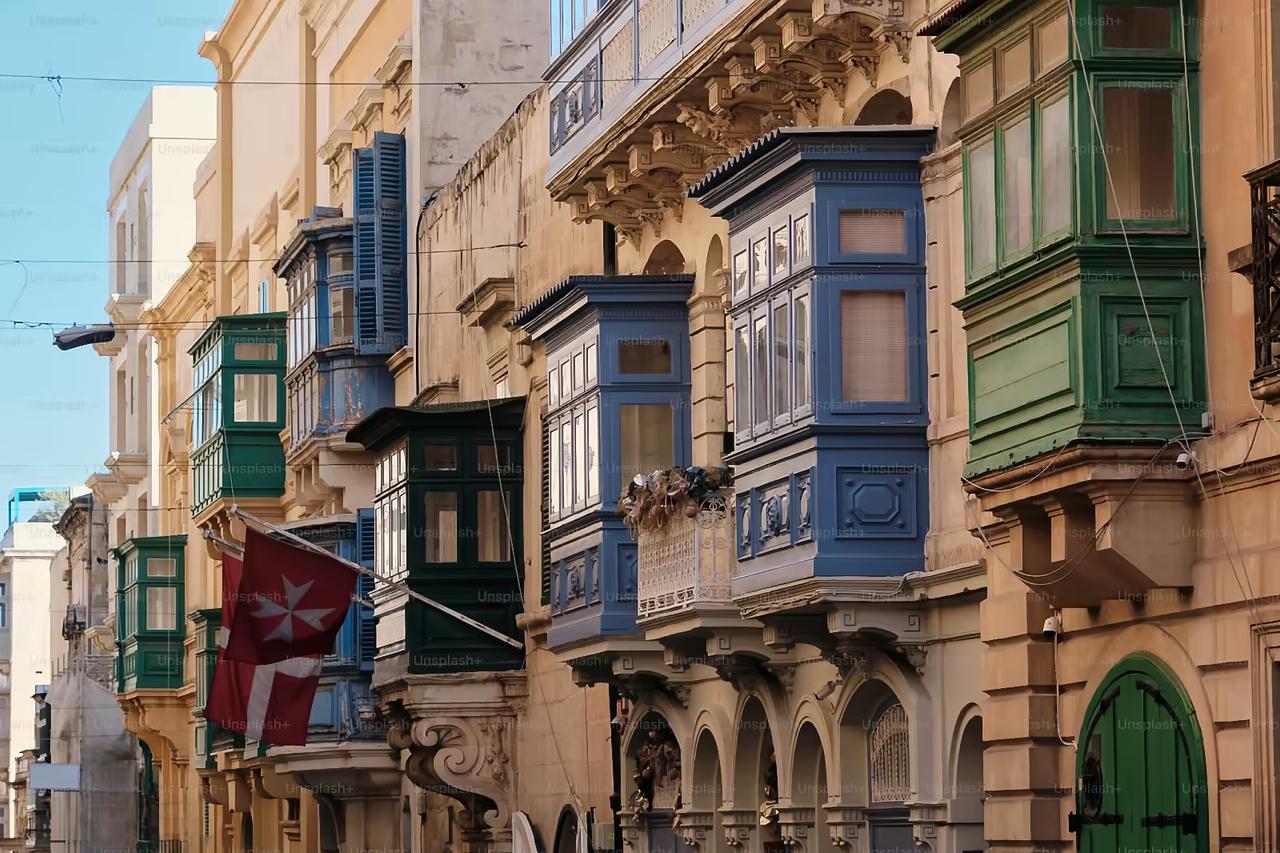
Malta er en lille østat i det centrale Middelhav, der slår langt over sin vægt. Spredt over tre beboede øer — Malta, Gozo og Comino — dækker denne øgruppe kun 316 km² og har ca. 545.000 indbyggere, hvilket gør den til det tættest befolkede land i EU. På trods af sit lille areal er Malta blevet et af Europas mest attraktive destinationer for ekspater, tiltrukket af sol hele året, engelsk som officielt sprog, en fremadstormende iGaming-branche og en livsstil, der blander nordafrikansk varme med sydeuropæisk charme. Uanset om du er digital nomade, finansprofessionel, fjernarbejder eller pensionist, der søger middelhavsliv uden en sprogbarriere, guider denne guide dig gennem hvert praktisk skridt ved flytning til Malta i 2026.
Malta i korte træk
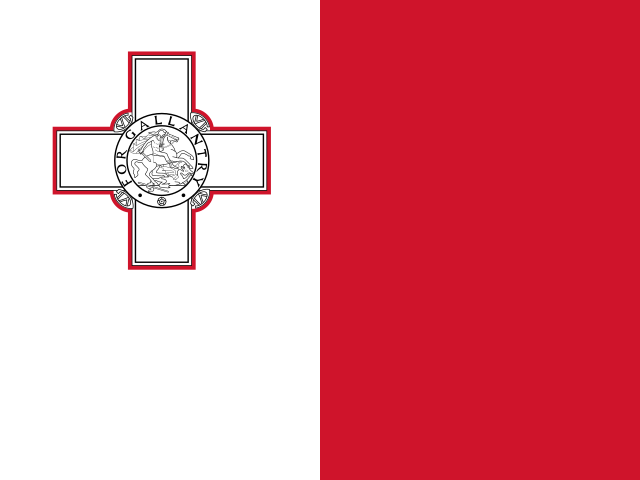
- Befolkning
- ca. 545.000 (2026-skøn)
- Hovedstad
- Valletta
- Valuta
- Euro (€)
- Gennemsnitlig løn
- ca. €22.000–€28.000/år (varierer meget efter branche; iGaming-stillinger overstiger ofte €45.000)
- Sprog
- Maltesisk og engelsk (begge officielle)
- Klima
- Middelhavsklima — varme, tørre somre; milde, våde vintre
- Tidszone
- CET (UTC+1), CEST om sommeren (UTC+2)
- EU-medlem
- Siden 2004
- Kørsel
- Venstrekørsel (britisk arv)
Hvorfor flytte til Malta i 2026
- Engelsk er officielt sprog: Du kan klare alle administrative processer, underskrive en lejekontrakt, åbne en bankkonto og forhandle din løn helt på engelsk. Maltesisk er det nationale sprog, men engelsk tales overalt inden for erhvervsliv og offentlig forvaltning.
- iGaming- og tech-job: Malta er Europas ubestridte iGaming-hovedstad. Virksomheder som Betsson, Kindred (Unibet), LeoVegas og Evolution Gaming ansætter tusindvis af ekspater. Branchen tilbyder konkurrencedygtige lønninger, flyttepakker og engelsksprogede arbejdsmiljøer.
- Gunstigt skattesystem: Maltas fulde tillægssystem og talrige dobbeltbeskatningsoverenskomster (70+ lande) gør øen attraktiv for højtlønnede og iværksættere. Global Residence Programme og andre ordninger tilbyder effektive skattesatser helt ned til 15 % på udenlandsk indkomst for kvalificerede bosatte.
- Middelhavsklima: Over 300 soldage om året. Vintrene er milde (10–15 °C), og somrene er varme og tørre (28–35 °C). Badesæsonen strækker sig fra maj til oktober.
- EU's frie bevægelighed: EU- og EØS-borgere kan flytte til Malta med et minimum af papirarbejde. Borgere fra lande uden for EU kan drage nytte af målrettede visumordninger, herunder et digital nomade-visum, der blev lanceret i 2023.
- Sikkerhed og livskvalitet: Malta placerer sig konsekvent blandt de sikreste lande i EU. Voldskriminalitet er sjælden, og fællesskabsfølelsen er stærk, især i landsbyerne.
Flytteomkostninger til Malta
Fordi Malta er en ø, ankommer alt ad søvejen eller luftvejen. Fragtomkostningerne er højere end ved flytninger på det europæiske fastland over tilsvarende afstande, og havnehåndtering i Grand Harbour eller Malta Freeport tilføjer gebyrer, du ikke ville møde andre steder.
Anslåede flytteomkostninger efter oprindelsesland (2026)
| Oprindelsesland | Anslået prisinterval | Container/volumen |
|---|---|---|
| UK og Irland | €1.800–€3.500 | 1–2 CBM (LCL) eller 20-fods FCL |
| Nordeuropa (Tyskland, Nederlandene, Skandinavien) | €2.200–€4.500 | 1–2 CBM (LCL) eller 20-fods FCL |
| Sydeuropa (Italien, Spanien) | €1.500–€3.000 | 1–2 CBM (LCL) eller 20-fods FCL |
| Nordamerika (USA, Canada) | €3.500–€7.000 | 20-fods FCL |
| Australien / New Zealand | €5.000–€9.000 | 20-fods FCL |
| Luftfragt (alle oprindelseslande, ca. 1 m³ / 200 kg) | €1.500–€4.000 | Dør-til-dør |
Omkostningskomponenter forklaret
- Søfragt: Den største omkostningskomponent. En 20-fods FCL fra Nordeuropa koster €2.000–€3.500. LCL (less-than-container-load)-forsendelser prissættes pr. kubikmeter, typisk €150–€300/CBM fra Europa.
- Havnehåndtering og toldafklaring: Forvent €300–€600 til dokumentation, gebyrer til Malta Freeport og toldmægler.
- Forsikring: 2–4 % af den opgivne værdi til søtransitforsikring.
- Paknematerialer: €200–€600 afhængigt af volumen. Selvpakning sparer penge, men øger risikoen for ødelæggelse og kan ugyldiggøre forsikringskrav.
- Opbevaring: €100–€250/måned, hvis du har brug for midlertidig opbevaring på øen, inden din lejekontrat starter.
- Levering (sidste kilometer): €150–€400 for levering fra havnen til din lejlighed. Forvent tillægsgebyrer for adresser i Valletta, Mdina eller andre områder med smalle gader og begrænset køretøjsadgang.
Spar penge med disse tips
- Send uden for højsæsonen (oktober–marts), hvor priserne falder 10–20 % i forhold til sommerens flytteryk.
- Brug LCL frem for FCL, hvis din forsendelse er under 10 CBM.
- Sammenlign mindst tre tilbud via ReloAdvisors flytteomkostningsberegner.
- Sælg skrumptøjet inden flytningen — Maltas udlejningsmarked er stærkt møbleret, og lokalt indkøb er ofte billigere end fragt.
Virkelig historie: "Jeg flyttede fra Berlin til Sliema i januar 2026 med omkring 8 kubikmeter personlige ejendele — ingen møbler, primært tøj, bøger og køkkenting. Jeg brugte en LCL-forsendelse, der kostede €1.900 dør-til-dør inklusive pakning, toldafklaring og levering til min lejlighed på Tower Road. Hele processen tog cirka fire uger fra afhentning til levering. Flyttefirmaet håndterede alt toldpapirarbejde via Malta Freeport." — Stefan K., flyttet januar 2026
Brug for et personligt tilbud?
Få tre nøje udvalgte flyttetilbud på under 48 timer.
Visum- og opholdskrav
Maltas indvandrermyndighed er Identità Malta (tidligere Identity Malta), den statslige myndighed, der håndterer visa, e-ID'er, e-pas og civilstand. Residency Malta Agency, en separat statslig enhed, administrerer opholdsordninger, herunder Nomad Residence Permit og Malta Permanent Residence Programme. Ansøgninger indsendes online eller personligt på Identità Maltas kontorer eller via aftale gennem servizz.gov, Maltas one-stop-portal til offentlige tjenester.
For EU- og EØS-borgere
EU-, EØS- og schweiziske borgere har ret til at bo og arbejde i Malta uden visum. Du skal dog registrere dit ophold, hvis du bliver længere end tre måneder. Processen er enkel:
- Ankom til Malta med et gyldigt pas eller nationalt id-kort.
- Find bolig og få en lejekontrakt.
- Registrer dig hos Identity Malta for at få et e-ID — Maltas elektroniske id-kort, der fungerer som bevis på ophold og giver adgang til alle offentlige onlinetjenester.
- Ansøg om et maltesisk skatteidentifikationsnummer (TIN) hos Commissioner for Revenue.
- Registrer dig til social sikring, hvis du er i arbejde.
e-ID-kortet er ikke obligatorisk, men det anbefales kraftigt. Det forenkler kontakten med alle offentlige myndigheder og kræves ofte af banker og arbejdsgivere.
For statsborgere uden for EU: Hovedkategorier af visa
Arbejdstilladelse (Single Permit)
- Krav: En bekræftet jobtilbud fra en maltesisk arbejdsgiver, ren straffeattest, gyldig pas, bevis på kvalifikationer og sygesikring.
- Behandlingstid: 4–8 uger (kan være længere i sommerhøjperioden).
- Varighed: Tilknyttet ansættelseskontrakten, typisk 1–2 år, forlængelsesmulighed.
- Vigtig detalje: Arbejdsgiveren indleder ansøgningen gennem Identity Malta. Medarbejderen kan ikke ansøge selvstændigt.
Digital Nomad Visa
- Krav: Dokumentation for fjernansættelse eller freelanceindkomst på mindst €3.500/mdr. (€42.000/år), gyldig pas, sygesikring, ren straffeattest. (Grænsen blev hævet fra de oprindelige €2.700/mdr. i april 2024.)
- Behandlingstid: 30–60 dage.
- Varighed: Gyldig i 1 år, kan forlænges op til i alt 4 år.
- Vigtig detalje: Giver ikke adgang til det maltesiske arbejdsmarked. Du kan ikke arbejde for maltesiske arbejdsgivere med denne tilladelse. Fra 2025 gælder en fast skattesats på 10 % for autoriseret arbejdsindkomst det første år.
Malta Permanent Residence Programme (MPRP)
- Krav (2025–2026):
- Statligt bidrag: €40.000 (ved køb af ejendom) eller €58.000 (ved leje)
- Ejendom: Køb mindst €350.000 (de fleste områder) / €300.000 (Gozo eller det sydlige Malta) ELLER leje mindst €12.000/år (de fleste områder) / €10.000/år (Gozo eller det sydlige Malta)
- Finansielle aktiver: Minimum €500.000 i alt, hvoraf mindst €150.000 skal være i likvide finansielle aktiver
- Derudover gælder donationer på €2.000 til en maltesisk NGO samt administrative gebyrer
- Behandlingstid: 6–12 måneder.
- Varighed: Permanent, fornyes hvert 5. år.
- Vigtig detalje: MPRP-modtagere beskattes efter standardreglerne for maltesisk indkomstskat — der er ingen særlig nedsat skattesats for dette program. Giver fri bevægelighed inden for Schengen-området.
Studievisum
- Krav: Optagelsesbrev fra uddannelsesinstitutionen, dokumentation for midler til at dække studieafgift og leveomkostninger (minimum €18.000/år), sygesikring, ren straffeattest.
- Behandlingstid: 4–6 uger.
- Varighed: Tilpasset studieprogrammet, typisk 1 år, forlængelsesmulighed.
- Vigtig detalje: Studerende kan arbejde på deltid (op til 20 timer/uge) efter deres første studieår.
Familiegenforeningsvisum
- Krav: Dokumentation af familierelation, garantens indtægts- og boligbevis, sygesikring.
- Behandlingstid: 6–10 uger.
- Varighed: Knyttet til garantens tilladelses gyldighed.
At finde bolig i Malta
Maltas lejemarked er lille, konkurrencepræget og dyrt i forhold til størrelsen og kvaliteten af de tilgængelige ejendomme. Tilstrømningen af iGaming-medarbejdere, digitale nomader og internationale studerende har drevet huslejerne markant op gennem det seneste årti. Udbuddet er stramt, især i kystnære områder, og eftertragtede lejligheder bliver ofte udlejet inden for få dage efter at være blevet annonceret.
Gennemsnitlig husleje pr. område (2026)
| Område | 1-værelses (mdr.) | 3-værelses (mdr.) | Markedskonkurrence |
|---|---|---|---|
| Sliema | €1.000–€1.500 | €1.800–€2.800 | Meget høj |
| St. Julian's (Paceville-området) | €900–€1.400 | €1.600–€2.500 | Meget høj |
| Valletta | €1.100–€1.700 | €2.000–€3.200 | Høj |
| Gzira / Ta' Xbiex | €900–€1.300 | €1.500–€2.400 | Høj |
| Birkirkara | €700–€1.000 | €1.200–€1.800 | Moderat |
| Mosta / Naxxar | €650–€950 | €1.100–€1.700 | Moderat |
| Gozo (Victoria / Xlendi) | €550–€850 | €900–€1.500 | Lav–moderat |
| Mdina / Rabat | €700–€1.000 | €1.100–€1.600 | Lav–moderat |
Forstå maltesiske lejebetingelser
- Møbleret vs. umøbleret: De fleste lejemål i expat-områder er fuldt møblerede, inklusive køkkenapparater, sofaer og ofte endda bestik og sengetøj. Umøblerede ejendomme findes, men er mere almindelige i lokale boligområder som Birkirkara eller Mosta.
- Forsyninger: Elektricitet, vand og gas er næsten aldrig inkluderet i huslejen. Regn med et ekstra forbrug på €100–€200/mdr. for en etværelseslejlighed, afhængigt af aircondition-forbruget.
- Lejekontrakt: Maltesisk lovgivning kræver, at alle lejekontrakter registreres hos Housing Authority. Typiske lejeperioder er 1 år med en standarddepositum på én måned.
Sådan finder du bolig
Online platforme:
- MaltaPark.com.mt: Den mest populære annonceportal i Malta. Annoncer fra udlejere og mæglere. Søgbar efter område, pris og ejendomstype.
- Maltaproperty.com: Fokuserer på salg, men har en voksende sektion for lejemål.
- Facebook-grupper: "Apartments in Malta", "Malta Expats Housing" og "Flats to Rent in Malta" er meget aktive. Mange udlejere annoncerer udelukkende på Facebook.
- Quicklets.com.mt: Moderne ejendomsportal med verificerede annoncer, herunder eksklusive lejemål og salg.
- Dhalia.com: Stor maltesisk ejendomsmægler med en omfattende online database af lejemål og salg.
Lokale ejendomsmæglere:
- De fleste byer har mindst én ejendomsmægler (lokalt kaldet "broker" eller "property agent"). I Sliema og St. Julian's ligger mæglerne på række langs gaderne. Almindelige bureauer omfatter Dhalia, Frank Salt Real Estate og RE/MAX Malta.
Tips til udlændinge, der leder efter bolig
- Begynd at søge 4–6 uger før din flytning. Forvent ikke at finde noget på en weekend.
- Budgetér med formidlingsgebyrer. Nogle mæglere opkræver lejer én måneds leje som formidlingsgebyr; andre betales af udlejer. Få det afklaret, inden du underskriver noget.
- Besigtig boligerne personligt, hvis muligt. Billederne online er ofte forældede eller taget med vidvinkelobjektiver, der får små lejligheder til at se rummelige ud.
- Parkering er et stort problem i Sliema, St. Julian's og Valletta. Hvis du planlægger at have bil, skal du bekræfte, at boligen omfatter en tildelt parkeringsplads.
- Vær opmærksom på byggelarm. Malta har en evig byggeboom. Spørg om nærliggende byggepladser, inden du forpligter dig til en lejeaftale.
Advarsel: Lejesvindel
Maltas boligmarked tiltrækker svindlere, der retter sig mod nyankomne expats. Almindelige advarselssignaler:
- Udlejeren beder om depositum eller første måneds leje, før du har set boligen eller underskrevet en registreret kontrakt.
- Prisen på annoncen virker for god til at være sand (f.eks. en etværelses lejlighed ved havnen i Sliema for €500).
- "Udlejeren" er i udlandet og vil sende dig nøglerne efter en bankoverførsel.
Bekræft altid, at boligen eksisterer, insister på en kontrakt registreret hos Housing Authority, og overfør aldrig penge, før du eller en du stoler på har besigtiget boligen.
Sundhedsvæsen og forsikring
Maltas offentlige sundhedsvæsen er finansieret gennem nationale forsikringsbidrag og er tilgængeligt for alle lovlige beboere. Systemet er centreret omkring Mater Dei Hospital, øens største offentlige hospital beliggende i Msida. Mater Dei er en moderne institution og det primære akuthospital for hele landet.
Offentlig sygesikring
- Omkostninger: Sociale bidrag på ca. 10 % af bruttolønnen (delt mellem medarbejder og arbejdsgiver — 10 % hver). Selvstændige betaler det fulde bidrag på 20 %.
- Dækning: Besøg hos praktiserende læge, speciallægebehandling, hospitalsbehandling, akutberedskab, graviditetspleje og lægemidler på recept på den offentlige medicinliste.
- Berettigelse: Alle EU-borgere med et EHIC-kort og alle ikke-EU-beboere, der er i arbejde og betaler sociale bidrag i Malta.
- Bedst for: Lønnede beboere, der planlægger at blive på lang sigt.
Privat sygeforsikring
- Omkostninger: €500–€2.000/år afhængigt af alder, dækningsniveau og allerede eksisterende lidelser.
- Dækning: Hurtigere adgang til private speciallæger, private hospitalsværelser, tandlæge, optiker og medicinsk evakuering.
- Berettigelse: Alle kan købe. Nogle iGaming-arbejdsgivere inkluderer privat forsikring som en medarbejderfordel.
- Bedst for: Expats, der ønsker kortere ventetid, engelsktalende læger og dækning på private klinikker som St. James Hospital eller Da Vinci Hospital.
Førende forsikringsselskaber
- Mapfre Middlesea: Et af Maltas største forsikringsselskaber. Omfattende forsikringer for enkeltpersoner og familier.
- GasanMamo Insurance: Lokal udbyder med konkurrencedygtige expat-pakker.
- AXA Global Healthcare: International forsikring, der accepteres på maltesiske private klinikker.
Sådan får du sygesikring (tidslinje)
-
Registrér din bopæl hos Identità Malta.
-
Få dit e-ID-kort.
-
Registrér dig hos Department of Social Security for at begynde at betale bidrag.
-
Vælg en lokal praktiserende læge (mange expats bruger private lægeklinikker i Sliema og St. Julian's for nemheds skyld).
-
Hvis du bruger det offentlige sundhedsvæsen, skal du registrere dig på dit lokale sundhedscenter.
Egenbetalinger
- Besøg hos praktiserende læge (privat): €40–€70
- Speciallægekonsultation (privat): €80–€150
- Receptpligtig medicin: Subsidiieret eller gratis på den offentlige medicinliste; €10–€50 for private recepter
- Tandrensning (privat): €50–€100
- Akutmodtagelse (offentlig): Gratis for forsikrede beboere
Få en personlig flytteplan
Indtast din e-mail, og vi sender en skræddersyet tjekliste plus tre tilbud fra godkendte flyttefirmaer.
Bank og finans
Åbning af bankkonto
- Hvornår: Så snart du har en lejekontrakt og legitimation. Nogle banker lader dig starte ansøgningen online inden ankomst.
- Påkrævede dokumenter: Pas, bevis på adresse (lejekontrakt), e-ID eller opholdstilladelse, bevis på beskæftigelse eller indkomstkilde. Ikke-EU-statsborgere kan få brug for en reference fra deres hjemlandsbank.
- Førende banker for expats:
- Bank of Valletta (BOV): Største lokale bank. Omfattende filialnetværk. Netbank fungerer, men er ikke moderne.
- HSBC Malta: Populær blandt expats på grund af HSBC's globale netværk. God til internationale overførsler.
- BNF Bank: Mindre og mere agil. Ofte hurtigere til at åbne konti.
- Revolut og Wise: Udbredt brugt af expats til daglige udgifter og internationale overførsler. Ikke en erstatning for en lokal bankkonto til lønindbetalinger fra maltesiske arbejdsgivere.
Maltas kredit- og banksystem
Malta har ikke et kreditvurderingssystem som i UK eller USA. Bankerne vurderer låneansøgninger baseret på indkomst, beskæftigelseshistorik og eksisterende gæld. Din kredithistorik fra hjemlandet er generelt irrelevant, medmindre du banker hos HSBC og kan udnytte en international relation.
Sådan får du dit skatteidentifikationsnummer (TIN)
- Hvad det er: Et unikt nummer udstedt af Commissioner for Revenue. Det bruges til alle skatte-, sociale og officielle formål.
- Hvornår det udstedes: Du ansøger efter registrering af din bopæl. Behandling tager 1–2 uger.
- Hvorfor du har brug for det: Arbejdsgivere kræver det for at oprette lønudbetaling. Banker har brug for det til at åbne konti. Du skal bruge det til at indgive selvangivelse.
Bankkontofunktioner og omkostninger
- Månedligt vedligeholdelsesgebyr: €0–€12 (varierer efter bank og kontotype)
- Debitkort: Normalt gratis
- Kreditkort: €25–€75/år
- International overførsel (SEPA inden for EU): Gratis eller under €5
- International overførsel (SWIFT uden for EU): €15–€35 pr. overførsel
Betalingskultur
Kortbetaling er udbredt i byområder, restauranter og butikker. Contactless-betaling er almindeligt. Kontanter er dog stadig konge i landsbybutikker, markedsboder og mindre forretninger. Hav altid lidt kontanter på dig, især når du besøger Gozo eller landområder. Drikkepenge på restauranter er kutyme på 10 %.
Leveomkostninger i Malta
Malta er ikke en billig destination. Fordi næsten alt importeres, og øen er lille, er dagligvarer, forbrugsvarer og brændstof dyrere end normalt. Husleje er den største udgift, efterfulgt af mad og udflugter.
Månedlig budgetopdeling efter område
| Område | Budget for én person | Budget for familie på 3 | Omkostningsniveau |
|---|---|---|---|
| Sliema / St. Julian's | €1.600–€2.400 | €2.800–€4.200 | Høj |
| Valletta | €1.700–€2.500 | €3.000–€4.500 | Høj |
| Gzira / Ta' Xbiex | €1.400–€2.100 | €2.500–€3.800 | Mellem–Høj |
| Birkirkara / Mosta | €1.100–€1.600 | €2.000–€3.000 | Mellem |
| Gozo | €950–€1.400 | €1.700–€2.600 | Mellem–Lav |
Detaljeret omkostningsoversigt
Bolig:
- 1-værelses lejlighed (i byen): €900–€1.500/måned
- 3-værelses lejlighed (i byen): €1.600–€2.800/måned
- Forsyninger (el, vand, gas): €100–€200/måned
- Internet (bredbånd): €30–€50/måned
Dagligvarer og mad:
- Ugentlige dagligvarer (1 person): €60–€100
- Pastizzi (traditionelle salte tærter fyldt med ricotta eller mosede ærter): €0,50–€1,00 stykket — det billigste måltid i Malta
- Måltid på en uformel restaurant: €12–€20 per person
- Måltid på en mellemklasserestaurant (3 retter): €30–€55 per person
- Cappuccino: €2,00–€3,50
Transport:
- Månedligt offentligt transportkort (Tallinja Explore Card): fra €21 for et 7-dages kort (beboere med et personligt Tallinja Card kører gratis på standardruter — kortet koster €25 at anskaffe)
- Enkelt busbillet: €2,00 (vinter), €2,50 (sommer), €3,00 (nat)
- Brændstof (benzin): €1,40–€1,60/liter
- Bilforsikring (årlig): €400–€900
Forsikring og sundhed:
- Privat sundhedsforsikring: €500–€2.000/år
- Offentlig sundhedsvæsen (finansieret gennem social sikring): Bidrag betales gennem Maltas Klasse 1 National Insurance-system — faste ugentlige satser (€55,93/uge hver for arbejdsgiver og lønmodtager ved løn over €29.084 i 2026). Selvstændige betaler det dobbelte af standardsatsen.
Fritid og underholdning:
- Medlemskab af fitnesscenter: €40–€80/måned
- Biografbillet: €8–€12
- En halv liter lokal øl (Cisk): €3,00–€5,00
- Dykningstur: €35–€60
Sammenligning med andre lande
- vs Storbritannien (London): Malta er ca. 30–40 % billigere i husleje og dagligvarer, men lønningerne er også markant lavere.
- vs Tyskland (Berlin): Huslejen er sammenlignelig; dagligvarer er 10–15 % dyrere i Malta.
- vs Spanien (Madrid): Malta er 10–20 % dyrere samlet set, primært på grund af importomkostninger og ø-præmien.
Tips til at spare penge
- Handl hos lokale købmænd og på Valletta-markedet frem for supermarkeder med importerede varer.
- Brug det gratis Tallinja Card (for beboere) eller Tallinja Explore-kortet til busrejser frem for taxaer eller Bolt.
- Spis der, hvor de lokale spiser — landsbybarer og snackbarer sælger pastizzi og solide sandwich for under €5.
- Overvej at bo i Gozo og pendle med færgen, hvis du arbejder hjemmefra; huslejerne er væsentligt lavere.
- Køb brugt møbler og husholdningsvarer på MaltaPark.com.mt annoncer frem for at importere.
Transport
Malta har ikke et jernbanesystem. Den primære form for offentlig transport er busnetværket, der drives af Malta Public Transport (med Tallinja-billetsystemet), som har ruter over hele Malta og Gozo. Den centrale busterminal ligger i Valletta lige uden for byporten. Beboere med et personligt Tallinja Card kører gratis på standardruter.
At komme rundt i Malta
- Bus: Rygraden i den offentlige transport. Beboere med et personligt Tallinja Card kører gratis på standardruter. Turister kan købe Tallinja Explore-kort (4-dages eller 7-dages) eller betale €2,00–€2,50 per tur. Busser forbinder alle større byer, selvom frekvensen falder om aftenen og i weekenderne.
- Færge (Valletta–Sliema): En hurtig og naturskøn passagerfærge over Marsamxett Havn. €1,50–€2,00 per overfart. Afgår hver 30. minut.
- Færge til Gozo: Gozo Channel Line sejler fra Ċirkewwa (Malta) til Mgarr (Gozo). Overfarten tager ca. 25 minutter. Fodpassagerer betaler €4,65 tur/retur; biler koster ca. €15,70 tur/retur.
- Færge til Comino: Små passagerbåde sejler fra Ċirkewwa og Mgarr til Blue Lagoon på Comino. €10–€15 tur/retur.
- Bilkørsel: Der køres i venstre side — en arv fra den britiske kolonitid, der sluttede i 1964. Vejene er smalle, overfyldte og ofte dårligt vedligeholdt uden for hovedruterne. Trafikken i Sliema–St. Julian's-korridoren er berygtet dårlig i myldretiden.
- Taxaer og ride-hailing: Bolt og eCabs er de dominerende ride-hailing-apps. En tur fra Sliema til Valletta koster €8–€15.
- Cykler og scootere: Muligt i fladere områder, men udfordrende på grund af bakker, trafik og begrænset cykelinfrastruktur. Ikke anbefalet som primær pendlingsmetode.
Maltas internationale lufthavn (MLA)
Maltas eneste lufthavn er Malta International Airport i Luqa, beliggende i midten af øen. Den håndterer alle kommercielle flyvninger og er godt forbundet til busnetværket. Direkte flyvninger betjener de fleste store europæiske byer med hyppige forbindelser til London, Frankfurt, Rom og Paris. Lavprisflyselskaber som Ryanair og Wizz Air har betydelig drift på MLA.
Uddannelse
Skoler
Malta tilbyder offentlige, private og internationale skolemuligheder.
- Offentlige skoler: Gratis, undervises på maltesisk og engelsk. Kvaliteten varierer. Udlændinge med små børn vælger ofte internationale skoler i stedet på grund af sproget.
- Kirkeskoler: Tilskudsprivate skoler drevet af den katolske kirke. Gebyrerne er lavere end på internationale skoler (€1.000–€3.000/år). Optagelsen er konkurrencepræget.
- Internationale skoler: De vigtigste muligheder omfatter St. Andrew's International School, Verdala International School og QSI Malta. Gebyrerne spænder fra €5.000–€15.000/år afhængigt af aldersgruppe og skole.
Universitetet paa Malta
University of Malta er landets eneste offentlige universitet med hovedcampus i Msida. Det tilbyder bachelor- og kandidatuddannelser på engelsk inden for de fleste fagområder. Undervisningen er gratis for EU-borgere. Ikke-EU-studerende betaler €5.400–€10.800/år afhængigt af uddannelsen. Universitetet har et stærkt ry inden for marin videnskab, ingeniørfag og middelhavsstudier.
Arbejdsmarked
Maltas økonomi er servicedrevet, og flere sektorer rekrutterer aktivt internationalt talent.
Vigtige brancher
- iGaming: Malta er Europas regulerede online spil-hovedstad. Malta Gaming Authority (MGA) licenserer hundredevis af operatører. Arbejdsgivere omfatter Betsson, Kindred Group, LeoVegas, Evolution Gaming og dusinvis af mindre operatører og B2B-udbydere. Efterspurgte stillinger omfatter kundeservice, compliance, svindelanalyse, affiliate management, IT og markedsføring.
- Finansielle tjenester: Malta har positioneret sig som en fintech- og blockchain-venlig jurisdiktion inden for EU. Kryptobørser, betalingsprocessorer og fondforvaltere er licenseret her.
- Turisme og hospitality: En helårsindustri. Sæsonarbejde på hoteller, restauranter og hos turoperatører er almindeligt.
- IT og tech: Udover iGaming har Malta en voksende tech-sektor, herunder softwareudvikling, cybersikkerhed og AI.
- Engelskundervisning: Malta har en stor branche for engelsksprogede skoler. TEFL-kvalificerede lærere kan finde arbejde, selvom lønnen er beskeden (€800–€1.400/måned for fuldtidsstillinger).
Ressourcer til jobsøgning
- LinkedIn er det primære rekrutteringsværktøj til professionelle stillinger på Malta.
- Malta-specifikke portaler: JobsinMalta.com, Keepmeposted.com.mt og VacancyCentre.com.
- Mange iGaming-virksomheder opslår stillinger direkte på deres karrieresider og tilbyder flyttepakker.
Gennemsnitlige lønninger efter sektor (2026)
| Sektor | Nyuddannet | Mellemniveau | Senior |
|---|---|---|---|
| iGaming (kundesupport) | €22.000–€28.000 | €30.000–€40.000 | €45.000+ |
| iGaming (teknik/ledelse) | €35.000–€45.000 | €50.000–€70.000 | €80.000+ |
| Finansielle tjenester | €28.000–€35.000 | €40.000–€60.000 | €70.000+ |
| IT / softwareudvikling | €25.000–€35.000 | €40.000–€55.000 | €60.000+ |
| Undervisning (TEFL) | €12.000–€16.000 | €16.000–€22.000 | — |
| Hotel og restaurant | €14.000–€18.000 | €20.000–€28.000 | €30.000+ |
Kultur og livsstil
Det maltesiske sprog og kommunikation
Maltesisk (Malti) er et semitisk sprog med stærk italiensk og engelsk påvirkning. Det er det eneste semitiske sprog, der skrives med det latinske alfabet, og et officielt EU-sprog. Du behøver ikke tale maltesisk for at bo på Malta — engelsk bruges i alle officielle, juridiske og forretningsmæssige sammenhænge. Men at lære grundlæggende hilsner giver dig ægte varme fra de lokale.
Religion og festas
Malta er overvejende katolsk (ca. 95 % af befolkningen). Den mest synlige manifestation af dette er festasæsonen — landsbyfester afholdt mellem maj og september. Hver by og landsby har en skytshelgen, og hver festa byder på brassband, fyrværkeri, gadedekorationer, madboder og processioner med statuer. Festaer er larmende, farverige og lukker fuldstændigt den værtende landsby ned i weekenden. Hvis din lejlighed ligger tæt på et festasted, kan du forvente fyrværkeri fra kl. 8 om morgenen.
Mad og drikke
Det maltesiske køkken er en solid blanding af italienske, nordafrikanske og britiske indflydelser:
- Pastizzi: Sprøde, diamant-formede bagværk fyldt med ricotta eller mosede ærter. Sælges i pastizzerias på næsten hvert et hjørne for under €1. Den ultimative maltesiske snack.
- Fenkata: Traditionel kaningryde, ofte betragtet som nationalretten. Spises typisk i fællesskab på landlige restauranter, især i Mgarr og Baħrija. Et fuldt fenkata-måltid omfatter pasta med kaninsauce efterfulgt af langtidsstegt kanin.
- Lampuki: Mahi-mahi (dolphinfisk), sæsonbestemt fra sensommer til efterår. Serveres ofte bagt eller i en tærte (torta tal-lampuki).
- Ġbejna: Lille rund ost lavet af fåre- eller gedemælk. Findes i friske, saltede, pebrede eller tørrede varianter. En fast bestanddel af det maltesiske bord.
- Hobz biz-zejt: Bogstaveligt talt "brød med olie." En tyk skive maltesisk brød gnidet med tomat, dryppet med olivenolie og toppet med tun, kapers og oliven. Enkelt og fremragende.
- Cisk: Maltas flagskibs-lagerøl. Sprød og let. Bedst nydt på en havneterrasse ved solnedgang.
Historie og kulturarv
Maltas historiske lag er enestående. De megalitiske templer Hagar Qim, Mnajdra og Ggantija på Gozo er over 1.000 år ældre end de egyptiske pyramider, hvilket gør dem til nogle af de ældste fritstående strukturer på jorden. Johanniterordenen (også kendt som Hospitalridderne) regerede Malta fra 1530 til 1798 og efterlod sig Valletta — en by på UNESCOs verdensarvsliste, bygget fuldstændigt i barokstil efter den store belejring i 1565. St. Johns Co-Cathedral i Valletta med sit udsmykkede interiør og Caravaggios "Halshuggningen af Johannes Døberen" er en af Europas mest spektakulære kirker. Mdina, den tavse by, er en middelalderlig befæstet by på en bakketop i centrum af Malta med smalle kalkstensgader, en katedral og panoramisk udsigt.
Dykning og udendørsaktiviteter
Malta er en af Europas bedste dykkerdestinationer. Det klare middelhavsvand tilbyder sigtbarhed på 30+ meter, undersøiske huler, vrag og rev. De bedste dykkersteder omfatter Blue Hole på Gozo, vraget Rozi nær Cirkewwa og Inland Sea. Dykkercertificering (PADI eller BSAC) er billigt på Malta sammenlignet med Nordeuropa; et fuldt Open Water-kursus koster typisk €300–€400.
Andre udendørsaktiviteter omfatter vandreture langs Dingli-klipperne, svømning i Blue Lagoon på Comino og sejlads rundt om øgruppen.
Social integration
- Expat-miljøer: Maltas expat-miljø er stort og aktivt, især i Sliema og St. Julian's. Facebook-grupper som "Malta Expats" og "Expats in Malta" har titusindvis af medlemmer.
- Sport: Fodbold er den dominerende sport. Malta Marathon afholdes årligt i februar. Vandsport, sejlads og klatring er også populært.
- At få lokale venner: Maltesere er generelt varme og gæstfrie. At deltage i landsbyens musikkorps, overvære festas og handle på lokale markeder er naturlige måder at komme i kontakt med de lokale frem for at blive i expat-boblen.
Fordele og ulemper ved at bo på Malta
Fordele
- Engelsk er et officielt sprog — ingen sprogbarriere i hverdagen og erhvervslivet.
- Varmt middelhavsklima med lange somre og milde vintre.
- EU-medlem med fri bevægelighed for EU/EØS-borgere.
- Blomstrende iGaming- og tech-arbejdsmarked med konkurrencedygtige lønninger.
- Sikkert miljø med lav voldskriminalitet.
- Kompakt størrelse — du er aldrig mere end 30 minutter fra kysten.
- Digital nomade-visa tilgængelig for fjernarbejdere.
- Rig historie og kultur på et meget lille område.
Ulemper
- Lejemarkedet er dyrt og konkurrencepræget i forhold til det, du får.
- Lille ø — kan føles klaustrofobisk. Begrænsede muligheder for weekendture uden at flyve.
- Trafikpropper er et stort problem, især i Sliema–St. Julian's-korridoren.
- Offentlig transport består kun af busser — ingen tog eller metro.
- Byggeri er konstant og støjende i mange områder.
- Internetinfrastrukturen kan være ustabiel uden for de større byer.
- Begrænset kulturel mangfoldighed i underholdning og spisesteder sammenlignet med større europæiske byer.
- Bureaukratiet kan være langsomt og kræver tålmodighed.
Tjekliste for flytning til Malta
- Undersøg visumkrav for din nationalitet på identita.gov.mt
- Sikr dig et jobtilbud (hvis du søger arbejdstilladelse) eller undersøg berettigelse til digital nomade-visa
- Begynd lejlighedssøgning online (MaltaPark.com.mt, Facebook-grupper)
- Bestil midlertidig indlogering til dine første 2–4 uger (Airbnb eller hotel)
- Indhent tilbud fra mindst tre internationale flyttefirmaer
- Ansøg om visa eller opholdstilladelse gennem Identity Malta
- Tjek om dit kørekort kan ombyttes, eller om du skal aflægge en køreprøve
- Ansøg om importtilladelse til kæledyr hos Veterinary Regulation Directorate, hvis relevant
- Underskriv en lejekontrakt på afstand, hvis muligt, eller bekræft midlertidig bolig
- Bestil din flytteforsendelse (søfragt anbefales af hensyn til prisen)
- Tegn en dækkende sundhedsforsikring, der dækker dig fra dag ét
- Underret din nuværende bank, arbejdsgiver og skattemyndighed om din afrejse
- Saml dokumenter: pas, fødselsattest, ægtefælleattest (hvis relevant), journaloptegnelser, universitetsdiplomer og straffeattest — alle apostillerede eller legaliserede, hvis nødvendigt
- Opret en Wise- eller Revolut-konto til håndtering af valutaoverførsler
- Opsig eller overdrag lokale abonnementer og forsyninger på din nuværende adresse
- Pak og gør din forsendelse klar til afhentning
- Bekræft ankomstlogistik: lufthavnstransport fra MLA, nøgler til midlertidig bolig
- Print kopier af alle dokumenter: visagodkendelse, lejekontrakt, forsikringspolice, ansættelseskontrakt
- Download Tallinja-appen og bestil et buskort til afhentning eller digital brug
- Opsæt postvideresending fra din nuværende adresse
- Tjek dine roamingmuligheder på mobilen; overvej et maltesisk SIM-kort (Melita, GO eller Vodafone Malta)
- Bekræft afhentningsdato og leveringstidspunkt med flyttefirmaet
- Pak håndbagage med det mest nødvendige til de første to uger (Maltas fugtighed kan forsinke forsendelser)
- Veksle eller bestil Euro til umiddelbare udgifter
- Bekræft din Airbnb- eller hotelbooking til ankomsten
- Gem vigtige kontaktpersoner i din telefon: Identity Malta, din arbejdsgivers HR, ejendomsmægler, flyttefirmaets Malta-agent
- Afhent din lejebil, eller lær de lokale busruter at kende fra din bolig
- Besøg Identity Malta for at færdiggøre din opholdstilladelse eller e-ID-ansøgning
- Åbn en lokal bankkonto (Bank of Valletta, HSBC Malta eller BNF Bank)
- Køb et lokalt SIM-kort, hvis du ikke allerede har arrangeret et
- Udforsk dit nabolag: find den nærmeste apotek, dagligvarebutik, busstoppested og lægeklinik
- Ansøg om dit skatteidentifikationsnummer (TIN) hos Commissioner for Revenue
- Tilmeld dig hos Department of Social Security, hvis du er ansat i Malta
- Registrer din lejekontrakt hos Housing Authority (din udlejer bør gøre dette, men tjek efter)
- Opsæt forsyningsabonnementer i dit navn ved langtidsleje: strøm (Enemalta), vand (Water Services Corporation), internet (Melita eller GO)
- Hvis du har børn, undersøg og ansøg om skolepladser (pladser på internationale skoler fyldes hurtigt)
- Tilmeld dig hos en lokal praktiserende læge eller sundhedsklinik
- Mød op til eventuelle Identity Malta-aftaler til biometri eller afhentning af tilladelse
- Afhent dit e-ID-kort hos Identity Malta, når det er klar
- Hvis du kører bil, skal du begynde at ombytte dit udenlandske kørekort gennem Transport Malta
- Tilmeld dig maltesisk-kurser, hvis du er interesseret (University of Malta og diverse privatskoler tilbyder kurser)
- Bliv medlem af expat-grupper og lokale foreninger for at opbygge dit sociale netværk
- Opsæt faste overførsler eller betalingsservice til husleje, forsyninger og forsikringer
- Indsend eventuelle nødvendige skattepapirer til Commissioner for Revenue
- Udforsk øen — besøg Valletta, Mdina, Dingli Cliffs, og tag færgen til Gozo
Hvor du finder værktøjer og ressourcer
ReloAdvisor-værktøjer:
- Volumenberegner: http://reloadvisor.org/
- Videoeftersyn: http://reloadvisor.org/
- Flytteomkostningsberegner: http://reloadvisor.org/
Officielle maltesiske ressourcer:
- Identità Malta (visa, e-ID, pas): https://identita.gov.mt
- Malta opholdsagentur (MPRP, Nomad Residence Permit): https://residencymalta.gov.mt
- Commissioner for Revenue (skat): https://cfr.gov.mt
- Maltas spilmyndighed: https://www.mga.org.mt
- Transportmyndigheden paa Malta: https://www.transport.gov.mt
- Maltas turistmyndighed: https://www.visitmalta.com
Expat-fællesskaber:
- Facebook: "Malta Expats" (30.000+ medlemmer)
- Facebook-gruppe: "Expats in Malta"
- Reddit-faellesskab: r/malta
Relaterede guider:
- Flytning til Europa: Komplet expat-guide
- Flytning til Cypern: Komplet expat-guide
- Flytning til Portugal: Komplet expat-guide