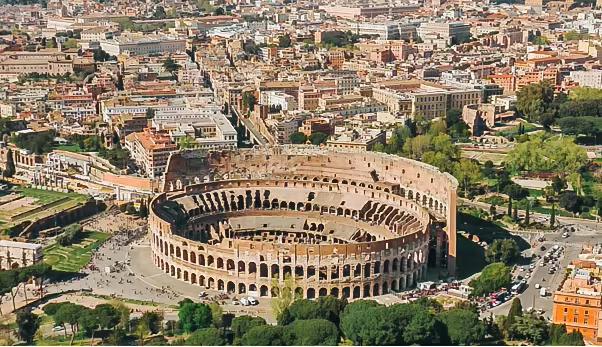

Rom er en by, hvor oldtidens historie møder moderne liv — en vidtstrakt, solbeskinnet hovedstad, der belønner dem, der omfavner dens kaos og charme i lige mål.
Hvis du tiltrækkes af verdensklassekunst, utrolig mad og en livsstil, der vægter fritid og fællesskab, leverer Rom som ingen anden by. Den er mindre forretningsorienteret end Milano, men rigere på kultur, historie og hverdagslivskvalitet.
Den Evige Stad har været et civilisationernes vejkryds i årtusinder, og denne internationale karakter lever videre i dag. Rom er Italiens politiske og administrative hovedstad, hjemsted for Vatikanstaten, den italienske regering og et stort antal ambassader og internationale organisationer. Byen er også på UNESCOs verdensarvsliste med historiske lag, der strækker sig over næsten 3.000 år.
Ekspatmiljøet er stort og mangfoldigt — diplomater, akademikere, kunstnere og fjernarbejdere finder alle deres niche her. Leveomkostningerne er moderate efter europæiske standarder, maden er enestående, og vejret er blandt de bedste i enhver europæisk hovedstad.
Denne guide dækker alt, hvad du behøver at vide om at flytte til Rom — fra bolig og leveomkostninger til sundhedsvæsen, visa og hverdagsliv. Uanset om du flytter for arbejde, studier eller en livsstilsændring, har Rom noget for enhver.
Rom i et overblik

- Indbyggertal
- ~2,75 millioner (by), ~4,2 millioner (stortbyområde)
- Region
- Lazio
- Kendt for
- Oldtidens historie, Vatikanstaten, madkultur
- Gennemsnitlig leje (1-værelses)
- €800–€1.400/måned
- Gennemsnitlig løn
- €1.800–€2.400/måned net
- Ekspatmiljø
- Stort, mangfoldigt, stærk diplomatisk tilstedeværelse
- Sprog
- Italiensk (engelsk i turistområder og internationale kontorer)
- Klima
- Middelhavsklima — varme, tørre somre, milde vintre
Hvorfor flytte til Rom
- Uovertruffen historie: Gå forbi Colosseum, Pantheon og Forum Romanum på din daglige tur på arbejde — intet andet sted i verden kan tilbyde dette.
- Madkultur: Det romerske køkken (cacio e pepe, carbonara, supplì) er legendarisk, og det er overraskende overkommeligt at spise godt her.
- Levevis og tempo: Rom opfordrer til en langsommere, mere social livsstil — lange frokoster, aftenpassegiata og livlige piazzas.
- Internationalt miljø: Som hjemsted for Vatikanstaten, FAO, WFP og talrige ambassader har Rom et dybt forankret ekspatnetværk.
- Klima: Over 250 soldage om året med milde vintre og lange, varme somre. Perfekt til udendørs liv.
- Udflugtsmuligheder: Firenze, Napoli og kysten kan alle nås på 1–1,5 timer med højhastighedstog.
Find bolig i Rom
Roms lejemarked er mindre aggressivt end Milanos, men stadig konkurrencepræget i populære områder. Forvent at betale et depositum på 2–3 måneder plus den første månedsleje. Ejendomsmæglere tager typisk én månedsleje i provision.
Det er afgørende at have en Codice Fiscale og indkomstdokumentation klar, inden du begynder at søge.
Gennemsnitlig leje
| Bydel | 1-værelses | 3-værelses | Karakter |
|---|---|---|---|
| Trastevere | €900–€1.400 | €2.000–€3.200 | Brosteinscharme, natteliv, boheme |
| Prati | €1.000–€1.600 | €2.400–€3.800 | Elegant, nær Vatikanstaten, stille |
| Monti | €950–€1.500 | €2.200–€3.500 | Trendy, boutiquer og vintagebutikker |
| Testaccio | €800–€1.200 | €1.800–€2.800 | Ægte romersk, fantastiske madmarkeder |
| Parioli | €1.000–€1.500 | €2.500–€4.000 | Grøn, familievenlig, overklasse |
| San Lorenzo | €700–€1.100 | €1.600–€2.500 | Studentområde, kunstnerisk og overkommelig |
Sådan finder du bolig
- Immobiliare.it: Italiens største boligportal — uundværlig for Rom.
- Idealista.it: Mange annoncer, især for centrale lejligheder.
- Bakeca.it: Annoncer med værelser og fremleje, som er populære blandt lokale.
- Casa.it: Endnu en stor portal med et bredt udvalg.
- Ejendomsmæglere: Provisionen er typisk én månedsleje. Mange udlejere arbejder kun gennem mæglere.
Tips til expats
- Roms lejemarked bevæger sig hurtigt i populære områder — hav dokumenterne klar.
- Kontrakter er ofte "4+4" (4 år med forlængelse). "Contratto transitorio" tilbyder kortere ophold til højere pris.
- Få altid en registreret kontrakt (contratto registrato) — uregistrerede kontrakter efterlader dig uden beskyttelse.
- Tjek vandtryk, opvarmningstype og energiklasse — ældre bygninger kan være trækfyldte.
- Undgå stuelejligheder i det historiske centrum — risiko for fugt og oversvømmelse.
- Spørg om "spese condominiali" (bygningsafgifter) — de varierer meget mellem bygninger.
- Nogle udlejere foretrækker kontant betaling — insister på en registreret kontrakt for juridisk beskyttelse og skattefradrag.
Bydelsguide
- Trastevere: Den ægte romerske oplevelse — snoede gyder, muranklørede mure og et pulserende natteliv. Ideelt for unge professionelle og par. Huslejen er over gennemsnittet, men atmosfæren er uovertruffen. Nemmest at nå med sporvogn 8 fra Largo Argentina.
- Prati: Roligt, elegant og lige ved Vatikanet. Ideelt for familier og professionelle, der ønsker orden, gode shoppingmuligheder (Via Cola di Rienzo) og nærhed til parker.
- Monti: Roms sejeste kvarter — vintagebutikker, vinbarer og håndværkscaféer. Populært blandt kreative, digitale nomader og unge expats. Det bedste område til at hoppe rundt til aperitivo-barer.
- Testaccio: Hjertet af det romerske madkulturelle liv. Hjemsted for det berømte Testaccio-marked. Mere overkommeligt og ægte lokalt. Fantastisk for madentusiaster.
- Parioli: Grønt, bolig- og eksklusivt. Gode skoler i nærheden. Foretrækkes af familier og ældre expats, der ønsker en roligere base.
- San Lorenzo: Studentkvarter nær Sapienza-universitetet. Billige spisesteder, gadekunst og livemusik — energisk, men lidt råt i kanterne. Ideelt for budgetbevidste, yngre expats.
- EUR: Planlagt bydel syd for centrum. Moderne, roligt og forretningsorienteret. Populært blandt familier og professionelle, der arbejder i området. Godt forbundet med metrolinje B.
- Ostiense: Tidligere industriel bydel nær Testaccio. Voksende kunstscene, ombyggede pakhuse og mere overkommelige huslejer. Godt for unge kreative og kunstnere.
- Flaminio: Tæt på MAXXI-museet og Stadio Olimpico. Roligt, bolig og godt forbundet til centrum med sporvogn.
Leveomkostninger i Rom
Rom er moderat dyr — billigere end Milano, men dyrere end Napoli eller Torino. Husleje er den største udgift. Dagligvarer og restaurantbesøg er meget overkommelige efter europæiske standarder.
Månedligt budgetoverslag
| Kategori | Budgetinterval |
|---|---|
| Husleje (1-værelses, centrum) | €1.000–€1.400 |
| Forsyninger (el, varme, vand, affald) | €170–€250 |
| Internet | €25–€35 |
| Dagligvarer | €280–€380 |
| Transport (månedligt ATAC-kort) | €35 |
| Restaurantbesøg (4 gange/md.) | €100–€180 |
| Fritid/Træningscenter | €35–€70 |
| Total | €1.645–€2.350 |
Daglige udgifter
- Kaffe (espresso i baren): €1,00–€1,30
- Frokost (trattoria): €8–€13
- Månedligt transportkort: €35
- Øl (bar): €5–€6
- Biografbillet: €8–€10
- Pizza al taglio (pr. stykke): €3–€5
- Gelato: €2,50–€4,00
De bedste områder for forskellige budgetter
- Budgetvenligt (€500–€800/md.): San Lorenzo, Torpignattara, Centocelle — længere ude, men forbundet med metro og bus.
- Mellemklasse (€800–€1.200/md.): Testaccio, Trastevere, Monti — livlige centrale kvarterer med karakter.
- Premium (€1.200–€1.800/md.): Prati, Parioli, EUR — elegante, rolige og velforsynede.
Internet og forbindelse
Roms internetinfrastruktur er god i centrum, men kan være ujævn i ældre bygninger eller ydre kvarterer.
- Større udbydere: TIM, Fastweb, Vodafone, WindTre.
- Gennemsnitlig hastighed: 50–200 Mbps (fiber i centrale områder). Nogle ældre bygninger bruger stadig ADSL.
- Pris: €25–€35/md. for bredbånd.
- SIM-kort: Iliad-abonnementer starter ved €9,99/md. TIM og Vodafone koster €12–€20/md.
- Coworking-miljøer: Talent Garden, Impact Hub, WeWork, Nana Lab og adskillige uafhængige lokaler.
- Supermarkeder: Conad, Carrefour, PAM og Esselunga er de vigtigste kæder. Lokale markeder er billigere til frugt og grønt.
Pris for at flytte dine ejendele til Rom
Flytteomkostninger varierer efter forsendelsesstørrelse og oprindelsessted. Typiske priser fra midten af 2025:
| Forsendelsesmetode | Transittid | Anslået pris (EUR) |
|---|---|---|
| 20-fods container | 3–6 uger | €2.100–€3.400 |
| 40-fods container | 3–6 uger | €3.500–€5.200 |
| Luftfragt (pr. m³) | 2–8 dage | €1.400–€2.100 |
| Told-/VAT-gebyrer | — | €200–€500 (hvis relevant) |
<!-- FACT-CHECK FLAG (2026-04-04): Dette vidnesbyrd er ubekræftet og sandsynligvis opdigtet. "Alessia B." har intet efternavn, ingen ekstern kilde, og de specifikke tal (€5.100, 28 m³, fire uger) virker opfundne. Vi anbefaler at fjerne eller erstatte med en verificeret case-studie inden udgivelse. -->
Virkelig case: "Jeg flyttede til Rom i juni 2025 med cirka 28 kubikmeter personlige ejendele i en 20-fods container. De samlede omkostninger, inklusive toldafklaring og hjemmelevering, var omkring €5.100. Alle mine ting kom sikkert frem inden for fire uger." — Alessia B.
Transport i Rom
- Offentlig transport: ATAC-netværket — metro (3 linjer: A, B, B1), busser og sporvogne. Et månedligt kort koster €35. Driften kan være upålidelig, men dækningen er bred. Metroen er praktisk til at tilbagelægge længere afstande hurtigt.
- Til fods: Rom er bedst til at udforske til fods. De fleste historiske seværdigheder ligger inden for gåafstand af hinanden.
- Cykling: Begrænsede cykelstier, men elscooter- og cykeldeling-apps (Lime, Bird) er i vækst. Roms bakker kan være udfordrende.
- Bilkørsel: Ikke anbefalet til daglig brug — tung trafik, begrænsede parkeringsmuligheder og ZTL-zoner med adgangsbegrænsning. Kameraer bøder automatisk uautoriserede køretøjer.
- Lufthavn: Fiumicino (FCO) — hovedhub, 30 km fra centrum med Leonardo Express-tog (€14). Ciampino (CIA) — budgetflyselskaber med busforbindelser.
- Intercity-tog: Roma Termini — højhastighedstog til Napoli (1 time), Firenze (1,5 timer), Milano (3 timer). Både Trenitalia og Italo opererer disse ruter. Termini er også et vigtigt regionalt knudepunkt.
- Taxaer: Hvide taxaer er officielle. Brug apps som FreeNow eller itTaxi. Lufthavnstransfer fra Fiumicino til centrum koster fast €50.
Sikkerhed
Rom er generelt sikkert for en storby, men småkriminalitet er almindeligt i visse områder.
- Lommetyveri: Meget almindeligt på metro linje A, omkring Termini-stationen og på turiststeder som Colosseum og Trevi-fontænen.
- Svindel: Vær opmærksom på uofficielle turistguider, taxaer der tager for meget betalt (insistér på taxameter) og armbånds-svindlere nær turiststeder.
- Områder du skal være forsigtig i: Området omkring Termini Station om natten, dele af Esquilino og nogle ydre forstæder.
- Politi: Carabinieri (112) og Polizia er synlige i centrum. Turistpoliti opererer i nærheden af de større seværdigheder.
- Nødnumre: 112 for generelle nødsituationer, 118 for ambulance, 113 for politi.
Sundhedsvæsenet i Rom
- Hospitaler/Klinikker: Policlinico Gemelli (katolsk universitetshospital), Ospedale San Camillo, European Hospital, Villa Stuart.
- Engelsktalende læger: Findes på private klinikker og blandt praktiserende læger, der betjener det diplomatiske miljø.
- Apoteker: Rigeligt med apoteker — kendetegnet ved grønt kors. Roterende nat- og weekendlister (turno di notte).
- Nødnummer: 112 (generelt) eller 118 (ambulance).
- Privat forsikring: Anbefales til hurtigere adgang. Mange expats bruger Cigna, Allianz eller Generali.
Fa en personlig flytteplan
Skriv din e-mail, sa sender vi en skraeddersyet tjekliste plus tre tilbud fra godkendte flyttefirmaer.
Visum- og opholdstilladelseskrav
Visum er påkrævet for de fleste statsborgere fra lande uden for EU/EØS, der ønsker at bo, arbejde eller studere i Italien.
Almindelige kategorier omfatter:
- Nationalt D-visum (længerevarende ophold) til ansættelse, studier, familiesammenføring og selvstændig erhvervsvirksomhed
- Schengenvisum for korttidsophold (Type C) til turisme eller forretningsrejser under 90 dage
- Elective Residence Visa til personer med tilstrækkelig passiv indkomst (arbejde er ikke tilladt)
- Digital Nomad Visa (introduceret april 2024) til remote-medarbejdere og freelancere, der er ansat hos eller har kontrakt med ikke-italienske virksomheder. Ansøgere skal dokumentere tilstrækkelig indkomst (ca. €28.000+/år), sygeforsikring og ren straffeattest.
Hver type har specifikke krav som f.eks. gyldig indkvartering, indkomstdokumentation og en begrundelse for ophold på mere end 90 dage.
- Visumtyper og berettigelse: vistoperitalia.esteri.it
- Online ansøgning og konsulær booking: prenotami.esteri.it
Skatte- og pensionsforpligtelser
Skatteresidente (183+ dage om året eller fast bopæl) beskattes af global indkomst. INPS-bidrag er obligatoriske.
| Skattekomponent | Beskrivelse | Bemærkninger |
|---|---|---|
| Indkomstskat | Skat af global indkomst | Progressive satser: 23 %–43 % |
| Social sikring (INPS) | Obligatoriske bidrag til pension og velfærd | Betales af både arbejdsgiver og medarbejder |
| Dobbeltbeskatningsoverenskomster | Undgå dobbeltbeskatning | Aftaler med 80+ lande |
Told og import af ejendele
Brugte personlige ejendele kan importeres toldfrit, hvis de har været ejet og brugt i mindst 6 måneder og er bestemt til personlig brug.
Påkrævede dokumenter:
- Detaljeret fortegnelse
- Bevis på bopæl eller opholdstilladelsesregistrering
- Konossement eller flyvefragtsseddel
- Tolddeklarationsformular
Nye varer eller kommercielle varer er underlagt toldafgifter og moms. Sørg for, at deklarationerne er komplette for at undgå forsinkelser.
Flytning af kæledyr
Hunde, katte og ildere skal være mikrochipmarkeret, vaccineret mod rabies og have et veterinært sundhedscertifikat udstedt inden for 10 dage før rejse.
Yderligere krav:
- Kæledyr fra lande uden for EU kan kræve godkendte veterinærcertifikater
- Underret italiensk told på forhånd
- Følg EU's regler for transport af kæledyr nøje
- Overvej en professionel flyttevirksomhed for kæledyr i komplekse tilfælde
Import af bil og ombytning af kørekort
Køretøjer fra lande uden for EU kan blive pålagt importtold og moms og skal overholde EU's sikkerheds- og miljøstandarder.
Vigtige punkter:
- Registrer hos Motorizzazione Civile efter et teknisk syn
- Historiske køretøjer (30+ år) kan kvalificere sig til skattefritagelser
- EU/EØS-kørekort er gyldige ved korttidsophold
- Langtidsopholdende fra lande uden for EU skal ombytte deres kørekort — kan kræve skriftlig og praktisk køreprøve
Åbning af bankkonto og skatte-id
Du skal bruge pas, bevis på italiensk adresse og en Codice Fiscale for at åbne en bankkonto.
Større banker i Rom:
- UniCredit: Stærkt filialnetværk, flersproget support
- Intesa Sanpaolo: Italiens største bank, gode online-ydelser
- BNL (Banca Nazionale del Lavoro): Populær blandt nyankomne, konkurrencedygtige gebyrer
- Poste Italiane: Basisbanktilbud tilgængeligt for alle, herunder ikke-residente
Codice Fiscale (fra Agenzia delle Entrate) er påkrævet for ansættelse, sundhedsydelser og lejekontrakter.
Kultur og livsstil
- Levende historie: Colosseum, Vatikanmuseerne, Det Sixtinske Kapel, Trevi-fontænen og hundreder af kirker med mesterværker af Caravaggio og Bernini.
- Piazza-liv: Romere socialiserer udendørs — aftenens passeggiata og lange pauser over en espresso er en fast del af kulturen. Piazza Navona, Campo de' Fiori og Piazza del Popolo er mødesteder.
- Natteliv: Testaccio og Ostiense for klubber, Trastevere og Centro for barer. Middag kl. 21, klubber ved midnat. Tagterasser er en romersk specialitet.
- Grønne områder: Villa Borghese, Villa Ada og Via Appia Antica for parker og antikke ruiner. Janiculum-højen tilbyder panoramisk udsigt over byen.
Mad og spisesteder
- Skal smages: Cacio e pepe, carbonara, amatriciana, supplì (friturestegte risboller) og pizza al taglio.
- Bedste områder: Testaccio for traditionelle romerske trattoriaer, Trastevere for variation, Det Jødiske Kvarter for carciofi alla giudia (friturestegte artiskokker).
- Budgetvenlige muligheder: Pizza al taglio (€3–€5), frokost på markedet (€6–€10), aperitivo-tilbud.
- Markeder: Campo de' Fiori (morgenmarked med friske råvarer), Mercato Testaccio, Mercato Centrale Roma (madhal ved Termini).
- Supermarkeder: Conad, Coop, Todis og Carrefour er de vigtigste kæder i Rom. Esselunga har kun et par få butikker i hovedstaden. Lokale markeder er billigere til friske råvarer.
- Vin: Romerske trattoriaer serverer husvin (vino della casa) for €5–€8 pr. liter — normalt ganske udmærket lokal vin.
Expat-fællesskab
- Stærk InterNations- og Meetup-tilstedeværelse — regelmæssige sprogudvekslinger, kulturelle arrangementer og netværk.
- Store engelsktalende, franske og sydamerikanske fællesskaber.
- Internationale organisationer (FAO, WFP, IFAD) ansætter tusindvis af expats.
- Co-working-miljøer og fællesskaber for digitale nomader vokser hurtigt.
- Facebook-gruppen "Expats in Rome" er meget aktiv med råd og meetups.
- Mange internationale ambassader og kulturinstitutter afholder arrangementer, der er åbne for offentligheden.
Jobmarkedet i Rom
- Hovedbrancher: Offentlig forvaltning, turisme, internationale organisationer, medier, uddannelse, tech.
- Større arbejdsgivere: Italienske regeringsorganer, FAO, RAI, LUISS og Sapienza-universiteterne, hotelkæder.
- Freelance: Rom har en voksende freelance- og digital nomade-scene, især inden for medier, design og konsulentvirksomhed.
- Gennemsnitlige lønninger pr. branche:
| Branche | Gennemsnitlig månedlig netto |
|---|---|
| Offentlig sektor/NGO | €2.000–€3.500 |
| Turisme/Hoteller og restauranter | €1.200–€1.800 |
| Tech | €1.800–€2.800 |
| Uddannelse | €1.400–€2.200 |
- Jobsøgning: LinkedIn, Indeed Italia, UN Careers, Language Jobs, lokale rekrutteringsbureauer.
Uddannelse i Rom
- Internationale skoler: American Overseas School of Rome, St. George's British International School, Marymount International School.
- Universiteter: Sapienza (et af Europas største universiteter), LUISS (business og jura), Roma Tre, John Cabot University (engelsksproget, amerikansk akkrediteret).
- Sprogskoler: Torre di Babele, Dilit International House, Italiaidea og Dante Alighieri Society.
- Biblioteker: Biblioteca Nazionale Centrale og adskillige folkebiblioteker tilbyder gratis adgang.
Flytteliste til Rom
- Sørg for visa- og permesso di soggiorno-papirer, hvis du er fra lande uden for EU
- Undersøg bydele og book virtuelle fremvisninger
- Book midlertidig bolig i 2–4 uger
- Saml apostillerede dokumenter (eksamensbeviser, fødselsattest, ægtefælleattest)
- Lav et budget — udgifterne den første måned er høje (depositum, formidlingsgebyrer, indledende udgifter)
- Ansøg om Codice Fiscale hos Agenzia delle Entrate
- Registrer dig hos Anagrafe for at få bopæl
- Opret en bankkonto (UniCredit, Intesa Sanpaolo eller Poste Italiane)
- Køb et lokalt SIM-kort (TIM, Vodafone eller WindTre)
- Tilmeld dig hos SSN for sundhedsydelser
- Færdiggør lejekontrakt og tilmeld forsyninger
- Køb et månedligt ATAC-kort
- Deltag i en expat-gruppe eller en sprogudveksling
- Udforsk dit nabolag og skab en lokal rutine
Relaterede guider
- [Flytning til Italien] — omfattende landeguide
- [Flytning til Napoli] — byguide til Syditalien
- [Flytning til Milano] — Norditaliens finansielle centrum
- [Flytning til Firenze] — Centralitaliens kulturelle juvel
- [Flytning til Torino] — Alpernes portby med lavere leveomkostninger