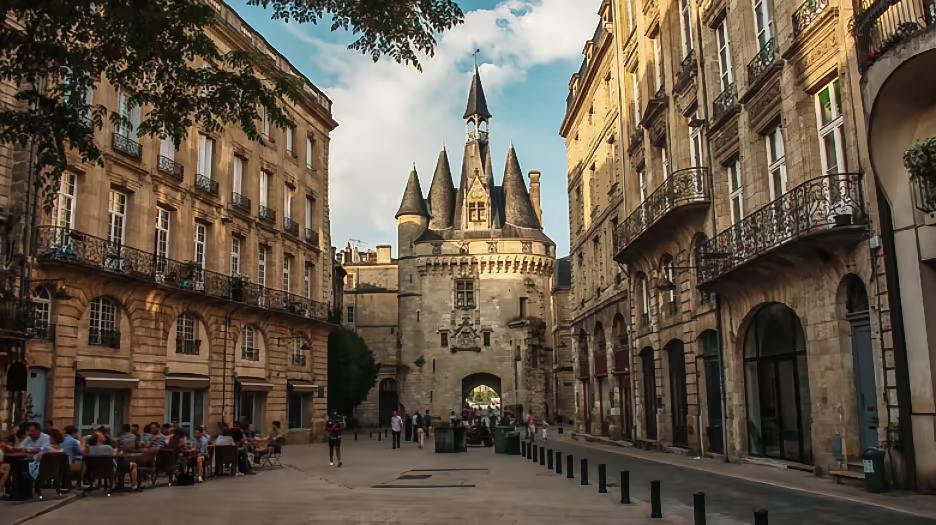
Bordeaux er Frankrigs vinhovedstad, en elegant sydvestlig by ved Garonne-floden, kendt for sin guldstenarkitektur, vinmarker i verdensklasse og en stadig mere dynamisk tech- og forskningsscene. Den er mindre og roligere end Paris, men leverer langt over sin vægt hvad angår livskvalitet – smukke gader, fremragende mad, et mildt atlantisk klima og et UNESCO-fredet bycenter gør den til en af Frankrigs mest attraktive byer at bo i.
I løbet af de seneste 15 år har Bordeaux gennemgået en dramatisk forandring. TGV-forbindelsen til Paris (2 timer), fodgængeriseringen af bycentret og renoveringen af kajerne langs floden har gjort det til en af Frankrigs mest attraktive byer for tilflyttere. De britiske, amerikanske og australske ekspatsamfund er vokset hurtigt, tiltrukket af livsstilen og vinen. Byen fortsætter med at tiltrække nye beboere i et af de hurtigste tempoer i Frankrig.
Bordeaux i korte træk
- Befolkning
- 260.000 (selve byen), 1,2 millioner (storbyområdet)
- Region
- Nouvelle-Aquitaine
- Kendt for
- Vin, 1700-tals arkitektur, Cité du Vin
- Gennemsnitlig husleje (1 soveværelse)
- €750 – €1,200
- Gennemsnitlig løn
- €2.300 – €3.000/måned netto
- Ekspatsamfund
- Vokser støt – stærk britisk, amerikansk og tech-sektors tilstedeværelse
- Klima
- Oceanisk; milde vintre, varme somre, over 2.000 solskinstimer om året
- Sprog
- Fransk (engelsk tales i vinindustrien og internationale virksomheder)
Hvorfor flytte til Bordeaux
- Vin og gastronomi: Verdens mest berømte vinregion er 30 minutter fra bycentret. Restaurantoplevelserne er fremragende og mere overkommelige end i Paris.
- Arkitektonisk skønhed: Bycentret er et UNESCO Verdensarvssted med over 350 registrerede historiske monumenter – det største bymæssige UNESCO-sted i verden.
- TGV til Paris: Kun 2 timer med højhastighedstog, hvilket gør Bordeaux til en mulighed for Paris-baserede fagfolk, der ønsker en roligere hjembase.
- Livskvalitet: Ren luft, milde vintre, et bycenter, man kan gå rundt i, og Europas længste bymæssige shoppinggade (Rue Sainte-Catherine, 1,2 km).
- Voksende tech-scene: La French Tech Bordeaux er et af Frankrigs mest aktive startup-økosystemer og tiltrækker digitalt talent.
- Nærhed til stranden: Atlanterhavskysten og Arcachon-bugten er under en time væk med bil eller tog.
Find bolig i Bordeaux
Gennemsnitlige huslejer
| Bydel | 1 soveværelse | 3 soveværelser | Karakter |
|---|---|---|---|
| Saint-Pierre / Saint-Projet | €900 – €1.400 | €1.800 – €2.800 | Historisk centrum, livligt, restauranter |
| Chartrons | €800 – €1.200 | €1.600 – €2.400 | Antikvitetsbutikker, ved floden, trendy |
| Saint-Michel | €700 – €1.000 | €1.300 – €2.000 | Multikulturel, levende marked, overkommelig |
| Darwin Ecosystem | €750 – €1.100 | €1.400 – €2.200 | Kreativt knudepunkt, ombygget militærbase |
| Grand Parc / Bacalan | €650 – €950 | €1.200 – €1.800 | Opkommende bydel, nær Cité du Vin |
| Victoire | €600 – €900 | €1.100 – €1.700 | Studenterkvarter, livligt natteliv |
Det historiske centrum (Saint-Pierre) og Chartrons har de højeste huslejer. Saint-Michel og Victoire tilbyder mere overkommelige muligheder inden for gangafstand af centret. Bacalan er under hurtig gentrificering og tilbyder stadig god værdi for pengene.
Sådan finder du bolig
- SeLoger: Den primære franske lejeportal – filtrer efter bydel og budget.
- Leboncoin: Annoncer direkte fra udlejere; populær i Bordeaux og ofte billigere (ingen mæglersalærer).
- Bien'ici: Populær portal med kortbaseret søgning og verificerede annoncer.
- PAP: Platform uden mæglersalær til direkte lejer-til-udlejer-forbindelser.
- Forbered din ansøgningsmappe i god tid – Bordeaux' marked er konkurrencepræget, især om foråret og i september, når studerende og nyankomne strømmer til.
Tips til ekspatrierede
- Udlejere kræver typisk dokumentation for, at din månedlige indkomst er mindst 3× huslejen. Forbered tre måneders lønsedler, skatteopgørelse og legitimation.
- Darwin Ecosystem-området (højre bred) har udviklet sig hurtigt – det er et knudepunkt for startups, økologisk mad og kreative virksomheder. En magnet for unge ekspatrierede.
- Hvis du ikke taler flydende fransk, så overvej en relokationsrådgiver – mange udlejere i Bordeaux foretrækker fransktalende lejere.
- Visale er en gratis statsstøttet garantiordning – tjek om du er berettiget, før du betaler for en privat garant.
- Undgå lejligheder ud mod smalle gader i den gamle bydel – de kan være mørke og støjende i weekenderne.
Bydelsguide
- Saint-Pierre / Saint-Projet: Hjertet af det gamle Bordeaux. Smalle gader fyldt med restauranter, vinbarer og caféer. Støjende i weekenderne, men uslåelig hvad angår atmosfære og gangvenlighed.
- Chartrons: Et tidligere vinhandelskvarter, nu kendt for antikvitetshandlere, kajerne ved floden og Cité du Vin. Stadig mere trendy med unge fagfolk og familier.
- Saint-Michel: Et af Bordeaux' mest multikulturelle kvarterer med et berømt søndagsmarked (Marché des Capucins). Overkommelige huslejer og et livligt gadebillede.
- Darwin Ecosystem: En tidligere militærbaraks omdannet til et grønt, innovativt arbejdsmiljø med skateparker, økologiske restauranter, co-working-pladser og nyttehaver. En magnet for kreative ekspatrierede.
- Grand Parc / Bacalan: Under hurtig gentrificering, tæt på Cité du Vin og nye flodsideftebyggerier. Mere overkommeligt end centret med forbedrede faciliteter og sporvognsforbindelser.
- Victoire: Studenterknudepunktet nær universitetet. Livligt, støjende og billigt – perfekt for unge ekspatrierede og kandidatstuderende med et stramt budget. Masser af overkommelige restauranter og barer.
Leveomkostninger i Bordeaux
Månedligt budgetoversigt
| Kategori | Budgetramme |
|---|---|
| Husleje (1-værelses, centrum) | €850 – €1.200 |
| Forsyninger | €110 – €170 |
| Internet | €20 – €40 |
| Dagligvarer | €220 – €350 |
| Transport | €65,00 (TBM månedligt) |
| Restaurantbesøg (4x/måned) | €120 – €200 |
| Fritid/Fitnesscenter | €30 – €50 |
| I alt | €1.408 – €2.068 |
Daglige udgifter
- Kaffe (espresso): €1,50 – €2,00
- Frokost (uformel restaurant): €12 – €18
- Månedskort til offentlig transport (TBM): €65,00
- Øl (fadøl, bar): €5 – €7
- Biobillet: €10 – €12
- Canelé (lokal kage): €1,50 – €2,50
- Glas vin på en bar: €3 – €6
- Østers (et halvt dusin, marked): €8 – €14
Sådan kommer du rundt i Bordeaux
- Offentlig transport: TBM driver 4 sporvognslinjer (A, B, C, D), over 80 busruter og flodpendlerbåde (Batô). Månedkortet koster €65,00 og dækker hele storbyområdet.
- Cykling: VCub cykeludlejning har over 180 stationer. Bordeaux er flad, hvilket gør cykling til en af de bedste måder at komme rundt på. Der er et udbygget netværk af dedikerede cykelstier.
- Bilkørsel: Bycentret er i vid udstrækning gågade siden 2017. Park & Ride-pladser ved sporvognsendestationerne er praktiske. Trafikken er moderat sammenlignet med større byer.
- Lufthavn: Bordeaux-Mérignac (BOD), 12 km mod vest, med europæiske og nogle langdistanceflyvninger. Busshuttle (Liane 1+) til bycentret tager 30 minutter.
- Intercity: TGV til Paris på 2 timer, Toulouse på 2 timer og Atlanterhavskystens strande på under en time. Spanien er 3 timers kørsel mod syd. London er 6 timer væk via Paris med tog.
Sundhedspleje i Bordeaux
- Hospitaler/klinikker: CHU de Bordeaux (stort universitetshospital), Clinique Tivoli, Hôpital Pellegrin, Clinique Saint-Augustin og Institut Bergonié (onkologi).
- Engelsktalende læger: Tilgængelige via Doctolib.fr – filtrer efter sprog. Flere engelsktalende alment praktiserende læger praktiserer i Chartrons og bycentret.
- Apoteker: Findes overalt i byen. Grønt kors som skilt. Apotekere kan håndtere mindre konsultationer og anbefale behandlinger.
- Nødnummer: 15 (SAMU) eller 112.
Fa en personlig flytteplan
Skriv din e-mail, sa sender vi en skraeddersyet tjekliste plus tre tilbud fra godkendte flyttefirmaer.
Kultur og livsstil
- Vinkultur: Bordeaux er omgivet af over 7.000 châteaux. Vinsmagninger, kælderbesøg og en-primeur-arrangementer er en del af dagliglivet. Saint-Émilion, Médoc og Sauternes er alle inden for dagsrejsedistance.
- Cité du Vin: Et imponerende vinmuseum og kulturcenter ved Garonne – interaktive udstillinger, en panoramisk smagningsbar og regelmæssige arrangementer. Et must for nytilkomne.
- Livet ved floden: De renoverede kajanlæg langs Garonne (Les Quais) er perfekte til gåture, cykling og udendørs spisning. En stor succes for byfornyelsen.
- Museer: Musée d'Aquitaine (regionalhistorie), CAPC (samtidskunst i et tidligere lagerrum), Musée des Beaux-Arts.
- Miroir d'Eau: Verdens største spejlbassin, foran Place de la Bourse. Et mødested og et ikonisk Bordeaux-billede. Gratis adgang året rundt.
Mad og restauranter
- Sørg for at prøve: canelé (karamelliseret rumkage), entrecôte bordelaise (bøf i rødvinsauce), østers fra den nærliggende Arcachon-bugt og lamproie (lampretgryderet, en lokal delikatesse).
- Bedste områder: Saint-Pierre for eksklusive bistroer, Marché des Capucins for mad fra markedet og Chartrons for trendy brunchsteder og vinbarer.
- Budgetmuligheder: Marché des Capucins er Bordeaux' madmarked – friske måltider, ost, vin og bagværk for under €10. Studenterrestauranter nær Victoire serverer måltider for €3–€5.
- Vinbarer (bar à vins) er overalt – forvent at betale €3–€6 pr. glas for fremragende lokale vine.
- Bordeaux' postevand er sikkert og af høj kvalitet – der er ingen grund til at købe vand på flaske.
Expat-fællesskab
- InterNations Bordeaux og Expats in Bordeaux (Facebook) er aktive grupper med regelmæssige arrangementer.
- Bordeaux Accueil hjælper nytilkomne med at integrere sig via kulturelle aktiviteter, sportsgrupper og sociale sammenkomster.
- Den britiske expat-community er særlig stærk – mange pensionerede og erhvervsaktive expats slog sig ned her, efter at TGV-forbindelsen forkortede rejsen London–Bordeaux. De amerikanske og australske fællesskaber vokser også.
Arbejdsmarkedet i Bordeaux
- Vigtigste brancher: Vin og spiritus, luftfart (Dassault, ArianeGroup), digital teknologi, turisme, forskning og videregående uddannelse.
- Større arbejdsgivere: Dassault Aviation, ArianeGroup, Cdiscount (e-handel) og Bordeaux' voksende La French Tech-startup-scene.
- Gennemsnitslønninger pr. sektor:
| Sektor | Gennemsnitlig nettoløn pr. måned |
|---|---|
| Teknologi / IT | €2.300 – €3.800 |
| Luftfart | €2.500 – €4.000 |
| Vin / Spiritus | €1.800 – €2.800 |
| Turisme / Gæstfrihed | €1.600 – €2.100 |
| Forskning | €2.200 – €3.200 |
- Jobsøgningsressourcer: Welcome to the Jungle, France Travail (tidligere Pôle Emploi), Apec, Indeed France og Bordeaux Technowest (jobboard for luft- og rumfartsindustrien og tech-klyngen).
Uddannelse i Bordeaux
- Internationale skoler: Bordeaux International School, École Internationale Montessori Bordeaux, Lycée Victor Louis (europæisk sektion).
- Universiteter: Université de Bordeaux (60.000+ studerende), Sciences Po Bordeaux, Kedge Business School, Bordeaux INP ingeniørskole.
- Sprogskoler: Alliance Française Bordeaux, Accent Français og Bordeaux International Language School.
Tjekliste til flytning til Bordeaux
- Ansøg om det korrekte visum (VLS-TS eller talentpas)
- Påbegynd boligsøgning 2–3 måneder i forvejen – Bordeaux' boligmarked er sæsonbetonet
- Klargør din lejemappe på DossierFacile
- Lær grundlæggende fransk – dagliglivet foregår på fransk her
- Valider dit visum online (ANEF-platformen)
- Åbn en bankkonto (Caisse d'Épargne, BNP Paribas eller en netbank som Boursorama)
- Køb et TBM-transportkort ved ethvert tramstop
- Få et fransk telefonnummer (Free Mobile fra €9,99/måned)
- Tilmeld dig CPAM for social sikring
- Underskriv din lejekontrakt og opret forsyninger (EDF, vand, internet)
- Besøg dit lokale rådhus (mairie) for borgerservice og affaldsordning
- Gå en tur langs kajerne og udforsk dit kvarter
- Åbn en opsparingskonto (Livret A) med skattefri rente
- Modtag dit socialforsikringsnummer og ansøg om carte Vitale
- Tegn en supplerende sygesikring (mutuelle)
- Indskriv børn på lokale skoler, hvis relevant
- Besøg Saint-Émilion og Miroir d'Eau
- Tag på dagstur til Arcachon-bugten og Dune du Pilat
Sikkerhedstips til expats
- Bordeaux er en af Frankrigs sikreste større byer – voldskriminalitet er sjælden.
- Lommetyveri kan forekomme ved Gare Saint-Jean og i overfyldte sporvogne – hold dine værdigenstande sikre.
- Bycentret er veloplyst og trygt at gå i om natten. Saint-Michel kan føles mere råt sent om natten, men er fint i dagtimerne.
- Brug kontaktløs betaling – det accepteres overalt i Bordeaux.
- Registrer dig hos din ambassade for nødadvarsler. Det franske nødnummer 112 virker fra enhver telefon.
- Bordeaux' postevand er sikkert og af høj kvalitet – du behøver ikke købe flaskevand.
Fjernarbejde og coworking
- Mutualab: Et populært coworking-sted i Chartrons-kvarteret med et kreativt fællesskab.
- La Cantine Numérique: Teknologifokuseret coworking tæt på bycentret.
- WeWork: Fleksibel kontorplads i det centrale Bordeaux.
- Darwin Ecosystem: Et unikt coworking-campus med økologiske restauranter, skaterbane og fællesskabshaver – en kreativ magnet for expats.
- Internethastigheder er i gennemsnit 100–300 Mbps med fiber i de fleste kvarterer.
Praktiske tips til nytilkomne
- Postevand er sikkert at drikke overalt i Bordeaux – du behøver ikke flaskevand.
- Søndag er roligt – de fleste butikker lukker bortset fra bagerier og Marché des Capucins (kun om morgenen).
- Franske banker opkræver månedlige gebyrer (€2–€8/måned) – sammenlign tilbud, inden du åbner en konto.
- Det franske regnskabsår løber fra januar til december – selvangivelsen indgives om foråret for det foregående år.
- Genbrug er obligatorisk – sorter glas (grønne beholdere), plast/papir (gule beholdere) og restaffald.
Sprog og integration
- Fransk er vigtigere i Bordeaux end i Paris – dagliglivet, bureaukratiet og sociale forbindelser foregår på fransk.
- Gratis franskundervisning via OFII efter visumvalidering.
- Alliance Française Bordeaux tilbyder intensive kurser og aftenkurser.
- Bordeaux Accueil arrangerer kulturelle arrangementer, sportsgrupper og franske samtalegrupper.
- De store britiske og amerikanske fællesskaber betyder, at du kan finde engelsktalende støtte, men det at lære fransk beriger oplevelsen enormt.
Relaterede guider
- [Flyt til Frankrig] – omfattende landeguide
- [Flyt til Paris] – guide til Frankrigs hovedstad
- [Flyt til Toulouse] – rumfartscenter i sydvest
- [Flyt til Lyon] – guide til gastronomihovedstaden