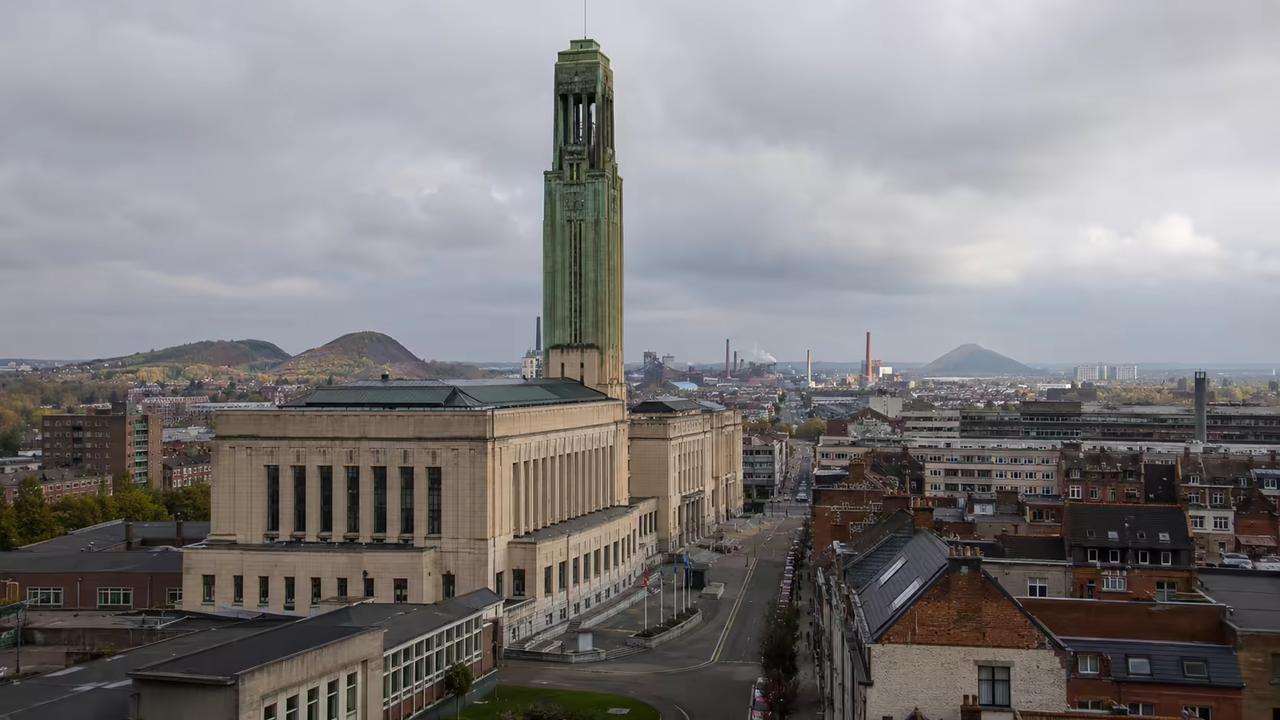

Charleroi er den største by i Wallonien, Belgiens fransktalende sydlige region, og et sted, hvor industriel charme møder kulturel genopblomstring. Engang kendt som "Pays Noir" for sin kulmine- og stålproduktionsfortid, tilbyder Charleroi i dag nogle af de laveste huslejer i det fransktalende Belgien, en voksende kunstscene forankret af institutioner som BPS22 og Musée de la Photographie, og en strategisk beliggenhed mindre end en time fra Bruxelles med tog. Det passer til budgetbevidste expats, fjernarbejdere der er villige til at bytte poleret byliv for overkommelighed, og alle der har brug for nem adgang til Brussels South Charleroi Airport (CRL), et af Europas største lavpris-lufthavnshubs. Fransk er det administrative og daglige sprog, og den lokale bureaukrati fungerer udelukkende på fransk via Ville de Charleroi-kommunen (det belgiske udtryk for en kommunal regering).
Charleroi på et øjeblik

- Befolkning
- ~205.000 (by); ~520.000 (storbyområde)
- Region
- Wallonien (Vallonregionen), Hainaut-provinsen
- Kendt for
- Industriarv, Brussels South Charleroi Airport, billige boliger
- Gennemsnitlig husleje (1-værelses)
- €550–€750
- Gennemsnitlig løn
- €2,100–2,400 netto/måned
- Ekspatsamfund
- Lille men voksende; koncentreret nær Gosselies og universitetsgangen
Hvorfor flytte til Charleroi
- Laveste huslejer i fransktalende Belgien: En etværelseslejlighed i det centrale Charleroi koster omtrent halvt så meget som en tilsvarende lejlighed i Bruxelles, hvilket gør det til en af de billigste byer af sin størrelse i Vesteuropa.
- Direkte billigflyvninger til hele Europa og videre: Brussels South Charleroi Airport (CRL) er en vigtig base for Ryanair og Wizz Air med direkte ruter til over 70 destinationer på kontinentet og i Nordafrika.
- Kulturel genopblomstring er i gang: Fotografimuseet (Musée de la Photographie i Mont-sur-Marchienne), det samtidskunstneriske sted BPS22 og det UNESCO-listede industriarvssted Bois du Cazier har sat Charleroi tilbage på kulturkortet.
- Strategiske togforbindelser: Charleroi-Sud station når Bruxelles Midi på ca. 55 minutter med den regulære S2-linje og forbinder direkte til Namur, Mons og Lille (Frankrig).
Visa og opholdstilladelse
Belgiens immigrationsregler fastsættes på føderalt niveau, så processen er den samme, uanset om du flytter til Charleroi eller Bruxelles, men den lokale behandling foregår via Ville de Charleroi.
- EU/EØS/schweiziske borgere: Intet visum kræves. Du skal tilmelde dig ved Charlerois kommunes Service de la Population (folkeregisterkontor) inden for 90 dage efter ankomst. Du vil modtage en registre des personnes (befolkningsregister)-optagelse og, efter gennemgang, et carte E/E+ (EU-registreringsbevis) eller et carte F/F+ (permanent opholdskort for EU-borgere efter fem år).
- Ikke-EU-borgere: Du skal skaffe det rette langvarende visum (D-visum) fra den belgiske ambassade i dit land inden ankomst. Almindelige kategorier inkluderer arbejde (enkelt tilladelse), studier, familiesammenføring og freelance-/fagkort.
- Enkelt tilladelse: Ikke-EU-arbejdstagere har brug for en kombineret arbejds- og opholdstilladelse, som ansøges af arbejdsgiveren via Wallonregionens beskæftigelsesservice (le Forem). Behandlingstiden tager to til fire måneder.
- Kommuneregistrering: Efter ankomst skal du booke en tid i Charlerois rådhus (Hôtel de Ville, Place Charles II). Medbring dit pas, visum, adressebevis (som f.eks. en bail à loyer – den formelle belgiske betegnelse for en boliglejekontrakt) og to pasfotografier. En embedsmand vil besøge dit hjem for at bekræfte opholdsstedet (le contrôle de résidence).
- Carte d'identité d'étranger: Efter godkendelse modtager du et udlændingeidentitetskort (type A for midlertidigt, type B for længere ophold, type C for permanent). Bær det altid med dig.
Find bolig i Charleroi
Gennemsnitlige huslejer efter kvarter
| Kvarter | 1-værelses | 3-værelses | Karakter |
|---|---|---|---|
| Ville Basse (bycentrum, nedre del) | €500–650 | €750–950 | Travl kommerciel kerne omkring Place Verte; ældre bygninger, blandet stand |
| Ville Haute (øvre bydel) | €550–750 | €800–1,100 | Administrativt centrum omkring Place Charles II; mere imponerende facader, mere renovering |
| Montignies-sur-Sambre | €450–600 | €650–850 | Boligkvarter, familieorienteret, god værdi; 10 min med bus til centrum |
| Marchienne-au-Pont | €450–600 | €650–850 | Industriarvskvarter langs Sambre; roligt, overkommeligt |
| Gosselies | €550–700 | €800–1,050 | Lufthavnsområde; moderne lejligheder, godt for hyppige rejsende og rumfartsindustriens ansatte |
| Couillet | €400–550 | €600–800 | Sydlig forstad; grøn, meget overkommelig, begrænset natteliv |
Sådan finder du bolig
- Immoweb.be: Belgiens dominerende ejendomsportal; filtrer efter Charleroi og de omkringliggende kommuner. De fleste opslag er på fransk.
- Zimmo.be: Næststørste portal; nyttig til krydstjek af priser.
- Facebook-grupper: "Appartement Charleroi" og "Location Charleroi" har direkte udlejer-opslag, nogle gange til under markedsprisen.
- Lokale ejendomsmæglere: Bureauer langs Rue de la Montagne og Rue Tumelaire i Ville Basse håndterer de fleste administrerede udlejninger. Forvent at betale én måneds husleje som mæglersalær.
- Mund-til-mund: I en by, hvor personlige forbindelser er vigtige, kan det at spørge kolleger eller naboer om ledige lejligheder afsløre opslag, der aldrig dukker op online.
Tips til expats
- Udlejere kræver en bail à loyer (skriftlig lejekontrakt), typisk for ét år med mulighed for fornyelse (treårige lejemål er også almindelige). En garantie locative (depositum) på to måneders husleje skal indsættes på en spærret bankkonto hos et pengeinstitut som BNP Paribas Fortis eller Belfius.
- En état des lieux (tilstandsrapport og inventarliste) er obligatorisk ved ind- og udflytning, underskrevet af begge parter. Hyr en uafhængig ekspert, hvis udlejerens rapport virker ufuldstændig.
- De fleste forsyninger er ikke inkluderet i huslejen. Budgetter separat til el, gas og vand. Internet er altid lejerens eget ansvar.
- Fransk er sproget i alle lejekontraktsdokumenter. Få en lokal person eller en oversætter til at gennemgå alt, du ikke fuldt ud forstår.
Leveomkostninger i Charleroi
Månedligt budgetoverblik
| Kategori | Budgetramme |
|---|---|
| Husleje (1-værelses, centrum) | €500–700 |
| Forsyninger (el, gas, vand) | €120–180 |
| Internet + mobil | €35–55 |
| Dagligvarer | €250–350 |
| Transport (TEC månedskort) | €35–50 |
| Spisning ude (4x/måned) | €60–100 |
| Fritid/Fitness | €30–60 |
| Sundhed (mutuelle-bidrag) | €15–30 |
| I alt | €1,045–1,525 |
Daglige udgifter
- Kaffe (café): €1,80–2,50
- Frokost (uformel): €10–15
- Månedskort (TEC): €49
- Øl (bar): €2,50–4,00
- Biografbillet: €9–12
- Baguette (bageri): €1,20–1,60
Sundhedspleje i Charleroi
Belgien har et obligatorisk sygesikringssystem. Du skal tilmelde dig en mutuelle (fransk for sygeforsikringsfond/gensidig forsikring), f.eks. Mutuelle Chrétienne (MC), Mutualité Socialiste eller Solidaris (den dominerende mutuelle i Wallonien). Mutuellen refunderer en del af lægeudgifterne; resten kan dækkes af en supplerende assurance hospitalisation (hospitalsforsikring), som arbejdsgivere ofte tilbyder.
- Hospitaler: Centre Hospitalier Universitaire (CHU) de Charleroi, beliggende i Jumet, er det vigtigste hospitalskompleks og fungerer som undervisningshospital. Grand Hôpital de Charleroi (GHDC) driver afdelinger i Charleroi og Montignies-sur-Sambre.
- Praktiserende læger (médecin généraliste): En standardkonsultation koster €26–30, hvoraf ca. 75 % refunderes af mutuellen. Mange praktiserende læger i Ville Haute og Ville Basse taler mindst grundlæggende engelsk.
- Apoteker: Kendes på det grønne kors. Den største koncentration af apoteker er på Rue de la Montagne. Belgiske apoteker er velforsynede; tag dit europæiske sygesikringskort (EHIC) med, hvis du har et, i overgangsperioden.
- Alarmtelefon: 112 (europæisk standard). Til den lokale vagtlægeordning uden for åbningstid ring 1733 (Bruxelles-Hainaut vagtlægeordning).
Fa en personlig flytteplan
Skriv din e-mail, sa sender vi en skraeddersyet tjekliste plus tre tilbud fra godkendte flyttefirmaer.
Bank
Det er nemt at oprette en belgisk bankkonto. De vigtigste muligheder i Charleroi:
- BNP Paribas Fortis: Filialer på Place Charles II og Boulevard Joseph Tirou. Stærk engelsksproglig netbank.
- Belfius: Statslig bank med filialer i hele Charleroi; solid til hverdagsbanking.
- ING Belgium: Til stede på Rue de la Marche au Charbon; populær blandt udlændinge for sin app.
- KBC: Mindre tilstedeværelse i Charleroi, men konkurrencedygtige renter.
Du skal bruge dit pas eller carte d'identité, dokumentation for bopæl (f.eks. en bail à loyer) og nogle gange dokumentation for indkomst. En grundlæggende compte à vue (løbende konto) er normalt gratis eller koster €2–4/måned.
Kom rundt i Charleroi
- TEC-busnettet (Transport en Commun): Den wallonske regionale busoperatør, TEC Hainaut, driver alle offentlige busser i og omkring Charleroi. Et månedskort koster €49 for Charleroi-zonen. Ruterne samles ved Charleroi-Suds busterminal ved siden af togstationen. Servicefrekvensen er god på hverdage, men falder kraftigt efter kl. 20 og i weekenden.
- Charleroi Metro (Métro Léger): Charleroi har et delvist letbane-/pre-metrosystem (linjerne M1, M2, M3, M4), der kører fra den centrale ring ud til forstæder som Gilly, Gosselies og Anderlues. Det er nyttigt, men nettet er ufuldstændigt efter årtiers forsinket byggeri.
- Charleroi-Sud togstation: Byens vigtigste togknudepunkt med S2-forbindelser til Bruxelles (hvert 30. minut, ca. 55 min.), IC-tog til Namur (ca. 35 min.) og forbindelser til Mons (ca. 30 min.). For at nå Lille i Frankrig (ca. 1 t. 20 min.) kræves et skift, typisk i Mons eller Bruxelles – der kører ingen direkte internationale tog fra Charleroi.
- Brussels South Charleroi Airport (CRL): Beliggende i Gosselies, ca. 7 km nord for bycentret. Betjenes af TEC-busser (linje A fra Charleroi-Sud station, ca. 20 min.). Ryanair og Wizz Air dominerer; flyafgange til byer i hele Europa og Nordafrika. Der er ingen togforbindelse til lufthavnen.
- Cykling: Charleroi er bakket, og cykelinfrastrukturen er begrænset sammenlignet med Flandern. RAVeL-nettet (Réseau Autonome de Voies Lentes – et net af rekreative stier anlagt på tidligere kanaltowpaths og jernbanestrækninger) tilbyder dejlige cykelruter langs Sambre-floden og de gamle industrikanaler.
- Bil: Bileje er udbredt. Parkering i Ville Basse administreres af Interparking (underjordisk ved Place Verte og Rive Gauche-shoppingcentret). Trafikpropper er moderate.
Uddannelse
- Universiteter: Charleroi har ikke selv et fuldt universitet, men Université de Mons (UMons) ligger 30 minutters togrejse væk, og Université de Namur (UNamur) er 35 minutters rejse væk. UCLouvain-campus i Louvain-la-Neuve er ca. 45 minutters kørsel væk. Flere af disse universiteter tilbyder kurser på engelsk på kandidatniveau.
- Haute École: Haute École Charleroi Métropole tilbyder bacheloruddannelser inden for pædagogik, socialt arbejde og økonomi, undervist på fransk.
- Internationale skoler: Der er ingen dedikeret international skole i Charleroi. De fleste ekspatfamilier pendler til British School of Brussels (BSB) i Tervuren eller St. John's International School i Waterloo, begge ca. 50–60 minutters kørsel væk.
- Sprogkurser: Alliance Française de Charleroi tilbyder franskundervisning for udlændinge. CLL Language Schools har et center i nærheden i Louvain-la-Neuve. Le Forem (den wallonske arbejdsformidling) tilbyder også gratis eller subsidierede franskundervisning for registrerede jobsøgende.
- Lokale skoler: Belgiske offentlige skoler i Charleroi underviser udelukkende på fransk. Indmeldelse sker via den lokale kommune. Netværkene Confession libre (katolsk) og officiel (offentlig/neutral) driver begge grund- og ungdomsskoler.
Kvarteroversigt
- Ville Basse (Nedrebyen): Det kommercielle centrum og nattelivets centrum ved Place Verte og Rue de la Montagne. Bedst for unge erhvervsaktive, der ønsker gangafstand til barer, restauranter og Charleroi-Sud station. Huslejen er den laveste i byen, men nogle gader bærer præg af forsømmelse. Budget €500–650 for en etværelses lejlighed.
- Ville Haute (Øvrebyen): Forvaltningskvarteret ved Place Charles II og Hôtel de Ville. Bredere boulevarder, storslået 1800-tals arkitektur og Palais de Justice. Roligere om natten. Huslejen er lidt højere på €550–750 for en etværelses lejlighed. Godt for erhvervsaktive inden for det offentlige eller finans.
- Montignies-sur-Sambre: Et stort boligområde sydøst for centrum med en landsbylignende atmosfære, lokale butikker og gode TEC-busforbindelser. Familievenligt og væsentligt billigere. Etværelses lejligheder fra €450–600. Populært hos lokale familier frem for udlændinge.
- Marchienne-au-Pont: Sydvest langs Sambre-floden, kendt for sin industrielle arv og det gamle Forges de la Providence-område (nu et kulturelt rum). Roligt, grønt og overkommeligt. Etværelses lejligheder €450–600. Passer til fjernarbejdere, der ønsker plads og ro.
- Gosselies: Lufthavnskvarteret nordøst for centrum. Moderne boligbyggerier, nærhed til luftfartsarbejdsgivere (Sonaca, Sabca) og Charleroi Airport-shuttle. Etværelses lejligheder €550–700. Bedst for hyppige flyrejsende og ansatte i luftfartsindustrien.
- Jumet: Nordvestlig forstad med CHU-hospitalskomplekset. Godt for sundhedspersonale. Blanding af ældre huse og nyere byggeri. Etværelses lejligheder €450–600. Godt forbundet via pre-metrolinje M3.
Kultur og livsstil
- Industriarv: Bois du Cazier i Marcinelles er et tidligere kulmineanlæg og stedet for Belgiens værste mineulykke (1956). Nu et UNESCO-verdensarvsted med tre museer. Musée de la Photographie i Mont-sur-Marchienne er et af Europas vigtigste fotografimuseer, beliggende i et tidligere karmelitterkloster.
- BPS22: Charleroins fremmeste rum for samtidskunst, beliggende i en markant glas-og-stålbygning i Ville Basse. Rummer skiftende udstillinger med fokus på belgisk og international samtidskunst.
- Rive Gauche-shoppingcenter: Det vigtigste shoppingkompleks langs Sambre i Ville Basse med over 120 butikker, en biograf (Cinépointcom) og restauranter.
- Markeder: Marché de la Ville Basse (søndagsmorgen) er det største udendørs marked i Charleroi-området og sælger friske råvarer, tøj og husholdningsartikler.
- Le Phénix kulturcenter: En renoveret industriel bygning i Marchienne-au-Pont, der huser koncerter, teater og arrangementer for lokalsamfundet.
- Natteliv: Ville Basses Rue de la Montagne-område har den tætteste koncentration af barer og caféer. Studenterbefolkningen fra nærliggende Haute Écoles holder priserne lave og stemningen uformel. En lokal øl koster €2,50–4,00.
Mad og restauranter
- Lokale specialiteter inkluderer boulets à la liégeoise (frikadeller i en sød-sur sirupssauce, udbredt i hele Wallonien), carbonnades flamandes (en oksekøds- og ølgryde) og gaufres de Liège (sukkervafler solgt fra gadevogne ved Place Verte).
- Rue de la Montagne og sidegaterne ved Place Verte tilbyder den tætteste koncentration af spisemuligheder, fra belgiske brasserie-restauranter til tyrkiske kebabsteder og portugisiske tascas (et udtryk for Charleroins store portugisiske samfund).
- Budgetmåltider under €12 er nemme at finde; kebab- eller falafelwraps koster €5–7.
Ekspatsamfund
- Charleroins ekspatsamfund er mindre og mindre organiseret end i Bruxelles eller Antwerpen. De fleste internationale beboere arbejder inden for luftfart (Gosselies), sundhedspleje (CHU) eller logistik nær lufthavnen.
- International Meeting Centre Charleroi (en løst organiseret gruppe på Meetup og Facebook) afholder uformelle sprogudvekslinger.
- Alliance Française de Charleroi er et praktisk mødested; mange udlændinge tager franskundervisning der og opbygger netværk.
- De portugisiske og italienske fællesskaber, efterkommere af 1900-tallets industriindvandrere, er veletablerede med kulturforeninger i Marchienne-au-Pont og Montignies-sur-Sambre.
Arbejdsmarkedet i Charleroi
- Vigtigste brancher: Luftfart (Sonaca, Sabca, John Cockerill), logistik (drevet af lufthavnen), sundhedspleje (CHU-hospitalnetværk), offentlig forvaltning og detailhandel.
- Store arbejdsgivere: Sonaca (flykonstruktioner, Gosselies), John Cockerill (energi og industriudstyr), CHU de Charleroi, operatørerne af Brussels South Charleroi Airport, Charleroi kommune.
- Gennemsnitslønninger: €2.100–2.400 netto/måned for mellemledere. Luftfartsingeniører kan tjene €2.800–3.500 netto. Stillinger i den offentlige sektor følger faste føderale lønskalaer.
- Jobsøgningsressourcer: Le Forem (den wallonske offentlige beskæftigelsestjeneste med kontor på Boulevard Joseph Tirou) er den primære portal. VDAB og Actiris dækker henholdsvis Flandern og Bruxelles, men opslår også stillinger i Wallonien. LinkedIn og Indeed.be er meget udbredt.
Flytjetjekliste til Charleroi
- Skaf det korrekte belgiske D-visum (ikke-EU) eller bekræft EU-opholderet
- Bestil midlertidig indkvartering til dine første to til fire uger (hotel eller Airbnb nær Ville Basse eller Charleroi-Sud)
- Saml dokumenter: pas, fødselsattest (apostilleret og oversat til fransk hvis ikke-EU), ægteskabsattest hvis relevant, kopier af eksamensbeviser
- Tegn rejseforsikring til at dække dine første uger inden tilmelding til mutuelle
- Undersøg og udvælg mutuelle-udbydere (Solidaris har det største netværk i Wallonien)
- Overfør opsparing til at dække garantie locative (to måneders depositum) og første måneds husleje
- Registrer dig på Ville de Charleroi-kommunen, Service de la Population (Place Charles II, Hôtel de Ville) – medbring pas, visum, adressebevis og fotos
- Åbn en belgisk bankkonto (BNP Paribas Fortis, Belfius eller ING) – du får brug for den til garantie locative og lønindbetalinger
- Køb et belgisk SIM-kort (Proximus, Orange eller Base – fås i Rive Gauche-shoppingcentret)
- Få et TEC-transportkort på Charleroi-Sud station eller TEC's kontor
- Bekræft din midlertidige adresse og begynd at lede efter en lejlighed via Immoweb.be
- Underskriv en bail à loyer og gennemfør état des lieux med udlejeren
- Indbetal garantie locative på en spærret konto via din bank
- Tilmeld dig en mutuelle (Solidaris, MC eller Mutualité Socialiste) – medbring dit carte d'identité og bevis for indkomst eller ansættelse
- Tilmeld dig en lokal médecin généraliste (praktiserende læge) – spørg din mutuelle eller naboer om anbefalinger
- Hvis du er EU-borger, skal du sikre dig, at din EU-registreringsattest (carte E) er under behandling hos kommunen
- Hvis du er ikke-EU-arbejdstager, skal du bekræfte din single permit-status med din arbejdsgivers HR-afdeling
- Tilmeld børn til en lokal skole (kontakt Service de l'Enseignement hos Ville de Charleroi)
- Opret forsyninger: el (Engie eller Luminus), internet (Proximus, Telenet eller VOO)
- Tag et fransksprogskursus hos Alliance Française eller tilmeld dig Le Forem for tilskudsberettigede kurser
Fordele og ulemper ved at bo i Charleroi
Fordele
- Huslejer blandt de laveste i det fransktalende Belgien – et par kan leve komfortabelt for under €1.500/måned
- Direkte lavprisfly fra CRL til snesevis af europæiske byer
- Voksende kulturinstitutioner og kulturarvturisme
- Let togforbindelse til Bruxelles, Mons og Namur
- Ægte, ligetil lokal kultur med en stærk arbejderklasseidentitet
Ulemper
- Høj arbejdsløshed (blandt de højeste i Belgien) og synlig byforfaldstendens i visse områder
- Det fransksprogede bureaukrati kan være langsomt og utilgængeligt for ikke-fransktalende
- Begrænsede internationale skoletilbud; de fleste familier pendler mod Bruxelles
- Den offentlige transport (TEC-busser) kører med reduceret service om aftenen og i weekenden
- Byens ry for hårdhed er overdrevet, men afspejler reel fattigdom i Ville Basse og nogle sydlige forstæder
Relaterede guider
- Flyt til Belgien – omfattende landeguide med federal visum, beskatning og mutuelle-systemet
- Flyt til Bruxelles – hovedstaden, 55 minutter mod nord med tog
- Flyt til Liège – Valloniens anden store by, 1 time mod øst med tog