
At flytte til udlandet er en af livets største omvæltninger. Uanset om du flytter til Østrig, Canada, Australien eller et hvilket som helst andet land, kan valget af det rette internationale flyttefirma afgøre, om din flytning føles velorganiseret og stressfri — eller dyr og overvældende.
Fra pakning og forsendelse til toldklarering og levering håndterer internationale flyttefirmaer mange kritiske dele af din flytning. Men med hundredvis af virksomheder at vælge imellem — hvordan ved du, hvilken der tilbyder den bedste service, rimelige priser og erfaring for din destination?
De gode nyheder: det er helt gennemførligt at finde pålidelige internationale flyttefirmaer, når man ved, hvad man skal kigge efter. De dårlige nyheder: markedet er fuldt af aktører, der spænder fra topskikt til decideret svindel, og de ser ofte i
Denne guide forklarer, hvordan du sammenligner internationale flyttefirmaer, hvilke ydelser du faktisk har brug for, hvor meget en flytning til udlandet koster, og hvordan du modtager præcise flyttetilbud, inden du træffer din beslutning.
📌 Hvad du vil lære i denne guide:
- Hvad der adskiller gode internationale flyttefirmaer fra risikable
- Anerkendelser og certificeringer, der reelt gør en forskel
- Sådan får du præcise tilbud og sammenligner dem ordentligt
- Advarselstegn, du skal være opmærksom på, inden du skriver under
- Sådan beskytter du dine ejendele gennem hele flytningen
Hvad gør et internationalt flyttefirma til det bedste?

Før du begynder at søge, er det en fordel at definere, hvad »bedste« egentlig betyder i forbindelse med international flytning — for det handler ikke kun om pris.
De bedste internationale flyttefirmaer har fem kerneegenskaber til fælles:
| Hvad du skal kigge efter | Hvorfor det er vigtigt |
|---|---|
| International erfaring | Flytninger til udlandet kræver ekspertise inden for told og fragt |
| Ruteekspertise | Et flyttefirma med erfaring på din destination reducerer fejl |
| Gennemsigtig prissætning | Forhindrer skjulte gebyrer |
| Forsikringsmuligheder | Beskytter værdifulde husholdningsvarer |
| Dedikeret flyttekoordinator | en enkelt person, der håndterer din flytning, og giver dig én kontakt gennem hele forløbet fra start til slut |
En virksomhed kan have en poleret hjemmeside og hundredvis af Google-anmeldelser og stadig mangle to eller tre af disse egenskaber. Derfor er en struktureret screeningsproces vigtig.
Planlægger du en international flytning?
Sammenlign pålidelige flyttefirmaer på få minutter Det kan tage timer at finde pålidelige internationale flyttefirmaer. I stedet for at kontakte virksomheder én for én, hjælper Reloadvisor dig med at sammenligne 40+ pålidelige og verificerede internationale flyttefirmaer baseret på din destination, husstandens størrelse og dine flyttebehov. Gratis og uforpligtende tilbud. Sammenlign priser, ydelser og vælg det rigtige flyttefirma med selvtillid.
Sammenlign flyttetilbudTrin 1: Forstå hvilken type international flytning du har brug for

Ikke alle internationale flytninger er ens, og det bedste flyttefirma for din situation afhænger af, hvad du rent faktisk skal flytte.
Fuld husholdningsflytning

Dette er det mest almindelige scenarie — du flytter indholdet af hele dit hjem til et andet land. Du har brug for et fuldservice internationalt flyttefirma, der tilbyder pakning, sø- eller luftfragt, toldklarering og dør-til-dør-levering på destinationen.
Delvis flytning eller flytning af mindre volumen

Hvis du flytter indholdet af en lille lejlighed, eller blot et par udvalgte møbler, har du brug for en virksomhed, der tilbyder LCL (Less than Container Load)-fragt. Du betaler kun for de kubikmeter, du benytter, og deler containerplads med andre forsendelser. Ikke alle internationale flyttefirmaer tilbyder dette — det kan betale sig at bekræfte, inden du anmoder om et tilbud.
Erhvervs- eller virksomhedsflytning

International flytning af medarbejdere indebærer yderligere kompleksitet: skatterådgivning, visumstøtte, hjælp til boligsøgning, skolesøgning og kulturel orientering. Kig efter et internationalt reloceringsfirma, der tilbyder destinationstjenester ved siden af selve flytningen.
Flytning af kæledyr, biltransport eller specialgenstande
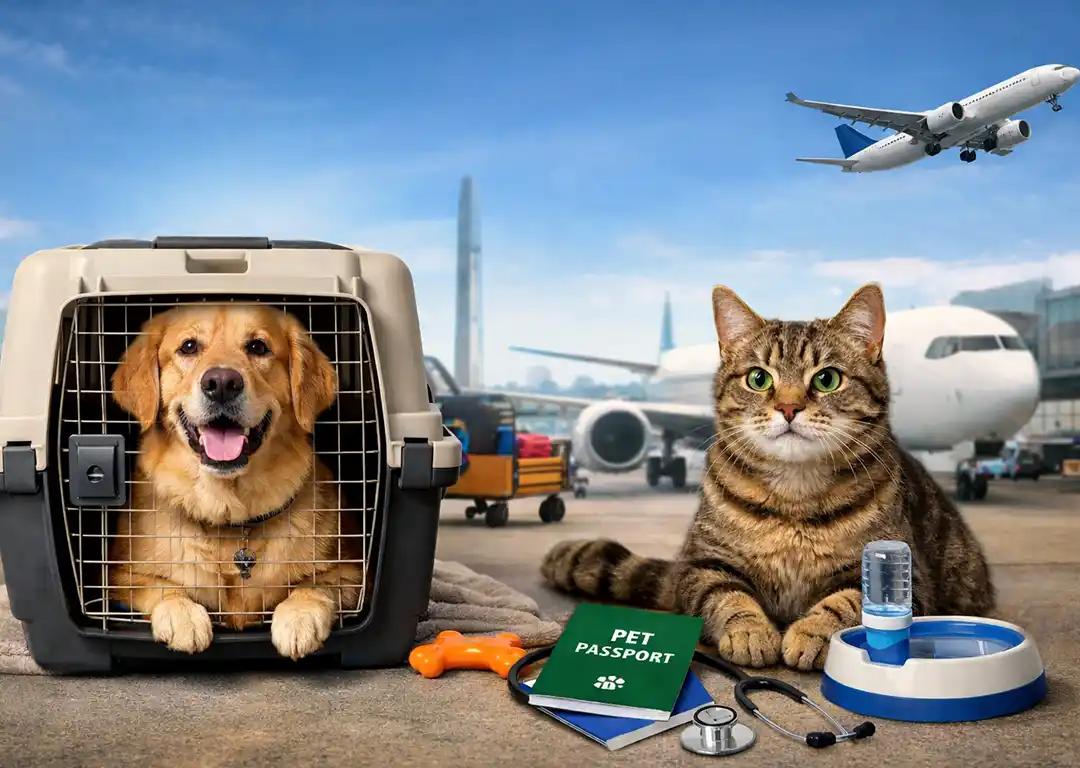
Hvis du flytter en flygel, en klassisk bil eller et familiens kæledyr sammen med dine husholdningsvarer, har du brug for et flyttefirma med dokumenteret erfaring inden for netop disse områder. Det er specialiserede ydelser — gå ikke ud fra, at enhver virksomhed kan håndtere dem.
Trin 2: Tjek internationale flyttecertificeringer og kvalifikationer
Brancheanerkendelse er den enkeltvis mest pålidelige indikator for kvalitet inden for international flytning. Den er ikke ufejlbarlig, men den filtrerer de værste aktører fra med det samme.
tjekliste:
✓ FIDI FAIM-akkreditering ✓ IAM-medlemskab ✓ Lokal godkendelse ✓ Medlemskab af national brancheorganisation ✓ Verificerbar forretningsadresse
FIDI FAIM

FIDI (Fédération Internationale des Déménageurs Internationaux) er verdens største netværk af internationale flyttefirmaer. Deres FAIM (FIDI Accredited International Mover)-certificering kræver, at virksomhederne består en grundig uafhængig revision, der dækker økonomisk stabilitet, driftskvalitet, kundeservice og overholdelse af regler.
Mindre end 10 % af flyttefirmaerne på verdensplan har en FAIM-certificering. Hvis dit flyttefirma er FIDI FAIM-akkrediteret, er det et stærkt positivt tegn.
IAM (International Association of Movers)

IAM er Nordamerikas største organisation for flyttefirmaer, med medlemmer i over 170 lande. IAM-medlemskab har ikke samme revisionsstringens som FIDI FAIM, men det indikerer, at virksomheden opererer inden for en professionel ramme og har tilsluttet sig en adfærdskodeks.
OMNI (Overseas Moving Network International)

OMNI er et netværk af uafhængige internationale flyttefirmaer, der er forpligtet på kvalitetsstandarder og gensidig ansvarlighed. Medlemskab er endnu en positiv indikator, især for flyttefirmaer, der opererer inden for specifikke regionale korridorer.
Trin 3: Indhent flere tilbud for at finde ud af, hvor meget en international flytning koster

Gennemsnitlige omkostninger til international flytning ligger typisk mellem $3.000 til $25.000+, afhængigt af:
- Afgang og destination
- Mængde af ejendele
- Fragtmetode
- Pakketydelser
- Forsikring
- Opbevaringsbehov
Hvad et godt internationalt flyttetilbud bør indeholde
Ét tilbud er et tal. Tre tilbud er et marked. Indhent altid mindst tre tilbud fra forskellige internationale flyttefirmaer, før du træffer en beslutning.
Et velrenommeret flyttefirma vil give dig et detaljeret skriftligt tilbud, der specificerer:
- Ydelser ved afgang — forhåndsbesigtigelse, pakkematerialer, pakkearbejde, indlæsning
- Fragt — sø- eller luftfragtomkostning, containertype (FCL/LCL), anslået transittid
- Ydelser ved destination — toldklarering, levering, udpakning hvis inkluderet
- Forsikring — type af dækning, opgivet værdi, selvrisiko
- Ekstra gebyrer — opbevaring, shuttleservice ved trang adgang, terminalhåndteringsgebyrer
Ethvert tilbud, der giver dig et enkelt samlebeløb uden specificering, er et rødt flag. Du har ingen mulighed for at vide, hvad der er inkluderet — eller hvad der vil dukke op som et tillægsgebyr senere.
Sådan sammenligner du tilbud korrekt
Sammenlign ikke de angivne priser. Sammenlign samlede landede omkostninger — det fulde beløb, du betaler, fra det øjeblik dine ting afhentes, til de er inde i dit nye hjem, clearet gennem tolden og leveret.
I dette eksempel ender den billigste angivne fragtpris med at blive den dyreste samlede flytning. Det er en af de mest almindelige måder, hvorpå folk betaler for meget for internationale flytninger.
Usikker på, hvordan det fungerer?
Find dit verificerede internationale flyttefirma i dag med Reloadvisor! Vi forbinder dig øjeblikkeligt med betroede internationale flyttefirmaer i vores globale netværk
Indhent gratis flyttetilbudTrin 4: Vurder besigtigelsesprocessen
Et troværdigt internationalt flyttefirma vil aldrig give dig et fast tilbud uden først at forstå præcis, hvad du har brug for at flytte. Dette sker gennem en forhåndsbesigtigelse — enten i hjemmet (nogen besøger din bolig) eller via en videobesigtigelse (stadig mere almindeligt efter pandemien, hvor du viser en koordinator rundt i dit hjem via et videoopkald).
Vær forsigtig med virksomheder, der citerer store beløb udelukkende baseret på en formular, du har udfyldt online. Volumenestimering er en færdighed — undervurdering betyder, at dine ting ikke får plads, og overskattelse betyder, at du betaler for plads, du ikke har brug for.
Hvad en god besigtigelse bør dække:
- Rum-for-rum opgørelse af ting, der skal flyttes
- Genstande, der kræver specialpakning (kunstværker, antikviteter, elektronik, skrøbelige genstande)
- Adgangsforhold ved afsendelsessted og bestemmelsessted (elevator, trapper, parkering, vejbredde)
- Toldkrav for dit destinationsland
- Tidsplan og fragtmuligheder
Trin 5: Forstå dine forsikringsmuligheder

Forsikring er det sted, hvor mange begår en dyr fejl — enten ved helt at undlade den eller ved at antage, at flyttefirmaets grundlæggende ansvarsforsikring beskytter dem tilstrækkeligt.
Grundlæggende ansvar (transportørens ansvar)
Dette er den mindste dækning, som de fleste flyttefirmaer inkluderer. Den udbetaler typisk baseret på vægt — ikke værdi. En beskadiget bærbar computer kan blive kompenseret til en brøkdel af dens faktiske værdi under grundlæggende ansvar.
All-risk-forsikring
All-risk-dækning (nogle gange kaldet fuld dækning) udbetaler erstatnings- eller reparationsværdien af dine genstande, hvis de forsvinder eller beskadiges under flytningen. Det er det, du ønsker til en flytning af en hel husstand. Den koster mere — typisk 1–3 % af den angivne værdi af dine varer — men giver korrekt økonomisk beskyttelse.
Tredjepartsforsikring
Nogle flyttefirmaer samarbejder med specialiserede søfragtforsikringsselskaber for at tilbyde en mere omfattende dækning end deres egen police. Spørg, om du kan se policedokumentet, inden du accepterer det.
⚠️ Vigtigt: Tjek, om policen dækker skader under pakning såvel som under transport. Nogle policer udelukker skader forårsaget af flyttefirmaets egen pakning — hvilket virker ulogisk, men ikke er ualmindeligt.
I tvivl? læs denne artikel:
Trin 6: Tjek anmeldelser af de internationale flyttefirmaer
Online anmeldelser er vigtige — men ikke alle anmeldelseskilder er lige troværdige, og at vide, hvordan man læser dem, er en færdighed i sig selv.
Hvor du skal kigge
- Google-anmeldelser — stort omfang, offentligt synlige og sværere at manipulere end lukkede platforme
- Trustpilot — nyttige til at finde mønstre på tværs af mange anmeldelser
- Flytte-specifikke fora — expat-fællesskaber på Reddit (r/expats, r/IWantOut), Facebook-flyttegrupper for dit destinationsland og fora som ExpatForum er fremragende kilder til ufiltrerede førstehåndserfaringer
Hvad du skal kigge efter
- Anmeldelser, der specifikt nævner din rute mellem afsendelses- og destinationsland (et firma, der er fremragende til flytninger fra Storbritannien til Australien, kan være middelmådig til Spanien-til-Canada)
- Hvordan firmaet reagerer på negative anmeldelser — professionelle, løsningsorienterede svar indikerer et firma, der tager ansvar alvorligt
- Anmeldelser, der nævner flyttekoordinatoren ved navn — et tegn på ægte, personlig service
- Antallet af nylige anmeldelser — en pludselig stigning i 5-stjernede anmeldelser over kort tid kan indikere manipulation
Hvad du skal ignorere
Generiske anmeldelser, der ikke nævner nogen specifikke detaljer om flytningen, har lav signalværdi. Fokusér på anmeldelser med specifikke oplysninger: rute, volumen, hvad der gik galt (og hvordan det blev håndteret), og om den endelige pris stemte med tilbuddet.
Trin 7: Vær opmærksom på disse røde flag

Den internationale flyttebranche tiltrækker useriøse aktører. Her er de advarselstegn, der bør få dig til at gå videre:
- Ingen fysisk adresse eller en adresse, der ikke kan bekræftes
- Usædvanligt lave tilbud — markant under alle andre firmaer (indikerer ofte skjulte gebyrer eller service af lavere standard)
- Pres for at betale et stort depositum med det samme før en besigtigelse er gennemført
- Ingen skriftlig kontrakt eller vagt kontraktsprog om ansvar
- Ingen omtale af toldafklaring i deres servicebeskrivelse
- Tilbageholdenhed med at give referencer fra tidligere kunder på din rute
- Ingen svar på e-mailspørgsmål — hvis de er langsomme før flytningen, så forestil dig under den
Undgå dyre flyttefejl
Et billigtilbud kan blive dyrt, hvis det ikke inkluderer pakning, toldbehandling, forsikring eller levering ved destination.
Reloadvisor hjælper dig med at sammenligne verificerede flyttefirmaer og forstå præcis, hvad der er inkluderet, inden du forpligter dig.
Knap: Sammenlign internationale flyttefirmaer
Sådan gør Reloadvisor det nemmere
At finde og gennemgå internationale flyttefirmaer tager tid — tid som de fleste ikke har midt i planlægningen af en grænseoverskridende flytning.
Reloadvisor tager det tunge arbejde for dig. Vores platform forbinder dig med forhåndsgennemgåede, verificerede internationale flyttefirmaer skræddersyet til din specifikke rute, volumen og tidsplan. Hvert flyttefirma i vores netværk er vurderet på akkreditering, pålidelighed og kundeoplevelse — så du ikke starter fra bunden.
Du kan:
- Brug vores flyttevolumenberegner til at få et præcist CBM-tal, inden du anmoder om tilbud
- Modtag flere gratis tilbud fra verificerede flyttefirmaer til din præcise rute
- Sammenlign de samlede omkostninger — ikke kun de fremhævede priser — ét sted
- Få adgang til vejledning og support gennem hele din flytning
Vi samarbejder med internationale flyttefirmaer i hele Europa, Nord- og Sydamerika, Asien-Stillehavsområdet, Mellemøsten og Afrika — så uanset om du flytter fra Holland til New Zealand eller fra Brasilien til Belgien, har vi verificerede udbydere til din korridor.
Konklusion
At finde de bedste internationale flyttefirmaer i 2026 handler ikke om at finde det billigste tilbud eller det firma med flest Google-annoncer. Det handler om at finde en verificeret, erfaren udbyder, der forstår din specifikke flytning, kommunikerer klart, giver gennemsigtige tilbud og leverer det, de lover.
Brug denne vejledning som din ramme:
- Definér den type flytning, du har brug for
- Prioritér akkrediterede firmaer (FIDI FAIM frem for alt)
- Få mindst tre specificerede tilbud og sammenlign den samlede landede omkostning
- Insistér på en ordentlig flyttebesigtigelse
- Vælg all-risk-forsikring — ikke grundlæggende ansvar
- Læs rutespecifikke anmeldelser
- Stol på advarselssignalerne
Gør dette, og du vil være i en stærk position til at vælge et flyttefirma, du reelt kan stole på.
Find dit verificerede internationale flyttefirma i dag
Brug vores gratis flyttevolumenberegner og få flere tilbud på få minutter.
Brug ikke uger på at undersøge flyttefirmaer ét ad gangen. Reloadvisor forbinder dig øjeblikkeligt med troværdige internationale flyttefirmaer i vores globale netværk — gennemgåede, verificerede og klar til at give tilbud på din specifikke rute.
Sammenlign internationale flyttefirmaer gratisGratis tilbud. Verificerede flyttefirmaer. Ingen forpligtelse påkrævet.
Ofte stillede spørgsmål
Hvor lang tid i forvejen skal jeg booke et internationalt flyttefirma?
For de fleste internationale flytninger anbefales det at booke 8–12 uger i forvejen. Højsæsoner for flytning (sommermånederne og årsskiftet) kræver endnu længere varsling — nogle populære korridorer er fuldbookede 3–4 måneder ude i forvejen. Flyttebesigtigelsen, godkendelse af tilbud, pakning og forsendelse tager alt sammen tid, så jo førere jo bedre.
Hvad er forskellen på FCL- og LCL-forsendelse til internationale flytninger?
FCL (Full Container Load) betyder, at dine varer fylder en hel container — typisk en 20-fods eller 40-fods stålcontainer. LCL (Less than Container Load) betyder, at dine effekter deler containerplads med andre forsendelser, og du betaler kun for den volumen, du bruger. LCL er mere omkostningseffektivt til mindre flytninger (under 15–20 CBM), men forlænger transittiden som følge af konsolidering ved afsendelse og dekonsolidering ved destination.
Skal jeg være til stede, når internationale flyttefirmaer pakker mit hjem?
Det stærkt tilrådes. At være til stede under pakningen lader dig styre flyttefirmaet omkring prioriterede genstande, markere skrøbelige eller værdifulde effekter og sikre, at ingenting bliver glemt eller pakket forkert. Hvis du ikke kan være til stede, skal du udpege en betroet repræsentant, der kender dit inventar.
Kan internationale flyttefirmaer sende biler, kæledyr eller planter?
Nogle kan — men det er specialiserede ydelser, der kræver yderligere dokumentation, tilladelser og ekspertise. Biler kræver typisk separate arrangementer for køretøjsforsendelse. Kæledyr kræver sundhedsattester, vaccinationer og til tider karantæne ved destination. Planter er underlagt strenge fyitosanitære regler, der varierer fra land til land. Bekræft altid disse muligheder eksplicit inden booking.
Hvad sker der, hvis mine ejendele forsinkes eller bliver væk under en international flytning?
Med et velrenommeret internationalt flyttefirma og en all-risk-forsikring på plads håndteres forsinkelser af din flyttekoordinator, og eventuelle berettigede tab gøres gældende mod din forsikringspolice. Det er derfor, både akkreditering og korrekt forsikring er vigtige — de er din beskyttelse, når tingene ikke går efter planen. Opbevar altid en kopi af dit fulde inventar og din forsikringsattest.