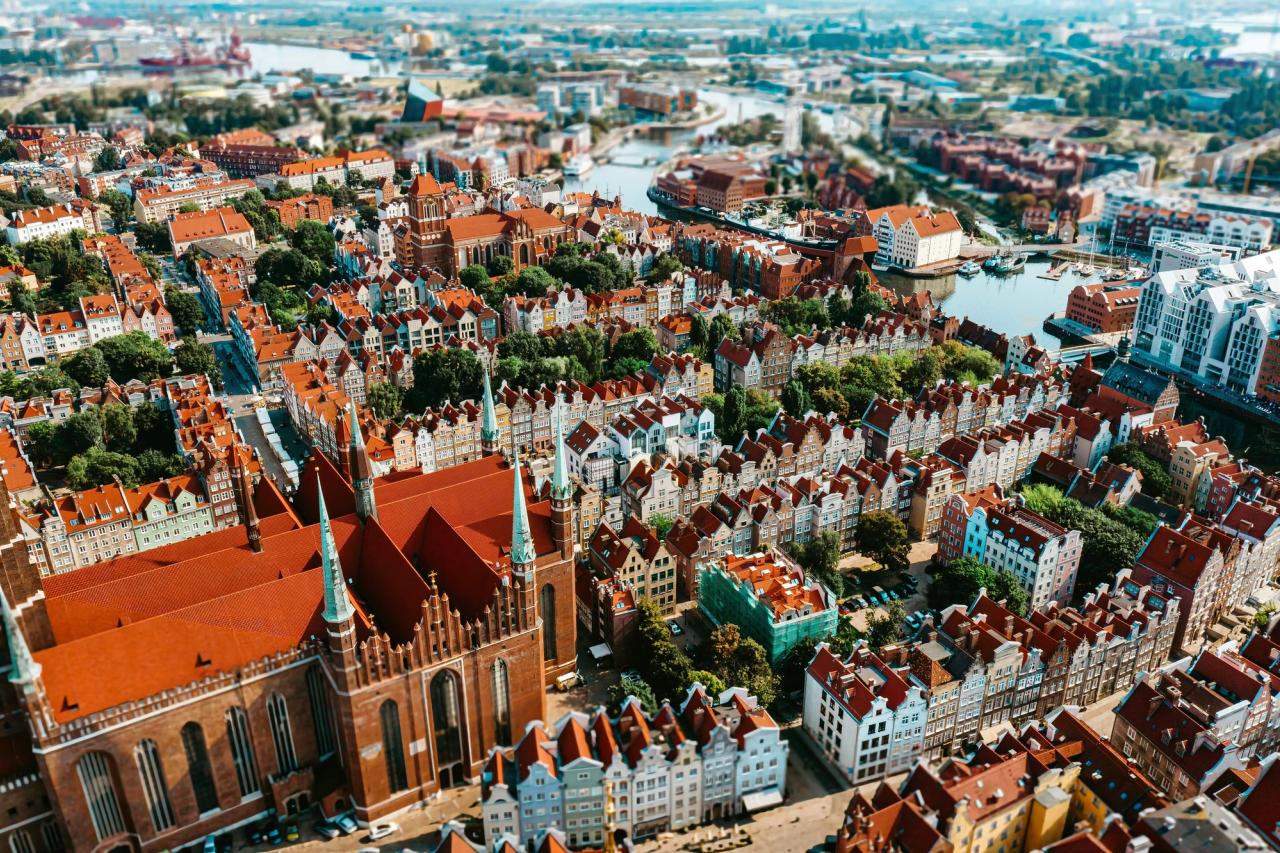

A Polónia tornou-se um dos destinos de relocalização mais atraentes da Europa — uma economia em rápido crescimento, um setor tecnológico em expansão, custos de vida acessíveis e uma localização na Europa Central que a coloca ao alcance fácil do resto do continente. Quer seja atraído por oportunidades de carreira no distrito financeiro de Varsóvia, pelo ecossistema de startups em plena efervescência de Cracóvia ou pelo encanto costeiro de Gdańsk, a Polónia oferece uma elevada qualidade de vida por uma fração dos preços da Europa Ocidental. Este guia aborda tudo o que precisa de saber: vistos e residência, habitação, saúde, banca, custo de vida, integração cultural e a logística passo a passo da sua mudança.
A Polónia utiliza o Zloty Polaco (PLN) — apesar de ser membro da EU, não adotou o Euro, pelo que terá de orçamentar e efetuar transações em PLN. O país tem um mercado de trabalho forte e em crescimento, particularmente na tecnologia, finanças, centros de serviços partilhados e indústria transformadora. Os principais empregadores incluem corporações internacionais como Google, Amazon, Goldman Sachs e HSBC, além de um vibrante ecossistema de startups nacionais. Os salários são mais baixos do que na Europa Ocidental, mas o custo de vida significativamente inferior significa que o seu dinheiro rende muito mais. Um estilo de vida confortável em Varsóvia — renda, alimentação, transportes, entretenimento — é alcançável com PLN 5.000–6.500 por mês, aproximadamente metade do que custaria um estilo de vida comparável em Berlim ou Amesterdão.
A Polónia em Resumo
- População
- 37,7 milhões
- Capital
- Varsóvia (Warszawa)
- Moeda
- Zloty Polaco (PLN) — A Polónia é membro da EU mas não adotou o Euro
- Salário Médio
- PLN 105.000–110.000 por ano (aprox. €24.000–25.500) — média bruta mensal ~PLN 8.700–9.200
- Idioma
- Polaco (inglês amplamente falado nas grandes cidades e entre as gerações mais jovens)
- Clima
- Continental temperado — invernos frios (até −10°C), verões quentes (até 30°C)
- Fuso Horário
- CET (UTC+1) / CEST (UTC+2 no verão)
Porquê Mudar-se para a Polónia em 2026
- Economia em Rápido Crescimento: O PIB da Polónia tem crescido de forma consistente há mais de três décadas, tornando-a num dos membros com melhor desempenho da EU e um destino resiliente para expatriados focados na carreira.
- Polo Tecnológico em Expansão: Varsóvia e Cracóvia albergam um setor tecnológico em rápida expansão, com grandes empregadores como Google, Microsoft, Samsung e centenas de startups nacionais.
- Custo de Vida Muito Acessível: Renda, alimentação, transportes e refeições fora são significativamente mais baratos do que na Europa Ocidental — uma pessoa solteira pode viver confortavelmente com PLN 4.000–5.500 por mês.
- Excelente Cena Gastronómica: Desde os tradicionais pierogi (rissóis recheados) e żurek (sopa de centeio azedo) até restaurantes de haute cuisine de classe mundial, a cultura culinária da Polónia é diversificada, de alta qualidade e acessível.
- País Seguro: A Polónia figura consistentemente entre os países mais seguros da Europa, com baixas taxas de criminalidade e um forte sentido de comunidade.
- Benefícios da Adesão à EU: Como membro da EU, a Polónia oferece liberdade de circulação para cidadãos da EU/EEE, acesso ao mercado único e uma posição bem conectada na Europa Central — com Berlim, Praga e Viena todas a poucas horas de carro ou de comboio.
- 13.º Mês de Salário (Setor Público): No setor público, os empregadores são obrigados por lei a pagar a trzynastka (13.º mês). No setor privado, é opcional e menos comum — embora alguns empregadores ofereçam bónus anuais em alternativa. Ao negociar o seu contrato de trabalho, confirme se está incluído.
- História e Cultura Ricas: O profundo património cultural da Polónia — desde as Cidades Velhas medievais até ao seu papel fundamental na história do século XX — proporciona um ambiente singularmente enriquecedor para os recém-chegados.
Custos de Mudança para a Polónia
Compreender os aspetos financeiros da sua mudança é crucial para um planeamento adequado. A localização da Polónia na Europa Central e a sua qualidade de membro da EU simplificam a logística, especialmente para mudanças com origem dentro da EU.
| Origem | Intervalo de Custo Estimado | Contentor/Volume |
|---|---|---|
| Europa Ocidental (Reino Unido, Alemanha, França) | €1.500–€3.500 | 15–30 CBM (metros cubicos) |
| América do Norte (EUA, Canadá) | €3.000–€6.000 | 20–40 CBM (metros cubicos) |
| Outros Países da EU | €1.000–€2.500 | 10–20 CBM (metros cubicos) |
| Ásia (China, Índia) | €2.500–€5.500 | 20–40 CBM (metros cubicos) |
| Austrália / Nova Zelândia | €4.000–€7.500 | 20–40 CBM (metros cubicos) |
Explicação dos Custos por Componente
- Transporte: O transporte rodoviário dentro da Europa é a opção mais comum e económica; o transporte marítimo via o Porto de Gdańsk ou Szczecin aplica-se a mudanças intercontinentais, tipicamente PLN 5.000–15.000.
- Seguro: O seguro de transporte custa geralmente 1–3% do valor declarado da expedição; altamente recomendado para relocalizações internacionais.
- Desalfandegamento: Gratuito para mudanças da EU para a Polónia; expedições de fora da EU podem incorrer em 0–10% de direitos aduaneiros mais 23% de IVA, dependendo da categoria de mercadorias.
- Materiais de Embalagem: Serviços de embalagem profissionais variam entre PLN 500–2.000, dependendo do volume.
- Armazenamento (se necessário): O armazenamento de curto prazo em Varsóvia ou Cracóvia custa PLN 200–500 por mês para uma unidade pequena.
- Taxas Administrativas: Traduções notariadas, legalização de documentos e taxas de registo totalizam tipicamente PLN 300–800.
Precisa de um orçamento personalizado?
Receba três orçamentos de empresas de mudanças verificadas em menos de 48 horas.
Requisitos de Visto e Residência
O sistema de imigração da Polónia distingue claramente entre cidadãos da EU/EEE e nacionais de países terceiros. Como membro da EU, a Polónia aplica o quadro comum de vistos da EU, mantendo as suas próprias categorias nacionais de autorização de trabalho.
Para Cidadãos da EU/EEE/Suíça
Cidadãos da EU, EEE e Suíça não precisam de visto para entrar na Polónia. Pode residir na Polónia até 3 meses apenas com um passaporte válido ou cartão de identificação nacional. Para estadias superiores a 3 meses, tem de registar a sua residência no município local (Urząd Gminy ou Urząd Miasta) e obter um certificado de registo (zaświadczenie o zarejestrowaniu pobytu). Após 5 anos de residência legal contínua, pode candidatar-se a um certificado de residência permanente.
Para Cidadãos Não-EU: Principais Categorias de Visto
Visto Schengen de Curta Duração (Tipo C)
- Objetivo: Turismo, visitas de negócios, visitas familiares — até 90 dias em qualquer período de 180 dias.
- Requisitos: Passaporte válido, seguro de viagem (cobertura mín. €30.000), comprovativo de alojamento, bilhete de regresso, comprovativo de fundos suficientes.
- Tempo de Processamento: 15 dias de calendário (pode prolongar-se até 45 dias).
- Detalhes-Chave: Não permite exercício de atividade profissional; opções de entrada única ou múltipla disponíveis.
Visto Nacional (Tipo D)
- Objetivo: Estadias de longa duração superiores a 90 dias para trabalho, estudo, reunificação familiar ou outros fins.
- Requisitos: Passaporte válido, documentação comprovativa do motivo da estadia (contrato de trabalho, carta de aceitação da universidade, etc.), seguro de saúde, comprovativo de alojamento.
- Tempo de Processamento: 30–60 dias.
- Duração: até 1 ano; renovável.
Autorizações de Trabalho (Tipos A, B, C, D, E, O)
- Tipo A: A autorização mais comum — emitida quando um cidadão estrangeiro trabalha para uma entidade empregadora polaca com base num contrato de trabalho ou contrato de direito civil. A partir de junho de 2025, o teste do mercado de trabalho foi substituído por uma lista de profissões restritas; desde março de 2026, a Polónia aboliu totalmente o teste do mercado de trabalho para a maioria dos casos de autorização de trabalho, acelerando significativamente o processo de candidatura.
- Tipo B: Para cidadãos estrangeiros que integrem o conselho de administração de uma empresa registada na Polónia, permanecendo num total acumulado superior a 6 meses num período de 12 meses.
- Tipo C: Para trabalhadores temporariamente transferidos para a Polónia por uma entidade empregadora estrangeira (transferência intra-empresa) por um período superior a 30 dias.
- Tipo D: Para trabalhadores de uma entidade empregadora estrangeira que trabalhem temporariamente na Polónia ao abrigo de exportação de serviços (sem vínculo laboral local).
- Tipo E: Para cidadãos estrangeiros que exerçam atividade na Polónia não abrangida pelas categorias A–D, normalmente para missões de curta duração ou baseadas em projetos.
- Tipo O: Emitida para trabalho realizado no interesse da República da Polónia, particularmente nas áreas do desporto ou da cultura, a pedido das instituições polacas competentes.
Cartão Azul EU
- Objetivo: Autorização de residência e trabalho para profissionais altamente qualificados de fora da EU.
- Requisitos: Licenciatura (mín. 3 anos), proposta de emprego ou contrato vinculativo com uma entidade empregadora polaca, salário bruto mensal de pelo menos PLN 13.355,34 (~PLN 160.264/ano, 150% da média nacional — limiar atualizado em fevereiro de 2026).
- Prazo de processamento: 30–60 dias.
- Duração: até 3 anos; renovável; conduz à residência permanente após 5 anos.
Visto de Estudante
- Objetivo: Estudo a tempo inteiro numa instituição de ensino polaca reconhecida.
- Requisitos: Carta de admissão, comprovativo de meios financeiros, seguro de saúde.
- Duração: Associada à duração do programa; renovável.
Autorização de Reagrupamento Familiar
- Objetivo: Reunir-se com um familiar que seja cidadão polaco ou detentor de uma autorização de residência válida.
- Requisitos: Comprovativo do vínculo familiar, habitação adequada, recursos financeiros suficientes.
Registo de Residência Polaco (PESEL)
O PESEL (Powszechny Elektroniczny System Ewidencji Ludności — Sistema Eletrónico Universal de Registo Populacional) é o número de identificação nacional da Polónia. É a peça de identificação mais importante para qualquer pessoa a viver na Polónia e é essencial para praticamente todos os processos administrativos, financeiros e jurídicos.
O que é o PESEL?
O PESEL é um número pessoal de identificação único com 11 dígitos, atribuído a todos os residentes registados na Polónia. Codifica a data de nascimento, um número de série, o sexo e um dígito de verificação. Pode considerar-se o equivalente polaco do Social Security Number (EUA) ou do National Insurance Number (Reino Unido).
Porque Precisa Dele
Sem um número PESEL, não pode:
- Trabalhar legalmente (a sua entidade empregadora precisa dele para o registo na ZUS)
- Aceder aos cuidados de saúde públicos através da NFZ
- Abrir uma conta bancária completa
- Entregar declarações de impostos
- Assinar determinados contratos de arrendamento
- Aceder a benefícios sociais
Documentos Necessários
- Passaporte válido ou cartão de identificação nacional
- Autorização de residência (para cidadãos de fora da EU)
- Comprovativo de morada (contrato de arrendamento, formulário de registo)
- Zgłoszenie pobytu stałego preenchido (formulário de registo de residência permanente) ou Zgłoszenie pobytu czasowego (formulário de registo de residência temporária)
O Processo de Registo (Passo a Passo)
-
Registe a sua morada
Dirija-se ao município local (Urząd Gminy ou Urząd Miasta) e registe o seu local de residência. Este processo é conhecido como zameldowanie (registo de morada).
-
Entregue a documentação
Apresente o seu passaporte, autorização de residência (se aplicável), comprovativo de morada e o formulário de registo preenchido.
-
Atribuição do PESEL
Para os cidadãos da EU que registam a sua residência, o PESEL é emitido automaticamente. Os cidadãos de fora da EU podem ter de solicitá-lo separadamente ou recebê-lo durante o processo de candidatura à autorização de residência.
-
Receba o seu número
O PESEL é normalmente emitido entre alguns dias e 2 semanas.
-
Utilize-o em todo o lado
Forneça o seu PESEL à sua entidade empregadora, banco, prestador de cuidados de saúde (NFZ), repartição de finanças e a qualquer instituição que exija identificação.
Nota importante: Os cidadãos de fora da EU que cheguem com visto devem solicitar o PESEL durante o processo de candidatura à autorização de residência (karta pobytu) no Voivodia local (Urząd Wojewódzki).
Encontrar Habitação na Polónia
O mercado de arrendamento da Polónia é dinâmico e relativamente acessível em comparação com a Europa Ocidental. A maioria dos expatriados opta por arrendar em vez de comprar, especialmente nos primeiros anos. Existem apartamentos mobilados e sem mobília, sendo que as opções mobiladas têm um acréscimo de 10–20%.
Rendas Médias por Cidade Principal (2026)
| Cidade | T1 (Centro da Cidade) | T1 (Fora do Centro) | T3 (Centro da Cidade) | Competitividade do Mercado |
|---|---|---|---|---|
| Varsóvia (Warszawa) | PLN 3.200–4.500 | PLN 2.200–3.200 | PLN 5.500–8.000 | Alta — mercado dinâmico, oferta limitada |
| Cracóvia | PLN 2.500–3.800 | PLN 1.800–2.800 | PLN 4.500–6.500 | Alta — forte procura de estudantes e expatriados |
| Wrocław | PLN 2.200–3.500 | PLN 1.600–2.500 | PLN 4.000–6.000 | Média-Alta — procura em crescimento |
| Gdańsk | PLN 2.200–3.400 | PLN 1.600–2.400 | PLN 3.800–5.800 | Média-Alta — atratividade costeira |
| Poznań | PLN 2.000–3.000 | PLN 1.400–2.200 | 3.500–5.200 PLN | Médio — favorável aos negócios, maior oferta |
Terminologia de Renda na Polónia
- Czynsz (Renda): A renda base paga ao senhorio.
- Czynsz administracyjny (Taxa Administrativa): Uma taxa de gestão do edifício que cobre os custos partilhados — aquecimento das áreas comuns, manutenção, recolha de resíduos. Geralmente entre 300–800 PLN/mês, paga para além da renda.
- Kaucja (Depósito): Depósito de caução, normalmente equivalente a 1–2 meses de renda, reembolsável no final do contrato.
- Opłaty eksploatacyjne (Despesas): Eletricidade, gás, água, aquecimento e internet — geralmente não incluídas no valor da renda anunciado.
- Umowa najmu (Contrato de Arrendamento): O contrato de arrendamento — insista sempre num contrato por escrito.
Como Encontrar Habitação
Plataformas Online:
- OLX.pl: O maior site de classificados da Polónia — extensas listagens de arrendamento, muitas vezes diretamente dos senhorios.
- Otodom.pl: Plataforma imobiliária dedicada com listagens detalhadas de propriedades e filtros.
- Morizon.pl: Outro portal imobiliário popular com forte cobertura nas cidades polacas.
- Grupos do Facebook: Grupos focados em expatriados, como "Apartments in Warsaw" ou "Kraków Rentals", frequentemente listam quartos e apartamentos antes de aparecerem nas plataformas principais.
Recursos Locais:
- Agências imobiliárias (agencja nieruchomości): Normalmente cobram um mês de renda como honorários; úteis se não falar polaco.
- Passa-a-palavra: Muitas das melhores oportunidades encontram-se através de redes de contactos pessoais — pergunte a colegas e outros expatriados.
Dicas para Estrangeiros à Procura de Habitação
- Tenha os documentos preparados: Os senhorios podem pedir o seu PESEL, contrato de trabalho e passaporte. Ter estes documentos disponíveis agiliza o processo.
- Compreenda o custo total: Pergunte se o czynsz administracyjny e as despesas estão incluídos na renda anunciada — frequentemente não estão.
- Visite antes de assinar: Nunca transfira dinheiro sem ver o apartamento pessoalmente. Burlas dirigidas a estrangeiros existem de facto.
- Negocie: Especialmente para contratos mais longos, os senhorios podem aceitar uma renda mensal mais baixa em troca de um compromisso de 12–24 meses.
Contrato de Arrendamento e Proteção Legal
As proteções para inquilinos na Polónia são moderadas. Os contratos padrão têm a duração de 12 meses, com períodos de pré-aviso de 1–3 meses. Um contrato por escrito (umowa najmu) é essencial — deve especificar o valor da renda, o depósito, o período de pré-aviso e as responsabilidades por reparações e despesas. O senhorio não pode aumentar a renda durante o contrato, a menos que este o permita explicitamente.
Aviso: Burlas no Arrendamento
Tenha cuidado com anúncios que exigem pagamento antes de uma visita, ofertas que parecem boas demais para ser verdade, ou senhorios que alegam estar no estrangeiro e não podem mostrar o apartamento. Verifique sempre se a propriedade existe, confirme a titularidade do senhorio e utilize métodos de pagamento rastreáveis.
Saúde e Seguros
A Polónia possui um sistema de saúde duplo: um sistema público financiado através do NFZ (Narodowy Fundusz Zdrowia — Fundo Nacional de Saúde) e um setor privado em crescimento. Para os residentes empregados, o seguro de saúde público é obrigatório e financiado através de contribuições sociais para a ZUS (Zakład Ubezpieczeń Społecznych — Instituição de Seguros Sociais).
Seguro de Saúde Público
NFZ
- Custo: Coberto através de contribuições obrigatórias para a ZUS — aproximadamente 9% do salário bruto é descontado para a saúde; o empregador contribui com valores adicionais.
- Cobertura: Consultas de médico de família, referenciação para especialistas, cuidados hospitalares, tratamento de emergência, cuidados de maternidade e receitas médicas subsidiadas.
- Elegibilidade: Obrigatório para todos os trabalhadores por conta de outrem, trabalhadores independentes que pagam contribuições para a ZUS, estudantes, pensionistas e desempregados registados.
- Ideal para: Qualquer pessoa empregada na Polónia — não é opcional para trabalhadores.
Seguro de Saúde Privado
- Custo: 150–500 PLN por mês para um plano individual básico; planos abrangentes (incluindo medicina dentária, quartos privados em hospitais) podem atingir 800–1.500 PLN/mês.
- Cobertura: Acesso mais rápido a especialistas, clínicas privadas, menores tempos de espera, cuidados dentários e médicos de língua inglesa.
- Elegibilidade: Disponível para qualquer pessoa — frequentemente oferecido como benefício empresarial por grandes empresas e firmas multinacionais.
- Ideal para: Expatriados que desejam um serviço mais rápido, pessoal médico de língua inglesa ou cobertura mais ampla para além do sistema público.
Principais Seguradoras
- Luxmed: A maior rede de saúde privada da Polónia, com clínicas em todas as principais cidades; amplamente utilizada por expatriados e funcionários empresariais.
- Medicover: Oferece planos de saúde privados abrangentes e opera a sua própria rede hospitalar.
- PZU Zdrowie: Parte do PZU, o maior segurador da Polónia — oferece planos de saúde privados e complementares.
- ENEL-MED: Conhecida pelos seus fortes pacotes empresariais e instalações clínicas modernas.
Obtenção de Cobertura de Saúde (Cronologia)
-
Após início do emprego
O seu empregador regista-o na ZUS, que o inscreve automaticamente no NFZ.
-
Registe-se num médico de família
Escolha um médico de família (lekarz podstawowej opieki zdrowotnej) em qualquer clínica com contrato com o NFZ. Este é o seu ponto de contacto principal para todos os cuidados de saúde.
-
Receba a sua confirmação do NFZ
Ficará registado no sistema e poderá começar a aceder aos serviços de saúde públicos.
-
Complemente com seguro privado
Muitos expatriados adicionam cobertura privada desde o primeiro dia para evitar os tempos de espera do sistema público.
Custos Suportados pelo Doente
- Consultas médicas (públicas, com NFZ): Gratuitas (mas os tempos de espera podem ser longos).
- Consultas médicas (privadas): 100–250 PLN por consulta.
- Receitas médicas: Subsidiadas pelo NFZ; as receitas privadas custam entre 20–150 PLN, dependendo do medicamento.
- Medicina dentária: Maioritariamente privada; consulta básica 100–200 PLN, procedimentos mais complexos 300–2.000+ PLN.
- Hospital (público com NFZ): Coberto; internamentos em hospitais privados 500–2.000 PLN por dia.
Obtenha um plano de realocação personalizado
Indique o seu email e enviaremos uma lista de verificação personalizada, além de três orçamentos de empresas de mudanças verificadas.
Banca e Finanças
Abrir uma Conta Bancária
- Quando: Assim que tiver o seu número de PESEL e morada registada — idealmente nas primeiras 2–4 semanas.
- Documentos necessários: Passaporte ou cartão de identificação válido, número de PESEL (ou cartão de residência), comprovativo de morada (contrato de arrendamento) e, por vezes, comprovativo de rendimentos ou contrato de trabalho.
- Principais bancos para expatriados:
- PKO Bank Polski: O maior banco da Polónia, com extensa rede de agências e multibancos; serviços bancários móveis e online fiáveis em polaco (versão da aplicação em inglês disponível).
- mBank: Banco digital popular com uma aplicação fácil de utilizar em inglês, comissões baixas e forte presença online — um favorito entre jovens profissionais e expatriados.
- ING Bank Śląski: Conhecido pelo excelente serviço ao cliente, banca digital moderna e pacotes de conta competitivos.
- Santander Bank Polska: Parte do grupo Santander global; oferece suporte multilingue e abertura de conta simples para estrangeiros.
Sistema de Classificação de Crédito Polaco
A Polónia utiliza o BIK (Biuro Informacji Kredytowej — Gabinete de Informação de Crédito) para acompanhar o histórico de crédito. Quando contrai um empréstimo, cartão de crédito ou hipoteca, o seu comportamento de reembolso é comunicado ao BIK. Um histórico positivo no BIK é essencial para obter condições de empréstimo favoráveis. Os recém-chegados começam com um registo BIK neutro — construa-o abrindo uma conta bancária, utilizando regularmente um cartão de débito e gerindo de forma responsável quaisquer produtos de crédito de pequeno valor.
Obter o seu Número de PESEL
- O que é: Um número de identificação nacional de 11 dígitos — consulte a secção dedicada ao PESEL acima para todos os detalhes.
- Quando é emitido: Durante o registo de residência no município, ou durante o processo de pedido de autorização de residência.
- Porque precisa: Essencial para emprego, fiscalidade, saúde, banca e virtualmente todas as interações com instituições polacas.
Características e Custos de Contas Bancárias
- Mensalidade: PLN 0–15 (muitas contas são gratuitas se forem cumpridos certos requisitos, como um número mínimo de pagamentos com cartão por mês).
- Cartão de débito: Normalmente gratuito com a conta.
- Cartão de crédito: PLN 0–100 de anuidade, dependendo do tipo de cartão e do banco.
- Transferências internacionais: PLN 10–30 para transferências SEPA; comissões mais elevadas para transferências não-SEPA/SWIFT (PLN 50–150+).
Cultura de Pagamento
A Polónia é uma das sociedades mais digitalizadas da Europa em termos de pagamentos. Os pagamentos contactless (cartão e BLIK — um popular sistema polaco de pagamento móvel) estão em todo o lado. O Apple Pay e o Google Pay são amplamente aceites. A maioria das lojas, restaurantes e até bancas de mercado aceita pagamentos por cartão. Existem muitos multibancos, mas raramente precisará de dinheiro no dia a dia nas grandes cidades.
Custo de Vida na Polónia
A Polónia continua a ser um dos países mais acessíveis da UE, oferecendo uma qualidade de vida que supera em muito o seu custo.
Orçamento Mensal por Cidade
| Cidade | Orçamento Individual | Orçamento para Família de 3 | Nível de Custo |
|---|---|---|---|
| Varsóvia (Warszawa) | PLN 4.500–6.500 | PLN 9.000–13.000 | Médio — o mais alto da Polónia, ainda assim acessível em comparação com a Europa Ocidental |
| Cracóvia | PLN 4.000–5.800 | PLN 8.000–11.500 | Médio — ligeiramente abaixo de Varsóvia |
| Wrocław | PLN 3.800–5.500 | PLN 7.500–11.000 | Médio-Baixo |
| Gdańsk | PLN 3.800–5.500 | PLN 7.500–11.000 | Médio-Baixo |
| Poznań | PLN 3.500–5.000 | PLN 7.000–10.000 | Baixo-Médio — excelente relação qualidade/preço |
Detalhamento de Custos
Alojamento:
- Apartamento T1 (centro da cidade): PLN 2.500–4.500/mês, dependendo da cidade.
- Apartamento T3 (centro da cidade): PLN 4.000–8.000/mês, dependendo da cidade.
- Serviços públicos (eletricidade, aquecimento, água, resíduos): PLN 500–900/mês para um apartamento padrão.
- Internet (fibra de alta velocidade): PLN 50–80/mês.
Alimentação e Supermercado:
- Compras semanais de supermercado (1 pessoa): PLN 150–250.
- Refeição em restaurante (informal, p. ex. bar mleczny — um bar de leite tradicional polaco): PLN 20–35.
- Refeição em restaurante (gama média, 2 pratos): PLN 60–120.
- Café (cafetaria): PLN 12–18.
Transportes:
- Passe mensal de transportes públicos (Varsóvia): PLN 110; outras cidades PLN 80–100.
- Gasolina (1 litro): PLN 6,50–7,50.
- Táxi/transporte por aplicação (10 km): PLN 25–40.
Seguros e Saúde:
- Seguro de saúde público (NFZ): Coberto através das contribuições para a ZUS (obrigatório para trabalhadores).
- Seguro de saúde privado (individual): PLN 150–500/mês.
Lazer e Entretenimento:
- Inscrição no ginásio: PLN 100–200/mês.
- Bilhete de cinema: PLN 25–40.
- Serviços de streaming (Netflix, Spotify): PLN 30–55/mês.
Comparação com Outros Países
- vs Alemanha: A Polónia é aproximadamente 30–40% mais barata na maioria dos gastos, com rendas particularmente mais baixas.
- vs Reino Unido: A Polónia é aproximadamente 40–50% mais barata, especialmente em rendas, restauração e transportes.
- vs República Checa: A Polónia é aproximadamente comparável, sendo ligeiramente mais barata no supermercado e nas rendas fora da capital.
Dicas de Língua e Cultura
Precisa de Saber Polaco?
O polaco é essencial para uma integração completa, embora seja possível sobreviver — e até prosperar — nas grandes cidades como Varsóvia, Cracóvia e Wrocław apenas com inglês. Em empresas internacionais, universidades e bairros frequentados por expatriados, o inglês é amplamente falado. No entanto, os serviços públicos, os centros de saúde (especialmente no sistema público) e os pequenos negócios funcionam muitas vezes exclusivamente em polaco. Aprender a língua melhora significativamente a sua experiência diária e demonstra respeito pela cultura.
Níveis de Língua Polaca (CEFR)
- A1 (Iniciante): Cumprimentos básicos, pedir comida, apresentar-se. Atingível em 3–6 meses de estudo a tempo parcial.
- A2 (Elementar): Conversas simples, compreender placas e formulários, lidar com tarefas diárias. Atingível em 6–12 meses.
- B1 (Intermédio): Discutir temas do dia a dia, compreender a maioria das conversas no local de trabalho, ler textos simples. Atingível em 12–18 meses.
- B2 (Intermédio Superior): Fluente na maioria das situações profissionais e sociais, compreendendo os media polacos. Atingível em 2–3 anos de estudo consistente.
Nota: O polaco é considerado uma das línguas europeias mais desafiadoras devido à sua gramática complexa (7 casos, nomes com género, conjugação verbal extensa) e à sua pronúncia. Não desanime — os polacos valorizam genuinamente qualquer esforço para falar a sua língua.
Recursos para Aprender a Língua
- Cursos de língua polaca em universidades: A maioria das grandes universidades (p. ex., Universidade de Varsóvia, Universidade Jaguelônica em Cracóvia) oferece cursos intensivos de polaco para estrangeiros.
- Duolingo (curso de polaco): Bom para aprender o básico e construir vocabulário.
- Italki / Preply: Plataformas online que o ligam a tutores de polaco para aulas particulares.
- Encontros de troca de idiomas: Disponíveis em todas as grandes cidades — pratique polaco com falantes nativos que querem aprender a sua língua.
Normas Culturais e Etiqueta
Hospitalidade (Gościnność):
- Os polacos são excepcionalmente hospitaleiros. Se for convidado para a casa de alguém, leve flores (sempre em número ímpar — os números pares são para funerais) ou uma garrafa de bom vinho ou vodca.
- Recusar comida ou bebida oferecida pelo anfitrião pode ser considerado indelicado. Aceite pelo menos uma pequena porção.
Religião e Tradições:
- A Polónia é predominantemente católica e as tradições religiosas desempenham um papel visível na vida pública e cultural. O Natal (Boże Narodzenie) e a Páscoa (Wielkanoc) são grandes celebrações com tradições profundas — espere reuniões familiares, pratos especiais e feriados públicos.
- O domingo continua a ser essencialmente um dia de descanso, embora as restrições ao comércio (zakaz handlu — proibição de comércio ao domingo) tenham sido relaxadas nos últimos anos com algumas exceções.
Saudações e Normas Sociais:
- Aperte a mão ao conhecer alguém — um aperto de mão firme com contacto visual é a norma. Amigos próximos e familiares cumprimentam-se com um beijo em cada face.
- Utilize os títulos formais (Pan para Senhor, Pani para Senhora/Senhorita) até ser convidado a usar o primeiro nome.
- A pontualidade é valorizada tanto em contextos profissionais como sociais.
A Cultura da Vodca:
- A vodca (wódka) ocupa um lugar especial na cultura polaca. É frequentemente servida em celebrações, reuniões familiares e jantares de negócios. Se lhe oferecerem vodca, é educado aceitar — embora uma recusa educada também seja aceite. Brindes comuns: "Na zdrowie!" (À sua saúde!).
Integração Social
- Junte-se a comunidades de expatriados: os grupos do Facebook, InterNations e Meetup.com têm comunidades ativas de polacos e expatriados em todas as grandes cidades.
- Participe em eventos locais: festivais de cinema, mercados gastronómicos, concertos ao ar livre e eventos culturais são abundantes — especialmente no verão.
- Trabalhe como voluntário: organizações como a Cruz Vermelha Polaca (Polski Czerwony Krzyż) e ONGs locais acolhem voluntários internacionais.
- Conheça a história polaca: compreender a história complexa da Polónia — particularmente as partições, a Segunda Guerra Mundial e o movimento Solidarność — aprofunda a sua ligação com os locais e enriquece o dia a dia.
Lista de Verificação da Mudança
- Investigue os requisitos de visto/residência e inicie os processos de candidatura (cidadãos não pertencentes à EU).
- Obtenha e apostille documentos essenciais (certidão de nascimento, certidão de casamento, diploma).
- Comece a recolher orçamentos de empresas de mudanças internacionais.
- Comece a aprender frases e saudações básicas em polaco.
- Pesquise opções de habitação na sua cidade de destino.
- Reserve a sua empresa de mudanças e confirme as datas de transporte.
- Organize um seguro de transporte para os seus pertences.
- Cancele ou transfira serviços públicos, subscrições e outros serviços no seu país atual.
- Informe o seu banco sobre a sua mudança e pesquise opções bancárias polacas.
- Obtenha traduções certificadas dos documentos essenciais para polaco.
- Garanta alojamento temporário para as suas primeiras 2–4 semanas na Polónia.
- Confirme o endereço de entrega e a logística com a sua empresa de mudanças.
- Prepare a documentação aduaneira (lista de inventário, comprovativo de residência, passaporte).
- Configure o reencaminhamento internacional de correio.
- Transfira aplicações essenciais: Jakdojade (transportes públicos), Uber/Bolt (transporte de passageiros), mObywatel (aplicação de identificação digital do governo polaco).
- Troque alguma moeda para PLN ou confirme que o seu cartão bancário funciona internacionalmente.
- Prepare uma mala de essenciais (documentos, carregadores, medicamentos, roupa quente).
- Confirme os detalhes da chegada com o seu senhorio ou alojamento temporário.
- Guarde os números de emergência no seu telemóvel: 112 (emergência EU), 999 (ambulância), 998 (bombeiros), 997 (polícia).
- Despeça-se de amigos e familiares.
- Chegue à Polónia e faça o check-in no seu alojamento.
- Registe a sua morada (zameldowanie) no município local.
- Obtenha o seu número PESEL (caso ainda não tenha sido atribuído).
- Ative um plano de telemóvel polaco (operadores: Play, Orange, Plus, T-Mobile).
- Explore o seu bairro — localize a mercearia mais próxima, a farmácia e as paragens de transportes públicos.
- Abra uma conta bancária polaca (leve o PESEL, passaporte, comprovativo de morada).
- Registe-se na ZUS e confirme a sua inscrição na saúde NFZ.
- Escolha um médico de família (lekarz POZ) numa clínica com contrato NFZ.
- Inicie a sua pesquisa de habitação se ainda não garantiu alojamento permanente.
- Registe-se na embaixada ou consulado do seu país na Polónia.
- Assine um contrato de arrendamento (umowa najmu) e pague o depósito.
- Ative os serviços públicos (eletricidade, gás, internet) em seu nome.
- Inscreva-se num curso de língua polaca.
- Registe o seu veículo (se aplicável) ou troque a sua carta de condução.
- Explore a sua cidade e comece a construir uma rede social.
Panorama dos Impostos e Contribuições Sociais
| Componente Fiscal | Descrição | Notas |
|---|---|---|
| Imposto sobre o Rendimento | Taxas progressivas sobre o rendimento global | 12% até 120 000 PLN; 32% acima desse limite; opção de taxa fixa de 19% para trabalhadores independentes |
| Contribuições para a ZUS | Reforma, invalidez, doença, saúde | Parcela do trabalhador: ~13,71% para reforma, 9% para saúde, 2,45% para doença; o empregador contribui adicionalmente |
| Seguro de Saúde (NFZ) | Financiamento obrigatório dos cuidados de saúde públicos | ~9% do salário bruto descontado; cobre todos os cuidados de saúde públicos |
| Convenções para Evitar a Dupla Tributação | Evitar a dupla tributação | Acordos com mais de 80 países |
| Declaração Anual de Impostos (PIT) | Entregue até 30 de abril de cada ano | Obrigatória para todos os residentes com rendimento tributável |
Levar Animais de Estimação para a Polónia
Os animais de estimação que entrem na Polónia devem ter microchip (em conformidade com a norma ISO 11784/11785), ser vacinados contra a raiva e estar acompanhados da documentação correta. Para animais provenientes de países da EU ou do Espaço Schengen, basta um Passaporte para Animais de Estimação da EU emitido por um veterinário autorizado. Para animais provenientes de países não pertencentes à EU, é necessário um certificado sanitário veterinário da EU válido, emitido nos 10 dias anteriores à viagem, juntamente com o comprovativo da vacinação contra a raiva administrada pelo menos 21 dias antes da entrada.
Requisitos Principais por Tipo de Animal
- Cães, gatos e furões: Microchip, vacina contra a raiva, Passaporte para Animais de Estimação da EU ou certificado sanitário. Os cães devem também ser tratados contra a ténia (Echinococcus) 24–120 horas antes da entrada.
- Aves: Sujeitas a controlos adicionais de gripe aviária; a importação de alguns países pode ser restrita.
- Raças restritas: A Polónia restringe certas raças de cães ao abrigo da regulamentação nacional — American Pit Bull Terrier, Dogo Argentino, Perro de Presa Canario, Tosa Inu e Rottweiler (quando criados para características de combate) requerem licenças especiais.
Na Fronteira
Os animais provenientes de países não pertencentes à EU devem passar por Postos de Inspeção Fronteiriça designados (Granica). A Inspeção Veterinária Principal (Główny Inspektorat Weterynarii) pode inspecionar a documentação. Recomenda-se a utilização de um serviço licenciado de transporte de animais de estimação para garantir que toda a documentação está correta e para reduzir o stress do animal.
Cuidados Veterinários na Polónia
Os cuidados veterinários na Polónia são acessíveis e de alta qualidade. Uma consulta de rotina custa 80–150 PLN; as vacinas custam 50–120 PLN. Cuidados veterinários de emergência e especializados estão disponíveis em todas as principais cidades. Recomenda-se o registo do seu animal no gabinete veterinário local, e os donos de cães devem registar o seu cão na autarquia (o imposto sobre cães — podatek od posiadania psów — é de aproximadamente 50–150 PLN por ano, dependendo da cidade).
Educação na Polónia
A Polónia tem um sistema de ensino público bem conceituado, e a educação é gratuita para todas as crianças residentes no país, independentemente da nacionalidade. As famílias expatriadas podem escolher entre escolas públicas, escolas privadas e escolas internacionais.
Escolas Públicas
As escolas públicas lecionam em polaco e seguem o currículo nacional. São gratuitas para todas as crianças, incluindo as de cidadãos estrangeiros. Para crianças que não falam polaco, as escolas oferecem aulas adicionais de língua polaca (oddziały przygotowawcze — turmas preparatórias) para ajudar na integração. O ano letivo decorre de 1 de setembro até ao final de junho.
Escolas Internacionais
As principais cidades dispõem de escolas internacionais que oferecem currículos em inglês, alemão, francês e outras línguas. As opções mais populares incluem:
- American School of Warsaw: Oferece o currículo americano e o Bacharelato Internacional (IB).
- British International School of Kraków: Segue o Currículo Nacional Inglês.
- International School of Wrocław: Oferece programas IB para todos os grupos etários.
- American School of Gdańsk: Serve a comunidade internacional da área de Tricity.
As propinas nas escolas internacionais variam entre 40 000 e 100 000 PLN por ano, dependendo da escola e do ano de escolaridade.
Ensino Superior
A Polónia tem mais de 400 universidades e instituições de ensino superior. Muitas oferecem programas em inglês, particularmente ao nível do mestrado. As propinas para programas lecionados em inglês variam tipicamente entre 8 000 e 30 000 PLN por ano para cidadãos da EU e entre 15 000 e 60 000 PLN para cidadãos não pertencentes à EU, dependendo da área e da instituição.
Regras Aduaneiras e de Importação ao Mudar-se para a Polónia
Se se está a mudar para a Polónia proveniente de fora da EU, pode beneficiar da importação isenta de direitos aduaneiros e de IVA de bens pessoais e domésticos usados ao abrigo da isenção por mudança de residência (przeniesienie miejsca zamieszkania). Esta isenção aplica-se a bens que tenham sido detidos e utilizados durante pelo menos 6 meses antes da mudança, desde que tenha vivido fora da EU durante pelo menos 12 meses consecutivos e que os bens cheguem dentro de 12 meses após a sua mudança.
Documentos Necessários para a Alfândega
- Lista detalhada de inventário de todos os bens importados, traduzida para polaco.
- Comprovativo de residência no estrangeiro (contas de serviços públicos, contratos de arrendamento ou registos fiscais do país anterior).
- Passaporte válido e autorização de residência polaca ou visto.
- Comprovativo da mudança de residência (contrato de trabalho, contrato de arrendamento na Polónia).
O Que Está Sujeito a Direitos Aduaneiros e IVA
| Tipo de Item | Direitos Aduaneiros | IVA | Notas |
|---|---|---|---|
| Pertences pessoais usados | Isento | Isento | Deve cumprir os critérios de propriedade e residência |
| Artigos novos | 0–10% | 23% | Sujeito às taxas aduaneiras padrão |
| Veículos | Imposto especial de consumo (akcyza) | 23% | 3,1% para motores ≤2,0L; 18,6% para motores maiores |
| Álcool e tabaco | Aplica-se imposto especial de consumo | 23% | Quantidades limitadas para uso pessoal |
| Bens de alto valor (arte, joalharia) | Variável | 23% | Pode exigir avaliação especializada |
Processo de Desalfandegamento
O desalfandegamento é da responsabilidade da Krajowa Administracja Skarbowa (Administração Nacional de Receitas). No caso de carga marítima, as mercadorias são normalmente desembaraçadas no Porto de Gdańsk ou de Szczecin. No transporte rodoviário, o desembaraço aduaneiro é feito na fronteira ou num posto aduaneiro interno designado. Trabalhar com um despachante aduaneiro licenciado pode acelerar significativamente o processo e reduzir o risco de atrasos ou encargos inesperados.
Condução e Transportes na Polónia
Transportes Públicos
As cidades polacas possuem redes de transportes públicos extensas e acessíveis. Varsóvia tem um sistema de metro com duas linhas, elétricos e autocarros. Cracóvia, Wrocław e Poznań dependem sobretudo de elétricos e autocarros. Gdańsk e a área da Tricidade estão ligadas pelo comboio suburbano SKM. Os passes mensais variam entre 80 e 110 PLN, consoante a cidade e a zona. Aplicações como o Jakdojade oferecem planeamento de percursos e horários em tempo real.
Conduzir na Polónia
- Qualidade das estradas: a rede de autoestradas polacas expandiu-se significativamente — as autoestradas A1, A2 e A4 ligam as principais cidades. As estradas secundárias variam em qualidade.
- Limites de velocidade: 50 km/h em zonas urbanas (6:00–23:00), 60 km/h à noite; 90 km/h em estradas de faixa única; 120 km/h em vias rápidas; 140 km/h em autoestradas.
- Portagens: as autoestradas A2 e A4 têm secções com portagem; pagamento através do sistema eletrónico viaTOLL ou nas cabines de portagem.
- Limite de álcool: 0,2‰ de álcool no sangue — um dos limites mais rigorosos da Europa. A tolerância zero é vivamente recomendada.
- Pneus de inverno: não são legalmente obrigatórios, mas são vivamente recomendados de novembro a março; muitas apólices de seguro exigem-nos.
- Importação de veículos: veículos não pertencentes à UE devem passar uma inspeção técnica (badanie techniczne), pagar imposto especial de consumo (akcyza — 3,1% para motores até 2,0L, 18,6% acima) e 23% de IVA.
Expressões Polacas Essenciais para Recém-Chegados
| Inglês | Polaco | Pronúncia (aprox.) |
|---|---|---|
| Olá | Cześć (expressao polaca) | pronuncia: "Cheshch" |
| Bom dia | Dzień dobry (expressao polaca) | pronuncia: "Jeyn dob-ry" |
| Obrigado/a | Dziękuję (expressao polaca) | pronuncia: "Jen-koo-ye" |
| Por favor / De nada | Proszę (expressao polaca) | pronuncia: "Pro-sheh" |
| Sim / Não | Tak / Nie (expressao polaca) | pronuncia: "Tahk" / "Nyeh" |
| Com licença / Desculpe | Przepraszam (expressao polaca) | pronuncia: "Psheh-prah-shahm" |
| Quanto custa? | Ile to kosztuje? (expressao polaca) | pronuncia: "Ee-leh toh kosh-too-yeh?" |
| Não falo polaco | Nie mówię po polsku (expressao polaca) | pronuncia: "Nyeh moo-vyeh poh pol-skoo" |
| Fala inglês? | Czy mówisz po angielsku? (expressao polaca) | pronuncia: "Chy moo-vish poh ahn-gyel-skoo?" |
| Socorro! | Pomoc! (expressao polaca) | pronuncia: "Poh-mots!" |
| Saúde! | Na zdrowie! (expressao polaca) | pronuncia: "Nah zdro-vyeh!" |
Onde Encontrar Ferramentas e Recursos
Ferramentas ReloAdvisor:
- Calculadora de volume
- Vídeo-inquérito
- Calculadora de custos de mudança
Recursos Oficiais Polacos:
- Portal do Governo Polaco para Estrangeiros: gov.pl/web/udsc — informação oficial sobre vistos, autorizações de residência e cidadania.
- ZUS (Instituto de Segurança Social): zus.pl — informação sobre contribuições sociais, reformas e benefícios.
- NFZ (Fundo Nacional de Saúde): nfz.gov.pl — informação sobre saúde pública e pesquisa de prestadores de cuidados.
- nfz.gov.pl: nfz.gov.pl — encontre um médico de família ou especialista contratado pelo NFZ.
Comunidades de Expatriados:
- InterNations Polónia: internations.org/poland-expats — eventos, fóruns e networking para residentes internacionais.
- Grupos do Facebook: pesquise por "Expats in Warsaw", "Kraków Expats" ou "Foreigners in Wrocław" para encontrar grupos comunitários ativos.
- Expat.com Polónia: expat.com/poland — classificados, fóruns e conselhos de realocação.
Aplicações Polacas Úteis:
- Jakdojade: planeamento de percursos e horários de transportes públicos para todas as principais cidades polacas.
- mObywatel: a aplicação oficial de identificação digital do governo polaco — guarda digitalmente a sua carta de condução, registo do veículo e certificados COVID.
- BLIK (através da aplicação bancária): pagamentos móveis, levantamentos em multibanco sem cartão e transferências instantâneas entre particulares.
- Pyszne.pl: a principal plataforma de entrega de refeições da Polónia, semelhante ao Deliveroo ou Uber Eats.
- Bolt / Uber: serviços de transporte sob demanda disponíveis em todas as principais cidades.
Guias Relacionados:
- Mudar-se para a Alemanha
- Mudar-se para a República Checa
- Mudar-se para o Reino Unido