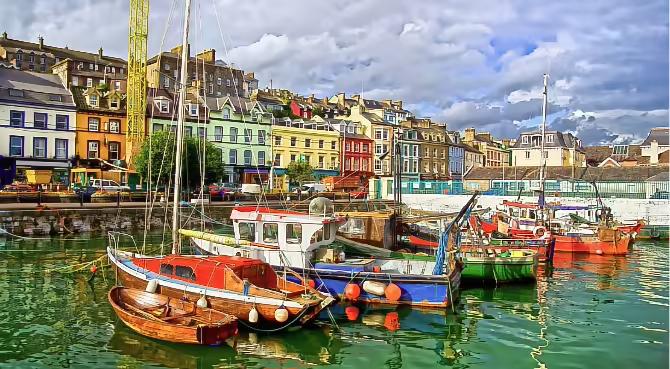

A Irlanda vai muito além do que o seu tamanho sugere. Com um setor tecnológico em crescimento, uma população de língua inglesa e algumas das pessoas mais acolhedoras da Europa, a Ilha Esmeralda tornou-se um dos destinos de mudança mais populares do continente. Seja cidadão do Reino Unido a tirar partido da Área de Viagem Comum, um profissional de tecnologia a juntar-se à sede europeia da Google ou da Apple, ou um recém-licenciado à procura de oportunidades de carreira na vibrante cena de startups de Dublin, este guia cobre cada passo prático para emigrar para a Irlanda em 2026 — desde vistos e o número PPS até habitação, cuidados de saúde e o verdadeiro significado de craic.
A Irlanda oferece também algo raro na Europa: um clima ameno sem temperaturas extremas, uma sólida rede de proteção social e uma cultura assente na comunidade, na conversa e na famosa vida nos pubs. Mas não está isenta de desafios — a crise habitacional é real, sobretudo em Dublin, e o custo de vida subiu bastante. Este guia ajudá-lo-á a planear com realismo.
A Irlanda em Resumo
- População
- 5,46 milhões (2025)
- Capital
- Dublin
- Moeda
- Euro (EUR/€)
- Salário Médio
- Cerca de €52.600/ano
- Idioma
- Inglês (oficial), Irlandês/Gaeilge (também oficial, amplamente estudado mas o uso diário limita-se às regiões Gaeltacht)
- Clima
- Oceânico temperado; verões frescos (14-20°C), invernos amenos (3-8°C); chuva frequente ao longo do ano
- Fuso Horário
- Hora de Greenwich (GMT); Hora de Verão Irlandesa (IST) no verão (UTC+1)
Porquê Emigrar para a Irlanda em 2026
- Porta de entrada para a tecnologia europeia: Dublin acolhe as sedes europeias da Google, Apple, Meta, Pfizer e centenas de outras multinacionais, tornando-se um dos mercados de trabalho mais fortes da Europa em tecnologia, farmácia e finanças
- País da EU de língua inglesa: A Irlanda é o único grande país de língua inglesa na EU, oferecendo uma vantagem única a profissionais internacionais que desejam acesso à EU sem barreiras linguísticas
- Área de Viagem Comum com o Reino Unido: Após o Brexit, os cidadãos do Reino Unido e irlandeses podem continuar a viver, trabalhar e estudar livremente nos países um do outro ao abrigo da Área de Viagem Comum (CTA) — sem visto necessário
- Economia forte: A Irlanda figura consistentemente entre as nações mais ricas da EU per capita, com baixo desemprego e salários em crescimento em vários setores
- Cultura acolhedora: Os irlandeses são famosos pela sua simpatia e sociabilidade — o conceito de craic (uma palavra irlandesa que significa diversão, entretenimento e boa conversa) é central na vida quotidiana
- Qualidade de vida: Uma paisagem deslumbrante, uma vibrante cultura de pub, fortes tradições desportivas (especialmente futebol gaélico e hurling sob a GAA) e uma cultura de trabalho que valoriza o equilíbrio
Quanto Custa Transportar os Seus Pertences para a Irlanda?
Os custos de envio para a Irlanda variam consoante o país de origem, o volume e o método. Os principais portos irlandeses são Dublin e Cork, sendo que a maioria das remessas internacionais chega por transporte marítimo.
| Origem | Gama de Custos Estimados | Volume Típico |
|---|---|---|
| EUA (Costa Leste) | €2.000–€3.200 | Contentor de 20 pés |
| EUA (Costa Oeste) | €2.800–€4.200 | Contentor de 20 pés |
| Canadá | €2.200–€3.500 | Contentor de 20 pés |
| Austrália | €5.000–€8.000 | Contentor de 40 pés |
| Alemanha | €800–€1.500 | Contentor de 20 pés |
| França | €600–€1.200 | Contentor de 20 pés |
| Reino Unido | €400–€900 | Contentor de 20 pés |
Explicação dos Custos por Componente
- Transporte: O frete marítimo da Europa demora 1–3 semanas; dos EUA ou Austrália, preveja 3–6 semanas. O transporte aéreo é mais rápido (3–7 dias) mas pode custar 3–5 vezes mais
- Seguro: Tipicamente 1–2% do valor declarado dos seus bens; sempre recomendado para mudanças internacionais
- Desalfandegamento: €150–€400 se recorrer a um agente de desalfandegamento profissional no porto de Dublin ou Cork
- Materiais de embalagem: €200–€500 para serviços de embalagem profissional
- Taxas de movimentação portuária: €100–€250 nos portos irlandeses
- IVA e direitos alfandegários: Os pertences pessoais usados há 6+ meses estão geralmente isentos ao abrigo da isenção de Transferência de Residência; os artigos novos podem estar sujeitos a IVA de 23%
Precisa de uma estimativa personalizada?
Obtenha três orçamentos de transportadoras verificadas em menos de 48 horas.
Requisitos de Visto e Residência
As regras de imigração da Irlanda dependem muito da sua nacionalidade. Os cidadãos da EU/EEA e suíços têm o percurso mais direto, enquanto os cidadãos do Reino Unido beneficiam de um acordo bilateral único. Os nacionais de países fora da EU/EEA geralmente necessitam de uma autorização de trabalho e de um visto.
Para Cidadãos da EU/EEA e Suíços
Ao abrigo das regras de livre circulação da EU, os cidadãos dos países da EU/EEA e da Suíça podem viver, trabalhar e estudar na Irlanda sem visto. Têm o direito de residir até três meses sem condições. Após esse período, devem estar empregados, ser trabalhadores independentes, estar a estudar ou ser autossuficientes. Após cinco anos consecutivos de residência legal, qualificam-se para a residência permanente.
Para Cidadãos do Reino Unido: A Área de Viagem Comum
Após o Brexit, os cidadãos do Reino Unido mantêm o direito de viver e trabalhar livremente na Irlanda ao abrigo da Área de Viagem Comum (CTA), um acordo de longa data entre a Irlanda e o Reino Unido. Isso significa:
- Sem necessidade de visto ou autorização de residência
- Direito a trabalhar sem autorização de trabalho
- Acesso a cuidados de saúde públicos, educação e serviços sociais
- Direito de votar nas eleições irlandesas (e vice-versa para os cidadãos irlandeses no Reino Unido)
A CTA não faz parte do direito da EU — é anterior à adesão à EU e continua de forma independente. Os cidadãos do Reino Unido apenas precisam de um passaporte válido para entrar e podem registar a sua residência à chegada.
Para Nacionais de Países Fora da EU/EEA: Principais Categorias de Visto
Autorização de Trabalho para Competências Críticas
- Profissões abrangidas: Funções constantes da Lista de Ocupações de Competências Críticas da Irlanda — tipicamente em tecnologia, engenharia, saúde e finanças
- Salário mínimo: €40.904/ano com uma licenciatura relevante, ou €68.911/ano sem licenciatura mas com experiência relevante (a partir de 1 de março de 2026), para ocupações na lista de Competências Críticas
- Duração: 2 anos, após os quais pode solicitar um Stamp 4 (autorização de trabalho aberta)
- Principal vantagem: O seu cônjuge ou parceiro pode trabalhar imediatamente sem necessidade de autorização separada
- Tempo de processamento: Normalmente 6–8 semanas
Autorização de Trabalho Geral
- Profissões abrangidas: Qualquer função com remuneração de pelo menos €34.000/ano (com algumas exceções para determinados setores)
- Duração: Inicialmente 2 anos, renovável por mais 3 anos
- Principal limitação: Após 5 anos, pode solicitar um Stamp 4, mas o processo é mais lento do que pela via das Competências Críticas
- Tempo de processamento: Tipicamente 8–12 semanas
- Teste de mercado de trabalho: O empregador deve demonstrar que a vaga foi anunciada a candidatos irlandeses/EU em primeiro lugar (com algumas isenções)
Stamp 4 (Autorização de Residência)
- O que é: Uma autorização de trabalho aberta — pode trabalhar para qualquer empregador sem uma autorização de trabalho específica
- Como obtê-la: Após 2 anos com uma Autorização de Competências Críticas, ou após 5 anos com uma Autorização de Trabalho Geral, ou através de determinadas outras vias (por exemplo, residência de longa duração, cônjuge de cidadão irlandês)
- Porquê é importante: O Stamp 4 é considerado o estatuto de imigração mais valioso na Irlanda — confere pleno acesso ao mercado de trabalho
Stamp 1G (Autorização para Licenciados)
- Quem é elegível: Licenciados de países fora da EU/EEA que concluíram um grau de Nível 8 (licenciatura com honras) ou superior em universidades irlandesas
- Duração: 12 meses para licenciados de Nível 8; 24 meses para licenciados de Nível 9/10 (mestrado/doutoramento)
- O que permite: Trabalho a tempo inteiro sem necessidade de autorização de trabalho separada durante o período de autorização
- Objetivo: Dá aos licenciados tempo para encontrar emprego qualificado e transitar para uma Autorização de Competências Críticas ou Autorização de Trabalho Geral
Número PPS: A Sua Identificação Essencial na Irlanda
O número PPS (Personal Public Service number) é o equivalente irlandês de um número de segurança social ou de identificação fiscal. É, sem dúvida, o documento mais importante de que vai precisar.
Porque Precisa Dele
- Emprego e processamento salarial (o seu empregador não pode pagar-lhe sem ele)
- Registo fiscal junto das Finanças (autoridade fiscal irlandesa — consulte revenue.ie)
- Acesso aos cuidados de saúde públicos através do HSE
- Abertura de conta bancária (a maioria dos bancos exige-o)
- Assinatura de contrato de arrendamento com alguns senhorios
- Requerer prestações sociais
- Inscrição de filhos na escola
Como Obtê-lo
-
Candidature através do MyWelfare.ie — a candidatura online é a via mais rápida
-
Forneça os documentos necessários
passaporte, comprovativo de morada irlandesa (fatura de serviços públicos ou carta do banco) e comprovativo da razão pela qual necessita do número (por exemplo, carta de oferta de emprego)
-
Compareça a uma consulta de verificação de identidade se solicitado — pode ser presencialmente num serviço do Departamento de Proteção Social ou por videochamada
-
Receba o seu número PPS por correio — tipicamente no prazo de 5–10 dias úteis após aprovação
Deve candidatar-se assim que chegar à Irlanda, pois muitos processos fundamentais (bancários, laborais, de saúde) estão bloqueados até ter o número PPS.
Encontrar Habitação na Irlanda
A Irlanda está a atravessar uma grave crise habitacional. A procura supera em muito a oferta, especialmente em Dublin, e o mercado de arrendamento é extremamente competitivo. Encontrar alojamento é generalizadamente considerado a parte mais difícil de se mudar para a Irlanda, pelo que deve começar a sua pesquisa o mais cedo possível.
Rendas Médias por Cidade (2026)
| Cidade | T1 (Centro da Cidade) | T3 (Centro da Cidade) | Competitividade do Mercado |
|---|---|---|---|
| Dublin | €2.000–€2.500 | €3.000–€4.200 | Extremamente competitivo |
| Cork | €1.300–€1.700 | €2.000–€2.800 | Muito competitivo |
| Galway | €1.200–€1.600 | €1.800–€2.500 | Muito competitivo |
| Limerick | €1.000–€1.400 | €1.500–€2.200 | Competitivo |
| Waterford | €900–€1.200 | €1.300–€1.800 | Moderado |
Como Encontrar Habitação
Plataformas Online:
- Daft.ie: O maior portal imobiliário da Irlanda — a principal fonte de anúncios de arrendamento em todo o país
- Rent.ie: Útil para consultar anúncios com pesquisa baseada em mapa
- Grupos de Facebook: "Rent in Dublin", "Renting in Cork" e grupos semelhantes por cidade têm frequentemente anúncios de senhorios privados
Recursos Locais:
- Agências imobiliárias locais (fiáveis, mas podem cobrar honorários)
- Passa a palavra — pergunte a colegas e contactos; muitos arrendamentos nunca chegam a anúncios públicos
Dicas para Estrangeiros à Procura de Habitação
- Comece cedo: Inicie a pesquisa 4–8 semanas antes da mudança; responda aos anúncios em minutos, não em horas
- Tenha os documentos prontos: Os senhorios querem ver comprovativo de rendimentos (recibos de vencimento ou carta de emprego), referências de senhorios anteriores, identificação com fotografia e o número PPS
- Considere a partilha de casa: Arrendar um quarto numa casa ou apartamento partilhado é muito mais comum (e acessível) do que arrendar um apartamento inteiro, especialmente em Dublin
- Alargue o seu raio de pesquisa: Viver em cidades dormitório como Maynooth, Drogheda ou Bray pode poupar centenas de euros por mês, mantendo Dublin acessível de comboio
- Preveja um depósito: Espere pagar um mês de renda antecipado mais um mês como caução
Contrato de Arrendamento e Proteção Legal
- A maioria dos contratos é de prazo fixo de 12 meses, embora os arrendamentos periódicos (mês a mês) também sejam comuns
- Os depósitos estão limitados a dois meses de renda ao abrigo da lei irlandesa
- Os senhorios devem dar 90 dias de aviso prévio para terminar um arrendamento (após os primeiros seis meses)
- O Residential Tenancies Board (RTB) regula o setor do arrendamento e presta um serviço de resolução de litígios — todos os senhorios devem registar-se junto do RTB
- Zonas de Pressão de Renda (RPZ): Em Dublin e outras zonas de alta procura, os aumentos anuais de renda estão limitados a 2% ou à taxa de inflação, consoante a que for mais baixa
Atenção: Burlas de Arrendamento
As burlas de arrendamento são comuns no mercado apertado da Irlanda. Proteja-se:
- Nunca transferindo dinheiro sem visitar o imóvel pessoalmente (ou através de um contacto de confiança)
- Verificando a identidade do senhorio e se o imóvel está registado no RTB
- Desconfiando de preços significativamente abaixo do valor de mercado — se parece bom demais para ser verdade, provavelmente é
- Utilizando métodos de pagamento seguros e guardando todos os recibos
Saúde e Seguros na Irlanda
A Irlanda opera um sistema de saúde de dois níveis: um sistema público gerido pelo HSE (Health Service Executive) e um setor privado. Todos os residentes têm direito aos cuidados de saúde públicos, mas o sistema está sob pressão com longas listas de espera para alguns serviços.
Saúde Pública
HSE
- Quem é elegível: Qualquer pessoa que resida habitualmente na Irlanda — incluindo expatriados com residência legal
- Custo: Gratuito ou subsidiado para quem beneficia de cartão médico (com base nos rendimentos, disponível para pessoas e famílias de baixos rendimentos)
- Cobertura: Consultas de clínico geral (gratuitas com cartão médico; caso contrário €50–€70 por consulta), cuidados hospitalares, serviços de maternidade e receitas subsidiadas
- Cartão de Consulta de Clínico Geral: Se o seu rendimento supera os limiares do cartão médico mas ainda é moderado, pode ser elegível para um cartão de consulta de clínico geral, que cobre o custo das consultas sem cobrir outros custos
- Listas de espera: Os cuidados de saúde públicos podem implicar longas esperas para consultas de especialistas e procedimentos eletivos — é um problema bem conhecido
Seguro de Saúde Privado
Muitos residentes, especialmente expatriados, optam por seguro de saúde privado para evitar as listas de espera e...
- Custo: €1.200–€2.500/ano para um adulto individual, consoante o plano e o prestador
- Cobertura: Quartos em hospitais privados, acesso mais rápido a especialistas, opções adicionais de dentista e ótica disponíveis
- Principais prestadores:
Custos a Cargo do Utilizador
- Consulta de clínico geral: €50–€70 (gratuita com cartão médico)
- Medicamentos com receita: €1,50 por artigo ao abrigo do Regime de Pagamento de Medicamentos (limitado a €80/mês por família)
- Urgência hospitalar: €100
- Consulta de dentista: €50–€80
- Internamento hospitalar (público): Coberto pelo HSE para residentes
Obtenha um plano de relocalização personalizado
Deixe o seu e-mail e enviaremos uma lista de verificação adaptada às suas necessidades, mais três orçamentos de transportadoras verificadas.
Banca e Finanças
Abrir uma Conta Bancária
- Quando: Assim que tiver comprovativo de morada e número PPS — muitas operações bancárias ficam limitadas sem uma conta irlandesa
- Documentos necessários: Passaporte ou cartão de identificação nacional, comprovativo de morada irlandesa (fatura de serviços públicos ou carta oficial datada dos últimos 3 meses), número PPS
- Principais bancos para expatriados:
- AIB (Allied Irish Banks): Maior rede de balcões, serviço bancário completo para particulares e empresas
- Bank of Ireland: Segundo maior, forte em banca online e mobile
- Permanent TSB: Popular para hipotecas e contas do dia a dia
- Revolut: Não é um banco tradicional, mas é extremamente popular na Irlanda para despesas quotidianas, câmbio de divisas e divisão de contas — muitos expatriados usam o Revolut como conta principal antes de ou em paralelo com uma conta bancária tradicional
Obter o Número PPS (Identificação Fiscal e de Segurança Social)
- O que é: O seu Personal Public Service number — o identificador universal irlandês para impostos, prestações sociais e serviços públicos
- Quando se candidatar: Assim que chegar e tiver comprovativo de morada
- Onde se candidatar: MyWelfare.ie (online) ou no seu Centro Intreo local (serviço do Departamento de Proteção Social)
- Porque precisa dele: Necessário para emprego, impostos, banca, cuidados de saúde e a maioria dos processos oficiais
Características e Custos da Conta Bancária
- Mensalidade: €4–€7/mês (na maioria das contas à ordem; existem opções sem encargos mediante condições)
- Cartão de débito: Gratuito (Visa Débito é o padrão)
- Cartão de crédito: Disponível após estabelecer uma relação bancária; taxas de juro entre 13%–22% de TAE
- Transferências internacionais: €10–€25 por transferência nos bancos tradicionais; gratuitas ou de baixo custo através do Revolut ou Wise
Cultura de Pagamento
- Os pagamentos por contactless e cartão são a norma — a Irlanda tem uma das taxas de utilização de cartão mais elevadas da Europa
- Apple Pay e Google Pay são amplamente aceites
- O Revolut e aplicações fintech semelhantes são extremamente populares para pagamentos entre particulares
- O dinheiro em espécie ainda é aceite em todo o lado, mas está cada vez menos comum, especialmente entre os mais jovens
- Na Irlanda circula-se pela esquerda, mas os veículos têm o volante à direita — tal como no Reino Unido
Compreender os Impostos na Irlanda
O sistema fiscal irlandês é gerido pelas Finanças (revenue.ie) e funciona numa base PAYE (Pay As You Earn) para trabalhadores por conta de outrem, o que significa que o seu empregador desconta o imposto do seu salário antes de o pagar.
Principais Taxas de Imposto (2026)
| Componente Fiscal | Taxa | Notas |
|---|---|---|
| IRS (taxa normal) | 20% | Sobre rendimentos até €44.000 (pessoa singular) |
| IRS (taxa superior) | 40% | Sobre rendimentos acima de €44.000 |
| USC (Encargo Social Universal) | 0,5%–8% | Progressivo; aplica-se ao rendimento bruto acima de €13.000. Limite do escalão inferior: €28.700 (2026) |
| PRSI (Seguro Social Relacionado com o Rendimento) | 4% (sobe para 4,35% a partir de 1 de outubro de 2026) | Quota do trabalhador Classe A; financia pensões, subsídio de doença e prestações sociais |
- A Irlanda celebrou acordos de dupla tributação com mais de 70 países, evitando que seja tributado duas vezes sobre o mesmo rendimento
- Se permanecer mais de 183 dias na Irlanda num ano fiscal (ou 280 dias ao longo de dois anos), é considerado residente fiscal e sujeito a imposto sobre o rendimento mundial
- Registe-se nas Finanças através do myAccount em revenue.ie para gerir os seus assuntos fiscais, reclamar créditos e consultar o seu registo fiscal
Custo de Vida na Irlanda
O custo de vida na Irlanda é elevado pelos padrões europeus, impulsionado principalmente pelos custos de habitação. Dublin é a cidade mais cara, mas Cork, Galway e outras cidades também registaram aumentos significativos.
Orçamento Mensal por Cidade
| Cidade | Orçamento para Uma Pessoa | Orçamento para Família de 3 | Nível de Custo |
|---|---|---|---|
| Dublin | €2.800–€3.800 | €4.500–€6.000 | Muito elevado |
| Cork | €2.000–€2.800 | €3.500–€5.000 | Elevado |
| Galway | €1.800–€2.500 | €3.200–€4.500 | Elevado |
| Limerick | €1.600–€2.200 | €2.800–€3.800 | Moderado-Elevado |
| Waterford | €1.400–€2.000 | €2.500–€3.500 | Moderado |
Detalhes dos Custos
Habitação:
- Apartamento T1 (centro de Dublin): €2.000–€2.500/mês
- Apartamento T3 (centro de Dublin): €3.000–€4.200/mês
- Serviços públicos (eletricidade, aquecimento, água, resíduos): €150–€220/mês
- Internet (banda larga): €40–€60/mês
Alimentação e Compras:
- Compras semanais (1 pessoa): €60–€90
- Refeição em restaurante (informal): €15–€22
- Refeição em restaurante (nível médio, dois pratos): €30–€50
- Imperial de cerveja: €5,50–€7,50
Transportes:
- Cartão Leap mensal (autocarro/DART/Luas de Dublin): €120–€140
- Gasolina: €1,70–€1,90/litro
- Seguro automóvel (novo residente): €800–€1.500/ano
Seguros e Saúde:
- Seguro de saúde privado: €100–€210/mês
Lazer e Entretenimento:
- Ginásio: €40–€70/mês
- Bilhete de cinema: €12–€16
- Serviços de streaming (Netflix, Spotify): €15–€25/mês no total
Comparação com Outros Países
- vs Reino Unido: A Irlanda é cerca de 10–20% mais cara no geral, principalmente devido a rendas e custos de restauração mais elevados
- vs Alemanha: A Irlanda é 15–25% mais cara, especialmente em habitação e alimentação
- vs EUA: Em termos gerais, comparável nas grandes cidades; Dublin é mais barata do que Nova Iorque ou São Francisco, mas mais cara do que a maioria das cidades americanas de médio porte
Dicas de Idioma e Cultura
Precisa de Saber Irlandês (Gaeilge)?
Não. O inglês é a língua do dia a dia para a grande maioria da população irlandesa. O irlandês (Gaeilge) é a primeira língua oficial e é obrigatório nas escolas, mas o uso quotidiano fora das regiões Gaeltacht designadas (partes de Connemara, Kerry, Donegal e algumas outras zonas ao longo da costa ocidental) é extremamente limitado. Verá o irlandês em sinais de trânsito, documentos governamentais e transportes públicos, mas todos os serviços estão disponíveis em inglês.
Dito isto, aprender algumas frases é bem recebido socialmente:
- Dia duit (dee-ah gwit) — Olá
- Go raibh maith agat (guh rev mah ah-gut) — Obrigado/a
- Sláinte (slawn-cha) — Saúde (ao brindar)
Normas Culturais e Etiqueta
Cultura do pub:
- O pub é o coração da vida social irlandesa — é onde as pessoas se encontram, conversam, assistem a desporto e desfrutam do craic
- Comprar ronda é a norma — se alguém lhe compra uma bebida, espera-se que compre a seguinte
- Gorjetas: não são esperadas no bar (compra bebidas diretamente), mas 10–15% é o padrão em restaurantes pelo serviço à mesa
Estilo conversacional:
- Os irlandeses são calorosos, informais e adoram conversar — não se surpreenda se estranhos iniciarem uma conversa
- O humor é frequentemente autodepreciativo e sarcástico; não leve a peito as brincadeiras ligeiras
- Dizer "I will" ou "I'll do that now" pode significar em breve, não necessariamente de imediato — é uma fonte bem conhecida de confusão para os recém-chegados
Desporto:
- A GAA (Associação Atlética Gaélica) tem uma dimensão enorme — o futebol gaélico e o hurling são seguidos com paixão, com os Campeonatos All-Ireland em setembro a atrair multidões enormes ao Croke Park em Dublin
- O râguebi e o futebol são também muito populares; o Torneio das Seis Nações de râguebi é um grande evento anual
Integração social:
- Entrar num clube local da GAA, num grupo de corrida ou numa organização comunitária é uma das formas mais rápidas de construir uma rede social
- As comunidades de expatriados são ativas, especialmente em Dublin — procure grupos no Meetup, InterNations e Facebook
- O voluntariado está bem enraizado e é uma excelente forma de conhecer pessoas
Condução e Transportes na Irlanda
Transportes Públicos
Os transportes públicos da Irlanda estão concentrados em Dublin, sendo as opções mais limitadas noutras localidades.
- Dublin: O DART (Dublin Area Rapid Transit) percorre a costa; o Luas (sistema de elétrico, Luas é a palavra irlandesa para velocidade) cobre as principais rotas da cidade; o Dublin Bus serve a área metropolitana mais ampla. O Cartão Leap é o cartão inteligente integrado para todos os serviços — oferece tarifas mais baixas do que em dinheiro e inclui limites diários/semanais
- Cork: A Bus Éireann opera rotas urbanas e suburbanas; sem comboio dentro da cidade
- Galway, Limerick, Waterford: Transportes públicos baseados em autocarros; funcionais, mas com menor frequência do que em Dublin
- Interurbano: A Irish Rail liga Dublin a Cork, Galway, Limerick e outras cidades; a Bus Éireann oferece serviços nacionais de autocarro
Condução na Irlanda
- Na Irlanda circula-se pela esquerda — o mesmo lado que no Reino Unido, Austrália e Japão
- Os carros têm o volante à direita
- Os limites de velocidade são em km/h (ao contrário do Reino Unido, que usa mph)
- Limite de velocidade em autoestrada: 120 km/h; estradas nacionais: 100 km/h; zonas urbanas: 50 km/h
- Combustível: €1,70–€1,90/litro para gasolina; o gasóleo é ligeiramente mais barato
- O seguro automóvel para novos residentes pode ser caro no primeiro ano — preveja €800–€1.500 — mas os bónus de ausência de sinistros de outros países são por vezes aceites
Importação de Veículo
Se trouxer um carro do estrangeiro, deve:
- Declarar o veículo às Finanças no porto de entrada
- Pagar o Imposto de Registo de Veículo (VRT) se o carro for importado permanentemente (as taxas variam consoante as emissões e o valor do veículo — tipicamente €200–€2.000+)
- Os veículos provenientes de fora da EU podem também estar sujeitos a direitos aduaneiros e IVA
- Registar o veículo e obter as matrículas irlandesas através do Serviço Nacional de Inspeção de Veículos (NCTS)
Alfândega e Regras de Importação ao Mudar para a Irlanda
Ao mudar-se para a Irlanda, pode importar pertences pessoais usados isentos de direitos ao abrigo da isenção de Transferência de Residência (TOR), desde que os artigos sejam propriedade sua e tenham sido utilizados durante pelo menos seis meses e sejam para uso pessoal.
Documentos Necessários
- Inventário detalhado de todos os artigos enviados (com valores)
- Comprovativo de transferência de residência (carta de emprego, visto ou contrato de arrendamento)
- Conhecimento de embarque ou guia aérea
- Passaporte válido ou cartão de identificação nacional
O Que É Restrito ou Tributável
- Artigos novos: Sujeitos a IVA de 23% e possíveis direitos aduaneiros
- Álcool e tabaco: Sujeitos a impostos especiais de consumo e limites de quantidade
- Veículos: Sujeitos a VRT (ver acima)
- Alimentos e plantas: Certos artigos sujeitos a restrições ao abrigo das regras de biossegurança da EU
- Medicamentos sujeitos a receita médica: Traga uma cópia da receita e uma carta do seu médico
A maioria das transportadoras de confiança trata dos trâmites alfandegários em seu nome. Os postos alfandegários irlandeses operam no Porto de Dublin, Porto de Cork, Aeroporto de Shannon e Aeroporto de Dublin.
Relocalização de Animais de Estimação para a Irlanda
Trazer animais de estimação para a Irlanda exige o cumprimento das normas da EU relativas a viagens com animais:
- Microchip: Microchip de norma ISO obrigatório
- Vacina antirrábica: Deve estar em dia (administrada pelo menos 21 dias antes da viagem)
- Passaporte Europeu para Animais de Estimação ou certificado veterinário de país terceiro: Emitido por um veterinário autorizado nos 10 dias anteriores à viagem
- Tratamento antiparasitário (tenias): Obrigatório para cães, administrado 1–5 dias antes da entrada
- Via de entrada: Os animais de estimação devem entrar na Irlanda por um Ponto de Entrada de Viajantes designado (o Aeroporto de Dublin ou o Aeroporto de Shannon são os principais)
- Raças proibidas: Certas raças de cães na Irlanda estão sujeitas a restrições (por exemplo, American Pit Bull Terrier, Japanese Tosa e outras) — consulte a lista atualizada do Ministério da Agricultura antes de planear a sua mudança
Os serviços profissionais de relocalização de animais de estimação podem tratar da logística, da documentação e de eventuais requisitos de quarentena.
Educação e Escolas na Irlanda
Escolas Públicas
- Gratuitas para todos os residentes, financiadas pelo Ministério da Educação
- O ensino é em inglês, embora o irlandês (Gaeilge) seja uma disciplina obrigatória
- A escolaridade decorre dos 5 anos (Jardim de Infância) até aos 18 anos (Certificado de Conclusão do Ensino Secundário)
- A qualidade é geralmente elevada; a Irlanda classifica-se consistentemente bem nas avaliações internacionais de educação (PISA)
Escolas Privadas e Internacionais
- Disponíveis principalmente em Dublin e Cork
- As escolas internacionais oferecem currículos como o Bacharelato Internacional (IB), sistemas escolares francês, alemão e outros nacionais
- Propinas: €5.000–€15.000/ano consoante a escola
Ensino Superior
- A Irlanda tem sete universidades e múltiplos Institutos de Tecnologia (agora Universidades Tecnológicas)
- Estudantes da EU/EEA: O ensino é gratuito ao abrigo da Iniciativa de Propinas Gratuitas (os estudantes pagam uma contribuição estudantil de ~€3.000/ano)
- Estudantes fora da EU: As propinas variam entre €10.000–€25.000/ano consoante o programa e a instituição
- Universidades de destaque: Trinity College Dublin (TCD), University College Dublin (UCD), University College Cork (UCC), NUI Galway, University of Limerick
Lista de Verificação para Emigrar para a Irlanda
- Pesquise os requisitos de visto/autorização e inicie os pedidos, se aplicável
- Comece a reunir documentos: passaporte, certidão de nascimento, diplomas, referências profissionais, registos médicos
- Comece a pesquisar habitação no Daft.ie e nos grupos de Facebook relevantes
- Peça orçamentos a transportadoras internacionais (pelo menos três)
- Notifique o seu atual senhorio ou comece a vender/rescindir o contrato de habitação
- Confirme a transportadora e reserve a data do envio
- Trate do seguro de saúde na Irlanda (VHI, Laya ou Irish Life Health)
- Configure o reencaminhamento de correio da sua morada atual
- Pesquise escolas se se mudar com filhos — contacte o Ministério da Educação ou os conselhos escolares relevantes
- Comece a desfazer-se de bens desnecessários — as casas e apartamentos irlandeses são geralmente mais pequenos do que os dos EUA, Canadá ou Austrália
- Envie os seus pertences ou confirme a data de recolha do contentor/palete
- Descarregue as aplicações essenciais: Daft.ie, Revolut, TFI Go (transportes para a Irlanda), Revenue myAccount
- Reserve alojamento temporário para as primeiras 2–4 semanas (Airbnb, hotel ou arrendamento de curta duração)
- Cancele ou transfira serviços públicos, subscrições e serviços na sua morada atual
- Obtenha cópias autenticadas dos documentos importantes
- Confirme os detalhes da chegada com o seu alojamento temporário
- Prepare um kit de chegada: passaporte, documentos do visto, carta de oferta de emprego, comprovativo de morada, dinheiro em euros, telemóvel com SIM irlandês/EU ou plano de roaming
- Informe o seu banco da mudança para evitar bloqueios do cartão
- Faça as leituras finais dos contadores e liquide as faturas em aberto na sua casa atual
- Chegue à Irlanda e passe pelo controlo de imigração (cidadãos não-EU)
- Instale-se no alojamento temporário
- Compre um cartão SIM local (Three, Vodafone ou Eir são os principais operadores)
- Ative o Revolut ou abra uma conta bancária irlandesa básica
- Inicie o pedido do número PPS em MyWelfare.ie
- Peça o seu número PPS e compareça a qualquer marcação necessária
- Abra uma conta bancária irlandesa completa (AIB, Bank of Ireland ou Permanent TSB) assim que tiver um número PPS
- Registe-se na Revenue (revenue.ie) para efeitos fiscais
- Registe-se num GP local (médico de família), especialmente importante se tiver necessidades médicas contínuas
- Intensifique a procura de casa, respondendo a novos anúncios em poucos minutos e tendo todos os documentos prontos
- Garanta uma habitação de longa duração e assine o contrato de arrendamento
- Coloque os serviços essenciais (eletricidade, gás, internet) em seu nome
- Registe-se junto do RTB se o seu senhorio ainda não o tiver feito
- Peça um medical card ou GP visit card se for elegível
- Configure o seu Leap Card para transportes públicos
- Explore o seu bairro e comece a construir a sua rede local
Onde encontrar ferramentas e recursos
Ferramentas ReloAdvisor:
- Calculadora de volume
- Vistoria por vídeo
- Calculadora de custos de mudança
Recursos oficiais irlandeses:
- Citizens Information (citizensinformation.ie): guia completo sobre direitos, serviços e burocracia na Irlanda
- Revenue (revenue.ie): registo fiscal, gestão do PAYE e créditos fiscais
- MyWelfare.ie (mywelfare.ie): pedidos de número PPS e segurança social
- HSE (hse.ie): registo nos cuidados de saúde, localizador de GP, pedidos de medical card
- ISD (irishimmigration.ie): Immigration Service Delivery (anteriormente INIS), informação sobre vistos, residência e naturalização
Comunidades de expatriados:
- InterNations Ireland (internations.org): eventos de networking e fóruns para expatriados
- Expat.com Ireland (expat.com): conselhos práticos e fóruns da comunidade
- Grupos do Facebook: "Irish Immigration Forum", "Americans in Ireland", "Expats in Dublin"
Guias relacionados:
- Mudar-se para o Reino Unido
- Mudar-se para a Alemanha
- Mudar-se para França