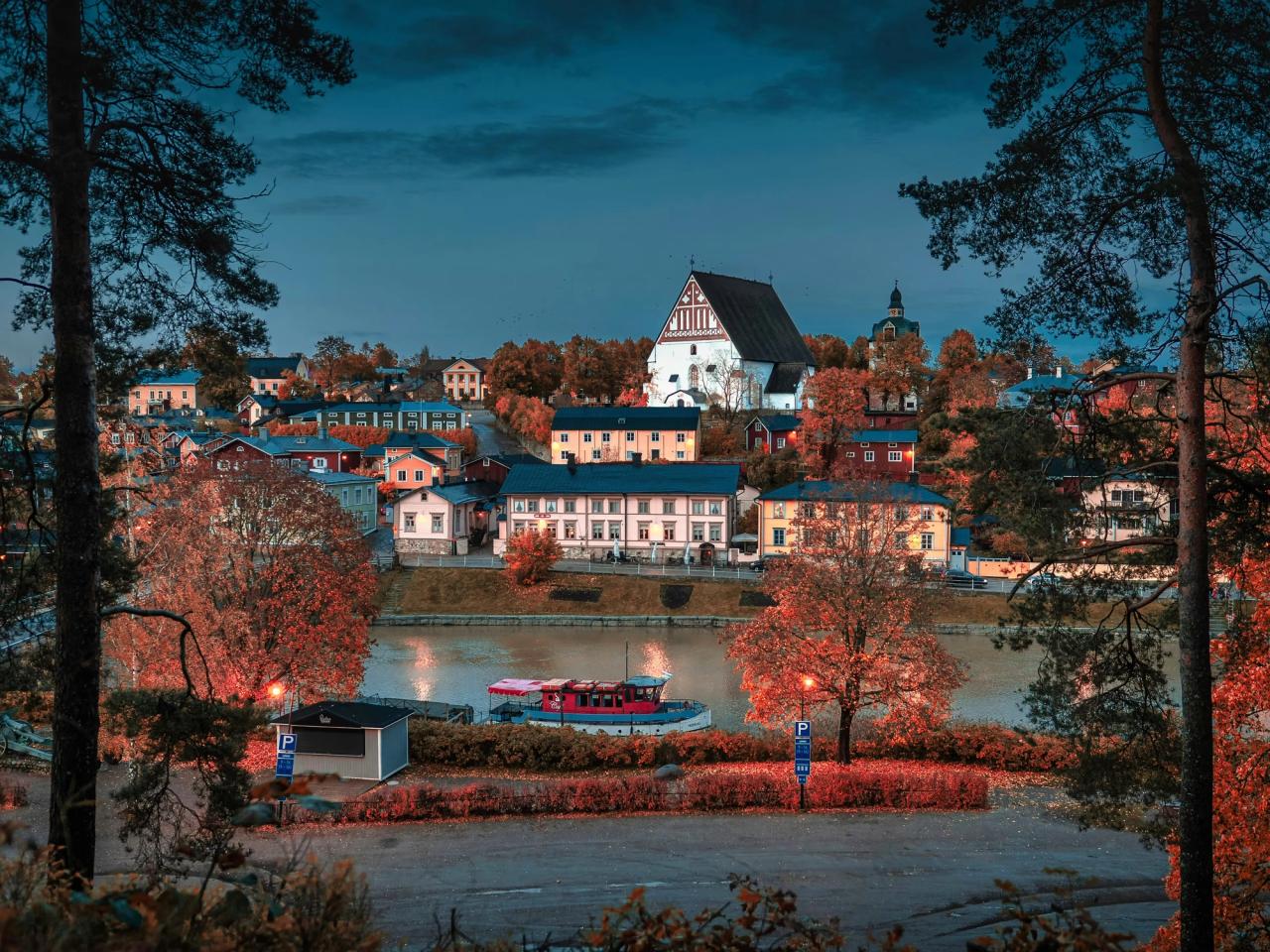
A Finlândia liderou o World Happiness Report durante sete anos consecutivos e não é difícil perceber porquê: cuidados de saúde universais, escolas de classe mundial, florestas intactas e uma sociedade assente na confiança. Quer se esteja a mudar para uma função tecnológica em Helsinki, para uma posição de investigação na Aalto University em Espoo ou para o ritmo de vida mais tranquilo em Turku ou Oulu, este guia acompanha-o em todos os passos práticos. Encontrará categorias reais de visto com requisitos do Migri (Finnish Immigration Service - Maahanmuuttovirasto), intervalos reais de renda em cinco grandes cidades, o processo de registo na Kela (Social Insurance Institution), a burocracia do henkilötunnus (código de identidade pessoal) e uma lista de verificação de mudança adaptada aos prazos e instituições finlandeses.
Finlândia em resumo

- População
- ~5,6 milhões (2025)
- Capital
- Helsínquia
- Moeda
- Euro (€)
- Salário Médio
- ~52.000€/ano (bruto, 2025)
- Idioma
- Finlandês e Sueco (oficial); Inglês muito falado, especialmente entre os menores de 40 anos
- Clima
- Temperado a frio; subártico na Lapónia. Verões 15–25°C, invernos -5°C a -30°C por região
- Fuso horário
- EET (UTC+2) / EEST (UTC+3 no verão)
Porquê mudar para a Finlândia em 2026
- Educação de classe mundial: as escolas da Finlândia figuram consistentemente entre as melhores da OCDE, com propinas gratuitas em todos os níveis, incluindo a universidade para cidadãos da EU/EEE, e valores subsidiados para estudantes de fora da EU.
- Centro de tecnologia e inovação: O legado da Nokia gerou um ecossistema que inclui agora a Supercell, a Rovio, a Wolt e um próspero cenário de startups centrado em Helsínquia e no campus Otaniemi de Espoo.
- Estado de bem-estar abrangente: Impostos elevados financiam cuidados de saúde universais, 320 dias de licença parental partilhada, educação gratuita e benefícios Kela que cobrem desemprego, doença e apoio familiar.
- Segurança e confiança: A Finlândia tem uma das taxas de criminalidade mais baixas da EU e está classificada entre os cinco países menos corruptos no índice de 2025 da Transparência Internacional.
- Natureza limpa e direito de todos: o jokamiehenoikeus (direito de todos) permite a qualquer pessoa caminhar, acampar, colher fruta e pescar livremente em florestas e lagos – mesmo em terrenos privados – uma tradição jurídica exclusiva dos nórdicos.
- Governo digital: A maior parte da burocracia acontece online através do Suomi.fi, o portal nacional de serviços digitais, minimizando as marcações presenciais depois de registado.
Custos de mudança para a Finlândia
Compreender o lado financeiro da sua mudança é crucial para um planeamento adequado.
| Origem | Faixa de custo estimada | Contentor/volume |
|---|---|---|
| Europa Ocidental | 1.200€ – 2.500€ | 5–15 CBM (contentor partilhado) |
| Reino Unido | 1.500€ – 3.000€ | 5-15 m³ |
| EUA / Canadá | 2.800€ – 5.600€ | FCL de 20 pés (contentor cheio) |
| Austrália / Nova Zelândia | 3.500€ – 7.000€ | FCL de 20 pés |
| Ásia | 2.500€ – 5.000€ | 10-20 m³ |
Custos dos componentes explicados
- Transporte: 800€–4.500€ dependendo do volume e se envia por via marítima (3–5 semanas da América do Norte, 1–2 semanas da Europa) ou frete aéreo (5–10 dias, significativamente mais caro, de 3–8€ por kg).
- Seguro: 2–4% do valor declarado da mercadoria para cobertura porta a porta contra danos e perdas.
- Desalfandegamento: 150€–400€ para o desalfandegamento normal de bens domésticos através da Finnish Customs (Tulli). Isenção de impostos se as mercadorias tiverem sido possuídas e utilizadas nos seis meses anteriores.
- Materiais de embalagem: 100 €-400 € para uma casa normal; muitas empresas de mudanças incluem isto no orçamento.
- Armazenamento (se necessário): 50€–150€/semana para armazenamento temporário na Finlândia, se o seu alojamento não estiver pronto.
- Taxas administrativas: 0€–200€ para reconhecimentos notariais, traduções e taxas de documentos consulares.
Precisa de uma estimativa personalizada?
Obtenha três orçamentos verificados de empresas de mudanças em menos de 48 horas.
Requisitos de visto e residência
O sistema de imigração da Finlândia é gerido pelo Migri (Finnish Immigration Service — Maahanmuuttovirasto), sendo os pedidos apresentados através do portal online Enter Finland (enterfinland.fi). Os tempos de processamento variam entre duas semanas e vários meses, dependendo do tipo de licença e da sua nacionalidade.
Para cidadãos da EU/EEE e suíços
Os cidadãos da EU/EEE têm direito à livre circulação e não necessitam de visto ou oleskelulupa (autorização de residência) para entrar na Finlândia. Deve registar o seu direito de residência no Migri no prazo de três meses após a chegada, se a sua estadia exceder os 90 dias. A inscrição custa 54€ e exige prova de emprego, trabalho independente, estudos ou fundos suficientes. Após cinco anos de residência contínua pode requerer um direito de residência permanente.
Para cidadãos de fora da EU: principais categorias de visto
Autorização de residência baseada no trabalho (Työperusteinen oleskelulupa)
- Requisitos: Um contrato de trabalho válido ou uma oferta de emprego vinculativa de um empregador finlandês. O empregador deve geralmente demonstrar que não estava disponível nenhum candidato da EU/EEE devidamente qualificado. Existe uma opção de especialista acelerado para funções com um limite salarial de, pelo menos, 3.937 €/mês bruto (taxa de 2026).
- Tempo de processamento: 1–4 meses (padrão); ~ 2 semanas para a licença especializada acelerada.
- Duração: Emitido pela duração do contrato de trabalho, normalmente de 1 a 2 anos, renovável.
- Detalhes principais: O seu empregador inicia a inscrição no Enter Finland e você preenche a sua parte. Deve visitar uma embaixada finlandesa ou um ponto de serviço Migri para verificação de identidade.
Cartão Azul EU
- Requisitos: Licenciatura universitária ou cinco anos de experiência profissional relevante, além de contrato de trabalho com remuneração mínima de 3.937€/mês bruto (propina de 2026).
- Tempo de processamento: 2–3 meses.
- Duração: Válido pela duração do contrato mais três meses, até quatro anos.
- Detalhes principais: Permite a mobilidade intra-EU após 18 meses. Os membros da família são elegíveis para licenças de acompanhamento.
Autorização de Residência de Estudantes (Opiskelijan oleskelulupa)
- Requisitos: Uma carta de aceitação de uma universidade finlandesa ou ammattikorkeakoulu (universidade de ciências aplicadas), prova de fundos (800€/mês ou 9.600€/ano para custos de vida, de acordo com o requisito de rendimento da Migri) e seguro de saúde válido.
- Tempo de processamento: 1–3 meses.
- Duração: Um ano, renovável pela duração dos estudos.
- Detalhes principais: Os alunos podem trabalhar até 30 horas por semana durante o período letivo, sem limite de horas durante os intervalos programados. A propina é gratuita para os cidadãos da EU/EEE; estudantes de fora da EU pagam entre 4.000 e 18.000 euros/ano, dependendo do programa, com bolsas de estudo amplamente disponíveis.
Autorização de Residência para Laços Familiares (Perheside)
- Requisitos: Prova de parentesco com cidadão finlandês ou residente legal (certidão de casamento, certidão de nascimento, prova de coabitação). O patrocinador deve cumprir o requisito de rendimento do Migri, que varia de acordo com o tamanho da família (por exemplo, aproximadamente 2.910 euros/mês para uma família de quatro pessoas ao abrigo da reforma de Novembro de 2024). Consulte a página sobre rendimentos de reagrupamento familiar Migri.
- Tempo de processamento: 4–9 meses.
- Duração: Normalmente de 1 a 4 anos com uma autorização contínua que conduz à residência permanente.
- Detalhes principais: Os parceiros casados e que coabitam, incluindo casais do mesmo sexo, são elegíveis. A Finlândia legalizou o casamento entre pessoas do mesmo sexo em 2017.
Permissão de empreendedor de startup (Start-up -yrityksen oleskelulupa)
- Requisitos: Um plano de negócios viável avaliado pela Business Finland. Não há exigência de capital mínimo, mas a startup deve demonstrar potencial escalável e um modelo de negócio inovador.
- Tempo de processamento: 2–4 meses.
- Duração: Até dois anos, renovável se o negócio estiver operacional.
- Detalhes principais: Pode candidatar-se no estrangeiro ou enquanto possuir uma licença válida na Finlândia. Os membros da família podem solicitar licenças de acompanhamento.
Residência Permanente (Pysyvä oleskelulupa)
- Requisitos: Quatro anos de residência contínua com uma autorização tipo A e proficiência linguística comprovada - pelo menos finlandês ou sueco de nível A2, ou aprovação no teste YKI (Certificado Nacional de Proficiência Linguística) no nível 3.
- Tempo de processamento: 2–6 meses.
- Duração: Permanente.
- Detalhes principais: Permite o trabalho sem restrições e é um trampolim para a cidadania finlandesa.
Processo de registo específico da Finlândia
Depois de chegar à Finlândia, o registo na DVV (Digital and Population Data Services Agency – anteriormente conhecida como Maistraatti ou Cartório de Registo Local) é o passo burocrático mais importante. Isto desencadeia a emissão do seu henkilötunnus (código de identidade pessoal), de que necessita para os serviços bancários, fiscais, de saúde, de emprego e quase todas as interações oficiais na Finlândia.
Documentos Necessários
- Passaporte válido (e visto ou oleskelulupa se aplicável)
- Certificado de emprego, inscrição em estudos ou laços familiares que comprovem o motivo da estadia
- Comprovativo de morada na Finlândia (contrato de arrendamento ou escritura de propriedade)
- Certidão de casamento e certidões de nascimento dos filhos, se aplicável (com traduções certificadas, se não estiver em finlandês, sueco ou inglês)
O processo de registo (passo a passo)
-
Marque uma consulta com o DVV online em dvv.fi. Em Helsínquia, os compromissos de outono podem ser preenchidos com semanas de antecedência – reserve o mais cedo possível.
-
Visite pessoalmente o escritório da DVV com todos os documentos. O funcionário verifica a sua identidade e regista o seu endereço finlandês.
-
Receba o seu henkilötunnus (código de identidade pessoal) – geralmente atribuído no local ou no prazo de alguns dias úteis. Este código de 11 caracteres (DDMMYY-XXXX) acompanha-o durante toda a vida.
-
Registe o seu endereço no Posti (Correios Finlandeses) para entrega de correio, especialmente se o seu edifício ainda não tiver uma caixa de correio nomeada.
Uma vez registado, as suas informações fluem para a Finnish Tax Administration (Vero), que atribui o seu veronumero (número fiscal). Também se torna visível no Sistema de Informação Populacional, que Kela e as autoridades municipais utilizam para determinar a sua elegibilidade para os serviços.
Encontrar habitação na Finlândia
O mercado de arrendamento da Finlândia é favorável aos inquilinos, mas competitivo em Helsínquia e Espoo. Aproximadamente 30% dos finlandeses alugam, e o mercado está dividido entre proprietários privados e grandes organizações habitacionais sem fins lucrativos (asuntosäätiöt), como a HOAS na região de Helsínquia e a TOAS em Tampere. Os apartamentos não mobilados são a norma – incluem fogão e frigorífico, mas traz os seus próprios candeeiros, cortinas e, por vezes, até uma pia de cozinha em edifícios mais antigos.
Rendas médias por grande cidade (2026)
| Cidade | 1 quarto | 3 Quartos | Competitividade de Mercado |
|---|---|---|---|
| Helsínquia | 850€ – 1.350€ | 1.500€ – 2.400€ | Elevado – espere uma pesquisa de 2 a 3 semanas |
| Espoo | 800€ – 1.200€ | 1.400€ – 2.100€ | Moderado–Alto |
| Tampere | 650€ – 1.000€ | 1.100€ – 1.700€ | Moderado |
| Turku | 600€–950€ | 1.000€ – 1.600€ | Moderado |
| Oulu | 550€–850€ | 900€ – 1.400€ | Baixo–Moderado |
Terminologia de aluguer
- Vuokra: O aluguer básico. Verifique sempre se a água (vesimaksu, normalmente entre 15€ e 25€/pessoa/mês) e o aquecimento estão incluídos.
- Rahat takuuvuokra (depósito de segurança): Normalmente de um a dois meses de renda, devolvido quando se muda se o apartamento não estiver danificado. Alguns proprietários aceitam uma garantia bancária (pankkitakuu) em vez de um depósito em dinheiro.
Como Encontrar Moradia
Plataformas on-line:
- Vuokraovi.com: o maior portal de arrendamento da Finlândia; inclui anúncios de senhorios privados e agências. Exige uma subscrição paga (7-15 EUR) para contactar senhorios.
- Oikotie.fi: grande portal imobiliário com anúncios de arrendamento; forte em Helsínquia e no sul da Finlândia.
- Tor.fi: site finlandês de classificados; tem uma secção de arrendamentos com anúncios diretamente de proprietários. A consulta é gratuita.
- HOAS (hoas.fi): Alojamento sem fins lucrativos para estudantes e jovens profissionais na região de Helsínquia; aplicam-se limites de rendimento.
- TOAS (toas.fi): Alojamento estudantil em Tampere com opções mobiladas e não mobiladas.
Recursos locais:
- As agências imobiliárias (kiinteistönvälittäjä), como a Vuokraturva, a Kiinko e a SP-Koti, gerem pools de arrendamento e podem tratar da papelada.
- Os grupos do Facebook (“Helsinki Apartments for Rent”, “Expats in Helsinki”) têm listagens diretas, mas não são moderados – verifique os proprietários de forma independente.
Dicas para os estrangeiros encontrarem habitação
- Prepare um breve “currículo do locatário” – um PDF com o seu contrato de trabalho, detalhes salariais e referências de proprietários anteriores. Os proprietários finlandeses valorizam a estabilidade.
- Ofereça-se para pagar o depósito e a renda do primeiro mês antecipadamente para mostrar seriedade.
- Se não tiver um histórico de crédito finlandês, uma carta do seu empregador a confirmar o seu contrato e o seu salário ajuda enormemente.
- Considere subarrendar (alivuokraus) durante os primeiros meses enquanto procura um arrendamento de longo prazo. Isto é comum e legal se o inquilino principal tiver a permissão do proprietário.
- Os alojamentos de estudantes da HOAS, TOAS e organizações similares oferecem rendas abaixo do mercado – inscreva-se com antecedência, pois as filas duram meses.
Contrato de locação e proteção jurídica
A lei finlandesa do arrendamento é regida pela Lei do Arrendamento Residencial (Asumisen vuokralaki):
- Os proprietários devem avisar os inquilinos com pelo menos seis meses de antecedência para terminar um contrato de arrendamento por tempo indeterminado; os inquilinos dão um mês.
- Os aumentos das rendas devem seguir os termos do arrendamento e não podem ser arbitrários – estão normalmente ligados a um índice de custo de vida.
- Os depósitos são limitados por lei a três meses de renda (um a dois meses é a prática padrão).
- O Consumer Dispute Board (kuluttajariitalautakunta) trata de disputas entre inquilinos e proprietários sem qualquer custo.
Aviso: fraudes de aluguel
Nunca transfira dinheiro antes de visitar o apartamento pessoalmente ou através de uma videochamada ao vivo. Tenha cuidado com os proprietários que afirmam estar no estrangeiro e solicitam depósitos através de serviços de transferência eletrónica. Os legítimos proprietários finlandeses utilizam uma conta bancária finlandesa. Se um negócio parece demasiado barato para o centro de Helsínquia, é quase certo que o é.
Saúde e Seguros
A Finlândia opera um sistema híbrido público-privado ancorado pela Kela (Social Insurance Institution), que reembolsa uma parte significativa dos custos médicos para todos os residentes legais. Os cuidados de saúde públicos são organizados pelos municípios e financiados através de impostos, com taxas nominais para os doentes. A saúde ocupacional (työterveyshuolto) prestada pelos empregadores abrange muitos residentes em idade ativa.
Saúde Pública
Kansanterveydenhuolto
- Custo: As visitas aos centros de saúde municipais custam entre 15 e 25 euros por consulta. Os cuidados hospitalares custam 50€/dia durante os primeiros sete dias e depois são gratuitos. As crianças com menos de 18 anos estão totalmente isentas de taxas.
- Cobertura: consultas médicas, encaminhamentos especializados, clínicas de saúde materno-infantil, serviços de saúde mental e cuidados dentários a menores de 23 anos (subsidiado para adultos).
- Elegibilidade: Todos os residentes legais registados no Sistema de Informação Populacional que possuam um município de residência (kotikunta). É necessário registo no DVV e Kela.
- Melhor para: Todos – este é o sistema padrão para todos os residentes.
Seguro de Saúde Privado
- Custo: 30€–120€/mês dependendo da idade, nível de cobertura e franquia.
- Cobertura: Acesso mais rápido a especialistas, cuidados hospitalares privados em clínicas como Mehiläinen, Terveystalo ou Aava, cuidados dentários e fisioterapia. Não substitui o registo Kela.
- Elegibilidade: Qualquer pessoa pode comprar; muitas vezes fornecido pelos empregadores como um benefício através de contratos de saúde ocupacional (työterveyshuolto).
- Ideal para: Aqueles que desejam tempos de espera mais curtos para cuidados especializados não urgentes ou cujo empregador os forneça.
Principais fornecedores de seguros
- IF (if.fi): Maior seguradora nórdica; planos abrangentes para expatriados.
- Pohjola (pohjola.fi): Parte do Grupo Financeiro OP; forte rede privada de saúde.
- Lähitapiola (lahitapiola.fi): Seguradora mútua com preços competitivos.
Obtenção de cobertura de saúde (cronograma)
-
Registe-se no DVV e receba o seu henkilötunnus (código de identidade pessoal).
-
Inscreva-se para obter cobertura Kela em kela.fi ou num escritório local da Kela – precisa do seu henkilötunnus, prova de morada e autorização de residência ou registo na EU.
-
Receba o seu cartão Kela (Kela-kortti) por correio no prazo de 2 a 4 semanas.
-
Registe-se no centro de saúde municipal local (terveysasema) por telefone ou online.
-
Se estiver empregado, pergunte aos RH sobre a cobertura de saúde ocupacional – a maioria dos empregadores de colarinho branco fornece acesso a clínicas privadas sem qualquer custo para si.
Custos diretos
- Consulta médica (centro de saúde pública): 15€–25€
- Consulta médica (clínica privada sem seguro): 80€–150€
- Medicamentos sujeitos a receita médica: Reembolsados pela Kela em 40–100% dependendo da categoria do medicamento
- Atendimento dentário (público, adultos): 15€–60€ por consulta; privado: 60€ – 200€+
- Visita de urgência hospitalar (pública): 40€–50€
Obtenha um plano de deslocação personalizado
Deixe o seu e-mail e enviaremos uma lista de verificação personalizada, bem como três orçamentos de empresas de mudanças avaliadas.
Bancário e Financeiro
Abrir uma conta bancária
- Quando: Assim que tiver o seu henkilötunnus (código de identidade pessoal) e uma morada finlandesa – de preferência nas primeiras duas semanas.
- Documentos necessários: Passaporte, henkilötunnus, comprovativo de morada (contrato de arrendamento) e, muitas vezes, comprovativo de emprego ou inscrição em estudo. Os cidadãos de países terceiros podem necessitar de apresentar o seu cartão de autorização de residência.
- Principais bancos para expatriados:
- Nordea: o maior banco da Finlândia; Banco on-line em inglês; filiais em todo o país.
- OP (Osuuspankki): Banco cooperativo com forte presença local; bom atendimento ao cliente em inglês.
- Danske Bank: banco dinamarquês com uma presença finlandesa significativa; popular entre os clientes internacionais.
- S-Pankki: Ligado à cadeia de retalho S-Group; conta básica gratuita e cartão de débito para os membros do S-Group Bonus.
Histórico de crédito e pagamento finlandês
A Finlândia não possui um sistema centralizado de pontuação de crédito como o FICO dos EUA ou o SCHUFA alemão. Em vez disso, os bancos e os proprietários verificam o registo maksuhäiriömerkintä (entrada de incumprimento de pagamento) mantido pelo Suomen Asiakastieto. Uma entrada em incumprimento – causada por dívidas não pagas enviadas para cobrança – permanece no seu registo durante 2 a 5 anos e torna muito difícil alugar, obter cartões de crédito ou garantir empréstimos. Mantenha todas as contas pagas em dia desde o primeiro dia.
Obtenção do seu Veronumero (número fiscal) e Henkilötunnus
- Henkilötunnus (código de identidade pessoal): Emitido pelo DVV durante a sua marcação de registo. Precisa dele para serviços bancários, laborais, de saúde, Kela e declaração de impostos.
- Veronumero (número fiscal): Atribuído automaticamente pela Vero (Finnish Tax Administration) assim que esta se encontra no Sistema de Informação Populacional. O seu empregador utiliza-o para reter imposto de renda na fonte.
- Quando emitido: Henkilötunnus na consulta DVV; veronumero alguns dias após o registo do DVV.
Recursos e custos da conta bancária
- Taxa mensal: 0€–5€ (as contas básicas no S-Pankki e Nordea são muitas vezes gratuitas)
- Cartão de débito: Normalmente gratuito com a conta
- Cartão de crédito: 0€–40€/ano dependendo do tipo de cartão
- Transferências internacionais SEPA: Gratuitas dentro da zona euro; transferências fora do euro: 5€–15€ mais margem
Cultura de pagamento
A Finlândia é uma das sociedades mais cashless na Europa. Os cartões contactless e os pagamentos móveis são aceites em quase todos os lugares — até mesmo em feiras de velharias e autocarros. As aplicações populares de pagamento móvel incluem o MobilePay (amplamente utilizado nos países nórdicos) e o Siirto, um sistema de transferência bancária em tempo real que permite enviar dinheiro para um número de telefone instantaneamente. Raramente precisará de dinheiro.
Transporte
Transporte Público nas Cidades
Helsínquia, Espoo e Vantaa são servidas pela HSL (Helsinki Region Transport), que opera serviços de metro, eléctrico, autocarro, comboio suburbano e ferry. A aplicação HSL trata da compra de bilhetes e do planeamento de rotas. Um passe mensal da zona AB (cobrindo Helsínquia e Espoo) custa aproximadamente 62 € (subscrição económica) a 90 € (preço integral, preço de 2026). Tampere lançou a sua rede de eléctricos em 2021 e utiliza o sistema Nysse para autocarros e eléctricos, com um passe mensal entre 50 e 55 euros. A Turku e a Oulu utilizam o sistema Waltti com preços comparáveis.
Ferrovia Nacional e Viagens de Longa Distância
A VR (Valtionrautatiet, a ferrovia estadual) opera comboios intermunicipais que ligam Helsínquia a Tampere (1,5 horas por Pendolino), Turku (2 horas), Oulu (5,5 horas) e Rovaniemi na Lapónia (8 a 12 horas, ou pernoita). Os bilhetes variam entre os 15€ e os 70€ dependendo da distância e da antecedência da reserva em vr.fi.
Viagens Aéreas
O Helsinki-Vantaa Airport (HEL) é a principal porta de entrada internacional da Finlândia, a 20 km a norte do centro de Helsínquia. A Finnair utiliza a HEL como o seu hub com extensas ligações à Ásia e à Europa. Os voos domésticos para Oulu, Rovaniemi e Kuopio custam normalmente entre 50 e 200 euros.
Balsas
Helsínquia tem ligações regulares de ferry: a travessia Helsínquia-Tallinn demora 2 horas de ferry rápido (20 a 60 euros só ida) e é popular para passeios de um dia. O ferry noturno Helsínquia-Estocolmo demora 16 a 17 horas e é uma experiência de viagem nórdica por excelência (de 40 a 100 euros por lugar na cabine).
Condução
Os titulares de cartas de condução da EU/EEE podem conduzir na Finlândia sem alterar a sua carta de condução. Os titulares de países terceiros devem trocar por uma licença finlandesa no prazo de dois anos após se tornarem residentes, o que exige um certificado médico e, por vezes, um exame de condução. Os pneus de inverno (talvirenkaat) são obrigatórios de dezembro a fevereiro e fortemente recomendados de outubro a março. Os limites de velocidade são de 80 km/h nas estradas rurais e de 120 km/h nas autoestradas no verão (100 km/h no inverno).
Sistema Educativo
O sistema educativo da Finlândia é consistentemente classificado entre os melhores do mundo pelos estudos PISA da OCDE. A educação é gratuita a todos os níveis para os residentes legais, desde a päiväkoti (creche) até à universidade.
Primeira Infância e Creche
A päiväkoti municipal (creche) está disponível para crianças dos 1 aos 6 anos. As taxas são baseadas no rendimento, limitadas a aproximadamente 300 €/mês para a faixa mais elevada. A creche privada é parcialmente subsidiada. Todas as crianças a partir dos 6 anos frequentam gratuitamente o pré-escolar (esiopetus).
Escola Abrangente (Peruskoulu)
As crianças dos 7 aos 16 anos frequentam a peruskoulu (escola abrangente), que é gratuita e inclui almoço quente todos os dias. Não existem exames nacionais normalizados até ao final desta fase; a avaliação é baseada no professor.
Secundário Superior: Lukio e Ammatillinen
Depois do peruskoulu, os alunos escolhem entre lukio (ensino secundário, percurso académico, 3 anos) conducente ao ylioppilastutkinto (exame de matrícula), ou ammatillinen koulutus (ensino profissional, 3 anos) conducente diretamente a ofícios e profissões. Ambos os caminhos podem levar à universidade.
Ensino superior
A Finlândia tem dois sistemas paralelos:
- Yliopisto (universidade de investigação): 13 instituições, incluindo a Universidade de Helsínquia (100 melhores do mundo), a Universidade Aalto (tecnologia e design) e a Universidade de Turku.
- Ammattikorkeakoulu (universidade de ciências aplicadas): 24 instituições que oferecem licenciaturas e mestrados orientados para a prática, como a Metropolia (região de Helsínquia), a TAMK (Tampere) e a Oulu UAS.
A propina é gratuita para os cidadãos da EU/EEE. Os estudantes não pertencentes à EU pagam entre 4.000 e 18.000 euros/ano, embora estejam amplamente disponíveis bolsas de estudo que cobrem 50-100%. Os benefícios para estudantes incluem refeições subsidiadas em refeitórios universitários (€2,95–€3,20 por uma refeição completa), alojamento estudantil através do HOAS e PSOAS e um subsídio de estudante Kela de €270–€500/mês.
Escolas Internacionais
As principais cidades têm escolas internacionais que ensinam inglês, incluindo a Escola Internacional de Helsínquia, a Escola de Inglês (Helsínquia) e a Escola Internacional de Turku. Seguem os currículos do IB ou do Cambridge e cobram propinas de 500€ a 1.500€/mês.
Mercado de Trabalho
Principais indústrias
A economia da Finlândia é ancorada pela tecnologia, silvicultura, metais e engenharia e saúde. O sector tecnológico no corredor Helsínquia-Espoo inclui Nokia (agora focada em 5G e infra-estruturas de rede), Supercell (jogos), Rovio (criadores de Angry Birds), Wolt (entrega de comida, adquirida pela DoorDash), e um cenário crescente de fintech. Outros grandes empregadores incluem a KONE (elevadores e escadas rolantes), a Neste (combustíveis renováveis), a UPM (silvicultura e biomateriais) e o setor público.
Encontrar trabalho
- Serviços TE (Työ-ja elinkeinotoimisto): Serviço público de emprego; banco de emprego em tyomarkkinatori.fi. O registo é obrigatório se estiver desempregado e a procurar benefícios.
- LinkedIn: Muito utilizado pelos recrutadores finlandeses, especialmente para funções de tecnologia, finanças e gestão.
- Duunitori.fi e Oikotie.fi: os dois maiores portais de emprego finlandeses.
- Funções em inglês: as empresas tecnológicas, académicas e internacionais costumam contratar em inglês. O finlandês ou o sueco são essenciais para empregos na área da saúde, educação, atendimento ao cliente e no setor público.
Salários médios por setor (2025 brutos/ano)
| Setor | Salário Médio |
|---|---|
| Tecnologia / TI | 48.000€ – 72.000€ |
| Engenharia | 45.000€ – 65.000€ |
| Saúde (enfermeiro) | 33.000€ – 42.000€ |
| Saúde (médico especialista) | 70.000€ – 120.000€ |
| Educação (professor) | 35.000€ – 45.000€ |
| Finanças / Bancos | 50.000€ – 80.000€ |
| Serviço / Hotelaria | 25.000€ – 32.000€ |
Cultura e estilo de vida
Valores finlandeses e normas sociais
Os finlandeses valorizam o espaço pessoal, a honestidade, a pontualidade e a reflexão tranquila. A conversa de circunstância é mínima – o silêncio na conversa é confortável, não é estranho. As pessoas falam suavemente nos transportes públicos e respeitam o espaço pessoal nas filas. A confiança nas instituições e nos concidadãos é extremamente elevada: as carteiras perdidas são muitas vezes devolvidas com o dinheiro intacto e é comum ver um carrinho de bebé estacionado à porta de um café enquanto os pais ficam sentados lá dentro.
Cultura Sauna
Com cerca de 3 milhões de saunas para 5,6 milhões de pessoas, a sauna é a igreja secular da Finlândia. As saunas encontram-se em prédios de apartamentos, escritórios, casas de veraneio e até no Parlamento. Uma sessão típica envolve aquecimento a 70–100°C seguido de um mergulho num lago, mar ou neve. Reuniões de negócios, reuniões familiares e até negociações diplomáticas têm sido realizadas em saunas. Participar num convite para sauna é a forma mais rápida de se relacionar com os finlandeses.
Ritmo sazonal e natureza
O verão traz o sol da meia-noite (yötön yö) na Lapónia – até 73 dias consecutivos de luz solar acima do Círculo Polar Ártico – e dias de 19 horas, mesmo em Helsínquia. O inverno traz o kaamos (noite polar) para o norte, onde o sol não nasce até 51 dias; Helsínquia recebe apenas cerca de 6 horas de luz solar em dezembro. Os finlandeses enfrentam uma cultura de atividades ao ar livre, independentemente do clima: esqui de fundo no inverno, apanha de frutos silvestres e caminhadas no verão e natação no gelo (avanto) durante todo o ano. Muitos possuem ou alugam uma kesämökki (casa de verão) num dos 188 mil lagos do país para retiros de fim de semana.
Comida
A cozinha finlandesa centra-se na simplicidade e nos ingredientes sazonais. Os alimentos básicos incluem pão de centeio (ruisleipä), batatas, salmão e produtos lácteos. Os pratos tradicionais incluem karjalanpiirakka (pastel da Carélia - crosta fina de centeio recheada com papas de arroz, normalmente barrada com manteiga de ovo), poronkäristys (rena salteada servida com puré de batata e mirtilos) e graavilohi (salmão curado). Os finlandeses são os que mais consomem café per capita no mundo, cerca de 12 kg por pessoa por ano. A pausa diária para café (kahvitauko) é sagrada nos locais de trabalho.
Estilo
A Finlândia tem uma tradição de design de renome mundial: Marimekko (estampas e têxteis arrojados), Iittala (vidros), Arábia (cerâmica) e a arquitetura de Alvar Aalto. O design é tratado como parte da vida quotidiana e não como um luxo – até mesmo os edifícios municipais e os espaços públicos reflectem uma estética cuidada.
Integração Social
- Passatempos e discotecas: Os finlandeses organizam-se obsessivamente em torno de passatempos. Participar num clube desportivo (urheiluseura), coro ou grupo de passatempos é a forma mais natural de fazer amigos finlandeses.
- Comunidades de expatriados: O grupo "Expats in Helsinki" no Facebook (mais de 30.000 membros), Internations Helsinki e International House Helsinki são comunidades ativas.
- Cursos de línguas: Os centros municipais de educação de adultos (kansalaisopisto) oferecem cursos de finlandês a preços acessíveis (50–200€ por semestre). Os recursos online gratuitos incluem materiais abertos da Aalto University e a aplicação WordDive.
- Voluntariado: A Cruz Vermelha Finlandesa (Punainen Risti) e outras organizações acolhem voluntários internacionais.
Prós e contras de viver na Finlândia
Prós:
- Segurança, limpeza e equilíbrio entre vida pessoal e profissional excecionais
- Educação gratuita e cuidados de saúde públicos de elevada qualidade
- Infraestrutura digital forte e governo eletrónico via Suomi.fi
- Acesso à natureza intocada com jokamiehenoikeus (direito de todos)
- Elevada proficiência em inglês facilitando a integração inicial
- Licença parental generosa e segurança social através do Kela
Contras:
- Invernos longos e escuros que podem afetar a saúde mental – o transtorno afetivo sazonal é comum
- Impostos sobre o rendimento elevados (até 44% no escalão superior) e 24% de IVA na maioria dos bens
- A habitação é cara e competitiva em Helsínquia
- O finlandês é uma língua difícil (aglutinante, não aparentada com a maioria das línguas europeias) e muitas vezes necessária para a progressão na carreira
- Os tempos de processamento do Migri podem ser lentos, especialmente para licenças de ligação familiar
- Os preços dos restaurantes e dos serviços são dos mais elevados da Europa
Custo de vida na Finlândia
Detalhamento do orçamento mensal por cidade
| Cidade | Orçamento individual | Família de 3 Orçamento | Nível de custo |
|---|---|---|---|
| Helsínquia | 2.000€ – 2.800€ | 3.500€ – 4.800€ | Alto |
| Espoo | 1.800€ – 2.500€ | 3.200€ – 4.300€ | Alto |
| Tampere | 1.500€ – 2.200€ | 2.700€ – 3.800€ | Moderado |
| Turku | 1.400€ – 2.000€ | 2.500€ – 3.500€ | Moderado |
| Oulu | 1.300€ – 1.800€ | 2.300€ – 3.200€ | Baixo–Moderado |
Repartição detalhada dos custos (Helsínquia)
Habitação:
- Apartamento T1: 850€ – 1.350€/mês
- Apartamento T3: 1.500€–2.400€/mês
- Serviços públicos (eletricidade, água, aquecimento): 100€–200€/mês
- Internet (50–100 Mbps): 20–35€/mês
Mercearia e alimentação:
- Compras semanais (1 pessoa): 60€–90€
- Refeição no restaurante (almoço casual): 12€–18€
- Refeição no restaurante (jantar médio, 2 pratos): 30€–50€
- Café num café: 3,50€ – 5€
Transporte:
- Passe mensal HSL (zona AB): ~62€ (poupança) a ~90€ (preço integral, 2026)
- Comboio intermunicipal VR Helsínquia – Tampere: 15€–45€ (compra antecipada)
- Combustível (95 E10): 1,75€–2,00€/litro
- Seguro automóvel (cobertura total): 500€–1.200€/ano
Seguros e cuidados de saúde:
- Seguro de saúde público: Incluído no imposto sobre o rendimento
- Seguro de saúde privado: 30€–120€/mês
Lazer e Entretenimento:
- Adesão ao ginásio: 25€–55€/mês
- Bilhete de cinema: 12€–18€
- Serviços de streaming: 8€–15€/mês
- Visita à sauna pública: 5€–15€
Comparação com outros países
- vs Alemanha: 5–10% mais caro no geral, impulsionado por custos mais elevados de alimentação e serviços
- vs Suécia: aproximadamente comparável; A Suécia é um pouco mais barata em compras, mas mais cara em habitação em Estocolmo
- vs Estónia: 40–50% mais caro – Tallinn é uma alternativa económica popular a apenas 2 horas de ferry
Lista de verificação de mudança
- Pesquise e selecione o seu tipo de visto ou oleskelulupa (autorização de residência) em migri.fi
- Inicie a inscrição em enterfinland.fi e marque uma consulta na embaixada, se necessário
- Reúna e traduza documentos (certidões de nascimento, certidões de casamento, diplomas) para finlandês, sueco ou inglês — utilize tradutores autorizados (auktorisoitu kääntäjä) listados em oph.fi
- Solicite orçamentos de mudanças através do ReloAdvisor e reserve a sua mudança internacional
- Comece a aprender o básico do finlandês – até 50 palavras ajudam com placas e menus
- Pesquise habitações na sua cidade-alvo e junte-se a grupos habitacionais relevantes do Facebook
- Verifique as regras alfandegárias em tulli.fi para a importação com isenção de impostos de bens domésticos (regra de propriedade de 6 meses)
- Finalize a habitação – assine um contrato de arrendamento remotamente, se possível
- Marque a sua consulta de registo DVV em dvv.fi – as vagas são preenchidas rapidamente
- Providenciar um seguro de saúde para o período anterior à entrada em vigor do registo Kela
- Notifique o seu atual proprietário, banco e prestadores de serviços públicos sobre a data da sua partida
- Comece a embalar - etiquete as caixas para a lista de inventário alfandegário finlandês
- Transferir ou encerrar contas bancárias à ordem; configurar uma conta Wise ou Revolut como ponte
- Providenciar documentação de importação de animais de companhia (microchip, vacinação anti-rábica, autorização Ruokavirasto), se aplicável
- Confirme a data de recolha da remessa e a documentação alfandegária junto do seu transportador
- Compre roupa de inverno se mudar de outubro a abril: camadas de base térmica, um casaco de inverno classificado para -20°C, botas impermeáveis, meias de lã, gorro e luvas
- Configure o reencaminhamento de e-mail do seu endereço atual
- Descarregue as aplicações Suomi.fi, HSL ou Waltti e VR
- Faça cópias digitais de todos os documentos importantes
- Cancelar assinaturas e subscrições na sua localização atual
- Confirme se o seu alojamento está pronto (chaves, utilitários conectados)
- Faça uma mala com os essenciais durante 2 semanas, caso a sua remessa se atrase
- Imprima todas as confirmações de reserva, contratos de aluguer e referências de agendamento
- Troque euros se desejar (embora haja caixas multibanco por toda a parte na Finlândia)
- Chegada ao Helsinki-Vantaa Airport (HEL) ou ao seu porto de entrada; passar pela alfândega se transportar mercadorias para declarar
- Pegue nas chaves do apartamento e faça um exame das condições – fotografe tudo
- Registe o seu endereço no Posti para entrega de correspondência
- Compre um cartão SIM local (DNA, Elisa ou Telia – pré-pago de 5 a 15 euros na R-kioski)
- Localize o supermercado e centro de saúde mais próximo (terveysasema)
- Compareça à sua consulta DVV para se registar e receber o seu henkilötunnus (código de identidade pessoal)
- Inscreva-se para obter cobertura Kela online ou num escritório local da Kela
- Abra uma conta bancária finlandesa (Nordea, OP ou S-Pankki)
- Inscreva-se no centro de saúde municipal (terveysasema)
- Configure um cartão de viagem HSL ou Waltti ou uma aplicação móvel
- Se tem filhos, solicite päiväkoti (creche) no seu município
- Registe-se na TE Services se estiver à procura de emprego
- Registe o seu primeiro cartão fiscal (verokortti) junto do seu empregador através do Vero
- Inscreva-se num curso de finlandês (kansalaisopisto ou cursos universitários abertos)
- Configure débitos diretos para rendas e serviços públicos
- Explore o seu bairro e participe num hobby ou clube desportivo local
- Visite uma sauna pública — esta tradição finlandesa essencial é a forma mais rápida de compreender a cultura
- Registe-se para votar nas eleições municipais se for cidadão da EU/EEE, ou após dois anos de residência permanente para cidadãos de países terceiros
Onde encontrar ferramentas e recursos
Ferramentas ReloAdvisor:
- Calculadora de volume
- Pesquisa de vídeo
- Calculadora de custos de mudança
Recursos oficiais da Finlândia:
- Migri (Serviço Finlandês de Imigração): migri.fi
- Entrar na Finlândia (portal de pedido de visto): enterfinland.fi
- DVV (Agência de Serviços Digitais e de Dados Populacionais): dvv.fi
- Kela (Instituição de Segurança Social): kela.fi
- Administração Fiscal Finlandesa (Vero): vero.fi
- Alfândega Finlandesa (Tulli): tulli.fi
- Suomi.fi (portal de serviços públicos digitais): suomi.fi
Comunidades de expatriados:
- Expats in Helsinki (Facebook): grupo ativo com mais de 30.000 membros
- Internations Helsinki: eventos organizados e networking para internacionais
- International House Helsinki: serviços oficiais de integração e orientação para recém-chegados
Guias relacionados:
- Mudar-se para a Suécia
- Mudar-se para a Estónia
- Mudar-se para a Dinamarca
- Mudar-se para a Noruega