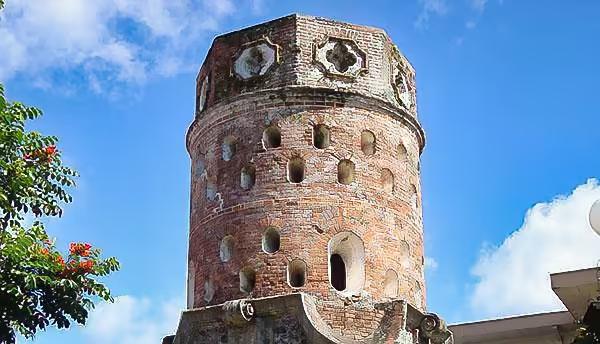

Heredia, lokaal bekend als de "Stad van de Bloemen" (Ciudad de las Flores) en de koffiehoofstad van Costa Rica, ligt in de Centrale Vallei op ongeveer 10-15 km ten noordwesten van San José. Met zijn iconische Kerk van de Onbevlekte Ontvangenis en de onvoltooide bakstenen toren van El Fortín die uitkijken over het plein, combineert Heredia koloniale charme met een moderne technologiegedreven economie die wordt gedragen door Intel en tientallen bedrijven in de nabijgelegen vrijhandelszones. Het is een bijzonder goede keuze voor expats die betaalbaar wonen zoeken, een sterke universitaire sfeer van de Nationale Universiteit van Costa Rica (Universidad Nacional — UNA), en snelle toegang tot de internationale luchthaven Juan Santamaría zonder de hoge prijzen van Escazú of Santa Ana.
In tegenstelling tot de zwaar door expats bezette westelijke buitenwijken van San José biedt Heredia een meer traditionele Tico-ervaring — het soort plek waar buren elkaar nog bij naam begroeten, de Mercado Central bruist van het dagelijkse leven, en weekendfestivals het Parque Central vullen met livemuziek, eettentjes en families. De iets hogere ligging geeft de stad een koeler en frisser klimaat dan de hoofdstad, en de groene heuvels van Monte de la Cruz torenend boven de daken als een constante herinnering dat je midden in een vulkanisch gebergte woont. Voor thuiswerkers, technologieprofessionals, studenten en gepensioneerden is Heredia een zeldzame goudmijn: verbonden genoeg voor het gemak, authentiek genoeg voor karakter.
Heredia in een Oogopslag

- Bevolking
- ~18.000–19.000 (stadsdistrict); ~132.000 (kanton Heredia); ~540.000 (provincie Heredia)
- Regio
- Centrale Vallei, provincie Heredia
- Bekend om
- Koffieerfgoed, UNA-universiteitscampus, Intel-techcentrum, koeler bergklimaat
- Gemiddelde huur (1 slaapkamer)
- ₡250.000–₡450.000 CRC/maand
- Gemiddeld salaris
- ₡700.000–₡950.000 CRC/maand (netto, regio Groot-Heredia)
- Expatgemeenschap
- Gemengd — technologieprofessionals, studenten, gepensioneerden; kleiner en meer geïntegreerd dan in Escazú
Waarom Verhuizen naar Heredia?
- Betaalbaarheid vergeleken met de westelijke buitenwijken van San José: Huurprijzen in Heredia liggen 20-40% lager dan vergelijkbare appartementen in Escazú of Santa Ana, waardoor het een van de beste prijskwaliteitslocaties in de Centrale Vallei is voor expats.
- Nabijheid van de luchthaven: De internationale luchthaven Juan Santamaría (SJO) ligt eigenlijk dichter bij Heredia dan bij het centrum van San José — ongeveer 20-30 minuten rijden via Route 1, afhankelijk van het verkeer.
- Pendeltrein naar San José: Heredia is de enige stad buiten San José met een pendeltreinverbinding (Tren Urbano), die het centrum van Heredia verbindt met de Estación al Atlántico in San José in ongeveer 35-45 minuten.
- Authentieke Tico-levensstijl: Heredia behoudt een meer traditioneel Costa Ricaans karakter dan de sterk geïnternationaliseerde westelijke buitenwijken, met een levendige centrale markt, buurt-sodas (kleine familierestaurantjes) en gemeenschapsfestivals rondom de Kerk van de Onbevlekte Ontvangenis.
- Groeiende technologiesector: Het Intel-erfgoed in het nabijgelegen Belén (historisch een belangrijk operationeel centrum) en de vrijhandelszone ZF Heredia hebben een cluster van goedbetaalde technologie- en engineeringbanen gecreëerd, waarmee een professioneel internationaal personeel aangetrokken wordt dat op natuurlijke wijze samenwerkt met de traditionele basis van de stad. Hoewel Intel zijn assemblage- en testfaciliteit in Costa Rica in 2015 verkocht, blijft de bredere technologiesector — zakelijke procesuitbesteding, gedeelde diensten en fabrikanten van medische apparatuur — groeien rondom de Heredia-vrijhandelszones.
- Koeler, groener klimaat: Op ongeveer 1.150 meter boven zeeniveau — iets hoger dan San José — geniet Heredia van marginaal lagere temperaturen en een merkbaar groener, minder betonheavy stedelijk milieu, met koffiebedekte heuvels aan alle kanten.
Woning Vinden in Heredia
Gemiddelde Huurprijzen
| Buurt | 1 Slaapkamer | 3 Slaapkamers | Karakter |
|---|---|---|---|
| Heredia Centro | ₡250,000–₡380,000 | ₡450,000–₡700,000 | Stedelijk, te voet te bereiken, vlakbij de UNA-campus en de Mercado Central |
| San Rafael | ₡280,000–₡420,000 | ₡500,000–₡800,000 | Rustige woonwijk, populair bij UNA-studenten en -docenten |
| Mercedes | ₡260,000–₡400,000 | ₡480,000–₡750,000 | Gemengd woon-commercieel, goede busverbindingen |
| San Francisco | ₡220,000–₡350,000 | ₡400,000–₡650,000 | Betaalbaarder, lokaal gevoel, verder van het centrum |
| Ulloa | ₡240,000–₡370,000 | ₡430,000–₡680,000 | Groeiend gebied nabij commerciële zones, goede toegang tot de snelweg |
| Barva | ₡300,000–₡450,000 | ₡550,000–₡900,000 | Koloniale charme, keienstenen straten, iets duurder voor karaktervolle woningen |
Hoe een Woning Vinden
- Encuentra24.com: Het meest gebruikte vastgoedplatform in Costa Rica; filter op de provincie Heredia voor huurwoningen van verhuurders en makelaars. Vermeldingen bevatten foto's, prijzen in CRC en direct contact met eigenaren.
- Crautos.com/casas: Oorspronkelijk bedoeld voor auto's, maar heeft een uitgebreide sectie met vastgoedadvertenties; nuttig voor Heredia en omgeving. Minder overzichtelijk dan Encuentra24, maar bevat soms woningen die elders niet te vinden zijn.
- Facebook-groepen: "Alquileres Heredia Costa Rica" en "Expats in Costa Rica" hebben regelmatig directe verhuuradvertenties; verifieer de woning altijd persoonlijk voordat je een aanbetaling doet. Er zijn oplichters actief — maak nooit geld over zonder de woning te hebben bezichtigd.
- Lokale makelaars: Groepen zoals Remax Oceanview & Colonial en Coldwell Banker Heredia beheren gemeubileerde, expatvriendelijke huurwoningen in het bereik van ₡350.000–₡600.000. Makelaars brengen de verhuurder kosten in rekening (niet de huurder), dus hun diensten zijn gratis voor huurders.
- Mond-tot-mondreclame bij de UNA: De universiteitsgemeenschap is hecht; prikborden bij de UNA-campus en de Mercado Central bevatten vaak handgeschreven huuradvertenties die niet online te vinden zijn. Dit zijn doorgaans de meest betaalbare opties — vaak kamers of kleine appartementen in familiehuizen voor ₡150.000–₡250.000.
- Door de buurten lopen: In traditionele gebieden zoals Barva en San Rafael hangen veel verhuurders simpelweg een "Se Alquila" (te huur) bordje in het raam. Als je een gebouw ziet dat je bevalt, klop dan aan of bel het nummer op het bordje — deze ouderwetse methode werkt nog altijd goed in Heredia.
Tips voor Expats
- Verhuurders in Heredia vragen doorgaans een borgsom van één maand huur plus de eerste maand vooraf. Sommigen vragen mogelijk om een fiador (borg) — een Costa Ricaans ingezetene die de huurovereenkomst mede-ondertekent. Als je geen lokale borg hebt, bied dan extra maanden borg aan of maak gebruik van een huurgarantiedienst.
- Huurcontracten worden vrijwel altijd in het Spaans opgesteld. Laat het contract nakijken door een tweetalig contactpersoon of advocaat voordat je tekent. Standaard huurvoorwaarden zijn één jaar, met een automatische verlengingsclausule.
- Gemeubileerde appartementen bij de UNA en in Heredia Centro zijn doorgaans kleiner en ouder, maar direct beschikbaar. Als je moderne afwerking wilt, kijk dan naar nieuwere projecten in Ulloa of langs de Route 1-corridor bij Belén.
- Nutsvoorzieningen zijn vrijwel nooit inbegrepen bij de huur. Bereken apart voor elektriciteit (CNFL — Compañía Nacional de Fuerza y Luz), water (AyA — Acueductos y Alcantarillados), internet en gemeentelijke afvalverwerkingskosten.
Buurtengids
- Heredia Centro: De historische kern rondom het Parque Central en de Iglesia de la Inmaculada Concepción. Vol met winkels, sodas, bakkerijen en de Mercado Central de Heredia. De beste keuze voor expats die stedelijk en te voet willen leven en geen bezwaar hebben tegen geluid en verkeer. De huren zijn gematigd maar oudere gebouwen domineren. Het Tren Urbano-station bevindt zich hier, waardoor het de beste keuze is voor pendelaars naar San José.
- San Rafael: Een rustigere woonwijk ten noordoosten van het centrum, populair bij UNA-professoren en Tico-gezinnen uit de middenklasse. Lommerrijke straten, kleine parken en een mix van oudere huizen en nieuwere appartementengebouwen. Iets duurder, maar biedt een rustiger dagelijks tempo. Goede toegang tot het natuurreservaat Monte de la Cruz voor wandelingen in het weekend.
- Mercedes: Ten zuidoosten van het centrum langs de oude weg naar San José. Een mix van commerciële straten en residentiële zijstraten. Uitstekende busfrequentie naar zowel het centrum van Heredia als San José. Middenprijzen met enkele nieuwere condominiumontwikkelingen. Praktische keuze voor expats die in een van beide steden werken.
- San Francisco: Ten zuiden van het stadscentrum richting de luchthavenroute. Betaalbaarder en lokaler — minder internationale restaurants en diensten, maar authentiek Tico buurtleven. Snelle toegang tot Route 1 en het industriële/vrijhandelsgebied van Belén waar Intel en andere multinationals gevestigd zijn. De beste keuze voor budgetbewuste expats met een auto.
- Ulloa: Een snelgroeiend gebied ten westen van het centrum met nieuwere woningbouwprojecten en commerciële pleinen. Populair bij jonge professionals die werken in de nabijgelegen vrijhandelszones van ZF Heredia. Huren zijn concurrerend en voorzieningen zijn modern, maar het gebied kan suburbaan en autoafhankelijk aanvoelen.
- Barva: Technisch gezien geen wijk van de stad Heredia, maar een aangrenzend kanton met een eigen koloniaal centrum — een van de best bewaarde in Costa Rica. Keienstenen straten, een witgepleisterde kerk en een koffieplantage-erfgoed maken het visueel indrukwekkend. Huren voor gerestaureerde koloniale woningen zijn aan de hoge kant. Ideaal voor expats die karakter en charme boven gemak stellen.
Kosten van Levensonderhoud in Heredia
Maandelijks Budgetoverzicht
| Categorie | Budgetbereik |
|---|---|
| Huur (1 slaapkamer, centrum) | ₡250,000–₡380,000 |
| Elektriciteit (CNFL) | ₡25,000–₡55,000 |
| Water (AyA) | ₡5,000–₡12,000 |
| Internet (glasvezel/kabel) | ₡18,000–₡30,000 |
| Boodschappen | ₡150,000–₡250,000 |
| Vervoer (bus + incidenteel trein) | ₡20,000–₡40,000 |
| Uit eten (4×/maand) | ₡30,000–₡60,000 |
| Vrije tijd/sportschool | ₡25,000–₡55,000 |
| CCSS-zorgbijdrage (indien ingeschreven) | ₡30,000–₡85,000 (inkomensgerelateerd) |
| Totaal (alleenstaande) | ₡553,000–₡967,000 |
Dagelijkse Kosten
- Koffie bij een soda: ₡800–₡1.500
- Gallo pinto ontbijt (casado-bord): ₡2.500–₡4.000
- Lunch bij een soda (casado completo): ₡3.000–₡5.500
- Maandpas Tren Urbano (Heredia–San José): ₡18.000–₡22.000
- Maandpas lokale bus (Heredia): ₡12.000–₡18.000
- Bier (Imperial of Pilsen) in een café: ₡1.500–₡3.000
- Bioscoopkaartje (Cinemark Multiplaza Escazú of Novacentro): ₡4.000–₡6.500
Vervoer in Heredia
- Tren Urbano (pendeltrein): Heredia's grootste troef op vervoersgebied. De pendeltrein rijdt van de Estación de Heredia in het stadscentrum naar de Estación al Atlántico in San José, met tussenstops in Virilla, Úrica en andere plaatsen. De reis duurt 35-45 minuten. Treinen zijn druk tijdens de spits — kom vroeg aan. De dienst rijdt maandag tot en met zaterdag; er is geen zondagsdienst. Een enkele reis kost ongeveer ₡500–₡700.
- Openbare bussen: Heredia heeft frequente busverbindingen naar San José (routes van Empresa Herediana en Transportes La 400, elke 10-15 minuten vanaf de Terminal de Buses Heredia bij de Mercado Central). De rit duurt 30-50 minuten afhankelijk van het verkeer. Lokale bussen verbinden wijken zoals San Rafael, Mercedes en Ulloa met het centrum voor ₡300–₡600 per rit.
- Autorijden: Een auto is handig als je in San Francisco, Ulloa of Barva woont, maar verwacht zware files op Route 1 en Route 3 tijdens de spits. Parkeren in Heredia Centro is beperkt; veel appartementen hebben geen vaste parkeerplaats. Benzineprijzen zijn door de overheid gereguleerd en bedragen ruwweg ₡850–₡1.100 per liter (onderhevig aan periodieke aanpassingen).
- Luchthaven: De internationale luchthaven Juan Santamaría (SJO) ligt ongeveer 15-20 km van Heredia Centro — een rit van 20-30 minuten via Route 1 bij normaal verkeer. Veel budgethotels bij de luchthaven bevinden zich technisch gezien in de provincie Heredia. Taxi's van de luchthaven naar Heredia Centro kosten ₡8.000–₡15.000; de bus Alajuela–Heredia is goedkoper voor ongeveer ₡600.
- Intercity-bussen: Directe bussen rijden van Heredia naar Alajuela, Cartago en de provincie Limón. Voor bestemmingen die niet direct bediend worden, overstappen via Terminal Atlántico of Terminal Caribe in San José. De bus Heredia–Alajuela rijdt elke 15-20 minuten en kost ongeveer ₡500; handig voor luchthaventoegang als je de voorkeur geeft aan openbaar vervoer boven een taxi.
- Taxi-apps: Uber en inDriver zijn actief in Heredia en zijn aanzienlijk goedkoper dan rode taxi's (de officiële gelicentieerde taxi's). Een typische Uber-rit van Heredia Centro naar Multiplaza Escazú kost ₡6.000–₡10.000. Uber-dekking is betrouwbaar in de stedelijke kern, maar wisselvallig in landelijke gebieden zoals de heuvels boven Barva.
- Fietsen: Heredia is niet bijzonder fietsvriendelijk — smalle straten, agressief verkeer en beperkte fietspaden. Het gebied rondom de UNA-campus en de rustigere wegen van Barva zijn de belangrijkste uitzonderingen. Fietsen is hier meer een recreatieve bezigheid dan een woon-werkoptie.
Gezondheidszorg in Heredia
- Ziekenhuizen en klinieken: Het belangrijkste openbare ziekenhuis voor Heredia is het Hospital San Vicente de Paúl, gelegen in het stadscentrum, dat deel uitmaakt van het CCSS-netwerk. Voor particuliere zorg zijn Hospital La Católica in het nabijgelegen Guadalupe en Clínica Bíblica (met een satellietconsultatiepunt in Heredia) de populairste keuzes onder expats.
- CCSS-inschrijving: De Caja Costarricense de Seguro Social (CCSS) is het openbare gezondheidsstelsel van Costa Rica. Alle legale ingezetenen moeten zich inschrijven en inkomensgerelateerde bijdragen betalen (doorgaans 10-15% van het gedeclareerde inkomen). CCSS dekt huisartsbezoeken, verwijzingen naar specialisten, ziekenhuisopnames en de meeste receptgeneesmiddelen. Afspraken bij Hospital San Vicente de Paúl kunnen lange wachttijden inhouden — weken voor niet-urgente specialismen.
- Engelssprekende artsen: Particuliere klinieken zoals Clínica Bíblica en Hospital La Católica hebben artsen die Engels spreken, van wie velen zijn opgeleid in de VS of Europa. Binnen het openbare CCSS-systeem is Engels minder gangbaar, met name op het niveau van de lokale EBAIS (Equipo Básico de Atención Integral en Salud — gemeenschapsgezondheidskliniek).
- Apotheken: Apotheken (farmacias) zijn volop aanwezig in Heredia Centro, met name langs de Avenida Central bij het Parque Central. Veel medicijnen die in Noord-Amerika of Europa alleen op recept verkrijgbaar zijn, zijn in Costa Rica zonder recept beschikbaar, hoewel de regelgeving sinds 2023 is aangescherpt.
- Alarmnummer: 911 voor alle noodgevallen (politie, brandweer, ambulance). De CCSS-noodlijn voor ambulancediensten is ook bereikbaar via 911.
Krijg een persoonlijk verhuisplan
Laat je e-mailadres achter en we sturen een checklist op maat plus drie offertes van gecontroleerde verhuizers.
Cultuur en Levensstijl
- Koffieerfgoed: Heredia is de historische koffiehoofstad van Costa Rica. De heuvels rondom de stad waren vroeger bedekt met koffieplantages, en het erfgoed is nog steeds zichtbaar in plaatsnamen, lokale trots en actieve plantages in het nabijgelegen Barva en San Rafael. Koffietours zijn beschikbaar in de hele provincie Heredia, waaronder bekende operators zoals Café Britt en Doka Estate. Tijdens het koffiehoogseizoen (november–februari) zie je arbeiders langs landwegen in de provincie nog steeds manden vol kersjes dragen.
- Kerk van de Onbevlekte Ontvangenis (Iglesia de la Inmaculada Concepción): De iconische bakstenen kerk aan het Parque Central, gebouwd tussen 1797 en de late 19e eeuw, is het architectonische symbool van Heredia. De beroemde onvoltooide toren — de bouw werd gestopt vanwege constructiezorgen — geeft de kerk een kenmerkend silhouet. Er wordt dagelijks de mis gecelebreerd en het interieur is buiten de diensten open voor bezoekers.
- El Fortín: Een kleine historische toren op een heuvel met uitzicht over het Parque Central. El Fortín is het officiële symbool van de stad Heredia. Oorspronkelijk onderdeel van een koloniaal fort, biedt het een bescheiden uitzichtpunt over de stad en is het een populair ontmoetingspunt en fotolocatie.
- UNA-studentenleven: De campus van de Nationale Universiteit van Costa Rica in Heredia brengt ongeveer 15.000–20.000 studenten naar de stad, wat het een jeugdige energie geeft die ontbreekt in meer suburbane expatgebieden. De omgeving van de UNA-campus heeft goedkope eetgelegenheden, boekwinkels, kopieerwinkels en een levendig middags en avonds straatbeeld.
- Monte de la Cruz: Een natuurreservaat en recreatiegebied in de heuvels boven Heredia. Monte de la Cruz biedt wandelpaden door het wolkenwoud, panoramisch uitzicht over de Centrale Vallei en koelere temperaturen. Het is een populaire weekendvlucht voor Heredia-bewoners en een korte taxi- of busrit vanaf het stadscentrum.
- Traditionele centrale markt: De Mercado Central de Heredia, gelegen een paar blokken van het Parque Central, is een labyrint van kraampjes met verse groenten, vlees, kazen, kruiden en bereide gerechten. Het is kleiner en minder toeristisch dan de Mercado Central van San José, en biedt een authentieke blik op het dagelijkse Tico-handelsleven. De comedores (kleine eettentjes) op de bovenverdieping serveren sommige van de goedkoopste en lekkerste traditionele maaltijden van de stad.
Eten en Uit Eten Gaan
- Lokale specialiteiten: Zoek naar olla de carne (stoofpot van rundvlees en wortelgroenten), gallo pinto (rijst en bonen, doorgaans geserveerd bij het ontbijt) en tamal asado (een op maïsmeel gebaseerde cake, populair in de provincie Heredia). De sterke koffietraditie betekent dat zelfs kleine buurtbakkerijen uitstekende gezette koffie serveren. Tijdens het koffiehoogseizoen bieden sommige restaurants in Barva koffie-pairing menu's aan met lokale single-origin bonen.
- Beste eetgebieden: Heredia Centro rondom het Parque Central en de Avenida Central heeft de grootste concentratie restaurants en sodas. Voor een uitgebreid diner heeft het gebied bij de UNA-campus een groeiend aantal internationale en fusioneoptionsen, waaronder sushi-, Indiase en Midden-Oosterse restaurants die inspelen op de studentenmenigte. Het oude centrum van Barva heeft diverse goed aangeschreven restaurants gevestigd in gerestaureerde koloniale gebouwen, waaronder traditioneel Costa Ricaans eten en koffie-pairing menu's.
- Budgetopties: Sodas door de hele stad bieden een casado (bord met rijst, bonen, salade, bakbanaan en een eiwitbron) voor ₡2.500–₡4.000. De comedores in de Mercado Central serveren royale porties voor vergelijkbare prijzen. De lunch is in Heredia bijna altijd goedkoper dan het diner. Voor de beste prijs-kwaliteitverhouding eet je waar UNA-studenten eten — volg de menigtes naar het blok met sodas op Calle 6 tussen Avenida Central en Avenida 6.
- Koffiecultuur: Heredia neemt zijn koffie serieus. Naast de toeristische Café Britt-ervaring verkopen lokale branders zoals Doka Estate en kleinere bedrijven in Barva versgebrande bonen voor een fractie van de exportprijzen. De meeste buurtbakkerijen (panaderías) zetten café chorreado — traditionele druppelkoffie via een stoffen sok filter — voor minder dan ₡1.000 per kopje.
Expatgemeenschap
- Expatgroepen: De expatgemeenschap in Heredia is kleiner en meer geïntegreerd met locals dan in Escazú of Tamarindo. De Facebook-groep "Expats in Heredia Costa Rica" is de belangrijkste online hub. Veel expats in Heredia zijn ofwel techmedewerkers bij Intel of bedrijven in ZF Heredia, of academici verbonden aan de UNA.
- Bijeenkomsten en sociale evenementen: Taaluitwisselingsbijeenkomsten (intercambios) vinden informeel plaats in cafés bij de UNA-campus. De Heredia International Women's Club organiseert maandelijkse bijeenkomsten. De Engelstalige bibliotheek op de UNA-campus organiseert af en toe culturele evenementen die open zijn voor het publiek. In het weekend wordt het gebied rondom het Parque Central een informele sociale hub waar expats en locals elkaar treffen bij buitencafés en ijssalons.
- Integratievoordeel: Omdat Heredia minder een expatbubbel is, vinden nieuwkomers die Spaans willen oefenen en lokale vriendschappen willen opbouwen het hier vaak makkelijker dan in de sterk geïnternationaliseerde westelijke buitenwijken van San José. Lid worden van een lokale sportschool, vrijwilligerswerk bij UNA-programma's of kerkbezoek in de Kerk van de Onbevlekte Ontvangenis zijn allemaal praktische manieren om een sociale kring op te bouwen die geworteld is in de gemeenschap, in plaats van in het vluchtige expatcircuit.
- Vrijwilligerswerk en maatschappelijke betrokkenheid: Organisaties zoals de Heredia-afdeling van de Cruz Roja (Rode Kruis) en diverse milieugroepen verwelkomen buitenlandse vrijwilligers. Het INBio-gebied, hoewel het INBioparque zelf in 2021 gesloten is, blijft een centrum voor biodiversiteit en conservatieactiviteiten, en sommige lokale ngo's zijn nog steeds actief in het omliggende gebied.
Arbeidsmarkt in Heredia
- Voornaamste sectoren: Technologie en halfgeleiderfabricage (met Intel als anker), zakelijke procesuitbesteding, gedeelde diensten, onderwijs (UNA), landbouw en agro-verwerking (koffie) en retail.
- Grootste werkgevers: Intel Costa Rica heeft een grote campus in het nabijgelegen Belén, waar duizenden mensen werken in engineering, R&D en bedrijfsdiensten. De ZF Heredia (Zona Franca Heredia — een door de overheid aangewezen vrijhandelszone) herbergt tientallen multinationals, waaronder Boston Scientific, Baxter en diverse BPO-activiteiten. De Universidad Nacional (UNA) is de grootste werkgever in de publieke sector in de stad.
- Gemiddelde salarissen per sector:
| Sector | Maandelijks nettosalaris (CRC) |
|---|---|
| Tech/Engineering (Intel, ZF-bedrijven) | ₡900,000–₡2,000,000+ |
| BPO/Gedeelde diensten | ₡650,000–₡1,200,000 |
| Onderwijs (UNA, particuliere scholen) | ₡600,000–₡1,100,000 |
| Toerisme/Horeca | ₡400,000–₡700,000 |
| Retail/Dienstverlening | ₡350,000–₡550,000 |
- Vacaturebronnen: LinkedIn is het voornaamste hulpmiddel voor professionele en technische functies. computrabajo.co.cr en indeed.co.cr vermelden een breed scala aan functies in het Heredia-gebied. Controleer voor lesbanen de UNA-website en vacatureboards van internationale scholen. Netwerken via de Facebook-groep "Expats in Heredia" kan niet-geadverteerde vacatures opleveren, met name bij ZF-bedrijven.
- Werkcultuur: De bedrijfscultuur in Heredia's zakelijke sector is professioneel maar ontspannener dan in de VS of Europa. De standaard werkweek is 48 uur voor niet-gesalarieerde medewerkers. In tech- en BPO-bedrijven in ZF Heredia zijn de werktijden doorgaans afgestemd op Amerikaanse kantooruren vanwege het klantenbestand. Stiptheid is belangrijker in de zakelijke vrijhandelszone-omgeving dan bij traditionele Tico-mkb-bedrijven. Spaanse taalvaardigheid is niet altijd vereist voor ZF-functies — veel bedrijven werken volledig in het Engels — maar het verbetert het dagelijks leven en de loopbaankansen aanzienlijk.
Onderwijs in Heredia
- Internationale scholen: De International School of Heredia (Escuela Internacional de Heredia) biedt een tweetalig curriculum met International Baccalaureate-opties. Greenland Academy in het nabijgelegen San Pablo biedt een kleiner Engelstalig programma. Gezinnen die bereid zijn de rit van 25-40 minuten naar de westelijke buitenwijken van San José te maken, overwegen ook Country Day School en Lincoln School, beide gerenommeerde internationale scholen.
- Universiteiten: De Universidad Nacional (UNA) is de op één na grootste openbare universiteit van Costa Rica, met een volledig aanbod aan bachelor- en masterprogramma's. De campus in Heredia is de hoofdcampus. Universidad Latina de Costa Rica heeft een satellietcampus in Heredia met opleidingen in bedrijfskunde, rechten en techniek.
- Taalscholen: Het Centro de Idiomas UNA aan de Nationale Universiteit biedt Spaanse cursussen voor buitenlanders tegen concurrerende tarieven. Meerdere particuliere taaleninstituten rondom de UNA-campus bieden intensieve Spaanse programma's aan voor ₡80.000–₡200.000 per maand, afhankelijk van de intensiteit. Particuliere bijleerders die adverteren op de prikborden van de UNA vragen ₡8.000–₡15.000 per uur voor individuele Spaanse lessen.
- Kinderopvang en kleuterschool: Voor gezinnen met jonge kinderen rekenen particuliere guarderías (kinderdagverblijven) in San Rafael en Mercedes ₡100.000–₡200.000 per maand. De CCSS beheert gesubsidieerde kinderopvangcentra (Centros de Educación y Nutrición — CEN) voor geregistreerde ingezetenen, met wachtlijsten die meerdere maanden lang kunnen zijn.
Verhuischecklist voor Heredia
- Onderzoek je visumaanvraag: Tijdelijk verblijf (Residencia Temporal) is de meest gebruikelijke route voor expats; categorieën zijn onder meer Rentista (inkomensgerelateerd), Pensionado (pensioengebaseerd) en werkvergunning (door werkgever gesponsord). Aanvragen via de Dirección General de Migración y Extranjería (Costa Ricaanse Immigratiedienst).
- Verzamel gelegaliseerde documenten: geboorteakte, verklaring omtrent het gedrag, trouwakte (indien van toepassing). Costa Rica vereist documenten met apostille, niet notarieel bekrachtigd — controleer of jouw land lid is van het Haagse Apostilleverdrag.
- Boek een verzendconsultatie als je huishoudelijke goederen meebrengt; spullen die je 6+ maanden in bezit hebt, kunnen tolvrij binnenkomen via de huishoudgoederen-vrijstelling via de Dirección General de Aduanas (Douane).
- Als je een voertuig importeert, onderzoek dan de invoerrechten — Costa Rica heft belastingen tot 52-79% van de voertuigwaarde, afhankelijk van de leeftijd en motorinhoud, plus het voertuig moet een revisión técnica (technische keuring) doorstaan.
- Regel tijdelijke accommodatie voor je eerste 2-4 weken. Boek een gemeubileerd appartement of Airbnb in Heredia Centro of San Rafael terwijl je persoonlijk op zoek gaat naar langetermijnhuisvesting.
- Sluit reisverzekering af die je eerste maanden dekt; inschrijving bij de CCSS kost tijd om te verwerken.
- Als je huisdieren hebt, zorg dan voor een gezondheidsverklaring en bewijs van hondsdolheidsvaccinatie van je dierenarts ten minste 30 dagen voor vertrek. Costa Rica vereist een chip en een veterinaire gezondheidsverklaring (certificado veterinario de salud) voor honden en katten; er is geen quarantaine vereist als de documentatie compleet is.
- Informeer je bank en creditcardmaatschappijen over je verhuizing naar Costa Rica. Stel internetbankieren in voor alle rekeningen die je in het buitenland aanhoudt, en bevestig dat je kaarten werken bij Costa Ricaanse geldautomaten zonder te hoge buitenlandse transactiekosten.
- Registreer bij Migración y Extranjería om je DIMEX (Documento de Identificación Migratoria para Extranjeros) te verkrijgen — het nationale identiteitsbewijs voor buitenlandse ingezetenen. De TSE (Tribunal Supremo de Elecciones) registreert alleen Costa Ricaanse staatsburgers, niet buitenlanders. Je hebt je DIMEX nodig voor bankzaken, telefooncontracten en de meeste officiële transacties.
- Open een bankrekening bij Banco Nacional, Banco de Costa Rica of Banco Popular. Neem je paspoort, adresbewijs (energierekening of huurcontract) en DIMEX mee indien beschikbaar. Sommige banken accepteren toeristenvisums voor spaarrekeningen; andere vereisen ingezetenschap.
- Schaf een lokale simkaart aan van Kölbi (staatsbedrijf, beste dekking in Heredia), Claro of Movistar in een winkelcentrum of apotheek — je hebt een lokaal nummer nodig voor huurverzoeken, bezorgapps en CCSS-registratie.
- Zoek je dichtstbijzijnde EBAIS (gemeenschapsgezondheidskliniek) en begin met de CCSS-inschrijving. Neem je DIMEX of paspoort, adresbewijs en inkomensdocumentatie mee.
- Bezoek de Mercado Central de Heredia om basiskeukengoederen in te slaan — verse producten op de markt zijn aanzienlijk goedkoper dan in supermarkten zoals Mas x Menos of Automercado, en je leert meteen welke kraampjes de beste kwaliteit hebben.
- Zoek een langetermijnwoning en onderteken een huurcontract. Zorg ervoor dat het contract geregistreerd is en dat de borg gedocumenteerd is.
- Voltooi de CCSS-inschrijving en betaal je eerste maandelijkse bijdrage. Bijdragen zijn inkomensgerelateerd en maandelijks verschuldigd — te late betalingen worden vermeerderd met rente.
- Registreer bij de Dirección General de Tributación Directa (Costa Ricaanse Belastingdienst) om je NIT (Número de Identificación Tributaria — Belasting-ID) te verkrijgen, vereist als je gaat werken, een bedrijf wilt openen of belastingaangifte wilt doen.
- Als je kinderen hebt, bezoek dan de International School of Heredia of andere scholen om het aanmeldingsproces te starten — de toelating voor het academisch jaar februari–november sluit maanden van tevoren.
- Wissel je buitenlands rijbewijs in bij COSEVI (Consejo de Seguridad Vial) als je legaal verblijf hebt verkregen. Toeristen mogen maximaal 90 dagen per inreisstempel rijden op een buitenlands rijbewijs.
- Sluit nutsvoorzieningen aan: elektriciteit via CNFL (Compañía Nacional de Fuerza y Luz — bedient de provincie Heredia), water via AyA of de lokale gemeentelijke waterautoriteit, en internet via Kolbi, Tigo of Cable Tica.
- Download de WhatsApp-app als je dat nog niet hebt gedaan — het is het belangrijkste communicatiemiddel in Costa Rica voor alles, van contact opnemen met verhuurders tot maaltijden bestellen en communiceren met je EBAIS-kliniek.
- Maak een Tu Imagen ID-foto bij een lokale fotowinkel — je hebt Costa Ricastandaard ID-foto's nodig voor je DIMEX, rijbewijs, CCSS-kaart en andere bureaucratische processen. De meeste apotheken en kopieerwinkels bij het Parque Central bieden deze dienst aan voor ₡2.000–₡4.000.
Gerelateerde Gidsen
- [Verhuizen naar Costa Rica] — uitgebreide landengids over visa, immigratie, belasting en nationale gezondheidszorg
- [Verhuizen naar San José] — de hoofdstad, 30 minuten zuidwaarts per trein of bus
- [Verhuizen naar Alajuela] — aangrenzende provincie die de luchthavenroute deelt, met een eigen expatdynamiek