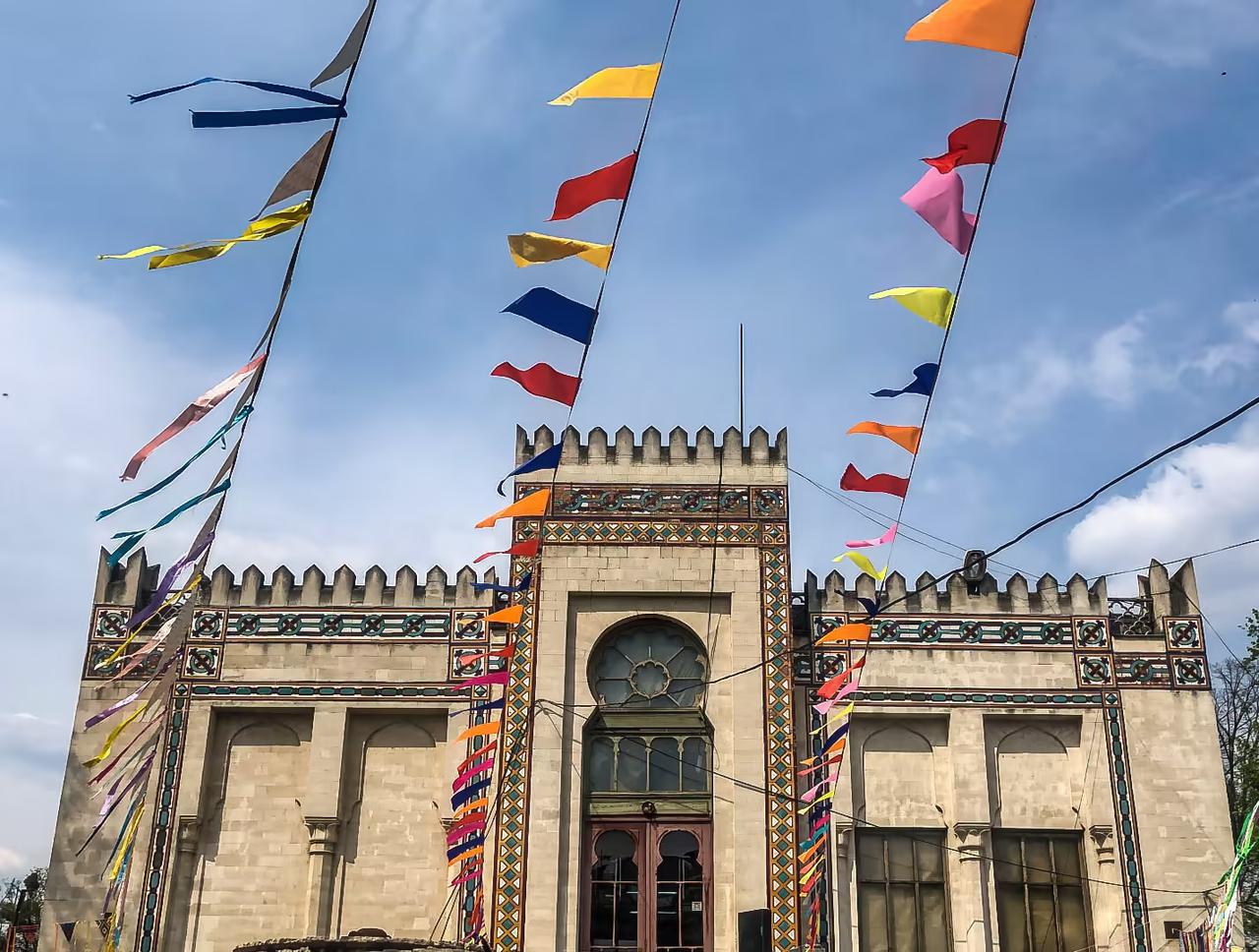
Chișinău è la capitale della Moldova e l'unica grande città del Paese: una metropoli compatta e verde con circa 720.000 abitanti (censimento 2024) che si distingue ben oltre le sue dimensioni per la convenienza economica, la cultura del vino e le opportunità nel settore tecnologico in crescita. Distesa su dolci colline e attraversata dall'iconico viale Ștefan cel Mare, la città mescola architetture di epoca sovietica con parchi rinnovati, wine bar di tendenza e un settore IT in espansione che attira lavoratori da remoto e nomadi digitali da tutta Europa.
La città è un luogo di contrasti: i fatiscenti palazzi di epoca sovietica si affiancano a edifici Art Nouveau appena ristrutturati, gli ampi mercati contadini convivono con supermercati moderni e le chiese ortodosse condividono le strade con gallerie d'arte contemporanea. Nonostante un profilo internazionale relativamente modesto, Chișinău offre una qualità della vita che sorprende i nuovi arrivati, soprattutto chi apprezza i costi contenuti, gli spazi verdi e un ritmo di vita rilassato.
Se cerca una capitale europea dove l'affitto costa una frazione dei prezzi occidentali e il vino locale scorre a fiumi, Chișinău merita davvero la sua attenzione. Questa guida copre tutto: dalla casa e dai quartieri alla sanità, alle prospettive di lavoro e alla logistica quotidiana.
Chișinău in sintesi
- Popolazione
- ~720.000 (area metropolitana ~890.000)
- Regione
- Moldova centrale, sul fiume Bâc
- Famosa per
- Cultura del vino, viale Ștefan cel Mare, architettura di epoca sovietica
- Affitto medio (bilocale)
- MDL 5.500–10.000/mese (~€280–€510)
- Stipendio medio
- ~MDL 15.000/mese netti (~€765)
- Comunità di expat
- Piccola ma in crescita: lavoratori IT, diplomatici, personale di ONG
Perché trasferirsi a Chișinău
- Convenienza estrema: Chișinău è una delle capitali più economiche d'Europa. Una cena completa fuori può costare meno di MDL 250 (€13) e un bilocale in centro costa una frazione di quanto pagherebbe a Bucarest o Varsavia.
- Cultura del vino ovunque: la Moldova vanta una delle più antiche tradizioni vinicole al mondo. Chișinău ne è il cuore: troverà wine bar a ogni angolo, gite del fine settimana a Mileștii Mici e Cricova (città sotterranee del vino) e una vita sociale che ruota attorno alla condivisione di una bottiglia.
- Settore IT in crescita: il regime del parco IT moldavo ha dato vita a una scena tecnologica in piena espansione. Chișinău ospita centinaia di società di software e startup, risultando attraente per sviluppatori, designer e lavoratori da remoto in cerca di costi più bassi senza dover lasciare l'Europa.
- Compatta e a misura di pedone: il centro è facilmente percorribile a piedi. La maggior parte dei servizi essenziali per gli expat — ambasciate, cliniche, spazi di coworking, ristoranti — si trova in pochi chilometri quadrati attorno al viale Ștefan cel Mare.
- Internet veloce a basso costo: la Moldova ha tra le connessioni internet più veloci ed economiche d'Europa. La fibra ottica con velocità di 100–300 Mbps costa appena MDL 250/mese, un grande vantaggio per chi lavora da remoto e per i professionisti digitali.
- Porta d'accesso alla regione: la posizione di Chișinău rende facili le gite di un giorno in Romania, in Ucraina e nello Stato autoproclamato della Transnistria. Bucarest dista circa 6 ore in treno o 1 ora in aereo. Odessa è raggiungibile in meno di 4 ore in autobus.
Chișinău rispetto ad altre capitali europee
| Fattore | Chișinău (Moldavia) | Bucarest | Kiev | Tbilisi |
|---|---|---|---|---|
| Affitto bilocale (centro) | MDL 8.000–10.000 (~€450) | ~€550–€700 | ~€500–€650 | ~€400–€550 |
| Pasto fuori (fascia media) | 250–400 MDL (13–20 €) | €15–€25 | €10–€18 | €10–€18 |
| Internet (100 Mbps) | MDL 250/mese (~€13) | €8–€12 | €5–€8 | €10–€15 |
| Sicurezza (indice Numbeo) | Criminalità bassa | Bassa–moderata | Variabile | Bassa–moderata |
| Diffusione dell'inglese | Limitata (in crescita) | Moderata | Limitata | Limitata |
| Dimensione della comunità di expat | Piccola | Grande | Grande (pre-conflitto) | Media–grande |
Trovare casa a Chișinău
Affitti medi
| Quartiere | Bilocale | Quadrilocale | Caratteristiche |
|---|---|---|---|
| Centru | MDL 8.000–10.000 | MDL 15.000–22.000 | Centrale, percorribile a piedi, vita notturna e ristoranti |
| Râșcani | MDL 6.500–9.000 | MDL 12.000–18.000 | Appartamenti moderni, parchi, buoni collegamenti |
| Botanica | MDL 5.500–8.000 | MDL 10.000–16.000 | Residenziale, adatto alle famiglie, più tranquillo |
| Buiucani | MDL 6.000–8.500 | MDL 11.000–17.000 | Verde, atmosfera suburbana, apprezzato dalle famiglie |
| Ciocana | MDL 4.500–6.500 | MDL 8.000–13.000 | Economico, in sviluppo, meno centrale |
Come trovare casa
- 999.md: il sito di annunci dominante in Moldova: la maggior parte dei proprietari pubblica qui. Disponibile in romeno e russo. È il primo posto in cui cercare e la piattaforma più aggiornata.
- Rent.md: piattaforma dedicata agli affitti con filtri per quartiere, prezzo e dimensioni. Offerta più ridotta rispetto a 999.md, ma con un'interfaccia più semplice da usare.
- Gruppi Facebook: cerchi "Apartments Chisinau" o "Chirie Chișinău": comunità attive con annunci quotidiani. Utili per trovare appartamenti arredati a breve termine.
- Agenti locali: gli agenti immobiliari applicano una commissione pari a un mese di affitto, ma fanno risparmiare tempo e si occupano della documentazione del contratto. Utili se non parla romeno o russo.
Consigli per gli expat
- Tratti sempre il prezzo: quelli pubblicati di solito hanno un margine di trattativa del 5–10%.
- Insista per avere un contratto di locazione scritto, anche se il proprietario preferisce un accordo verbale.
- Verifichi il tipo di riscaldamento: alcuni edifici più datati utilizzano ancora il riscaldamento centralizzato, con poco controllo su orari e temperatura.
- Preveda un budget separato per le utenze: i costi di riscaldamento aumentano da novembre a marzo e possono raddoppiare le bollette invernali.
- Chieda quali mobili sono inclusi: molti appartamenti sono completamente arredati, un vantaggio per i soggiorni brevi ma un limite per la personalizzazione.
Guida ai quartieri
- Centru: il cuore della città. A piedi raggiunge caffè, edifici governativi e l'Opera Nazionale. Ideale per single e coppie che vogliono avere tutto a portata di mano. Affitti più alti, ma una comodità senza pari.
- Râșcani: a nord del centro, mescola palazzoni di epoca sovietica e nuove costruzioni. Ottimi parchi (Râșcani Park), vicinanza all'Università Statale di Moldova e buoni collegamenti in autobus. Apprezzato dai giovani professionisti.
- Botanica: ampio quartiere residenziale a sud-est del centro. Strade più tranquille, mercati locali e affitti accessibili. Adatto alle famiglie e a chi cerca un ritmo più rilassato senza allontanarsi troppo.
- Buiucani: verde e residenziale, con la reputazione di essere pulito e ben curato. Terreno leggermente collinare. Ospita diversi ristoranti internazionali e supermercati. Prezzi di fascia media.
- Ciocana: il quartiere centrale più economico. In rapido sviluppo con nuovi edifici residenziali. Più lontano dalla vita notturna principale, ma ben collegato dai filobus. Ideale per gli expat attenti al budget.
- Durlești / Periferie: tecnicamente una cittadina a sé, ma di fatto un sobborgo di Chișinău. Case con giardino, ritmi più tranquilli e prezzi più bassi. Le servirà un'auto o pazienza con gli orari degli autobus.
Costo della vita a Chișinău
Ripartizione del budget mensile
| Categoria | Fascia di budget |
|---|---|
| Affitto (bilocale, centro) | MDL 8.000–10.000 |
| Utenze | MDL 1.500–3.000 |
| Internet (fibra) | 250–400 MDL |
| Spesa alimentare | MDL 3.500–5.000 |
| Trasporti | 234–500 MDL |
| Mangiare fuori (4 volte/mese) | MDL 1.500–2.500 |
| Tempo libero/Palestra | MDL 500–1.200 |
| Totale | MDL 15.500–22.600 (~€790–€1.150) |
Costi quotidiani
- Caffè (espresso): MDL 25–40
- Pranzo (ristorante informale): MDL 80–150
- Abbonamento mensile ai trasporti: MDL 234
- Birra (bar, 0,5 L): MDL 30–50
- Biglietto del cinema: MDL 80–120
- Pagnotta di pane: MDL 10–18
- Una dozzina di uova: MDL 25–35
- Abbonamento in palestra: MDL 500–1.200/mese
- Utenze di base (elettricità, riscaldamento, acqua, rifiuti per un appartamento di 85 m²): MDL 1.500–3.000/mese (di più in inverno)
- Internet (fibra a 100 Mbps): MDL 250–400/mese
Muoversi a Chișinău
- Trasporto pubblico: filobus e autobus coprono gran parte della città. Un abbonamento mensile costa MDL 234 (~€12). Le linee possono essere affollate nelle ore di punta, ma la rete è capillare. Il servizio è attivo all'incirca dalle 5:30 a mezzanotte.
- Taxi e ride-hailing: molto economici. App come Yandex Go e iTaxi sono molto diffuse. Una corsa che attraversa la città raramente supera MDL 80–100. Eviti i taxi non identificati: usi sempre le app o chiami un servizio di radiotaxi.
- Bicicletta: pianeggiante in centro, ma collinare nei quartieri esterni. Infrastrutture ciclabili limitate, anche se la situazione sta lentamente migliorando. Il bike-sharing non è ancora decollato.
- Auto: il traffico è moderato, soprattutto sul viale Ștefan cel Mare nelle ore di punta. Il parcheggio è prevalentemente su strada ed economico (MDL 5–10/ora nelle zone centrali). Le patenti straniere sono valide per 90 giorni.
- Aeroporto: l'Aeroporto Internazionale di Chișinău (KIV) offre voli diretti per Istanbul, Bucarest, Londra, Milano e diverse altre città europee. Compagnie low cost come Wizz Air operano su tratte selezionate. L'aeroporto dista circa 15 minuti dal centro in taxi (MDL 100–150).
- Tratte interurbane: autobus e minibus (rutiere) collegano tutte le località moldave e i Paesi confinanti, Romania e Ucraina. La stazione centrale degli autobus (Gara Auto Centrală) si trova in Strada Bulgara. I treni notturni raggiungono Bucarest e Odessa.
App utili per spostarsi
- Yandex Go: la principale app di ride-hailing (simile a Uber). Affidabile ed economica.
- iTaxi: app alternativa per prenotare taxi con prezzi competitivi.
- 2GIS: mappe offline e indicazioni per i trasporti pubblici, più dettagliate di Google Maps per Chișinău.
- App Moldcell / Orange: per gestire il piano telefonico e ricaricare il credito direttamente.
Panoramica su visti e residenza
- Ingresso senza visto: i cittadini di EU, Stati Uniti, Canada, Regno Unito e di molti altri Paesi possono entrare in Moldova senza visto per un massimo di 90 giorni in un periodo di 180 giorni.
- Permesso di soggiorno temporaneo: necessario per soggiorni superiori a 90 giorni. Servirà la prova di un impiego, l'iscrizione a un'università o disponibilità economiche sufficienti. La domanda va presentata al Bureau for Migration and Asylum.
- Residenza a lungo termine: disponibile dopo aver mantenuto un permesso temporaneo per il periodo richiesto (di norma 3–5 anni). Richiede prova di reddito stabile, un'assicurazione sanitaria valida e una fedina penale pulita.
- Visto IT / residenza per freelance: il regime dell'IT Park moldavo offre incentivi fiscali (un'aliquota unica del 7% sui ricavi) ai professionisti IT iscritti. È diventato un percorso molto seguito da lavoratori da remoto e sviluppatori che si stabiliscono a Chișinău.
- Obbligo di registrazione: tutti i cittadini stranieri che soggiornano oltre 3 giorni devono registrare il proprio indirizzo presso le autorità locali. Gli hotel se ne occupano in automatico; chi affitta da privati deve recarsi al commissariato di polizia più vicino.
Sanità a Chișinău
- Ospedali/Cliniche: il Medpark International Hospital e TerraMed sono molto utilizzati dagli expat per le cure private. L'Istituto pubblico di Medicina d'Urgenza gestisce le emergenze. Le cliniche private offrono in genere tempi d'attesa più brevi e strutture moderne.
- Medici che parlano inglese: disponibili nelle cliniche private, in particolare Medpark e DentEstet. Negli ospedali pubblici è raro trovare personale che parli inglese. Per le visite di routine, preveda MDL 500–1.000 per una consulenza privata.
- Farmacie: molto diffuse. Molte sono aperte 24 ore su 24. I farmaci più comuni sono economici e spesso disponibili senza ricetta. Farmacia Familiei e Felicia sono le catene più diffuse.
- Numero d'emergenza: 112 (linea di emergenza unificata per ambulanza, polizia e vigili del fuoco).
- Assicurazione sanitaria: l'assicurazione sanitaria pubblica è obbligatoria per i residenti e costa circa MDL 4.000–5.000/anno. Polizze private sono disponibili tramite compagnie come Moldasig e Grawe Carat, per una copertura più ampia e l'accesso alle cliniche private.
- Cure dentistiche: alta qualità e prezzi molto accessibili rispetto all'Europa occidentale. Molti expat e persino turisti dentali si recano a Chișinău proprio per i trattamenti odontoiatrici: una pulizia di routine costa MDL 300–600.
Ricevi un piano di trasloco personalizzato
Lascia la tua e-mail e ti invieremo una checklist su misura piu tre preventivi da traslocatori verificati.
Cultura e stile di vita
- Il vino come stile di vita: la Moldova detiene il record Guinness per la cantina vinicola più grande del mondo (Mileștii Mici). A Chișinău, le degustazioni, i tour nei vigneti e i vitigni autoctoni come la Fetească Neagră e la Rară Neagră fanno parte della socialità quotidiana.
- Viale Ștefan cel Mare: l'arteria principale della città, un viale alberato che collega il parco centrale al quartiere governativo. Prende il nome dall'eroe medievale moldavo Stefano il Grande (Ștefan cel Mare) ed è il luogo in cui convergono la vita politica, culturale e commerciale della capitale.
- Architettura sovietica e modernità: lo skyline di Chișinău è caratterizzato da palazzoni residenziali di epoca sovietica, monumentali edifici governativi e ampi viali. Negli ultimi anni progetti di ristrutturazione, street art e nuove costruzioni contemporanee hanno smorzato l'estetica del cemento. Il contrasto tra le vecchie strutture sovietiche e i moderni uffici dalle facciate vetrate fa parte dell'identità in evoluzione della città.
- Una scena artistica in crescita: il Museo Nazionale d'Arte, l'Organ Hall e un numero crescente di gallerie indipendenti e locali di musica dal vivo conferiscono alla città una profondità culturale che sorprende molti al primo viaggio. I murales e una scena d'arte contemporanea emergente aggiungono energia visiva ai quartieri più datati.
- Parchi e spazi verdi: Chișinău è una delle capitali europee con la maggiore quota di aree verdi. Il parco Valea Morilor (Valle dei Mulini) ospita un grande lago e sentieri per passeggiate. Il parco centrale Ștefan cel Mare è il fulcro della vita sociale, soprattutto in estate. Il Dendrariu è un giardino botanico molto frequentato per le passeggiate del weekend.
- Festival ed eventi: il Moldova Wine Festival (ottobre) attira visitatori da tutta Europa. Il Mărțișor (1° marzo) celebra l'arrivo della primavera con i tradizionali ciondoli rossi e bianchi. La città ospita inoltre festival cinematografici, concerti jazz e mercati gastronomici stagionali tutto l'anno.
Cucina e ristoranti
- Piatti tipici: provi la mămăligă (polenta con formaggio e panna acida), le plăcinte (focaccine ripiene), i sarmale (involtini di cavolo) e la zeamă (zuppa di pollo con tagliatelline). La cucina moldava è sostanziosa e stagionale: si aspetti molti tuberi e ortaggi a radice in inverno e insalate fresche in estate.
- Le zone migliori per mangiare: il viale Ștefan cel Mare, le strade attorno al Parco della Cattedrale e il quartiere dei ristoranti in stile SoHo nei pressi della via Armenească. La zona del parco Valea Morilor offre diverse opzioni di alto livello con vista sul lago.
- Opzioni economiche: le mense in stile sovietico (stolovaya) servono pasti completi a MDL 60–100. I chioschi di street food propongono shawarma e plăcinte a meno di MDL 40. Diversi supermercati (Linella, Nr1, Fidesco) hanno banchi gastronomia con piatti pronti a prezzi accessibili.
- Cucina internazionale: la scena gastronomica di Chișinău si è notevolmente diversificata. Accanto ai piatti tradizionali moldavi trova ristoranti georgiani, turchi, italiani, giapponesi e in stile americano. I prezzi nei locali internazionali partono da circa MDL 200 per un secondo piatto.
Comunità expat
- Gruppi Meetup e Facebook: cerchi "Expats in Chișinău", "Moldova Digital Nomads" e "Chisinau Language Exchange". Questi gruppi organizzano regolarmente eventi sociali, escursioni e uscite culturali.
- Organizzazioni internazionali: UNDP, Delegazione UE, USAID e diverse ONG hanno uffici a Chișinău e formano una comunità internazionale piccola ma attiva. Il personale di queste organizzazioni rappresenta una quota significativa della popolazione expat.
- Spazi di coworking: iHUB Chisinau, Artcor e Tekwill sono molto frequentati da lavoratori IT e freelance. La maggior parte applica una tariffa di MDL 1.500–4.000/mese per una postazione flessibile. Wi-Fi, caffè ed eventi di networking sono di norma inclusi.
- Comunità religiose e culturali: diverse chiese internazionali offrono funzioni in inglese e russo. Il Centro della Comunità Ebraica e il Centro Culturale Islamico fungono da punto di ritrovo per le rispettive comunità. La diversità di Chișinău, pur modesta, dà vita a piccole isole di scambio internazionale in tutta la città.
Il mercato del lavoro a Chișinău
- Settori principali: information technology, agricoltura e trasformazione alimentare, tessile, produzione vinicola, servizi e outsourcing.
- Principali datori di lavoro: Endava, Pentalog, Orange Moldova, Moldova Agroindbank (MAIB) e numerose aziende di outsourcing IT. Diverse multinazionali utilizzano Chișinău come hub di nearshoring per i clienti europei.
- Stipendi medi per settore:
| Settore | Media mensile netta (MDL) |
|---|---|
| IT / Software | 25.000–45.000 |
| Finanza / Banche | 12.000–20.000 |
| Istruzione | 7.000–10.000 |
| Servizi / Vendita al dettaglio | 6.000–9.000 |
- Risorse per la ricerca di lavoro: 999.md, jobs.diez.md, LinkedIn e il portale del Moldova IT Park per i ruoli tecnologici. Molte posizioni IT vengono pubblicate direttamente sui siti aziendali o tramite agenzie di selezione.
- Lavoro da remoto: il basso costo della vita di Chișinău e la connessione internet veloce la rendono sempre più popolare tra i lavoratori da remoto. Il regime fiscale dell'IT Park (aliquota unica del 7% sul reddito lordo) è un'attrattiva forte per freelance e collaboratori a partita IVA.
Istruzione a Chișinău
- Scuole internazionali: Heritage International School (programma in inglese), Liceo Orizont (bilingue romeno/inglese) e QSI International School of Chisinau. I posti sono limitati: presenti la domanda con largo anticipo, soprattutto per le classi della scuola primaria.
- Università: l'Università Statale di Moldova, l'Università Tecnica di Moldova e l'Accademia di Studi Economici (ASEM) sono i principali atenei. Le rette per gli studenti internazionali sono molto accessibili, in genere MDL 15.000–30.000/anno.
- Scuole di lingua: i corsi di romeno sono offerti da Lingua e da diversi insegnanti privati. Il russo è ampiamente parlato e si può apprendere in modo informale nelle interazioni quotidiane. Anche l'Alliance Française e il British Council hanno sedi locali.
- Asili e servizi per l'infanzia: gli asili privati applicano rette di MDL 3.000–8.000/mese a seconda della lingua di insegnamento e dei servizi offerti. Sono disponibili asili comunali, ma nei quartieri più richiesti spesso ci sono liste d'attesa.
Checklist per il trasferimento a Chișinău
Prima dell'arrivo
- [ ] Ottenga il visto o verifichi se è esente (cittadini di EU, Stati Uniti e di molti altri Paesi possono soggiornare 90 giorni senza visto)
- [ ] Sottoscriva un'assicurazione sanitaria internazionale
- [ ] Inizi la ricerca dell'appartamento su 999.md o Rent.md
- [ ] Prepari i documenti con apostille (certificato di nascita, titolo di studio, ecc.)
- [ ] Comunichi alla sua banca il trasferimento e si informi sulle banche moldave (MAIB, Mobiasbanca)
- [ ] Scarichi mappe offline di Chișinău (Google Maps o Maps.me funzionano bene in zona)
Prima settimana
- [ ] Registri il proprio indirizzo presso la polizia locale (obbligatorio entro 3 giorni per chi possiede un visto)
- [ ] Acquisti una SIM locale (Moldcell o Orange: entrambe costano meno di MDL 50/mese per i dati)
- [ ] Apra un conto bancario moldavo
- [ ] Esplori il quartiere a piedi: individui il supermercato, la farmacia e la fermata dell'autobus più vicini
- [ ] Attivi i contratti per le utenze (elettricità con Red Union Fenosa, gas con Moldovagaz)
- [ ] Prenda confidenza con le linee del trasporto pubblico vicino al suo appartamento
Primo mese
- [ ] Richieda il permesso di soggiorno se prevede una permanenza a lungo termine
- [ ] Si iscriva all'assicurazione sanitaria (obbligatoria per i residenti)
- [ ] Ottenga il codice fiscale moldavo (Cod Fiscal) se lavora in loco
- [ ] Si iscriva ad almeno un gruppo di expat o di scambio linguistico
- [ ] Visiti le cantine di Mileștii Mici o di Cricova: è un rito d'iniziazione
- [ ] Apra un account su 999.md per consultare annunci locali, servizi e prodotti di seconda mano
- [ ] Organizzi gite di un giorno nel weekend: Orheiul Vechi (monastero rupestre medievale), Old Orhei o la città di Bender, al confine con la Transnistria
Guide correlate
- Trasferirsi in Moldova — guida completa al Paese
- Trasferirsi a Bălți — la seconda città della Moldova
- Trasferirsi a Tiraspol — capitale della Transnistria
- Trasferirsi a Cahul — porta meridionale e città termale