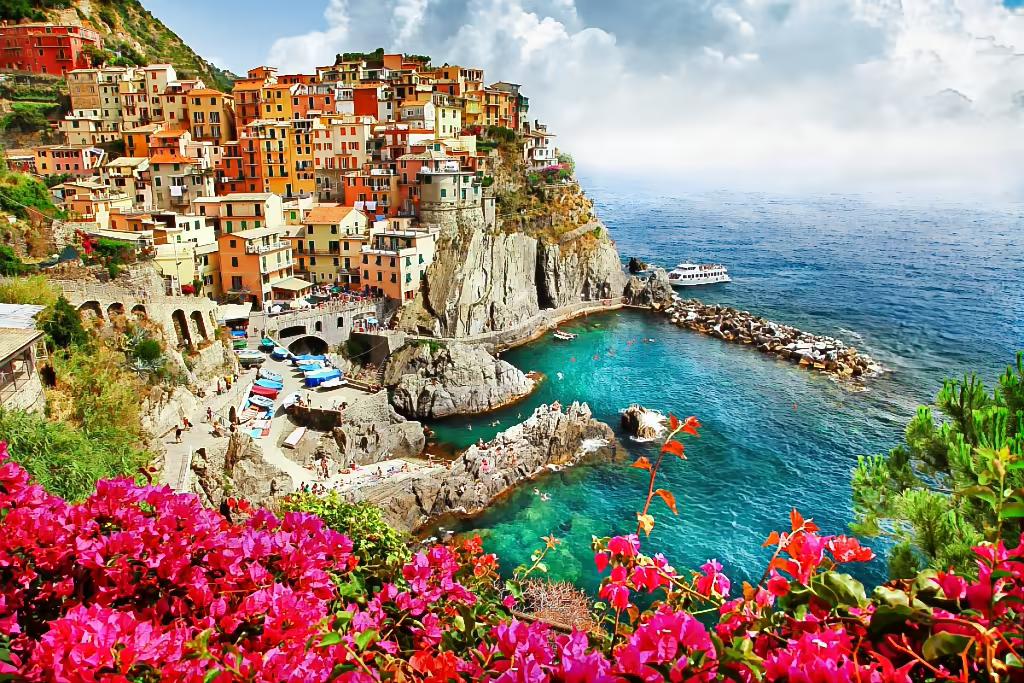

Stai sognando la dolce vita? L'Italia offre agli expat una combinazione senza pari di cucina d'eccellenza, storia millenaria, paesaggi mozzafiato e una cultura che celebra le cose belle della vita. Che tu sia attratto dalle antiche strade di Roma, dalla scena della moda milanese o dalla bellezza della Costiera Amalfitana, questa guida copre tutto ciò che ti serve per un trasferimento senza intoppi nel 2026.
L'Italia in sintesi

- Popolazione
- Circa 59 milioni
- Capitale
- Roma
- Valuta
- Euro (EUR)
- Stipendio medio
- Circa €1.675/mese netto (€25.000-€32.000/anno lordo)
- Lingua
- Italiano (l'inglese è parlato nelle zone turistiche e nelle aziende internazionali)
- Clima
- Mediterraneo (sud), continentale (nord), alpino (montagna)
- Fuso orario
- CET (UTC+1) / ora legale CEST (UTC+2)
Perché trasferirsi in Italia nel 2026
- Stile di vita di fama mondiale: il culto italiano del cibo, della famiglia e del tempo libero crea una qualità della vita difficile da eguagliare. Il pranzo lungo, la passeggiata serale e l'aperitivo del fine settimana sono rituali quotidiani.
- Cultura gastronomica eccezionale: dalla pasta fresca ai vini regionali, la cucina italiana varia in modo straordinario da regione a regione — ogni zona ha le sue specialità.
- Sanità pubblica eccellente: il Servizio Sanitario Nazionale (SSN) garantisce assistenza sanitaria universale, classificata tra le migliori d'Europa.
- Ricchissimo patrimonio culturale: più siti UNESCO di qualsiasi altro paese al mondo, con musei, architettura e arte di livello assoluto ovunque.
- Più economica rispetto al Nord Europa: Milano e Roma sono care, ma la maggior parte delle città italiane offre costi decisamente inferiori rispetto a Londra, Parigi o Amsterdam.
- Posizione europea strategica: facile accesso al resto d'Europa, al Nord Africa e al Mediterraneo.
- Ecosistema tech e startup in crescita: Milano, Torino e Bologna stanno emergendo come hub dell'innovazione.
Costi del trasloco in Italia
Costi per area di provenienza
| Provenienza | Fascia di costo stimata | Tipo di spedizione |
|---|---|---|
| Dal Regno Unito all'Italia | €1.200 - €2.500 | Carico parziale / container condiviso |
| Dagli USA all'Italia | €3.500 - €7.000 | Container da 20 piedi |
| Dalla Germania all'Italia | €800 - €1.800 | Carico parziale / container condiviso |
| Dall'Australia all'Italia | €4.500 - €9.000 | Container da 20 piedi |
| All'interno dell'Italia | €400 - €1.200 | Furgone traslochi |
Dettaglio delle singole voci di costo
- Trasporto: €600 - €4.000 a seconda della distanza e del volume
- Assicurazione: €100 - €350
- Sdoganamento: €100 - €300 (per traslochi da fuori UE)
- Materiali da imballaggio: €80 - €250
- Deposito: €40 - €150/mese
Vuoi un preventivo personalizzato?
Ricevi tre preventivi da ditte di traslochi selezionate in meno di 48 ore.
Visto e requisiti di residenza
Per i cittadini UE/SEE
I cittadini UE possono vivere e lavorare in Italia senza visto. Dopo 3 mesi è necessario:
- Iscriversi all'Anagrafe (registro civile) del proprio comune
- Ottenere il Certificato di Residenza
- Richiedere il Codice Fiscale — indispensabile per praticamente tutto
Per i cittadini extra-UE: principali categorie di visto
Visto per Lavoratori Digitali (Digital Nomad Visa)
- A chi è rivolto: lavoratori da remoto dipendenti da o freelance per clienti al di fuori dell'Italia
- Requisiti: reddito minimo di €28.000/anno, assicurazione sanitaria, contratto di lavoro o incarico con aziende fuori dall'Italia
- Durata: 1 anno, rinnovabile
- Da sapere: introdotto nel 2024 — inizialmente con quote annuali limitate, ora in espansione
Visto per Residenza Elettiva (Elective Residence Visa)
- A chi è rivolto: pensionati e chi dispone di redditi passivi (investimenti, pensioni, rendite da immobili)
- Requisiti: prova di reddito stabile di almeno €31.000/anno (individuale) o €38.000+ (coppia), nessuna attività lavorativa in Italia
- Durata: 1 anno, rinnovabile
- Da sapere: non è consentito lavorare in Italia. Molto scelto dai pensionati.
Visto per Lavoro Subordinato (Work Visa)
- A chi è rivolto: dipendenti con un'offerta di lavoro da un datore di lavoro italiano
- Requisiti: il datore di lavoro deve richiedere il nulla osta (autorizzazione al lavoro) tramite lo Sportello Unico
- Durata: pari al contratto, di solito 1-2 anni
- Da sapere: soggetto alle quote annuali (Decreto Flussi) per i lavoratori extra-UE
Carta Blu UE (EU Blue Card)
- A chi è rivolto: lavoratori extra-UE altamente qualificati
- Requisiti: laurea universitaria + stipendio di almeno 1,5 volte lo stipendio lordo medio
- Durata: fino a 4 anni
- Da sapere: facilita la mobilità all'interno dell'UE dopo 18 mesi
Visto per Studio (Student Visa)
- A chi è rivolto: iscritti a istituti scolastici o universitari italiani
- Requisiti: ammissione universitaria, prova di disponibilità economica, assicurazione sanitaria
- Durata: per tutta la durata degli studi
- Da sapere: è possibile lavorare fino a 20 ore settimanali
Visto per Lavoro Autonomo (Self-Employment Visa)
- A chi è rivolto: freelance, imprenditori, titolari di attività
- Requisiti: prova di disponibilità di fondi, business plan, qualifiche professionali
- Durata: 2 anni, rinnovabile
- Da sapere: procedura complessa — richiede l'iscrizione alla Camera di Commercio
- Aprire un conto bancario
- Firmare un contratto d'affitto
- Attivare un contratto telefonico
- Accedere all'assistenza sanitaria
- Pagare le tasse
- Quasi qualsiasi interazione con la pubblica amministrazione
- Rivolgiti al consolato italiano nel tuo paese d'origine (prima di partire) OPPURE
- Rivolgiti all'Agenzia delle Entrate locale dopo il tuo arrivo
- Porta con te: passaporto, visto (se necessario), prova di residenza
- Gratuito — rilasciato sul momento o entro pochi giorni
- Recati alla Questura (sede della polizia) o all'ufficio postale (Sportello Amico) più vicino
- Compila il kit di domanda (disponibile negli uffici postali)
- Presenta i documenti richiesti: passaporto, foto, prova di alloggio, assicurazione sanitaria, mezzi finanziari
- Partecipa all'appuntamento per il rilievo delle impronte digitali presso la Questura
- Ricevi il tuo permesso (i tempi di lavorazione possono variare da 2 a 6 mesi)
Trovare casa in Italia
Il mercato immobiliare italiano varia molto: Milano è estremamente competitiva, mentre le città del Sud sono più tranquille e accessibili.
Affitti medi nelle principali città (2025-2026)
| Città | Monolocale/bilocale (centro) | Monolocale/bilocale (periferia) | 3 camere (centro) | Livello di mercato |
|---|---|---|---|---|
| Milano | €850 - €1.400 | €600 - €1.000 | €1.600 - €3.000 | Molto competitivo |
| Roma | €750 - €1.200 | €550 - €900 | €1.300 - €2.500 | Competitivo |
| Firenze | €650 - €1.000 | €450 - €750 | €1.100 - €2.000 | Competitivo |
| Bologna | €550 - €850 | €400 - €650 | €900 - €1.500 | Moderato |
| Torino | €450 - €700 | €350 - €550 | €750 - €1.300 | Accessibile |
| Napoli | €400 - €700 | €300 - €500 | €650 - €1.200 | Accessibile |
Fonte: Numbeo, marzo 2026. Media nazionale monolocale centro: €732.
Capire i termini dell'affitto in Italia
- Affitto: importo mensile del canone
- Spese condominiali: costi di manutenzione delle parti comuni dell'edificio — spesso €50-€200/mese in più
- Deposito: di solito pari a 2-3 mensilità
- Contratto a canone libero: affitto a prezzo di mercato (4+4 anni — 4 anni, rinnovato automaticamente per altri 4)
- Contratto a canone concordato: affitto a canone agevolato (3+2 anni), affitto più basso ma con maggiori restrizioni
Come trovare casa
Piattaforme online:
- Immobiliare.it: il principale portale immobiliare italiano
- Idealista.it: molto popolare, ottima selezione di annunci
- Casa.it: terzo grande portale
- Subito.it: annunci privati, direttamente dai proprietari
- Spotahome: visite virtuali, ideale per gli expat
Documenti richiesti per affittare
- Passaporto valido e Codice Fiscale
- Visto o permesso di soggiorno (per i cittadini extra-UE)
- Prova di reddito (contratto di lavoro, estratti conto bancari)
- Conto bancario italiano (molti proprietari lo richiedono per l'addebito diretto)
Consigli per gli stranieri
- Ottieni il Codice Fiscale prima di iniziare la ricerca — ti serve per tutto
- Gli appartamenti italiani spesso sono vuoti (senza cucina!) — chiarisci subito se l'immobile è «arredato» o «non arredato»
- Le spese condominiali spesso NON sono incluse nel canone pubblicizzato — chiedi sempre
- A Milano e Roma bisogna essere pronti a decidere in fretta
- In alcuni casi i depositi vengono ancora pagati in contanti
Salute e assicurazioni
L'Italia dispone di un eccellente sistema sanitario pubblico, accessibile a tutti i residenti regolari.
Sanità pubblica (Servizio Sanitario Nazionale - SSN)
- Copertura: visite dal medico di base, visite specialistiche con impegnativa, ricoveri ospedalieri, pronto soccorso, farmaci (parzialmente in convenzione)
- Come iscriversi: presso la ASL/AUSL locale con prova di residenza e Codice Fiscale
- Costo: gratuito per i residenti con un impiego (coperto dai contributi previdenziali). Iscrizione volontaria per chi non lavora: circa €2.000/anno come minimo nel 2026 (aumentato da €387,34 dalla legge di bilancio 2024; massimo circa €2.789)
- Qualità: la sanità italiana è tra le migliori al mondo — particolarmente eccellente in cardiologia, oncologia e ortopedia
Tessera Sanitaria
La tua tessera sanitaria — usata per tutti i servizi medici, le ricette e le visite specialistiche. Viene rilasciata dopo l'iscrizione al SSN.
Assicurazione sanitaria privata
Molti expat scelgono anche un'assicurazione privata:
- Costo: €50-€200/mese a seconda dell'età e della copertura
- Principali compagnie: Allianz Care, Cigna Global, Generali, Unisalute
- Perché: tempi d'attesa ridotti, medici che parlano inglese, copertura più ampia per odontoiatria e oculistica
Visite mediche e costi
- Visita dal medico di base (SSN): gratuita con la Tessera Sanitaria
- Specialista (SSN): piccola quota di partecipazione (ticket) di €20-€40
- Farmaci: parzialmente in convenzione — di solito €1-€5 per medicinale
- Pronto soccorso: gratuito
- Visita privata dal medico di base: €50-€150
Ottieni un piano di trasferimento personalizzato
Lascia la tua email e ti invieremo una checklist su misura più tre preventivi da traslochisti selezionati.
Banca e finanza
Aprire un conto bancario
Documenti necessari:
- Passaporto valido
- Codice Fiscale (indispensabile)
- Prova di residenza
- Visto o permesso di soggiorno (per i cittadini extra-UE)
Migliori banche per expat
Intesa Sanpaolo
- Largest Italian bank
- extensive network
UniCredit
- Second-largest
- strong international presence
FinecoBank
- Excellent online bank
- low fees
- popular with expats
N26 / Revolut
- Quick to open
- no branch needed
Le migliori banche per gli expat:
- Intesa Sanpaolo: la più grande banca italiana, rete capillare
- UniCredit: seconda per dimensioni, forte presenza internazionale
- FinecoBank: ottima banca online, commissioni basse, popolare tra gli expat
- N26 / Revolut: attivazione rapida, senza bisogno di recarsi in filiale
Sistema fiscale
IRPEF (imposta sul reddito): aliquote progressive con 3 scaglioni (2026): 23% fino a €28.000, 33% da €28.001 a €50.000, 43% oltre €50.000
- Contributi previdenziali: circa il 9-10% a carico del dipendente (il datore di lavoro paga circa il 30%)
- IVA: 22% aliquota ordinaria, 10% ridotta, 4%/5% super-ridotta
- Imposta di bollo: applicata ai conti bancari (~€34,20/anno)
- Identità digitale SPID
Lo SPID (Sistema Pubblico di Identità Digitale) è il sistema di identità digitale italiano — sempre più necessario per:
Accedere ai servizi pubblici online
Dichiarazione dei redditi (Agenzia delle Entrate)
| Città | Budget per una persona | Budget per una famiglia di 3 | Livello dei costi |
|---|---|---|---|
| Milano | €1.500 - €2.400 | €2.800 - €4.500 | Alto |
| Roma | €1.300 - €2.100 | €2.500 - €4.000 | Medio-alto |
| Firenze | €1.100 - €1.800 | €2.200 - €3.500 | Moderato |
| Bologna | €1.000 - €1.600 | €2.000 - €3.200 | Moderato |
| Torino | €900 - €1.400 | €1.800 - €2.800 | Basso-moderato |
| Napoli | €800 - €1.300 | €1.600 - €2.600 | Basso |
Dettaglio delle spese
Alloggio:
- Appartamento con 1 camera (centro città): €500 - €1.400/mese
- Appartamento con 1 camera (fuori centro): €400 - €1.000/mese
- Utenze (85 m²): €130 - €319/mese
- Internet: €24 - €38/mese
Spesa alimentare e ristorazione:
- Spesa mensile (1 persona): €220 - €400
- Pasto in ristorante economico: €10 - €25
- Cena in ristorante di fascia media per 2: €50 - €100
- Espresso al bar: €1,00 - €1,50 (di più se si è seduti)
- Aperitivo con stuzzichini: €8 - €12
Trasporti:
- Abbonamento mensile ai mezzi pubblici: €30 - €52 (Milano: ~€39, Roma: ~€35)
- Partenza taxi: €3,50 - €10,00
- Benzina (1 litro): €1,69 - €1,90
- Frecciarossa alta velocità (Milano-Roma): €25 - €80
Confronto con altri paesi
- vs Francia: l'Italia è del 10-20% più economica in generale; spesa alimentare e ristorazione spesso meno costose
- vs Regno Unito: l'Italia è del 20-30% più economica; in particolare per gli affitti fuori Milano
- vs Spagna: costi complessivi simili; l'Italia è leggermente più cara per i generi alimentari, affitti paragonabili
Lingua e consigli culturali
Ti serve l'italiano?
Sì, decisamente. Fuori dalle aziende internazionali e dalle mete turistiche, l'inglese non è molto diffuso. L'italiano è indispensabile per la burocrazia, i proprietari di casa, i medici e la vita quotidiana.
Risorse per imparare la lingua
- Società Dante Alighieri: organizzazione internazionale per la diffusione della lingua italiana
- Scuole locali: €150-€350/mese per corsi di gruppo
- Centri linguistici universitari: spesso offrono corsi a prezzi accessibili per stranieri
- Partner in tandem: disponibili tramite app e incontri locali
Norme culturali
Pasti:
- Il pranzo è tipicamente dalle 12:30 alle 14:30; la cena dalle 19:30 alle 21:30 (più tardi in estate)
- L'aperitivo (drink pre-cena con stuzzichini) è un rito sociale quotidiano, di solito dalle 18:00 alle 20:00
- Non chiedere mai il parmigiano sulla pasta al pesce — è considerato un sacrilegio culinario
- Il caffè (espresso) si beve in piedi al bar, dopo i pasti — il cappuccino dopo le 11:00 non si usa
Vita sociale:
- Gli italiani sono calorosi, espressivi e fisici (baci sulle guance, gesticolazione)
- La passeggiata serale è una tradizione quotidiana
- La moda e l'aspetto contano — vèstiti bene per le occasioni sociali
- La domenica è il giorno della famiglia — molti negozi sono chiusi
Cultura burocratica:
- La burocrazia italiana è notoriamente lenta e complessa
- Porta sempre i documenti originali e diverse fotocopie
- Gli appuntamenti sono essenziali — ma aspettati ritardi anche con prenotazione
- La pazienza non è facoltativa — è una competenza di sopravvivenza
Lista di controllo per il trasloco
- Informati sui requisiti del visto e avvia la domanda
- Ottieni il Codice Fiscale dal consolato italiano (se possibile)
- Inizia a studiare l'italiano
- Richiedi preventivi per il trasloco
- Ricerca città e quartieri
- Presenta la domanda di visto al consolato italiano
- Prenota la ditta di traslochi
- Organizza un alloggio temporaneo per i primi 1-3 mesi
- Raccogli e apostilla/traduci i documenti necessari
- Fai i bagagli
- Organizza il viaggio verso l'Italia
- Scarica le app essenziali (Immobiliare, Citymapper, Google Translate)
- Acquista una SIM italiana (TIM, Vodafone, Iliad, WindTre)
- Presenta la domanda di Permesso di Soggiorno (entro 8 giorni se sei extra-UE)
- Apri un conto bancario italiano
- Iscriviti all'Anagrafe (registro civile) del tuo comune
- Iscriviti al SSN presso la ASL locale per ottenere la Tessera Sanitaria
- Inizia la ricerca di un alloggio
- Richiedi l'identità digitale SPID
- Firma il contratto d'affitto e trasferisciti nella casa definitiva
- Attiva le utenze (luce: Enel/Edison, gas, internet)
- Esplora il tuo quartiere
Strumenti e risorse utili
Strumenti ReloAdvisor:
- Calcolatore del volume
- Sopralluogo video
- Calcolatore dei costi di trasloco
Risorse ufficiali italiane:
- Agenzia delle Entrate — Ente tributario (Codice Fiscale)
- Portale Immigrazione — Portale sull'immigrazione
- Iscrizione al SSN — Ministero della Salute
Comunità di expat:
- Expat.com Italia — Forum e guide
- Internations Italia — Rete globale di expat
- Expats in Italy (gruppi Facebook) — Gruppi per singole città
Guide correlate:
- Trasferirsi in Spagna
- Trasferirsi in Francia