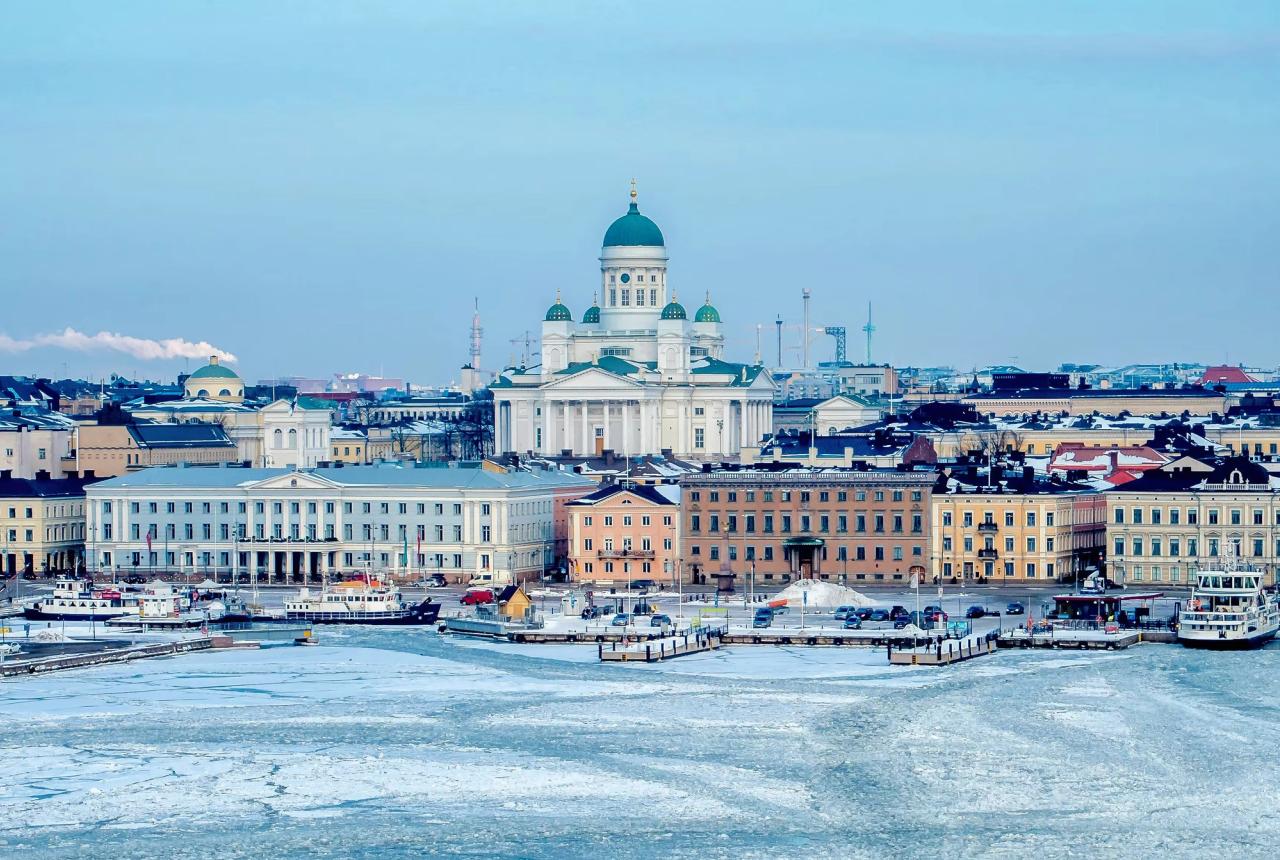
Helsinki è la capitale e la città più grande della Finlandia, distesa su una penisola lungo la costa del Mar Baltico dove il Golfo di Finlandia incontra una serie di isole al largo. Con circa 660.000 abitanti nella città vera e propria e oltre 1,5 milioni nell'area metropolitana (incluse le vicine Espoo e Vantaa), è il cuore politico, economico e culturale del paese. Gli expat si trasferiscono qui per lavorare nel settore tech e nel gaming, per i servizi pubblici di alta qualità, per una cultura urbana orientata al design con il Design District Helsinki, e per un equilibrio tra vita professionale e privata che si colloca costantemente tra i migliori al mondo. Gli inverni sono lunghi e bui — il Kaamos (il periodo di notte polare) fa sì che le giornate di dicembre offrano appena sei ore di luce grigia — ma le estati offrono l'opposto, con quasi 19 ore di luce diurna sotto il sole di mezzanotte.
Helsinki è ufficialmente bilingue: il finlandese è la lingua dominante, parlata da circa l'82% della popolazione cittadina, mentre lo svedese è la lingua madre di circa il 6%. In pratica, l'inglese funziona come seconda lingua quasi universale, soprattutto tra le persone sotto i 50 anni. Il centro compatto della città, la vasta rete di trasporti pubblici e la vicinanza a foreste e mare ne fanno una delle capitali europee più vivibili, anche se può volerci un inverno o due per apprezzarla appieno.
Helsinki in breve

- Popolazione
- ~660.000 (città), ~1,5 milioni (area metropolitana incl. Espoo, Vantaa, Kauniainen)
- Regione
- Uusimaa, Finlandia meridionale, costa del Mar Baltico
- Famosa per
- Capitale del design, polo tech nordico, saune, fortezza marittima di Suomenlinna (UNESCO)
- Affitto medio (monolocale/1 camera)
- €900–€1,400
- Stipendio medio
- ~3.200 €/mese netti
- Comunità expat
- In crescita; numerosa nel settore tech, forte presenza studentesca internazionale all'Università di Helsinki e all'Aalto University
Perché trasferirsi a Helsinki
- Scena tech e startup: il settore gaming di Helsinki (Supercell, Rovio) e il più ampio ecosistema tecnologico (l'eredità Nokia) attraggono talenti da tutto il mondo. La conferenza annuale Slush, a dicembre, raccoglie oltre 13.000 fondatori di startup e investitori provenienti da ogni angolo del globo.
- Servizi pubblici: lo stato sociale finlandese garantisce assistenza sanitaria universale tramite HUS (Distretto Ospedaliero di Helsinki e Uusimaa), asili nido fortemente sovvenzionati e istruzione gratuita fino all'università, anche per i residenti.
- Sicurezza e pulizia: Helsinki si classifica regolarmente tra le capitali più sicure d'Europa. I crimini violenti sono rari, gli spazi pubblici sono ben curati e i livelli di corruzione sono tra i più bassi al mondo.
- Accesso alla natura: nonostante sia una capitale, Helsinki dispone di ampi spazi verdi, 130 chilometri di costa e oltre 300 isole. Il concetto finlandese di jokamiehenoikeus (diritto di ogni persona) garantisce l'accesso pubblico a foreste, laghi e rive per attività ricreative e raccolta.
Aspetti da considerare
- Inverni bui: da novembre a gennaio, Helsinki registra circa 6-7 ore di luce fioca e grigia al giorno. Molti expat trovano il periodo del Kaamos mentalmente pesante; il disturbo affettivo stagionale è comune. Investire in una lampada per la fototerapia e uscire all'aperto durante le ore di luce centrale fa una differenza significativa.
- Costo della vita: Helsinki è cara secondo gli standard europei. La spesa alimentare, i ristoranti e le tasse sull'alcol sono elevati. Una cena al ristorante per due con vino supera facilmente gli 80 €.
- Barriera linguistica: sebbene l'inglese sia ampiamente parlato, il finlandese è una delle lingue più difficili d'Europa per i non madrelingua (una lingua ugro-finnica non imparentata con quasi nessun'altra lingua europea). I lavori nel settore pubblico e i ruoli a contatto con il pubblico richiedono spesso la conoscenza del finlandese.
- Riservatezza sociale: i finlandesi valorizzano lo spazio personale e le chiacchiere sono ridotte al minimo. Costruire amicizie richiede pazienza; molti expat trovano il loro gruppo sociale tramite il lavoro, i gruppi hobby o altri stranieri. Una volta che un finlandese ti considera un amico, però, la lealtà è genuina e duratura.
Visti e permessi di residenza
La Finlandia fa parte dello Spazio Schengen. I cittadini EU/SEE e svizzeri possono trasferirsi a Helsinki liberamente e devono registrarsi al Maistraatti (Ufficio del Registro Locale) entro tre mesi dall'arrivo. I cittadini extra-UE hanno bisogno di un permesso di residenza prima di arrivare, da ottenere tramite il Servizio Immigrazione finlandese (Migri). I principali tipi di permesso sono:
- Permesso di residenza per lavoro (työperustain oleskelulupa): richiede un'offerta di lavoro confermata. Il datore di lavoro avvia la domanda tramite il portale Enter Finland. I tempi di elaborazione sono in media di 2-4 mesi.
- Permesso per specialisti: un'opzione accelerata per ruoli con retribuzione di almeno 3.500 €/mese lordi. L'elaborazione è tipicamente inferiore a 14 giorni.
- Permesso per startup: per i fondatori di startup innovative valutate da Business Finland. Richiede un piano aziendale valido e fondi sufficienti (l'importo minimo varia con la durata del permesso; tipicamente 3.000–9.000 € in base al requisito di reddito minimo di Migri al momento della domanda).
- Permesso per studenti: per chi è ammesso a un'università finlandese. Consente di lavorare 30 ore a settimana come part-time.
- Permesso per ricongiungimento familiare: per coniugi o partner registrati di residenti finlandesi. Le unioni civili e i matrimoni tra persone dello stesso sesso sono riconosciuti dalla legge finlandese.
Tutti i residenti che si fermano più di un anno devono registrarsi al Maistraatti per ricevere il codice identificativo personale finlandese (henkilötunnus), indispensabile per operazioni bancarie, sanità, tasse e praticamente qualsiasi procedura burocratica. Il Verohallinto (Amministrazione Fiscale Finlandese) assegnerà anche un veronumero (codice fiscale). Il henkilötunnus è una sequenza composta dalla data di nascita e da un identificativo di quattro caratteri — lo userai continuamente, dall'apertura di un conto corrente al ritiro di pacchi postali.
I cittadini EU che risiedono per più di cinque anni possono richiedere la registrazione UE permanente. I residenti extra-UE possono richiedere un permesso di residenza permanente dopo quattro anni di residenza continuativa con un permesso di tipo A. La cittadinanza finlandese è accessibile dopo cinque anni (o tre se sposati con un cittadino finlandese), a condizione di superare un test linguistico in finlandese o svedese a livello B1.
Trovare casa a Helsinki
Affitti medi
| Quartiere | 1 camera | 3 camere | Carattere |
|---|---|---|---|
| Kamppi / Punavuori | 1.100–1.500 €/mese | 2.000–2.800 €/mese | Centrale, a misura di pedone, negozi di design, vita notturna |
| Kallio | 850–1.200 €/mese | 1.600–2.300 €/mese | Trendy, accessibile, bar, negozi vintage, vivace |
| Töölö / Etu-Töölö | 1.000–1.400 €/mese | 1.800–2.600 €/mese | Elegante, strade alberata, vicino ai parchi, tranquillo |
| Ullanlinna / Kaivopuisto | 1.200–1.800 €/mese | 2.200–3.200 €/mese | Residenziale di lusso, vista sul mare verso la Cattedrale di Helsinki, ambasciate, vicino al Design District |
| Vuosaari | 750–1.000 €/mese | 1.300–1.800 €/mese | Periferia orientale, ideale per le famiglie, accesso alla metro, prezzi accessibili |
| Espoo (Tapiola, Leppävaara) | 900–1.300 €/mese | 1.600–2.400 €/mese | Suburbano, vicino all'Aalto University, buone scuole, più tranquillo |
| Kauniainen | 1.100–1.500 €/mese | 2.000–3.000 €/mese | Enclave bilingue benestante, abitazioni ampie, scuole molto apprezzate |
Come trovare casa
- Vuokraovi.com: il principale sito di annunci di affitto in Finlandia. La maggior parte degli annunci è in finlandese, ma Google Translate li gestisce bene. Aspettati di creare un profilo e a volte di pagare una piccola quota per i contatti del proprietario.
- Oikotie.fi: importante portale immobiliare finlandese che copre sia affitti che acquisti. Ideale per appartamenti di fascia alta nel centro di Helsinki e nei comuni circostanti.
- HOAS (Helsingin opiskelija-asunnot): la Fondazione per gli alloggi studenteschi della regione di Helsinki. Destinata agli studenti iscritti all'Università di Helsinki o all'Aalto University — fai domanda in anticipo, le liste d'attesa possono durare mesi.
- Gruppi Facebook: "Helsinki Apartments for Rent" e "Expats in Helsinki Housing" hanno annunci diretti dai proprietari, spesso in inglese. Le truffe esistono; non trasferire mai denaro prima di aver visitato o verificato l'annuncio.
- Helsingin kaupungin asuntotuotanto (HEKA): alloggi a prezzi calmierati di proprietà comunale con limiti di reddito. Liste d'attesa lunghe, ma affitti significativamente inferiori al mercato per gli inquilini idonei.
- Agenti immobiliari: agenzie come KV Warrantti, Oikotie e Huoneistokeskus possono aiutare nella ricerca di appartamenti con una commissione tipicamente equivalente a un mese di affitto più IVA. Alcuni datori di lavoro coprono questo costo come parte del pacchetto di trasferimento.
Consigli per expat
- Gli appartamenti in Finlandia sono non arredati per impostazione predefinita. "Non arredato" spesso significa senza lampadari, senza tende e talvolta senza elettrodomestici da cucina. Prevedi un budget di 1.000–2.000 € per l'arredamento di base. IKEA a Bemböle (Espoo) è il punto di riferimento e consegna nell'intera area metropolitana.
- I proprietari richiedono una verifica del credito o un garante finlandese. Senza una storia creditizia finlandese, aspettati di pagare 1-3 mesi di affitto come deposito e potenzialmente il primo mese in anticipo.
- Il mercato degli affitti finlandese segue date di inizio mese. Inizia a cercare 4-6 settimane prima della tua data obiettivo.
- Il teleriscaldamento (kaukolämpö) è la norma negli appartamenti di Helsinki ed è generalmente incluso nella quota condominiale (vesi ja vastike), che può essere separata o meno dall'affitto. Chiarisci sempre cosa è incluso prima di firmare.
- I contratti d'affitto sono tipicamente a tempo indeterminato (toistaiseksi voimassa oleva) con un preavviso di un mese da parte dell'inquilino. Sono disponibili anche contratti a termine (määräaikainen), ma non possono essere rescissi anticipatamente se non nelle circostanze specifiche previste dal contratto.
- Il subaffitto (asunnon vuokraus edelleen) richiede di norma il consenso scritto del proprietario. Questo è rilevante se hai necessità di viaggiare per periodi prolungati.
Guida ai quartieri
- Kallio: il cuore alternativo di Helsinki, a nordest del centro, al di là del ponte di Hakaniemi. Piena di bar indipendenti, negozi vintage e ristoranti etnici lungo Helsinginkatu e Fleminginkatu. Gli affitti sono tra i più bassi del centro di Helsinki. Popolare tra studenti, artisti e giovani professionisti. La chiesa di Kallio sorge su una collina con vista panoramica sulla città.
- Punavuori: a sud di Kamppi, famosa per la concentrazione del Design District Helsinki con gallerie, boutique e studi. A piedi da tutto, vita notturna vivace su Iso Roobertinkatu. Affitti medio-alti. Ideale per professionisti del design e expat sociali che vogliono stare al centro dell'azione.
- Kamppi: il nucleo commerciale intorno al centro commerciale e al terminal dei bus di Kamppi. Ricca di ristoranti, negozi e collegamenti di trasporto. Comoda ma rumorosa. Gli affitti riflettono la posizione centrale. Ottima per i nuovi arrivati che vogliono avere tutto a portata di piedi.
- Etu-Töölö: il quartiere tranquillo ed elegante a nord di Kamppi, ancorato dalla Finlandia Hall, dallo Stadio Olimpico e dalla baia di Töölönlahti. Ampie strade, edifici Art Nouveau e alberi maturi. Popolare tra famiglie e professionisti. Più costoso ma silenzioso.
- Vuosaari: un grande quartiere periferico orientale collegato al centro dalla Metro di Helsinki (linea M1, ~25 minuti fino a Kamppi). Più accessibile economicamente, con nuovi complessi residenziali, centri commerciali e accesso ai sentieri naturali lungo i percorsi costieri di Uutela e il porto di Vuosaari. Grande attrattiva per le famiglie grazie alle scuole e agli spazi verdi.
- Espoo (Tapiola e Leppävaara): tecnicamente una città separata a ovest di Helsinki, ma funzionalmente parte della stessa area metropolitana. Tapiola è un quartiere-giardino con architettura moderna; Leppävaara ha una grande stazione ferroviaria pendolari e un centro commerciale. Il campus di Otaniemi dell'Aalto University si trova a Espoo. Affitti più bassi rispetto al centro di Helsinki, più spazio, ideale per le famiglie.
Costo della vita a Helsinki
Ripartizione del budget mensile
| Voce | Fascia di spesa |
|---|---|
| Affitto (1 camera, zona centrale) | 900–1.400 €/mese |
| Utenze (luce, acqua, rifiuti) | 100–170 €/mese |
| Internet (100 Mbps) | 25–35 €/mese |
| Spesa alimentare | 300–450 €/mese |
| Abbonamento trasporti HSL (zona AB) | 35–59 €/mese |
| Ristorante (4 volte/mese) | 120–250 €/mese |
| Tempo libero / palestra | 40–80 €/mese |
| Totale | 1.520–2.440 €/mese |
Una persona single che vive con parsimonia in un appartamento con una camera nel centro di Helsinki dovrebbe prevedere un budget di circa 2.000–2.400 € al mese. Una coppia che condivide un bilocale può aspettarsi costi mensili combinati di 3.000–3.800 €.
Costi quotidiani
- Caffè (espresso al bar): 3,50–4,50 €
- Pranzo (informale, es. menu del giorno in una Ravintola): 10–14 €
- Abbonamento mensile HSL (zona AB): 59 € (adulti), 35 € (studenti)
- Birra (0,4 L al bar): 7–9 €
- Biglietto cinema: 14–18 €
- Sessione in sauna (pubblica, es. Löyly o Allas Sea Pool): 19–25 €
- Spesa alimentare (settimanale, persona singola): 75–110 €
La Finlandia applica tasse elevate sull'alcol. Una bottiglia di vino all'Alko (il monopolio statale dell'alcol) parte da circa 8 €, e la birra nei bar è tra le più care d'Europa. I supermercati vendono solo birra leggera (sotto il 4,7% ABV); per qualcosa di più forte bisogna andare all'Alko.
Muoversi a Helsinki
- Trasporti pubblici (HSL): il Trasporto Regionale di Helsinki (HSL — Helsingin seudun liikenne) gestisce l'intera rete di trasporto pubblico: autobus, tram, metro di Helsinki, treni pendolari e il traghetto per Suomenlinna. Un biglietto singolo in zona AB costa 2,80 € (tariffa ordinaria) ed è valido per 80 minuti su tutti i mezzi. La metro di Helsinki è il sistema metropolitano più settentrionale del mondo, con due linee (M1 e M2) che collegano il centro a est verso Vuosaari e Mellunmäki, e a ovest verso Espoo (dall'estensione del 2022 fino a Kivenlahti). I tram coprono i quartieri centrali con una fitta rete ad anello. HSL utilizza un sistema di validazione tap-in/tap-out con la card HSL o l'app mobile HSL.
- Ciclismo: Helsinki dispone di oltre 1.200 km di piste ciclabili. La rete Baana di corridoi ciclabili dedicati attraversa il centro città, trasformando ex linee ferroviarie e carreggiate in ampie piste per bici e pedoni. Le bici pubbliche sono disponibili da maggio a ottobre con un sistema in abbonamento (15 €/stagione per l'accesso base, 30 € per la stagione completa). Il ciclismo è un'opzione reale per i pendolari da aprile a ottobre; le gomme invernali chiodate prolungano la stagione per i più resistenti.
- Auto: per la maggior parte dei residenti del centro di Helsinki un'auto è superflua. Il parcheggio è costoso (2–4 €/ora in centro, posti auto in garage mensili 100–200 €). Il traffico è moderato. Le leggi finlandesi impongono pneumatici invernali da dicembre a febbraio. Se si possiede una patente EU, è valida in Finlandia; le patenti extra-UE possono essere utilizzate per un anno prima che sia necessario il cambio.
- Aeroporto: l'aeroporto Helsinki-Vantaa (HEL) si trova a circa 20 km a nord del centro città. È un importante hub per Finnair con voli diretti verso Europa, Asia e Nord America — la posizione geografica di Helsinki lo rende uno dei percorsi di volo più brevi tra Europa e Asia orientale. L'aeroporto è collegato alla stazione centrale di Helsinki tramite treno pendolari (linee I e P, ~30 minuti, 4,10 €) e dal Finnair City Bus (~35 minuti, 6,30 €). I taxi fino al centro costano 45–65 € a seconda del traffico.
- Treni a lunga percorrenza: la stazione centrale di Helsinki (Helsingin päärautatieasema) è il capolinea della rete ferroviaria a lunga percorrenza della Finlandia, gestita da VR. I treni ad alta velocità Pendolino raggiungono Tampere in 1,5 ore, Turku in 2 ore e Oulu in 5,5 ore. La stazione è anche il nodo di tutte le linee pendolari HSL.
Sanità a Helsinki
- Sanità pubblica: i residenti registrati al Maistraatti con comune di residenza (kotikunta) a Helsinki hanno diritto all'assistenza sanitaria pubblica tramite i centri sanitari comunali (terveysasema) e l'HUS (Distretto Ospedaliero di Helsinki e Uusimaa). La sanità pubblica è fortemente sovvenzionata: una visita medica in un centro sanitario costa circa 20–30 €. I ricoveri ospedalieri hanno una quota giornaliera di circa 50 €, con un tetto annuale di 683 €.
- Prestazioni Kela: una volta registrati con Kela (Istituto di Previdenza Sociale della Finlandia), i residenti ricevono rimborsi per spese mediche, farmaci con ricetta e indennità di malattia. La registrazione Kela richiede un henkilötunnus finlandese e la prova di residenza.
- Sanità privata: cliniche private come Mehiläinen, Terveystalo e Aava offrono accesso più rapido agli specialisti, spesso con personale di lingua inglese. Una visita dal medico di base privato costa 70–120 €. Molti datori di lavoro forniscono un'assicurazione sanitaria privata (tipicamente tramite Mehiläinen o Terveystalo) come benefit.
- Farmacie: le Apteekki (farmacie) si trovano in tutta la città. L'Yliopiston Apteekki vicino alla stazione centrale di Helsinki è aperta 24 ore su 24. Gli antidolorifici da banco sono disponibili solo in farmacia, non nei supermercati.
- Numero di emergenza: 112 (il numero di emergenza europeo unificato, usato anche in Finlandia per polizia, vigili del fuoco e ambulanza).
Ricevi un piano di trasloco personalizzato
Lascia la tua e-mail e ti invieremo una checklist su misura piu tre preventivi da traslocatori verificati.
Banca
Aprire un conto bancario finlandese richiede il henkilötunnus e la prova di indirizzo. Le principali banche sono Nordea, OP (Osuuspankki), Danske Bank e S-Pankki. La maggior parte delle operazioni bancarie avviene online o tramite app mobile; le visite in filiale sono rare e alcune operano solo su appuntamento. Le banche finlandesi emettono carte di debito (tipicamente Visa o Mastercard) accettate ovunque. Le carte di credito sono meno comuni per l'uso quotidiano, ma sono utili per acquisti online e viaggi. Le app di pagamento mobile come MobilePay e Pivo sono ampiamente utilizzate per i trasferimenti tra privati — dividere il conto del ristorante tramite MobilePay è pratica comune. Il pagamento contactless è accettato in tutta Helsinki, anche alle bancarelle dei mercati e sui mezzi pubblici.
Se lavori in Finlandia, avrai bisogno di un conto bancario finlandese per ricevere lo stipendio e registrare i tuoi dati fiscali presso il Verohallinto. L'imposta sul reddito progressiva finlandese va da circa il 12% al 44% a seconda del reddito, con l'imposta comunale (aliquota di Helsinki ~18%) aggiunta in cima. Il datore di lavoro trattiene automaticamente le imposte in base alla tua verokortti (scheda fiscale). La tassa ecclesiastica e il canone radiotelevisivo pubblico (Yle) possono comparire sulla dichiarazione dei redditi se applicabili.
Il sistema bancario finlandese si basa su un'identificazione elettronica avanzata. Le credenziali bancarie fungono da identità digitale per accedere ai servizi governativi tramite Suomi.fi, presentare le dichiarazioni fiscali online e firmare contratti elettronicamente. Questo sistema (tupas) è uno dei framework di identità digitale più avanzati d'Europa.
Istruzione a Helsinki
- Scuole internazionali: l'International School of Helsinki (ISH) a Ruoholahti offre il programma IB dalla scuola dell'infanzia fino al diploma (retta ~12.000–15.000 €/anno). The English School Helsinki a Punavuori segue il programma nazionale finlandese insegnato in inglese (retta ~6.000–10.000 €/anno). The European Schooling Helsinki a Myllypuro segue il programma delle Scuole Europee ed è gratuita per i figli del personale delle istituzioni EU.
- Università: l'Università di Helsinki (Helsingin yliopisto) è l'università finlandese con il punteggio più alto, costantemente tra le prime 100 al mondo, con punti di forza in giurisprudenza, medicina e discipline umanistiche. L'Aalto University, situata nel campus di Otaniemi a Espoo, è rinomata per i programmi di design, ingegneria e business ed è l'alma mater di molti fondatori tech finlandesi. Entrambe offrono numerosi master in lingua inglese.
- Scuole di lingua: la Helsinki Summer University offre corsi di finlandese accessibili tutto l'anno. L'Helsingin aikuisopisto (Centro di Educazione per Adulti di Helsinki) propone corsi di finlandese e svedese dal livello principiante all'avanzato a 30–80 €/trimestre. Anche il Centro Linguistico dell'Università di Helsinki accetta studenti esterni per corsi a pagamento. Le risorse online gratuite includono Duolingo (finlandese), il sito Uusi kielemme e il servizio Yle Uutiset Selkosuomeksi (notizie in finlandese semplice).
- Istruzione dei bambini: l'asilo nido (päiväkoti) in lingua finlandese è fortemente sovvenzionato dal comune, con quote basate sul reddito familiare (massimo circa 300 €/mese per la fascia più alta). Le famiglie internazionali possono richiedere gruppi di asilo in lingua inglese. La scuola dell'obbligo (peruskoulu, classi 1–9) è gratuita e assegnata per quartiere, anche se alcune scuole offrono programmi bilingui finlandese-inglese.
Mercato del lavoro a Helsinki
- Principali settori: tecnologia dell'informazione, gaming (Supercell, Rovio, Wolt), telecomunicazioni (ecosistema dell'eredità Nokia), marittimo e logistica (Porto di Helsinki), cleantech, scienze della vita, design e architettura, finanza.
- Principali datori di lavoro: Nokia, Supercell, Rovio, Wolt, Relex Solutions, KONE, Wärtsilä, Fortum, Nordea (sede nordica), Università di Helsinki, HUS (sanità), il Comune di Helsinki e numerose aziende di dimensioni startup.
- Stipendi medi: settore tech (ingegnere software livello intermedio) 4.000–5.500 € lordi/mese; ruoli design/creativi 3.000–4.200 €; finanza 3.800–5.000 €; sanità (infermiere) 2.800–3.500 €; servizi/ospitalità 2.200–2.800 €. La tassazione progressiva finlandese porta il netto in busta paga a circa il 60-70% del lordo.
- Risorse per la ricerca di lavoro: LinkedIn è il principale strumento di networking professionale in Finlandia. Duunitori.fi e Oikotie Työpaikat sono i principali job board finlandesi. Work in Finland (workinfinland.com) aggrega le posizioni in lingua inglese. Helsinki Business Hub mette in contatto i talenti internazionali con i datori di lavoro locali. Molti ruoli nel gaming e nella tech vengono pubblicati sul job board Sirius Games. Il TE-palvelut (Servizio Pubblico per l'Impiego e le Imprese, ora parte del Tyo- ja elinkeinotoimisto o ufficio comunale per il lavoro) elenca anche le posizioni disponibili e offre orientamento professionale ai disoccupati registrati.
- Cultura lavorativa: i luoghi di lavoro finlandesi sono tipicamente orizzontali nella gerarchia — i nomi di battesimo si usano universalmente, anche con gli amministratori delegati. La puntualità è attesa, le chiacchiere prima delle riunioni sono minime e il silenzio in conversazione è confortevole, non imbarazzante. La settimana lavorativa standard è di 37,5–40 ore. Gli straordinari sono scoraggiati e devono essere compensati. La maggior parte dei finlandesi lascia l'ufficio entro le 16–17, e contattare i colleghi fuori orario è mal visto. Le ferie annuali sono generose: un minimo di 4 settimane per legge, con molti luoghi di lavoro che chiudono per 3–4 settimane a luglio durante la stagione estiva.
Cultura e stile di vita
- Identità di capitale del design: Helsinki è stata Capitale Mondiale del Design nel 2012 e il design permea la vita quotidiana. Il Design District Helsinki si estende tra Punavuori e Kaartinkaupunki con oltre 200 attività orientate al design. Il Design Museum su Korkeavuorenkatu ripercorre la storia del design finlandese, da Alvar Aalto a Marimekko. La Biblioteca Centrale Oodi (aperta nel 2018) è un'opera architettonica con stampanti 3D, studi di registrazione e spazi di lettura — tutto gratuito.
- Cultura della sauna: Helsinki ha saune pubbliche in tutta la città. Löyly a Hernesaari offre una sauna di design a legna con accesso diretto al mare. Allas Sea Pool vicino alla Piazza del Mercato ha piscine all'aperto riscaldate e saune con vista sulla Cattedrale di Helsinki. Molti appartamenti hanno saune private nell'edificio, e le aziende spesso dispongono di saune in ufficio usate per riunioni e team building. Ci sono circa 3 milioni di saune in Finlandia per una popolazione di 5,5 milioni — sono un'istituzione sociale, non un lusso.
- Isole e mare: Suomenlinna, la fortezza marittima del XVIII secolo distribuita su otto isole interconnesse, è un sito UNESCO raggiungibile con il traghetto HSL in 15 minuti dal Kauppatori (Piazza del Mercato). È anche un quartiere residenziale con circa 800 abitanti. L'isola di Seurasaari ospita un museo all'aperto di edifici storici finlandesi e un famoso falò di mezza estate. La Vanha kauppahalli (Vecchio Mercato Coperto) al Kauppatori è attiva dal 1889 e vende prelibatezze finlandesi, pesce e artigianato. La piazza del Kauppatori stessa è il punto di partenza per i traghetti verso le isole e un luogo di ritrovo dove d'estate i locali mangiano aringa fritta e zuppa di salmone alle bancarelle all'aperto.
- Musei e cultura: Kiasma è il Museo di Arte Contemporanea, ospitato in un suggestivo edificio di Steven Holl vicino alla stazione centrale. L'Ateneum custodisce la più grande collezione d'arte classica della Finlandia, con opere di Akseli Gallén-Kallela e Helene Schjerfbeck. La chiesa di Temppeliaukio (Chiesa nella roccia), ricavata direttamente nel granito solido nel quartiere di Töölö, è uno dei siti più visitati di Helsinki, noto per la sua acustica naturale e la cupola in rame. Il Museo Nazionale della Finlandia ripercorre la storia finlandese dall'età della pietra ai giorni nostri. Amos Rex, un museo d'arte sotterraneo sotto l'edificio Lasipalatsi a Kamppi, è diventato un importante spazio d'arte contemporanea dalla sua apertura nel 2018.
- Ritmi stagionali: l'estate è breve ma intensa. Da giugno ad agosto ci sono festival, cene all'aperto e la celebrazione del Helsinki Day il 12 giugno. Il Festival di Helsinki in agosto è il più grande festival multidisciplinare della regione nordica. Il buio invernale è compensato dai mercatini di Natale in Piazza del Senato, dal nuoto nel ghiaccio (avanto — nuotare in un buco praticato nel ghiaccio) e dal bagliore delle candele nelle finestre durante la stagione dei Pikkujoulu (piccolo Natale) nel periodo natalizio.
Cibo e ristorazione
- La cucina finlandese si basa su ingredienti stagionali: pane di segale (ruisleipä), aringa del Baltico (silakka), renna (poro), more di rovo artico (lakka) e pasticcini careliani (karjalanpiirakka). Al Kauppatori, i venditori del mercato servono zuppa calda di salmone (lohikeitto) e aringa fritta direttamente dalla barca.
- Quartieri della ristorazione: Punavuori e Kamppi hanno la maggiore concentrazione di ristoranti. Eerikinkatu e Fredrikinkatu sono vie della ristorazione con proposte che spaziano dal nepalese al nordico moderno. Kallio offre pasti più economici lungo Fleminginkatu e Vaasankatu. La zona costiera di Hietalahti ha ristoranti di fascia alta, il Giardino d'Inverno (Talvipuutarha) e il popolare mercato coperto di Hietalahti.
- Opzioni economiche: i menu del pranzo (lounas) sono un'istituzione finlandese. La maggior parte dei ristoranti propone un'offerta pranzo nei giorni feriali a 10–13 €, spesso con buffet di insalate, pane e caffè. Le mense universitarie (Unicafe all'Università di Helsinki, ora Yliopistoravintolat) servono pasti a prezzi studenteschi da 2,95 € (con i benefici da studente) a 8,50 € per i non studenti. I food truck al Kauppatori e al Narinkkatori (a Kamppi) offrono proposte internazionali a prezzi accessibili durante i mesi estivi.
- Spesa alimentare: le principali catene di supermercati sono K-Citymarket, Prisma e S-Market. Il K-Citymarket a Ruoholahti e il Prisma a Sörnäinen sono i punti vendita centrali più grandi. Per prodotti specializzati e biologici, lo Stockmann Herkku nel centro città e Anton & Anton a Ullanlinna sono molto apprezzati. App anti-spreco come Fiksuruoka.fi vendono prodotti alimentari in eccedenza a prezzi significativamente scontati.
Comunità expat
- Gruppi Meetup: "Expats in Helsinki" e "Helsinki International Professionals" organizzano regolarmente eventi di networking e socializzazione. Il Centro Culturale Internazionale Caisa a Kruununhaka gestisce caffè linguistici, eventi culturali e workshop di integrazione rivolti ai nuovi arrivati.
- Sport sociali: Helsinki International Players organizza partite di calcio amatoriale e vari club di corsa (come NRC Helsinki — Nike Run Club) accolgono gli stranieri. I percorsi di frisbee golf (disc golf) sono gratuiti e molto frequentati in tutta la città, anche a Töölönlahti e Kumpula.
- Scambi linguistici: il lunedì al Caisa c'è un caffè linguistico settimanale. Il sistema bibliotecario HelMet organizza gruppi di conversazione gratuiti in finlandese e svedese nelle biblioteche di tutta la città, inclusa Oodi.
- Comunità digitale: il subreddit r/Helsinki e i forum finlandesi su Expat-Finland.com sono risorse attive per domande pratiche su alloggi, burocrazia e vita quotidiana.
- Volontariato: organizzazioni come Helsinki Missio e la Croce Rossa Finlandese accolgono volontari internazionali e offrono un modo per incontrare i locali al di fuori della bolla expat.
Lista di controllo per il trasferimento a Helsinki
- Fai domanda per il permesso di residenza (extra-UE) tramite Enter Finland (enterfinland.fi) oppure registra il tuo diritto di residenza EU con Migri
- Ottieni il codice personale finlandese (henkilötunnus) — il tuo datore di lavoro o la tua università possono richiederlo in anticipo nell'ambito della procedura per il permesso di residenza
- Prenota un alloggio temporaneo per le prime 2-4 settimane (Airbnb o hotel vicino a Kamppi/Kallio per un facile accesso ai trasporti)
- Studia i quartieri e inizia a contattare i proprietari su Vuokraovi.com o Oikotie.fi 4-6 settimane prima dell'arrivo
- Richiedi la verokortti (scheda fiscale) al Verohallinto — il tuo datore di lavoro ne ha bisogno per trattenere la giusta quota di imposta sul reddito
- Verifica se il tuo datore di lavoro fornisce assistenza al trasferimento, assicurazione sanitaria privata o alloggio temporaneo
- Stipula un'assicurazione sanitaria internazionale per coprire le prime settimane prima che la registrazione Kela sia completata
- Apri un conto bancario finlandese online con Nordea, OP o S-Pankki se la tua banca scelta consente domande prima dell'arrivo
- Prepara l'abbigliamento per stagioni estreme: strati termici, giacca impermeabile esterna e stivali invernali adatti fino a -20°C per il periodo novembre-marzo
- Recati al Maistraatti (Ufficio del Registro Locale) per registrare il tuo indirizzo e confermare il comune di residenza (kotikunta) — questo sblocca l'accesso alla sanità, a Kela e al diritto di voto
- Registrati a Kela (online su kela.fi o di persona) per accedere ai rimborsi sanitari, alle prestazioni familiari e all'indennità di malattia
- Apri o attiva il tuo conto bancario finlandese (porta passaporto, permesso di residenza e prova di indirizzo)
- Scarica l'app HSL e acquista un abbonamento stagionale per la zona AB per i trasporti pubblici
- Procurati una SIM prepagata DNA, Elisa o Telia in qualsiasi R-Kioski o supermercato — avrai bisogno di un numero di telefono finlandese per la verifica bancaria e i messaggi del Verohallinto
- Richiedi una tessera della biblioteca HelMet (Biblioteche dell'Area Metropolitana di Helsinki) — accesso gratuito a libri, contenuti digitali e ai makerspace della Biblioteca Centrale Oodi
- Iscriviti al centro sanitario di quartiere (terveysasema) tramite il sito del Comune di Helsinki, assegnato in base al tuo indirizzo di residenza
- Presenta la dichiarazione dei redditi o verifica i dettagli della tua verokortti con il Verohallinto se il tuo reddito cambia
- Registrati presso la terveysasema di zona (centro sanitario) e trova un medico di lingua inglese se necessario
- Iscriviti a un corso di lingua finlandese tramite Helsingin aikuisopisto, la Helsinki Summer University o il programma di integrazione del tuo datore di lavoro
- Configura la messaggistica Suomi.fi — il portale governativo digitale finlandese dove ricevi la corrispondenza ufficiale dall'autorità fiscale, da Kela e da altri enti
- Valuta una polizza assicurativa per il contenuto dell'appartamento (kotivakuutus) tramite la tua banca o una compagnia come If o Pohjola
- Entra in un gruppo expat o in un club di hobby per costruire una rete sociale — prova il Centro Culturale Internazionale Caisa, una società sportiva o un gruppo Meetup
- Se hai figli, iscrivili a scuola o all'asilo nido tramite il dipartimento dell'istruzione del Comune di Helsinki (kasvatus- ja koulutusvirasto) — le domande si presentano online e i posti vengono assegnati in base al quartiere
- Acquista un abbonamento per la bici pubblica (maggio-ottobre) ed esplora la costa da Kaivopuisto a Hernesaari
Guide correlate
- Trasferirsi in Finlandia — guida nazionale completa su visti, tasse e sistemi nazionali
- Trasferirsi in Europa — panoramica delle opzioni di trasferimento europee e confronti
Ultimo aggiornamento: aprile 2026. I prezzi e le normative cambiano — verifica sempre le tariffe aggiornate con le fonti ufficiali (Suomi.fi, Verohallinto, HSL, Vuokraovi.com).