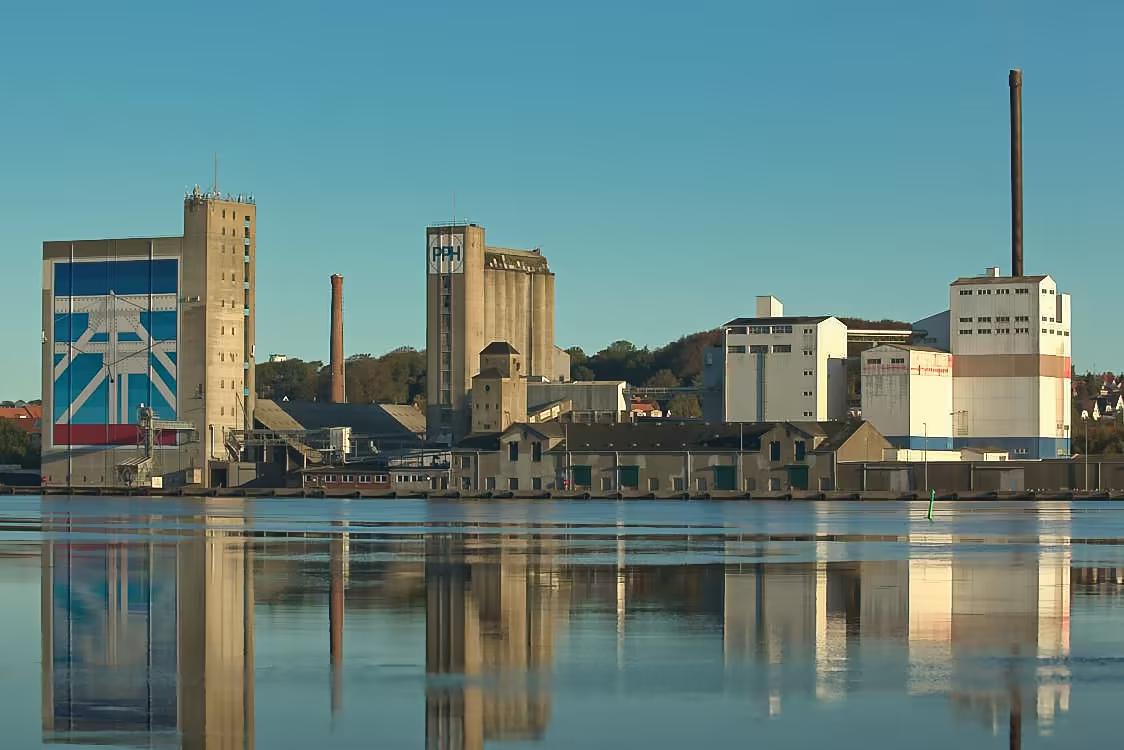

Aalborg è la città più grande dello Jutland settentrionale e una delle località più economiche in cui vivere in Danimarca. Conosciuta per la sua vivace comunità universitaria, per la trasformazione del lungomare e per la frizzante vita notturna studentesca lungo Jomfru Ane Gade, Aalborg offre un autentico stile di vita danese senza il caro prezzi di Copenaghen o Aarhus. La città si è reinventata, passando da polo industriale a moderno centro culturale ed educativo, con un'architettura di prim'ordine sul fronte portuale e un forte senso di comunità. Gli expat la scelgono per l'Università di Aalborg, per i settori tech ed energia in crescita e per una città che, in fatto di cultura e qualità della vita, vale molto più della sua dimensione.
Aalborg in sintesi
- Popolazione
- 120.000 (città) / 221.000 (comune)
- Regione
- Regione della Danimarca settentrionale (Nordjylland)
- Famosa per
- Università di Aalborg, Jomfru Ane Gade (la via della vita notturna), Utzon Center, riqualificazione del lungomare
- Affitto medio (bilocale)
- DKK 6.500–9.000/mese (centro città)
- Stipendio medio
- DKK 24.000–35.000/mese netti (variabile per settore)
- Comunità di expat
- Più piccola ma in crescita, sostenuta dall'università e dal settore ingegneristico
- Valuta
- Corona danese (DKK)
- Lingua
- Danese (l'inglese è ampiamente parlato all'università e nel mondo del lavoro)
Perché trasferirsi ad Aalborg
- Costo della vita accessibile: Aalborg ha alcuni degli affitti e dei costi di vita più bassi tra le grandi città danesi. Una persona single può vivere comodamente con DKK 11.000–16.000 al mese, il che la rende ideale per studenti e giovani professionisti.
- Città universitaria: l'Università di Aalborg è conosciuta a livello mondiale per il suo modello di apprendimento per problemi (PBL) e per i solidi corsi di ingegneria, IT ed energia, che attirano migliaia di studenti internazionali.
- Rinascita del lungomare: il vecchio porto industriale è stato trasformato in un distretto culturale con l'Utzon Center, la Musikkens Hus (Casa della Musica) e moderni appartamenti dall'architettura sorprendente.
- Dimensioni a misura d'uomo: tutto è raggiungibile in bici e la città ha una comunità affiatata e accogliente che facilita l'inserimento dei nuovi arrivati.
- Porta sulla natura: lo Jutland settentrionale offre coste spettacolari, dune e ampi paesaggi aperti — Rebild Bakker, Rold Skov (la più grande foresta della Danimarca) e le spiagge bianche di Skagen sono tutti a portata di mano.
Trovare casa ad Aalborg
Il mercato degli affitti di Aalborg è meno competitivo rispetto a quello di Copenaghen o Aarhus, ma gli studenti generano domanda tra agosto e settembre. La maggior parte degli appartamenti è non arredata e i contratti standard prevedono 3 mesi di cauzione più 1 mese di affitto anticipato.
Affitti medi
| Quartiere | Bilocale | Quadrilocale | Caratteristiche |
|---|---|---|---|
| Aalborg Midtby (centro) | DKK 7.000–9.500 | DKK 11.000–15.000 | Centro storico, vita notturna, locali culturali |
| Vejgaard | DKK 5.500–7.500 | DKK 9.000–12.500 | Economico, vicino all'università, molto frequentato dagli studenti |
| Hasseris | DKK 7.500–10.000 | DKK 12.000–17.000 | Ville di pregio, verde, tranquillo, ideale per le famiglie |
| Nørresundby | DKK 6.000–8.000 | DKK 9.500–13.000 | Oltre il Limfjord, mix di moderno e tradizionale |
| Øgadekvarteret | DKK 6.500–8.500 | DKK 10.000–14.000 | Residenziale, orientato alla comunità, vicino ai parchi |
| Skalborg | DKK 5.500–7.500 | DKK 9.000–12.000 | Periferia sud, nuove costruzioni, shopping |
Come trovare casa
- BoligPortal: la principale piattaforma di affitti — è richiesto un abbonamento a pagamento per contattare i proprietari.
- AKU-Aalborg: la fondazione ufficiale per gli alloggi studenteschi — se è studente, faccia domanda con largo anticipo, perché gestisce migliaia di unità in tutta la città.
- Findbolig.nu: piattaforma di alloggi collegata all'università con annunci sia per studenti sia per professionisti.
- Gruppi Facebook: «Bolig i Aalborg», «Aalborg Lejlighed» e «Aalborg Roommates» sono attivi per annunci privati e in coabitazione.
- Consigli locali: il mercato è meno teso rispetto alle città più grandi, ma gli studenti arrivano in massa prima del semestre di settembre. Inizi la ricerca almeno 2 mesi prima dell'arrivo.
Consigli per gli expat
- La cauzione standard è di 3 mesi di affitto più 1 mese anticipato.
- Gli alloggi studenteschi tramite AKU-Aalborg sono l'opzione più affidabile ed economica per i nuovi arrivati all'università.
- Molti appartamenti negli edifici più vecchi hanno la lavanderia condivisa al piano interrato — verifichi prima di firmare.
- Nørresundby, oltre il ponte sul Limfjord, offre affitti più bassi con un rapido accesso al centro città.
Guida ai quartieri
- Aalborg Midtby (centro città): vie storiche intorno alla cattedrale e alla chiesa di Budolfi, con i bar e i ristoranti di Jomfru Ane Gade. Compatto e percorribile a piedi — ideale per chi vuole stare nel cuore dell'azione. Gli affitti sono i più alti della città, ma comunque accessibili rispetto agli standard danesi.
- Vejgaard: zona residenziale economica a est del centro con una forte presenza studentesca. Buoni collegamenti in autobus, negozi di quartiere e atmosfera rilassata. Molto apprezzata dagli studenti dell'Università di Aalborg.
- Hasseris: il quartiere più esclusivo — grandi ville, contesto verde e vicinanza al bosco di Hasseris Skov. Ideale per le famiglie che cercano spazio e tranquillità rimanendo vicine alla città.
- Nørresundby: appena oltre il ponte sul Limfjord, offre affitti più bassi e un'atmosfera più tranquilla, pur restando a 5–10 minuti dal centro città in bici o in autobus. Una buona opzione per i nuovi arrivati attenti al budget.
- Øgadekvarteret: una zona residenziale accogliente con una comunità locale solida, parchi giochi e vicinanza al centro commerciale Aalborg Storcenter. Orientata alle famiglie e ben collegata in autobus.
- Skalborg: periferia sud con nuove costruzioni, centri commerciali e comodi collegamenti stradali. Più adatta a chi si muove in auto rispetto ai quartieri centrali, ma economica.
Costo della vita ad Aalborg
Aalborg è una delle città più economiche della Danimarca. Il budget seguente riflette uno stile di vita confortevole per una persona single.
Dettaglio del budget mensile
| Categoria | Fascia di budget |
|---|---|
| Affitto (1 camera, centro) | DKK 6.500–9.000 |
| Utenze (riscaldamento, acqua, elettricità) | DKK 900–1.300 |
| Internet | circa 200-300 DKK |
| Spesa alimentare | DKK 2.000–2.600 |
| Trasporti (abbonamento mensile) | circa 450-550 DKK |
| Cene fuori (4 volte al mese) | DKK 1.000–1.600 |
| Tempo libero/palestra | circa 200-350 DKK |
| Totale | DKK 11.250–15.700 |
Spese quotidiane
- Caffè (latte): DKK 38–48
- Pranzo (ristorante informale): DKK 75–105
- Abbonamento mensile ai trasporti: DKK 450–550
- Birra (al bar): DKK 40–55
- Biglietto del cinema: DKK 95–120
- Carrello della spesa (pane, latte, uova, pollo, verdure): DKK 130–180
Muoversi ad Aalborg
- Bicicletta: il territorio pianeggiante rende la bici il mezzo più semplice per spostarsi. La maggior parte degli studenti e dei residenti la usa quotidianamente — la città è abbastanza piccola da poterla attraversare in 15–20 minuti.
- Trasporto pubblico: gli autobus coprono la città e le aree circostanti. Un abbonamento mensile costa circa DKK 450–550. Le corse sono meno frequenti che a Copenaghen, ma sufficienti per la maggior parte delle esigenze.
- Auto: il traffico è scarso rispetto alle città più grandi. I parcheggi sono disponibili e relativamente accessibili. Avere un'auto è utile per esplorare lo Jutland settentrionale.
- Aeroporto: l'aeroporto di Aalborg (AAL), situato a circa 6,5 km dal centro città (15 minuti in autobus o in auto), offre voli regolari verso Copenaghen e Amsterdam (KLM), oltre a rotte stagionali verso Bornholm, le Isole Faroe, la Groenlandia, la Turchia e altre destinazioni. Ryanair ha sospeso il collegamento con London Stansted nel marzo 2025 a seguito di una nuova tassa danese sul trasporto aereo.
- Collegamenti interurbani: treni diretti per Aarhus (~1,5 h) e Copenaghen (~4 h), con coincidenze a nord verso Frederikshavn. Collegamenti in autobus verso le cittadine più piccole dello Jutland settentrionale come Hjørring e Skagen.
Sanità ad Aalborg
La Danimarca ha un sistema sanitario pubblico finanziato con le tasse. Tutti i residenti con un numero CPR hanno diritto a cure mediche gratuite, comprese le visite dal medico di base, le cure ospedaliere e le visite specialistiche su impegnativa.
- Ospedali/cliniche: Aalborg University Hospital — un grande ospedale regionale con reparti specialistici, centro traumatologico e solide strutture di ricerca.
- Medici di lingua inglese: disponibili — il personale sanitario è abituato a trattare pazienti internazionali, soprattutto presso il policlinico universitario e le cliniche comunali.
- Farmacie (Apotek): diverse sedi in centro e nelle zone periferiche.
- Numero di emergenza: 112 (ambulanza, vigili del fuoco, polizia). Per consulenze mediche non urgenti al di fuori degli orari del medico di base, contatti Lægevagten Nordjylland (il servizio di guardia medica dello Jutland settentrionale) — può trovare i contatti su sundhed.dk o sul sito del suo comune. (Nota: il 1813 è l'equivalente per Copenaghen e la Regione Capitale e non si applica nello Jutland settentrionale.)
Ricevi un piano di trasloco personalizzato
Lascia la tua e-mail e ti invieremo una checklist su misura piu tre preventivi da traslocatori verificati.
Cultura e stile di vita
Aalborg si è trasformata da città industriale a polo culturale. Il lungoporto, un tempo costellato di fabbriche, ospita oggi opere di architettura e luoghi di cultura di livello internazionale. La popolazione studentesca mantiene la vita sociale animata tutto l'anno.
- Jomfru Ane Gade: la strada della movida più famosa della Danimarca — un viale pedonale pieno di bar, locali e ristoranti che attira visitatori da tutto il Paese. Una tappa obbligata per ogni studente di Aalborg.
- Utzon Center: progettato da Jørn Utzon (architetto della Sydney Opera House) — un centro culturale sul lungomare dedicato ad architettura, arte e design.
- Musikkens Hus: una sala da concerto di livello internazionale sul lungoporto che ospita spettacoli di musica classica, jazz e contemporanea in un suggestivo edificio moderno.
- Aalborg Carnival: il carnevale più grande della Danimarca, che si tiene ogni anno a maggio — migliaia di partecipanti in costume sfilano per le vie della città, seguiti da concerti ed eventi all'aperto.
- Kunsten Museum of Modern Art: un museo dall'architettura suggestiva, progettato da Alvar Aalto, con una collezione di arte moderna danese e internazionale.
Cibo e ristorazione
- Cucina danese di tradizione, pesce e frutti di mare del Limfjord e una scena gastronomica internazionale in crescita che rispecchia la diversità della città.
- Il lungomare e C.W. Obels Plads sono i posti migliori per cenare fuori e osservare la gente che passa.
- Jomfru Ane Gade propone una ristorazione informale accanto alla sua celebre vita notturna.
- Opzioni economiche: mense universitarie, locali shawarma e menù pranzo a prezzi accessibili in centro città.
Comunità di expat
- L'International Office dell'Aalborg University organizza eventi di benvenuto, programmi di tutoraggio e attività sociali per studenti e ricercatori internazionali.
- Internations Aalborg e gruppi Facebook per residenti internazionali nello Jutland settentrionale.
- Caffè linguistici e scambi tandem all'università e nelle biblioteche pubbliche.
- La comunità internazionale dell'università è la principale rete sociale per la maggior parte degli expat ad Aalborg.
Mercato del lavoro ad Aalborg
L'economia di Aalborg si è spostata dall'industria tradizionale alla manifattura ad alta tecnologia, all'energia e all'istruzione. L'università è uno dei principali datori di lavoro e motori d'innovazione.
- Settori principali: ingegneria ed energia (Siemens Gamesa, Bladt Industries), IT e software, istruzione e ricerca, sanità, manifattura.
- Principali datori di lavoro: Aalborg University, Siemens Gamesa, Aalborg Portland, Grundfos (nella vicina Bjerringbro), gli ospedali della Regione del Nord-Danimarca.
- Stipendi medi per settore:
| Settore | Netto mensile medio (DKK) |
|---|---|
| Ingegneria / energia | 28.000–40.000 |
| Tech / IT | 27.000–38.000 |
| Istruzione / ricerca | 25.000–34.000 |
| Sanità | 26.000–35.000 |
| Servizi / ristorazione e ricettività | 19.000–24.000 |
- Risorse per la ricerca di lavoro: Jobindex.dk, Work in Denmark (workindenmark.dk), AAU Job Bank, LinkedIn.
Istruzione ad Aalborg
- Scuole internazionali: Aalborg International School (livelli primario e secondario di primo grado).
- Università: Aalborg University (nota per l'apprendimento basato su problemi, forte in ingegneria, IT e scienze sociali), University College of Northern Denmark (UCN) — corsi di laurea professionalizzanti.
- Scuole di lingua: Lærdansk Aalborg (corsi di danese gratuiti per chi ha un numero CPR), Aalborg Sprogcenter.
Checklist per il trasferimento ad Aalborg
- Ottenere il permesso di soggiorno o confermare i diritti di libera circolazione UE/SEE.
- Richiedere un alloggio per studenti tramite AKU-Aalborg (se applicabile) o iniziare la ricerca su BoligPortal con 2–3 mesi di anticipo.
- Preparare traduzioni certificate dei documenti più importanti.
- Confermare la copertura sanitaria (EHIC per i cittadini EU, privata altrimenti).
- Registrarsi al Borgerservice per ottenere il numero CPR.
- Aprire un conto bancario danese (Danske Bank, Nordea o Jyske Bank).
- Procurarsi una Rejsekort per i trasporti pubblici o comprare una bici usata.
- Configurare MitID per l'accesso digitale ai servizi pubblici.
- Registrarsi presso un medico locale tramite sundhed.dk.
- Iscriversi ai corsi gratuiti di lingua danese (Lærdansk).
- Esplorare la città in bicicletta — Aalborg è abbastanza piccola da conoscere in fretta.
- Unirsi a un gruppo sociale universitario o di expat per costruire la propria rete di contatti.
- Configurare MobilePay collegandolo al proprio conto bancario danese.
Portare i propri effetti personali in Danimarca
Se si sta trasferendo da un paese fuori dall'EU, può avere diritto all'importazione esente da dazi e IVA degli effetti domestici usati ai sensi della normativa doganale danese:
- Gli oggetti devono essere stati posseduti e utilizzati da almeno 6 mesi.
- Lei deve aver vissuto fuori dall'EU per 12 mesi consecutivi.
- I beni devono arrivare entro 6 mesi prima o 12 mesi dopo il trasferimento.
In dogana, presenti l'elenco dell'inventario, la prova di residenza all'estero e il passaporto o il permesso di soggiorno. Articoli nuovi, veicoli o beni di valore elevato possono essere soggetti al 25% di IVA e ai dazi d'importazione. I cittadini EU che si spostano all'interno dell'EU di norma non hanno obblighi doganali per gli effetti personali.
Imparare il danese
Il danese non è indispensabile per la vita quotidiana ad Aalborg, soprattutto in università, ma impararlo aiuta nell'integrazione sociale e nelle prospettive di carriera a lungo termine. Il governo danese offre corsi di lingua gratuiti a tutti i residenti che dispongono di un numero CPR.
- Lærdansk Aalborg: il principale fornitore — corsi in presenza e online a tutti i livelli.
- Aalborg Sprogcenter: un'altra opzione per l'insegnamento della lingua danese.
- Duolingo e Babbel: utili per le basi prima dell'arrivo.
- Consiglio pratico: l'International Office dell'Aalborg University organizza scambi linguistici in tandem — un modo divertente per esercitarsi in danese con madrelingua.
Cultura e norme sociali danesi
Comprendere le norme sociali danesi aiuta i nuovi arrivati a inserirsi più rapidamente. I danesi sono cordiali ma inizialmente riservati — costruire legami più profondi richiede tempo.
- Hygge: il celebre concetto danese di accogliente convivialità — candele, bevande calde e tempo di qualità con gli amici. Non è solo una moda, ma una componente fondamentale della vita sociale danese.
- Comunicazione diretta: i danesi tendono a essere schietti e sinceri. Non si tratta di maleducazione — è una forma di efficienza apprezzata. Non prenda sul personale i commenti diretti.
- Uguaglianza: la cultura danese privilegia gerarchie orizzontali. Capi e dipendenti spesso socializzano da pari. Ostentare ricchezza o status è generalmente mal visto.
- Puntualità: arrivare in orario è importante. Presentarsi in ritardo senza avvisare è considerato una mancanza di rispetto.
- Equilibrio tra lavoro e vita privata: la settimana lavorativa standard è di 37 ore. Uscire in orario per andare a prendere i figli o coltivare hobby è normale e rispettato.
- Cultura studentesca ad Aalborg: i Friday bar (fredagsbar) sono un'importante istituzione sociale all'Aalborg University — ogni dipartimento ha il proprio bar. Sono il modo migliore per conoscere i compagni di corso e costruire rapidamente una rete sociale.
Cosa aspettarsi: clima e stagioni
Aalborg ha un clima oceanico temperato. Gli inverni sono leggermente più freddi rispetto a Copenaghen per via della posizione più a nord, e il vento del Limfjord può essere pungente.
- Inverno (dic–feb): temperature medie tra -1 e 3°C. Giornate corte (6–7 ore di luce a dicembre). La neve è più frequente che a Copenaghen. Abiti caldi e strati antivento sono indispensabili per andare in bicicletta.
- Primavera (mar–mag): le temperature salgono da 3°C a 13°C. Le giornate si allungano rapidamente. La città si anima con eventi all'aperto.
- Estate (giu–ago): in media 16–20°C, a volte più calda. Giornate lunghe con oltre 17 ore di luce. Gite al mare sulla costa del Mare del Nord e al Limfjord.
- Autunno (set–nov): il clima si raffredda da 13°C a 3°C. Piovoso e ventoso. Splendido fogliame nell'Hasseris Skov e nella campagna circostante.
Ambientarsi: consigli per la vita quotidiana
- MobilePay: l'app di pagamento più diffusa in Danimarca — collegata al proprio conto bancario danese. Si usa per qualunque cosa, dal dividere il conto al ristorante al pagare al mercato. La configuri subito dopo aver aperto un conto bancario.
- MitID/NemID: la sua identità digitale per accedere ai servizi pubblici, alla banca, alle dichiarazioni dei redditi (SKAT) e alla sanità (sundhed.dk). Indispensabile per la vita quotidiana in Danimarca.
- Raccolta differenziata: la Danimarca prende molto sul serio la differenziazione dei rifiuti. Ogni edificio ha contenitori per rifiuti indifferenziati, organico, plastica, carta, vetro e metallo. Differenziare correttamente è dato per scontato e viene controllato.
- Sistema di vuoto a rendere (Pant): la maggior parte di bottiglie e lattine prevede un deposito cauzionale (DKK 1–3). Le restituisca agli eco-compattatori presenti nei supermercati.
- Orario di silenzio: la cultura danese tiene molto al silenzio. La maggior parte degli edifici fa rispettare l'orario di silenzio dopo le 22:00. Faccia attenzione ai vicini nei condomini.
- Mance: non sono attese in Danimarca — il personale di servizio percepisce salari equi. Arrotondare il conto è apprezzato ma non richiesto.
- Sconti per studenti: molti caffè, cinema e servizi di trasporto offrono sconti per studenti con una tessera universitaria valida — ne approfitti se sta studiando all'AAU.
Guide correlate
- [Trasferirsi in Danimarca] — guida completa al Paese
- [Trasferirsi a Copenaghen] — la capitale danese
- [Trasferirsi ad Aarhus] — la seconda città danese
- [Trasferirsi a Odense] — vita sull'isola di Fionia
- [Trasferirsi a Esbjerg] — il polo danese dell'energia eolica
Aalborg è una città dove i nuovi arrivati sono accolti con sincerità — le sue dimensioni gestibili e la solida comunità studentesca la rendono una delle città danesi più facili in cui sentirsi a casa.
Sia che stia studiando all'Aalborg University, sia che stia costruendo una carriera nell'ingegneria e nell'energia, la città offre un'autentica esperienza danese a una frazione del costo.