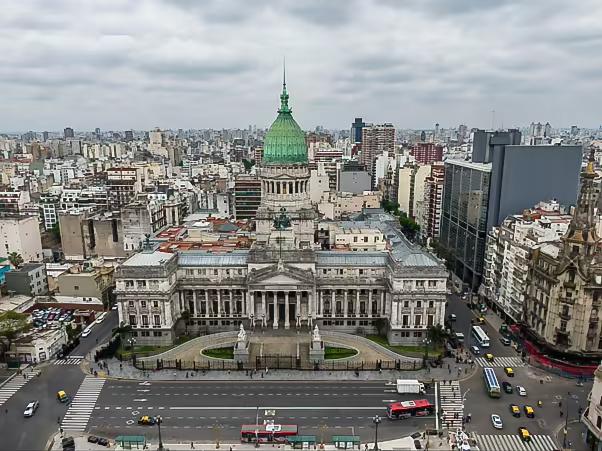

Buenos Aires è una città che si muove a ritmo proprio — letteralmente. Culla del tango, la capitale argentina mescola un'eleganza europea un po' sbiadita con un'energia creativa e autentica che attira artisti, imprenditori e lavoratori da remoto da tutto il mondo. Con un costo della vita contenuto rispetto agli standard globali, una cultura della bistecca leggendaria e quartieri che spaziano dal verdeggiante Palermo alla bohémien San Telmo, Buenos Aires premia chi è disposto a navigarne le complessità: un sistema valutario labirintico, un'occasionale burocrazia e un'economia che si reinventa ogni pochi anni. Se si sa reggere i colpi, poche città offrono così tanto carattere per metro quadro.
Buenos Aires in Sintesi

- Popolazione
- ~3,1 milioni (città) / ~15,5 milioni (area metropolitana)
- Regione
- Città Autonoma di Buenos Aires (CABA)
- Nota per
- Tango, bistecca, architettura in stile europeo
- Affitto Medio (1 camera da letto)
- USD $400-$800
- Stipendio Medio
- USD $600–$900/mese netto
- Comunità Expat
- Grande e diversificata — forte presenza europea, nordamericana e latinoamericana
Perché Trasferirsi a Buenos Aires
- Accessibile rispetto agli standard globali: uno stile di vita confortevole costa una frazione di quanto si spenderebbe a Londra, New York o Sydney, soprattutto se si guadagna in valuta estera.
- Profondità culturale: oltre 300 teatri, musei di livello mondiale come il MALBA, tango dal vivo in ogni angolo di San Telmo e una tradizione di caffè letterari che rivaleggia con Parigi.
- Gastronomia e vita notturna: la bistecca è uno stile di vita — le parrillas servono tagli enormi a prezzi contenuti. La cena inizia alle 22:00; i club aprono alle 2:00. La città non ha mai fretta.
- Solida rete expat: Buenos Aires vanta una delle comunità expat più grandi e organizzate dell'America Latina, con incontri regolari, scambi linguistici e spazi di coworking in tutta Palermo e Colegiales.
Trovare Casa a Buenos Aires
Affitti Medi
| Quartiere | 1 Camera da Letto | 3 Camere da Letto | Caratteristiche |
|---|---|---|---|
| Palermo | $550–$850 | $1,000–$1,800 | Alla moda, vivibile a piedi, parchi e vita notturna |
| Recoleta | $600–$950 | $1,200–$2,200 | Esclusivo, storico, eleganza discreta |
| San Telmo | $400–$650 | $750–$1,300 | Bohémien, strade acciottolate, antiquariato |
| Belgrano | $450–$750 | $900–$1,600 | Residenziale, adatto alle famiglie, Chinatown |
| Colegiales | $400–$650 | $800–$1,400 | In crescita, tranquillo, ottimo rapporto qualità-prezzo |
| Villa Crespo | $350–$600 | $700–$1,200 | In ascesa, atmosfera locale, botteghe artigiane |
Come Trovare Casa
- Zonaprop: la principale piattaforma di affitti argentina — la usano la maggior parte dei residenti locali. Annunci in spagnolo.
- Argenprop: simile a Zonaprop ma con un inventario leggermente diverso.
- Airbnb (soggiorno prolungato): utile per i primi 1–3 mesi mentre si cerca casa di persona.
- Gruppi Facebook: "Expats in Buenos Aires" e "Apartments Buenos Aires" pubblicano frequenti annunci direttamente dai proprietari.
- MercadoLibre offre occasionalmente anche annunci di affitto.
Consigli per gli Expat
- Negoziate sempre. I prezzi pubblicati a Buenos Aires hanno spesso un margine di trattativa del 10–15%.
- Esigete un contratto scritto (contrato). Gli accordi verbali sono comuni ma rischiosi.
- Prevedete un deposito cauzionale (1–2 mesi) più il primo mese anticipato.
- Informatevi sul sistema DNI — i proprietari richiedono sempre più spesso un DNI (Documento Nacional de Identidad) o almeno il CDI (Clave de Identificación). Averlo accelera ogni transazione.
- Gli appartamenti arredati costano il 20–40% in più, ma vi evitano di dover comprare tutto all'arrivo.
Guida ai Quartieri
- Palermo Soho & Palermo Hollywood: l'epicentro della vita expat di Buenos Aires. Boutique, locali per il brunch, street art, spazi di coworking. Affitti più alti ma tutto raggiungibile a piedi. Ideale per giovani professionisti e nomadi digitali.
- Recoleta: grandi viali in stile parigino, il famoso cimitero, ristoranti di alto livello. Più tranquilla di notte, ottimi trasporti pubblici. Ideale per professionisti e pensionati che apprezzano l'eleganza.
- San Telmo: mercato dell'antiquariato domenicale in Calle Defensa, tango milongas, architettura decadente ma affascinante. Fascino autentico e ruvido. Ideale per creativi ed expat attenti al budget.
- Belgrano: strade alberate, ottime scuole, una piccola Chinatown (Barrio Chino) e un ritmo di vita più tranquillo. Ideale per le famiglie e chi cerca un quartiere più quieto.
- Colegiales: il "figlio dimenticato" tra Palermo e Belgrano. In rapida gentrificazione, affitti più bassi, ottime panetterie locali. Ideale per residenti a lungo termine che cercano convenienza.
- Villa Crespo: un tempo trascurato, ora vivace con bar di birra artigianale, locali di empanadas e giovani argentini in fuga dai prezzi di Palermo. Ideale per chi vuole autenticità senza spendere troppo.
Costo della Vita a Buenos Aires
Ripartizione del Budget Mensile
| Categoria | Fascia di Budget (USD) |
|---|---|
| Affitto (1 camera, centro) | $450–$800 |
| Utenze | $80–$200 |
| Internet (100 Mbps) | $20–$50 |
| Spesa | $150–$250 |
| Trasporti (carta SUBE) | $15–$25 |
| Cene fuori (4x/mese) | $80–$150 |
| Svago/Palestra | $30–$60 |
| Totale | $900–$1.650 |
Costi Quotidiani
- Caffè (cortado): $1,50–$3
- Pranzo (menú del día): $4–$8
- Abbonamento mensile trasporti (SUBE): $15–$25
- Birra (pinta, al bar): $2,50–$5
- Biglietto cinema: $5–$14
- Cena di bistecca per due (parrilla): $20–$40
La Realtà Valutaria: Il Dollaro Blu e Oltre
Buenos Aires ha una delle situazioni valutarie più insolite al mondo. L'Argentina opera con più tassi di cambio simultaneamente:
- Tasso ufficiale: il tasso utilizzato da banche e istituzioni formali. Spesso significativamente sopravvalutato.
- Dollaro blu (dólar blue): il tasso parallelo informale, ampiamente utilizzato nelle transazioni in contanti. Storicamente del 20–50% più favorevole rispetto al tasso ufficiale.
- Tasso MEP/Bolsa: un tasso parallelo legale accessibile tramite acquisto e vendita di obbligazioni su un conto di intermediazione locale. Vicino al tasso blu.
- Tasso Tarjeta (carta): quello che si paga quando si usa una carta di credito straniera. Si colloca tra il tasso ufficiale e quello blu.
- CCL (Contado con Liquidación): utilizzato per trasferire denaro fuori dall'Argentina. Si ottiene acquistando attività locali e rivendendole all'estero.
Consiglio pratico: porta contanti in USD e cambia presso cuevas di fiducia (case di cambio informali) o tramite contatti locali. Usa servizi come Western Union, che offrono spesso tassi vicini al tasso blu. Controlla sempre lo spread ARS/USD corrente prima di convertire — il divario oscilla settimanalmente e può influire significativamente sul tuo potere d'acquisto.
Inflazione e Volatilità Economica
L'economia argentina è caratterizzata da un'inflazione cronica. L'inflazione annuale ha superato il 200% nel 2023, ma da allora è scesa a circa il 33% (all'inizio del 2026); i prezzi però continuano a variare frequentemente e rimangono volatili. Per gli expat, questo crea sia sfide che opportunità:
- Se guadagni in USD: l'inflazione lavora a tuo favore. La tua valuta straniera acquista più pesos ogni mese, offrendoti di fatto un aumento. Molti nomadi digitali e lavoratori da remoto vivono molto bene con modesti stipendi in valuta estera.
- Se guadagni in ARS: l'inflazione erode rapidamente il potere d'acquisto. Negozia adeguamenti salariali ogni trimestre, se possibile, e mantieni i risparmi in valuta forte.
- Consigli pratici: paga l'affitto mensilmente anziché annualmente (opta per contratti di locazione più brevi). Acquista beni durevoli subito dopo aver convertito la valuta. Monitora i tassi del dólar blue su siti come Ámbito Financiero o DolarHoy. I prezzi nei supermercati e nei ristoranti cambiano frequentemente — quello che costava ARS 5.000 il mese scorso potrebbe costare ARS 6.500 oggi.
Come Muoversi a Buenos Aires
- Metropolitana (Subte): sei linee che coprono il centro città. Economica (meno di $0,50 a corsa con la carta SUBE), veloce e affollata nelle ore di punta.
- Autobus (colectivos): rete estesa che copre l'intera città e i sobborghi. Usa la carta ricaricabile SUBE. Google Maps e l'app Cómo Llego forniscono percorsi in tempo reale.
- Ciclismo: Buenos Aires ha oltre 250 km di piste ciclabili protette. Il sistema di bike-sharing Ecobici offre brevi corse gratuite ai residenti.
- Taxi e app di trasporto: i taxi sono numerosi e con tassametro. Uber opera ma in una zona grigia legale — Cabify è l'alternativa con licenza locale.
- Guida: non consigliata nel centro città. I parcheggi scarseggiano, il traffico è caotico e i trasporti pubblici sono eccellenti.
- Aeroporto: l'Aeroporto Internazionale di Ezeiza (EZE) si trova a 35 km dal centro. L'Aeroparque (AEP) gestisce i voli nazionali e regionali dal lungofiume.
- Viaggi interurbani: il terminal degli autobus di Retiro collega tutte le principali città argentine. Gli autobus a lunga percorrenza (posti cama e semi-cama) sono comodi e convenienti — un bus notturno di 12 ore per Mendoza costa da USD $25 a $50. I voli nazionali di Aerolíneas Argentinas collegano Buenos Aires alla Patagonia, alle Cascate dell'Iguazú e al nordovest.
Assistenza Sanitaria a Buenos Aires
- Ospedali pubblici: gratuiti per tutti i residenti, compresi gli stranieri. La qualità varia — l'Hospital de Clínicas è molto apprezzato ma affollato.
- Assistenza sanitaria privata (prepagas): OSDE, Swiss Medical e Galeno sono i principali fornitori. I piani costano da USD $80 a $250 al mese a seconda del livello di copertura. Ampiamente preferita dagli expat.
- Medici di lingua inglese: facilmente reperibili nelle cliniche private di Palermo, Recoleta e Belgrano. Molti hanno studiato all'estero.
- Farmacie: Farmacity è la principale catena, aperta 24 ore su 24, 7 giorni su 7, in molte sedi. I requisiti per le prescrizioni sono più flessibili rispetto agli USA.
- Numero di emergenza: 107 (servizio ambulanze SAME)
Ricevi un piano di trasloco personalizzato
Lascia la tua e-mail e ti invieremo una checklist su misura piu tre preventivi da traslocatori verificati.
Cultura e Stile di Vita
- Tango: non è solo uno spettacolo turistico — il tango si vive. Partecipa a una milonga (ballo sociale) al Salon Canning o a La Viruta. Le lezioni sono economiche (USD $5–$10).
- La cultura del mate: vedrai persone sorseggiare il mate da zucche ovunque — nei parchi, sugli autobus, al lavoro. Accettare un mate offerto è un segno di fiducia.
- Calcio: River Plate e Boca Juniors sono una religione qui. Assistere a un Superclásico è indimenticabile (e intenso — vai con un locale).
- Letteratura e caffè: Buenos Aires ha più librerie pro capite di quasi qualsiasi altra città. I caffè storici come il Café Tortoni e El Gato Negro sono vere istituzioni. La città ospita ogni anno una fiera del libro (Feria del Libro) che attira oltre un milione di visitatori.
- Architettura: passeggiare per Buenos Aires è come attraversare un time-lapse degli stili europei — palazzi Beaux-Arts a Recoleta, torri Art Déco sull'Avenida Corrientes, le case colorate del Caminito a La Boca e condomini brutalisti nei quartieri periferici.
Cibo e Ristorazione
- Parrillas: il cuore della cucina porteña. Don Julio, La Cabrera ed El Desnivel offrono esperienze molto diverse a fasce di prezzo molto diverse.
- Empanadas: economiche, ovunque e infinitamente variate di provincia in provincia. Pranzo economico per meno di USD $3.
- Pizza: la pizza argentina è spessa, ricca di formaggio e assolutamente unica — prova Güerrin su Corrientes.
- Migliori zone per mangiare: Palermo Soho, San Telmo e il quartiere dei teatri dell'Avenida Corrientes.
- Opzioni economiche: il menú del día (pranzo fisso) nei ristoranti locali costa da USD $4 a $7 con piatto principale, bevanda e dessert.
Comunità Expat
- Meetup.com Buenos Aires: scambi linguistici regolari, gruppi di trekking ed eventi sociali.
- Internations Buenos Aires: eventi di networking strutturati per expat.
- Spazi di coworking: AreaTres, Urban Station e WeWork a Palermo sono popolari tra i lavoratori da remoto.
- Gruppi Facebook: "Expats in Buenos Aires" (oltre 10.000 membri) è il principale punto di riferimento per domande e alloggi.
Mercato del Lavoro a Buenos Aires
- Settori principali: agricoltura e agroalimentare, tecnologia, finanza, turismo, istruzione (insegnamento dell'inglese come lingua straniera).
- Scena tech: Buenos Aires è il secondo polo tecnologico dell'America Latina dopo São Paulo. MercadoLibre, Globant e Auth0 sono stati tutti fondati qui.
- Stipendi medi: tecnologia da USD $1.000 a $2.500/mese; insegnamento ESL da USD $600 a $1.200/mese; ospitalità da USD $400 a $700/mese.
- Risorse per la ricerca di lavoro: LinkedIn, Computrabajo, Bumeran e ZonaJobs sono le principali piattaforme.
- Nota sul lavoro freelance: molti expat lavorano da remoto per datori di lavoro stranieri, bypassando completamente i livelli salariali locali.
Istruzione a Buenos Aires
- Scuole internazionali: Lincoln International School (Belgrano), Asociación Escuelas Lincoln e St. George's College. Le rette variano da USD $8.000 a $25.000/anno.
- Università: la Universidad de Buenos Aires (UBA) è gratuita e classificata tra le migliori al mondo. La Universidad de San Andrés e la Universidad Torcuato Di Tella sono le migliori opzioni private.
- Scuole di lingue: International House, Academia Buenos Aires e numerosi insegnanti privati offrono corsi di spagnolo. Prevedi da USD $150 a $400 al mese per lezioni di gruppo o private.
Tasse e Burocrazia
Residenza Fiscale
Se rimani in Argentina per 183 giorni o più in un anno solare, diventi residente fiscale e sei soggetto a tassazione sul reddito mondiale. L'imposta sul reddito argentina (Impuesto a las Ganancias) applica aliquote progressive dal 5% al 35%. I liberi professionisti e i lavoratori autonomi devono registrarsi presso l'AFIP e presentare la dichiarazione dei redditi ogni trimestre.
- CUIT/CUIL: codice fiscale richiesto per qualsiasi lavoro formale. Richiedilo presso il tuo ufficio AFIP locale con passaporto, DNI e prova di residenza.
- Monotributo: un regime fiscale semplificato per liberi professionisti e piccoli percettori. I pagamenti mensili variano da USD $15 a $100 a seconda della categoria. Molti freelance expat lo utilizzano.
- Trattati contro la doppia imposizione: l'Argentina ha accordi con oltre 30 paesi (tra cui USA, Regno Unito, Spagna, Germania e Francia) per evitare di essere tassati due volte sullo stesso reddito.
Consigli per Sopravvivere alla Burocrazia
La burocrazia argentina è notoriamente lenta e ricca di scartoffie. Aspettati di dover visitare gli uffici più volte, porta copie aggiuntive di ogni documento ed esercita la pazienza.
- Porti sempre il passaporto, il DNI (se ne ha uno) e una prova di residenza presso qualsiasi ufficio governativo.
- I documenti provenienti dall'estero devono essere apostillati e tradotti da un traductor público certificato.
- Le code al DNM, all'AFIP e al Registro Civil possono richiedere ore. Si presenti presto (prima dell'apertura) o utilizzi il sistema di prenotazione online dove disponibile.
- Conservi scansioni digitali di ogni documento: gli uffici perdono spesso la documentazione.
- Avere un amico locale o assumere un gestor (un mediatore burocratico) può far risparmiare settimane di frustrazione. I gestores applicano solitamente una tariffa di USD $50–$150 per pratica.
Lista di controllo per il trasloco a Buenos Aires
- Trovare un alloggio temporaneo (Airbnb o affitto a breve termine a Palermo o San Telmo)
- Raccogliere i documenti apostillati (atto di nascita, titolo di studio, casellario penale)
- Verificare le opzioni di visto presso la Dirección Nacional de Migraciones (DNM)
- Stipulare un'assicurazione sanitaria da viaggio che copra i primi 1–3 mesi
- Portare contanti in USD per il cambio iniziale (il tasso del dollaro blu è importante)
- Scaricare le app essenziali: Google Maps, Cabify, Mercado Pago, Cómo Llego
- Acquistare una SIM locale (Personal, Claro o Movistar – economica e disponibile subito)
- Ricaricare una tessera SUBE presso qualsiasi kiosco per i trasporti pubblici
- Aprire un conto bancario o configurare un portafoglio digitale (Mercado Pago è indispensabile)
- Recarsi al DNM per avviare la domanda di residenza
- Esplorare il quartiere a piedi – conoscere il kiosco, la panadería e la parrilla di zona
- Trovare una cueva di fiducia o un ufficio Western Union per il cambio valuta
- Richiedere il DNI (Documento Nacional de Identidad) tramite il Registro Nacional de las Personas
- Ottenere il codice fiscale CUIT/CUIL dall'AFIP se si lavora localmente
- Firmare un contratto d'affitto a lungo termine con un contrato scritto
- Iscriversi a un piano prepaga (assicurazione sanitaria privata)
- Entrare a far parte di almeno un gruppo di expat o di uno scambio linguistico
- Configurare Mercado Pago per i pagamenti tramite codice QR (utilizzato ovunque, dai kioscos ai ristoranti)
Guide correlate
- [Trasferirsi in Argentina] – guida completa al paese
- [Trasferirsi a Córdoba] – la seconda città dell'Argentina
- [Trasferirsi a Mendoza] – vivere nella regione del vino
- [Trasferirsi a Montevideo] – appena oltre il Río de la Plata