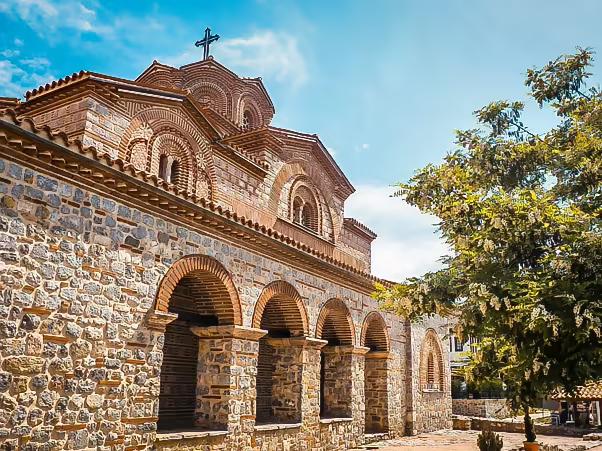
Macedonia del Norte se encuentra en la encrucijada de los Balcanes, un país de antiguas ciudades junto a lagos, bazares de la era otomana y uno de los costos de vida más bajos de Europa. Ya sea que se sienta atraído por las orillas del lago Ohrid, declarado Patrimonio de la Humanidad por la UNESCO, la creciente escena nómada digital en Skopje o simplemente la oportunidad de estirar su presupuesto más que en casi cualquier otro lugar del continente, esta guía cubre cada paso para mudarse a Macedonia del Norte en 2026. Desde reglas de visa y registro de residencia hasta atención médica, banca, vivienda e integración cultural, encontrará información práctica y específica de cada país para planificar su mudanza con confianza.
Macedonia del Norte de un vistazo
- Población
- ~1.83 millones
- Capital
- Skopie
- Moneda
- Denar macedonio (MKD)
- Salario medio
- ~35,000–47,000 MKD/mes (~€570–€765)
- Idioma
- macedonio; El albanés se habla mucho en las regiones occidentales; El inglés es cada vez más común entre los jóvenes de las ciudades
- Clima
- Continental: veranos calurosos (30–38 °C), inviernos fríos (−5 a 5 °C); más suave alrededor del lago Ohrid
- Zona horaria
- CET (UTC+1) / CEST (UTC+2, verano)
Por qué mudarse a Macedonia del Norte en 2026
- Extremadamente asequible: Macedonia del Norte se clasifica constantemente entre los países menos costosos de Europa, y el alquiler, los alimentos y las cenas cuestan una fracción de los precios de Europa occidental.
- Visa: entrada gratuita para muchos: los ciudadanos de la UE, EEE, EE. UU., Canadá, Australia y muchos otros países pueden ingresar sin visa por hasta 90 días, lo que le brinda tiempo para explorar antes de comprometerse.
- Seguro y acogedor: las tasas de delitos violentos son muy bajas. La hospitalidad macedonia (la tradición de dar la bienvenida a los extraños con comida, bebida y conversación) es genuina y está profundamente arraigada.
- El lago Ohrid y la belleza natural: el lago Ohrid, uno de los lagos más antiguos y profundos de Europa, es Patrimonio de la Humanidad por la UNESCO. El país también ofrece parques nacionales, cadenas montañosas y cañones fluviales.
- País candidato a la UE: Macedonia del Norte es un país candidato a la UE, lo que significa una alineación regulatoria gradual con los estándares europeos. Esto la convierte en una apuesta atractiva a largo plazo para los expatriados.
- Creciente comunidad de nómadas digitales y expatriados: Skopje, Bitola y Ohrid tienen espacios de coworking en expansión, cafeterías con Wi-Fi confiable y una comunidad internacional pequeña pero en crecimiento.
Costos de mudanza a Macedonia del Norte
Los costos de reubicación dependen del volumen del envío, el método de transporte, el país de origen y las tarifas de manejo aduanero. A continuación se muestran los rangos típicos del mercado a mediados de 2025:
| Origin | Estimated Cost Range | Container/Volume |
|---|---|---|
| Western Europe (e.g. Germany, Netherlands) | €900–€2,500 | 20-ft container |
| UK / Ireland | €1,200–€3,000 | 20-ft container |
| North America | €2,500–€5,500 | 20-ft container |
| Within the Balkans (e.g. Serbia, Bulgaria) | €400–€1,200 | Shared or full container |
| Air freight (any origin) | €3.50–€7.00+ per kg | Small shipments |
Explicación de los costos de los componentes
- Transporte: €400–€3,500 dependiendo de la distancia y el tamaño del contenedor. El transporte por carretera es el método más común desde orígenes europeos.
- Seguro: €50–€200 para cobertura básica de tránsito; El seguro a todo riesgo cuesta más, pero se recomienda para artículos valiosos.
- Despacho de Aduana: €100–€350 para documentación, honorarios de intermediario y manejo de inspección en frontera.
- Materiales de embalaje: €80–€250 para embalaje profesional de un hogar estándar.
- Almacenamiento (si es necesario): €30–€80 por mes en Skopje; menos en las ciudades más pequeñas.
- Tarifas administrativas: €50–€150 para traducciones notariadas, certificados y permisos.
¿Necesita un presupuesto personalizado?
Obtenga tres cotizaciones examinadas de empresas de mudanzas en menos de horas 48.
Visa y requisitos de residencia
Visa-Entrada libre
Los ciudadanos de la UE, EEE, EE. UU., Canadá, Australia, Nueva Zelanda y muchos otros países pueden ingresar a Macedonia del Norte sin visa y permanecer hasta 90 días dentro de cualquier período de 180 días. Este es tiempo suficiente para explorar el país, ver apartamentos y comenzar el proceso del permiso de residencia.
Permiso de Residencia Temporal
Empleo
- Requisitos: contrato de trabajo firmado, carta de patrocinio del empleador, comprobante de calificaciones, pasaporte, seguro médico y comprobante de alojamiento.
- Tiempo de procesamiento: 2–6 semanas.
- Duración: Hasta 1 año, renovable anualmente.
- Detalles clave: Su empleador normalmente inicia la solicitud de permiso de trabajo en su nombre antes de que usted solicite la residencia.
Autoempleo / Negocios
- Requisitos: prueba de registro empresarial en Macedonia del Norte, prueba de ingresos o capital suficiente, pasaporte, seguro médico y prueba de alojamiento.
- Tiempo de procesamiento: 3–8 semanas.
- Duración: Hasta 1 año, renovable.
- Detalles clave: debe registrar una empresa (DOO u otro tipo de entidad) en el Registro Central antes de presentar la solicitud.
estudiar
- Requisitos: Carta de aceptación de una universidad reconocida de Macedonia del Norte, prueba de medios económicos, seguro médico, pasaporte y alojamiento.
- Tiempo de procesamiento: 2–4 semanas.
- Duración: Duración del programa de estudios, renovable anualmente.
- Detalles clave: las universidades de Skopje, Bitola y Tetovo aceptan estudiantes internacionales; Algunos programas se imparten en inglés.
Reunificación Familiar
- Requisitos: Justificante de parentesco (acta de matrimonio o nacimiento), permiso de residencia del patrocinador, justificante de alojamiento y medios económicos.
- Tiempo de procesamiento: 4–8 semanas.
- Duración: Coincide con la duración del permiso del patrocinador.
- Pasaporte válido (validez mínima de 6 meses más allá de la estancia prevista)
- Formulario de solicitud completado
- Comprobante de alojamiento (contrato de alquiler o escritura de propiedad)
- Certificado de seguro médico
- Prueba de medios económicos (extractos bancarios, contrato de trabajo)
- Verificación de antecedentes penales de su país de origen (apostillada)
- Fotografías tamaño pasaporte
- Ingrese a Macedonia del Norte sin visa (si es elegible) o con la visa apropiada.
- Dentro de las horas 48 de su llegada (horas 24 si se hospeda en un hotel, que se encarga de esto por usted), regístrese en la comisaría de policía más cercana; su arrendador también puede encargarse de esto.
- Alojamiento seguro y obtención de un contrato de alquiler firmado.
- Reúna todos los documentos requeridos, incluida la verificación de antecedentes apostillada y los certificados traducidos.
- Envíe su solicitud de permiso de residencia temporal en la oficina local MVR.
- Pague la tarifa de solicitud (actualmente ~4,500 MKD / ~€73).
- Asistir a cualquier cita requerida o recolección de datos biométricos.
- Reciba su tarjeta de residencia, normalmente en un plazo de semanas 2–6.
Encontrar vivienda en Macedonia del Norte
El mercado de alquiler en Macedonia del Norte es asequible para los estándares europeos y relativamente informal en comparación con Europa occidental. La mayoría de los alquileres aparecen en plataformas en línea y a través de agentes locales. Los arrendamientos suelen ser de meses 12, aunque son posibles acuerdos más cortos. Un depósito de seguridad de 1–3 meses de alquiler es estándar, junto con el pago del primer mes por adelantado.
Alquileres promedio por ciudad principal (2026)
| City | 1-Bedroom (City Centre) | 1-Bedroom (Outside Centre) | 3-Bedroom (City Centre) |
|---|---|---|---|
| Skopje | 15,000–27,000 MKD (€245–€440) | 10,000–18,000 MKD (€165–€295) | 25,000–45,000 MKD (€410–€735) |
| Bitola | 10,000–18,000 MKD (€165–€295) | 7,000–12,000 MKD (€115–€195) | 15,000–28,000 MKD (€245–€460) |
| Ohrid | 12,000–22,000 MKD (€195–€360) | 8,000–15,000 MKD (€130–€245) | 18,000–35,000 MKD (€295–€570) |
| Kumanovo | 9,000–16,000 MKD (€145–€260) | 6,000–11,000 MKD (€100–€180) | 14,000–24,000 MKD (€230–€390) |
Terminología de alquiler local
- Стан (Stan): Apartamento. El tipo de alquiler más común en las ciudades.
- Кирија (Kirija): Alquiler. Escuchará esta palabra en cada conversación sobre vivienda.
- Депозит (Depozit): Depósito de seguridad, generalmente 1–3 meses de alquiler.
- Комуналии (Komunalii): Servicios públicos: electricidad, agua, calefacción, recogida de residuos. Generalmente se paga por separado del alquiler.
Cómo encontrar vivienda
Plataformas en línea:
- Pazar3: El sitio de anuncios clasificados más grande de Macedonia del Norte; extensos listados de alquiler.
- Reklama5: otra plataforma de anuncios clasificados popular con una sección dedicada a bienes raíces.
- Grupos de Facebook: grupos como "Apartamentos en alquiler en Skopje" y grupos comunitarios de expatriados son fuentes activas de listados.
Recursos locales:
- Agentes inmobiliarios (агент за недвижности): los agentes suelen cobrar un mes de alquiler como comisión. Son útiles si no hablas macedonio.
- Boca a boca: pregunte a colegas, vecinos o propietarios de cafeterías; muchos alquileres se encuentran a través de conexiones personales.
Consejos para extranjeros que encuentran vivienda
- Visite siempre el apartamento en persona antes de firmar un contrato de arrendamiento o pagar un depósito.
- Confirme lo que está incluido en el alquiler: algunos propietarios incluyen servicios públicos combinados, pero la mayoría no.
- Solicitar un contrato de arrendamiento por escrito en macedonio; haga que lo traduzcan antes de firmar si es necesario.
- Fotografíe el estado del apartamento el día de la mudanza para proteger su depósito.
Contrato de alquiler y protección legal
Los arrendamientos deben registrarse en la oficina tributaria local para obtener protección legal, aunque la aplicación de los derechos de los inquilinos puede ser más débil que en Europa occidental. Los períodos de notificación estándar son meses 1–3. Los propietarios generalmente no pueden desalojar sin causa durante un contrato de arrendamiento válido. Si surgen disputas, el tribunal municipal se encarga de los casos de alquiler.
Advertencia: estafas de alquiler
- Nunca transfiera dinero a un "propietario" que no haya conocido en persona.
- Tenga cuidado con los precios muy por debajo de los precios del mercado, especialmente para los apartamentos en el centro de Skopje.
- Insista en ver la propiedad y verificar la identidad del propietario antes de pagar nada.
Atención sanitaria y seguros
Macedonia del Norte opera un sistema de salud público financiado por contribuciones obligatorias al seguro médico, complementado por un sector privado en crecimiento. La calidad de la atención varía: los hospitales más grandes de Skopje ofrecen instalaciones modernas, mientras que las clínicas rurales pueden tener recursos limitados.
Seguro de salud pública
- Costo: Las contribuciones obligatorias se deducen del salario (~7.5% de participación de los empleados); los trabajadores autónomos pagan ~10.6%.
- Cobertura: visitas al médico de cabecera, derivaciones a especialistas, tratamiento hospitalario, atención de emergencia y medicamentos subsidiados.
- Elegibilidad: Todos los residentes con un permiso de residencia válido deben inscribirse a través del Fondo de Seguro Médico (Фонд за здравствено осигурување, HIF).
- Ideal para: residentes a largo plazo y empleados que buscan una cobertura básica asequible.
Seguro médico privado
- Costo: ~€300–€800 por año según la edad, el nivel de cobertura y el proveedor.
- Cobertura: acceso más rápido a especialistas, clínicas privadas, atención dental y opciones de cobertura internacional.
- Elegibilidad: Disponible para todos; a menudo comprados por expatriados y residentes de mayores ingresos.
- Ideal para: quienes desean tiempos de espera más cortos, médicos que hablen inglés y acceso a clínicas privadas en Skopje.
Principales proveedores de seguros
- HIF (Фонд за здравствено осигурување): El fondo público de salud obligatorio. Cubre servicios esenciales pero puede implicar tiempos de espera.
- UNIQA Osiguruvanje: Ofrece planes de salud privados con acceso a clínicas privadas y cobertura internacional.
- Sava Osiguruvanje: Otra aseguradora privada que ofrece paquetes de salud integrales y complementarios.
Obtener cobertura de atención médica (cronograma)
-
Obtén tu EMBS y permiso de residencia.
-
Regístrese en el HIF en su sucursal local, trayendo su EMBS, pasaporte y permiso de residencia.
-
Seleccione un médico de cabecera (општ лекар) en un centro de salud público.
-
Reciba su libreta de seguro médico (здравствена книшка).
-
Si compra un seguro privado, comuníquese directamente con el proveedor para obtener una póliza; la cobertura puede comenzar en unos días.
Costos de bolsillo (sin seguro)
- Visita al médico de cabecera: 500–1,500 MKD (~€8–€25)
- Consulta especializada: 1,500–4,000 MKD (~€25–€65)
- Limpieza dental básica: 1,000–3,000 MKD (~€16–€49)
- Día de hospital (público): 2,000–5,000 MKD (~€33–€82)
- Medicamentos recetados: a menudo subsidiados; Los genéricos comunes son muy asequibles.
Obtenga un plan de reubicación personalizado
Envíe su correo electrónico y le enviaremos una lista de verificación personalizada más tres cotizaciones de empresas de mudanzas examinadas.
Banca y Finanzas
Abrir una cuenta bancaria
Abrir una cuenta bancaria en Macedonia del Norte es sencillo para los residentes y, en general, es posible para los no residentes con una identificación válida.
- Cuándo: Tan pronto como tenga su EMBS, este número es obligatorio para la mayoría de los tipos de cuentas.
- Documentos requeridos: Pasaporte, EMBS, comprobante de domicilio (contrato de alquiler) y permiso de residencia (para residentes). Los no residentes pueden abrir cuentas limitadas con sólo un pasaporte.
- Los mejores bancos para expatriados:
- Stopanska Banka (Стопанска банка): el banco más grande de Macedonia del Norte; Amplia red de sucursales y cajeros automáticos, banca en línea en inglés y servicios de transferencias internacionales.
- Komercijalna Banka (Комерцијална банка): Uno de los bancos más antiguos y establecidos; sólida plataforma de banca digital y servicios amigables para los expatriados.
- NLB Tutunska Banka: parte del grupo esloveno NLB; bueno para la banca transfronteriza dentro de los Balcanes.
- Sparkasse Banka Makedonija: parte del grupo austriaco Sparkasse; Confiable para servicios estándar europeos y soporte en inglés.
Obtener su número de identificación fiscal (TIN)
- Qué es: El NIF (Единствен даночен број, ЕДБ) lo emite la Oficina de Ingresos Públicos (Управа за јавни приходи, UJP). Está separado de su EMBS pero es igualmente importante.
- Cuando se emite: al comenzar a trabajar o registrar una empresa; su empleador a menudo maneja la solicitud.
- Por qué lo necesita: Necesario para contratos laborales, declaraciones de impuestos, transacciones inmobiliarias y determinadas cuentas bancarias.
Características y costos de la cuenta bancaria
- Cuota mensual: 100–300 MKD (~€1.60–€4.90) dependiendo del banco y tipo de cuenta.
- Tarjeta de débito: Generalmente incluida con la cuenta; Débito Mastercard o Visa.
- Tarjeta de crédito: Disponible en la mayoría de los bancos; Se aplican requisitos de ingresos.
- Transferencias internacionales: 500–2,500 MKD (~€8–€41) por transferencia; Las transferencias SWIFT son estándar. Wise y Revolut se utilizan cada vez más para realizar transferencias más económicas.
Cultura de pago
Macedonia del Norte sigue siendo una sociedad con mucho dinero en efectivo, aunque la aceptación de tarjetas está creciendo rápidamente en Skopje y las ciudades más grandes. Los pagos sin contacto y la banca móvil son cada vez más comunes, especialmente entre los residentes más jóvenes. Los mercados, las pequeñas tiendas y las zonas rurales suelen preferir el efectivo. Los cajeros automáticos están ampliamente disponibles y aceptan tarjetas internacionales.
Costo de vida en Macedonia del Norte
Macedonia del Norte es uno de los países más asequibles de Europa. Una sola persona puede vivir cómodamente con un presupuesto moderado y las familias se benefician de bajos costos de vivienda, alimentación y transporte.
Desglose del presupuesto mensual por ciudad
| City | One-Person Budget | Family of 3 Budget | Cost Level |
|---|---|---|---|
| Skopje | 30,000–45,000 MKD (€490–€735) | 55,000–80,000 MKD (€900–€1,305) | Low–Moderate |
| Bitola | 25,000–38,000 MKD (€410–€620) | 45,000–68,000 MKD (€735–€1,110) | Low |
| Ohrid | 27,000–40,000 MKD (€440–€655) | 48,000–72,000 MKD (€785–€1,175) | Low |
| Kumanovo | 24,000–36,000 MKD (€390–€590) | 42,000–65,000 MKD (€685–€1,060) | Low |
Desglose de costos detallado
Vivienda:
- 1 apartamento de un dormitorio (centro de la ciudad): 15,000–27,000 MKD/mes (€245–€440)
- 3 apartamento de un dormitorio (centro de la ciudad): 25,000–45,000 MKD/mes (€410–€735)
- Servicios públicos (electricidad, agua, calefacción, residuos): 4,000–9,000 MKD/mes (€65–€147)
- Internet (50+ Mbps): 800–1,500 MKD/mes (€13–€25)
Abarrotes y comida:
- Comestibles semanales (1 persona): 2,500–4,500 MKD (€41–€73)
- Comida de restaurante (informal, por ejemplo, burek y yogur): 150–350 MKD (€2.50–€5.70)
- Comida en restaurante (rango medio, cursos 2): 600–1,200 MKD (€10–€20)
- Cerveza nacional (0.5L, bar): 100–180 MKD (€1.60–€2.95)
Transporte:
- Abono mensual de transporte público (Skopje): 1,200 MKD (~€20)
- Billete sencillo de autobús: 35 MKD (~€0.57)
- Salida de taxi + por km: 50 MKD + 30 MKD/km (~€0.80 + €0.49/km)
- Gasolina (1L): 85–100 MKD (~€1.40–€1.65)
Seguros y atención sanitaria:
- Seguro médico público (autónomos): ~10.6% de los ingresos declarados
- Seguro médico privado: 18,000–49,000 MKD/año (€295–€800)
Ocio y Entretenimiento:
- Membresía de gimnasio: 1,200–3,000 MKD/mes (€20–€49)
- Entrada de cine: 250–400 MKD (€4.10–€6.55)
- Streaming (estándar Netflix): ~500 MKD/mes (~€8)
Comparación con otros países
- vs Alemania: Macedonia del Norte es aproximadamente 55–65% más barata en la mayoría de las categorías de gastos.
- vs Serbia: Macedonia del Norte es aproximadamente 10–20% más barata, especialmente en alquiler y comidas.
- vs Grecia: Macedonia del Norte es aproximadamente 30–45% más barata y con un alquiler significativamente más bajo.
Consejos de idioma y cultura
¿Necesitas macedonio?
En el centro de la ciudad de Skopje, en las zonas turísticas y entre las generaciones más jóvenes, puedes arreglártelas con el inglés para las tareas diarias. Sin embargo, para los procesos burocráticos (oficinas gubernamentales, policía, autoridades fiscales), la atención sanitaria y las interacciones en ciudades más pequeñas y zonas rurales, el macedonio es esencial. Aprender incluso macedonio básico mejorará drásticamente su vida diaria y su obtención de buena voluntad.
Niveles de idioma macedonio (MCER)
- A1 (Principiante): Saludos, números, pedir comida, indicaciones básicas: se pueden lograr en 2–3 meses de estudio.
- A2 (Elemental): Conversaciones sencillas, compras, descripción de tu rutina diaria — 4–6 meses.
- B1 (Intermedio): Discutir temas familiares, comprender la mayoría de las interacciones cotidianas: meses 8–12.
- B2 (Intermedio superior): Comunicación profesional, seguimiento de noticias locales, conversación matizada — 18+ meses.
Recursos para el aprendizaje de idiomas
- Centro de idiomas de la Universidad de Skopje: ofrece cursos de macedonio para extranjeros en varios niveles.
- iTalki / Preply: tutores en línea que ofrecen lecciones de macedonio.
- "Macedonio: un curso para estudiantes principiantes e intermedios" de Christina E. Kramer: el libro de texto estándar.
- Grupos de intercambio de idiomas: los grupos de Meetup y Facebook en Skopje conectan a los estudiantes con hablantes nativos.
Términos locales clave que debe conocer
- Здраво (Zdravo): Hola, informal, muy utilizado.
- Ви благодарам (Vi blagodaram): Gracias (formal).
- Кирија (Kirija): Alquiler.
- Комуналии (Komunalii): Servicios públicos.
- Здравствена книшка (Zdravstena knishka): Folleto del seguro médico.
- ЕМБС (EMBS): Número de identificación personal para extranjeros.
- Валута (Valuta): Oficina de cambio de moneda, común en todas las calles de Skopje.
- Кафана (Kafana): Restaurante tradicional; el corazón de la vida social macedonia.
Normas culturales y etiqueta
Hostelería (Гостопримство):
- Los macedonios se toman en serio la hospitalidad: si los invitan a la casa de alguien, esperan que les ofrezcan café, rakija y comida repetidamente. Negarse puede considerarse descortés; al menos prueba lo que te ofrecen.
- Llevar un pequeño obsequio (vino, bombones, flores) cuando se visita una vivienda es una práctica habitual.
Religión y Respeto:
- Macedonia del Norte tiene importantes comunidades cristianas ortodoxas y musulmanas. Respete ambas tradiciones: vístase con modestia cuando visite iglesias o mezquitas y tenga en cuenta las festividades religiosas como la Pascua ortodoxa y el Eid.
- Las fiestas religiosas son eventos culturales importantes; Espere cierres y reuniones familiares.
Interacción social:
- Los saludos suelen implicar un apretón de manos; Los amigos cercanos saludan con besos en ambas mejillas.
- Los macedonios son directos y cálidos en la conversación. No se deje sorprender por preguntas personales al principio de una amistad: es una señal de interés, no de intrusión.
- La cultura del café es fundamental para la vida social. Acepte invitaciones para tomar un café (кафе): así es como se construyen las relaciones.
Cultura de comida y bebida:
- Ајвар (Ajvar): Un pimiento rojo asado para untar, a menudo llamado "caviar vegetal". La elaboración casera de ajvar en otoño es una tradición comunitaria.
- Ракија (Rakija): Aguardiente de frutas, normalmente de ciruela o uva. Ofrecido como bebida de bienvenida; Rechazar cortésmente una vez es aceptable, pero compartir una copa es la forma más rápida de conectarse.
- Las comidas son eventos sociales; no se apresure a realizarlas.
Integración Social
- Comunidades de expatriados: grupos de Facebook como "Expatriados en Skopje" y "Extranjeros en Macedonia del Norte" organizan reuniones periódicas.
- Espacios de coworking: Hub Skopje, Public Room y otros espacios en Skopje atraen a autónomos y trabajadores remotos.
- Voluntariado: Organizaciones como la Cruz Roja y ONG locales ofrecen oportunidades para conocer gente y contribuir a la comunidad.
- Deportes y recreación: Los clubes de senderismo, las ligas de fútbol y los grupos de ciclismo son populares y acogedores para los recién llegados.
Lista de verificación de mudanzas
- Visa de investigación y requisitos de residencia; comenzar la recopilación de documentos.
- Obtenga una verificación de antecedentes penales apostillada en su país de origen.
- Comience a recopilar registros médicos y dentales.
- Comience a investigar empresas de mudanzas internacionales y solicite cotizaciones.
- Comience el estudio básico del idioma macedonio.
- Conseguir empleo o confirmar planes de negocio/autoempleo.
- Reserva tu empresa de mudanzas y confirma fechas de envío.
- Contrata un seguro médico para tus primeras semanas (póliza de viaje o de corta duración).
- Empiece a buscar alojamiento online (Pazar3, Reklama5, grupos de Facebook).
- Notifique a su banco y a las compañías de tarjetas de crédito sobre su mudanza.
- Confirmar alojamiento en Macedonia del Norte (al menos temporal).
- Enviar o empacar pertenencias; preparar lista de inventario aduanero.
- Obtener traducciones certificadas de documentos clave (acta de nacimiento, certificado de matrimonio, diplomas).
- Cancele o redirija servicios públicos y suscripciones en su país de origen.
- Confirme los detalles de llegada con su arrendador o alojamiento temporal.
- Imprime y organiza todos los documentos: pasaporte, visa, contrato de alquiler, seguro, inventario.
- Retira algo de MKD en efectivo durante tus primeros días (o planea cambiarlo a tu llegada).
- Notifique a su embajada o consulado en Macedonia del Norte de su llegada.
- Regístrese en la comisaría de policía más cercana dentro de las horas 24 posteriores a su llegada.
- Recoge las llaves e inspecciona tu apartamento; documentar su estado.
- Compra una tarjeta SIM local (T-Mobile, A1 o LycaMobile) para llamadas y datos.
- Configure los servicios básicos si no están incluidos en el alquiler.
- Solicite su EMBS en la oficina administrativa local.
- Abra una cuenta bancaria (Stopanska, Komercijalna, NLB Tutunska o Sparkasse).
- Regístrese en la Caja del Seguro Médico (HIF) y elija un médico de cabecera.
- Presenta tu solicitud de permiso de residencia temporal en la oficina MVR.
- Explora tu barrio: localiza el mercado, la farmacia y las paradas de transporte público más cercanas.
- Reciba su tarjeta de residencia y la confirmación EMBS.
- Regístrese para obtener el número de impuestos de la Oficina de Ingresos Públicos (UJP) si comienza a trabajar.
- Configure la banca móvil y el pago automático de servicios públicos.
- Únase a grupos sociales y de expatriados locales para comenzar a construir una red.
- Explora más allá de tu ciudad: visita el lago Ohrid, Bitola o el cañón Matka.
Dónde encontrar herramientas y recursos
Herramientas ReloAdvisor:
- Calculadora de volumen: calcule el tamaño de su envío
- Encuesta en video: obtenga una evaluación remota de empresas de mudanzas
- Calculadora de costos de mudanza: compare cotizaciones para su reubicación
Recursos oficiales de Macedonia del Norte:
- Ministerio de Relaciones Exteriores — Visa Información
- Ministerio del Interior — Permisos de residencia
- Oficina de Ingresos Públicos (UJP)
- Fondo de Seguro Médico (FZO)
Comunidades de expatriados:
- Facebook: "Expatriados en Skopje"
- Facebook: "Extranjeros en Macedonia del Norte"
- InterNations Macedonia del Norte
Guías relacionadas:
- Mudarse a Montenegro
- Mudarse a Serbia
- Mudarse a Bulgaria