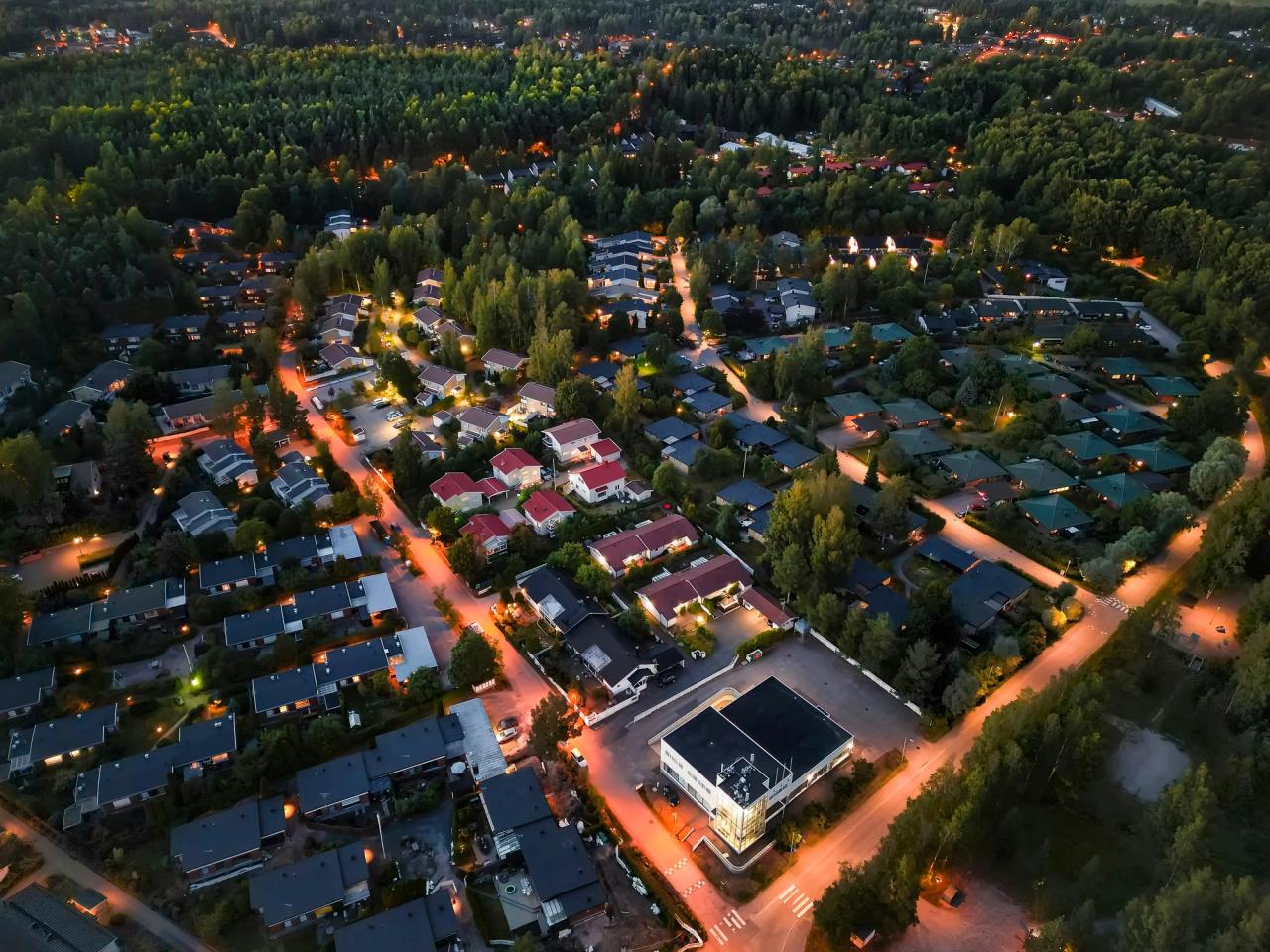
Espoo es la segunda ciudad más grande de Finlandia y el corazón palpitante del sector tecnológico del país, situada justo al oeste de Helsinki, en la costa norte del golfo de Finlandia. Sede del campus de Otaniemi de Aalto University, de la sede central de Nokia y de una densa concentración de startups y laboratorios de I+D en Keilaniemi, Espoo atrae a ingenieros, investigadores y nómadas digitales de todo el mundo. A diferencia del núcleo urbano compacto de Helsinki, Espoo se extiende por cinco centros urbanos distintos —Tapiola, Leppävaara, Espoon Keskus, Matinkylä y Espoonlahti—, cada uno con identidad propia, todos conectados por la línea Länsimetro, rutas costeras y el amplio Nuuksio National Park en su extremo occidental. Si quiere vivir cerca de Helsinki, con más espacio, alquileres más bajos y una conexión directa con la economía de innovación de Finlandia, Espoo es una gran elección.
Espoo de un vistazo
Población
~325,000 (parte del área metropolitana de Helsinki, de ~1.6M)
Región
Uusimaa, sur de Finlandia
Conocida por
Aalto University, sede central de Nokia, Nuuksio National Park, polo tecnológico de Otaniemi
Alquiler medio (1 dormitorio)
€750–€1,100
Salario medio
€3,200–€4,000 netos/mes (más alto en el sector tecnológico)
Comunidad expatriada
Grande y en crecimiento; fuerte en Otaniemi/Keilaniemi por la tecnología y el ámbito académico
Por qué mudarse a Espoo
Epicentro tecnológico y de innovación: el corredor Otaniemi–Keilaniemi reúne a Nokia, Rovio, redes de antiguos empleados de Supercell, Aalto University y decenas de startups de deep tech, lo que convierte a Espoo en una de las concentraciones de innovación más densas del norte de Europa.
Naturaleza dentro de la ciudad: Nuuksio National Park ofrece senderos señalizados, refugios junto a lagos y acampada en plena naturaleza a solo 30 minutos en autobús desde Tapiola, algo poco habitual en una ciudad de este tamaño.
Más asequible que Helsinki: los alquileres suelen ser un 10–20% más bajos que en barrios comparables de Helsinki, manteniendo trayectos de menos de 25 minutos en metro.
Bilingüe y con orientación internacional: Finlandia es oficialmente bilingüe en finés y sueco, y Espoo tiene una de las proporciones más altas de hablantes de sueco del país, además de una gran comunidad internacional, por lo que el inglés funciona en casi cualquier situación cotidiana.
Infraestructura ideal para familias: Espoo figura de forma constante entre las ciudades más seguras de Finlandia, con guarderías públicas bien financiadas (päiväkoti), amplios parques y sistemas escolares que apoyan la enseñanza en finés y sueco, además de programas internacionales IB.
Acceso a la costa y al archipiélago: con 58 km de costa báltica y 165 islas, Espoo ofrece vela, kayak y vida de playa en verano; las conexiones en barco desde Soukka y Kivenlahti convierten las escapadas entre islas en una rutina de fin de semana, no en una actividad de vacaciones.
Encontrar vivienda en Espoo
Alquileres medios
Barrio
1 dormitorio
3 dormitorios
Carácter
Tapiola
€900–€1,200
€1,600–€2,200
Arquitectura de ciudad jardín, espacios culturales, zona premium
Leppävaara
€800–€1,100
€1,400–€1,900
Nodo de transporte, centro comercial activo, buena relación calidad-precio
Matinkylä
€800–€1,050
€1,400–€1,800
Zona comercial, terminal de metro, orientada a familias
Otaniemi
€700–€1,000
€1,200–€1,700
Vivienda para estudiantes e investigadores, ambiente de campus
Espoon Keskus
€650–€900
€1,100–€1,600
Asequible, más tranquila, en proceso de remodelación
Haukilahti
€850–€1,150
€1,500–€2,100
Vida junto al mar, residencial, popular entre familias
Espoonlahti
€750–€1,000
€1,300–€1,800
Suburbana, cerca del Jorvi Hospital, zona en crecimiento
Soukka/Kivenlahti
€700–€950
€1,200–€1,700
Costa asequible, acceso al metro, más tranquila
Cómo encontrar vivienda
Vuokraovi.com: el mayor portal de alquileres de Finlandia; filtre por Espoo y cercanía al metro para obtener los mejores resultados.
Oikotie.fi: portal premium usado por propietarios privados y agencias; incluye anuncios en inglés para el área metropolitana de Helsinki.
HOAS (Helsinki Foundation for Student Housing): si está matriculado en Aalto University u otra institución, HOAS ofrece apartamentos subvencionados en Otaniemi y Leppävaara.
Etuovi.com: portal amplio que incluye tanto alquileres como propiedades en venta en todo Espoo.
Grupos de Facebook: "Apartments in Helsinki/Espoo" y "Vuokra-asunnot Helsinki/Espoo/Vantaa" son mercados activos para subarriendos y acuerdos directos con propietarios.
Consejos para expatriados
Regístrese en Maistraatti (oficina del registro local) con su dirección de Espoo durante las primeras semanas: su municipio de registro determina el acceso a la sanidad, los impuestos y los derechos de voto.
Los propietarios suelen pedir prueba de ingresos o un avalista finlandés; un contrato laboral local cumple la mayoría de los requisitos.
La mayoría de los apartamentos incluyen frigorífico y cocina/horno; los inquilinos suelen aportar su propio lavavajillas, lavadora y lámparas.
La calefacción es casi siempre calefacción urbana (kaukolämpö) y está incluida en los suministros o en el alquiler; los inviernos finlandeses no son ninguna broma, pero la temperatura interior suele ser cálida y constante.
Los contratos de alquiler suelen ser indefinidos (toistaiseksi voimassa), con un preaviso de un mes para el inquilino; los contratos de duración determinada (määräaikainen) también son comunes, pero más difíciles de rescindir antes de tiempo.
Prevea pagar una fianza de 1–3 meses de alquiler; las fianzas de las viviendas estudiantiles de HOAS son más bajas, normalmente €200–€500.
Si su alquiler está por encima del precio de mercado, puede solicitar una reducción a través de la Espoon vuokralautakunta (Junta de Alquileres de Espoo), un servicio municipal gratuito que media en disputas entre inquilinos y propietarios.
Guía de barrios
Tapiola: la "ciudad jardín" original, diseñada en la década de 1950 con arquitectura modernista integrada entre bosques y costa. Alberga el EMMA (Espoo Museum of Modern Art), el Espoo Cultural Centre y el centro de exposiciones WeeGee. Sus alquileres están entre los más altos de Espoo. Ideal para profesionales y amantes de la cultura que quieren zonas verdes con acceso al metro.
Leppävaara: el nodo de transporte más activo de Espoo; la estación de tren de Leppävaara conecta con Helsinki Central en 12 minutos, y el centro comercial Sello se encuentra justo encima. Bloques residenciales densos, instalaciones deportivas (Leppävaara Sports Park) y una amplia mezcla de restaurantes. Buena opción para quienes se desplazan a diario y para familias que quieren comodidad.
Otaniemi: el distrito del campus de Aalto University y la mayor concentración de empresas tecnológicas y laboratorios de investigación de Finlandia. Predomina la vivienda de Teekkarikylä (aldea estudiantil), pero las nuevas torres residenciales en Keilaniemi añaden opciones para no estudiantes. Lo mejor para estudiantes, investigadores y empleados de startups que quieren vivir donde trabajan.
Matinkylä: la terminal occidental de la línea Länsimetro, centrada en el enorme centro comercial Iso Omena (ampliado en 2016 con biblioteca, centro de salud y servicios culturales bajo un mismo techo). Densamente construida, pero bien servida por el transporte público. Popular entre familias gracias a las escuelas, parques y zonas costeras cercanas.
Espoon Keskus: el centro administrativo de Espoo, más asequible y menos pulido que Tapiola o Leppävaara. La catedral de Espoo (Espoon tuomiokirkko), que data de la década de 1480, ancla el núcleo histórico del pueblo. Está experimentando una gran remodelación con nuevos proyectos residenciales y comerciales. Buena opción para inquilinos con presupuesto ajustado.
Haukilahti/Westend: barrios costeros al este de Tapiola con viviendas frente al mar, puertos para embarcaciones pequeñas y calles residenciales tranquilas. Westend es una de las zonas de código postal más acomodadas de Finlandia. Los alquileres son altos, pero obtiene vistas al mar y ambiente suburbano a menos de 20 minutos de Helsinki en autobús o coche.
Espoonlahti: el centro urbano del suroeste, articulado por la estación Espoonlahti de Länsimetro y el centro comercial Espoonlahti. Está cerca del Jorvi Hospital, por lo que resulta práctico para trabajadores sanitarios. La playa cercana de Haukilahti y el sendero costero añaden atractivo recreativo. Los alquileres son moderados y la zona es popular entre familias que quieren acceso a la costa sin los precios de Tapiola.
Soukka y Kivenlahti: los barrios más meridionales y asequibles de Espoo con servicio de metro. Kivenlahti es la actual terminal occidental de Länsimetro, inaugurada en diciembre de 2022. Ambas zonas son tranquilas, residenciales y cercanas a la costa, ideales para inquilinos centrados en el presupuesto que aun así quieren acceso en metro a Helsinki. El embarcadero del archipiélago de Espoo en Kivenlahti conecta con destinos insulares en verano.
Almuerzo (informal, por ejemplo, zona de comida de Sello): €10–€14
Abono mensual de transporte (zona HSL AB): €62
Cerveza (bar, 0.5L): €7–€9
Entrada de cine: €14–€17
Cuota de gimnasio (Elixia o Fitness24Seven): €30–€55/mes
Visita al médico de cabecera (clínica privada, antes del reembolso de Kela): €70–€120
Compra de alimentos (K-Citymarket Sello o Prisma Matinkylä): comparable a los precios de Helsinki
Productos de Kauppahalli (mercado cubierto): de temporada y a menudo más baratos que los supermercados en verano
Moverse por Espoo
Transporte público: Espoo está servida por la red HSL (Helsinki Regional Transport Authority). La ampliación de Länsimetro se abrió en dos fases —Ruoholahti–Matinkylä en noviembre de 2017 y Matinkylä–Kivenlahti en diciembre de 2022—, conectando Espoo con Helsinki a través de Keilaniemi, Aalto University, Tapiola y, desde allí, con Helsinki Central Station. El abono mensual de la zona HSL AB cuesta €62 y cubre todos los viajes en metro, autobús y tren de cercanías dentro de la zona.
Trenes de cercanías: los trenes L, A, E y U paran en Leppävaara, Espoo, Kauniainen y Kilo; de Leppävaara a Helsinki Central son unos 12 minutos.
Bicicleta: Espoo cuenta con una red en expansión de baana (carriles bici segregados). La ruta costera de Haukilahti a Helsinki es popular entre quienes se desplazan a diario. Las bicicletas urbanas están disponibles a través del sistema HSL de abril a octubre.
Coche: Kehä I (Ring Road I) cruza Espoo de este a oeste y conecta con Helsinki y Vantaa; Kehä III (Ring Road III) pasa por el norte de Espoo. La congestión en hora punta en Kehä I y Länsiväylä (Western Highway) es considerable; la mayoría de quienes se desplazan a diario prefieren el metro o el tren. Aparcar en los centros de Tapiola y Leppävaara es de pago y a menudo requiere permiso en zonas residenciales.
Aeropuerto: Helsinki-Vantaa Airport (HEL) está a 25–35 minutos en coche o unos 45 minutos en tren (vía Helsinki Central) desde el centro de Espoo. También operan conexiones directas de autobús desde Espoo. El aeropuerto es la principal puerta internacional de Finlandia, con vuelos directos por Europa, Asia y Norteamérica.
Interurbano: los trenes de larga distancia salen de Helsinki Central; la estación de Leppävaara también sirve algunos trenes hacia Turku. Los autobuses a Turku y otras ciudades del oeste de Finlandia salen de Kamppi (Helsinki). La autopista E18 conecta Espoo hacia el oeste con Turku (1.5 horas) y hacia el este con Helsinki y, más allí, con St. Petersburg (se requiere visado).
Conexiones en ferry: la terminal del ferry a Tallinn (Estonia) en Helsinki está a menos de 30 minutos en metro desde Espoo; Tallinn queda a 2 horas en ferry rápido, lo que la convierte en una escapada de un día o de fin de semana popular para residentes de Espoo. Los ferries a Stockholm salen de los puertos de Katajanokka y West de Helsinki.
Sanidad en Espoo
Hospitales/Clínicas: Espoo forma parte de HUS (Hospital District of Helsinki and Uusimaa). El Jorvi Hospital en Espoonlahti atiende urgencias y atención especializada. Cada distrito (Tapiola, Leppävaara, Matinkylä, Espoon Keskus) tiene su propia terveysasema (centro de salud) para atención primaria.
Médicos que hablan inglés: están ampliamente disponibles en clínicas privadas como Mehiläinen (Leppävaara, Tapiola), Terveystalo (varias ubicaciones en Espoo) y Aava (Sello). Los centros de salud públicos también cuentan con personal que habla inglés, aunque los tiempos de espera para citas no urgentes pueden ser de 1–3 semanas.
Kela (Social Insurance Institution): una vez registrado en Maistraatti, solicite la cobertura de Kela. Kela reembolsa una parte de las visitas a médicos privados y de los costes de medicamentos. Su municipio de residencia determina qué centro de salud público se le asigna.
Farmacias: las apteekki (farmacias) se encuentran en todos los grandes centros comerciales: Sello (Leppävaara), Iso Omena (Matinkylä) y el centro de Tapiola. La cadena Yliopiston Apteekki suele tener personal que habla inglés. Los analgésicos sin receta y los medicamentos básicos solo se venden en farmacias, no en supermercados.
Atención dental: los servicios dentales públicos (hammaslääkäri) están disponibles a través de la City of Espoo para residentes registrados, aunque los tiempos de espera pueden ser largos. Las clínicas dentales privadas (por ejemplo, Hammas Mehiläinen, Oral) ofrecen servicio más rápido por €60–€120 por revisión, con reembolso parcial de Kela.
Número de emergencias: 112 (uniforme en toda Finlandia y la EU para policía, bomberos y ambulancia).
Recibe un plan de mudanza personalizado
Deja tu email y te enviaremos una checklist a medida y tres presupuestos de empresas verificadas.
Cultura y estilo de vida
Nuuksio National Park: más de 50 km de senderos señalizados, zonas para hacer fuego y lugares para nadar en lagos dentro de los límites de la ciudad de Espoo. Accesible con el autobús 85 desde Leppävaara o el autobús 28 desde Espoon Keskus. El sendero Haukankierros es un bucle manejable de 3.8 km para principiantes.
EMMA (Espoo Museum of Modern Art): situado en el edificio WeeGee de Tapiola, EMMA alberga la mayor colección de arte moderno de Finlandia junto con exposiciones internacionales temporales. En el mismo edificio se encuentran el KAMU Espoo City Museum y el Finnish Museum of Horology.
Vida costera y de archipiélago: Espoo tiene 58 km de costa báltica y 165 islas. El Espoo Rantaraitti (sendero costero) recorre 12 km desde Haukilahti hasta Saunalahti, pasando por playas, puertos deportivos y las conexiones en barco del archipiélago de Espoo en Soukka y Kivenlahti.
Cultura de sauna: Espoo cuenta con saunas públicas (por ejemplo, en varias piscinas cubiertas) y muchos edificios de apartamentos incluyen una sauna compartida y lavandería (pesutupa) que los residentes reservan con antelación. La tradición finlandesa de la sauna es un pilar social: compañeros, vecinos y amigos suelen ir juntos a la sauna.
Deporte y ocio: Leppävaara Sports Park incluye estadio, piscina cubierta y pistas al aire libre. Los 200 km de pistas de esquí de fondo mantenidas por Espoo se acondicionan en invierno, y la ciudad mantiene pistas de hielo al aire libre y playas para nadar en verano.
Eventos y festivales: el Espoo Day (Espoon päivä), a finales de agosto, celebra la ciudad con eventos de puertas abiertas en los cinco centros urbanos. El festival April Jazz de Tapiola atrae cada primavera a intérpretes nórdicos e internacionales. Los eventos comunitarios We Love Espoo se celebran durante todo el año en distintos barrios.
Comida y restaurantes
Básicos finlandeses: karjalanpiirakka (empanadillas carelias), lihapullat (albóndigas finlandesas) y arenque báltico fresco aparecen en la mayoría de los menús.
Mejores zonas para comer: Sello (Leppävaara) tiene una gran zona de comida con opciones internacionales; Iso Omena (Matinkylä) ofrece de todo, desde comida nepalí hasta sushi; el centro de Tapiola cuenta con restaurantes finlandeses y nórdicos de gama alta.
Opciones económicas: las cafeterías universitarias (Unicafe en Aalto), los mostradores de comida caliente de supermercados en K-Citymarket y Prisma, y los menús de almuerzo (lounas) en restaurantes locales suelen costar €9–€12 e incluyen barra de ensaladas, pan y café.
Especialidades e internacional: el restaurante Piato del edificio Dipoli de Aalto es conocido por su alta cocina finlandesa a precios razonables de almuerzo. Las tiendas de alimentación halal y asiática se concentran a lo largo de Kehä I, cerca de Leppävaara, reflejando la diversidad de la población de Espoo.
Eventos gastronómicos de temporada: el Espoo Wine Festival en otoño y el mercado navideño de Kauniainen (enclave vecino) atraen visitantes de toda el área metropolitana. Recoger bayas (mustikka, lakka) en Nuuksio es una tradición veraniega gratuita.
Comunidad expatriada
International House Helsinki (IHH): aunque tiene sede en Helsinki, IHH atiende a toda el área metropolitana con asesoramiento de integración, eventos y networking para recién llegados.
Redes internacionales de Aalto University: los sindicatos estudiantiles de Aalto (AYY y TOKYO) organizan eventos, y Aalto Startup Center tiene programas abiertos a no estudiantes.
Espoo International School (EIS): ubicada en Leppävaara, atrae a familias internacionales y cuenta con una comunidad activa de padres que organiza eventos sociales.
Grupos de Meetup: "Espoo Expats", "Helsinki/Espoo Tech Meetups" y "Nordic Nomads" están activos en Meetup.com para networking social y profesional.
Intercambios de idiomas: HelFi Mix (intercambio de idiomas Helsinki-Espoo) organiza eventos semanales en lugares rotatorios de Espoo y Helsinki donde puede practicar finés con residentes locales.
Clubes deportivos: unirse a un club deportivo local (urheiluseura) es una forma fiable de conocer finlandeses en un contexto social. Espoo tiene clubes de fútbol (FC Espoo), hockey sobre hielo (Espoo Blues), orientación y running. Espoon Pesis juega a pesäpallo (béisbol finlandés), mientras que EsBo es un club local de bandy.
Voluntariado: la sección de Espoo de la Finnish Red Cross (Punainen Risti) y las comunidades parroquiales locales reciben voluntarios internacionales y ofrecen otra vía para integrarse en el tejido social local.
Mercado laboral en Espoo
Principales sectores: tecnologías de la información, telecomunicaciones, ingeniería, videojuegos, deep tech, energías limpias, biotecnología e investigación universitaria.
Grandes empleadores: Nokia (sede de Karaportti en Keilaniemi), Aalto University, KONE (sede central en Keilaniemi), Neste (sede central en Keilaniemi), Fortum, Rovio Entertainment, Supercell (junto a Helsinki), Tietoevry y numerosas startups del Aalto Startup Center y el ecosistema SLUSH. El centro de desarrollo de Microsoft en Finlandia también opera en la zona de Keilaniemi.
Trabajo autónomo y emprendimiento: Finlandia facilita bastante crear una empresa como expatriado. Una sociedad limitada (Oy) requiere €2,500 de capital social inicial. El equipo de desarrollo empresarial de la City of Espoo (Espoo Business Hub) ofrece asesoramiento gratuito a fundadores internacionales que se establecen en el ecosistema de innovación Otaniemi–Keilaniemi.
Salarios medios por sector:
Sector
Bruto mensual
Neto mensual (aprox.)
Ingeniero de software
€4,000–€6,500
€2,800–€4,200
Científico de datos
€3,800–€6,000
€2,700–€3,900
Ingeniero mecánico
€3,500–€5,000
€2,500–€3,400
Investigador universitario
€3,000–€4,500
€2,200–€3,200
Responsable de marketing
€3,500–€5,500
€2,500–€3,700
Diseñador UX/Product
€3,500–€5,500
€2,500–€3,700
Puesto administrativo
€2,500–€3,500
€1,900–€2,500
Recursos para buscar empleo: Duunitori.fi, Oikotie Työpaikat, LinkedIn (dominante en la contratación tecnológica finlandesa), Aalto CareerWeb (si tiene relación con la universidad) y TE-palvelut (servicios públicos de empleo y empresa), que ofrece apoyo a demandantes de empleo registrados.
Networking: el campus de Otaniemi acoge meetups y hackathons con regularidad; Aalto Startup Center y Junction (el mayor hackathon de Finlandia) son eventos clave para hacer contactos. SLUSH, celebrado cada año en Helsinki, atrae a inversores y startups de todo el mundo y queda a 20 minutos en metro desde Espoo.
Cultura laboral: los lugares de trabajo finlandeses valoran las jerarquías planas, la puntualidad y la comunicación directa. Las horas extra son poco frecuentes: la cultura respeta su tiempo libre. La mayoría de las empresas tecnológicas de Espoo usan el inglés como idioma de trabajo, aunque el sueco y el finés se valoran en puestos de cara al cliente.
Educación en Espoo
Escuelas internacionales: Espoo International School (EIS), en Leppävaara, ofrece programas IB (International Baccalaureate) desde primaria hasta el diploma. The English School en Helsinki también acepta residentes de Espoo y es accesible en metro.
Universidades: Aalto University es el centro de referencia; formada por la fusión en 2010 de Helsinki University of Technology, Helsinki School of Economics y University of Art and Design Helsinki, figura entre las mejores universidades europeas en tecnología, negocios y diseño. Su campus de Otaniemi es un hito de la arquitectura funcionalista finlandesa diseñado por Alvar Aalto.
Escuelas de idiomas: el centro de educación de adultos Espoon työväenopisto (Espoo Workers' Institute) ofrece cursos de finés y sueco. Para opciones adicionales, Eira High School for Adults está disponible en Helsinki. La City of Espoo ofrece cursos gratuitos de finés (kotoutumiskoulutus, o formación de integración) para residentes registrados a través de las oficinas de empleo.
Guardería (päiväkoti): la City of Espoo ofrece guardería subvencionada para todos los residentes; las tarifas dependen de los ingresos y tienen un límite de unos €300/mes. La educación infantil en inglés está disponible en determinados centros päiväkoti, incluidos algunos cerca de Aalto University.
Formación profesional: Omnia, la autoridad educativa conjunta con sede en Espoo, ofrece programas de formación profesional (algunos en inglés) en tecnología, negocios y sanidad, una vía para cónyuges o personas que cambian de carrera y buscan cualificaciones reconocidas en Finlandia.
Escuelas públicas (peruskoulu): los niños asisten a la escuela de su zona de adscripción; la enseñanza es en finés o sueco según el centro. Si su hijo no habla ninguno de los dos idiomas, se ofrece educación preparatoria (valmistava opetus) durante un año antes de la integración en el aula ordinaria.
Lista de verificación para mudarse a Espoo
Antes de llegar
Asegure una oferta de trabajo o admisión universitaria; esto simplifica todo, desde los permisos de residencia hasta las solicitudes de vivienda.
Solicite un permiso de residencia (oleskelulupa) a través del Finnish Immigration Service (Migri) si no es ciudadano de la EU/EEA; los ciudadanos de la EU registran en su lugar su derecho de residencia.
Reserve alojamiento temporal para sus primeras 2–4 semanas (Airbnb u hotel cerca de una estación de metro en Tapiola o Leppävaara).
Obtenga un código de identidad personal finlandés (henkilötunnus); su empleador o Migri puede iniciar el trámite. Lo necesitará para banca, registro fiscal y sanidad.
Investigue viviendas en Vuokraovi.com y Oikotie.fi; configure alertas para sus barrios objetivo.
Obtenga un permiso internacional de conducción si planea conducir; los permisos de la EU son válidos tal cual, los demás deben canjearse dentro de los dos años posteriores al registro.
Contrate un seguro de viaje que cubra sus primeras semanas en Finlandia; la cobertura de Kela solo se activa tras el registro municipal.
Notifique a la autoridad fiscal de su país de origen su salida si corresponde; Finlandia tiene convenios fiscales con la mayoría de los países para evitar la doble imposición.
Prepare traducciones certificadas de certificados de nacimiento, certificados de matrimonio y diplomas académicos; puede necesitarlas para el registro en Maistraatti y la matriculación escolar.
Primera semana
Visite Maistraatti (oficina del registro local) en persona en Espoon Keskus para registrar su dirección y municipio de residencia; lleve pasaporte, permiso de residencia y contrato de alquiler.
Abra una cuenta bancaria finlandesa (Nordea, OP o Danske Bank tienen sucursales en Leppävaara y Tapiola); necesitará su henkilötunnus y una dirección registrada.
Regístrese en DVV (Digital and Population Data Services Agency) para obtener su identidad digital, que permite acceder a servicios electrónicos finlandeses, incluida la banca online y la declaración de impuestos.
Descargue la app de HSL y compre una tarjeta de viaje de zona AB o active la venta de billetes móvil.
Compre una SIM prepago (Elisa, DNA o Telia, disponibles en R-Kioski en cualquier centro comercial) hasta que tenga una cuenta bancaria para contratar un plan mensual.
Visite su terveysasema (centro de salud) asignado para registrarse como paciente; esto agiliza la reserva de citas futuras.
Descargue la app Wilma si tiene hijos en edad escolar; es la plataforma que usan las escuelas de Espoo para la comunicación entre profesores y padres.
Primer mes
Solicite una tarjeta Kela (Social Insurance Institution) online o en un punto de servicio; necesita su henkilötunnus, registro de dirección y prueba de empleo o estudios.
Regístrese en su terveysasema (centro de salud) asignado en su distrito de Espoo.
Inscríbase en un curso de finés a través de Espoon työväenopisto o pregunte por kotoutumiskoulutus (formación de integración) en su oficina local de TE.
Contrate un seguro de hogar (kotivakuutus), exigido por la mayoría de los propietarios; compare ofertas de If, Pohjola o LähiTapiola.
Solicite una tarjeta de biblioteca en la Espoo City Library (red Helmet): acceso gratuito a libros, medios electrónicos y espacios de estudio; la sucursal de Iso Omena es una de las más modernas del país.
Si tiene hijos, solicite una plaza de päiväkoti (guardería) a través de los servicios electrónicos de la City of Espoo; presente la solicitud al menos cuatro meses antes de la fecha de inicio necesaria.
Entregue su tarjeta fiscal (verokortti) a su empleador; la Finnish Tax Administration (Vero) calcula su tipo según los ingresos anuales previstos, y puede ajustarlo online en Vero.fi.
Regístrese para votar en elecciones municipales si es ciudadano de la EU/EEA o de un país nórdico; los residentes permanentes no pertenecientes a la EU que hayan tenido municipio de residencia en Finlandia durante dos años también son elegibles.
Considere afiliarse a un sindicato local (ammattiliitto) relevante para su sector; los sindicatos finlandeses ofrecen seguro de desempleo (työttömyyskassa), asesoramiento legal y apoyo en negociación salarial. La afiliación suele costar el 1–2% del salario bruto.
Preguntas frecuentes
Guías relacionadas
[Mudarse a Finlandia] — guía completa del país que cubre visados, fiscalidad y sistemas nacionales
[Mudarse a Helsinki] — la capital vecina, para quienes comparan Espoo con un estilo de vida más urbano
[Mudarse a Tampere] — la tercera ciudad más grande de Finlandia, un polo tecnológico alternativo más al norte
R
ReloAdvisor Team
ReloAdvisor ha ayudado a miles de expatriados a mudarse por Europa. Nuestras guías se basan en la normativa vigente, experiencias verificadas de expatriados y relaciones de trabajo con empresas de mudanzas con licencia, abogados de reubicación y especialistas en visados.