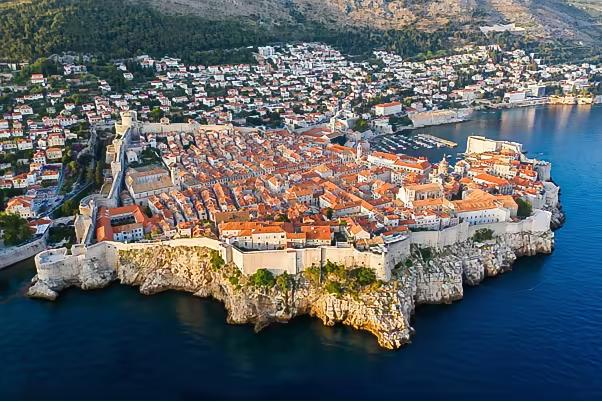
Dubrovnik es la ciudad costera más emblemática de Croacia, un Patrimonio de la Humanidad por la UNESCO envuelto en murallas medievales que se asoman al mar Adriático. Conocida en todo el mundo como localización de rodaje de Juego de Tronos, la ciudad atrae a millones de turistas cada verano, pero más allá de las multitudes de los cruceros se encuentra una ciudad compacta y habitable, con una comunidad local unida, un entorno natural impresionante y un ritmo de vida más lento que atrae a teletrabajadores, jubilados y expatriados aventureros dispuestos a mirar más allá del caos de la temporada alta.
Dubrovnik de un vistazo
- Población
- ~42.000 (área metropolitana ~65.000)
- Región
- Condado de Dubrovnik-Neretva, Dalmacia meridional
- Conocida por
- Murallas de la Ciudad Vieja, localizaciones de rodaje de Juego de Tronos, turismo de cruceros en verano
- Alquiler medio (1 dormitorio)
- 550–850 €/mes
- Salario medio
- ~1.070 €/mes (neto)
- Comunidad expatriada
- Pequeña pero en crecimiento — teletrabajadores, nómadas digitales, jubilados
Por qué mudarse a Dubrovnik
- Entorno impresionante: pocas ciudades en Europa pueden igualar la espectacular combinación de acantilados de piedra caliza, tejados de terracota y aguas turquesas del Adriático que ofrece Dubrovnik.
- Clima suave todo el año: más de 250 días de sol al año con inviernos suaves, ideal para quienes huyen del clima del norte de Europa.
- Compacta y peatonal: toda la ciudad se recorre a pie, desde la Ciudad Vieja hasta Lapad, sin necesidad de coche.
- Puerta de entrada a islas y naturaleza: el Parque Nacional de Mljet, las Islas Elafitas y la costa de Montenegro están todos a fácil alcance.
- UE y Eurozona: Croacia adoptó el euro en 2023, simplificando las finanzas para los expatriados de la UE y eliminando los problemas de cambio de divisa.
Buscar vivienda en Dubrovnik
Alquileres medios
| Barrio | 1 dormitorio | 3 dormitorios | Características |
|---|---|---|---|
| Ciudad Vieja (Stari Grad) | 700–1.100 € | 1.400–2.500 € | Edificios históricos de piedra, ruidoso en verano, pisos sin ascensor |
| Lapad | 550–800 € | 1.000–1.600 € | Zona residencial junto a la playa, más tranquila, popular entre familias |
| Gruž | 500–700 € | 900–1.400 € | Distrito portuario, centro de ferris, ambiente más local |
| Babin Kuk | €500–€750 | €950–€1.500 | Zona turística, verde y espaciosa, muchos hoteles |
| Mokošica | €400–€600 | €750–€1.200 | Zona suburbana, apartamentos modernos, precios asequibles |
| Župa Dubrovačka | €450–€650 | €800–€1.300 | Pueblos costeros al sur del aeropuerto, urbanizaciones más recientes |
Cómo buscar vivienda
- Njuškalo: el portal de anuncios clasificados más grande de Croacia; la mayoría de los propietarios locales publican aquí
- Index oglasi: otra plataforma croata popular para alquileres
- Grupos de Facebook: los grupos «Dubrovnik Rentals» y «Expats in Dubrovnik» tienen anuncios activos
- Reserva a corto plazo primero: muchos expatriados alquilan un Airbnb o una casa de huéspedes durante 2–4 semanas para explorar los barrios antes de decidirse
- Agentes locales: útiles para gestionar los contratos, pero cobran una comisión equivalente a un mes de alquiler
Consejos para expatriados
- Negocie contratos de temporada baja: los propietarios de zonas turísticas suelen preferir inquilinos todo el año a precios más bajos antes que rotación estacional
- Compruebe si los gastos están incluidos; muchos anuncios indican el alquiler sin electricidad, agua ni internet
- Revise la humedad y el aislamiento: los edificios de piedra antiguos pueden ser fríos en invierno y retener la humedad
- Ponga todo por escrito: los acuerdos verbales son habituales, pero no ofrecen protección legal según la ley de arrendamientos croata
Guía de barrios
- Ciudad vieja (Stari Grad): ideal para los amantes de la cultura que quieran vivir dentro de las murallas. Se puede llegar a todo caminando, pero espere ruido, aglomeraciones y alquileres premium de mayo a octubre. Los apartamentos suelen ser pequeños y no tener ascensor.
- Lapad: el barrio más popular entre expatriados y familias. Playas, cafés, un paseo marítimo y un ambiente más tranquilo todo el año. Buenas conexiones de autobús con la Ciudad vieja (15 minutos). Los alquileres son moderados para Dubrovnik.
- Gruž: el puerto y la terminal de ferris de Dubrovnik. Más asequible, más local y sede del principal mercado de abastos. Una opción práctica para la vida cotidiana frente a las vistas de postal. Excelente conectividad de autobús.
- Babin Kuk: una península verde llena de hoteles y resorts, pero también de bloques residenciales. Tranquilo, cerca de las playas y algo apartado del centro. Ideal para quienes buscan un entorno tipo resort.
- Mokošica: un suburbio en crecimiento al este de la ciudad. Viviendas modernas, precios más bajos y una línea de autobús regular; popular entre familias jóvenes y residentes a largo plazo que buscan espacio. Aparcar es más fácil aquí.
- Župa Dubrovačka: la amplia zona costera al sur del aeropuerto. Pueblos dispersos con urbanizaciones más recientes, viviendas más grandes y un estilo de vida croata más suburbano. Un coche es casi imprescindible.
Coste de vida en Dubrovnik
Dubrovnik es la ciudad más cara de Croacia, debido en gran medida al turismo. Los costes diarios son entre un 15 y un 25 % más altos que en Zagreb o Split, aunque siguen siendo inferiores a los de la mayoría de ciudades de Europa Occidental como Lisboa, Barcelona o Atenas.
Desglose del presupuesto mensual
| Categoría | Rango de presupuesto |
|---|---|
| Alquiler (1 dormitorio, centro) | €650–€850 |
| Gastos (electricidad, agua, calefacción, residuos) | €130–€180 |
| Internet (50+ Mbps) | €25–€35 |
| Comestibles | €200–€300 |
| Transporte (bonobús + taxi ocasional) | €40–€55 |
| Comer fuera (4 veces/mes) | €80–€140 |
| Ocio/Gimnasio | €30–€50 |
| Total | €1.155–€1.610 |
Gastos diarios
- Café (expreso): €2,00–€2,50
- Almuerzo (restaurante informal): €10–€15
- Bonobús mensual: €40
- Cerveza (local, bar): €3,50–€5,00
- Entrada de cine: €6–€8
- Barra de pan: €1,20–€1,80
- Docena de huevos: €2,80–€3,50
- 1 L de leche: €1,10–€1,40
- Gimnasio (mensual): €35–€50
Oscilaciones de precios por temporada
Durante la temporada turística alta (junio a septiembre), los precios de los restaurantes dentro y alrededor del Casco Antiguo pueden duplicarse, y los de los productos importados en los supermercados suben. Los alquileres de estancias cortas se disparan. Vivir en Lapad o Gruž le protege de lo peor. Comprar en el mercado de abastos de Gruž y cocinar en casa permite mantener los gastos a raya todo el año.
Desplazarse por Dubrovnik
- Transporte público: Libertas Dubrovnik opera las líneas de autobús que cubren la ciudad y los suburbios. Un bono mensual cuesta unos €40. Los autobuses llegan a Lapad, Gruž, Mokošica y el aeropuerto. El servicio es fiable, pero la frecuencia se reduce por las tardes-noches y los fines de semana.
- Bicicleta: Limitada — el terreno montañoso y las calles estrechas hacen que ir en bicicleta sea poco práctico en la mayor parte de la zona. Lapad tiene algunos caminos costeros llanos adecuados para paseos tranquilos.
- Coche: No recomendable en el Casco Antiguo (zona peatonal). Aparcar es difícil y caro en temporada alta (5–8 €/hora en verano). Un coche resulta útil para explorar la región, visitar Montenegro o desplazarse desde Župa Dubrovačka.
- Aeropuerto: El Aeropuerto de Dubrovnik (DBV) está a 20 km al sureste del centro. Vuelos estacionales y anuales conectan con Zagreb, principales hubs europeos (Londres, Fráncfort, París, Roma) y algunas ciudades de Oriente Próximo. El autobús lanzadera del aeropuerto cuesta unos 8 €.
- Interurbano: Los ferris desde el puerto de Gruž van a las islas Elaphiti (Lopud, Šipan, Koločep), Mljet, Korčula y Split. Los autobuses de larga distancia conectan con Split (4 horas), Zagreb (9 horas) y Montenegro (Kotor, unas 2 horas). Dubrovnik no tiene estación de tren; el enlace ferroviario más cercano está en Split o Ploče.
Sanidad en Dubrovnik
- Hospitales y clínicas: El Hospital General de Dubrovnik (Opća bolnica Dubrovnik) es el principal centro público, que cubre urgencias, cirugía y especialidades. Clínicas privadas como Poliklinika Marin Med ofrecen citas más rápidas y personal anglohablante.
- Médicos anglohablantes: Disponibles en clínicas privadas y algunos servicios del hospital; la industria turística garantiza una mayor proporción de personal médico anglohablante que en otras ciudades croatas.
- Farmacias: Ampliamente disponibles en el Casco Antiguo, Lapad y Gruž. Busque los letreros de «Ljekarna». Algunas ofrecen horario ampliado y abren los domingos durante el verano.
- Número de emergencia: 112 (emergencia general), 194 (ambulancia)
- Seguro de salud: La cobertura pública a través del HZZO (Fondo Croata de Seguro de Enfermedad) es obligatoria para los residentes. Muchos expatriados la complementan con seguro privado para acceder más rápido a los especialistas. En las clínicas privadas se aceptan pólizas internacionales de proveedores como Allianz Care o Cigna.
Recibe un plan de mudanza personalizado
Deja tu email y te enviaremos una checklist a medida y tres presupuestos de empresas verificadas.
Cultura y estilo de vida
- Murallas vivas e historia: Los 2 km de murallas medievales de Dubrovnik, el Palacio del Rector y el Monasterio Franciscano forman parte de la vida cotidiana, no solo son atracciones turísticas. Los residentes pasean por las murallas al atardecer gratis fuera de las horas punta.
- La realidad del turismo estival: De junio a septiembre, los cruceros atracan a diario y el Casco Antiguo se llena de gente. Los vecinos evitan la Stradun en las horas punta (10:00–16:00) y en su lugar se reúnen en Lapad, Gruž o en los cafés de su propio barrio.
- Las ventajas de la temporada baja: De noviembre a abril, la ciudad se vacía, los precios bajan y surge el auténtico Dubrovnik: una relajada cultura de cafés, mercados locales, eventos comunitarios y la libertad de pasear por calles de piedra desiertas.
- Vida al aire libre: Hacer kayak alrededor de las murallas, subir el monte Srđ por el sendero o en teleférico, nadar en las playas de Lapad y Banje, y saltar de isla en isla por el archipiélago de las Elaphiti definen los meses más cálidos.
- Legado de Juego de Tronos: El turismo cinematográfico sigue siendo muy fuerte. Verá recorridos a pie, tiendas de merchandising y rodajes ocasionales cerca del Fuerte Lovrijenac y la Puerta de Pile. Los lugareños tienen una relación de amor-odio con esto: impulsa la economía pero también alimenta el exceso de turismo.
Comida y restaurantes
- Especialidades locales: Marisco fresco (risotto negro, calamar a la parrilla), ostras de Ston, peka (carne o pulpo cocinados a fuego lento bajo una tapa acampanada), pašticada (estofado de ternera dálmata), rozata (postre de flan similar a la crème brûlée)
- Mejores zonas para comer: Lapad ofrece restaurantes de marisco relajados con vistas al puerto, el Casco Antiguo cuenta con gastronomía de alta gama y bares de vinos, y el mercado de Gruž es ideal para productos frescos y pescado crudo a precios locales
- Opciones económicas: Burek de panadería (2–3 €), menús de almuerzo en konoba (taberna) (8–12 €), cocina propia con productos del supermercado Konzum o Tommy
Comunidad de expatriados
- Grupos de Facebook: «Expats in Dubrovnik» y «Dubrovnik Digital Nomads» son las comunidades en línea más activas, útiles para consejos sobre vivienda, encuentros y recomendaciones locales
- Encuentros: Intercambios de idiomas informales y noches sociales se organizan en los bares de Lapad y Gruž, especialmente fuera de la temporada turística, cuando la comunidad se siente más unida
- Organizaciones internacionales: Las embajadas británica y estadounidense en Zagreb ofrecen apoyo consular. Dubrovnik tiene una comunidad escolar internacional pequeña pero activa que conecta a las familias
- Coworking: Espacios de coworking dedicados limitados, aunque varios cafés en Lapad y Gruž atienden a trabajadores remotos con Wi-Fi fiable y enchufes
Mercado laboral en Dubrovnik
- Principales industrias: Turismo y hostelería (dominante), servicios marítimos, inmobiliaria, comercio a través del puerto de Gruž y gestión de eventos de temporada
- Principales empleadores: Rixos Premium Dubrovnik (Sun Gardens), Hilton Imperial, Valamar Hotels, Libertas (transporte público), Ayuntamiento de Dubrovnik
- Salarios medios por sector:
| Sector | Media neta mensual |
|---|---|
| Hostelería/Turismo | 800–1.100 € |
| TI/Trabajo remoto | 1.500–3.500 € (varía mucho) |
| Comercio/Servicios | 750–950 € |
| Educación | 900–1.200 € |
| Sanidad | 1.000–1.400 € |
- Recursos de búsqueda de empleo: MojPosao.hr, Posao.hr y los portales de empleo turístico de temporada son las principales plataformas locales. Los trabajadores remotos suelen encontrar oportunidades a través de plataformas internacionales (LinkedIn, RemoteOK, We Work Remotely) en lugar del mercado local, que está fuertemente estacionalizado y orientado al idioma croata.
Educación en Dubrovnik
- Colegios internacionales: La Dubrovnik International School ofrece educación primaria en inglés. Las opciones son limitadas en comparación con Zagreb; las familias con hijos mayores o que necesitan un plan de estudios más amplio suelen elegir Split o Zagreb.
- Universidades: La Universidad de Dubrovnik ofrece programas en ingeniería naval, economía, gestión turística e ingeniería eléctrica. Es un campus pequeño centrado en la enseñanza en croata, aunque existen algunas asignaturas en inglés para estudiantes de intercambio.
- Escuelas de idiomas: Varios tutores privados de croata trabajan en la ciudad; las plataformas en línea (iTalki, Preply) son más habituales debido a la pequeña población de expatriados y la demanda limitada de clases formales a nivel local.
Lista de tareas para mudarse a Dubrovnik
- Consiga alojamiento o reserve vivienda temporal para las primeras 2–4 semanas
- Obtenga el OIB croata (número de identificación personal) si es posible a través de un consulado
- Contrate un seguro médico válido en Croacia (tarjeta UE o póliza privada)
- Investigue los requisitos de visado (ciudadanos no comunitarios: Visado Nacional D para estancias superiores a 90 días)
- Envíe sus pertenencias; obtenga presupuestos con la calculadora de mudanzas de ReloAdvisor
- Reúna documentos apostillados (certificado de nacimiento, certificado de matrimonio, título universitario)
- Registre su dirección en la comisaría local (MUP) en un plazo de 3 días
- Abra una cuenta bancaria (Zagrebačka Banka, Erste o Raiffeisen); lleve su pasaporte y el OIB
- Regístrese en el HZZO para obtener cobertura sanitaria pública
- Compre una tarjeta SIM local (T-Mobile, A1 o Tele2); disponible en quioscos y estancos
- Consiga una tarjeta de autobús Libertas para el transporte público en los quioscos de Gruž o Lapad
- Familiarícese con el mercado de Gruž para encontrar alimentos frescos a buen precio
- Explore los barrios antes de comprometerse con un alquiler a largo plazo
- Regístrese en e-Građani (portal del ciudadano digital croata) para acceder a los servicios digitales del gobierno
- Únase a grupos locales de expatriados y comunidad en Facebook
- Dé de alta los suministros a su nombre (HEP para la electricidad, Vodovod para el agua, HT para teléfono e internet)
- Si va a conducir, comience el trámite de canje de su permiso de conducir extranjero en la comisaría local
- Solicite un permiso de residencia croata si piensa quedarse más de 90 días
Guías relacionadas
- [Mudarse a Croacia] — guía completa del país que abarca visados, impuestos y residencia
- [Mudarse a Split] — la segunda ciudad más grande de Croacia, a 4 horas por la costa dálmata