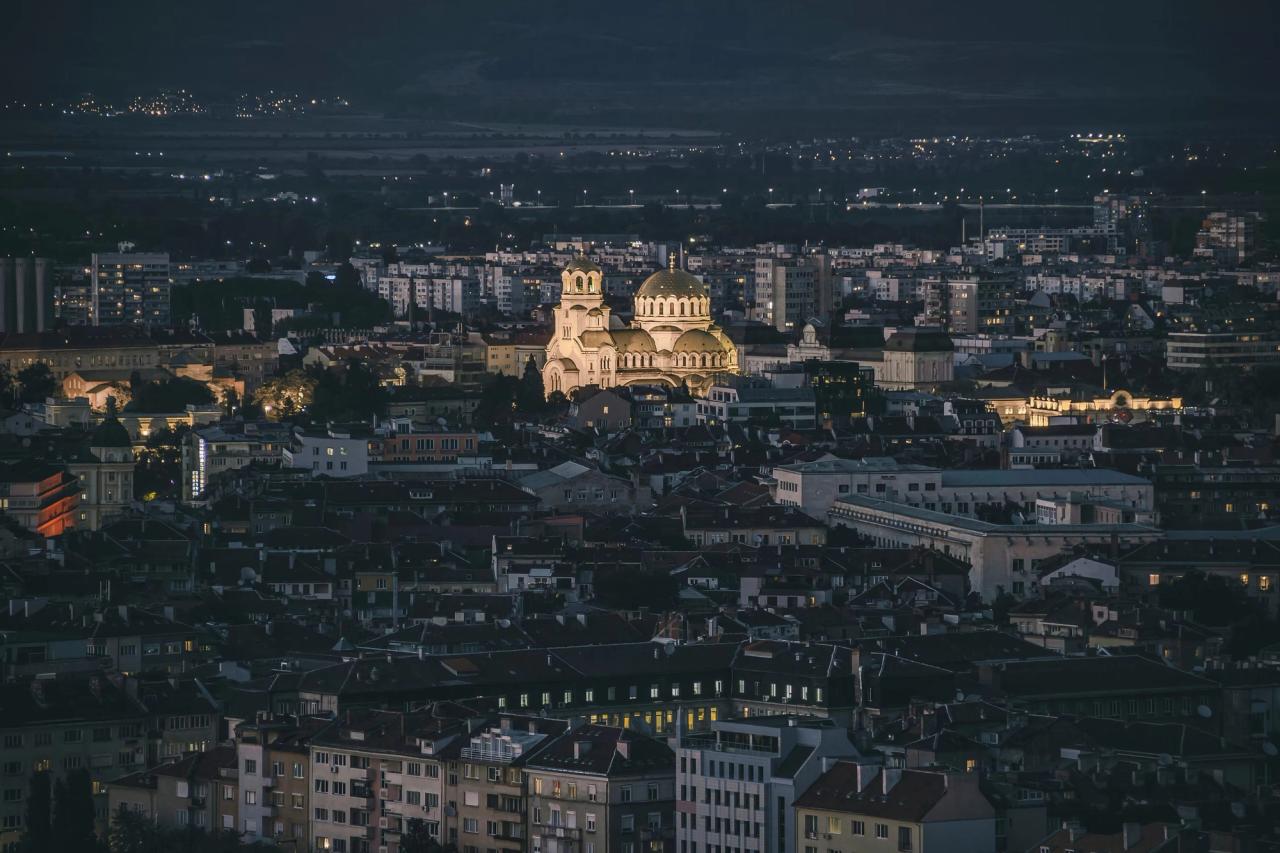
Sofía es una de las capitales más infravaloradas de Europa: una ciudad donde ruinas romanas de 2.000 años conviven con monumentos de la era soviética y relucientes rascacielos de cristal. A los pies del imponente macizo de Vitosha, la capital de Bulgaria atrae a expatriados por su coste de vida notablemente bajo, su sector tecnológico en pleno crecimiento y un estilo de vida relajado difícil de igualar a este precio. La ciudad tiene una población de aproximadamente 1,3 millones de habitantes y en la última década se ha estado reinventando discretamente: espacios de coworking ocupan antiguas fábricas, las cafeterías de especialidad superan en número a los cafés tradicionales y la industria tecnológica representa ya una parte importante de la economía local.
Tanto si es un trabajador remoto que busca estirar su presupuesto, un profesional del sector tecnológico que observa el auge de las startups en el sureste europeo, como un jubilado que busca cultura sin los precios de Europa occidental, Sofía merece una mirada atenta. La combinación de la pertenencia a la UE, un tipo impositivo plano del 10 % sobre la renta y unos costes de vida que representan una fracción de los estándares de Europa occidental la convierte en una de las opciones más atractivas del continente.
Sofía de un vistazo
- Población
- ~1,3 millones (área metropolitana ~1,6 millones)
- Región
- Provincia de Sofía Ciudad, oeste de Bulgaria
- Conocida por
- Montaña Vitosha, Catedral de Alejandro Nevski, vida urbana asequible
- Alquiler medio (1 dormitorio)
- лв 1,000–1,565 (€510–800)
- Salario medio
- ~лв 2.800–2.850 netos/mes (€1.430–1.460)
- Comunidad expatriada
- En crecimiento — fuerte presencia tecnológica y de nómadas digitales
Por qué mudarse a Sofía
Sofía se sitúa sistemáticamente entre las ciudades europeas con mejor relación calidad-precio para expatriados. Esto es lo que la hace destacar:
- Asequibilidad: Sofía es una de las capitales más baratas de la UE. Un nivel de vida cómodo para una sola persona cuesta unos лв 2.500–3.500 al mes, una fracción de lo que gastaría en Berlín, Lisboa o Praga. El supermercado, el alquiler, las comidas y el transporte están todos significativamente por debajo de las medias de Europa occidental.
- Escena tecnológica: El sector TIC de Bulgaria ha crecido entre un 10 y un 15 % anual. Sofía alberga oficinas de VMware, SAP, Oracle y decenas de startups, lo que la convierte en un auténtico polo tecnológico con salarios competitivos en el sector. Los salarios TIC en Sofía son competitivos a nivel regional, con puestos senior que ofrecen una compensación sólida, aunque todavía por debajo de las capitales de Europa occidental.
- Impuestos bajos: Bulgaria tiene un tipo impositivo plano del 10 % sobre la renta personal, uno de los más bajos de la UE. Para autónomos y trabajadores remotos, este es un gran atractivo.
- Naturaleza a la puerta de casa: La montaña Vitosha está a 30 minutos en autobús del centro de la ciudad y ofrece rutas de senderismo en verano y esquí en invierno, una ventaja poco habitual en cualquier capital europea. El Jardín de Borisova y el Parque Sur también ofrecen espacios verdes en pleno corazón urbano.
- Pertenencia a la UE: Bulgaria es Estado miembro de la UE, lo que supone libre circulación para los ciudadanos comunitarios y un camino sencillo hacia el permiso de residencia para nacionales de terceros países. Bulgaria se incorporó al Espacio Schengen en las fronteras aéreas y marítimas el 31 de marzo de 2024 y en las fronteras terrestres el 1 de enero de 2025.
- Riqueza cultural: Desde la Catedral de Alejandro Nevski con su cúpula dorada hasta el Palacio Nacional de la Cultura (NDK) de la era comunista y las ruinas de la antigua Serdica, Sofía superpone siglos de historia en una ciudad que se recorre a pie.
- Compacta y peatonal: La mayoría de los atractivos, restaurantes y la vida nocturna de Sofía se concentran en una zona céntrica y caminable. El metro y la red de tranvías cubren los desplazamientos restantes con eficiencia.
- Puerta de entrada a los Balcanes: La ubicación de Sofía facilita la exploración de toda la región. Tesalónica, Skopie, Belgrado y Estambul son todas accesibles en autobús o con un vuelo corto.
Buscar vivienda en Sofía
Alquileres medios
Los alquileres en Sofía varían bastante según el distrito. El centro de la ciudad y Lozenets tienen los precios más altos, mientras que los distritos exteriores como Mladost y Obelya son bastante más económicos.
| Barrio | 1 dormitorio | 3 dormitorios | Carácter |
|---|---|---|---|
| Lozenets | лв 1.100–1.600 (€560–820) | лв 1.900–2.800 (€970–1.435) | Ajardinado, exclusivo, popular entre expatriados |
| Studentski Grad | лв 800–1.100 (€410–560) | лв 1.200–1.900 (€615–970) | Joven, animado, cerca de la universidad |
| Oborishte | лв 1.000–1.500 (€510–770) | лв 1.700–2.600 (€870–1.330) | Céntrico, histórico, peatonal |
| Mladost | лв 700–1.000 (€360–510) | лв 1.100–1.700 (€560–870) | Periférico, asequible, ideal para familias |
| Vitosha | лв 1.000–1.400 (€510–720) | лв 1.700–2.600 (€870–1.330) | Cerca de la montaña, tranquilo, verde |
| Iztok / Dianabad | лв 950–1.350 (€485–690) | лв 1.550–2.350 (€790–1.205) | Tranquilo, residencial, cerca del Jardín de Borisova |
Cómo buscar vivienda
- Imot.bg: El portal inmobiliario más grande de Bulgaria; la mayoría de los anuncios están aquí. Permite buscar por distrito y rango de precios.
- OLX.bg: Portal de anuncios clasificados generalista con una sección de alquiler muy activa. Ideal para encontrar ofertas de propietarios particulares.
- Grupos de Facebook: Los grupos «Apartments for Rent in Sofia» y «Expats in Sofia» son muy activos y a menudo tienen anuncios antes de que lleguen a los grandes portales. Publicar lo que se busca suele obtener respuestas rápidas.
- Agentes inmobiliarios: Pueden ayudar a encontrar pisos amueblados o a negociar en inglés, pero cobran una comisión equivalente a un mes de alquiler.
- Consejo local: Muchos propietarios prefieren el pago en efectivo y puede que no declaren los ingresos del alquiler. Negocie con transparencia y exija siempre un contrato por escrito.
Consejos para expatriados
- Prevea un depósito de uno o dos meses de alquiler por adelantado. Algunos propietarios también exigen el primer y el último mes.
- Revise cuidadosamente los sistemas de calefacción: los edificios de paneles antiguos («panelki») pueden tener un aislamiento deficiente y facturas de calefacción invernal elevadas. Los costes de la calefacción central (toplofikatsiya) varían mucho de un edificio a otro.
- Evite pagar cualquier cantidad antes de ver el piso en persona. Existen estafas exclusivamente en línea, especialmente en portales de anuncios menos conocidos.
- Aprenda a leer cirílico antes de llegar. Las señales de las calles, los números de autobús y la mayoría de los menús están en alfabeto búlgaro. Se tarda uno o dos días en aprenderlo y hace que moverse por la ciudad sea mucho más fácil.
- Registre su contrato de alquiler en la oficina de impuestos local. Esto le protege legalmente y es obligatorio para ciertas solicitudes de permiso de residencia.
Guía de barrios
Elegir el barrio adecuado marca la experiencia cotidiana en Sofía. Esto es lo que ofrece cada zona principal:
- Lozenets: El barrio de referencia para expatriados. Calles tranquilas, restaurantes internacionales, cerca del Parque Sur y de Vitosha. Alquileres más altos según los estándares de Sofía, pero todavía asequibles para lo que se paga en Europa occidental. Ideal para profesionales y familias que buscan un ambiente residencial cuidado.
- Oborishte: Céntrico y peatonal, cerca de los principales monumentos de Sofía. Una mezcla de edificios prebélicos renovados y nuevas promociones. Adecuado para profesionales que quieren estar en el centro de la acción. Un tanto bohemio, con cafeterías independientes y galerías de arte.
- Studentski Grad: Económico y enérgico, dominado por estudiantes universitarios. Vida nocturna, restaurantes baratos y pisos compartidos. Mejor para expatriados jóvenes o con un presupuesto ajustado. Puede ser ruidoso los fines de semana.
- Mladost: Un gran distrito residencial al sureste. Práctico, asequible y bien comunicado por metro. Las familias y los residentes a largo plazo suelen establecerse aquí. Con menos encanto, pero muy funcional.
- Vitosha: Recibe el nombre de la montaña que lo bordea. Una opción más verde y silenciosa con acceso rápido a rutas de senderismo. Algo más caro, pero atractivo para los amantes de la naturaleza y quienes quieran escapar del bullicio urbano sin salir de la ciudad.
- Obelya / Nadezhda: Distritos del norte muy asequibles y menos turísticos. Buen acceso al centro en metro. Merece la pena considerarlos si el presupuesto es la máxima prioridad. Aquí se habla menos inglés, lo que puede ser una ventaja para la inmersión.
- Iztok / Dianabad: Zonas residenciales tranquilas cerca del centro de la ciudad. Populares entre familias y profesionales mayores. Bien comunicadas, seguras y cerca del Jardín de Borisova.
Coste de vida en Sofía
Uno de los mayores atractivos de Sofía es lo mucho que rinde el dinero. Incluso con un salario occidental modesto, se puede vivir cómodamente aquí.
Desglose del presupuesto mensual
| Categoría | Rango presupuestario |
|---|---|
| Alquiler (1 dormitorio, centro) | лв 1.000–1.600 (€510–820) |
| Servicios | лв 200–420 (€102–215) |
| Internet | лв 20–30 (€10–15) |
| Supermercado | лв 500–700 (€255–360) |
| Transporte | лв 50–80 (€26–41) |
| Comidas fuera (4 veces/mes) | лв 200–350 (€102–180) |
| Ocio/Gimnasio | лв 50–120 (€26–61) |
| Total | лв 2.020–3.570 (€1.030–1.830) |
Nota: Los servicios en invierno (noviembre–marzo) pueden incrementar los gastos en лв 100–200/mes debido a la calefacción, especialmente en los edificios más antiguos.
Costes del día a día
- Café (capuchino): лв 4–6 (€2–3)
- Almuerzo (restaurante informal): лв 18–35 (€9–18)
- Abono de transporte mensual: лв 50 (€26)
- Cerveza (0,5 L, bar): лв 4–8 (€2–4)
- Entrada de cine: лв 15–18 (€7,50–9)
- Mensualidad de gimnasio: лв 50–100/mes (€26–51)
- Barra de pan: лв 1,50–2,50 (€0,75–1,30)
- 1 L de leche: лв 2,80–4,00 (€1,43–2,05)
- Docena de huevos: лв 5,50–8,40 (€2,80–4,29)
- Cena para dos (gama media): лв 80–170 (€41–87)
Desplazarse por Sofía
El transporte público de Sofía es barato, razonablemente fiable y cubre la mayor parte de la ciudad. Un abono mensual combinado para todos los modos cuesta solo лв 50.
- Metro: Dos líneas principales que cruzan la ciudad, con una tercera línea inaugurada recientemente. Limpio y eficiente. Conecta el aeropuerto con el centro en unos 20 minutos (cuesta лв 1,60 por viaje).
- Tranvías: La red de tranvías es extensa e icónica; algunas líneas circulan con tranvías naranjas vintage que son una seña de identidad de Sofía. Los tranvías son la mejor forma de moverse por la zona central.
- Autobuses y trolebuses: Cubren las zonas donde no llegan el metro y los tranvías. Las rutas pueden resultar confusas al principio, pero Google Maps gestiona bien el transporte de Sofía.
- Bicicleta: La ciudad está construyendo más carriles bici, pero Sofía aún no es del todo apta para ciclistas. El Jardín de Borisova y el South Park son buenos para el ciclismo recreativo.
- Coche: Los atascos son una frustración diaria, especialmente en las horas punta. Aparcar en el centro es limitado y a menudo caótico. La mayoría de los expatriados dependen del transporte público o de aplicaciones como TaxiMe y Yellow Taxi.
- Aeropuerto: El aeropuerto de Sofía (SOF) tiene vuelos directos a la mayoría de las principales ciudades europeas y conexiones intercontinentales crecientes a través de hubs como Estambul y Viena. Aerolíneas de bajo coste como Wizz Air y Ryanair ofrecen vuelos baratos por toda Europa.
- Interurbano: Los trenes son lentos pero pintorescos; la ruta a Plovdiv o Veliko Tarnovo es una buena excursión de un día. Los autobuses (a través de empresas como Union Ivkoni) son más rápidos y conectan Sofía con todas las principales ciudades búlgaras y los países vecinos.
Sanidad en Sofía
Sofía cuenta con la mejor infraestructura médica de Bulgaria. La sanidad privada es asequible y generalmente de buena calidad, mientras que el sistema público funciona pero puede conllevar largas esperas.
- Hospitales y clínicas: Sofía cuenta con la mejor infraestructura médica de Bulgaria. Los principales hospitales públicos son Alexandrovska y Pirogov. Clínicas privadas como Tokuda Hospital, City Clinic y SofiaMed ofrecen instalaciones modernas con menores tiempos de espera y personal anglohablante.
- Médicos anglohablantes: Disponibles en clínicas privadas, especialmente en especialidades como odontología, dermatología y medicina general. Muchos médicos jóvenes hablan inglés bien. Una consulta estándar en una clínica privada cuesta entre лв 50 y 100.
- Farmacias: Ampliamente disponibles, a menudo abiertas hasta tarde o 24 horas en zonas céntricas. Muchos medicamentos que en otros lugares requieren receta se venden sin receta en Bulgaria. Busque el signo de la cruz verde.
- Odontología: El turismo dental es una realidad en Bulgaria; la calidad es alta y los precios son una fracción de las tarifas de Europa occidental. Muchos expatriados se realizan trabajos dentales en Sofía en lugar de esperar a viajar a su país.
- Número de emergencia: 112 (número de emergencia europeo; los operadores suelen hablar inglés). Los tiempos de respuesta de la ambulancia en el centro suelen ser rápidos.
- Seguro de salud: Si se trabaja por cuenta ajena, el empleador lo inscribe en el seguro de salud nacional. Las personas autónomas pueden acceder a cobertura voluntaria por unos лв 30–50/mes a través del sistema nacional.
Recibe un plan de mudanza personalizado
Deja tu email y te enviaremos una checklist a medida y tres presupuestos de empresas verificadas.
Cultura y estilo de vida
Sofía combina la rudeza de Europa del Este con la calidez mediterránea. La ciudad no pretende ser llamativa: es sincera, relajada y sorprendentemente rica en actividades.
- Jardín de Borisova: El parque central de Sofía, perfecto para correr, pasear o simplemente sentarse bajo los árboles con un libro. El rosal y las cafeterías al aire libre lo convierten en un punto de encuentro social durante los meses más cálidos.
- NDK (Palacio Nacional de la Cultura): Un imponente centro de congresos y eventos de los años 80 rodeado por un parque paisajístico. Acoge conciertos, exposiciones y festivales durante todo el año. El parque trasero es un lugar de encuentro favorito los fines de semana, especialmente en verano, cuando los conciertos al aire libre toman el relevo.
- Vida nocturna y cultura del café: La escena de bares y cafeterías de Sofía está por encima de lo que cabría esperar. Cócteles artesanales, cafeterías de especialidad y locales de música en directo salpican el centro y Lozenets. La zona de las calles Shishman y Rakovski es el epicentro de la vida nocturna.
- Bulevar Vitosha: La principal calle peatonal comercial de la ciudad, flanqueada por cafeterías, tiendas y artistas callejeros. Discurre en línea recta hacia la montaña: un recordatorio visual de lo cerca que está la naturaleza.
- Museos y galerías: La Galería Nacional, el Museo de Arte Socialista y el Jardín de la Ciudad de Sofía merecen una visita. Muchas galerías del centro son gratuitas o cuestan solo unos pocos levs.
- Fuentes termales: Sofía se asienta sobre manantiales de aguas termales. Las fuentes públicas de agua mineral cerca de los Baños Centrales y del edificio de la Presidencia dispensan agua mineral caliente gratis: una curiosa tradición local.
Gastronomía y restaurantes
- La cocina búlgara se basa en ensaladas frescas (la Shopska es el plato nacional), carnes a la parrilla, yogur y guisos contundentes. Una comida sentado con bebida cuesta entre лв 10 y 20.
- La comida callejera estilo Kapana y los kebapches son baratos y están en todas partes. Una comida callejera abundante puede costar menos de лв 8.
- Las zonas alrededor del Bulevar Vitosha, Oborishte y Lozenets concentran los mejores restaurantes internacionales: italiano, asiático, de Oriente Medio y búlgaro moderno.
- Platos locales imprescindibles: Banitsa (pastel hojaldrado de queso, perfecto para desayunar con ayran o boza), kavarma (guiso de carne a fuego lento), meshana skara (plato de parrillada mixta) y tarator (sopa fría de yogur y pepino en verano).
- Mercados: El Mercado Central (Tsentralni Hali) y el Zhenski Pazar son excelentes para comprar productos frescos, queso local y especias a precios más bajos que los supermercados.
Comunidad expatriada
- Meetup.com y Facebook: Las principales formas en que los expatriados se conectan. Grupos como «Expats in Sofia», «Internations Sofia» y «Sofia Digital Nomads» son activos y acogedores. Eventos sociales regulares, rutas de senderismo por Vitosha y rutas de bares mantienen viva la comunidad.
- Intercambios de idiomas: Eventos regulares en bares y espacios de coworking donde los búlgaros practican inglés y los extranjeros aprenden búlgaro. Son una de las mejores formas de integrarse en los círculos sociales locales.
- Espacios de coworking: Lugares como Puzl CowOrking, SOHO y Networking Premium atraen a una mezcla de freelancers, desarrolladores y emprendedores. Las mensualidades oscilan entre лв 150 y 350.
- Quién se muda a Sofía: La comunidad expatriada se compone principalmente de jóvenes profesionales del sector tecnológico, freelancers y profesores de idiomas. También hay un flujo constante de jubilados de Europa occidental atraídos por el coste de vida. La comunidad es más pequeña que la de Praga o Budapest, pero se podría decir que es más amable.
Mercado laboral en Sofía
La economía de Sofía está impulsada cada vez más por los sectores tecnológico y de externalización, aunque las industrias tradicionales como las finanzas y la manufactura siguen teniendo un papel importante.
- Principales industrias: TI y desarrollo de software, externalización (BPO), finanzas, manufactura y turismo.
- Principales empleadores: VMware, SAP, Oracle, Telelink, Paysafe, Experian y una creciente lista de startups.
- Salarios medios por sector:
| Sector | Salario mensual neto medio (лв) |
|---|---|
| TI / Software | 3.500–6.000 (€1.800–3.070) |
| Finanzas | 2.000–3.500 (€1.025–1.800) |
| Marketing / Creatividad | 1.500–2.500 (€770–1.280) |
| Educación (escuelas de idiomas) | 1.200–2.000 (€615–1.025) |
| BPO general | 1.400–2.200 (€720–1.125) |
- Recursos para buscar empleo: Jobs.bg, LinkedIn (muy utilizado) e Indeed.bg. Los eventos de networking y las comunidades de coworking también son buenos canales.
- Trabajo autónomo: El tipo único del 10 % de impuesto sobre la renta de Bulgaria resulta atractivo para los autónomos y los trabajadores remotos. Muchos expatriados se registran como trabajadores por cuenta propia o constituyen una pequeña empresa (OOD) para facturar a sus clientes de forma legal.
Educación en Sofía
- Colegios internacionales: La Anglo-American School of Sofia, la British School of Sofia y la Deutsche Schule Sofia son las principales opciones para las familias expatriadas. Las matrículas oscilan entre 5.000 y 15.000 €/año según el curso. Las listas de espera pueden ser largas, así que solicite plaza con antelación.
- Universidades: La Universidad de Sofía «San Kliment Ohridski» es la más antigua y prestigiosa del país. La Universidad Técnica de Sofía y la Universidad Búlgara Nueva también gozan de gran reputación. Varios programas se imparten en inglés, especialmente a nivel de máster.
- Escuelas de idiomas: Hay una amplia oferta de cursos de inglés, búlgaro para extranjeros, alemán y francés. El British Council y la Alliance Française cuentan con sede en la ciudad. Las clases particulares de búlgaro para extranjeros cuestan unos 15–25 лв/hora.
Lista de tareas para mudarse a Sofía
- Confirme los requisitos de visado y residencia (ciudadanos de la UE: registro tras 90 días; no comunitarios: solicite un visado de larga duración en una embajada búlgara)
- Reserve alojamiento temporal (Airbnb u hotel para las primeras 2–4 semanas)
- Investigue los barrios según su presupuesto y estilo de vida
- Únase a grupos de expatriados en Facebook para hacer preguntas y encontrar contactos
- Aprenda el alfabeto cirílico: solo lleva unas horas y marca una gran diferencia
- Compre una tarjeta SIM local (A1, Yettel y Vivacom son los principales operadores; las tarifas prepago empiezan desde 10 лв/mes)
- Abra una cuenta bancaria búlgara (UniCredit Bulbank y DSK Bank son opciones amigables para expatriados)
- Registre su dirección en el ayuntamiento local si tiene previsto quedarse a largo plazo
- Compre una tarjeta recargable de transporte público en cualquier estación de metro
- Descargue la app de transporte público de Sofía y TaxiMe para pedir taxi
- Busque vivienda a largo plazo y firme un contrato de alquiler
- Regístrese en el seguro de salud (obligatorio si es empleado; también hay cobertura voluntaria opcional)
- Explore los espacios de coworking si trabaja de forma remota
- Empiece a aprender búlgaro básico; incluso unas pocas frases ayudan mucho
- Obtenga un número fiscal búlgaro (si es autónomo o trabaja como freelance)
- Visite la montaña de Vitosha un fin de semana para desconectar del ajetreo urbano
- Únase a un espacio de coworking o a un encuentro de expatriados para empezar a crear una red social
- Familiarícese con los números de emergencia locales y el hospital más cercano
- Abra una cuenta en Wise o Revolut para realizar transferencias BGN/EUR fácilmente
Guías relacionadas
- [Mudarse a Bulgaria] — guía completa del país que abarca residencia, impuestos y costes de vida a nivel nacional
- [Mudarse a Plovdiv] — la capital cultural de Bulgaria y una alternativa más tranquila a Sofía
- [Mudarse a Varna] — la opción de la costa del Mar Negro para quienes prefieren vivir junto a la playa