Ciudad de México es uno de los centros urbanos más grandes y dinámicos del planeta: una megalópolis extendida de 22 millones de habitantes donde ruinas aztecas conviven con rascacielos relucientes, y los tacos callejeros cuestan menos que un café en Londres. Si usted es un profesional creativo, trabajador remoto o emprendedor en busca de cultura, asequibilidad y un clima templado todo el año sin los clichés de los destinos de playa, Ciudad de México ofrece lo que pocas ciudades pueden. No carece de desafíos — la contaminación del aire, el tráfico y la burocracia pueden poner a prueba su paciencia — pero para los expatriados que se preparan bien, la calidad de vida aquí es difícil de superar.
Ciudad de México de un vistazo
- Población
- ~9,2 millones (ciudad) / ~22 millones (área metropolitana)
- Región
- Valle de México, centro de México
- Conocida por
- Gastronomía de clase mundial, rica historia prehispánica, vibrante escena artística y nocturna
- Alquiler medio (1 dormitorio)
- MXN 10.000–18.000/mes (centro)
- Salario medio
- MXN 15.000–25.000/mes (neto, profesional de nivel medio)
- Comunidad expatriada
- Amplia y diversa: estadounidenses, europeos, argentinos, colombianos y una creciente escena de nómadas digitales
Por qué mudarse a Ciudad de México
- Costo de vida: su dinero rinde mucho aquí. Un estilo de vida cómodo con MXN 30.000–45.000/mes es realista para una persona sola, incluyendo alquiler en una zona deseable.
- Riqueza cultural: más de 150 museos, sitios Patrimonio de la Humanidad por la UNESCO y una escena gastronómica que rivaliza con cualquier capital mundial, desde restaurantes dignos de una estrella Michelin hasta legendarios puestos callejeros.
- Clima templado todo el año: a 2.240 m de altitud, las temperaturas oscilan entre 12 °C y 26 °C durante todo el año. Sin calor extremo ni inviernos gélidos.
- Conectividad: dos aeropuertos internacionales (MEX/AICM y AIFA/NLU) con vuelos directos a las principales ciudades de América y Europa. Excelente infraestructura de coworking para trabajadores remotos.
- Escena tecnológica y de startups en crecimiento: grandes empleadores como Google, Amazon y Rappi tienen oficinas importantes aquí, y el ecosistema de startups local está en auge.
Buscar vivienda en Ciudad de México
Alquileres medios
| Colonia | 1 dormitorio | 3 dormitorios | Características |
|---|---|---|---|
| Roma / Condesa | MXN 14.000–22.000 | MXN 28.000–45.000 | Calles arboladas, cafés de moda, muy transitables a pie, la más popular entre expatriados |
| Polanco | MXN 18.000–30.000 | MXN 35.000–60.000 | Zona de alta categoría, oficinas corporativas, compras de lujo, distrito de embajadas |
| Coyoacán | MXN 10.000–16.000 | MXN 20.000–32.000 | Bohemia, barrio de Frida Kahlo, más tranquilo, ideal para familias |
| Santa Fe | MXN 14.000–24.000 | MXN 28.000–50.000 | Moderno, distrito de negocios, centros comerciales, departamentos más nuevos |
| Centro Histórico | MXN 8.000–14.000 | MXN 16.000–26.000 | Histórico, bullicioso, económico, accesible a pie desde los principales monumentos |
Cómo buscar vivienda
- Inmuebles24: el portal inmobiliario más grande de México; la mayoría de los anuncios están aquí.
- Grupos de Facebook: busque «Rentas CDMX» o «Expats in Mexico City Housing» para anuncios directos de propietarios.
- Homie.mx: plataforma digital de alquiler popular entre inquilinos jóvenes; en muchos casos no se requiere aval.
- Consejo local: muchos propietarios exigen un aval, es decir, un propietario mexicano que garantice su contrato de arrendamiento. Como extranjero, a menudo puede negociar esta condición ofreciendo un depósito de 2 a 3 meses o utilizando una plataforma como Homie que elimina por completo el requisito del aval.
Consejos para expatriados
- Siempre visite en persona antes de firmar; las fotos pueden ser engañosas.
- Confirme si los servicios están incluidos; la mayoría de los alquileres los listan por separado.
- Negocie: los precios de lista en Ciudad de México suelen tener un margen de negociación del 5 al 10 %.
- Consiga un contrato en español y, si es necesario, pida que lo revise un abogado bilingüe.
Guía de colonias
- Roma / Condesa: el centro de expatriados por excelencia. Transitables a pie, zonas arboladas, llenas de restaurantes y mezcalerías. El alquiler es más alto que la media pero sigue siendo asequible según estándares internacionales. Ideal para solteros y parejas de 20 a 40 años.
- Polanco: la opción de alta categoría. Restaurantes exclusivos, boutiques de lujo y torres corporativas. Popular entre ejecutivos expatriados y familias que buscan un entorno refinado y seguro.
- Coyoacán: al sur del centro, este barrio artístico tiene aire de pueblo. Calles empedradas, mercados, parques y el Museo Frida Kahlo. Más tranquilo y económico; ideal para familias y creativos.
- Santa Fe: un moderno distrito de negocios en el extremo occidental de la ciudad. Torres de cristal, grandes centros comerciales, comunidades privadas. Puede sentirse desconectado de la Ciudad de México «auténtica», pero ofrece comodidad y seguridad.
- Centro Histórico: el corazón palpitante de la ciudad alrededor del Zócalo. Los alquileres más baratos del centro, pero ruidoso y ajetreado. Ideal para expatriados aventureros que quieran sumergirse en la historia y la vida callejera.
- Del Valle / Nápoles: una opción intermedia: residencial, bien conectada por metro, buenos restaurantes y alquileres más bajos que Roma/Condesa. Cada vez más popular entre expatriados que buscan buena relación calidad-precio sin sacrificar la posibilidad de caminar.
Costo de vida en Ciudad de México
Desglose del presupuesto mensual
| Categoría | Rango presupuestario |
|---|---|
| Alquiler (1 dormitorio, centro) | MXN 10.000–18.000 |
| Servicios | MXN 800–1.500 |
| Internet | 400-700 MXN |
| Supermercado | MXN 4.000–6.000 |
| Transporte | MXN 500–1.000 |
| Comer fuera (4 veces/mes) | MXN 2.000–4.000 |
| Ocio/Gimnasio | MXN 500–1.200 |
| Total | MXN 18.200–32.400 |
Gastos diarios
- Café (de especialidad): MXN 55–80
- Comida (comida corrida): MXN 80–130
- Pase mensual de transporte (Metro + Metrobús): MXN 250–400
- Cerveza (bar): MXN 45–75
- Entrada de cine: MXN 80–100
Desplazarse por la Ciudad de México
- Transporte público: El Metro es uno de los más económicos del mundo, con un costo de MXN 5 por viaje, y cuenta con 12 líneas y 195 estaciones. El Metrobús (BRT) y el Tren Ligero complementan la cobertura. Una tarjeta recargable funciona en todos los sistemas.
- Ciclismo: Ecobici es el sistema de bicicletas compartidas de la ciudad, con más de 450 estaciones en los barrios céntricos. MXN 500 al año por viajes ilimitados de 45 minutos.
- Conducir: No se recomienda para el uso diario: el tráfico es intenso y el estacionamiento es caro y escaso. Uber, DiDi e InDriver son alternativas fiables y económicas.
- Aeropuerto: El Aeropuerto Internacional Benito Juárez (MEX) gestiona más de 50 millones de pasajeros al año con conexiones directas a Norteamérica, Europa y Latinoamérica. El nuevo aeropuerto, AIFA, se inauguró en 2022 para vuelos nacionales e algunos internacionales.
- Viajes interurbanos: Los autobuses de primera clase (ADO, ETN, Primera Plus) conectan con Puebla (2 h), Guadalajara (6 h) y Oaxaca (5 h) cómodamente. Los vuelos nacionales son económicos con Volaris y VivaAerobus.
Atención médica en la Ciudad de México
- Hospitales y clínicas: Los principales hospitales privados incluyen Hospital Ángeles, Hospital ABC y Médica Sur. La atención médica pública (IMSS) está disponible para los residentes con empleo formal. Las consultas privadas suelen costar entre MXN 500 y 1.200, y las visitas a especialistas entre MXN 800 y 2.000.
- Médicos de habla inglesa: Ampliamente disponibles en hospitales y clínicas privadas de Roma, Polanco y Condesa. Muchos especialistas se formaron en Estados Unidos o Europa. Reservar a través de plataformas como Doctoralia o las aplicaciones de los hospitales es sencillo.
- Seguro médico: Los seguros médicos privados de proveedores como GNP, MetLife o planes internacionales (Cigna, Allianz) cuestan entre MXN 1.500 y 5.000 al mes, según la edad y la cobertura. Las aportaciones al IMSS son obligatorias para los trabajadores con empleo formal y cubren la atención básica, aunque los tiempos de espera pueden ser largos.
- Farmacias: Farmacias Similares, Farmacias del Ahorro y Farmacias Guadalajara se encuentran en casi cada cuadra. Muchos medicamentos están disponibles sin receta a una fracción de los precios de Estados Unidos. La consulta con un médico de farmacia cuesta tan solo MXN 35–50.
- Número de emergencia: 911 (igual que en Estados Unidos). La Cruz Roja se puede contactar en el 065.
Recibe un plan de mudanza personalizado
Deja tu email y te enviaremos una checklist a medida y tres presupuestos de empresas verificadas.
Cultura y estilo de vida
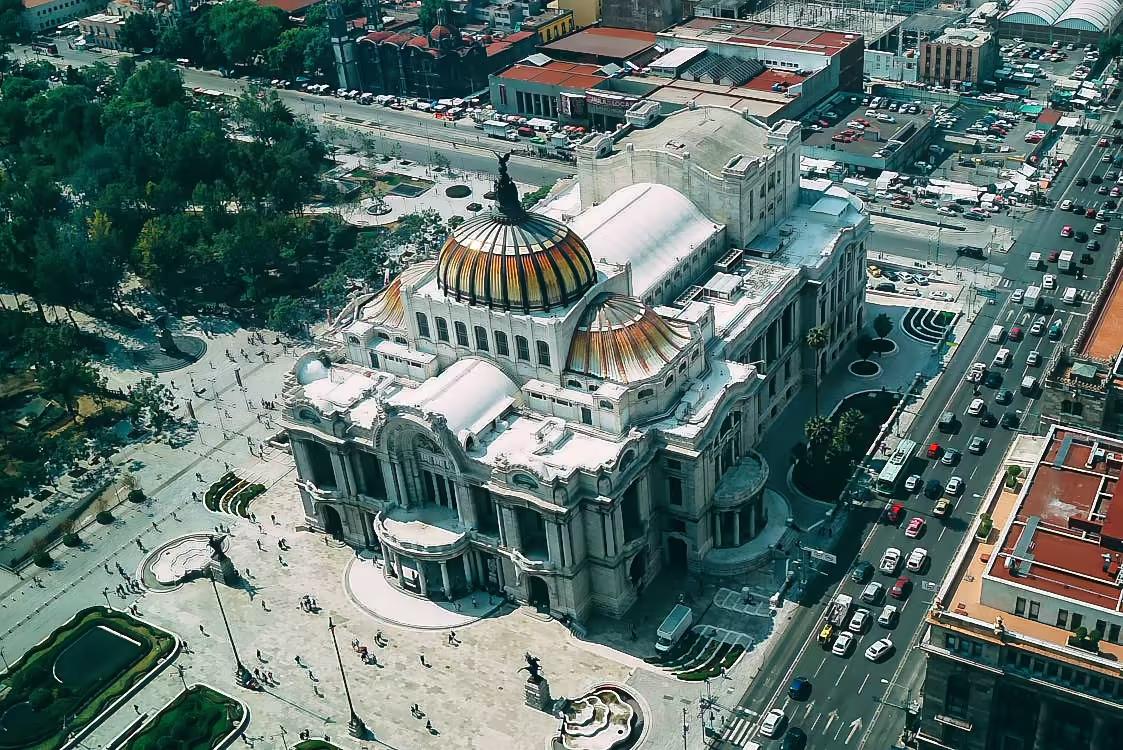
- Arte y museos: El Museo Nacional de Antropología, el Palacio de Bellas Artes y el Museo Soumaya son de clase mundial. La entrada gratuita o de bajo costo es habitual en los museos públicos los domingos.
- Vida nocturna: Zona Rosa, Roma y Condesa ofrecen de todo, desde bares de mezcal hasta clubes en azoteas. La música en vivo está en todas partes: jazz, cumbia, rock en español.
- Parques y actividades al aire libre: El Bosque de Chapultepec es uno de los parques urbanos más grandes del hemisferio occidental. Las caminatas de fin de semana en el cercano Desierto de los Leones o el Nevado de Toluca son escapadas populares.
- Seguridad: Los barrios céntricos de la Ciudad de México son generalmente seguros para los expatriados, pero el delito menor (robo de teléfonos, carterismo) es frecuente. Evite exhibir objetos de valor y utilice aplicaciones de transporte con conductor por la noche.
Gastronomía y restaurantes
- Comida callejera: Los tacos al pastor (MXN 15–25 cada uno), los tamales, las quesadillas y las tlayudas son imprescindibles. La mejor comida callejera suele encontrarse en los puestos con largas filas.
- Alta cocina: La Ciudad de México tiene varios restaurantes en la lista The World's 50 Best Restaurants: Pujol, Quintonil y Contramar son imprescindibles.
- Comida económica: La comida corrida (menú de almuerzo) en los restaurantes de barrio cuesta entre MXN 80 y 130 e incluye sopa, plato principal, bebida y postre.
Comunidad de expatriados
- Grupos de Meetup y Facebook: "Expats in Mexico City", "Digital Nomads CDMX" y grupos de intercambio de idiomas se reúnen semanalmente.
- Espacios de coworking: WeWork, IOS Offices y opciones locales como Centraal y Público son populares en Roma y Polanco.
- Intercambios de idiomas: Los intercambios gratuitos se realizan en bares de Roma y Condesa casi todas las noches de la semana.
Mercado laboral en la Ciudad de México
- Principales sectores: Tecnología, finanzas, manufactura, medios de comunicación, automotriz, turismo
- Principales empleadores: Google, Amazon, Microsoft, BBVA, CEMEX, América Móvil, Rappi
- Salarios promedio por sector:
| Sector | Neto mensual (MXN) |
|---|---|
| Ingeniería de software | MXN 30.000–60.000 |
| Marketing / Comunicaciones | MXN 15.000–30.000 |
| Finanzas / Banca | MXN 25.000–55.000 |
| Educación (profesor de inglés) | MXN 12.000–22.000 |
| Hostelería / Turismo | MXN 10.000–18.000 |
- Recursos de búsqueda de empleo: OCC Mundial, LinkedIn México, Computrabajo, Indeed México y Glassdoor MX
Educación en la Ciudad de México
- Colegios internacionales: American School Foundation (ASF), Liceo Mexicano Japonés, Edron Academy (plan de estudios IB), Peterson School
- Universidades: UNAM (principal universidad pública, campus declarado Patrimonio de la Humanidad por la UNESCO), Tecnológico de Monterrey (ITESM), Universidad Iberoamericana
- Escuelas de idiomas: International House, Spanish Immersion Mexico, CEPE de la UNAM (Centro de Enseñanza para Extranjeros), uno de los programas de español con mejor relación calidad-precio del mundo
Lista de verificación para mudarse a la Ciudad de México
- Obtenga una visa válida (se recomienda la Visa de Residente Temporal)
- Investigue los barrios y preseleccione apartamentos en línea
- Contrate un seguro médico internacional o confirme su elegibilidad para el IMSS
- Obtenga documentos apostillados (acta de nacimiento, acta de matrimonio)
- Reserve alojamiento temporal para sus primeras 2–4 semanas
- Active una tarjeta SIM mexicana (Telcel o AT&T Mexico)
- Abra una cuenta bancaria (BBVA, Banorte u opciones digitales como Nu o Mercado Pago)
- Solicite su CURP (Clave Única de Registro de Población)
- Registre su dirección en la embajada de su país
- Obtenga una tarjeta recargable del Metro y una suscripción a Ecobici
- Busque y firme un contrato de alquiler a largo plazo
- Solicite su RFC (identificación fiscal) si trabaja localmente
- Configure los servicios (CFE para la electricidad, SACMEX para el agua)
- Regístrese en el IMSS si tiene empleo formal
- Explore su barrio: encuentre su mercado local, farmacia y taquería
Visa y residencia
- Visa de turista (FMM): La mayoría de las nacionalidades reciben 180 días al llegar. No se puede trabajar legalmente para un empleador mexicano, pero es ampliamente utilizada por trabajadores remotos.
- Visa de Residente Temporal: Se solicita en un consulado mexicano en el extranjero. Requiere comprobante de ingresos (MXN 50.000 o más al mes) o de ahorros (MXN 800.000 o más). Válida por un año, renovable hasta por cuatro años.
- Visa de residente permanente: Para jubilados o quienes tengan 4+ años consecutivos como residente temporal. Se aplican umbrales de ingresos/ahorro más elevados.
- Visa de trabajo: Patrocinada por el empleador a través del INM (Instituto Nacional de Migración). La empresa inicia el trámite.
- Más información: gob.mx/sre para tipos de visa; gob.mx/inm para citas y solicitudes.
Mudarse a otras grandes ciudades mexicanas
La Ciudad de México es el destino más popular, pero varias otras ciudades atraen importantes comunidades de expatriados y ofrecen ventajas distintas. Aquí tiene una comparación rápida:
| Ciudad | Alquiler 1 dormitorio (centro) | Presupuesto mensual (persona sola) | Ideal para |
|---|---|---|---|
| Ciudad de México | MXN 10.000–18.000 | MXN 25.000–40.000 | Cultura, gastronomía, empleos en tecnología, vida nocturna |
| Guadalajara | MXN 7.000–13.000 | MXN 18.000–30.000 | Industria tecnológica, cultura del tequila, clima cálido |
| Monterrey | MXN 8.000–15.000 | MXN 22.000–35.000 | Negocios, manufactura, salarios más altos |
| Mérida | MXN 7.000–12.000 | MXN 15.000–25.000 | Seguridad, jubilados, encanto colonial |
| Puebla | MXN 6.000–11.000 | MXN 15.000–24.000 | Costo accesible, gastronomía, cercanía con la CDMX |
| Cancún | MXN 8.000–16.000 | MXN 20.000–32.000 | Vida de playa, empleos en turismo, buceo |
Guadalajara
La segunda ciudad más grande de México (~5,3 millones en la zona metropolitana) es la cuna del tequila y el mariachi, y un polo tecnológico emergente apodado «el Silicon Valley de México». Los alquileres son un 30–40 % más bajos que en la CDMX. La zona de la Avenida Chapultepec y Providencia son populares entre los expatriados. Intel, HP y Oracle tienen operaciones importantes aquí, y el ecosistema de startups local crece rápidamente. El clima es más cálido que en la CDMX: espere veranos calurosos y secos e inviernos suaves. La comunidad de expatriados es más pequeña pero muy unida, organizada en torno a espacios de coworking y grupos de intercambio de idiomas.
| Colonia | 1 dormitorio | Carácter |
|---|---|---|
| Chapultepec / Vallarta | MXN 8.000–14.000 | Peatonal, restaurantes, vida nocturna, lo más parecido al ambiente de Roma/Condesa |
| Providencia | MXN 9.000–15.000 | Residencial, seguro, popular entre familias y profesionales |
| Tlaquepaque | MXN 6.000–10.000 | Ambiente de pueblo artesanal, galerías, más económico, a 20 min del centro |
| Zapopan | MXN 7.000–13.000 | Centros comerciales modernos, comunidades privadas, oficinas tecnológicas |
Monterrey
El motor industrial del norte de México (~5,3 millones en la zona metropolitana). Sede de grandes corporaciones (CEMEX, FEMSA, Alfa) y del Tecnológico de Monterrey. Los salarios están entre los más altos de México: los ingenieros de software pueden ganar entre MXN 40.000 y 70.000 al mes. Los alquileres en San Pedro Garza García rivalizan con los de Polanco, pero la ciudad ofrece menos riqueza cultural que la CDMX o Guadalajara. El clima es caluroso: en verano se superan con frecuencia los 35 °C. Ideal para profesionales de la manufactura, las finanzas y los negocios que priorizan el potencial de ingresos sobre el estilo de vida.
| Colonia | 1 dormitorio | Carácter |
|---|---|---|
| San Pedro Garza García (zona) | MXN 12.000–22.000 | Zona de lujo, la más segura, oficinas corporativas |
| Centro / Barrio Antiguo | MXN 6.000–11.000 | Histórico, peatonal, vida nocturna, económico |
| Cumbres | MXN 7.000–13.000 | Suburbano, ideal para familias, comunidades privadas |
| Valle Oriente | MXN 9.000–16.000 | Departamentos modernos, cerca de centros comerciales y oficinas |
Mérida
Constantemente catalogada como la ciudad más segura de México. Una joya colonial en Yucatán con una comunidad de expatriados en crecimiento, alquileres accesibles (MXN 7.000–12.000 por un departamento de un dormitorio) y cercanía a cenotes y ruinas mayas. Ritmo de vida más tranquilo, ideal para jubilados y trabajadores remotos. La ciudad ha invertido fuertemente en infraestructura cultural; sus festivales callejeros de Noche Mexicana y su cocina regional (cochinita pibil, panuchos, papadzules) son legendarios. Aquí se habla más inglés que en la mayoría de las ciudades mexicanas gracias a la gran población de expatriados. Lo negativo: hace calor y humedad todo el año, y la playa más cercana está a unos 30 minutos.
Puebla
A dos horas de la Ciudad de México, Puebla ofrece arquitectura colonial, una gastronomía excelente (es la cuna del mole poblano) y costos notablemente más bajos. Cuenta con un fuerte sector manufacturero: Audi y Volkswagen tienen plantas importantes aquí, lo que genera empleo en ingeniería y cadena de suministro. Es menos internacional que otras ciudades de esta lista, pero cada vez es más popular entre profesionales mexicanos y expatriados que buscan servicios urbanos sin el caos de la CDMX. El clima es ligeramente más fresco que el de la Ciudad de México debido a la mayor altitud.
Cancún / Playa del Carmen
Vida de playa con infraestructura de expatriados ya establecida. Los alquileres son más altos en la Zona Hotelera (MXN 12.000–20.000 por un departamento de un dormitorio), pero resultan accesibles en el centro de Cancún o en la cercana Playa del Carmen (MXN 8.000–14.000). El turismo es la principal industria, así que las oportunidades de empleo son estacionales y se concentran en hotelería, instrucción de buceo y bienes raíces. La Riviera Maya atrae un perfil de expatriado distinto: más enfocado en la playa, menos corporativo. Los huracanes son un riesgo de junio a noviembre. Ideal para quienes priorizan un estilo de vida tropical, el buceo y no necesitan una carrera tradicional.
Guías relacionadas
- [Mudarse a México] — guía completa del país que cubre visas, aduanas, impuestos y residencia
- [Mudarse a Guadalajara] — guía de la ciudad para el centro tecnológico y cultural de México
- [Mudarse a Mérida] — la ciudad más segura de México para expatriados y jubilados