Categoría: Coste de vida y planificación financiera

Las cifras son imposibles de ignorar. El estadounidense medio gasta ahora más de $3.200/mes solo en alquiler, comida y seguro médico en una ciudad de tamaño medio, y eso antes del cuidado infantil, los préstamos estudiantiles o la financiación del coche.
Mientras tanto, en decenas de países de todo el mundo, esos mismos $3.200 pagan un apartamento cómodo, tres comidas al día en restaurantes, cobertura sanitaria privada completa y dinero sobrante para viajar los fines de semana.
No es de extrañar que las búsquedas de «países más baratos para que se muden los estadounidenses» se hayan disparado a niveles récord de cara a 2026.
Cómo hemos clasificado estos países: nuestra metodología

Antes de la lista, una nota sobre cómo calculamos los costes mensuales. Cada cifra que aparece a continuación se basa en una persona sola con un estilo de vida de gama media en una ciudad no turística de cada país (no la capital si existen alternativas más baratas). Los costes incluyen:
- Alquiler: apartamento de un dormitorio en un barrio decente
- Comida: Una combinación de cocinar en casa y comer fuera de 3 a 4 veces por semana
- Sanidad: Seguro privado o gastos de bolsillo habituales (no atención de urgencia)
- Transporte: Autobuses urbanos, abonos de metro o taxis ocasionales — sin coche en propiedad
Todas las cifras están en USD y reflejan datos de mediados de 2025 procedentes de fuentes como Numbeo, Expatistan, las páginas oficiales de los programas gubernamentales de reubicación y foros de comunidades de expatriados.
12 países de un vistazo: tabla resumen comparativa de costes
| País | Presupuesto mensual | Visado aplicable para estadounidenses | ¿Abierto para anglófonos? | ¿Visado de jubilación? |
|---|---|---|---|---|
| 🇲🇽 México | $1,100–$1,600 | Visado turístico de 180 días a Residencia Temporal | Ampliamente en zonas de expatriados | Sí (visado de ingresos por jubilación) |
| 🇵🇹 Portugal | $1,600–$2,200 | 90 días sin visado al visado D7 | En aumento | Sí (D7 ingresos pasivos) |
| 🇨🇷 Costa Rica | $1,400–$2,000 | 90 días sin visado → visado Pensionado | Moderado | Sí (Pensionado) |
1. México 🇲🇽: el destino más fácil, acogedor y popular

Presupuesto mensual: $1,100–$1,600
México sigue siendo el destino más popular entre los estadounidenses que se mudan al extranjero, y con buena razón. Un cómodo apartamento de un dormitorio en Mérida, Oaxaca o Puerto Vallarta cuesta $400–$700/mes. La compra de alimentos cuesta aproximadamente un 60 % menos que en EE. UU. Una consulta médica privada cuesta $20–$35. Un trayecto en autobús urbano cuesta menos de $0,50.
La calidad de vida en ciudades como San Miguel de Allende, Playa del Carmen y Guadalajara ha mejorado de forma espectacular, con grandes comunidades de expatriados anglófonos, hospitales con estándares estadounidenses y conexiones de banda ancha que avergonzarían a muchos proveedores americanos.
Vía de visado para estadounidenses: Entra con una tarjeta de turista (FMM), válida 180 días, y conviértela en un visado de Residente Temporal desde dentro de México. Tendrás que demostrar unos ingresos mensuales de aproximadamente $1.620+/mes. La residencia permanente está disponible tras 4 años. México no grava los ingresos de fuente extranjera para los no residentes.
2. Portugal 🇵🇹: el país más acogedor de Europa para expatriados estadounidenses

Presupuesto mensual: $1,600–$2,200
Portugal ofrece mucho más de lo que sugiere su precio. Aunque Lisboa ha sufrido una inflación del alquiler en los últimos años, ciudades como Oporto, Braga, Évora y la región del Alentejo todavía ofrecen apartamentos de un dormitorio por $700–$1.000/mes. Una comida en restaurante para dos con vino cuesta $35–50. La sanidad a través del sistema nacional portugués (SNS) está disponible para los residentes legales a un coste nominal, y el seguro privado cuesta $60–100/mes.
La cultura, la seguridad, las infraestructuras y el acceso a la UE de Portugal lo convierten en el estándar de oro para los estadounidenses que quieren Europa sin el coste económico de Francia o Alemania.
Vía de visado para estadounidenses: El visado D7 de ingresos pasivos requiere demostrar ~$1.250/mes en ingresos pasivos o remotas. Conduce a la residencia permanente en 5 años y a la ciudadanía de la UE en 5 años. Portugal también reinstauró recientemente un visado para nómadas digitales para quienes perciben ingresos del extranjero.
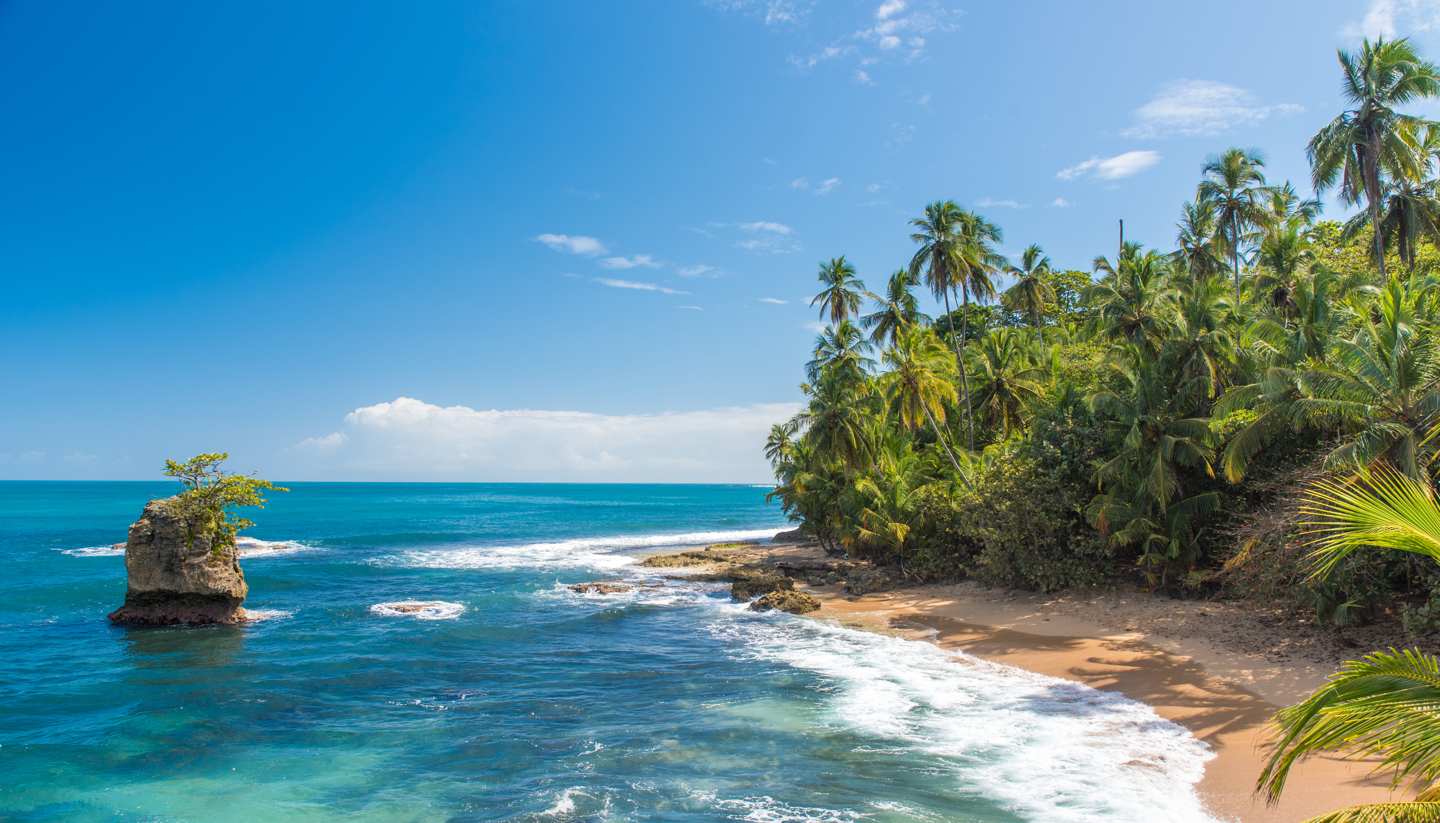
3. Costa Rica 🇨🇷 : el sueño de jubilación pura vida
Presupuesto mensual: $1,400–$2,000
Costa Rica ha atraído a jubilados estadounidenses durante más de 30 años, y se ha ganado su reputación. Fuera de San José, zonas como Guanacaste, el Valle Central y la Zona Sur ofrecen reducciones de costes espectaculares. El alquiler de un apartamento cómodo: $550–$850/mes. El coste de la compra de alimentos se sitúa en torno al 50 % de los precios de EE. UU. El sistema sanitario público CAJA del país es accesible para los residentes legales, y los hospitales privados, incluido el CIMA Hospital, con acreditación internacional, cuestan una fracción de los precios estadounidenses.
La belleza natural es inigualable: selvas tropicales, playas y vida salvaje a menos de una hora de la mayoría de las ciudades.
Vía de visado para estadounidenses: El visado Pensionado requiere solo $1.000/mes en ingresos de pensión verificados (el Seguro Social cumple el requisito). Es uno de los visados de jubilación más accesibles del mundo. Costa Rica también cuenta con un visado Rentista para quienes tengan $2.500/mes en ingresos pasivos. Los ingresos del extranjero no tributan en Costa Rica.
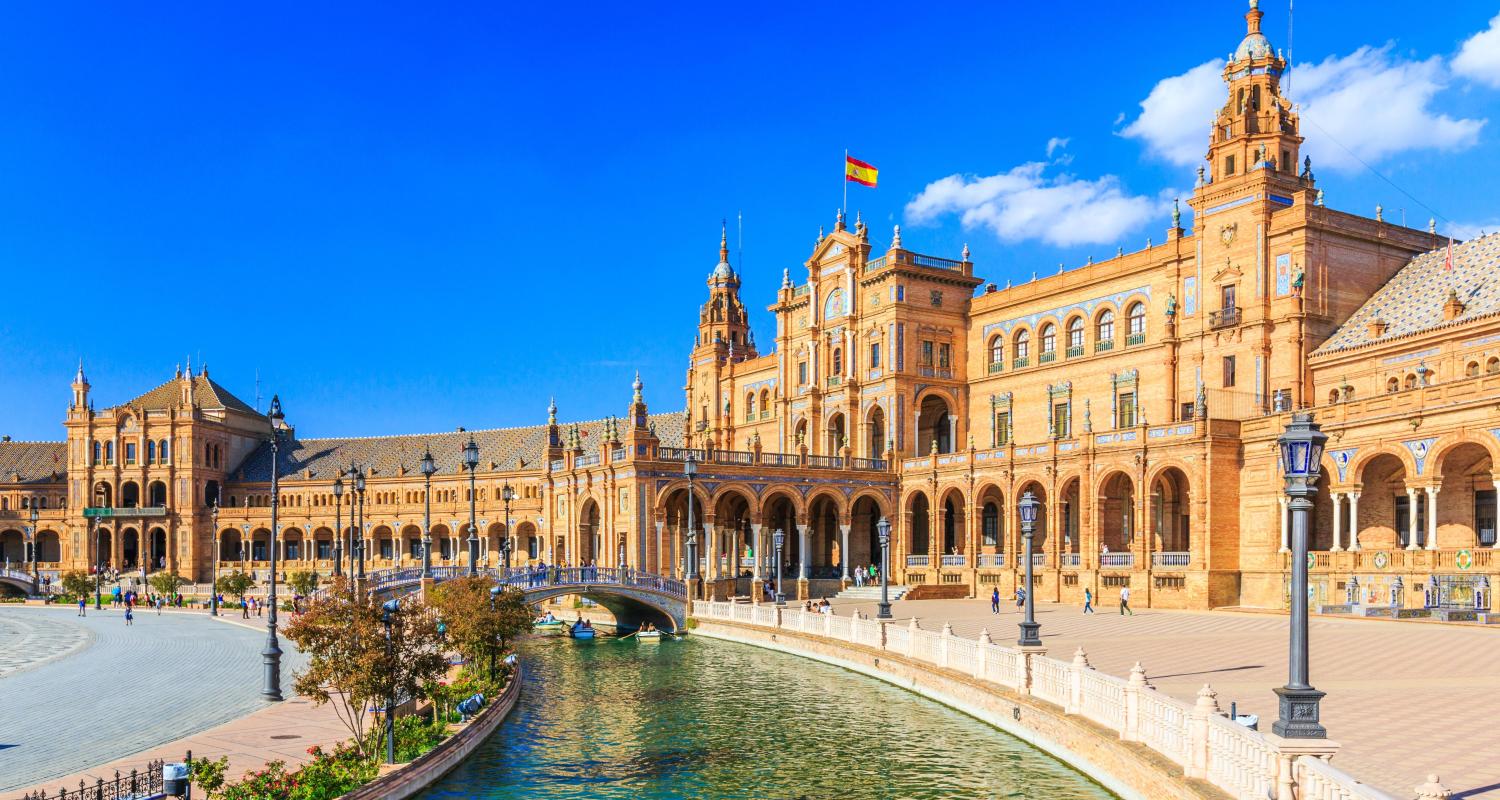
4. España 🇪🇸 : Europa asequible con una calidad de vida de primer nivel
Presupuesto mensual: $1,700–$2,400
Barcelona y Madrid acaparan la atención, pero el verdadero valor de España está en ciudades como Valencia, Sevilla, Málaga, Alicante y Granada. En Valencia, elegida habitualmente como una de las mejores ciudades del mundo para expatriados, un apartamento de un dormitorio cuesta $700–$1.000/mes. Los costes de comida, transporte y sanidad son un 40–50 % más bajos que en ciudades estadounidenses comparables.
El sistema sanitario público español está disponible para los residentes legales, y el seguro privado para expatriados cuesta $80–150/mes. El estilo de vida mediterráneo, la cultura y la calidad de la comida son insuperables.
Vía de visado para estadounidenses: El visado no lucrativo (NLV) requiere demostrar ~$2.300/mes en ingresos pasivos (extractos bancarios, ingresos de jubilación, inversiones). España también lanzó un visado para nómadas digitales en 2023, que permite a los trabajadores remotos que perciben ingresos del extranjero vivir legalmente en España con un tipo impositivo plano preferente del 24 % durante los primeros 4 años.
5. Vietnam 🇻🇳: el rey del presupuesto del sudeste asiático para los aventureros

Presupuesto mensual: $800–$1,300
Vietnam es para los estadounidenses que quieren sacarle el máximo partido a cada dólar. En Da Nang, Hoi An o Ciudad Ho Chi Minh, un apartamento limpio y moderno cuesta $300–$500/mes. Una comida en restaurante cuesta $2–5. El país tiene comida callejera de primer nivel, playas impresionantes y unas infraestructuras que se modernizan rápidamente.
La sanidad en Vietnam ha mejorado de forma significativa, con clínicas de estándar internacional en las principales ciudades.
Vía de visado para estadounidenses: Vietnam ofrece una e-visa de 90 días para ciudadanos estadounidenses, ampliable por otros 90 días. Las opciones de visado a largo plazo siguen siendo limitadas: no existe un visado formal de jubilación ni de ingresos pasivos, lo cual es el principal inconveniente de Vietnam para quienes planean una reubicación permanente. La mayoría de los residentes a largo plazo se apoyan en visados renovables o montan un negocio.
6. Tailandia 🇹🇭: la líder ultraeconómica

Presupuesto mensual: $900–$1,500
Tailandia sigue siendo uno de los países más baratos para que vivan los estadounidenses, sin más. En Chiang Mai, el original centro de expatriados, un apartamento amueblado de un dormitorio cuesta $350–$600/mes. Las comidas de comida callejera cuestan $1–3. Un masaje tailandés de cuerpo completo cuesta $10. La atención hospitalaria privada, incluida en el Bangkok Hospital y en el Bumrungrad International, es de primer nivel y cuesta un 70–80 % menos que el tratamiento equivalente en EE. UU.
El inglés está muy extendido en las zonas con mucha presencia de expatriados, y la comida, la cultura y las infraestructuras de Tailandia la convierten en uno de los destinos con mejor calidad de vida por dólar de cualquier lugar.
Vía de visado para estadounidenses: El nuevo visado de residente a largo plazo (LTR) de Tailandia (lanzado en 2022) es transformador: ofrece un visado renovable de 10 años para jubilados que ganen $80.000+/año o con $250.000+ en activos. El Thailand Elite Visa estándar ($15.000 por adelantado) también concede 20 años de residencia. Los nómadas digitales suelen encadenar visados turísticos de 60 días con salidas a la frontera, aunque el LTR es ahora el estándar de oro para las estancias largas.
🇦🇱 7. Albania — el mejor secreto guardado de Europa

Presupuesto mensual: $700–$1,100
Albania es el país más barato de Europa y uno de los más infravalorados de esta lista. La capital, Tirana, se ha transformado de forma espectacular en la última década: hoy es una ciudad moderna y vibrante, con una excelente gastronomía, una cultura cafetera en auge y una cálida bienvenida a los residentes extranjeros. La localidad costera de Sarandë, con vistas a Corfú (Grecia), es cada vez más popular entre los expatriados.
Alquiler en Tirana: $350–$600/mes por un apartamento de un dormitorio. La compra de alimentos y las comidas fuera son excepcionalmente baratas según cualquier estándar.
Vía de visado para estadounidenses: Esta es la gran ventaja de Albania: los ciudadanos estadounidenses pueden entrar y permanecer hasta 1 año sin visado. Sin trámites complejos ni prueba de ingresos mínimos. Para la residencia completa, el proceso de Albania es relativamente sencillo en comparación con el de la mayoría de países de la UE, y el país es miembro de la OTAN y candidato a la UE.
🇬🇪 8. Georgia — la joya infravalorada del nómada digital

Presupuesto mensual: $800–$1,200
Georgia (el país, no el estado) se ha convertido en un favorito de los trabajadores remotos y los expatriados preocupados por su presupuesto. Tiflis, su capital, ofrece una fascinante mezcla de arquitectura de época y servicios modernos. El país tiene impuestos sobre la renta planos y bajos (20 %), una floreciente cultura cafetera y una comida y un vino excepcionales.
Alquiler en Tiflis: $350–$600/mes en buenos barrios. Las comidas locales cuestan $3–8 por comida.
Vía de visado para estadounidenses: Georgia ofrece entrada sin visado de 365 días para ciudadanos estadounidenses, la más generosa de todos los países de esta lista. Puedes simplemente llegar, vivir y renovar anualmente. Georgia no tiene un visado formal de ingresos pasivos, pero su programa Remotely from Georgia facilita que los trabajadores remotos se registren legalmente.
🇨🇴 9. Colombia — la estrella emergente de Latinoamérica
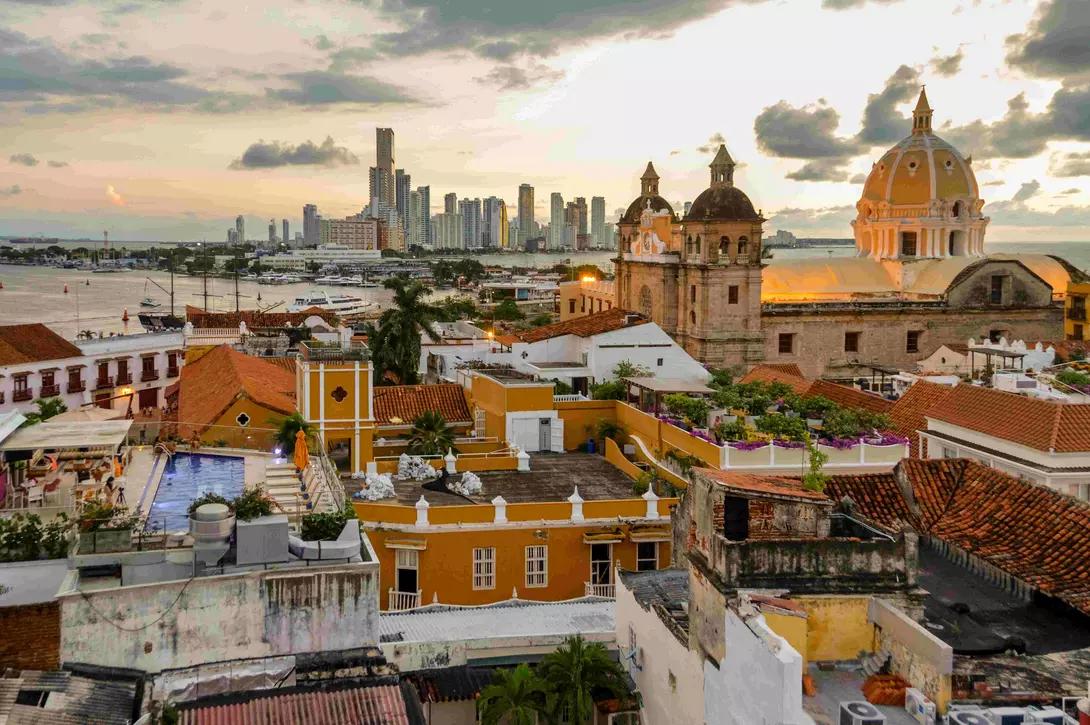
Presupuesto mensual: $1,000–$1,600
La transformación de Colombia en los últimos 15 años es extraordinaria. Medellín, en su día tristemente célebre por las peores razones, es hoy una ciudad innovadora reconocida por la UNESCO y uno de los destinos de expatriados más populares de Sudamérica. Cartagena, Bogotá y el Eje Cafetero ofrecen estilos de vida muy diferentes a precios muy distintos.
El clima de primavera eterna de Medellín, su bajo coste de vida y su excelente sanidad privada hacen que sea especialmente popular entre jubilados y trabajadores remotos. Un apartamento amueblado de un dormitorio en El Poblado (la zona de expatriados de lujo de Medellín) cuesta $500–$800/mes.
Vía de visado para estadounidenses: El visado Pensionado (visado de jubilado migrante) de Colombia requiere solo $750/mes en ingresos de pensión. El visado para nómadas digitales está disponible para trabajadores remotos que ganen $684+/mes. Los ingresos del extranjero no tributan para los no residentes. Colombia es también una de las vías más rápidas hacia la ciudadanía de Latinoamérica: 5 años de residencia → ciudadanía.
🇲🇾 10. Malasia — el país más amable con los expatriados de Asia

Presupuesto mensual: $1,100–$1,700
Malasia es el destino de expatriados más infravalorado del sudeste asiático. El inglés está muy extendido, legado de la colonización británica, las infraestructuras son excelentes, la comida es extraordinaria y Kuala Lumpur ofrece un nivel de vida que rivaliza con el de Singapur por una fracción de su coste. Para los jubilados que buscan comodidad sin concesiones, Malasia es difícil de superar.
Un apartamento de un dormitorio en los barrios de expatriados de Kuala Lumpur: $500–$800/mes. La sanidad privada es de primer nivel y sorprendentemente asequible.
Vía de visado para estadounidenses: El programa Malaysia My Second Home (MM2H) se reformó en 2023. Los requisitos son ahora más exigentes que antes (depósito fijo de 150.000 MYR / ~$32.000 USD), pero sigue siendo uno de los programas de residencia a largo plazo más consolidados de Asia, con visados renovables de 5 años.
🇨🇿 11. República Checa — la ciudad más habitable de Europa Central

Presupuesto mensual: $1,500–$2,100
Praga es una de las ciudades más bonitas de Europa y, fuera de las zonas turísticas, mucho más asequible de lo que sugiere su reputación. Un apartamento de un dormitorio lejos del Casco Antiguo: $700–$1.000/mes. La sanidad checa es excelente, y el seguro privado cuesta $70–120/mes. La ubicación centroeuropea del país hace que los viajes de fin de semana a Alemania, Austria y Polonia sean triviales.
Vía de visado para estadounidenses: como ciudadano no comunitario, los estadounidenses pueden permanecer 90 días sin visado y luego solicitar un visado de larga duración (Zivno, licencia de autónomo/comercial) o un visado de empleado para trabajadores remotos. La República Checa introdujo recientemente una estructura favorable para nómadas digitales. El camino hacia la residencia permanente dura 5 años.
🇺🇾 12. Uruguay — la democracia más estable de Sudamérica
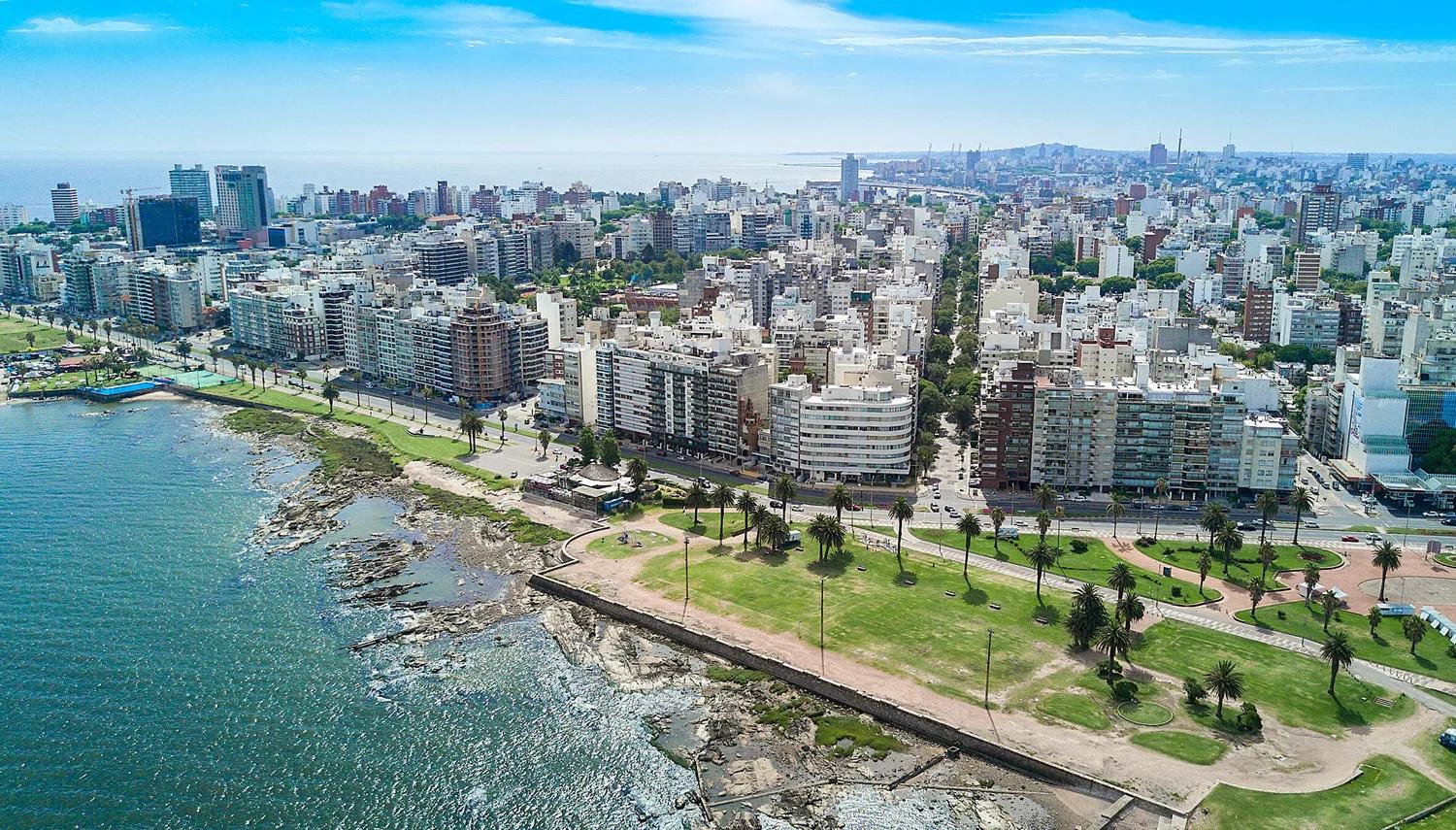
Presupuesto mensual: $1,400–$2,000
Uruguay suele pasar desapercibido frente a sus vecinos más vistosos, pero para los jubilados que buscan estabilidad, estado de derecho, alta calidad de vida y bajos costes, es excepcional. Montevideo tiene un ambiente europeo y transitabled, excelentes servicios públicos y una cultura cálida y acogedora. Uruguay tiene uno de los índices de desarrollo humano más altos de Latinoamérica y figura como uno de los países menos corruptos del mundo.
Alquiler de un apartamento de un dormitorio en Montevideo: $550–$850/mes. La sanidad es de buena calidad, y la sanidad pública uruguaya (FONASA) es accesible para los residentes.
Vía de visado para estadounidenses: Los ciudadanos estadounidenses entran sin visado durante 90 días. El proceso de residencia de Uruguay es de los más ágiles de la región: basta con la prueba de ingresos o un depósito bancario. El visado Rentista requiere ~$1.500/mes en ingresos pasivos. La residencia permanente está disponible tras 3 años y la ciudadanía tras 5, de las más rápidas del mundo.
Realidad fiscal para los estadounidenses que viven en el extranjero

Esta es la incómoda verdad que muchos artículos sobre «mudarse al extranjero» omiten: Estados Unidos grava a sus ciudadanos por sus ingresos mundiales, independientemente de dónde vivan. No se deja simplemente de presentar la declaración de impuestos estadounidense porque se viva en Tailandia o Portugal.
Conceptos fiscales clave para expatriados estadounidenses
Exclusión de ingresos devengados en el extranjero (FEIE) Los ciudadanos estadounidenses que cumplan la prueba de presencia física (330+ días fuera de EE. UU. en un periodo de 12 meses) o la prueba de residencia bona fide pueden excluir hasta $126.500 de ingresos devengados en el extranjero (cifra de 2024, indexada anualmente) de la tributación federal estadounidense. Es una de las herramientas más valiosas para los expatriados que trabajan.
Crédito fiscal por impuestos extranjeros (FTC) Si pagas impuestos sobre la renta en tu país de residencia, puedes usar esos pagos para compensar tu factura fiscal estadounidense dólar por dólar. Esto evita la doble imposición para los residentes de países con alta fiscalidad, como Portugal o España.
FATCA (Foreign Account Tax Compliance Act) Los ciudadanos estadounidenses con cuentas financieras en el extranjero que superen los $10.000 en algún momento del año deben presentar un FBAR (FinCEN 114). Quienes tengan activos en el extranjero por encima de $200.000 (para expatriados) presentan el Formulario 8938. Las sanciones por incumplimiento son severas.
Seguro Social en el extranjero Por lo general, los ingresos del Seguro Social pueden percibirse mientras se vive en el extranjero (con algunas excepciones según el país). Tributan en EE. UU. si tus ingresos totales superan ciertos umbrales. Varios países de esta lista (entre ellos Portugal, la República Checa y Uruguay) tienen convenios fiscales con EE. UU. que pueden afectar a tu obligación tributaria.
Realidad del coste sanitario por país

Una de las mayores inquietudes de los estadounidenses al mudarse al extranjero es la sanidad, y una de las mayores sorpresas una vez se mudan es lo espectacularmente más barata que resulta, a menudo con mejores resultados.
| País | Coste mensual del seguro privado | Coste de la consulta médica | Coste de cirugía mayor (p. ej., prótesis de cadera) |
|---|---|---|---|
| EE. UU. (media) | $450–$800+ | $150–$300 | $30,000–$50,000 |
| México | $80–$150 | $20–$35 | $5,000–$12,000 |
| Tailandia | $70–$130 | $30–$60 | $8,000–$18,000 |
| Colombia $60–$120 $15–$30 $5,000–$10,000 | |||
| Malasia $80–$150 $20–$40 $7,000–$15,000 | |||
| España $80–$150 $20–$40 $6,000–$12,000 | |||
| República Checa $70–$120 $15–$35 $6,000–$14,000 | |||
| Portugal $60–$100 $20–$40 $6,000–$15,000 |
En todos los países de esta lista, un seguro privado integral cuesta menos al mes que el copago medio de un estadounidense. Para los jubilados que todavía no están en Medicare, el ahorro es transformador.
Cómo reubicarse de verdad: tu plan de acción

Elegir un país es el primer paso. Hacer que la mudanza se haga realidad es donde la mayoría se atasca. Este es un camino simplificado:
- Determina tu estructura de ingresos. ¿Tienes Seguro Social, pensión, ingresos por inversiones o ingresos por trabajo remoto? Tu tipo de ingresos determina los visados para los que reúnes los requisitos.
- Visita primero, comprométete después. Todos los países de esta lista premian una visita de exploración de 1 a 3 meses. Alquila un apartamento amueblado, vive como un local y evalúa antes de firmar nada a largo plazo.
- Apostilla tus documentos. La mayoría de las solicitudes de residencia exigen partidas de nacimiento, antecedentes penales y estados financieros apostillados. Calcula de 6 a 8 semanas para este trámite en EE. UU.
- Abre una cuenta bancaria local. Muchos países exigen prueba de banca local para las solicitudes de residencia. Investiga qué bancos internacionales tienen sucursales o usa servicios como Wise o Charles Schwab International durante el periodo de transición.
- Consigue un presupuesto de mudanza internacional. El envío de objetos personales al extranjero implica una logística compleja: las normativas aduaneras, el tamaño del contenedor y la verificación del transportista importan. Conseguir varios presupuestos de empresas de mudanzas internacionales verificadas es esencial antes de comprometerse.
- Contrata a un abogado de inmigración local. Para los países que exigen solicitudes formales de visado (Portugal, España, Tailandia), un abogado de inmigración local suele costar $500–$1.500 y vale cada céntimo.
- Determina tu estructura de ingresos: ¿tienes Seguro Social, pensión, ingresos por inversiones o ingresos por trabajo remoto? Tu tipo de ingresos determina los visados para los que reúnes los requisitos.
- Visita primero, comprométete después. Todos los países de esta lista premian una visita de exploración de 1 a 3 meses. Alquila un apartamento amueblado, vive como un local y evalúa antes de firmar nada a largo plazo.
¿Listo para dar el paso?
¡Mudarse al extranjero es una de las cosas más complejas desde el punto de vista logístico que harás nunca! Y el apoyo adecuado marca toda la diferencia. ReloAdvisor está para conectarte con empresas de mudanzas internacionales de confianza y verificadas, adaptadas a tu ruta, plazos y presupuesto concretos. Consigue un presupuesto gratuito y sin compromiso en minutos: compara tarifas de empresas de mudanzas internacionales de confianza especializadas en reubicaciones de expatriados estadounidenses.
Consigue presupuestos de mudanza gratis ahoraTu dólar tiene más poder del que crees

La crisis del coste de vida estadounidense no es un fracaso personal: es una realidad estructural que está empujando a millones de personas a mirar más allá de las fronteras de EE. UU. Los 12 países de esta guía no son «escapes» ni premios de consolación. Son lugares donde los estadounidenses están construyendo vidas mejores, más sanas y más seguras desde el punto de vista financiero, a menudo con sanidad, comunidad y calidad de vida que rivalizan o superan lo que tenían en casa.
La pregunta no es si puedes permitirte mudarte al extranjero. A juzgar por las cifras de esta guía, la verdadera pregunta es si puedes permitirte no hacerlo.
Tu siguiente paso es práctico: calcula tus ingresos mensuales, hazlos coincidir con los países que se adaptan a tu estilo de vida, planifica un viaje de reconocimiento y empieza los trámites. Miles de estadounidenses dan este paso cada año; con la preparación adecuada, tú también puedes.
¿Planeando tu mudanza internacional?
Lee nuestra guía completa sobre «Qué esperar al mudarse al extranjero y cómo elegir una empresa de mudanzas internacionales».
Leer más👉 En ReloAdvisor puedes informarte con flexibilidad sobre tus opciones comparando presupuestos de mudanzas internacionales, conociendo precios y servicios: todo gratis, con un solo clic.
Usa nuestro estimador de volumen de mudanza para obtener resultados instantáneos y precisos basados exactamente en lo que vas a enviar.
Preguntas frecuentes
¿Cuánto cuesta realmente mudarse al extranjero (gastos de envío)?
Los costes de envío internacional dependen en gran medida del volumen, el destino y el método. Un contenedor parcial (LCL) a Europa o Latinoamérica suele costar $2.000–$5.000. Un contenedor completo de 20 pies al sudeste asiático o a Europa cuesta $4.000–$9.000. Conseguir al menos 3 presupuestos de empresas de mudanzas internacionales verificadas y usar un estimador de volumen es esencial para evitar que te cobren de más.
¿Puedo vivir con $2.000 al mes en otro país?
¡Por supuesto! De hecho, en muchos de los países de esta lista, $2.000/mes es un estilo de vida cómodo de clase media-alta. En México, Colombia, Vietnam, Albania y Georgia, $2.000/mes te sitúa en el nivel más alto de poder adquisitivo local. En Portugal, España y la República Checa, $2.000/mes cubre una vida cómoda fuera de los grandes centros urbanos.
Así que sí, se puede vivir bien con $2.000/mes en el extranjero; en la mayor parte de EE. UU., no.
¿Sigo pagando impuestos estadounidenses si me mudo al extranjero?
Sí: EE. UU. grava a sus ciudadanos por sus ingresos mundiales con independencia de su lugar de residencia. Sin embargo, la exclusión de ingresos devengados en el extranjero (FEIE) permite a los expatriados que reúnan los requisitos excluir hasta $126.500 de ingresos devengados en el extranjero al año, y el crédito fiscal por impuestos extranjeros compensa la doble imposición para quienes pagan impuestos en su país de residencia. Trabaja con un especialista en fiscalidad de expatriados estadounidenses antes y después de tu mudanza.
¿Qué países de esta lista tienen el visado más fácil para estadounidenses?
- Albania (entrada sin visado de 1 año)
- Georgia (365 días sin visado)
- Y México (entrada turística de 180 días) ofrecen las estancias iniciales con menos fricción.
Para una residencia formal a largo plazo, el visado Pensionado de Costa Rica y el visado Pensionado de Colombia tienen los umbrales de ingresos más bajos ($750–$1.000/mes).
¿Qué país es el más barato para que se muden los ciudadanos estadounidenses ahora mismo?
Albania y Vietnam son actualmente los más baratos en términos absolutos ($700–$1.100/mes), seguidos de cerca por Georgia y Tailandia. Sin embargo, «más barato» no siempre es «mejor relación calidad-precio»: México y Colombia ofrecen costes muy bajos manteniendo al mismo tiempo excelentes infraestructuras, accesibilidad en inglés en las zonas de expatriados y proximidad a EE. UU.
¿La sanidad de estos países es realmente tan buena como la de EE. UU.?
Para la mayoría de la atención estándar y especializada, sí, a menudo mejor. El Bumrungrad International Hospital de Tailandia, la red de hospitales privados de Portugal, los hospitales Gleneagles y Pantai de Malasia y las principales clínicas de Medellín en Colombia tienen todos acreditaciones internacionales y atraen a turistas médicos precisamente por su calidad. La diferencia está en el precio, no en la calidad.
Última actualización: junio de 2026. Las cifras de costes se basan en datos de Numbeo, Expatistan y comunidades de expatriados. Todos los costes en USD, persona sola con estilo de vida de gama media. La información fiscal es solo orientación general: consulta a un profesional fiscal especializado en expatriados estadounidenses para tu situación particular.
Etiquetas: países más baratos para que se muden los estadounidenses 2026, a dónde mudarse desde EE. UU. 2026, países asequibles para expatriados estadounidenses, coste de vida en el extranjero frente a EE. UU., mejores países para jubilarse desde EE. UU., países con visado fácil para ciudadanos estadounidenses