
La idea de mudarse al extranjero resulta cada vez más atractiva. Un mejor equilibrio entre la vida personal y laboral, un costo de vida asequible, oportunidades profesionales y la flexibilidad del trabajo remoto han animado a millones de personas a considerar la reubicación internacional.
Sin embargo, mudarse al extranjero puede resultar caro. El envío internacional, las tasas de visado, el alojamiento temporal y la instalación de un nuevo hogar pueden suponer rápidamente miles de dólares.
Para hacer frente al descenso de población, la escasez de mano de obra y los retos económicos, algunos países y gobiernos locales han creado programas de incentivos de reubicación que ofrecen recompensas económicas para atraer a nuevos residentes.
Pero hay un detalle importante: la mayoría de los países no se limitan a repartir dinero a cualquiera que llegue. Estos programas suelen tener requisitos específicos relacionados con el empleo, la inversión, la edad, la ubicación o la residencia a largo plazo.
A continuación se presentan siete lugares reales que ofrecen incentivos económicos para los recién llegados en 2026.
Comparación rápida: países que te pagan por reubicarte en 2026
| País | Incentivo máximo | Ideal para | Requisito principal |
|---|---|---|---|
| Italia | Hasta 30 000 € | Familias, trabajadores remotos, jubilados | Mudarse a un pequeño pueblo que cumpla los requisitos |
| Irlanda | Hasta 84 000 € | Reformadores de propiedades | Restaurar una vivienda desocupada en una isla |
| España | Hasta 15 000 € | Familias y trabajadores remotos | Reubicarse en zonas rurales seleccionadas |
| Suiza | Aproximadamente 25 000 CHF por adulto | Familias jóvenes | Mudarse a pueblos que cumplan los requisitos |
| Grecia | Hasta 500 € de apoyo mensual + vivienda | Familias y trabajadores | Reubicarse en islas seleccionadas |
| Japón | Hasta 4,8 millones de ¥ | Familias, profesionales | Mudarse de grandes ciudades a regiones rurales |
| Canadá | Incentivos económicos regionales | Trabajadores cualificados y emprendedores | Cumplir los criterios provinciales o regionales |
1. Italia: te pagan por mudarte a hermosos pueblos rurales
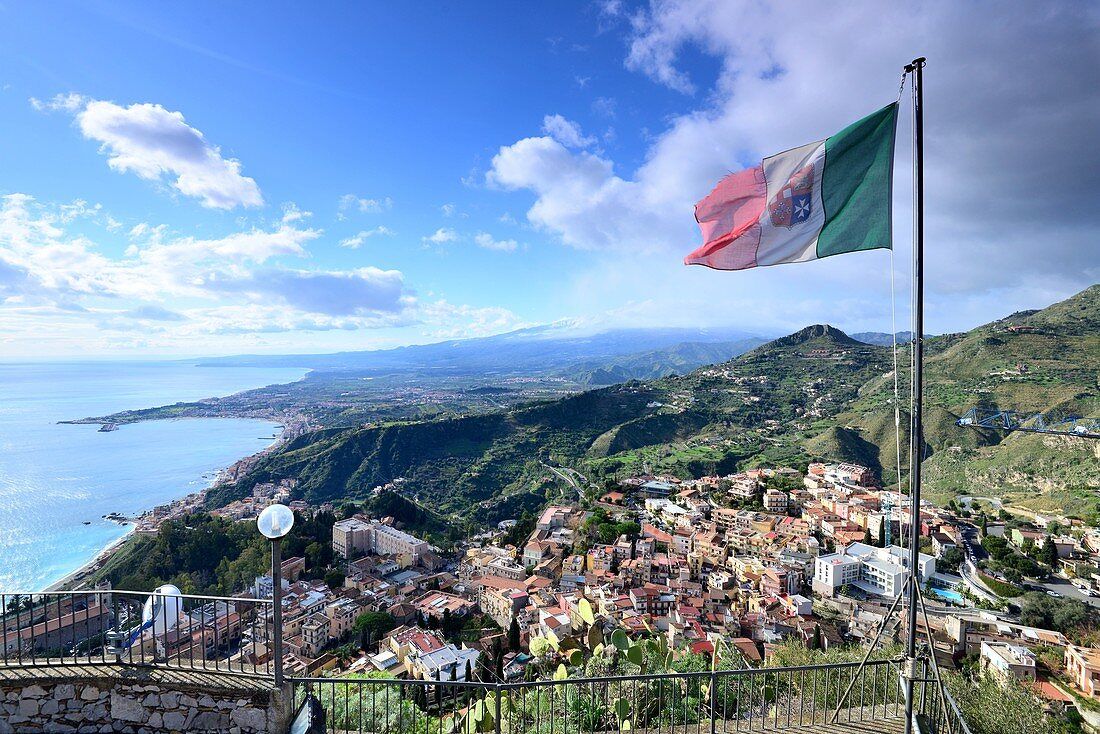
Por qué Italia ofrece incentivos de reubicación
Muchos pueblos pequeños de Italia se enfrentan a poblaciones envejecidas y una tasa de natalidad en descenso. Para devolver la vida a estas comunidades, varias regiones han introducido subvenciones para los recién llegados.
Entre los esquemas regionales más destacados, activos o recurrentes, se encuentran:
- Trentino (norte de Italia): Ofrece hasta 100 000 € (aproximadamente 20 000 € para comprar y 80 000 € para reformar) a personas que se reubiquen y reformen una casa histórica abandonada.
- Calabria (sur de Italia): Paga hasta 20 000–28 000 € durante tres años a menores de 40 años que se muden a pueblos de montaña con menos de 3000 habitantes. Debes abrir un negocio local o cubrir un puesto de trabajo muy demandado.
- Molise (centro de Italia): Ofrece hasta 27 000 € (unos 700–900 € al mes durante un máximo de 3 años) a personas que se reubiquen en un pueblo con menos de 2000 habitantes y abran un pequeño negocio.
- Presicce-Acquarica (Pulia): Ofrece hasta 30 000 € a compradores que adquieran una propiedad vacía y se registren como residentes oficiales de esta localidad del sur de Italia.
- Candela (Pulia): Ofrece subvenciones en efectivo más pequeñas e inmediatas (p. ej., 800 € para solteros, hasta 2000 € para familias) por mudarse al pueblo. Debes alquilar una vivienda y conseguir un trabajo que pague al menos 7500 € al año.
Qué puedes recibir
Los posibles beneficios incluyen:
- Pagos mensuales durante varios años
- Subvenciones para abrir un negocio local
- Asistencia económica para comprar o reformar viviendas
¿Quién es elegible?
Los requisitos varían según la región, pero suelen incluir:
- Mudarse de forma permanente a un pueblo aprobado
- Abrir un negocio u obtener empleo local
- Cumplir los requisitos de edad (normalmente menos de 40 o 50 años)
- Establecer la residencia oficial
Ventajas e inconvenientes
- Vivienda asequible
- Excelente clima y estilo de vida
- Rica cultura y gastronomía
- Oportunidades laborales limitadas
- Las zonas rurales pueden tener menos servicios
- Aprender italiano suele ser imprescindible
2. Irlanda: subvenciones para restaurar viviendas desocupadas en islas

Irlanda lanzó la iniciativa Our Living Islands para revertir el descenso de población y preservar la cultura y las comunidades de sus remotas islas costeras.
Muchas viviendas tradicionales han permanecido vacías durante años debido a la migración hacia ciudades más grandes. Para atraer a nuevos residentes a largo plazo, el gobierno irlandés ofrece subvenciones a quienes compren y reformen propiedades vacías o en ruinas en islas que cumplan los requisitos.
¿Qué apoyo económico está disponible?
Los propietarios elegibles pueden recibir subvenciones de hasta aproximadamente 84.000 € por la renovación de viviendas vacías o en ruinas.
Ejemplos de incentivos disponibles
Subvención para la Rehabilitación de Viviendas Vacías:
- Hasta 50.000 € por la renovación de una vivienda vacía.
- Las subvenciones adicionales pueden aumentar el apoyo hasta 84.000 € si la propiedad se clasifica como en ruinas.
La subvención se aplica a viviendas situadas en islas frente a la costa que cumplan los requisitos, como partes de:
- Condado de Mayo
- Condado de Galway
- Condado de Cork
- Condado de Donegal
Lo que puedes recibir
Los posibles beneficios incluyen:
- Apoyo financiero para la renovación de viviendas abandonadas o en ruinas
- La oportunidad de ser propietario de una vivienda en algunos de los paisajes más bellos de Irlanda
- Acceso a comunidades insulares centradas en la sostenibilidad a largo plazo
¿Quién es elegible?
Los requisitos generalmente incluyen:
- Comprar una vivienda vacía o en ruinas en una isla aprobada
- Reformar la vivienda de acuerdo con las normas del programa
- Utilizar la vivienda como residencia principal o ponerla a disposición para alquiler a largo plazo
- Completar la reforma dentro del plazo establecido
Los compradores extranjeros también pueden ser elegibles para comprar una vivienda y solicitar subvenciones, siempre que cumplan todas las condiciones del programa.
Ventajas e inconvenientes
- Preciosos paisajes costeros y un estilo de vida tranquilo
- Fuertes comunidades locales
- Entorno de habla inglesa
- Acceso a la sanidad, educación y servicios públicos irlandeses (según el estatus de residencia)
- Oportunidades de empleo limitadas en las islas más pequeñas
- Costes más altos de materiales de construcción y transporte
- El clima puede ser impredecible y severo durante el invierno
- El acceso a hospitales y servicios principales puede requerir viajar al continente
Aspectos a considerar antes de mudarse
Vivir en una isla puede suponer:
- Transporte limitado
- Menos opciones de sanidad y compras
- Mayor dependencia de las redes comunitarias
Sin embargo, también ofrece una belleza natural extraordinaria y un ritmo de vida más pausado.
3. España – Incentivos financieros para reactivar las comunidades rurales

Al igual que muchos países europeos, España se enfrenta a una importante despoblación rural a medida que las generaciones más jóvenes se trasladan a grandes ciudades como Madrid y Barcelona.
Para combatir el fenómeno conocido como “España vaciada” (España vacía), algunos pueblos y gobiernos regionales ofrecen incentivos para atraer a familias, trabajadores remotos y emprendedores.
Ideal para: Personas que disfrutan de un clima cálido, unos costes de vida más bajos y comunidades locales fuertes Más adecuado para: Trabajadores remotos, familias que buscan un estilo de vida más tranquilo, personas dispuestas a reformar una vivienda
Ejemplos de incentivos disponibles
Según la región:
- Pagos por traslado
- Incentivos de apoyo a los hijos
- Costes de vivienda reducidos
- Apoyo empresarial
Ponga, Asturias:
- Ofrece hasta 3.000 € para familias que se trasladen al pueblo.
- Pueden existir pagos adicionales por cada niño que nazca o se críe allí.
Otros programas rurales:
- Algunos municipios ofrecen:
- Vivienda a coste reducido
- Subvenciones de apoyo empresarial
- Incentivos fiscales
- Asistencia financiera para emprendedores y trabajadores remotos
Los programas cambian con frecuencia y suelen gestionarse a nivel local.
Lo que puedes recibir
Los posibles beneficios incluyen:
- Subvenciones en efectivo para la mudanza
- Apoyo financiero para familias con hijos
- Oportunidades de vivienda asequible
- Asistencia para crear una empresa
¿Quién es elegible?
Los requisitos varían según el municipio, pero pueden incluir:
- Registrarse como residente oficial
- Vivir en la zona durante un período mínimo
- Crear una empresa o contribuir a la economía local
- Cumplir los requisitos demográficos locales
- Clima cálido y vida al aire libre
- Menor coste de vida en las zonas rurales
- Excelente sistema sanitario
- Rica cultura, gastronomía y tradiciones
- Menos oportunidades laborales fuera de las grandes ciudades
- Algunos pueblos cuentan con transporte público limitado
- Puede ser necesario dominar el español para integrarse
4. Suiza – Trasládate a un pueblo de montaña y recibe apoyo financiero
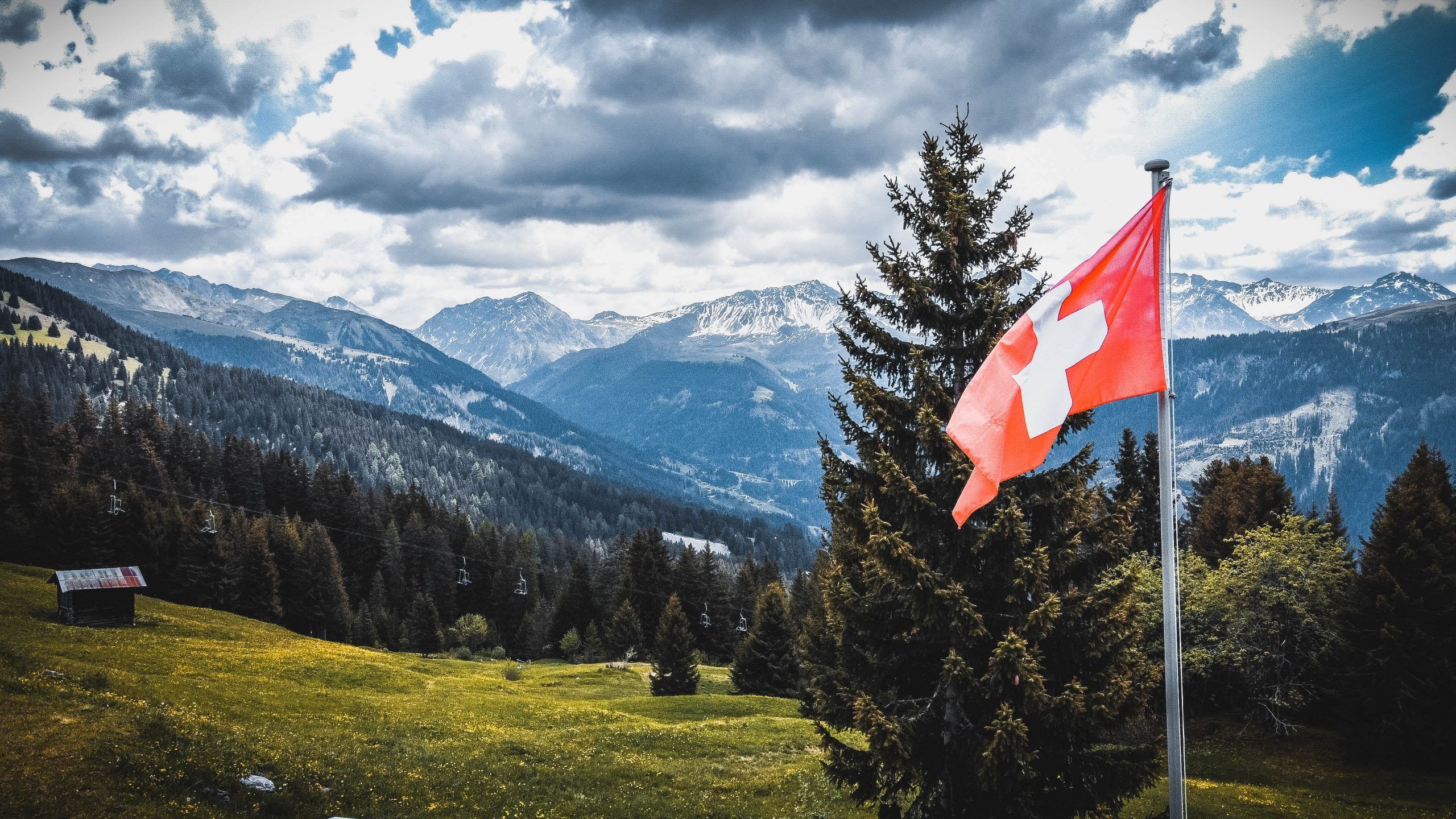
El pueblo suizo de Albinen se hizo conocido internacionalmente por ofrecer incentivos financieros para atraer residentes.
Algunos pueblos suizos pequeños han experimentado un descenso de población a medida que los residentes más jóvenes se trasladan a ciudades más grandes por estudios y empleo.
El pueblo de montaña de Albinen, en el cantón del Valais puso en marcha uno de los programas de reasentamiento más famosos de Europa para animar a las familias jóvenes a establecerse de forma permanente.
Ideal para: Personas que disfrutan de un clima cálido, menores gastos de vida y comunidades locales cohesionadas Especialmente para: Trabajadores remotos, familias que buscan un estilo de vida más tranquilo, personas dispuestas a renovar propiedades
Importe del incentivo
Los adultos que reúnan los requisitos pueden recibir unos 25.000 CHF, con apoyo adicional para los hijos.
Ejemplo de incentivos disponibles
Programa de reasentamiento de Albinen:
Los recién llegados que reúnan los requisitos pueden recibir aproximadamente:
- CHF 25,000 por adulto
- CHF 10,000 por niño
Una familia de cuatro personas podría recibir hasta CHF 70,000 en apoyo financiero.
Lo que puedes recibir
Los posibles beneficios incluyen:
- Subvenciones económicas directas
- La oportunidad de vivir en un pintoresco pueblo alpino suizo
- Un entorno de alta calidad con una excelente infraestructura
¿Quién es elegible?
Los requisitos incluyen:
- Tener menos de 45 años al solicitarlo
- Comprar o construir una vivienda de al menos CHF 200,000
- Comprometerse a vivir en Albinen durante al menos 10 años
- Obtener el derecho legal a residir en Suiza
- Seguridad y calidad de vida excepcionales
- Preciosos paisajes de montaña
- Excelente atención sanitaria y servicios públicos
- Infraestructura sólida
- Coste de vida extremadamente alto
- Oportunidades de empleo limitadas en pueblos pequeños
- Requisitos elevados de compra de propiedades
- Es obligatorio un compromiso a largo plazo
Importante
Suiza tiene requisitos migratorios estrictos. Recibir un incentivo de un pueblo no te concede automáticamente el derecho a vivir o trabajar en Suiza. Debes cumplir los requisitos según las normas migratorias suizas.
5. Grecia – Te pagan por mudarte a una tranquila isla mediterránea

Algunas islas griegas, incluida Antikythera, han ofrecido incentivos para fomentar que las familias se establezcan de forma permanente.
Por qué Grecia ofrece incentivos de reubicación
Varias islas griegas pequeñas se enfrentan al envejecimiento de la población y a una disminución del número de residentes permanentes.
Para mantener escuelas, servicios locales y vida comunitaria, algunas islas han introducido incentivos destinados a atraer a familias jóvenes y trabajadores cualificados.
Ejemplo de incentivos disponibles
Programa de la isla de Antikythera:
Los nuevos residentes pueden recibir:
- Alrededor de 500 € al mes durante un máximo de tres años
- Asistencia para la vivienda
- Oportunidades de terreno o vivienda según la disponibilidad local
El programa se centra especialmente en atraer a familias dispuestas a establecerse de forma permanente.
Lo que puedes recibir
Los posibles beneficios incluyen:
- Apoyo económico mensual
- Costes de vivienda reducidos
- Acceso a un estilo de vida insular tranquilo
- Oportunidades de contribuir a una comunidad pequeña
¿Quién es elegible?
Los requisitos pueden incluir:
- Mudarse de forma permanente a la isla
- Cubrir las necesidades de la comunidad o los requisitos de empleo
- Obtener la aprobación de las autoridades locales
- Tener el derecho legal a vivir en Grecia
- Clima mediterráneo
- Coste de vida más bajo en comparación con muchas ubicaciones de Europa Occidental
- Comunidades unidas
- Estilo de vida relajado
- Oportunidades profesionales limitadas
- Aislamiento de las grandes ciudades
- Menos instalaciones sanitarias y educativas
- El transporte depende de los ferris y de las condiciones meteorológicas
Importante:
6. Japón – Subvenciones de reubicación rural para familias
Japón se enfrenta a una de las poblaciones que envejecen más rápidamente del mundo, especialmente en las zonas rurales.
A través de programas de reubicación regional, las familias que se trasladan desde grandes áreas metropolitanas a regiones rurales designadas pueden recibir apoyo económico.

Por qué Japón ofrece incentivos de reubicación
Las comunidades rurales de Japón han sufrido décadas de descenso de población a medida que las generaciones más jóvenes se trasladan a Tokio y otras grandes ciudades.
Para reactivar las economías regionales, el gobierno japonés apoya el Programa de Revitalización Regional, que ofrece incentivos económicos para las familias que se trasladan desde grandes zonas urbanas a municipios rurales designados.
Los posibles beneficios incluyen:
- Subvenciones de reubicación que alcanzan varios millones de yenes
- Apoyo adicional para familias con hijos
- Asistencia para el empleo y la creación de empresas
Ejemplo de incentivos disponibles:
Los hogares elegibles pueden recibir:
- Hasta ¥1 millón (aproximadamente 6 000 €) por hogar por trasladarse desde áreas metropolitanas de Tokio a regiones aprobadas.
- Apoyo adicional de hasta ¥1 millón por niño para familias con hijos en determinadas condiciones.
Algunos municipios también ofrecen:
- Vivienda subvencionada
- Asistencia para la creación de empresas
- Apoyo al empleo
Lo que puedes recibir
Los posibles beneficios incluyen:
- Subvenciones de reubicación
- Pagos por hijo a cargo
- Oportunidades de vivienda asequible
- Apoyo para emprendedores y trabajadores
¿Quién es elegible?
Los requisitos suelen incluir:
- Trasladarse desde áreas metropolitanas elegibles a municipios rurales designados
- Vivir en la nueva ubicación durante un número mínimo de años
- Trabajar en empleos aprobados, puestos remotos o emprender un negocio
- Cumplir las condiciones del gobierno local
Ventajas y desafíos
- Comunidades seguras
- Vivienda asequible fuera de las grandes ciudades
- Servicios públicos de alta calidad
- Experiencia cultural única
- Barreras del idioma japonés
- Las zonas rurales pueden tener comunidades internacionales limitadas
- Menos oportunidades profesionales
- La adaptación cultural puede requerir un esfuerzo considerable
Qué tener en cuenta
7. Canadá – Incentivos regionales para trabajadores cualificados y emprendedores
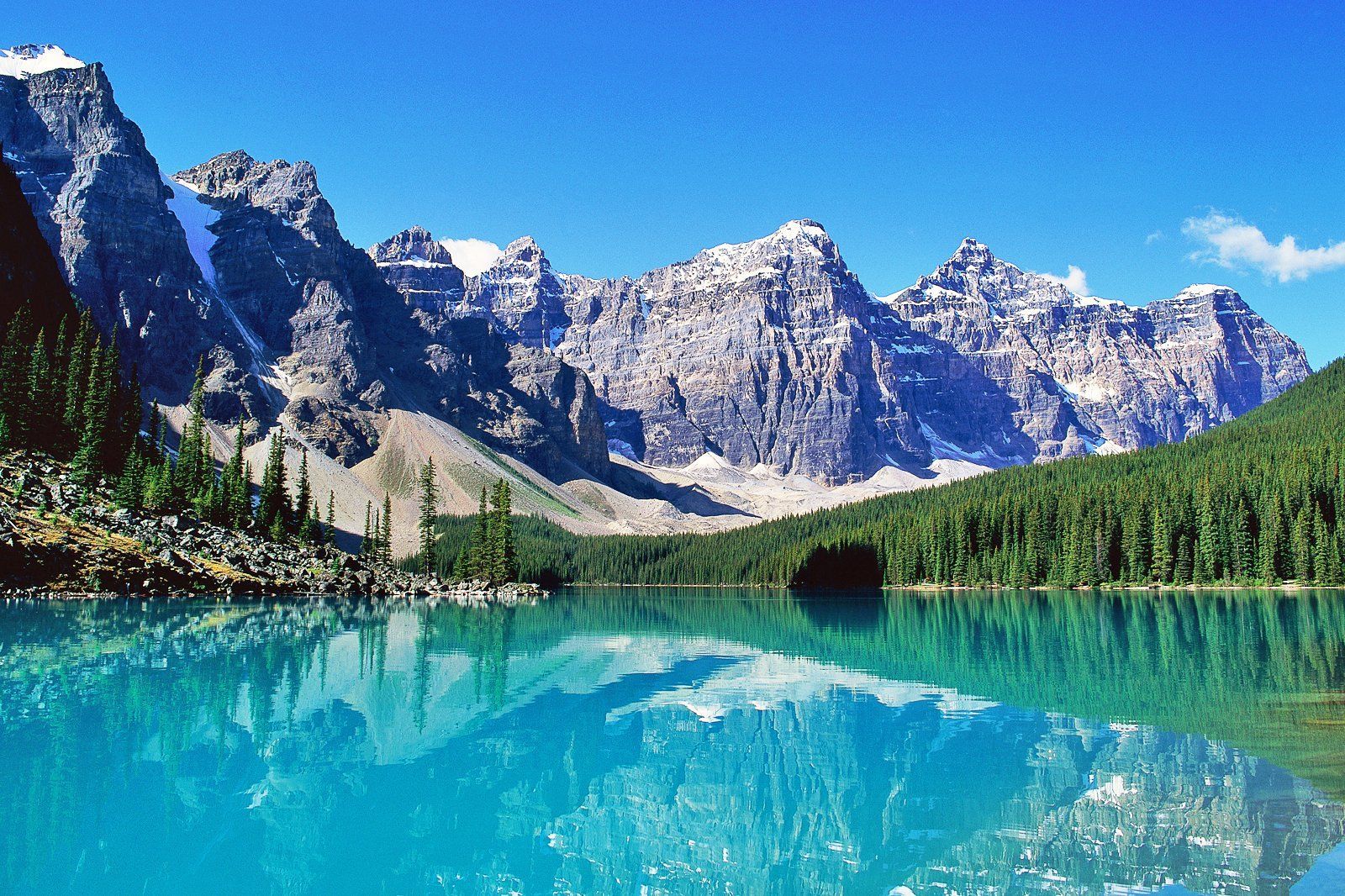
Canadá experimenta escasez de mano de obra y descenso demográfico en algunas provincias más pequeñas y comunidades rurales.
En lugar de pagar a todo el mundo por mudarse, Canadá utiliza programas de inmigración selectivos e incentivos regionales para atraer a trabajadores, profesionales sanitarios, emprendedores y titulados universitarios.
Algunos ejemplos son:
- Apoyo al desarrollo empresarial
- Ventajas fiscales
- Programas de reubicación basados en la comunidad
Ejemplos de incentivos disponibles
Algunos programas pueden ofrecer:
- Condonación de préstamos estudiantiles para profesionales sanitarios en zonas desatendidas
- Subvenciones empresariales provinciales y apoyo a la inversión
- Paquetes de reubicación financiados por el empleador
- Vías de inmigración rural con acceso más fácil a la residencia permanente
Algunos ejemplos son:
- Iniciativas de Inmigración a Comunidades Rurales
- Programas de Nominación Provincial (PNP)
- Flujos de emprendedores regionales
Lo que puedes recibir
Entre los posibles beneficios se incluyen:
- Asistencia económica de empleadores o gobiernos locales
- Vías más rápidas hacia la residencia permanente
- Apoyo empresarial y a la inversión
- Acceso a comunidades con costes de vivienda más bajos
¿Quién es elegible?
La elegibilidad depende del programa, pero puede incluir:
- Trabajadores cualificados con experiencia en profesiones muy demandadas
- Personas que reúnen los requisitos a través de las vías de inmigración canadiense
- Profesionales sanitarios
- Emprendedores dispuestos a invertir o crear empresas
- Titulados internacionales en regiones que cumplan los requisitos
Ventajas y desafíos
Ventajas
- Alta calidad de vida
- Sólidos sistemas de sanidad y educación
- Sociedad multicultural
- Vías de inmigración claras
Desafíos
- Altos costes de vida en las grandes ciudades
- Inviernos rigurosos en muchas regiones
- Requisitos de inmigración competitivos
- No todas las regiones ofrecen incentivos económicos directos
Aspectos a tener en cuenta
Canadá no es un país que «te pague por mudarte» en el sentido tradicional: La mayoría de los incentivos están vinculados al empleo, la creación de empresas o las necesidades económicas regionales, en lugar de una simple recompensa económica por mudarse.
Investiga detenidamente las normas provinciales: Cada provincia y comunidad tiene distintos requisitos, procesos de solicitud y criterios de admisibilidad.
Considera tus objetivos de asentamiento a largo plazo: La mayor ventaja de Canadá podría residir en sus vías de inmigración, las oportunidades profesionales y las opciones de residencia permanente, más que en un dinero inmediato por mudarse.
Cómo elegir el país adecuado que te paga por mudarte
Un incentivo económico nunca debería ser la única razón para mudarte al extranjero.
Antes de elegir un destino, compara:
| Factor | Preguntas que hacer |
|---|---|
| Requisitos de visado | ¿Puedes vivir y trabajar allí legalmente? |
| Oportunidades laborales | ¿Existen opciones de empleo realistas? |
| Coste de vida | ¿Tus ingresos cubrirán los gastos diarios? |
| Sanidad | ¿Es accesible la atención médica de calidad? |
| Idioma | ¿Puedes comunicarte e integrarte? |
| Estilo de vida | ¿El entorno se ajusta a tus objetivos? |
Consejo: Calcula el coste total de la mudanza, no solo la cantidad del incentivo. Los gastos de mudanza internacional, los visados, los seguros y la instalación de la vivienda pueden superar fácilmente la recompensa económica que ofrecen algunos programas.
Errores comunes al mudarte por incentivos de reubicación
Conclusión: ¿Merece la pena que te paguen por mudarte al extranjero?
Los países que te pagan por mudarte allí pueden ofrecer una oportunidad emocionante para empezar una nueva etapa mientras reduces algunos costes de reubicación. Ya sueñes con un tranquilo pueblo italiano, una comunidad rural japonesa o el estilo de vida de una isla griega, estos programas pueden hacer que la mudanza internacional sea más accesible.
Sin embargo, la mejor opción no siempre es la que ofrece el mayor pago. Considera las normas de visado, las oportunidades profesionales, las necesidades familiares y tu calidad de vida a largo plazo antes de tomar una decisión.
¿Listo para planificar tu mudanza?
Mudarse al extranjero implica más que elegir un destino: también necesitas empresas de mudanzas internacionales fiables, estimaciones de coste precisas y un plan de reubicación claro. ReloAdvisor te ayuda a comparar varias empresas de mudanzas internacionales de confianza, recibir presupuestos de mudanza gratuitos, estimar el volumen de tu mudanza y reubicarte con confianza.
Comparar presupuestos de mudanzaPreguntas frecuentes
¿Qué país paga más dinero por mudarse allí?
Irlanda ofrece actualmente algunos de los incentivos públicos más elevados, con subvenciones que alcanzan aproximadamente los 84.000 € por la renovación de propiedades vacantes aptas en las islas.
¿Puede cualquiera cobrar por mudarse a otro país?
No, no todo el mundo. La mayoría de los programas tienen requisitos de admisibilidad basados en la residencia, la edad, el empleo, la inversión en propiedades o el compromiso de permanecer en una zona específica.
¿Los incentivos de reubicación tributan?
Depende del país y del programa concreto. Comprueba siempre la normativa fiscal local o consulta a un profesional fiscal antes de mudarte.
¿Merece la pena mudarse al extranjero solo por los incentivos económicos?
Normalmente, no. Una reubicación exitosa debe tener en cuenta las oportunidades profesionales, la sanidad, el coste de vida, la cultura y los objetivos de estilo de vida a largo plazo.
¿Sigo necesitando un visado si un país ofrece dinero por mudarse?
Sí. Los incentivos de reubicación por lo general no sustituyen los requisitos de inmigración ni de visado.
¿Sigo necesitando un visado si un país ofrece dinero por mudarse?
Sí. Los incentivos de reubicación por lo general no sustituyen los requisitos de inmigración ni de visado.
Fuentes y referencias (revisión 2025–2026)
- Comisión Europea – Datos sobre población regional y desarrollo rural
- Gobierno de Irlanda – Iniciativa Our Living Islands
- Programas de subvenciones por reubicación del gobierno regional italiano
- Gobierno de Japón – Programas de revitalización regional y apoyo a la migración
- Gobierno de Canadá – Programas de inmigración provinciales y regionales
- Información sobre el programa de reubicación del municipio suizo de Albinen
- OCDE – Informes sobre cambio de población y desarrollo rural