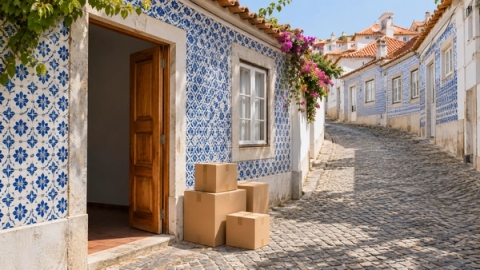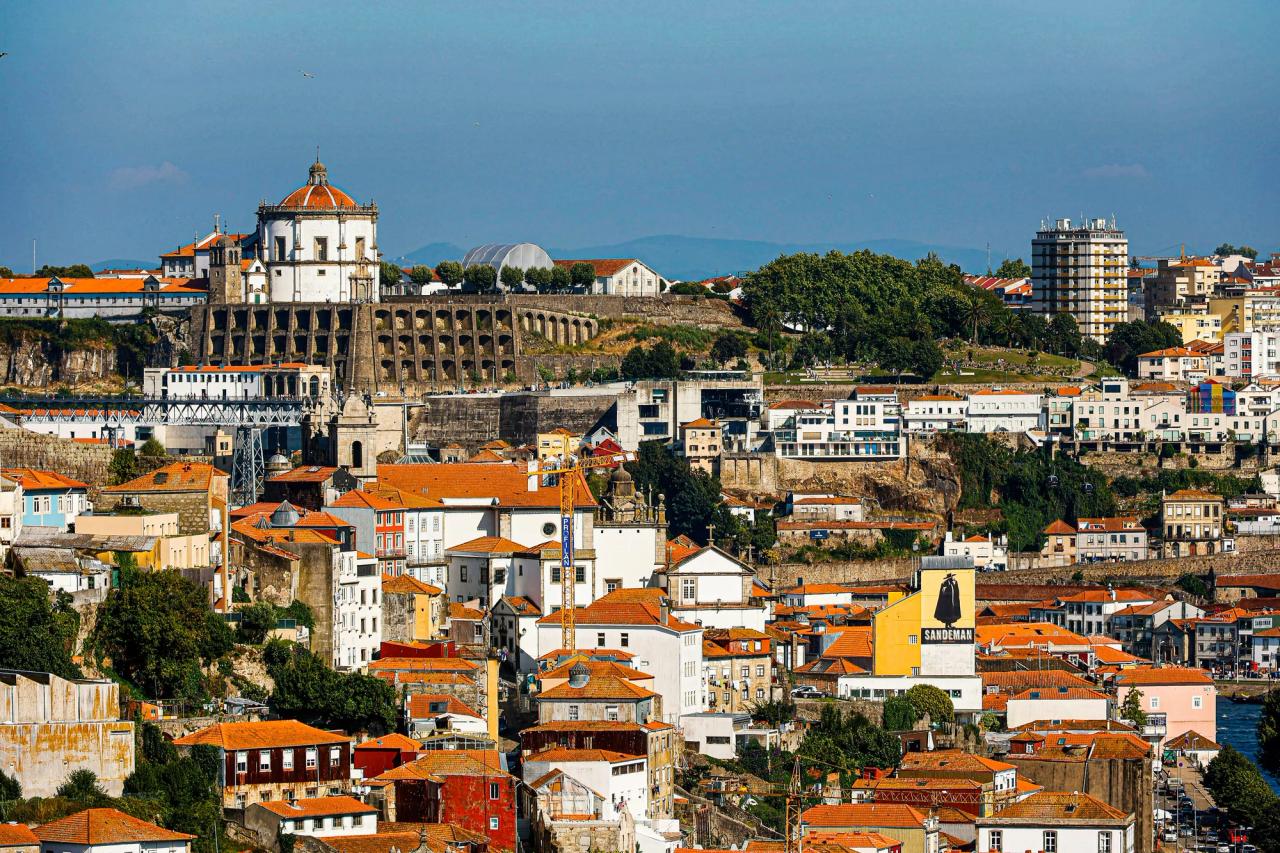

Vila Nova de Gaia sits on the southern bank of the Douro River, directly across from Porto. Famous worldwide for its port wine cellars (caves) lining the riverfront, Gaia is far more than a wine destination — it is a growing city of over 300,000 people that offers lower rents than Porto, stunning views of the historic centre, beaches to the south, and a quality of life that increasingly attracts remote workers and families. Cross the Luís I Bridge and you are in Porto's UNESCO-listed Ribeira in five minutes, but you pay Gaia prices.
Vila Nova de Gaia at a Glance
- Population
- ~304,000 (municipality, 2021 census), part of Porto metro area
- Region
- Vila Nova de Gaia municipality, Porto district
- Known For
- Port wine cellars, Luís I Bridge views, Praia de Lavadores, sand beaches
- Average Rent (1BR)
- €600–€900 (city center/riverside)
- Average Salary
- €1,000–€1,400 net/month
- Expat Community
- Growing — British, French, Brazilian, and remote worker communities
Why Move to Vila Nova de Gaia
- Affordability: Rents are 20–35% cheaper than across the river in Porto, while you still enjoy immediate access to everything Porto offers.
- Port wine and riverfront: The iconic wine cellars — Graham's, Sandeman, Taylor's, and dozens more — offer tastings, tours, and terraces with unbeatable views of Porto's skyline.
- Beaches: Gaia's southern edge opens onto Atlantic beaches — Praia de Lavadores, Praia da Madalena, and Miramar are reachable by bus, train, or bike in 15–30 minutes.
- Growing infrastructure: Line D metro extension to Vila d'Este (2024), improved road connections, and riverside regeneration projects are transforming Gaia from a Porto suburb into a destination in its own right.
- Two cities in one: You get Gaia's affordability and beaches plus Porto's UNESCO heritage, nightlife, and job market within minutes.
- Outdoor lifestyle: From river promenades to Atlantic surfing, from Douro Valley vineyards to coastal cycling paths — active living is easy here.
Finding Housing in Vila Nova de Gaia
Average Rents
| Neighborhood | 1-Bedroom | 3-Bedroom | Character |
|---|---|---|---|
| Centro/Gaia Riverside | €700–€950 | €1,300–€1,900 | Wine cellars, riverfront promenade, tourist-facing, lively |
| Oliveira do Douro | €550–€750 | €1,000–€1,500 | Residential, good value, local shops, bus links |
| Canidelo | €600–€850 | €1,100–€1,600 | Near the coast, family-friendly, growing restaurant scene |
| Avintes | €500–€700 | €950–€1,350 | Riverside village feel, quiet, traditional, affordable |
| Valadares/Vilar | €500–€700 | €900–€1,300 | Coastal suburbs, beaches, quiet, car recommended |
| Gulpilhares/Curval | €550–€750 | €1,000–€1,450 | Southern edge, green, family-oriented, newer builds |
How to Find Housing
- Idealista.pt: The main platform for Gaia and Porto metro listings. Filter specifically by Vila Nova de Gaia municipality.
- Imovirtual: Good secondary source, especially for newer developments in Canidelo and the southern suburbs.
- OLX Portugal: Direct-from-owner listings — often cheaper but less polished listings.
- Local tip: The northern neighborhoods (Centro, Oliveira do Douro) have the best public transport. Southern areas are more affordable but car-dependent.
Tips for Expats
- Properties with river views command a premium — expect 15–25% more than equivalent inland apartments.
- Gaia's housing stock is a mix of 1980s–2000s apartment blocks and newer developments. Older buildings may lack central heating — check before signing.
- The Douro riverfront is beautiful but can be noisy on summer weekends due to tourism and events.
- Deposit is typically one to two months' rent. Written contracts are standard and necessary for residency.
- Furnished rentals exist but are less common than in Porto. Most apartments are unfurnished.
- The southern suburbs are quieter but require a car or rely on infrequent buses — test your commute before signing.
Neighborhoods Guide
- Centro/Gaia Riverside: The showpiece — port wine cellars, the Teleférico (cable car), Jardim do Morro, and the riverside promenade. Tourist-facing but increasingly residential. Best for those who want to live in the heart of Gaia's identity. Premium rents.
- Oliveira do Douro: Just south of the centre. A practical, established residential area with good bus connections, local markets, and affordable restaurants. Popular with young professionals and families.
- Canidelo: West of the centre, heading toward the coast. A growing neighborhood with a developing restaurant and café scene, sports facilities, and proximity to beaches. Good balance of convenience and value.
- Avintes: East along the Douro. A traditional riverside parish with a village atmosphere. Famous for its local festivals and river beaches. Very affordable but feels removed from city bustle.
- Valadares/Vilar: Southern coastal suburbs. Quiet, green, close to Praia de Valadares and Praia de Miramar. Rents are low but a car is helpful for daily errands. Popular with retirees and families seeking space.
- Gulpilhares/Curval: The far south. Newer residential developments, large supermarkets, and easy access to the IC1 motorway. Good for families who want modern housing at reasonable prices.
- Sandim/Serzedo: Northeastern parishes along the Douro. Very affordable, traditional, with good access to the A1 motorway. Increasingly popular with families priced out of central areas.
Cost of Living in Vila Nova de Gaia
Monthly Budget Breakdown
| Category | Budget Range |
|---|---|
| Rent (1BR, center) | €600–€900 |
| Utilities | €80–€130 |
| Internet | €28–€38 |
| Groceries | €200–€300 |
| Transport | €40 (Andante monthly pass) |
| Dining out (4x/month) | €80–€150 |
| Leisure/Gym | €25–€50 |
| Total | €1,053–€1,608 |
Day-to-Day Costs
- Coffee (bica): €0.70–€1.10
- Lunch (prato do dia): €7–€9
- Monthly transport pass (Andante): €40
- Beer (bar): €2–€3.50
- Cinema ticket: €6.50–€8
- Loaf of bread: €1.10–€1.50
- 1 litre of milk: €0.70–€0.95
- Dozen eggs: €1.90–€2.60
- Gym membership: €25–€45/month
Getting Around Vila Nova de Gaia
- Public transport: The Andante system covers buses (STCP and Gondomarense) and the metro (Line D / yellow line serves Gaia stations: Jardim do Morro, General Torres, Câmara de Gaia, Santo Ovídio, and Vila d'Este). A monthly pass for the Porto metropolitan area costs around €40. Coverage is strongest in the northern parishes and along the metro line.
- Cycling: The riverside promenade and coastal paths are excellent for cycling. E-scooter apps (Bolt, Lime) operate in Gaia. Inland terrain gets hillier.
- Driving: The A1 and IC1 motorways connect Gaia to Porto and the south. The Luís I Bridge handles heavy traffic. Parking is easier than Porto's centre but still tight in the riverside area.
- Airport: Porto Airport (OPO) is about 30 minutes by car. Reachable via metro (transfer at Trindade in Porto) in about 50 minutes. Direct flights across Europe, plus connections to Newark, Toronto, and São Paulo.
- Intercity: Gaia's General Torres station is on the Porto–Lisbon line. Alfa Pendular trains reach Lisbon in about 3 hours. Porto Campanhã station (across the river) is the main hub for longer routes.
- Walking to Porto: The Luís I Bridge upper deck is pedestrian-friendly. You can walk from Jardim do Morro in Gaia to Ribeira in Porto in about 10 minutes.
- Ride-hailing: Uber and Bolt operate widely and are affordable for trips between Gaia and Porto.
Healthcare in Vila Nova de Gaia
- Hospitals/Clinics: Hospital de Gaia (EPE) — the main public hospital. Hospital CUF Porto is nearby across the river. Private clinics in Centro and Canidelo offer faster appointments.
- English-speaking doctors: Available at private clinics and CUF. Public hospital staff generally speak some English but Portuguese is the primary language.
- Pharmacies: Green-cross pharmacies throughout the municipality. Pharmacists are knowledgeable and can advise on minor health issues.
- Emergency number: 112.
- Private insurance: Recommended for faster access. Plans from Multicare, Médis, or Allianz cost €25–€65/month.
Planning your move?
Tell us about your move to compare quotes from international moving companies.
Culture & Lifestyle
- Port wine heritage: Over 50 wine cellars line the Gaia riverfront. Most offer tours and tastings from €10–€25. Annual wine festivals and harvest events in autumn are highlights.
- Riverfront living: The promenade from the Luís I Bridge westward is one of the best urban walks in Portugal — cafés, restaurants, street performers, and panoramic Porto views.
- Beaches: Gaia's Atlantic coast has a string of beaches from Lavadores to Miramar. Praia da Madalena is popular with surfers. Miramar has the iconic Capela do Senhor da Pedra chapel on the rocks.
- Festivals: São João (June 23–24) is the biggest — celebrated on both sides of the river with hammers, basil plants, and all-night street parties. Gaia's celebrations are slightly more relaxed than Porto's.
- Teleférico: The cable car from the riverfront up to Jardim do Morro offers stunning views and is a popular ride for both residents and visitors.
Food & Dining
- Francesinha — Porto's legendary meat-and-cheese sandwich with spicy sauce is available across Gaia, often at better prices than Porto. Try Café Santiago-style at local spots.
- Fresh seafood — grilled fish, octopus rice, and shellfish are regional staples. Restaurants along the coast in Canidelo and Lavadores specialize in seafood.
- Wine pairing dinners at the port cellars (Graham's Vinum restaurant, The Yeatman) offer high-end gastronomy with river views.
- Budget eating: local tascas serve prato do dia for €7–€9.
- Tripas à moda do Porto — tripe stew, Porto's traditional dish, available in traditional restaurants throughout Gaia.
- Bacalhau (salt cod) cooked a hundred ways — a national obsession and excellent in Gaia's traditional restaurants.
Expat Community
- Growing fast. British, French, Brazilian, and digital nomad communities are the largest groups.
- Facebook groups like "Expats in Porto & Gaia" and "Portugal Expats" cover the area.
- InterNations Porto events attract Gaia residents. Coworking spaces on both sides of the river serve remote workers.
- Gaia's community is slightly quieter and more family-oriented than Porto's expat scene.
- Language exchange groups meet in Porto but many participants live in Gaia.
- The Douro Valley wine community attracts sommeliers, wine professionals, and enthusiasts from around the world.
Working Remotely in Vila Nova de Gaia
- Coworking spaces: Limited within Gaia. Most remote workers use Porto's coworking spaces (Porto i/o, CRU Cowork, Synergy) — 10–15 minutes by metro.
- Café working: Riverside cafés and local pastelarias offer Wi-Fi. Quality varies — have a backup plan.
- Internet: Fibre is well-covered in northern neighborhoods. Southern suburbs may have limited options. Average speeds 100–500 Mbps.
- Advantages: Lower rent frees up budget for Porto coworking memberships. The riverfront provides a beautiful work-life environment.
Job Market in Vila Nova de Gaia
- Main industries: Tourism and hospitality (wine tourism is a major employer), retail, healthcare, construction, logistics, food production.
- Major employers: Sogrape (port wine producer), Hospital de Gaia, Câmara Municipal, commercial centres (Arrábida Shopping), logistics firms along the A1 corridor.
- Average salaries by sector:
| Sector | Average Net Monthly |
|---|---|
| Tourism/Hospitality | €800–€1,100 |
| Healthcare | €1,000–€1,600 |
| Retail | €800–€1,050 |
| Administration | €900–€1,300 |
| Food/Wine Industry | €850–€1,200 |
- Job search resources: Net-Empregos, Indeed Portugal, LinkedIn Portugal, Porto job boards. Many residents commute to Porto for higher-paying roles in tech, finance, and shared services.
Education in Vila Nova de Gaia
- International schools: No major international schools within Gaia proper. CLIP (Oporto International College) and the German School are in Porto, reachable in 15–25 minutes. Colégio Luso-Francês is nearby in Porto.
- Universities: No university in Gaia. Universidade do Porto, Universidade Católica, and ISEP are across the river in Porto (10–20 minutes by metro).
- Public schools: Well-distributed across the municipality. Quality is generally good, though resources vary by parish.
- Language schools: Portuguese courses available locally. Porto has a wider selection including Cambridge School and International House.
- Nurseries: Public crèche spots are competitive. Private options cost €250–€500/month.
Moving Checklist for Vila Nova de Gaia
- Apply for your visa (D7, digital nomad, or work visa) at the Portuguese consulate
- Obtain your NIF (tax number) via a fiscal representative if needed
- Open a Portuguese bank account (Millennium BCP, ActivoBank, or Novo Banco)
- Browse Idealista for Gaia listings and join Facebook housing groups
- Budget for furnishing if renting unfurnished
- Register at the Câmara Municipal de Vila Nova de Gaia
- Get an Andante card at any metro station for public transport
- Set up a Portuguese SIM (MEO or NOS are strongest in the Porto metro area)
- Walk the riverside and explore neighborhoods to decide where to settle
- Locate your nearest centro de saúde and pharmacy
- Buy a cheap Portuguese mobile plan — MEO and NOS offer good Porto metro coverage
- Register at your nearest centro de saúde (health centre) for public healthcare
- Apply for your residency card through AIMA
- Set up utilities (EDP for electricity, Águas de Gaia for water)
- Visit the wine cellars — it is research, not just tourism
- Explore the beaches and find your preferred coastal spot
- Visit Porto properly — walk Ribeira, Clérigos tower, Livraria Lello, and Serralves
No. While it is part of the Porto metro area and benefits from proximity to Porto, Gaia is an independent municipality with its own identity, riverfront, beaches, and cultural scene. Many residents live, work, and socialize entirely within Gaia. It is increasingly recognized as a destination in its own right.
The Luís I Bridge has a pedestrian upper deck (metro and walking) and a road lower deck. Metro Line D (yellow) crosses the bridge from Jardim do Morro and General Torres stations to Porto's centre in 5–10 minutes. Walking across the upper deck takes about 10 minutes and offers spectacular views.
Absolutely. They are the defining feature of Gaia's riverside. Most cellars offer guided tours (30–60 minutes) with tastings starting around €10. Graham's, Taylor's, and Sandeman are the most well-known, but smaller producers like Ramos Pinto and Quinta do Noval offer more intimate experiences.
Yes. Rents are typically 20–35% lower for comparable properties. Dining and grocery costs are similar, though riverside tourist-facing restaurants in Gaia can match Porto prices. Living 10 minutes inland from the riverfront drops costs noticeably.
For the northern, urban part of Gaia (Centro, Oliveira do Douro, Canidelo), no — buses and metro cover daily needs. For southern suburbs (Valadares, Vilar, Gulpilhares), a car makes life significantly easier as bus frequency drops and distances increase.
São João (June 23–24) is Porto and Gaia's biggest festival. In Gaia, the riverside fills with music, food stalls, and revellers carrying plastic hammers and leeks (tradition demands you gently bonk people on the head). At midnight, fireworks light up the river from both banks. It is loud, joyful, and unmissable. Tip: book accommodation well in advance if visiting during this period.
Yes. The lower cost of living compared to Porto frees up budget. The riverside offers plenty of cafés with Wi-Fi. Porto's coworking spaces (Porto i/o, CRU, Synergy) are a 10-minute metro ride away. The main limitation is that there are fewer dedicated coworking spaces within Gaia itself.
Porto Airport (OPO) is about 30 minutes by car from central Gaia. By public transport, take the metro from any Gaia station to Trindade in Porto, then switch to the E line (violet) directly to the airport. Total time: 45–60 minutes. A taxi or Bolt costs approximately €20–€30.
Gaia shares Porto's Atlantic-influenced climate. Summers (June–September) are warm and mostly dry (20–30°C). Winters are cool and rainy (5–13°C) with more cloud cover than Lisbon. The coast is often windier than the riverfront. Annual rainfall is higher than Lisbon — bring a good rain jacket.
English is spoken at wine cellars, tourist-facing businesses, and among younger residents, but daily life — supermarkets, markets, government offices — runs in Portuguese. The northern Porto accent (called "Portuense") differs from Lisbon Portuguese and can be harder to understand at first. Locals are generally warm and patient with learners.
Yes. Same EU entry rules — microchip, rabies vaccination, EU pet passport. Gaia is very pet-friendly with riverside promenades, coastal paths, and Parque da Cidade nearby. Multiple veterinary clinics in Centro and Canidelo.
Nightlife & Entertainment
- Riverside bars: The Gaia riverfront has a growing bar scene — cocktails and wine with Porto skyline views.
- Porto nightlife: Gaia residents cross the bridge for Porto's famous nightlife in Galerias de Paris, Cedofeita, and Ribeira. Clubs like Industria and Gare Porto are 15 minutes away.
- Wine tastings: The cellars themselves offer evening events, live music sessions, and seasonal festivals.
- São João: The June 23–24 festival is the biggest party of the year on both sides of the river.
- Beach bars: Summer brings open-air beach bars at Praia da Madalena and Lavadores.
Weather & Climate
| Season | Temperature | Conditions |
|---|---|---|
| Spring (Mar–May) | 13–21°C | Mild, rainy periods, green and lush |
| Summer (Jun–Sep) | 20–30°C | Warm, mostly dry, pleasant evenings |
| Autumn (Oct–Nov) | 12–19°C | Rainy, golden light, harvest season |
| Winter (Dec–Feb) | 5–13°C | Cool, frequent rain, cloudy |
Language Tips
- Greetings: Olá (hello), bom dia (good morning), boa tarde (good afternoon), boa noite (good evening).
- Essentials: Obrigado/a (thank you), por favor (please), com licença (excuse me), desculpe (sorry).
- Useful: Quanto custa? (How much?), fala inglês? (Do you speak English?), a conta, por favor (the bill, please).
- Porto accent: The northern accent drops some vowels and has a different rhythm from Lisbon. Don't worry if it takes time to adjust — most people will slow down if you ask.
- Tip: Ordering a "francesinha" correctly will earn you immediate respect. Practice the pronunciation: fran-say-see-nya.
- Northern hospitality: People in the Porto region (including Gaia) are known for being more direct and warmer than Lisbon residents. Don't be surprised by strangers striking up conversation.
Related Guides
- [Moving to Portugal] — comprehensive country guide covering visas, taxes, and residency
- [Moving to Porto] — detailed guide to Portugal's second city, 5 minutes across the river