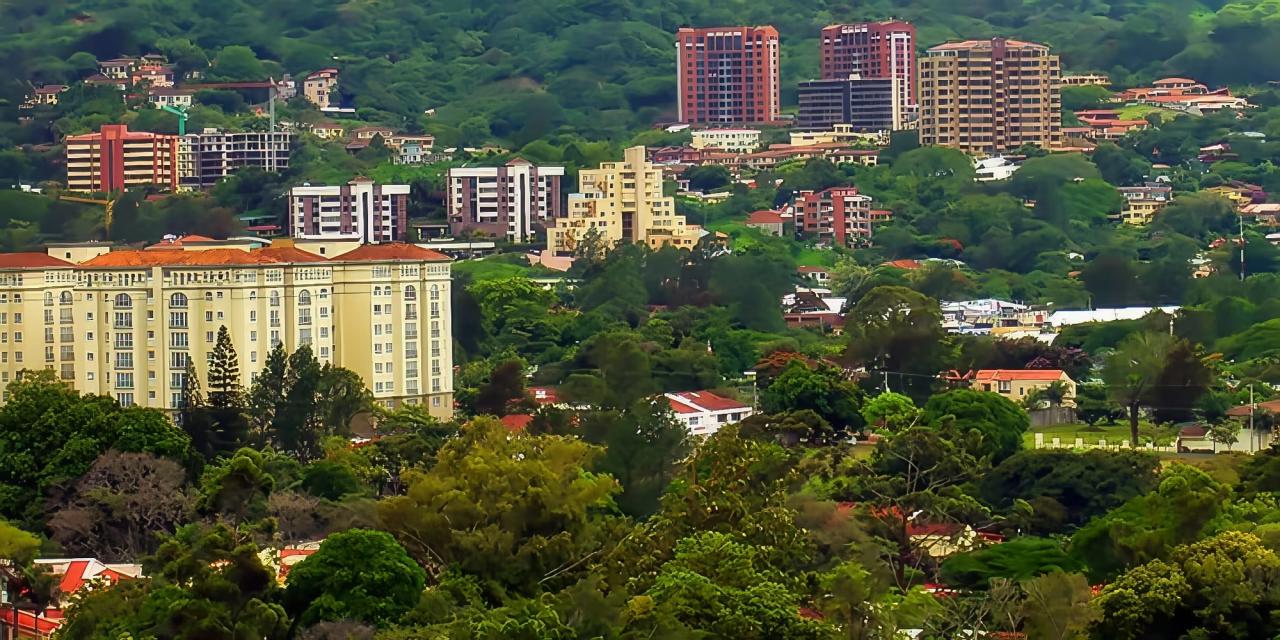

Santa Ana er en hurtigt voksende kanton på den vestlige kant af Costa Ricas Central Valley, direkte ved siden af Escazu og ca. 30 minutter fra det centrale San Jose. Engang defineret af kaffeplantager og kvægmarker, der stadig skimtes mellem lejlighedsmurene, har området gennem de seneste to årtier forvandlet sig til en af landets mest eftertragtede forstedsadresser. Kantonen tiltrækker velhavende costaricanske familier, nordamerikanske pensionister, par med dobbeltkarriere og unge professionelle, der arbejder i tech- og outsourcingvirksomhederne omkring Lindora erhvervskorridor. De bakkelandskaber er nu strøet med lukkede boligområder, kontorparker som Forum Lindora og Forum Santa Ana samt en koncentration af internationale restauranter og supermarkeder med importerede varer, som er usædvanlig for en by af denne størrelse. Det er varmere og tørrere end det centrale San Jose, mere rummeligt og mindre overfyldt end Escazu og stadig tæt nok på hovedstaden til at pendle dagligt. For enhver, der ønsker Central Valley-kommando med forstedsressourceplads og et velfærdetableret nordamerikansk ekspatfællesskab, er Santa Ana normalt det første sted at kigge.
Santa Ana ved første øjekast

- Befolkning
- ca. 60.000 (kanton); en del af Større Hovedstadsområde (ca. 2,2 millioner)
- Region
- Provinsen San Jose, Central Valley, vestlige udkant
- Kendt for
- Eksklusive lukkede boligområder, Lindora erhvervskorridor, internationale skoler
- Gennemsnitlig leje (1-værelses)
- ₡500,000 - ₡1,000,000
- Gennemsnitlig løn
- ₡750.000 - ₡1.300.000 (netto/måned; tech-/outsourcingstillinger ligger højere)
- Ekspatfællesskab
- Stort nordamerikansk fællesskab, voksende europæisk og latinamerikansk tilstedeværelse
Hvorfor flytte til Santa Ana
- Kort afstand til alt: Route 27 forbinder dig med Stillehavskysten ved Caldera på under 90 minutter, den Panamerikanske Highway (Route 1) løber gennem kantonen, og Juan Santamaria International Airport (SJO) ligger ca. 30 minutters køretur væk via Route 1.
- Forstadsbekvemmelighed med byadgang: Større grunde, lukkede boligområder og roligere gader end Escazu eller selve San Jose, mens Multiplaza Escazu (et af landets største indkøbscentre) ligger direkte på kommunegrænsen.
- Arbejdspladser tæt på: Lindora-korridoren huser en tæt klynge af tech-, outsourcing- og shared-service-virksomheder i Forum Lindora, Plaza Roble og Forum Santa Ana, hvilket gør det til et af de få steder uden for San Jose centrum, hvor du kan gå eller cykle til dit kontorjob.
- International infrastruktur: Automercado og Pricesmart fører importerede dagligvarer og varer; tosprogede og internationale skoler som Country Day School og Falconridge betjener udenlandske familier; og restaurantscenen dækker alt fra sushi til træfyret italiensk til velkendte amerikanske kæder.
- Klimamæssig fordel: Med ca. 900 meters højde er Santa Ana lidt varmere og tørrere end San Jose (1.100 meter), hvilket betyder flere solrige dage i tørsæsonen og mindre vedvarende støvregn i grønnesæsonens måneder september og oktober.
Find bolig i Santa Ana
Gennemsnitlige huslejer
| Bydel | 1-værelses | 3-værelses | Karakter |
|---|---|---|---|
| Lindora / Forum-området | ₡800.000 - ₡1.200.000 | ₡1.500.000 - ₡2.800.000 | Eksklusive lejligheder, gåafstand til kontorparker og restauranter |
| Valle del Sol / Pozos | ₡600.000 - ₡950.000 | ₡1.200.000 - ₡2.200.000 | Lukkede boligområder, golfbaneområde, familievenligt |
| Santa Ana Centro | ₡450.000 - ₡750.000 | ₡900.000 - ₡1.600.000 | Traditionelt bycentrum, lokale butikker, mere overkommelig pris |
| Salitral / Brasil | ₡350.000 - ₡600.000 | ₡700.000 - ₡1.300.000 | Halvlandlig atmosfære, stadig under udvikling, budgetvenligt |
| Ciudad Colon (nabo) | ₡300.000 - ₡550.000 | ₡650.000 - ₡1.200.000 | Universitetsby, UPEACE i nærheden, den yngste demografi |
- Sådan finder du bolig
- Encuentra24.com: Den mest brugte boligportal i Costa Rica; filtrer efter Santa Ana-kantonen og tjek dagligt, da gode annoncer forsvinder hurtigt i Lindora og Valle del Sol. De fleste annoncer indeholder billeder, HOA-detaljer og oplysninger om, hvorvidt enheden er møbleret.
- Crautos.com: Oprindeligt en bilsite, men har en voksende ejendomssektion, der er populær blandt lokale; nyttig til huse frem for lejligheder. Annoncerne er typisk på spansk og prissat i dollars eller colones.
- Facebook-grupper: "Santa Ana Costa Rica Rentals" og "Expats in Costa Rica Housing" viser boliger direkte fra ejeren, ofte til bedre priser end ejendomsmægler-annoncer. Vær forsigtig med svindel; send aldrig depositum uden at have set boligen personligt eller via en betroet repræsentant.
- Lokale ejendomsmæglere: Remax Santa Ana og Coldwell Banker Santa Ana er specialiseret i lukkede boligområder og kan arrangere fremvisninger i Valle del Sol, Lindora og nærliggende boligudviklinger; provisionen betales typisk af udlejer. Mund-til-øre via ekspat-Facebookgruppen afslører ofte annoncer, før de vises andre steder.
- Kør rundt: Når du søger, så besigtig boliger på forskellige tidspunkter af dagen. En lejlighed, der virker fredelig kl. 10 om morgenen, kan være fastlåst i myldretidstrafik på Radial Santa Ana. Test køreturen fra enhver potentiel bolig til din arbejdsplads eller dine børns skole i myldretiden, før du forpligter dig.
Tips for expats
- Udlejere i Santa Ana beder rutinemæssigt om en fiador (en lokal kautionist, der ejer fast ejendom i Costa Rica). Hvis du ikke kan stille en, kan du tilbyde at betale tre til seks måneders husleje forud eller bruge en tredjeparts garantitjeneste.
- Lejekontrakter er typisk på 12 måneder, skrevet på spansk, og kræver et depositum svarende til én måneds leje. Omkostninger til forsyninger (elektricitet via CNFL, vand via AyA eller en lokal ASADA) er næsten altid lejerens ansvar.
- Lejligheder i lukkede boligområder i Lindora og Valle del Sol inkluderer normalt HOA-gebyrer (₡50.000 - ₡150.000/måned), der dækker vagtværn, pool og adgang til fitnesscenter. Bekræft, om disse er inkluderet i den oplyste husleje.
- De fleste umøblerede lejligheder i Costa Rica leveres ikke med komfur eller køleskab. Spørg specifikt, hvilke husholdningsapparater der er inkluderet, før du underskriver.
- Forhandling. Oplyste huslejer i Santa Ana er ofte fleksible, især ved længere lejeperioder. Ved at tilbyde at underskrive en 18- eller 24-måneders kontrakt kan du reducere den månedlige leje med 5-10 procent.
- Elektricitet i Costa Rica er dyrt i forhold til lokale lønninger. Hvis din lejlighed har elkomfur i stedet for gas, og du bruger aircondition, kan du forvente CNFL-regninger på ₡60.000 - ₡120.000/måned for en to-værelses lejlighed.
Byguide
- Lindora: Santa Anas kommercielle og professionelle hjerte. Forum Lindora kontorpark, Plaza Roble og en tæt stribe af restauranter og hoteller ligger langs hovedvejen. Expats og velbetalte costaricanske fagfolk bor i moderne lejlighedstårne her. Huslejerne er de højeste i kantonen, men du kan gå til arbejde, middag og supermarked. Forvent morgenmyldretid på Radial Santa Ana, der forbinder til Route 27.
- Valle del Sol / Pozos: Et boligområde bygget omkring en 18-huls golfbane syd for Lindora-korridoren. Lukkede boligområder med parcelhuse dominerer. Populært blandt nordamerikanske familier, der ønsker haveplads, nærhed til Country Day School og et roligere miljø end Lindora. Bil er nødvendigt til næsten alle ærinder.
- Santa Ana Centro: Det gamle bycentrum omkring kirken, parken og kommunens hovedbygning. En blanding af traditionelle costaricanske huse, små etageejendomme og lokale sodas (små restauranter, der serverer casado-retter). Mere overkommelig pris og autentisk tico, men med færre engelsksprogede tjenester. Gode busforbindelser til San Jose og Escazu.
- Salitral og Brasil: Halvlandlige distrikter på kantonens vestlige og sydlige udkant, hvor kaffegårde og græsgange gradvist afløses af boligudviklinger. Huslejerne er de laveste i Santa Ana, men vejene er ujævne, og infrastrukturen er stadig ved at følge med. Bedst egnet til budgetbevidste expats, der ikke har noget imod en 15-20 minutters køretur til Lindora.
- Ciudad Colon (nabodistrikt): Teknisk set en del af Mora-kantonen, men fungerer som en satellitby til Santa Ana. Ciudad Colon ligger et par kilometer mod syd. Det er mere overkommeligt prismæssigt, har et yngre miljø takket være University for Peace (UPEACE) og tilbyder et kompakt, gåvenligt centrum med bagerier, caféer og sodas. Huslejerne ligger 20-40 procent under Lindora for sammenlignelige boliger. Vejen mellem Ciudad Colon og Santa Ana Centro er smal og svingende, så regn med 15 minutter med bil, selvom afstanden er kort.
- Piedades og Brasil de Mora: Mindre samfund klemt inde mellem Santa Ana Centro og Ciudad Colon. De bevarer et landligt præg med små gårde og grusveje, men nye boligprojekter er ved at dukke op. Huslejerne er sammenlignelige med Salitral. Disse områder appellerer til expats, der ønsker et roligere, mere rustikt miljø uden at være langt fra Lindoras faciliteter.
Leveomkostninger i Santa Ana
Månedligt budgetoverslag
| Kategori | Budgetinterval |
|---|---|
| Husleje (1-værelses, Lindora/Forum-området) | ₡800.000 - ₡1.200.000 |
| Husleje (1-værelses, Centro eller Salitral) | ₡400.000 - ₡700.000 |
| Forsyninger (elektricitet, vand, gas) | ₡45.000 - ₡90.000 |
| Internet (fiber, 50 Mbps) | ₡18.000 - ₡28.000 |
| Dagligvarer | ₡200.000 - ₡350.000 |
| Transport | ₡25.000 - ₡80.000 |
| Restaurantbesøg (6 gange/md.) | ₡60.000 - ₡150.000 |
| Fritid / Fitnesscenter | ₡40.000 - ₡100.000 |
| Total (enkelt, mellemklasse) | ₡1.190.000 - ₡2.070.000 |
Daglige udgifter
- Kaffe på en lokal soda: ₡800 - ₡1.500
- Casado-frokost (traditionelt måltid med ris, bønner, salat, plantain og protein): ₡2.500 - ₡4.000
- Frokost på en restaurant i Lindora (international mad): ₡5.000 - ₡12.000
- Buskørsel inden for Santa Ana: ₡295 - ₡500
- Øl på en bar i Lindora: ₡2.000 - ₡3.500
- Biografbillet (Multiplaza Escazu): ₡4.000 - ₡5.500
- Importerede dagligvarer hos Automercado: forvent 30-50 procent mere end lokale supermarkedspriser på varer som ost, morgenmadsprodukter og vin
- Pricesmart årligt medlemskab: ₡15.000 (giver adgang til importerede varer i større mængder og er populært blandt nordamerikanske familier)
- Medlemskab af fitnesscenter (Lindora fitness center): ₡30.000 - ₡65.000/md.
- Taxa fra Lindora til Santa Ana Centro: ₡2.500 - ₡4.000
- Uber fra Santa Ana til SJO-lufthavnen: ₡12.000 - ₡20.000 afhængigt af tidspunktet
- Indlandsk øl (Imperial) på en soda: ₡1.200 - ₡2.000
Transport i Santa Ana
- Offentlig transport: Røde bybusser forbinder Santa Ana Centro med San Jose (Coca-Cola-terminalen) via Escazu på ca. 40-60 minutter afhængigt af trafikken. Busser til Ciudad Colon og UPEACE-campusseren afgår fra nær Santa Ana-kirken. Priserne er ₡295 - ₡600. Der er ingen tog- eller metrotjeneste.
- Kørsel: Det anbefales kraftigt at have bil, hvis man bor uden for bymidten. Route 121 forbinder Santa Ana med Escazu og San Jose; Radial Santa Ana forbinder til Route 27; og Pan-American Highway (Route 1) giver adgang nordpå og sydpå. Morgenmyldretiden (6.30-8.30) på Route 121 og Radial Santa Ana er berygtet for trængsel, og strækningen mellem Multiplaza og Forum Lindora er ofte propfuld. Eftermiddagsmyldretiden (16.30-18.30) er lige så langsom. Parkering ved Forum Lindora og Multiplaza er gratis; gadeparkering i centrum er begrænset.
- Ride-hailing: Uber og DiDi opererer begge i Santa Ana og bruges flittigt af expats. En tur fra Lindora til Santa Ana Centro koster ₡2.000 - ₡4.000; til Multiplaza Escazu ca. ₡2.500 - ₡5.000. Tilgængeligheden er god i løbet af dagen, men kan være sparsom efter kl. 22 og i udkantområder som Salitral.
- Cykling: Ikke almindeligt og ikke godt understøttet af infrastrukturen. Der findes et par cykelstier langs Radial Santa Ana, men bilister er ikke vant til at dele vejen. Mountainbiking i bakkerne omkring Salitral er en populær weekendaktivitet.
- Lufthavn: Juan Santamaria International Airport (SJO) ligger ca. 30 minutter væk via Route 1 ved normal trafik, længere i myldretiden. Lufthavnen tilbyder direkte fly til store hub i USA (Miami, Houston, New York, Los Angeles), Europa (Madrid, London, Frankfurt) og overalt i Latinamerika. En taxa fra Lindora til SJO koster ₡12.000 - ₡20.000; Uber er normalt billigere til ₡8.000 - ₡15.000.
- Intercity: Route 27 giver den hurtigste rute til Stillehavskysten; Caldera og Orotina ligger ca. 60-80 minutter væk, og Jaco Beach er ca. 90 minutter væk. Interamericana (Route 1) går nordpå til Alajuela, Heredia og til sidst Nicaragua, eller sydpå til Cartago og Panama. Der er ingen passagertog i eller nær Santa Ana.
Sundhedsvæsen i Santa Ana
- Hospitaler og klinikker: Clinica Santa Ana (privat, på hovedvejen nær centrum) håndterer almen praksis, laboratoriearbejde og mindre indgreb. Til større privat behandling er Hospital Clinica Biblica og Hospital CIMA (begge i det centrale San Jose / Escazu-grænsen) inden for 20-30 minutters kørsel og er de to private hospitaler, der bruges mest af expats i den vestlige Central Valley.
- CCSS-offentlig sundhedsvæsen: Alle legale beboere skal tilmeldes Caja Costarricense de Seguro Social (CCSS), Costa Ricas offentlige sundhedssystem. Den lokale EBAIS (primærklinik) i Santa Ana Centro tilbyder grundlæggende ydelser, og det nærmeste offentlige hospital er Hospital Mexico i La Uruca, ca. 25 minutter væk. Ventetiderne på offentlige institutioner kan være lange; de fleste expats bruger private klinikker til rutinebehandling og opretholder CCSS-tilmeldelsen som et lovkrav og sikkerhedsnet.
- Engelsktalende læger: Let tilgængelige på Clinica Biblica, CIMA og adskillige private klinikker i Lindora. Mange læger på disse faciliteter er uddannet i USA eller Cuba og taler flydende engelsk.
- Apoteker: Farmacia La Bomba og Farmacia Santa Ana i centrum er velassorterede. Fischel og Farmacia Economica i Multiplaza Escazu har et bredere udvalg af importerede og brandname-mediciner. Mange receptpligtige lægemidler, der kan købes uden recept i Costa Rica, kræver stadig recept på kædeapoteker. Farmacia La Bomba har åbent sent og er det foretrukne valg til medicin uden for normal åbningstid.
- Tandpleje: Adskillige private tandklinikker i Lindora henvender sig til expats og tilbyder alt fra rutinemæssige tandrensninger (₡30.000 - ₡50.000) til kosmetisk tandpleje til priser, der er væsentligt lavere end i USA. Tandplejeturisme er almindeligt i Central Valley.
- Nødnummer: 911 (landsdækkende, med engelsktalende operatører til rådighed i Central Valley).
Fa en personlig flytteplan
Skriv din e-mail, sa sender vi en skraeddersyet tjekliste plus tre tilbud fra godkendte flyttefirmaer.
Kultur og livsstil
- Forstadsstemning, internationalt præg: Santa Ana har et langsommere tempo end San Jose. Centralkvarterets park fyldes med familier om søndagen, Feria del Agricultor (bondemarked) slår op nær idrætshallen lørdag formiddag, og de fleste butikker i centrum lukker kl. 19. Men Lindora holder længere åbent med restauranter, barer og hotellobbies, der er åbne efter kl. 22.
- Natur og friluftsliv: Bakkerne over Salitral og Rio Pacuare byder på vandrestier med udsigt over Central Valley. Valle del Sol golfbane er semi-privat. Dagsture til Poas Vulkan, La Paz Waterfall Gardens og Tarcoles-floden (krokodillebroen) kan alle nås på 60-90 minutters kørsel.
- Årstider: Tørsæsonen (verano) løber fra december til april med varme dage omkring 26-30 °C og kølige, blæsende nætter. Græsningssæsonen (invierno) fra maj til november bringer eftermiddagsregnbyger, især kraftige i september og oktober. Santa Ana ligger i ca. 900 meters højde, hvilket gør byen lidt varmere og tørrere end selve San Jose i 1.100 meters højde. Aircondition er generelt ikke nødvendigt; de fleste hjem bruger loftvifter og åbne vinduer.
- Sikkerhed: Santa Ana er blandt de mere sikre kantoner i det store hovedstadsområde. Lukkede boligområder har døgnovervågning. Lommetyveri (indbrud i biler, tyveri af telefoner) forekommer omkring kommercielle områder i Lindora; almindelige bymæssige sikkerhedsforholdsregler gælder. De landlige distrikter Salitral og Brasil er meget stille.
- Fællesskabsfølelse: På trods af hurtig vækst bevarer Santa Ana en småbys socialstruktur. De årlige Fiestas de Santa Ana i januar byder på tyreløb (toros a la Tica), traditionelle madboder og livemusik og samler hele kantonen. Expats, der deltager og engagerer sig i lokale traditioner, oplever en langt nemmere integration.
Mad og spisesteder
- Lokale specialiteter: Sodas i Santa Ana Centro serverer casado (₡2.500 - ₡4.000), gallo pinto og friske frugt-batidos. Lørdagens bondemarked er den bedste kilde til lokale råvarer, ost og fersk fisk til priser, der ligger markant under supermarkedspriserne.
- International spisning i Lindora: Lindora-strækningen har en af landets tætteste koncentrationer af internationale restauranter uden for San Jose. Mulighederne omfatter sushi hos Doji Sushi, italiensk mad hos Il Giardino, peruviansk hos Chubasco's samt Applebee's, Hooters og adskillige steakhouse. Nye restauranter åbner hyppigt, efterhånden som korridoren udvikler sig. En typisk middag for to med drikkevarer på en mellemklasse-restaurant i Lindora koster ₡18.000 - ₡35.000.
- Importerede dagligvarer: Automercado i Lindora fører amerikanske og europæiske mærker (cheddarost, importerede morgenmadsprodukter, craft beer) til en betydelig merpris. Pricesmart (medlemskklad, nær Forum Santa Ana) er det nærmeste modstykke til Costco og er et ugentligt ritual for mange nordamerikanske familier.
- Kaffekultur: Costaricansk kaffe er en lokal stolthed. Santa Anas omgivende bakker var engang dækket af kaffeplantager, og nogle få er stadig aktive. Cafeer i Lindora som Cafe Britt og lokale selvstændige serverer højlands-Arabica. En cappuccino på en cafe i Lindora koster ₡1.800 - ₡3.000; den samme kaffe som pour-over på lørdagsmarkedet koster ₡500 - ₡800.
Expat-fællesskabet
- Grupper og meetups: "Expats in Santa Ana - Costa Rica" på Facebook er den mest aktive lokale gruppe med tusindvis af medlemmer, der deler erfaringer om bolig, begivenheder og anbefalinger. InterNations holder månedlige sammenkomster i Escazu og Santa Ana. Santa Ana Women's Club er en længe etableret social og velgørende organisation, der er åben for udenlandske beboere.
- Frivillige og sociale organisationer: Rotary Club of Santa Ana er aktiv og har mange expat-medlemmer. Dyreredningsorganisationer som AHPPA i nærliggende San Rafael de Heredia byder udenlandske frivillige velkommen. UPEACE-campusseret i Ciudad Colon afholder offentlige foredrag og kulturelle begivenheder, der tiltrækker det internationale miljø.
- Sprogtutveksling: Adskillige cafeer i Lindora holder uformelle engelsk-spanske intercambio-aftener; se Facebook-expatgruppen for aktuelle tider. Private spansklærere i området tager ₡8.000 - ₡15.000 i timen. At lære grundlæggende spansk forbedrer hverdagslivet markant i bymidten og de landlige distrikter, hvor engelsk er mindre udbredt.
Arbejdsmarkedet i Santa Ana
- Hovedindustrier: Teknologi og IT-ydelser, business process outsourcing (BPO), shared-service-centre for multinationale virksomheder, ejendomsudvikling og hospitality.
- Større arbejdsgivere: Virksomheder med kontorer i Forum Lindora, Forum Santa Ana og Plaza Roble omfatter Accenture, Amazon, Intel (regional support), VF Corporation og adskillige mellemstore outsourcingfirmaer. Lindora-korridoren er den næststørste koncentration af erhvervskontorer i Costa Rica efter San Joses Zapote / La Sabana-område.
- Gennemsnitlige lønninger efter branche:
| Branche | Månedlig nettoløn (CRC) |
|---|---|
| BPO / Kundeservice (entry-level) | ₡550.000 - ₡800.000 |
| IT / Softwareudvikling (mellemniveau) | ₡1.000.000 - ₡2.000.000 |
| Corporate shared services (tosproget) | ₡750.000 - ₡1.400.000 |
| Ejendomsmægling / Ejendomsadministration | ₡500.000 - ₡1.000.000 |
| Undervisning (international skole) | ₡900.000 - ₡1.800.000 |
- Jobsøgningsressourcer: LinkedIn er den primære rekrutteringskanal til professionelle stillinger i Lindora. Computrabajo.cr og Indeed Costa Rica lister BPO- og entry-level-stillinger. Netværk gennem expat-Facebook-gruppen og det lokale handelskammars begivenheder i Santa Ana giver resultater, der aldrig dukker op på jobportaler. Mange BPO-virksomheder i Forum Lindora holder åbne rekrutteringsdage og ansætter tosprogede kandidater på stående fod.
Uddannelse i Santa Ana
- Internationale og tosprogede skoler:
- Country Day School (CDS): Beliggende i Santa Ana nær Lindora-korridoren, en af de mest etablerede amerikanske læreplans-internationale skoler i Costa Rica. Fra børnehaveklasse til 12. klasse, amerikansk-akkrediteret, undervisning på engelsk med spansk som andetsprog. Årligt skolegebyr spænder fra ca. ₡5.000.000 til ₡10.000.000 afhængigt af klassetrin (bekræft aktuelle gebyrer på skolens hjemmeside).
- Falconridge International School: En mindre tosproget skole i Santa Ana-området med en personlig læreplan. Populær blandt expat-familier, der ønsker mindre klasser.
- Blue Valley School: Beliggende i nærliggende Escazu, en tosproget skole med et stærkt akademisk ry. Mange familier fra Santa Ana sender deres børn hertil på trods af krydskantons-pendlingen, især til mellemskole og gymnasiet.
- Universiteter:
- University for Peace (UPEACE): Et FN-tilknyttet universitet i Ciudad Colon, der tilbyder kandidatuddannelser i freds- og konfliktstudier, miljøsikkerhed og international ret. Tiltrækker studerende fra over 50 lande.
- Universidad Latina og ULACIT-campusser i San Jose kan nås på 30-40 minutters pendling til bacheloruddannelser.
- Sprogskoler: Intensive spanskprogrammer er tilgængelige gennem private lærere i Lindora (₡8.000 - ₡15.000/time) og på Centro Cultural Costarricense Norteamericano i San Jose. Mange expats hyrer lærere til undervisning i hjemmet i de første måneder. UPEACE-campusseret åbner lejlighedsvis sprogkurser for det bredere lokalsamfund.
Skatter og juridiske forhold
- Skatteresidens: Du bliver costaricansk skatteresident efter at have opholdt dig i landet i mere end 183 dage inden for en 12-måneders periode. Skatteresidenter beskattes af global indkomst; ikke-residenter beskattes kun af costaricansk indkomst.
- Indkomstskattesatser (2026): Progressive satser spænder fra 0 procent af de første ₡941.000 af den månedlige indkomst til 25 procent af beløb over ₡2.446.000 om måneden. Lønindkomst trækkes ved kilden af din arbejdsgiver.
- CCSS-bidrag: Hvis du er formelt ansat, trækker din arbejdsgiver cirka 9 procent af bruttolønnen til CCSS (sundhed og pension) og bidrager med en yderligere arbejdsgiverandel. Selvstændige forhandler deres opgivne indkomst med CCSS og betaler det fulde bidrag (cirka 10-18 procent af den opgivne indkomst).
- Dirección General de Tributación (DGT): Costa Ricas skattemyndighed hører under Ministerio de Hacienda. Du skal ansøge om en NIT (Número de Identificación Tributaria, format 3-101-NNNNNN) hos DGT, når du begynder at tjene penge, åbner visse bankkonti eller foretager ejendomstransaktioner. NIT er et separat nummer fra dit DIMEX-immigrations-ID.
- Ejendomsskat: Den kommunale ejendomsskat i Santa Ana udgør 0,25 procent af den registrerede ejendomsværdi og betales årligt til Municipalidad de Santa Ana. Luksusboliger over en statssat grænse er omfattet af en supplerende solidaritetsskat.
- Dobbeltbeskatning: Costa Rica har dobbeltbeskatningsoverenskomster med et begrænset antal lande, primært Spanien og Mexico. Der findes ikke en omfattende overenskomst med USA. Hvis dit hjemland har en overenskomst med Costa Rica, kan den beskytte dig mod dobbeltbeskatning. Få verificeret din specifikke situation hos en skatterådgiver.
Tjekliste for flytning til Santa Ana
- Bekræft din visumkategori: De fleste nationaliteter indrejser som turister (90-dages stempel). Hvis du planlægger at blive længere, skal du starte din ansøgning om midlertidig opholdstilladelse (Pensionado, Rentista eller Work Permit) gennem Direccion General de Migracion y Extranjeria inden ankomsten.
- Saml apostillede dokumenter: fødselsattest, straffeattest og ægteskabsattest (hvis relevant). Costa Rica kræver en apostille, ikke notarbevidning, for udenlandske dokumenter.
- Book en korttidslejlighed eller Airbnb i Lindora eller Santa Ana Centro til dine første 2-4 uger, mens du søger langtidsbolig.
- Tjek, at dit pas er gyldigt i mindst seks måneder ud over din planlagte indrejsedato.
- Arranger sygeforsikring til dine første uger; tilmelding hos CCSS tager tid at behandle og dækker dig ikke umiddelbart ved ankomsten.
- Hvis du tager et kæledyr med, skal du indhente en sundhedsattest og dokumentation for rabiesvaccination hos din dyrlæge mindst 10 dage før afrejsen. Costa Rica kræver ikke karantæne for hunde og katte med korrekt dokumentation.
- Send møblement i god tid, hvis du bruger en container; toldklarering gennem Direccion General de Aduanas (Costa Ricans Told) tager 1-3 uger og kræver en detaljeret varefortegnelse samt bevis for, at tingene har været i din ejendom i over seks måneder.
- Hvis du importerer et køretøj, bør du undersøge Costa Ricas importafgifter og krav til revision tecnica (syn). Importafgifter på biler kan overstige 50 procent af køretøjets markedsværdi afhængigt af alder og motorstørrelse.
- Tag kopier af alle vigtige dokumenter og opbevar dem adskilt fra originalerne. Costa Ricansk bureaukrati kræver ofte fysiske kopier, hvor originaler fremvises til bekræftelse.
- Registrer din indrejsedato hos Migracion; dit 90-dages turiststempel starter perioden. Hvis du søger opholdstilladelse, skal du beholde en registrering af den nøjagtige indrejsedato, der står i dit pas.
- Åbn en bankkonto hos Banco Nacional eller Banco de Costa Rica. Du skal bruge dit pas, bevis på adresse (hotel- eller Airbnb-bookning duer i starten) og et minimumsindskud (ofte ₡25.000 - ₡50.000).
- Køb et lokalt SIM-kort: Kolbi (statsejet) har den bedste dækning i landdistrikter af Santa Ana som Salitral; Claro og Movistar fungerer også godt i Lindora og centrum. Husk din ulåste telefon.
- Besøg de nabolag, du overvejer. Gå en tur i Lindora i frokostpausen, kør igennem Valle del Sol, og besøg lørdagens grønttorv i centrum for at få en fornemmelse af hverdagslivet.
- Hvis du har børn, skal du bestille rundvisninger på Country Day School, Falconridge og Blue Valley. Pladserne fyldes op, og optagelsesprocesserne kan tage flere uger.
- Sikr dig langtidsbolig og underskriv en lejekontrakt. Giv din udlejer en kopi af dit pas, og arranger om nødvendigt en fiador (kautionist) eller forhandl en forudbetaling af flere måneder.
- Ansøg om dit DIMEX (Documento de Identidad Migratoria para Extranjeros), det costaricanske ID-kort for udlændinge, hos Migracion-kontoret eller via din opholdsadvokat. Du skal bruge det til bank, telefonkontrakter og tilmelding hos CCSS.
- Tilmeld dig CCSS (Caja Costarricense de Seguro Social) hos det lokale kontor i Santa Ana. Dit månedlige bidrag baseres på din opgivne indkomst og er lovmæssigt obligatorisk for alle residenter.
- Få en NIT (Número de Identificación Tributaria) hos Dirección General de Tributación (DGT), Costa Ricas skattemyndighed (NIT-format: 3-101-NNNNNN). Dette kræves for at indgive selvangivelse, visse banktransaktioner og ejendomsrelateret papirarbejde, hvis du planlægger at købe fast ejendom.
- Ansøg om et costaricansk kørekort hos COSEVI; medbring dit oprindelige udenlandske kørekort, en lægeerklæring fra en costaricansk læge, dit DIMEX og dit pas. Du kan blive nødt til at aflægge skriftlige og/eller praktiske køreprøver (kravene varierer efter nationalitet). Det oprindelige udenlandske kørekort kan blive tilbageholdt eller annulleret afhængigt af dit hjemland.
- Opret forsyninger: elektricitet gennem CNFL (Compania Nacional de Fuerza y Luz), vand gennem AyA eller den lokale ASADA, og internet gennem Tigo, Cabletica eller ICE (Kolbi). De fleste kræver dit DIMEX eller pas samt en kopi af din lejekontrakt.
- Registrer dig hos Municipalidad de Santa Ana for lokale ydelser, og tjek dine ejendomsskatteforpligtelser, hvis du lejer i et lukket boligområde.
- Hvis du har børn indskrevet i skole, skal du koordinere med skoleledelsen om sundhedsjournaler, vaccinationsattester (som muligvis skal oversættes og apostilleres) og køb af skoleuniform.
Relaterede guider
- [Flytning til Costa Rica] — omfattende landeguide med visumkategorier, sundhed, skatter og told
- [Flytning til Escazu] — nabokanton med et længere etableret expat-miljø og flere bymæssige faciliteter
- [Flytning til San Jose] — hovedstaden, 30 minutter mod øst, med det bredeste arbejdsmarked og kulturelle institutioner
- [Flytning til Heredia] — en anden Central Valley-by med et andet tempo, universitetsbymiljø og et lidt køligere klima