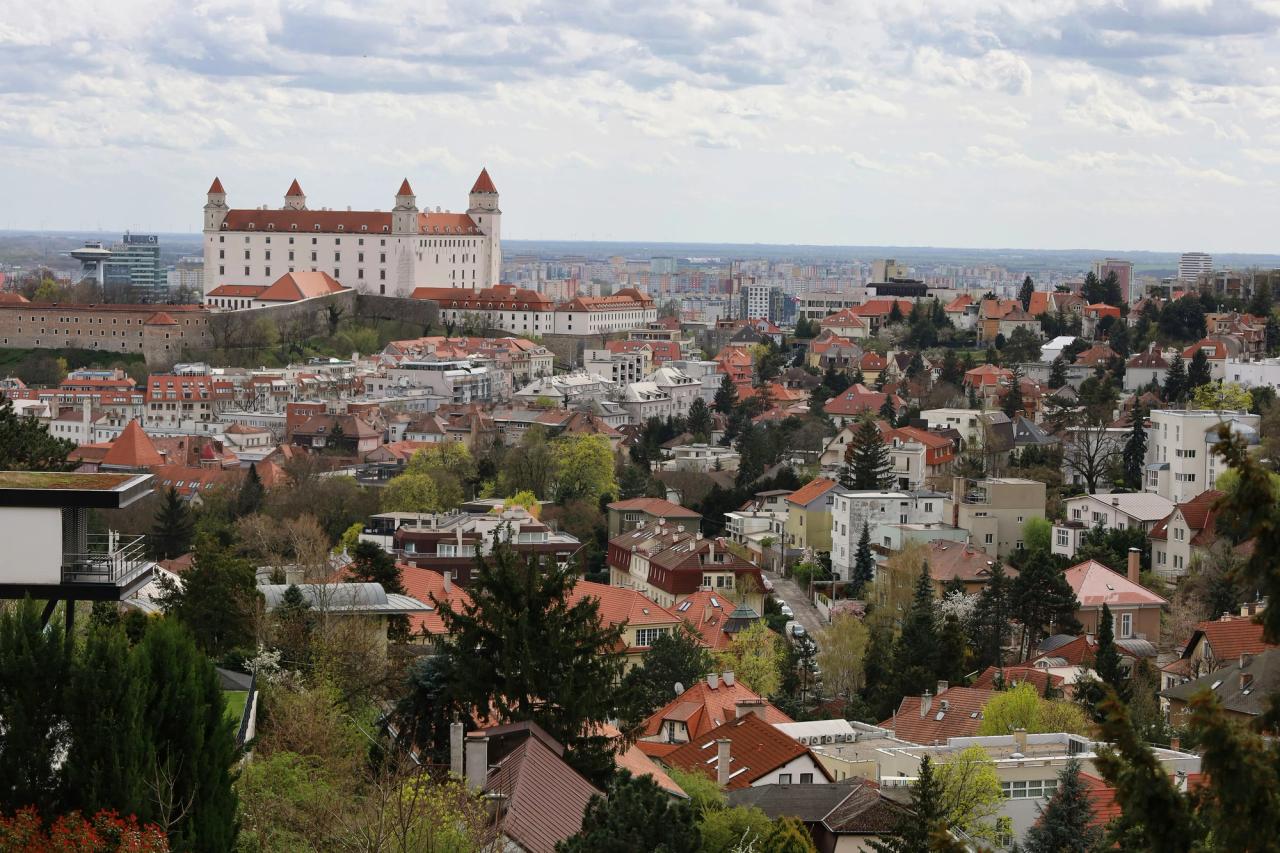
Timișoara — de eerste stad op het Europese vasteland die elektrische straatverlichting introduceerde — is al lang een plaats waar gedurfde ideeën wortel schieten. De stad werd in 2023 uitgeroepen tot Culturele Hoofdstad van Europa en is vooral bekend als de vonk van de Roemeense Revolutie van 1989, een multicultureel mozaïek gevormd door eeuwen van Habsburgse heerschappij, en een opkomende IT-hub die remote werkers en startup-oprichters uit heel Europa aantrekt. Als je een westerse levenskwaliteit wilt voor een fractie van de prijs, met groene boulevards, een kunstscene die boven haar gewicht pakt, en een gemeenschap die moeiteloos schakelt tussen het Roemeens, Hongaars, Duits en Servisch, dan is Timișoara het overwegen waard.
Timișoara ligt in de regio Banat in het westen van Roemenië, dicht bij de grenzen met Hongarije en Servië, en is al eeuwenlang een cultureel kruispunt. De historische pleinen, internetinfrastructuur van wereldklasse en groeiende technologiesector maken het een van de meest leefbare steden in Zuidoost-Europa — en in toenemende mate een bestemming voor digitale nomaden, gezinnen en carrièregedreven professionals die op zoek zijn naar een betaalbare Europese uitvalsbasis.
Timișoara in één oogopslag

- Inwoners
- ~310.000 (metropoolgebied ~370.000; volkstelling 2021 registreerde ~251.000, veelbetwist)
- Regio
- Banat, west-Roemenië
- Bekend om
- Culturele Hoofdstad van Europa 2023, Revolutie van 1989, Habsburgse architectuur, multicultureel erfgoed
- Gemiddelde huur (1-slaapkamer)
- RON 2.300–3.000 (€460–€600)
- Gemiddeld salaris
- RON 5.700/maand netto (~€1.150)
- Expatgemeenschap
- Groeiend — IT-werkers, studenten en EU-pensionado's; 10.000+ buitenlandse inwoners
- Munteenheid
- Roemeense leu (RON)
Waarom verhuizen naar Timișoara
- Betaalbare Europese levensstijl: huur, boodschappen en uit eten gaan zijn 40–60% goedkoper dan in Wenen, München of Praag, terwijl de stad op twee uur van de Hongaarse en Servische grenzen ligt met uitstekende EU-infrastructuur.
- Bloeiend IT- en startupecosysteem: thuisbasis van grote techcampussen (Continental, Nokia, Visma) en tientallen startups. Timișoara is na Boekarest de op een na grootste techhub van Roemenië, met salarissen die regionaal concurrerend zijn.
- Rijk cultureel aanbod: dankzij de erfenis van Culturele Hoofdstad van Europa 2023 organiseert de stad het hele jaar door festivals — Plai, JazzTM, Revolution Festival — en onderhoudt het gerenoveerde jugendstilpaleizen, theaters en galerieën.
- Meertalige, multiculturele samenleving: etnisch Roemeense, Hongaarse, Duitse, Servische en Roma-gemeenschappen leven samen, waardoor het voor nieuwkomers makkelijk is om vertrouwde culturele raakpunten te vinden. De identiteit van de stad is gebouwd op diversiteit.
- Compact en groen: het stadscentrum is goed te voet te doen, trams rijden elke paar minuten, en fietspaden langs het Begakanaal verbinden de meeste wijken. Weekendtripjes naar de Karpaten of Boedapest zijn een korte rit verwijderd.
- EU-doorvoerpositie: Timișoara ligt op het kruispunt van Centraal- en Zuidoost-Europa. Boedapest ligt op 4 uur rijden, Belgrado op 3,5 uur en Wenen op 6 uur — wat het een ideale uitvalsbasis maakt om de regio te verkennen.
Woning zoeken in Timișoara
Gemiddelde huren
| Wijk | 1-slaapkamer | 3-slaapkamers | Karakter |
|---|---|---|---|
| Centru (stadscentrum) | RON 2.300–3.000 | RON 3.500–5.000 | Historisch centrum, goed te voet, levendig nachtleven |
| Calea Aradului | RON 2.000–2.500 | RON 3.000–4.200 | Moderne appartementen nabij universiteit en winkelcentra |
| Girocului | RON 1.800–2.300 | RON 2.800–3.800 | Gezinsvriendelijk, parken, goede scholen |
| Soarelui | RON 1.500–2.000 | RON 2.400–3.200 | Rustig, betaalbaar, lokale voorzieningen |
| Fabric | RON 1.900–2.500 | RON 2.900–4.000 | Creatieve hub, oude industriële charme |
| Iosefin | RON 1.800–2.400 | RON 2.700–3.600 | Historisch kwartier, nabij de rivier, in opkomst |
Huisvesting vinden
- OLX.ro: De grootste advertentiesite van Roemenië — de meeste verhuurders plaatsen hier direct. Filter op wijk, prijs en aantal kamers.
- Imobiliare.ro: Speciaal vastgoedplatform met filters voor gemeubileerd/ongemeubileerd, prijs en district. Foto's zijn meestal accuraat.
- Facebook-groepen: "Chirie Timișoara" en "Expats in Timișoara" — actieve communities met dagelijkse aanbiedingen en realtime advies van huidige huurders.
- Storia.ro: Een andere populaire advertentie-aggregator die advertenties van meerdere bronnen verzamelt, handig om prijzen te vergelijken tussen platforms.
- Makelaars: Makelaars rekenen doorgaans één maand huur als commissie. Ze zijn handig als je geen Roemeens spreekt of snel huisvesting moet vinden. Sommige bureaus zijn gespecialiseerd in expat-relocaties en regelen alles van bezichtigingen tot contractvertaling.
- Lokale tip: Bezoek persoonlijk voordat je tekent. Veel appartementen worden snel verhuurd en foto's kunnen verouderd zijn. Houd rekening met één maand huur als borg plus de eerste maand vooruit.
Tips voor expats
- Huurcontracten zijn doorgaans 12 maanden; onderhandel een opzegclausule als je verblijf onzeker is.
- Nutsvoorzieningen (elektriciteit, gas, water, internet) zijn zelden inbegrepen — reken op RON 600–850 per maand extra.
- Registreer je adres bij de gemeente (Primăria) binnen 15 dagen na verhuizing — dit is verplicht voor je verblijfsvergunning.
- Gemeubileerde appartementen zijn gebruikelijk, maar kosten 15–25% meer. Controleer apparaten en verwarmingssystemen zorgvuldig in oudere gebouwen.
- Roemeense verhuurders prefereren vaak contante betaling. Zorg voor een getekend contract en bonnetjes voor elke betaling om je rechten te beschermen.
- Controleer het verwarmingssysteem van het gebouw — sommige oudere blokken gebruiken stadsverwarming (Colterm), terwijl nieuwere gebouwen individuele gasketels hebben, die goedkoper en betrouwbaarder zijn.
Wijkgids
- Centrum (Centru): Ideaal voor alleenstaande professionals en stellen die overal naartoe willen lopen. Piața Unirii, Piața Victoriei en Piața Libertății staan vol met cafés, galerieën en restaurants. De huren zijn het hoogst van de stad, maar nog steeds bescheiden naar West-Europese maatstaven.
- Calea Aradului: Populair bij universiteitsmedewerkers en jonge professionals. Moderne woontorens, nabij Iulius Mall en directe tramlijnen naar het centrum. Gemiddelde huren met uitstekende winkelmogelijkheden.
- Girocului: Gezinnen komen hier voor de groene ruimtes (Parcul Copiilor is vlakbij), goede openbare scholen en een rustige sfeer. Iets lagere huren met goede voorzieningen en speeltuinen door de hele wijk.
- Fabric: Het oude industriële district verandert in het creatieve kwartier van Timișoara — denk aan omgebouwde pakhuizen, onafhankelijke galerieën en craftbierbars. Trekt kunstenaars, freelancers en iedereen die karakter boven perfectie verkiest.
- Soarelui: Budgetvriendelijk en rustig, met grote appartementencomplexen en lokale markten. Geschikt voor gepensioneerden of iedereen die wil besparen. Iets verder van het centrum, maar goed bereikbaar met tram en bus.
- Iosefin: Een historische wijk langs de Bega, in opkomst met nieuwe cafés en gerenoveerde gebouwen. Biedt een balans tussen charme en betaalbaarheid voor wie bereid is iets buiten het toeristische pad te zitten.
- Mehala: Gelegen in het noordwesten van de stad, is Mehala een woonwijk met een dorpachtige sfeer. Lagere huren, eengezinswoningen en de nabijheid van het bos maken het aantrekkelijk voor gezinnen die ruimte en rust zoeken. Goed bereikbaar met tramlijn 6.
- Buziașului: Een nieuwere woonwijk ten zuiden van het centrum met moderne appartementengebouwen en groeiende commerciële infrastructuur. De huren zijn gemiddeld, en de wijk is populair bij jonge gezinnen en IT-professionals die in de zuidelijke tech-parken werken. Nieuwe restaurants en cafés openen naarmate de wijk zich ontwikkelt.
Levenskosten in Timișoara
De lage levenskosten zijn een van de grootste pluspunten van Timișoara. De maandelijkse uitgaven van een alleenstaande bedragen gemiddeld zo'n RON 3.350 (€675), exclusief huur. Vergeleken met Boekarest is de huur 10–15% lager, en vergeleken met West-Europese steden als Wenen of München kunnen de totale kosten 40–60% lager zijn, terwijl je een vergelijkbare levenskwaliteit hebt. Het gemiddelde netto salaris van ongeveer RON 5.700 (€1.150) is ruim voldoende om comfortabel van te leven, met ruimte om te sparen.
Maandelijks budgetoverzicht
| Categorie | Budgetrange (RON) | Budgetrange (€) |
|---|---|---|
| Huur (1-slaapkamer, centrum) | 2.300–3.000 | €460–€600 |
| Nutsvoorzieningen | 600–850 | €120–€170 |
| Internet (glasvezel, 1 Gbps) | 40–60 | €8–€12 |
| Boodschappen | 1.200–1.800 | €240–€360 |
| Openbaar vervoer (maandkaart) | 50–80 | €10–€16 |
| Eten uit (4x/maand) | 600–900 | €120–€180 |
| Vrije tijd/Sportschool | 150–300 | €30–€60 |
| Totaal | 4.965–7.035 | €993–€1.407 |
Dagelijkse kosten
- Koffie (espresso): RON 8–12 (€1,60–€2,40)
- Lunch (informeel restaurant): RON 30–50 (€6–€10)
- Maandkaart openbaar vervoer: RON 50–80 (€10–€16)
- Bier (0,5L, bar): RON 12–18 (€2,40–€3,60)
- Bioscoopkaartje: RON 25–40 (€5–€8)
- Sportschoollidmaatschap: RON 120–250/maand (€24–€50)
- Brood (heel brood): RON 5–8 (€1–€1,60)
- Sigaretten (pak): RON 22–30 (€4,40–€6)
- Maandelijkse nutsvoorzieningen (70m² appartement): RON 600–850 (€120–€170)
- Mobiel abonnement (onbeperkt data): RON 25–50 (€5–€10)
Vervoer in Timișoara
- Openbaar vervoer: STPT exploiteert trams, trolleybussen en bussen door de hele stad. Een maandabonnement kost RON 50–80 (€10–€16). Het VeloTM-fietsdeelsysteem is gratis met een kaart. Trams vormen de ruggengraat — schoon, frequent en ze dekken de meeste belangrijke routes. Een enkeltje kost RON 3 (€0,60) en is geldig voor één rit. Het netwerk dekt vrijwel alle woonwijken.
- Fietsen: Het jaagpad langs het Begakanaal loopt door de hele stad en gaat door tot Servië — een vlakke, schilderachtige route die dagelijks door forensen wordt gebruikt. Speciale fietspaden worden elk jaar uitgebreid. Het vlakke terrein van de stad maakt fietsen het hele jaar door praktisch, behalve tijdens ijskoude winterweken. Fietsenmakers en verhuurdiensten zijn veelvoorkomend langs het kanaal.
- Ride-hailing: Zowel Bolt als Uber zijn actief in Timișoara met betrouwbare dekking. Een typische rit door het stadscentrum kost RON 10–20 (€2–€4). Taxi's zijn ook beschikbaar en werken met een meter, al geven de meeste mensen de voorkeur aan ride-hailing-apps voor de transparantie en het gemak, vooral laat op de avond.
- Autorijden: Het verkeer is goed te doen vergeleken met Boekarest. Parkeren in het centrum kost RON 2–5 per uur. De meeste expats hebben voor het dagelijks leven geen auto nodig, maar een auto is handig voor weekenduitjes naar bergoorden of dorpen. Internationale rijbewijzen worden geaccepteerd voor de eerste 90 dagen. De wegkwaliteit is aanzienlijk verbeterd dankzij recente met EU-middelen gefinancierde infrastructuurprojecten.
- Luchthaven: Traian Vuia International Airport (TSR) heeft directe vluchten naar Londen, München, Milaan, Brussel, Boekarest en seizoensgebonden Middellandse Zee-routes. Wizz Air en Ryanair verzorgen de meeste budgetverbindingen. De luchthaven ligt op 12 km van het centrum; buslijn E4 verbindt deze met de stad voor RON 3. Een taxi naar het centrum kost ongeveer RON 30–40 (€6–€8).
- Intercity: Treinen verbinden Timișoara met Boekarest (10–12 uur), Cluj-Napoca (6 uur), Boedapest (4 uur per auto; directe treinen zijn beperkt — FlixBus is vaak sneller) en Belgrado (3,5 uur per auto). FlixBus en BlaBlaCar zijn populaire alternatieven voor kortere routes. Een nieuw snelwegtraject naar de Hongaarse grens is in aanleg, waardoor de reistijden verder worden verkort.
Gezondheidszorg in Timișoara
- Openbare gezondheidszorg: Het publieke systeem van Roemenië wordt gefinancierd via verplichte ziektekostenverzekering (CAS). De dekking omvat huisartsbezoeken, verwijzingen naar specialisten, ziekenhuisbehandeling en gesubsidieerde medicijnen. De wachttijden kunnen lang zijn, daarom vullen veel expats dit aan met een particuliere verzekering. Om gebruik te maken van de openbare zorg moet je je eerst inschrijven bij een huisarts (medic de familie).
- Particuliere klinieken: MedLife, Regina Maria en Medici's zijn de populairste particuliere opties. Engelstalige artsen zijn ruim beschikbaar. Een standaard consult bij een specialist kost RON 150–300 (€30–€60) zonder verzekering. Particuliere zorgplannen van deze aanbieders beginnen bij RON 100–200 per maand.
- Ziekenhuizen: Het Municipal Hospital (Spitalul Municipal) behandelt spoedgevallen. Louis Țurcanu Children's Hospital is de belangrijkste kinderkliniek. Voor complexe ingrepen reizen veel expats naar Boekarest of Wenen.
- Apotheken: Farmacia Catena en Dr. Max zijn overal. De meeste zijn geopend van 08.00–22.00 uur; sommige zijn 24/7 geopend. Geneesmiddelen op recept vereisen een Roemeens of EU-voorschrift. Geneesmiddelen zonder recept zijn betaalbaar en breed verkrijgbaar.
- Alarmnummer: 112 (pan-Europees alarmnummer). De responstijden in Timișoara zijn over het algemeen goed, gemiddeld 8–12 minuten in het stedelijk gebied.
- Mentale gezondheid: Engelstalige therapeuten en psychologen zijn beschikbaar in particuliere klinieken en via online platforms zoals BetterHelp en Psiholog.ro. Het taboe rondom mentale gezondheid neemt af onder jongere Roemenen, hoewel het nog steeds meer voorkomt dan in West-Europa.
- Tandheelkundige zorg: Particuliere tandartspraktijken zijn uitstekend en veel goedkoper dan in West-Europa. Veel expats en zelfs medische toeristen komen naar Timișoara voor tandheelkundige behandelingen. Een standaard gebitsreiniging kost RON 100–200 (€20–€40); kronen en implantaten zijn 50–70% goedkoper dan in Duitsland of het VK.
- Oogzorg en opticiens: Optica-winkels zijn ruim beschikbaar. Een oogonderzoek kost RON 50–100 (€10–€20). Brillen op recept zijn betaalbaar, met basismonturen vanaf RON 150 (€30). Contactlenzen zijn ook breed verkrijgbaar.
Krijg een persoonlijk verhuisplan
Laat je e-mailadres achter en we sturen een checklist op maat plus drie offertes van gecontroleerde verhuizers.
Cultuur & Lifestyle
- Historische architectuur: De drie belangrijkste pleinen van Timișoara — Piața Unirii (barok/katholiek), Piața Victoriei (art nouveau) en Piața Libertății (secessie) — tonen de erfenis van de Habsburgers. De stad kreeg niet voor niets de bijnaam "Klein Wenen", en de 2023-benoeming financierde uitgebreide restauraties van deze architectonische juweeltjes.
- Revolutie-erfgoed: In december 1989 leidden protesten in Timișoara tot de val van Ceaușescu. Monumenten, het Memorial of the Revolution-museum en herinneringsplaten door de hele stad bewaren dit cruciale hoofdstuk van de Europese geschiedenis. Deze context begrijpen verrijkt elk bezoek of verblijf.
- Culturele Hoofdstad van Europa 2023: De benoeming bracht grote infrastructuurverbeteringen met zich mee — nieuwe culturele locaties, gerestaureerde monumenten en een blijvende creatieve energie die de identiteit van de stad nog steeds vormt. De Calina Contemporary Art Space en de vernieuwde Thalia Hall zijn opvallende resultaten.
- Nachtleven en uitgaansleven: Het Fabric-district organiseert feesten in pakhuizen en elektronische muziekevenementen. Piața Victoriei staat vol met terrasbars die in de zomer populair zijn. De craftbiercultuur is sterk, met lokale brouwerijen zoals Bereta die internationale waardering krijgen. Live-muzieklocaties zoals Manufactura en Reflektor trekken rondtrekkende bands uit heel Europa.
- Parken en natuur: Timișoara is een van de groenste steden van Roemenië. Parcul Rozelor (Rozenpark), Parcul Copiilor en de oevers van de Bega bieden ontspanning in het weekend. Pădurea Verde (Groen Woud) aan de rand van de stad is een populaire plek voor wandelen en joggen.
- Multiculturele scene: De Roemeens-orthodoxe, katholieke, gereformeerde, lutherse en Servisch-orthodoxe gemeenschappen onderhouden allemaal actieve kerken en culturele centra. Jaarlijkse evenementen zoals het Timișoara Plai Festival vieren deze diversiteit met muziek, eten en kunst uit tientallen tradities. De synagoge van de stad, de Servische kathedraal en de katholieke basiliek staan op loopafstand van elkaar — een visueel bewijs van eeuwen van samenleven.
Eten & Uitgaan
- Lokale specialiteiten: Mititei (gegrilde worstjes zonder vel), sarmale (koolrolletjes), papanași (gebakken donuts met zure room en jam) en goulash in Banat-stijl die de Servische en Hongaarse invloeden weerspiegelen. Dankzij de multiculturele wortels van Timișoara vind je hier ook uitstekende Servische ćevapi, Hongaarse lángos en Duitse gebakjes.
- Beste plekken om uit te eten: Piața Unirii en Piața Victoriei voor terrasjes; het Fabric-district voor trendy bistro's; Mercat de Timișoara voor streetfoodmarkten. De wijk Iosefin komt ook op als bestemming voor fijnproevers, met ambachtelijke bakkerijen en wijnbars.
- Budgetopties: Traditionele kantines (cantine) serveren complete maaltijden voor RON 20–35 (€4–€7). Kebab- en shaormazaken in de universiteitswijk zijn nog goedkoper. Supermarktketens zoals Kaufland, Lidl, Carrefour en Profi bieden betaalbare boodschappen met goede verse afdelingen.
- Koffiecultuur: Timișoara heeft een levendige speciality-koffiescene. Zaken als Coffee Island, Meron en Neața Omelette Bistro serveren pour-overs en flat whites naast traditionele Roemeense gebakjes. Het cafélandschap is een natuurlijke uitbreiding van de creatieve energie van de stad — vele fungeren ook als coworkingruimtes.
Expatcommunity
- Meetup-groepen: "Timișoara Expats," "InterNations Timișoara" en "Timișoara Language Exchange" op Facebook en Meetup.com — regelmatige sociale evenementen en borrels voor nieuwkomers. Deze groepen zijn vaak het eerste aanspreekpunt voor het vinden van een woning, artsen en praktische tips. Welkomstevenementen voor nieuwkomers vinden maandelijks plaats.
- Internationale organisaties: American Chamber of Commerce Romania (AmCham), German-Romanian Chamber of Commerce (AHK) — beide organiseren netwerkevenementen en bedrijfsoverleggen. De British-Romanian Chamber of Commerce heeft ook een afdeling in West-Roemenië.
- Talenruil: Wekelijkse bijeenkomsten in cafés in het centrum; sommige georganiseerd via het internationaal bureau van de West University of Timișoara. Er zijn veel taal-tandempartners beschikbaar via Facebook-groepen. Apps zoals Tandem en HelloTalk verbinden leerlingen ook lokaal.
- Sport en recreatie: Hardloopclubs, CrossFit-sportscholen, voetbalcompetities en tennisbanen zijn populair. De stad heeft verschillende openbare zwembaden en een groeiende yoga- en pilatesscene. Wandelgroepen organiseren weekenduitjes naar de bergen Semenic en Poiana Ruscă. De Donaudelta ligt op ongeveer 7 uur rijden — een populaire bestemming voor een lang weekend voor natuurliefhebbers.
Arbeidsmarkt in Timișoara
- Belangrijkste sectoren: IT & softwareontwikkeling, automotive (Continental, HELLA, Dräxlmaier), productie, shared services/BPO, onderwijs, logistiek en hernieuwbare energie. De strategische ligging van de stad nabij de westelijke grens maakt het een logistiek knooppunt voor Centraal-Europese distributie.
- Belangrijkste werkgevers: Continental Automotive, Nokia, Visma, Amazon (AWS), HELLA, Bitdefender, Bosch, Hella, de West University of Timișoara, Politehnica University en Autoliv.
- Gemiddelde salarissen per sector:
Salarissen in Timișoara variëren aanzienlijk per sector. De IT-sector biedt het hoogste salaris, terwijl de horeca en het onderwijs aan de onderkant zitten. Alle onderstaande bedragen zijn netto maandbedragen na belasting.
| Sector | Gemiddeld netto per maand (RON) | Gemiddeld netto per maand (€) |
|---|---|---|
| IT / Software | 7,000–12,000 | €1,400–€2,400 |
| Techniek | 5,500–8,000 | €1,100–€1,600 |
| Gedeelde diensten / BPO | 4,000–6,000 | €800–€1,200 |
| Onderwijs | 3,500–5,500 | €700–€1,100 |
| Horeca | 2,800–4,000 | €560–€800 |
- Vacatures zoeken: LinkedIn, eJobs.ro, BestJobs.ro, Hipo.ro (voor afgestudeerden) en de carrièrepagina's van bedrijven zelf. De IT-sector neemt vaak mensen aan via hackathons en lokale tech-meetups. Uitzendbureaus zoals Lugera, Manpower en Hays Romania plaatsen ook kandidaten in Timișoara.
- Coworking en op afstand werken: Het coworking-aanbod is sinds 2020 gestaag gegroeid. Populaire locaties zijn Timișoara Startup Hub, Cowork Timișoara en Faber — allemaal met snelle glasvezel-internet, vergaderruimtes en netwerkevenementen. Een maandelijks flexplek-abonnement kost tussen RON 400–800 (€80–€160). De wijk Fabric en het stadscentrum hebben de meeste locaties.
Onderwijs in Timișoara
- Internationale scholen: Cambridge School of Timișoara (Brits curriculum), Liceul Teoretic Nikolaus Lenau (Duitstalig), Grigore Moisil Informatics High School (sterk STEM-programma). De keuze is beperkter dan in Boekarest, maar groeit naarmate de expat-gemeenschap uitbreidt.
- Universiteiten: West University of Timișoara (UVT) — een van de beste brede universiteiten van Roemenië met sterke programma's in geestes- en sociale wetenschappen; Politehnica University — een krachtcentrum voor techniek en IT met industriële partnerschappen; University of Medicine and Pharmacy — trekt internationale medische studenten uit heel Europa en daarbuiten. Diverse programma's worden in het Engels, Frans of Duits gegeven.
- Kleuterschool en kinderopvang: Particuliere kleuterscholen met tweetalige (Roemeens-Engelse) programma's zijn door de hele stad te vinden. De maandelijkse kosten liggen tussen RON 1.500–3.000 (€300–€600). Openbare kinderopvang bestaat, maar heeft wachtlijsten.
- Taalenscholen: Diverse particuliere academies bieden Roemeense taalcursussen voor buitenlanders. Het International Office van de UVT organiseert semesterlange programma's, en Alliance Française en Goethe-Institut bieden respectievelijk Frans en Duits aan. Voorbereidende cursussen in het Engels zijn ook beschikbaar bij veel particuliere instellingen.
Verhuischecklist voor Timișoara
Vóór aankomst
- [ ] Controleer de visumvereisten op basis van je nationaliteit (EU-burgers hoeven zich alleen te registreren; niet-EU-burgers hebben een langverblijfsvisum nodig)
- [ ] Zorg voor een huurcontract of tijdelijke huisvesting (Airbnb voor de eerste 2–4 weken)
- [ ] Regel een ziektekostenverzekering (EHIC voor EU-burgers; particuliere verzekering voor niet-EU)
- [ ] Verzamel geapostilleerde kopieën van belangrijke documenten (geboorteakte, diploma, trouwboekje)
- [ ] Onderzoek de arbeidsmarkt of bevestig je afspraken voor werken op afstand
- [ ] Informeer je bank in je thuisland over de verhuizing en onderzoek Roemeense bankmogelijkheden
- [ ] Begin met het leren van basis-Roemeense zinnen — apps zoals Duolingo en RomanianPod101 zijn handig
- [ ] Word lid van Facebook-groepen voor Timișoara-expats om vragen te stellen en contacten te leggen vóór aankomst
- [ ] Boek een tijdelijke verblijfplaats voor minstens 2 weken terwijl je zoekt naar een permanente woning
Eerste week
- [ ] Registreer je adres bij het lokale politiebureau (Evidența Populației)
- [ ] Open een Roemeense bankrekening (neem je paspoort, bewijs van verblijf en belastingnummer mee)
- [ ] Koop een lokale SIM-kaart (Vodafone, Orange of Digi — RON 25–50/maand voor data)
- [ ] Schrijf je in bij een huisarts (medic de familie) via de lokale zorgverzekeraar
- [ ] Verken je wijk te voet en zoek de dichtstbijzijnde supermarkt, apotheek en huisartsenpraktijk
- [ ] Download Bolt of Uber voor handig vervoer, en de STPT-app voor dienstregelingen van het openbaar vervoer
- [ ] Maak jezelf vertrouwd met de alarmnummers (112) en het dichtstbijzijnde ziekenhuis
- [ ] Probeer een traditionele Roemeense maaltijd in een lokaal restaurant — een geweldige manier om je thuis te voelen
Eerste maand
- [ ] Vraag een verblijfsvergunning aan bij de General Inspectorate for Immigration (IGI)
- [ ] Vraag een belastingidentificatienummer (CNP) aan bij ANAF
- [ ] Sluit een maandabonnement af voor het openbaar vervoer
- [ ] Sluit je aan bij lokale expat- of belangstellingsgemeenschappen op Facebook en Meetup
- [ ] Schrijf je in voor een Roemeense taalcursus — zelfs basiszinnen maken je dagelijkse interacties veel makkelijker
- [ ] Regel nutsvoorzieningen (elektriciteit, gas, water, internet) als dit niet door de verhuurder wordt gedaan
- [ ] Registreer de chip en rabiësvaccinatie van je EU-huisdier bij een lokale dierenarts, indien van toepassing
- [ ] Ontdek coworkingruimtes als je op afstand werkt — veel bieden gratis proefdagen aan
- [ ] Bezoek het museum Memorial of the Revolution om de recente geschiedenis van Timișoara te begrijpen
Bankieren & Financiën in Timișoara
- Een bankrekening openen: Inwoners kunnen een rekening openen bij Banca Transilvania, BCR, Raiffeisen Bank of BRD met een geldig paspoort en bewijs van adres. De meeste banken bieden online en mobiel bankieren in het Engels. Het openen van een rekening duurt meestal 1–2 werkdagen. Sommige banken kunnen een verblijfsvergunning vereisen voor de volledige rekeningfunctionaliteit.
- Valuta: De Roemeense leu (RON) is de nationale munteenheid. Roemenië heeft de euro nog niet geïntroduceerd; de wisselkoers schommelt rond de RON 5,00 per €1 (controleer de actuele koers voor je omwisselt). Pinautomaten zijn ruim voorhanden en accepteren internationale kaarten. Contant geld wordt nog gebruikt op sommige markten en in kleinere winkels, hoewel pinbetalingen in het centrum vrijwel overal standaard worden. Veel prijzen worden voor het gemak zowel in RON als in EUR vermeld.
- Digitaal bankieren: Revolut, Wise en N26 worden veel gebruikt door expats voor overboekingen tussen RON en EUR/USD. Veel werkgevers betalen salarissen naar Roemeense rekeningen, dus een lokale IBAN is praktisch. Online bankieren in het Engels is standaard bij alle grote banken.
- Fooien: Het geven van 10% fooi in restaurants is gebruikelijk en wordt gewaardeerd. Rond taxitarieven af en geef kleine fooien aan kappers en bezorgers. Servicekosten worden zelden in de rekening inbegrepen. In cafés is afronden op de dichtstbijzijnde RON 5 gebruikelijk.
Gerelateerde gidsen
- [Verhuizen naar Roemenië] — uitgebreide landengids over visa, belastingen en gebruiken
- [Verhuizen naar Boekarest] — de hoofdstadgids ter vergelijking
- [Verhuizen naar Cluj-Napoca] — het Transylvaanse tech- en universiteitsknooppunt van Roemenië
- [Verhuizen naar Iași] — de culturele hoofdstad van Moldavië en een groeiend IT-centrum
- [Verhuizen naar Brașov] — bergstad in het hart van Transylvanië
- [Kosten van levensonderhoud calculator] — vergelijk kosten tussen steden voordat je beslist