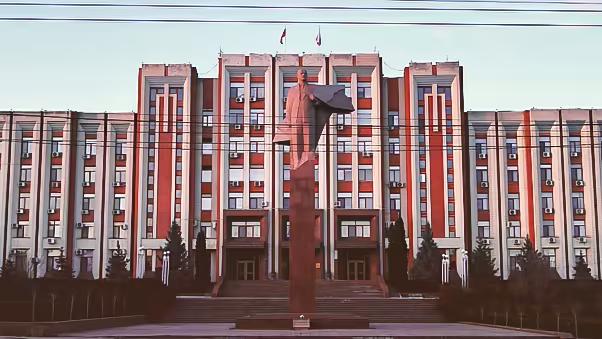
Tiraspol is de hoofdstad van Transnistrië, een zelfuitgeroepen republiek die zich in 1992 na een kort gewapend conflict afscheidde van Moldavië en door geen enkele VN-lidstaat wordt erkend. Een wandeling door de straten voelt als een stap in een Sovjet-ansichtkaart — reusachtige Lenin-bustes, monumenten met rode sterren en brede boulevards vernoemd naar Oktoberrevoluties bepalen het beeld van een stad die bevroren lijkt in de tijd. Toch schuilt onder deze Sovjet-esthetiek een van de goedkoopste plaatsen om te wonen in Europa, een functionerende lokale economie gedomineerd door het Sheriff-conglomeraat, en een verrassende magneet voor avontuurlijke expats, digitale nomaden en geopolitieke reizigers op zoek naar iets werkelijk onontdekts.
Transnistrië functioneert als een de facto onafhankelijke staat met een eigen regering, leger, politie, munteenheid en instellingen, hoewel geen enkel land de soevereiniteit officieel erkent. Dit creëert een unieke juridische en praktische omgeving voor iedereen die overweegt te verhuizen. Het banksysteem is geïsoleerd van internationale netwerken — Visa en Mastercard werken niet, wel worden kaarten van het Russische MIR-netwerk geaccepteerd. De lokale munteenheid — de Transnistrische roebel (PRB) — kan buiten het grondgebied niet worden gewisseld. Deze eigenaardigheden maken Tiraspol juist zo bijzonder, maar ze vereisen ook een zorgvuldige voorbereiding voor vertrek.
De stad zelf is compact en goed te voet te verkennen, verspreid langs de oostelijke oever van de Dnjestr. Met ongeveer 126.000 inwoners is het de grootste stad van Transnistrië en het de facto zetel van de PMR-regering. Russisch is de dominante taal en de culturele sfeer is onmiskenbaar post-Sovjet, met socialistisch-realistische architectuur, oorlogsmonumenten en Lenin-beelden die als actieve herkenningspunten worden onderhouden in plaats van historische curiosa. De economie draait om het bedrijf Sheriff, dat supermarkten, benzinestations, telecombedrijven, bouwbedrijven en de internationaal bekende voetbalclub FC Sheriff exploiteert.
Als je waarde hecht aan betaalbaarheid, veiligheid en een sfeer van levende geschiedenis die nergens anders in Europa te vinden is, verdient Tiraspol je aandacht. Het past niet bij iedereen — de isolatie van internationale systemen, beperkte gezondheidszorg en het ontbreken van Engelstalige infrastructuur maken het voor sommigen een uitdaging. Maar voor wie aangetrokken wordt tot het onconventionele, biedt Tiraspol een ervaring die nergens op het continent kan worden geëvenaard. Deze gids behandelt alles wat je moet weten voordat je de overstap maakt — van huisvesting en levenskosten tot gezondheidszorg, vervoer en de praktische realiteit van het dagelijks leven in een niet-erkende staat.
Tiraspol in één oogopslag
- Inwoners
- ~126.000 (stedelijk gebied, raming 2025)
- Regio
- Transnistrië (Pridnestrovian Moldavian Republic / PMR)
- Bekend om
- Sovjet-timecapsulearchitectuur, status als onerkende republiek, extreme betaalbaarheid
- Gemiddelde huur (1-slaapkamer)
- €60–€150/maand
- Gemiddeld salaris
- ~$450–$550/maand (betaald in Transnistrische roebels)
- Expatgemeenschap
- Zeer klein; mix van Russischtalige buitenlanders, NGO-medewerkers en avontuurlijke nomaden
- Taal
- Russisch (officieel), Moldavisch/Roemeens (minderheid)
- Tijdzone
- EET (UTC+2) / EEST (UTC+3, zomer)
- Klimaat
- Landklimaat — warme zomers (25–35°C), koude winters (-5 tot -15°C)
- Alarmnummers
- 103 (ambulance), 102 (politie), 101 (brandweer)
Waarom verhuizen naar Tiraspol
Tiraspol spreekt een specifiek type expat aan: zij die kosten van levensonderhoud, vernieuwing en echte culturele onderdompeling voorrang geven boven gemak en internationale verbondenheid. Dit zijn de belangrijkste redenen waarom mensen ervoor kiezen zich hier te vestigen.
- Ultrlage levenskosten: Huisvesting, voedsel en diensten kosten een fractie van wat je in Chișinău betaalt, laat staan in West-Europa. Een comfortabel maandbudget van €300–€500 is realistisch voor een alleenstaande, inclusief huur. Gezinnen kunnen bescheiden leven van €600–€900. Zelfs met een lokaal minimumloon worden de basisbehoeften gedekt.
- Unieke culturele ervaring: Weinig plekken op aarde bieden zo'n behouden Sovjetsfeer — het is levende geschiedenis, geen museumexemplaar. Lenin-beelden, Sovjetmoetmuurschilderingen en socialistisch-realistische architectuur bepalen de dagelijkse omgeving op een manier die geen andere Europese stad kan evenaren. De "time capsule"-kwaliteit is geen toeristische gimmick maar de echte realiteit van het dagelijks leven.
- Veilig en rustig: Geweldsmisdrijven komen uiterst zelden voor; de stad is op elk tijdstip goed te voet bereisbaar en kalm. De politie is zichtbaar aanwezig maar niet oppressief, en de plaatselijke bevolking laat buitenlanders over het algemeen met rust, op wat vriendelijke nieuwsgierigheid na. Kleine criminaliteit komt in zeer geringe mate voor vergeleken met buurregio's.
- Echt off-grid-gevoel: De politieke status van Transnistrië betekent beperkte internationale integratie, wat aantrekkelijk is voor wie los wil breken van het reguliere expatcircuit en een werkelijk andere levensstijl wil ervaren. Een digitale detox komt vanzelf als je bankpas het niet doet.
- Vriendelijke locals: De bewoners staan over het algemeen open voor buitenlanders en zijn benieuwd waarom iemand voor Tiraspol zou kiezen. Gesprekken beginnen vaak met oprechte belangstelling en de gastvrijheidstradities zijn diepgeworteld. Verbaas je niet als je wordt uitgenodigd om een maaltijd of huisgebrouwen wijn te delen.
- Compact en goed te voet: De stad is klein genoeg om de meeste boodschappen, restaurants en recreatie binnen 20–30 minuten lopen te bereiken, waardoor vervoerskosten vrijwel nihil zijn.
- Extreme betaalbaarheid voor kwaliteitsvoedsel: Verse groenten en fruit, zuivel, vlees en de beroemde Kvint-brandewijn zijn allemaal voor bodemprijzen verkrijgbaar. De centrale markt biedt een van de goedkoopste verse etenswaren van Europa.
- Geen drukte of overtoerisme: In tegenstelling tot populaire Europese bestemmingen ontvangt Tiraspol heel weinig toeristen. Parken, cafés en wandelingen langs de rivier heb je grotendeels voor je alleen.
Woning zoeken in Tiraspol
Huren in Tiraspol is eenvoudig zodra je begrijpt dat de markt volledig onder PMR-wetgeving werkt, niet onder Moldavisch recht. De meeste appartementen bevinden zich in betonblokken uit de Sovjettijd, hoewel er in het centrum ook wat nieuwbouw is. Gestoffeerde en gemeubileerde units zijn de norm, en verhuurders geven over het algemeen de voorkeur aan huurders die meerdere maanden vooruit kunnen betalen. De markt is klein en informeel — er zijn geen grote vastgoedportals en de meeste transacties verlopen via persoonlijke contacten of bordjes voor het raam.
Gemiddelde huurprijzen
| Wijk | 1-slaapkamer | 3-slaapkamers | Karakter |
|---|---|---|---|
| Centrum (omgeving 25 oktoberstraat) | €100–€180 | €200–€350 | Meest gewild; vlak bij cafés, markten en overheidsgebouwen |
| Wijk Balka | €60–€120 | €130–€250 | Sovjettijdse en moderne appartementencomplexen; grootste woongebied |
| Oever van de Dnjestr | €80–€150 | €170–€300 | Rustiger, schilderachtig; populair voor recreatie en avondwandelingen |
| Wijk Severny (Noord) | €50–€100 | €110–€220 | Goedkoopste optie; verder van het centrum, meer lokaal karakter |
Woning zoeken
- Lokale advertenties (PMR-websites): De belangrijkste methode — woningaanbod wordt geplaatst op Transnistrische en Russischtalige forums en advertentiesites. Zoek naar huurwoningen op lokale webportals.
- Mond-tot-mondreclame: Vraag rond in winkels, cafés of bij het lokale migratiekantoor. Locals kennen vaak beschikbare appartementen voordat ze online staan. Dit is vaak de snelste weg naar een goede deal.
- Verhuisbureaus en bemiddelaars: Sommige expats huren een lokale bemiddelaar of tweetalige contactpersoon in om huurcontracten namens hen te onderhandelen. Dit is vooral handig als je geen Russisch spreekt en lokale advertenties niet kunt lezen.
- Loop door de wijk: Veel verhuurders zetten simpelweg een bordje in het raam. Door je favoriete buurt te voet te verkennen en te zoeken naar handgeschreven te-huur-briefjes vind je verrassend vaak iets.
- Sociale media en Telegram: Sommige huuraanbiedingen verschijnen in lokale Telegram-groepen of op communitypagina's van VK (het Russische sociale netwerk) voor Tiraspol.
Tips voor expats
- Contracten vallen onder het recht van PMR, niet onder Moldavisch recht — zorg ervoor dat je huurcontract de PMR-migratiekaart vermeldt als identificatiedocument.
- Reken op een borg van 1–2 maanden plus de eerste maand vooruit. Onderhandelen is mogelijk, zeker bij huurcontracten van zes maanden of langer.
- Nutsvoorzieningen worden apart gefactureerd en zijn erg goedkoop (€20–€50/maand, afhankelijk van het seizoen). Verwarmingskosten stijgen in de winter, vooral in oudere gebouwen met slechte isolatie.
- De meeste appartementen zijn tot op zekere hoogte gemeubileerd. Helemaal ongemeubileerde woningen zijn zeldzaam, maar aanzienlijk goedkoper.
- Controleer de leidingen en verwarming voordat je tekent — sommige gebouwen uit de Sovjettijd hebben verouderde infrastructuur en warm water kan wisselvallig zijn.
- Vraag naar het gemeenschappelijke verwarmingssysteem van het gebouw. Sommige nieuwere appartementen hebben individuele gaskachels, waardoor je meer controle hebt over je winterrekening.
- Moldavische huurdersbeschermingswetten gelden niet in Transnistrië. Lees je huurcontract zorgvuldig en begrijp het juridische kader van de PMR voordat je je bindt.
- De waterkwaliteit is over het algemeen veilig om te drinken, maar veel locals en expats drinken liever flessenwater, voor de zekerheid.
Wijkgids
De wijken van Tiraspol hebben elk een eigen sfeer. De stad is compact genoeg om nergens echt geïsoleerd te raken, maar elke wijk heeft een eigen karakter, prijsniveau en voorzieningen.
- Centrum (25 oktoberstraat): Het hart van Tiraspol — alles loopafstand, inclusief het gebouw van de Opperste Sovjet, het Sheriff-complex en de centrale markt. Ideaal voor nieuwkomers die gemak en directe toegang tot cafés, winkels en services willen. De huur is het hoogst van de stad, maar nog steeds erg betaalbaar naar Europese maatstaven. De hoofdlaan wordt omzoomd door overheidsgebouwen, monumenten en de paar restaurants die lokaal als chique gelden.
- Wijk Balka: Het grootste woongebied, vol met Sovjettijdse hoogbouw en enkele nieuwere blokken. Geschikt voor gezinnen en langdurige huurders die meer ruimte zoeken met een beperkt budget. Goed verbonden door trolleybuslijnen met het centrum. Meerdere kleine winkels en een lokale markt bedienen de wijk.
- Dniestroever: Een rustiger stuk langs de Dnjestr met parken, wandelpaden en recreatiegebieden. Iets chardere uitstraling; populair bij locals die groene ruimte en mooi uitzicht waarderen. Beperkte commerciële voorzieningen, dus voor de meeste boodschappen moet je naar het centrum. Ideaal voor wie 's ochtends of 's avonds graag langs het water wandelt.
- Wijk Severny (Noord): De meest betaalbare wijk, verder van de centrale voorzieningen. Voornamelijk lokale gezinnen in oudere appartementencomplexen. Een goede keuze als je een auto hebt of geen langere wandeling naar winkels en restaurants erg vindt. De noordelijke markt heeft verse producten tegen de laagste prijzen van de stad.
- Leninstraat / Sovjetwijk: Geen formele wijk, maar een iconisch stuk nabij de belangrijkste monumenten, het Huis van de Sovjets en overheidsgebouwen. Het huuraanbod is beperkt, maar de locatie is onverslaanbaar voor de Sovjetsfeer en de nabijheid van Tiraspols belangrijkste bezienswaardigheden.
- Zuid-Tiraspol: Woongebieden ten zuiden van het centrum nabij industriële zones. Goedkopere huur, minder voorzieningen, maar rustigere straten. Het meest geschikt voor mensen met eigen vervoer of wie maximale rust wil ver van de drukte.
- Bij de Universiteitswijk: De gebieden rond de Staatsuniversiteit van Tiraspol hebben een iets jongere sfeer en soms studentenhuisvesting. De huren zijn gemiddeld en de nabijheid van de universiteit betekent toegang tot een bescheiden cafécultuur en boekwinkels.
Levenskosten in Tiraspol
Tiraspol is naar bijna elke maatstaf een van de goedkoopste steden van Europa. Zelfs vergeleken met Chișinău — op zich al erg betaalbaar — biedt Tiraspol aanzienlijk lagere huren en dagelijkse kosten. Het nadeel is beperkte toegang tot internationale goederen, diensten en bankieren. Geïmporteerde producten (elektronica, merkleding, specialiteitsvoedsel) zijn ofwel niet verkrijgbaar of duurder dan in buurlanden door invoerbeperkingen en het ontbreken van internationale handelsovereenkomsten.
Maandelijks budget overzicht
| Categorie | Budgetrange |
|---|---|
| Huur (1-slaapkamer, centrum) | €100–€180 |
| Nutsvoorzieningen | €20–€50 |
| Internet | €5–€10 |
| Boodschappen | €80–€130 |
| Vervoer | €5–€15 |
| Eten uit (4x/maand) | €30–€60 |
| Vrije tijd/Sportschool | €10–€20 |
| Totaal | €250–€465 |
Een stel dat een eenkamerappartement deelt, kan realistisch gezien leven van €400–€600 per maand. Een gezin van vier in een driekamerwoning besteedt mogelijk €700–€1.000, afhankelijk van de levensstijl. Deze cijfers maken Tiraspol een van de meest betaalbare plekken om te wonen in heel Europa.
Dagelijkse kosten
- Koffie (café): €0,50–€1,00
- Lunch (gelegen restaurant): €2,00–€4,00
- Diner voor twee (middenklasse): €8,00–€15,00
- Maandabonnement openbaar vervoer: ~€5,60
- Enkele rit trolleybus: ~€0,15
- Bier (bar): €0,80–€1,50
- Brood (heel): €0,30–€0,50
- Melk (1 liter): €0,60–€0,80
- Bioscoopkaartje: €1,50–€3,00
- Sportschoolabonnement (maandelijks): €10–€20
- Fles lokale wijn: €1,50–€4,00
- Fastfoodmaaltijd: €1,50–€3,00
- Maandelijks mobiel abonnement (Interdnestrcom): €3–€6
- Kappersbeurt: €2–€5
- 1 kg kipfilet: €2,50–€4,00
Valutanotitie
Transnistrië gebruikt zijn eigen valuta, de Transnistrische Roebel (PRB), die niet internationaal verhandeld wordt. De wisselkoers is vastgezet op 1 USD ≈ 16,1 PRB (gekoppeld door de Transnistrische Republikeinse Bank). Moldavische Lei (MDL) en euro's worden soms geaccepteerd bij wisselkantoren, maar de meeste dagelijkse transacties — winkels, markten, restaurants, openbaar vervoer — gebruiken uitsluitend PRB. Neem contant geld mee en wissel alleen wat je nodig hebt, want PRB heeft geen waarde buiten Transnistrië. Er is geen manier om overgebleven PRB terug om te wisselen naar harde valuta zodra je vertrekt, dus budgetteer zorgvuldig en wissel niet te veel.
Je verplaatsen in Tiraspol
Tiraspol is een compacte stad waar je voor het dagelijks leven zelden gemotoriseerd vervoer nodig hebt. De meeste bewoners lopen of gebruiken het trolleybussysteem voor langere afstanden door de stad. Het vlakke terrein en het rasterstraatpatroon maken de navigatie eenvoudig, ook voor nieuwkomers die niet bekend zijn met de omgeving.
- Openbaar vervoer: Een netwerk van trolleybussen en marsjroetka's (minibussen) dekt de belangrijkste routes door de stad. De tarieven zijn verwaarloosbaar (~€0,15 per rit). De dienstregeling loopt van vroeg in de ochtend tot ongeveer 20.00–21.00 uur, met een verminderde frequentie in het weekend en op feestdagen. De routes verbinden het centrum met alle grote woonwijken, waaronder Balka, Severny en de zuidelijke gebieden.
- Fietsen: De stad is vlak en compact, wat fietsen haalbaar maakt voor dagelijkse boodschappen. Er zijn geen aparte fietspaden en een fietscultuur is niet wijdverbreid, maar automobilisten zijn over het algemeen tolerant. Fietsen zijn lokaal verkrijgbaar vanaf €30–€80.
- Autorijden: De wegen zijn in redelijke staat voor de regio. Parkeren buiten het centrum is gratis en ruim beschikbaar. Brandstof is verkrijgbaar bij door Sheriff geëxploiteerde tankstations tegen prijzen die lager zijn dan in buurlanden. Een auto is handig voor interlokale reizen, maar niet nodig binnen Tiraspol zelf.
- Taxi's: Taximeters bestaan maar zijn goedkoop. Een rit door de hele stad kost zelden meer dan €1,50–€3,00. Spreek vooraf de prijs af, omdat meters niet altijd worden gebruikt. Taxi's kunnen op straat worden aangehouden of telefonisch worden besteld.
- Te voet: Tiraspol is zeer loopvriendelijk. Het centrum is in 20–30 minuten te voet over te steken. De trottoirs zijn breed maar op sommige plaatsen ongelijk. Lopen is de voorkeursmanier om zich te verplaatsen voor de meeste bewoners bij lokale boodschappen.
- Luchthaven: Tiraspol heeft geen commerciële luchthaven. De dichtstbijzijnde is Chișinău International Airport (IATA: KIV), ongeveer 75 km naar het westen. De meeste reizigers regelen een privétransfer of nemen een marsjroetka naar Chișinău en vervolgens een taxi naar de luchthaven.
- Interlokale bussen: Minibusverbindingen rijden regelmatig naar Chișinău, Odesa (Oekraïne) en andere regionale steden. Reken op 1,5–2,5 uur naar Chișinău, afhankelijk van de wachttijden bij de grensovergang op de administratieve lijn tussen Transnistrië en Moldavië. Bussen naar Odesa doen er ongeveer 2–3 uur over, met een grenscontrole onderweg.
Tiraspol bereiken vanuit Chișinău
Minibussen vertrekken vanaf het Zuidbusstation van Chișinău (Gara de Sud) ongeveer elke 30–60 minuten overdag. De route kruist de Dnjestr en stopt bij de Transnistrische controlepost waar passagiers hun paspoort laten zien en een PMR-migratiekaart ontvangen. Het verloopt meestal vlot en eenvoudig, maar het kan langer duren tijdens drukke periodes of als de grenswachten steekproeven uitvoeren. Het tarief is ongeveer €3–€5 enkele reis. Privétaxi's bieden meer flexibiliteit voor €25–€40.
Gezondheidszorg in Tiraspol
De gezondheidszorg in Tiraspol is functioneel maar basis naar Westerse normen. Het systeem is gebaseerd op infrastructuur uit de Sovjettijd en heeft beperkte modernisering ondergaan. Voor reguliere zorg, kleine verwondingen en veelvoorkomende aandoeningen zijn de lokale voorzieningen toereikend. Voor alles wat complex of gespecialiseerd is, is reizen naar Chișinău of Odesa gebruikelijk onder zowel locals als expats.
- Ziekenhuizen/klinieken: Tiraspol heeft een centraal ziekenhuis en verschillende wijkspoliklinieken. De voorzieningen zijn functioneel voor reguliere zorg, consultaties en kleine ingrepen, maar missen de moderne apparatuur die in EU- of Noord-Amerikaanse ziekenhuizen te vinden is. Wachttijden bij publieke voorzieningen kunnen lang zijn.
- Engelstalige artsen: Zeer beperkt. Russisch is de voertaal in de gezondheidszorg in heel Transnistrië. Een tweetalige lokale contactpersoon of tolk wordt sterk aanbevolen bij elk medisch bezoek, zeker voor meer dan alleen basiszorg.
- Apotheken: Ruim beschikbaar door de hele stad. Medicijnen zonder recept zijn betaalbaar en worden vaak verkocht zonder de receptvereisten die in westerse landen gelden. Neem een lijst mee met generieke geneesmiddelnamen, want merknamen zullen afwijken van wat je gewend bent.
- Alarmnummers: 103 (ambulance), 102 (politie), 101 (brandweer).
- Tandheelkundige zorg: Basistandheelkundige diensten zijn beschikbaar tegen zeer lage kosten. Vullingen, reinigingen en extracties worden lokaal uitgevoerd. Expats die complexere tandheelkundige behandelingen zoeken — implantaten, orthodontie — reizen vaak naar Chișinău voor kwalitatief betere opties.
- Geestelijke gezondheid: Geestelijke gezondheidszorg is uiterst beperkt en maatschappelijk taboe. Expats met geestelijke gezondheidsbehoeften doen er verstandig aan om op afstand toegang te zoeken tot diensten of naar Chișinău te reizen.
- Kraamzorg: Basale prenatale en kraamzorgdiensten zijn lokaal beschikbaar. Echter, veel aanstaande ouders kiezen ervoor om te bevallen in Chișinău, waar de voorzieningen beter uitgerust zijn.
Praktische tips
Expats met ernstige medische behoeften — operaties, specialistische consulten, behandeling van chronische aandoeningen — reizen doorgaans naar Chișinău of Odesa voor behandeling. Een uitgebreide internationale ziektekostenverzekering die medische evacuatie dekt is sterk aan te raden. Neem een papieren exemplaar van je verzekeringspolis mee, aangezien digitale verificatie lokaal mogelijk niet beschikbaar is. Houd een basis-EHBO-set thuis voor kleine problemen. Neem de voorgeschreven medicijnen die je nodig hebt zelf mee, omdat specifieke geneesmiddelen lokaal mogelijk niet verkrijgbaar zijn.
Krijg een persoonlijk verhuisplan
Laat je e-mailadres achter en we sturen een checklist op maat plus drie offertes van gecontroleerde verhuizers.
Cultuur & levensstijl
Tiraspol biedt een dagelijkse ervaring die uniek is onder Europese steden. Het Sovjetverleden is niet bewaard in musea — het is het levende heden. Overheidsgebouwen vertonen Sovjet-insignes, straten dragen revolutionaire namen en de dominante economische speler (Sheriff) opereert met een bijna monopolistische greep die doet denken aan staatsbedrijven. Voor avontuurlijke expats is dit precies de aantrekkingskracht.
- Sovjeterfgoed overal: Leninbeelden, Sovjet-oorlogsmonumenten, het Huis van de Sovjets en straten vernoemd naar revolutionaire data bepalen het stadsbeeld. Het is geen nostalgie — het is de huidige realiteit. De feitelijke overheid onderhoudt deze symbolen als onderdeel van de Transnistrische identiteit. Het gebouw van de Opperste Sovjet en het centrale Leninmonument zijn iconische oriëntatiepunten.
- Sheriff-conglomeraat: Het bedrijf Sheriff domineert Tiraspol's economie en dagelijks leven — van supermarkten en tankstations tot telecom, bouw en de beroemde voetbalclub FC Sheriff (die in 2021 Real Madrid versloeg in de UEFA Champions League). Sheriff-winkels zijn de meest moderne retailoptie in de stad, met geïmporteerde producten die nergens anders in Transnistrië te vinden zijn.
- Rustig, langzaam tempo: Tiraspol mist het nachtleven en het culturele aanbod van grotere steden. Avonden worden doorgebracht in parken, langs de Dnjestr-oever, in cafés of thuis. Er zijn een paar bars maar geen clubs in westerse zin. Het entertainment is beperkt tot de bioscoop, incidentele culturele evenementen en sociaal contact met vrienden.
- Gastvrije locals: Ondanks de politieke situatie zijn bewoners over het algemeen gastvrij en nieuwsgierig naar buitenlanders. Verbaas je niet als vreemden een gesprek beginnen of je uitnodigen voor thee. Gastvrijheidstradities zijn diepgeworteld in de regio.
- Internet en connectiviteit: Internet is beschikbaar via Interdnestrcom, de lokale provider. De snelheden zijn toereikend voor browsen en videogesprekken maar niet vergelijkbaar met West-Europese standaarden. VPN-gebruik is gangbaar onder expats voor beveiliging en toegang tot geo-geblokkeerde diensten.
- Religie: Het merendeel van de bevolking is oosters-orthodox christen. Meerdere kerken zijn actief door de hele stad. Religieuze feestdagen worden in acht genomen maar niet zo uitgebreid als in sommige andere post-Sovjetstaten.
- Sport: Voetbal is de populairste spectateursport. FC Sheriff speelt in de hoogste Moldavische divisie (Moldovan Liga) en verwierf internationale faam in Europese competities, waaronder een befaamde overwinning in de Champions League tegen Real Madrid in 2021. Een wedstrijd bijwonen is een goedkope en vermakelijke lokale ervaring.
- Parken en recreatie: De Dnjestr-oever is het belangrijkste recreatiegebied, met wandelpaden, groene ruimtes en seizoensgebonden activiteiten. Verscheidene kleinere parken verspreid over de stad bieden dagelijkse ontspanning.
Eten & uitgaan
- Lokale specialiteiten: Mamaliga (maïspap), placinte (gevulde pasteien), borsjtsj, sarmale (gevulde koolrollen) en gegrild vlees zijn vaste waarden in het lokale dieet. De keuken combineert Moldavische, Oekraïense en Russische invloeden.
- Beste plekken om uit te eten: Langs 25 Oktoberstraat en in de buurt van de centrale markt — diverse cafés en restaurants serveren stevige maaltijden tegen zeer lage prijzen. De door Sheriff geëxploiteerde restaurants bieden de meest verzorgde eetervaring van de stad.
- Budgetopties: Straateten, marktkraampjes en kantine-stijl stolovayas bieden complete maaltijden voor €2–€4. Verse producten van de centrale markt zijn de goedkoopste optie voor het koken thuis.
- Kvint brandy: Transnistrië is de thuisbasis van de Kvint-distilleerderij, die internationaal erkende brandy en cognac produceert. Een fles premium Kvint kun je lokaal kopen voor een fractie van de exportprijzen — een must-try en een uitstekend souvenir.
- Markten: De centrale markt is de beste plek voor verse groenten, fruit, zuivel en vlees tegen bodemprijzen. Hier winkelen is zowel voordelig als een echte culturele ervaring.
- Wijn en sterke drank: Lokale wijn is goedkoop en overvloedig. Moldavische wijntradities zetten zich voort in Transnistrië, en veel locals produceren hun eigen huiswijn. Lokale variëteiten proeven hoort bij de ervaring.
Expats
- De expat-populatie is klein — een handjevol NGO-medewerkers, journalisten, taalleraars en avontuurlijke digital nomads. Het is onwaarschijnlijk dat je een gevestigde expat-scène of sociale infrastructuur aantreft.
- Er zijn geen formele expat-bijeenkomsten of internationale organisaties actief in Transnistrië. De internationale aanwezigheid is beperkt tot de OSCE-missie en een paar humanitaire organisaties.
- Online forums, Reddit-threads (r/moldova, r/transnistria) en Telegram-groepen die zich richten op Transnistrië of Moldavië zijn de beste manier om in contact te komen met andere buitenlanders die in Tiraspol hebben gewoond of de stad hebben bezocht.
- Veel expats geven aan dat het ontbreken van een internationale gemeenschap zowel een uitdaging als een voordeel is — het dwingt je om je te mengen onder de locals en Russisch te leren, wat de hele ervaring verdiept.
Arbeidsmarkt in Tiraspol
De lokale arbeidsmarkt is klein en wordt sterk beïnvloed door het Sheriff-conglomeraat, veruit de grootste particuliere werkgever. Salarissen zijn laag naar internationale maatstaven, maar toereikend gezien de extreem lage kosten van levensonderhoud.
- Belangrijkste sectoren: Landbouw, voedingsmiddelenindustrie, lichte industrie, lokaal bestuur, detailhandel, bouw
- Belangrijkste werkgevers: Sheriff (supermarkten, telecom, bouw, sport), Kvint-distilleerderij, Transnistrische staatsinstellingen, textielfabrieken, Interdnestrcom (telecom)
- Gemiddelde salarissen per sector:
| Sector | Netto per maand (bij benadering) |
|---|---|
| Detailhandel / Diensten | $300–$450 |
| Overheidssector | $400–$550 |
| Vakmensen | $350–$500 |
| IT / Telecom | $400–$600 |
| Onderwijs | $300–$450 |
- Vacaturebronnen: Lokale advertenties, mond-tot-mondreclame en direct contact met werkgevers. Online vacaturesites zijn vrijwel onbestaand voor de PMR. Persoonlijk netwerken is de meest effectieve aanpak.
- Freelancen: Werken op afstand is haalbaar als je eigen internet en een VPN hebt. Betalingsverwerking is de grootste uitdaging — internationale betalingen ontvangen op een PMR-bankrekening is niet eenvoudig. De meeste remote werkers houden een bankrelatie in Moldavië of hun thuisland aan en nemen contant geld op voordat ze Transnistrië ingaan.
Opmerking voor buitenlandse werknemers
Formele tewerkstelling voor buitenlanders in Transnistrië wordt bemoeilijkt door de niet-erkende status van het gebied. Arbeidsvergunningen zoals in andere landen bestaan niet in de PMR. De meeste expats die in Tiraspol werken, zijn in dienst bij internationale organisaties (OSCE, ICRC, enz.), werken op afstand voor buitenlandse werkgevers, of runnen een eigen klein bedrijf. Het juridische kader voor buitenlandse werknemers is onduidelijk, dus overleg met een lokale fixer voordat je een baan aanneemt. Belastingverplichtingen voor buitenlandse werknemers in een niet-erkende staat zijn onduidelijk — veel remote werkers betalen gewoon belasting in hun land van herkomst.
Onderwijs in Tiraspol
- Internationale scholen: Deze bestaan niet. Alle onderwijs is in het Russisch, met enkele Moldavische/Roemeenstalige scholen voor de minderheidsgroep. Het curriculum volgt het PMR-onderwijssysteem, dat gebaseerd is op onderwijsmodellen uit de Sovjettijd.
- Universiteiten: De Staatsuniversiteit van Tiraspol (TGU) en de Transnistrische Staatsuniversiteit (PSU) bieden opleidingen voornamelijk in het Russisch aan. Richtingen zijn onderwijs, recht, economie, techniek en landbouw. Diploma's worden buiten Transnistrië en een paar GOS-landen niet algemeen erkend, wat de overdraagbaarheid beperkt.
- Taalenscholen: Er zijn geen formele taalinstituten voor buitenlanders. Wel zijn particuliere docenten Russisch te vinden via mond-tot-mondreclame. De tarieven zijn erg betaalbaar (€5–€10 per uur). Sommige expats regelen informele taaluitwisselingen met locals die graag Engels of andere Europese talen oefenen.
- Voor gezinnen met kinderen: Als je kinderen geen Russisch spreken, is het onderwijssysteem van Tiraspol een lastig parcours. Overweeg de internationale scholen in Chișinău als alternatief, met een woon-werkafstand of een aparte woonsituatie op schooldagen. Thuisonderwijs is een andere optie, hoewel de juridische status in de PMR onduidelijk is.
Verhuischecklist voor Tiraspol
- Controleer dat je paspoort minimaal 3 maanden geldig is na je geplande verblijf (Moldavische eis)
- Onderzoek de visumvereisten van Moldavië voor jouw nationaliteit (je moet eerst Moldavië binnenreizen om Transnistrië te bereiken)
- Begrijp het entryproces van Transnistrië — je ontvangt een PMR-migratiekaart bij de administratieve grens
- Regel een internationale ziektekostenverzekering met evacuatiedekking
- Neem voldoende contant geld mee in euros, US Dollars of Moldavische Lei — pinpassen werken zelden in Tiraspol
- Informeer je via de Moldavische douane over de douaneregels voor persoonlijke bezittingen
- Download offline Russischtalige bronnen of een vertaalapp voor noodsituaties
- Print belangrijke documenten — verzekeringspolis, kopieën van je paspoort, noodcontacten
- Sla voldoende voorgeschreven medicijnen in waar je afhankelijk van bent
- Onderzoek je bestemming en zoek 2–3 potentiële appartementen
- Laat je bank weten dat je naar Moldavië gaat (Transnistrië staat niet in de lijst, maar je komt mogelijk via Chișinău)
- Registreer je bij de PMR-migratiedienst als je langer dan een paar dagen blijft
- Koop een lokale simkaart van Interdnestrcom (de enige mobiele provider in Transnistrië)
- Wissel geld in voor Transnistrische roebels (PRB) bij een plaatselijk wisselkantoor
- Zoek de dichtstbijzijnde apotheek, het ziekenhuis en de supermarkt bij je appartement
- Regel internet in je appartement via Interdnestrcom
- Maak je vertrouwd met de routes van trolleybussen en marsjroetka's
- Zoek een tweetalig contact of fixer die kan helpen met vertalingen en lokale bureaucratie
- Bezoek de centrale markt om de lokale voedselprijzen en het aanbod te leren kennen
- Registreer je adres bij de lokale autoriteiten als je voor langere tijd blijft
- Stel een routine op voor boodschappen doen op de centrale markt en bij Sheriff-supermarkten
- Bouw een netwerk op van lokale contacten — winkeliers, buren en fixers
- Plan een dagtrip naar Chișinău voor spullen die lokaal niet verkrijgbaar zijn
- Test je remote werkopstelling grondig als je online werkt
- Verken de omgeving — Bender (Tighina), de oevers van de Dnjestr en omliggende dorpen
- Begin met het leren van eenvoudige Russische zinnen als je dat nog niet gedaan hebt
- Stel een noodplan op voor noodsituaties (dichtstbijzijnde ambassade in Chișinău, noodgeldreserve)
- Leer de locatie van het dichtstbijzijnde wisselkantoor kennen voor toekomstige geldbehoeften
Gerelateerde gidsen
- [Verhuizen naar Moldavië] — uitgebreide landgids
- [Verhuizen naar Chișinău] — de hoofdstad van Moldavië, ~75 km van Tiraspol
- [Verhuizen naar Odesa] — dichtstbijzijnde grote Oekraïense stad, ~100 km naar het oosten